I have been talking to myself ever since I remember. And having a photographic memory I remember myself well; doing, playing, observing being as young as 1 year old, i remember a lot of things. And this listening, seeing, ultra observing of actions, reactions, relating, co-relating, correcting them, learning from what didn’t go right, or what did, the tone and sounds in a language, feelings; I am always well aware of each happening, every vibration that I receive or give.
It is pure grace, a blessing. Namaste.
Another blessing had been this blog, Road to Nara : My travels as a Yogi and the family that it has provided me. Each and every soul of you. To tell you, It has saved me from something, I do not know what but very important something. I even did not know till now that I could sustain writing, or that I can write this much. Road to Nara became my road to come back to myself, so many memories I have lived in my lifetime, so many duties, responsibilities; as a teacher, Organiser, Correspondent, as student of life, as a student of the Himalayas who gave me my Gurus; that had I had not been writing on this Road to Nara, it must have by now become a mixture of stimulations in my mind.
But I know, I haven’t actually done anything, this is all because of you, It is everyone of you who has made this possible, me possible. Supporting, expressing your joy of travelling with me last one year and a half; I cannot share how much meeting the most beautiful, diverse, immersed readers and writers here has helped me grow quietly, and rekindled that spirit which I never really believed in, which I do not believe in sometimes still. And it is because of you few who have come on this boat sailing together. I thank you.
2021 became a stepping-stone for me personally. I became quieter and somewhere I lead, pushed, motivated myself very subtly, every possible day in and night, from merely seeing to writing. I haven’t written as much ever as I did this year. Even though it is merely half a drop in an Ocean. But I wrote. And I only thought of writing. It was important. Collecting stories that were scattered in various directions in my mind; dimensions so vivid that I had to almost become spider-like to tell myself to sit. To sew. To bring myself to terms with words, and the joy of responsibly sharing it with you all, my Road to Nara co-travellers of this life.
I cannot thank you enough but only tell the world how important each one of you are for me, for our planet, this humankind, and for the universe to bring peace and balance in this world right now. We the fighters with pens and keyboards, you are the saviours as you have been mine. As it wasn’t possible to become a better man, a better human had I had not become this, because of you. Most importantly, and surprisingly through your words.
I would like to thank the most beautiful woman I met here who has the metal to change the way how we perceive nature, who herself is a living nature; Joanna from the blog Naturetails. I am not built to judge or compare but it is important to lead people to what is important and right. Such as Joanna’s blog as I personally feel she is running the most important blog on Word press community, with a heart who listens and transpires that into a melody. Even though It has been a dreadful year for her health yet her dedication of sharing and writing even from hospital beds took my breath away. She has been a mentor like motivator for me, none i have met or seen in my life. She has stood by me like my shadow. I always pray for her and ask every Co-traveller of Road to Nara, to visit her blog and see for yourself the depth and care that she shares; Stories of extraordinary nature and compassion. I owe a lot to you. Thank you. Also that, i assure you it only a start.
Gary, my blog sister from the blog OutofWak has been another reason why I have felt so warmly, so beautiful here, like a family. And to tell you the truth somehow I feel as much connected with her as I do with my own sister here. She is simply the most quaint poet you will find anywhere; Saint like, who can carry you to a point in three lines or may be even one and a half, which might take some writers three paragraphs. Giving Haikus a run of their price. She is a master creator, an explorer of realms, an artist whom I have loved reading, with her other dimensional illustrations. I thank you sis for being you, really. Happy new year.
Richa, whose blog Sweet Jaw was about her experiments with fruits and bakery for her family; discovered that we had things in common so much so that we lived almost in the same locality. Though she is out of blogging for some time now but her words, her constant support, offline has been rare and priceless. I want to tell her that i really treasure it. I heartily thank her and wish her family, her beautiful daughter a lot of health.
Anne, from the blog Horse Addict who’s insights and understanding of the animal world and amongst all horses always keeps me on the edge. She has been a conscious reader and a remarkable supporter. I have learnt so much from her of what all goes in caring and working with the horses, or how beautiful or even repulsive Horse world could be. Thank you Anne, it has been lovely to read you.
Just like Cornelia from the blog Cornelia Webber Photography and Cheryl from the blog Gulf Coast Poet, who have stood by almost every single post, both beautifully sharing their worlds of writing and Photographing, have been amongst my first and oldest readers here on the Road to Nara, whom I really and heartily cherish.
Michael, from the blog The Riverdale Review whose presence I always look forward to, is an intense writer. He observes things of and through a world that has long changed for him. I love his blog for its authenticity, its like a co-passenger sitting observing the driver drive, and with that observant charm that he brings there. I am thankful to him for his constant, admirable, enjoyable, unmoved support. Happy new Year to you Michael.
Rosalina, for me Rosa from the blog Three Worlds One Vision who has also been there with me for a long time, herself is a Novelist and writes sometimes with a harrowing, from experience, intent filled writing. You can check out her new novel ‘The Twisted Circle’, which is getting rave reviews by the critics. I cannot help thank her how valuable her presence has been for me. She brings a world, a lot different from mine, but I understand and connect with her, to what she is looking for, she is seeking and it could be seen in her writings. Happy new Year to you Rosa.
Kaushal Ji, from the blog Kaushal Kishore whose insights are amongst the most humorous ones, filled with simplicity and eloquent insights. He is one who is bringing life to Indian living, just like books of general knowledge used to do it in olden times; with his small, sharp, calculated, detailed understanding of the land and all what comes with it. I am thankful for him for his words that give me hope, every time he writes. Thank you Kaushal Ji.
There are certainly many more, who have come and become a part of this ongoing journey. I wish to see them, keep reading and learning from them each passing week.
: ँ :
It has been as wonderful a year as it had been dreadful for me, for my School is barely breathing. For last two years there are only handful of children, and it is only on screen that we see them. How sad and otherworldly it is!
I travelled in 2020, out of need and bit of work, not too much but I needed it, I at least need the Himalayas every few months, even if do not go anywhere else, i need my mountains. But still travels in the forests will not be same anymore.
Though I am hopeful, as a lot of work is needed to be done in 2021. A lot. And will share it soon so as to go on record. And you will see it as Road to Nara will take a detour, towards a more hands free approach, because i will need to work on myself and in all this transition i would want to continue even if i write few words each week.
A change that I need, if I have to prosper, if other lives have to prosper, collectively, together.
Finally, let me thank each and everyone and wish a year filled with health and a lot of love and care. I look forward to make this world a better journey for all of us.
I will be taking a two week off for myself, to complete something very important. In the meantime if anyone want to share their blog for me and everyone to read, please share it in comments, i would certainly love to come over and read them in time.
Have a beautiful New Year. And may all of us Find our own Road to Nara.
Thank you.
: ँ :
To Contribute to Save Rasool Campaign,
If you are living in India, you can help Rasool by Supporting/Contributinghere
And if you are living anywhere outside India, please write to me at nara@road-to-nara.com
: ँ :
If today is the first time you have arrived on The Road to Nara, you are heartily welcome ~ Namaste
And I will take this opportunity to introduce you to About meand importantly;
Even though Rasool’s favourite rooster died in old age but his death was not natural. By the time he died, the deepest virtue he attained was patience. And carried the Curiosity of a crow. He was a fighter Cock. And is remembered for his last fight that he fought with the heaviest spy cat on Dal Lake in Kashmir.
The cat would start swimming as soon as the sun would set, from the foothills of the Shankaracharya temple crossing Dal and coming to the backyard of Rasool’s houseboat named Abu and Sheeba. It was said that it was she who inspired a line of dogs to cross the lake to find newer avenues to hunt and eat. But being a cat she would come and take all her time to roam and plan in the longer run her future homes. It was noticed that the chicken count was declining day by day till that one night when she found Rasool’s king rooster standing in front, stopping her way. Ready to fight for his children and three hen wives.
At first the cat wanted to evade it. She had better things to do. But King rooster became adamant. He followed the cat in the dead of the night to the nearby boats. Even waiting for her to come out in the open. She came. It was morning. The time cat would have liked to swim back to the land. But King Rooster didn’t want this to go on for ever. The fight was given. And It was so fierce that all the ducks and a Swan family which were witnessing this once in a lifetime confrontation decided not to cheer or chirp. Thinking of the far future, they kept silent for they knew that the cats can hear even the wind speak. The battle went on for many minutes. As it was the cat who got a surprise of her life in the valor with which the king rooster cracked her first line of defence. She cried in pain. Children came out of the room with blankets on them. From the adjoining boat. Behind Dal where land was used to dock and farm. King Rooster had injured her in the stomach, and punctured her ribs. He would meticulously fly like a baby helicopter and come back standing behind her to attack her from all directions. Her injured ribs robbed her off the sharpness with which she used to move. And It made the cat furious as she kept crying in anger. She would hiss and attack but waited for that moment when he was still in the air about to land again, becoming predictable, in control but not in control. She waited. And the moment rooster came down this time, she threw her front paw from left so fast that it landed on king Rooster’s chest. He fell far and on his back like in the movies. He lost one of his shoulder. He could not stand. The fight was over. The cat left limping.
This battle went down as the most audacious one in the history of Bird Park. King rooster was hailed and acknowledged by the birds and other animals on Dal. The cat was never seen after that night. His popularity now knew no bounds. But as days passed his health deteriorated. And at this time four other cocks who would have never dared to breach the territorial integrity of King rooster’s space came from a nearby farm and attacked him one after other. It was said that these roosters had lost their fights earlier and were thirsty for revenge. Also some wanted to marry one of his three wives. And so it was planned. They came down cruelly on him. It left King Rooster blinded in one eye and eventually resulted in losing his kingdom and his confidence. He started walking strangely. And with it lost his curiosity and slowly appetite. Yet he lived through the summer hard, resting, hiding, escaping, rebuilding again and well. Gradually as time was healing him and had started regaining his lost skin, looking like getting better, healthier. Rasool one day out of nowhere found him upturned, floating dead in the Rasool made lake one morning.
Rasool had ten swans, twelve ducks, four sheeps, three hen and their army of hundreds of children and the King Rooster. Over the years Rasool had tried to keep as many birds but scaled it down as it became hard to provide food for everyone from home. The swans who were loved by all, and who had acquired many names from children and the visitors alike also started dying mysteriously, one by one once I left Rasool’s bird park just before the arrival of winters.
I had come to Srinagar to work on an ongoing project with a channel. When I first met Rasool, he was mentoring and guiding the team, taking them to places in Srinagar to meet and interview people. You can find the link to the seven documentaries here. And cooked for them in the evening before leaving to feed his birds back home.
It was quite late in the night when I first arrived from Delhi. I went into kitchen succumbing to my hunger and found a man fast asleep, sitting. A cigarette hung between his fingers, his mouth open and his suspended jaw as if detached from within was drooping out through his lips. Like an organ hanging in between just like that. He must be tired.
I met Rasool the next morning. Hurriedly making sugar tea. Denying that sugar does anything to the man who works. Leaving everything to the god in his speech. He had diabetes. But took more sugar than I.
Rasool was born under the oldest bridge on Jhelum few months before the Indian independence in 1947. They eventually left that place as the water in Jhelum reduced. The family finally for the first time rowed upstream and came to Dal. One could come and go to all the water bodies as they were connected once. You wouldn’t believe this now. But it will take me another nine months of understanding the ways of Ghulam Rasool. As I kept coming back and forth from Delhi to Srinagar. The time my work finished with the organisation and everyone else left I decided to stay longer to write and document this life or his life for a new Project. Rasool suggested me to stay with him in his only room on the House Boat, just where King Rooster was found dead.
My life was changing, and I didn’t know it. Because for next six months I would be living on water.
Rasool and I, rowing to Nageen from Char Chinar in Dal, Kashmir
I learned to row.
The one who rows is called the Keeper, said Rasool. And the Keeper sits behind, overlooking the boat. Making decisions, just like in life. Rasool taught me to row in theory but made me work hard to find out how. It wasn’t easy to start at all. But once i did, it was me who became his keeper. He would tell me the way and many a nights we would rowed deep inside Dal, through hidden by-lanes and closed markets. Once we were crossing through a never seen before path when Ozzola and Aligator weed grasses arrived making the journey arduous. It was going to be morning. One to remember as the magic blue had started emanating from the dark. No one spoke. We were rowing past, leaving wooden bridges behind that join the floating houses in the older part of Dal when I saw that same cat, swimming her way out of one boat to the other.
: ँ :
Thank you
If today is the first time you have arrived on The Road to Nara, you are heartily welcome ~ Namaste
: ँ :
Please watch this small film on Rasool, for his Birdpark is important. A Fundraiser film. And let me know what you think.
If you are living in India, you can help Rasool by Supporting/Contributinghere
: ँ :
I will take this opportunity to introduce you to About meand importantly;
You might also like to know about My Little School Project. If you wish to come over for a visit someday, that you must, you will be heartily welcomehere
If you would like to contribute to my travels,you can please do so here
: ँ :
If you have anything to share, or feel like saying a hello, please feel free to write to me at nara@road-to-nara.com
To visit other long-term photographic works, please visithere.
To follow my walks through the rural Indian Subcontinent, find me at Instagram | Facebook | Twitter
Some of you may remember Rasool. My guardian, and the one who brought Kashmir to me. I had written about him more than a few times. But for the ones who might not have heard about this Birdman, this magic man, must read this first.
But if you have skipped and are reading this. Let me please request you to meet him first yourself.
You must have known that for some time i had been meaning to do something for Rasool. Not because i must but more because his life is more important than most. As he knew, he understood how valuable, how important others lives are. He loved, protected and cared for the lives of those who were left to fend for themselves. He saved the birds and all nature beings as his own.
For me, to find his work and a small bird park in a region marred by Bullet sounds and all kind of violence was a revolution in itself. For local children and many others he is someone really rare whom they can look up to; the only light.
Rasool and I in good times
Kashmir has been a volatile place for past three decades and if we consider these circumstances he is a hero to me. To set an example of love and compassion. Not that so many others who do are not but at least in Kashmir he is amongst the only one. And I have tried to help him as little as i can but this time he needs more than one heart.
He is not well. And, this week as we prepare to leave 2021, i want to request my Road to Nara family here and anyone who can, to help him stay well and stay relevant.
He needs our help.
: ँ :
If anyone reading it wants to help Rasool in anyway, please write it in comment box or on my mail.
Thank you.
If today is the first time you have arrived on The Road to Nara, you are heartily welcome ~ Namaste
If you have any suggestions, please write in the comment box or feel free to write to me at narayankaudinya@gmail.com
: ँ :
I will take this opportunity to introduce you to About meand importantly;
Also, You will be happy to know about My Little School Project. If you wish to come over for a visit someday that you must, you will be heartily welcomedhere
: ँ :
To visit other long-term photographic works, please visithere.
Follow my works and walks as I document Rural Indian Subcontinent on
Since the 1970s, I have concentrated on documenting living art in rural homes that have been rapidly disappearing because of modern, consumerist lifestyles. Not that this is the kind of photography I like doing or I am passionate about, but somebody has to document these lifestyles before they get lost forever.”
Jyotibhai, as Jyoti Bhatt is fondly called, is one of the founder members of the Center of Photography, Baroda. Before he turned to photography, however, Bhatt began his artistic career as a painter and a printmaker in the 1950s. He worked as a painter from 1954 to 1969 and also taught at the Faculty of Fine Arts in Baroda. He says, “I was never interested in studies. You may say that since I was not good for anything else in life, I became a painter. I studied painting and printmaking at the Faculty of Fine Arts, Baroda, under stalwarts like N. S. Bendre, Sankho Chaudhari and K. G. Subramanayan. In the 70s, I learnt the intaglio method of printing and screen painting.”
But by then, the desire to photograph and document India’s vanishing culture had already lured him. “I have photographed everything, from intricately carved doors to floors, pots, pans, walls, houses that is part of our folk art in rural India. My camera replaced my sketchbook.”
Bhatt’s journey as a photographer began in 1967, when the Bharatiya Vidya Bhavan in Mumbai asked him to photograph Gujarat’s folk art. On his travel through rural Gujarat he photographed wide range of things including bandhani and other Kutch crafts, traditionally tattooed bodies, havelis, painted temples and embroidery.
: ँ :
I was very close to start working on a film based on his life and travels that i so wished had happened, but just could not materialise. But who do not know of his towering work which has helped to restore a significant part of rural Gujrati lifestyle; i am sharing a decade of his work that he documented from 1971 to 1987.
I also believe that had he not been there it wouldn’t have been possible for us to see how life in Gujarat at that time was. As a documentarian myself, in this last month of 2021, paying my tribute to the master.
Deeply impressed by Anand Coomaraswamy’s book ‘Mediaeval Sinhalese Art’, Bhatt realised that folk art has many strands which reinforce one another. “Each work of art provides an avenue of creativity, and refines human sensibilities and responses. Living within a creative network, an individual artist attains a special stature and refinement. The disappearance of the network, with the breakdown of traditional cultures, is bound to cause cultural impoverishment,” he says.
His best known work is the documentation of the rangoli tradition in Gujarat and Maharashtra. “It was probably introduced in Gujarat through Maharashtra during the rule of Gaekwads,” he says.
Bhatt doesn’t indulge in technical gimmicks; his photographs are simple, just the aim-and-shoot kind. “I have always believed in content over form.”
At times, Bhatt works in tandem with sculptor Raghu Kaneria. Their work together includes the documentation of women artists in tribal hamlets. “During festivals, women decorate the cattle. In every tribal hamlet, there are women artists. Though they are paid for the job, the remuneration is not so high to become a source of livelihood. They use a lot of bright colours and narrative format. Artists draw inspiration from mythological tales and the paintings are believed to protect tribal families from evil forces,” says Bhatt.
Bhatt claims that he has never regretted taking to photography as an art form. “The photo-documentation work is equally creative. Also, my work has brought into spotlight those umpteen tribal artists who were deprived of any recognition or reward, he states.
Initially, this work was done for a seminar, but it soon became one of the artist’s passions to document traditional Indian craft and design work. The disappearing arts of rural Gujarat became a focus. Though Bhatt’s investigations into a village and tribal designs certainly influenced the motifs he used in his printmaking, Bhatt considers his documentary photographs to be an art form in themselves. His direct and simply composed photographs have become valued on their own merit.
This huge body of work is perhaps the best assembled photographic documentation that pertains to “The Baroda School” of Indian art.
He was awarded with Padmashri, India’s fourth highest civilian award in 2019.
: ँ :
Its impossible in ways to have even met an artist, a documentarian of his calibre. To have come close to even start thinking of making a film on him.
Today, he is 87 and I will only wish that somehow a film compiling his works, his life, no matter however directed, should come out before we lose all of it. His experiences of that time and era must be recorded.
: ँ :
I hope you enjoyed.
We will continue with Finding the Brahma Kamal in the higher Himalayas, after Christmas.
Thank you
: ँ :
If today is the first time you have arrived on The Road to Nara, you are heartily welcome ~ Namaste
And I will take this opportunity to introduce you to About meand importantly;
Sumanto was waiting by the roadside, in front of the fisheries department. It was late in the night, very late by the mountain ways of life. Yet the most relieving part was that i wasn’t alone. With me was the last government bus, which i had to run after, in Rudraprayag to catch it. Had it not been that moment, i wouldn’t be making it even in my 30th hour of leaving New Delhi.
It was cold. It was heavy. The restrain of the night, one which arrives after many days of rain. The climatic depression could still be felt. I could hear the droplets dropping off the leaves as I could hear myself heaving. The bus stopped. I bid byes to the driver, the conductor as i had been the only one riding with them since evening. I was finally stepping out of the bus.
Sumanto’s smile turned into a laugh. I laughed. His two dogs started running around. I was meeting him after years, don’t know even how many. He hadn’t changed but he had. He looked leaner, may be more loner; in a great way. Beard, thicker and longer. Like always he had with him something to drink, rather the variety of drinks find a way to reach him.
I met Pluto, as i have known him for years; through a teacher friend who was with me during my teaching days in Baltistan. And all these years, we seemed to be on an unusually weird journey, one which he and I had been together on and not at all; polls apart in our nature and being but somewhere strangely meeting. Pluto left the human world to make plans with plants, first in Himachal and now in the higher Himalayas of Uttarakhand. He had asked me to get waterproof trekking shoes for him from Delhi, as we made plans to walk in the mountains even though he has never been much of a walker, and neither was he a flower, herb, or a culture man. So much so that he hadn’t even left this small valley of Mandal for over two years now.
More than 800 days, wow!
But he was that one man who had come to help me on my first film back in 2016, when i was working on top of a Landfill. The biggest shit space of everything human and non-human in Delhi. He came,even against my expectation on a rainy day to stand on the mountain of shit, with a sound recorder for I wanted to record the many sound frequencies coming out of the landfill. That poisonous earth under us, he was there. He was there as it rained. Sumanto had come then, for the first time in his life to stand on that Garbage mountain.
The Black Mountain, the first docu-film i started working on keeping environment and climate as centre. Only my selected few friend could come up, stand amongst this collection of dark elements here. Sumanto was one of them.
And today, almost five years later, leaving all what is called a city; he is living and working at a farm as a Permaculturist. Experimenting with the ways of growing herbs, vegetables or anything that can be made gold out of earth. A goldsmith.
That night, it was my turn to walk to his mountain place, It was drizzling and this time it was me who was assisting him in his great mis-adventure.
: ँ :
Days that followed were too intimate, were spent learning and observing in silence. Pluto had dogs to feed, some work that always demanded his presence or so he thought. Even that one time when i felt that he might not even find days and energy to peacefully make way for a week and come along on the journey to find the divine Brahma Lotus, but he was thinking, as i was persisting and during that we lived together, spending few days walking, eating, exploring. I, acclimatising before that long walk to heaven began; we went to pay our homage to the ancient mother Anusuiya and Rishi Attri, whose son i pray to daily, three headed trinity himself, the lord of tantra; Guru Dattatreya.
Sharing those few days around Gopeshwar; in the valley of Mandal here with my extended family of Road to Nara.
: ँ :
The tiny village home, where Pluto lived when he had first arrived from Delhi. Accompanied by Bhalu and Monkey; the dogs. Here looking at the far away springs on the right.
The curious mountain water buffalo.
Here we had kind of invited ourselves to lunch at a neighbours place; just like the neighbour invites himself to sit with Pluto most nights. After wandering whole day we had reached around evening.
Local Food
Ancient Lentil Chaunsa dal and Mandua Roti. These are said to be ancient crops. Even hundreds of years before rice and wheat were grown; what we ate that evening was the most nutritious food; hardly available even in Indian cities rather i must say, no one opts for them anymore.
Old house, Gopeshwar.
Sumanto, procrastinating over to go or not to go.
A rare sunny day in the monsoon, here i loved how cactus was looking like receptors. On a school’s roof.
Pluto’s Perma farm, Gopeshwar.
The old mud-stone house where i stayed. In front of what many people call Siva-Ganga or Balkhila river.
Its the women who have held the world together, and it can be said for the Himalayas. The woman farmer here seen from our home.
The next day, as clouds gathered, we started our walk to the Anusuiya temple.
On the Way
While leaving the valley of Mandal behind.
Bamboo Shoots lining around the wall
A village home, woman greeted us with a smile
Lord Dattatreya Mela(festival) at Anusuiya Temple, where we were heading to in 1977. I saw this at a small tea shop. When a short halt for tea felt needed.
Grass and moss taking over the jungle tree.
Walking the Jungle
The inscription engraved on the surface of a weather-worn rock is located on the left side of birdle path leading to Anusuyadevi temple. The inscription is comprised of seven lines of writing and is in sanskrit language and northern brahmi script.
The inscription mentions that one Kshtriya Naravarman under the Maharajadhiraja Paramesvara Saraverman, constructed a water reservoir and a temple for the merit of his parents as well as his own.
Dyansty of Sarvarman is not mentioned in the record however on the basis of palaeography, it is assigned to the middle of the 6th century AD. On this basis and imperial title Maharajadhiraja, the king may be identified as Maukhari king Sarvaraman who is known to have ruled from circa 576 to 580 AD.
It is a meritorious inscription for the benefit of the pilgrims on ancient pilgrimage routes. This inscription is historically significant in this region as this is the earliest inscription mentioning a ruling king in Uttarakhand after the Mauryan king, King Ashoka’s Kalsi Rock edict.
There were hardly any travellers, or pilgrims on that day. Here it is cautioned here about this monument that it is of National importance.
Beautiful Ganesha temple, which is said to be sculpted out of a rock. I spent sometime sitting in front reciting some hymns in lord Ganesha’s praise.
An empty, lone old village home, on the way to Anusuya temple.
Here Sumanto paying homage to the only Devdar tree. Finally after reaching the temple.
If you are still here, you might like to know about My Little School. If you wish to come over for a visit, to share your stories or one of your magic tricks with children, you are heartily welcome.
If you would like to contribute to this project by funding a student to plant a tree or towards his education,you can please do so here
: ँ :
Above all, If you have anything to share, or feel like saying a hello, please feel free to write to me at nara@road-to-nara.com
To visit other long-term photographic works, you can visithere.
To follow my walks through the rural Indian Subcontinent, find me at Instagram | Facebook | Twitter
Who would have known that a journey which merely started in documenting the culture of the mountains will end in a never-ending quest of finding the way to my own being.
May be this is what Living in general teaches us. Like Googly in Cricket.
Guruji and I came back to his home. It was cold and only a bulb far was filling the mountain home with some light. He stood for a while without speaking, almost waiting for the words to arrive. That mountain Narayan, that slope lead the last Pandava to Heaven, with a dog. We were seeing it together, in the dark. The tip of it shining, because moon was raining that night.
And that is where you will find the Lotus of Brahma; a whole valley of flowers up there surrounds the divine flower; because they too revere it. They want to be near it because they know what powers Brahma Kamal has been bestowed upon. They look up to him because the gods come to him in the form of fog; carrying prayers, requests and boons, which soon then, lead to rains.
“Like it wasn’t easy for Draupadi, Guruji said. The wife of the Pandavas, as the painful memories of her insult in the Kaurava court kept tormenting her constantly throughout their exile and even long after the war. She felt never at peace. But one evening she saw the most beautiful flower floating away downstream. She couldn’t place which flower it was. And later one night in the meadow, her eyes fell on it the moment this ‘golden’ lotus was about to bloom, she felt a strange bliss passing through her body that was almost spiritual. But the lotus withered as quickly as it had bloomed. It was at this time when she sent her most devoted husband Bhima to look for it, and while on his quest for the flower, Bhima met Hanuman.
And today, when the call finally arrived five long years later, it was raining like clouds have leaked. Monsoons had extended their visit. Images of whole mountain sliding down the valley were doing the rounds.
It had been raining for past many days in Delhi, and seemingly forever in the Himalayas on news channels. Monsoons had extended their visit. News of landslides, roads being washed away, death, rocks falling on bridges, bridge falling in the river, river washing houses away due to cloud burst, flash floods had filled the mind of one and all with fear all throughout the northern and central Indian states. And specifically amongst the Himalayan people. The same news of water everywhere, loss of lives, destruction has been repeating for last ten years. Every monsoon carries with it a fear. From the memory of the havoc that had fallen here in 2013. Pure terror. Not very different from my mother’s who wasn’t ready to let me go this time round.
——
Brahma Kamal has been a mystery to not only me but for all the legends whoever have walked the Himalayas in all periods of history, they know what this flower is.
For years had passed only remembering the stories of ‘Brahma Kamal’, the star like lotus flower, named after Brahma, the God of Creation; A plant so sacred that it blooms not in the sun, but late in the night. For a very brief period, and only in the months of rains; no one knows where but somewhere in the higher Himalayas where feet cannot trample any other; A rare, magnificent, first snow like white, shy, ancient, as old as the Himalayas themselves; a flower whose fragrance is known to stay for over a month if it is ever plucked. But I had never seen it. Never held it. Even hardly read about it. But I had heard about it from the saints, sages and the elderly. From the trekkers, and probably it was about time to become the one telling this story to the world.
The moment arrived.
I knew the direction, and the region where Guruji had pointed five years back. Even though It was unreal to see myself climbing, all alone up there but I had surrendered everything to my deep rooted path of finding it, and whatever may happen, will be welcomed.
I reached on time at Kashmere Gate’s Interstate Bus Terminal. I took the ticket. It came out to be the smallest mountain bus standing at a corner, like this one dorky pig under it. Whom I wanted to befriend, I had biscuits for him but he wanted to keep it to himself as he went deep under, in retrospection. I of course respect that. It was 2030 and the bus started.
The first movement of the bus is quiet a feeling and those first few moments when we feel neither still, or completely moving. Like between past and future. Bus windows making new frames of life. Those moments of Leaving everything we had lived till that moment. Everything becomes a past as we move to earn something new; that which we have already surrendered to, welcoming the new.
Like most, travelling solo felt exhilarating after quiet some time. To only travel in these times for experiences is altogether a blessing. It was a long route bus, and the smallest one in size because of where it will reach tomorrow evening, almost 20 hours later cannot be imagined right now. But as we moved, I started hearing that the bus will not go all the way; even though i do not want it to be true but it became the truth. The bus halted at Rishikesh. The roads were closed and only after any information that may even never come, we may go ahead.
It slowly started seeming improbable soon as it had started raining like someone was watching this bus closely and was intentionally pouring water over on it. And once it started from there onwards It was water, water all the way. No buses, or any traffic was allowed to go from here. There was a big landslide; a whole mountain had swept away a large part of the national highway, and it might even take a week before it opens.
I had befriended fellow travellers, an army man going home after months from Kashmir. To see, meet, hold his daughter for the first time. Another person, very talkative, was hideously drinking throughout the journey was pissed at the conductor for not telling him before. It strangely felt chaotic at the time when normally gods supposedly wake up. It was Four in the morning, and water was falling like a waterfall, ever-going, nobody can ever predict it will stop. We came out of bus. Ran towards the only shed making tea. I looked around, and quietly cursed myself of not taking the Umbrella from my mother, who had asked me at least thirteen times to take it.
I ordered teen(3) chai.
It was depressing to a point i had even started thinking of making plans to go elsewhere. But then the people who have to go because their home is there will find a way.
And the way was to ride back to Haridwar, as it was from there the buses were taking a much longer route to reach Gopeshwar. I had never known this route. Neither I had known from my previous travels that you can go around bypassing Rishikesh. So this was new and new was exciting, just that it would take ten hours more. There was no other option. I had to move, even if it is takes a long time. And as we moved, more than half of that day went outside looking at nowhere, as it was pitch dark all day long; clouds had demonised the whole morning aura and it went like till noon. But this detour slowly started looking like a drive through paradise via Kotdwar and Lansdowne, along a vibrating river. Water, water everywhere, coming down making dead springs alive again. I enjoyed it even though it took all my patience as we the travellers sat on the edge of our seats throughout that morning. None apart from the bus driver could comprehend where were we, as one big rock just missed the bus from falling on it, but had pushed it enough to stop it from moving even an inch, but it was better we becoming the news for the next day.
That bus dropped me at Rudraprayag. I took another bus to Ghagaria, from where i would start walking towards the valley of flowers to find my flower but as they say it is not you who is thinking, but all nature thinking through you. Like it had happened in Kashmir, when i was pulled to walk the most fulfilling trek to Amarnath, i was called again towards him via a valley i had never known existed till then. The bus reached Gopeshwar at 8 and dropped me to the valley of Mandal at 10. Pluto, that is Sumanto, my old friend from Delhi was waiting.
24 hours on the bus and counting
: ँ :
Thank you.
If today is the first time you have arrived on The Road to Nara, you are heartily welcome ~ Namaste
: ँ :
I will take this opportunity to introduce you to About meand importantly;
If you are still here, you might like to know about My Little School. If you wish to come over for a visit, to share your stories or one of your magic tricks with children, you are heartily welcome.
If you would like to contribute to this project by funding a student to plant a tree or towards his education,you can please do so here
But before finding Brahma Kamal, Nara had to go through the forests where Pandavas once roamed.
Pandavas!
The mighty heros of the Indian Epic, Mahabharata. Who after defeating the Kauravas, after slaying their own uncles, brothers, friends in a battle that went on for 18 days, not night. The rule was to rest and sleep in the night; until Pandava’s sons were murdered. The rage from there onwards became the reason to kill; not merely win. The carnage started then. Pandavas killed each Kaurava till the last count one by one.
It was a bitter victory.
Pandavas went on to rule for 36 years. But the guilt of killing their own kept breathing in their minds. Pride over the years melt into feeling sinful. As sharp pangs of remorse led the Pandavas to leave their kingdom they had won; leaving their worldly clothes, ornaments, and even their weapons; to find eternal peace, to attain Moksha. It was during this search on their way to heaven, while walking for years in the mountains; numerous stories, symbols and structures were established. Amongst which some can still be seen today; handful of big stone-structured temples, high in the higher Himalayas, above the garden of herbs, above the meadows and forests, even above the clouds.
Established by the Pandavas, Kedarnath Temple. Photo taken Circa 1852
It was in the winters of 2016, exactly five years ago, when the Pandava Forests first called me to the Kedar Mountains. An Anthropologist from Delhi’s Jawaharlal Nehru University had found my work in Rajasthan with the Manganiyar Community ‘fascinating’. She wrote to me explaining about the study she has been doing on the cultural history of crowd gatherings in the Himalayas and asked me, if I could help her document the findings.
For Twenty-Six December days I walked from one mountain village to the other without ever touching a road. It was a pilgrimage of Magic. One that involved invoking spirits in humans, every night after Sun would set. We witnessed 1000 year old rituals being performed, as people from villages far walked for hours to reach these on the mountain tops; to hear, see and pray quietly to the energies, to the sound and the direction of the wind over ancient hymns being sung for those many nights.
Pandava Research Days, in village Nagarsu, Uttarakhand
I remember once while on our way to a village on the mountain top, night had fallen and we were passing through a forest. It was cold. We were breathing heavily and had taken a halt when I realised a whole world of fireflies had started surrounding us. Forest had brought stars for us. So many that I could even see owls roosting in the dense evergreens above us. Uncanny. It felt something more, surreal. Till about that moment when they abnormally started pushing us to walk away. Like putting all there might to show us something or save us from something. Thousands of them in a line followed us further up for a while, gleaming at their brightest when all of a sudden they left. The light left. The forest grew again. The sound of the night came back. Dark. Alone. As if the soul just left. But somewhere far, deep inside amongst hundreds of trees, a small fire could be seen, placed as if it was a human’s work. We walked. Few people were sitting around it. They looked different. Unlike locals as they sat still and made no sound or gesture. More it looked that they were there for a purpose, a ritual. Lets let them be, Amita said. I could not immediately find our path up but made sure I did not walk too close or disturb them when suddenly my feet landed into a small ditch. It unstable-d me and it made a sound. They were five. All at once looked back together like the head of a snake turns. It gave me a pang. But I stood my ground. Standing like there was nothing to hide. What I did not see from there was the sixth man, oldest of them all. Beard- cotton like white, long, floating in the wind, touching his navel. With a long wooden staff he walked very slowly towards me with his gaze querying who could I be? He looked firm yet so old that three-me put together could have only come closer to match his age that night. He came close. My head without my permission bowed in Namaste. Amita stood behind me, shaking with fear. He took my hand. The strongest grip. But it felt assuring. It felt well. He led us towards the fire and signalled to sit with others. Light beaming now on our faces.
It was breathtaking first. Heat made us comfortable. We calmed down. Yet, no one had spoken still. And I was yearning to know, even though I wasn’t in command neither i felt that they wanted to ask anything. All other kept quiet and were strangely focused in looking at the burning wood. Unblinking. Intently. Amita and I looked at each other and then towards the old man who sat far, his back towards us, preparing something as the sound of grating kept coming. The sound of some thing coming. The sound of becoming. Sound that everything was fine. We felt assured. As i happily looked over the fire towards the mountain, there was something amiss. Was I looking at the mountain or the mountain looking at me? It was gigantic, conflictingly extensive, huge, high, giant of a triangle feeling like it was standing over my head. Looking closely, whole mountain looked village-less but had seven such lights, flickering at different places positioned as if making a great bear, Saptrishi. I suddenly felt as if we are trapped. We are in a constellation; mirroring the mountain in front of us. Like I was looking at myself. It was frightening because it looked we were losing some grip over what was going on. I was still searching when I heard some steps. The elderly man was coming to us with something in his hand; hot smoke coming out of it. He extended his hand to us. I looked at him; his eyes were a deep well, un-blinking. I took the bowl. Amita denied it. I drank it. He left.
Breathe. Breathe. Breathe.
The sap made me uneasy. I had to walk. We were standing by the time he brought that nectar, elixir or poison of the scorpions again. I bowed with hands. He, unmoved but assured me without showing anything or so I feel. We left.
In the dark again, we started walking without ever speaking about what happened, I did not know if Amita found it shocking but she never spoke a word. We kept trudging up the mountain when the sound of Dhol/drums and Damau, the state instruments of Uttarakhand started filling our ears. The village was near, Amita sighed, and started walking faster, so much that i did not see her that night again.
There was not much difference i could make after the drink but certainly my body felt light and the mind was flying, or was it my body. The sound had become so loud that I felt my feet were not landing on the ground. I was losing the grip of what was in front of me or what was within. The beating of the drums were doing a strange thing i was not in control of. When the sacred tree arrived, I carefully kept my things on the ground, looked up to the giant tree; opened my hands like wings and started running around the tree looking up. That night I danced like no one was watching. Stepping, swinging, twisting, leaping, jumping, spinning, rapping or truly I was dancing- tripping when another sound alerted me. A gigantic baboon like man was walking by. The night shade of the tree and the sound from the village had saved me from getting noticed. But he himself was in some kind of rhythm. He too moved with the beats like i was. He was white from head to toe with a black face. A snout reaching out, but had horn like growth coming out of his ears. He stood like humans and wore nothing, he was looking for something in the fields. He uprooted big sugarcane willows like carrots, collected them and left. I followed. His way took me inside the village. I was slow but i wanted to record it. I took my camera out. The lanes were Colourful. but they were narrow. The sky had mist. The sound of water running through either side filled the trees above. Trees covered the night sky, from my eyes. I took left. Walls became yellow. I took right. There came steps. A red balloon lying on the side, still but jumpy. I climbed, the lane took left when one head almost cracked my lens. Right in front. A man stood watching. He had forced stopped himself but he was moving. I slowly pulled my camera away. His eyes met mine but he wasn’t looking at me. Angry. Sweaty. Red, rather they were piercing my gaze. His look drilled through my consciousness. Like it cracked me open. I shouldn’t have been here. He must not have been stopped. But he was stopped. And his mouth moved, rotating screams in whisper : Brahma kamal! Brahma Kamal. again and again. Brahma kamal! Brahma Kamal! Brahma kamal!
Kedar valley, Chaukhamba, Uttarakhand
The beating of the drums and pulling of the Damau had intoxicated me. I had to let loose. I started walking towards the sound. And it led me to the centre of the village, Taat. And it seemed every being of the village had come out to see what was going to happen. Every possible inch of earth was covered that night. Even the hut roofs. A big trunk of a tree was uprooted from the forest. Carried by 100s of villagers on their shoulders for two days and was planted here, right in the centre of the village. Vibrating, women and children sat around it. When all of a sudden, every single human present there went silent. As if it was rehearsed. For a second or two. Stunned to see the beefy white monkey who came roaring down from the sky, on top of the trunk. With as many sugarcanes, he started throwing it off in every direction. People went berserk and ran amok. Some adults picked bricks from the roof and threw at him. He went defensive but his tail went stiff and started twitching it sideways. He was getting ready to attack when someone shot at him. It missed. In anger he bit off the whole top of the big trunk, jumped in the sky and away, over the houses, towards the forest. Children ran after him, parents ran after children.
Shocked and astounded, people spoke in hush sounds. But slowly started getting back to their places. Rushing and running had made them warm again in the cold, as it gets in the Himalayan nights. Things started from the beginning again. Dhol and Damau started. Tea was being prepared, some men opened a Liquor bottle hideously behind the temple. Adults stood watching, talking. But some, the most responsible ones began performing the rituals, may be a millionth time again; invoking the spirits of the Pandavas in the men who were dancing in front, with the weapons Pandavas had once left. Observing it all i saw Amita, somewhere sitting, but it was not her where my eyes rested, it fell on the most beautiful old man i had ever seen. He was dancing as if there was nothing else in this world to think, he was living dancing it with the villagers, his eyes closed, moving, floating two-stepping in a circle like no one was. The grace himself. He, from there after lifted every curtain there ever was in my life. His rhythm, which was waiting to become mine, flows through me today. That night, the sap became my energy to meet his, or so i feel it today. I met my first Guru thus, that night.
I would have never known that a journey which merely started in finding the secrets of the mountains will end in becoming a never-ending quest of the finding the way to my own being.
For next two years, starting that night, i lived with him and Guru Ma, his wife and two cows; learning about everything breath, Yoga, Dhyana, Mudra and Naturopathic Medicine or the Therapy of the Nerves.
Guruji’s very cold room i spent my student life in
But in all those years i could never walk to find the Brahma kamal. And today, when the call finally arrived five long years later, it was raining like clouds were leaking, for past many days in Delhi. And seemingly forever in the Himalayas on news channels. Monsoons had extended their visit. News of landslides, mountains sliding, roads being washed away, death, rocks falling on bridges, bridges falling in the river, river washing houses away due to cloud burst, flash floods had filled the minds of one and all with fear all over the northern and central Indian states and specifically amongst the Himalayan people. And the same news of water everywhere, loss of lives, destruction has been repeating for last ten years. Every monsoon carries with it a rumour, and terrified, crying faces. Not very different from my mother’s who wasn’t ready to let me go this time around.
But as they say, when time comes, whole universe starts conspiring to make it happen for you. I did not tell Guruji i was coming, because this time i was on my way to find the Brahma Kamal.
: ँ :
Thank you.
If today is the first time you have arrived on The Road to Nara, you are heartily welcome ~ Namaste
: ँ :
I will take this opportunity to introduce you to About meand importantly;
You might also love to know about My Little School. If you wish to come over for a visit, you are welcome to share your stories or one of your magic tricks with children; at least on a week’s notice.
If you would like to contribute to this project by empowering us to do better, or even want to contribute towards my travels,you can please do so here
: ँ :
Above all, If you have anything to share, or feel like saying a hello, please feel free to write to me at narayankaudinya@gmail.com
To visit other long-term photographic works, you can visithere.
To follow my walks through the rural Indian Subcontinent, find me at Instagram | Facebook | Twitter
It was a time of peerless freedom. I was a young Yogi travelling with a backpack, pen, diary and a camera travelling through villages, walking on the mud roads of rural India, in search of stories.
I had just finished a two-day assignment for an Indian magazine, documenting the popular cattle fair that took place around the ancient temple site of Pushkar. And while at it I had learnt that after this fair in the ancient city of Brahma, the camels will travel for weeks on road through the desert and forests, crossing the oldest hill range on earth, the Aravalli to take part in another fair, hundreds of miles down the western coast in the Rann of Kutch in Gujarat. I wanted to find that route and travel with them, with the camel tribes documenting, and writing about this beautiful, unusual journey.
But on my way, I couldn’t find any transport, which could have taken me to the state highway, from where I could find the travelling camels. It was night and I had stopped just before a forest that was about to start, fearing a wild animal or may be dacoits or anything else. It was the dark of a moonless night. I sat by the road, near an old temple, which was closed. There was no body to be seen. No human to ask for food or stay or even the way. It had been over an hour, and I had decided to call it a day. I was taking out my sleeping bag to slide in quietly on the temple floor when a dim sound of blaring loudspeaker started coming from far. It was really strange to hear something that sounded like a collective noise when for past one hour I had not even seen a dog. There was only one lamppost, far, hanging from a Neem Tree, the only light. Not enough to even see the symbols on the adjacent wall.
The sound slowly started feeling like a ceremony. The temple floor that I had chosen to sleep soon turned to be a stop for passing wedding processions, the families with brides and grooms used to stop and pray to the local temple deity before resuming their journey to the wedding ceremony. And within minutes the whole space transformed. People in jeeps arrived, followed by two buses. As the groom was entering the temple, with his family assisting him, our eyes met.
People had come prepared. Within minutes many groups had opened their mini bars, drinking in the dark under different trees, talking, laughing, planning, sitting, spitting, eating, drinking water from the hand pump. There was a well nearby behind which mothers took children to attend their calls of nature.
I was writing all these observations when the groom came out, he lit a cigarette and asked me how come am I here. I smiled and asked him if he is getting married? Yes. Where is the wedding? I asked, he said in Deesa, 200 kms from here on Rajasthan-Gujarat border. He took a deep puff. Are you alone? Yes. Would you like to come along? He asked, 5 seconds of thanking nature, i told him that if he does not mind I would like to document this journey! And since that moment I became groom’s personal documentarian.
It became one of the most distinct memories that i still carry. Sharing with you the next three days of my life with Khushwinder Meena and his wedding in Rajasthan.
: ँ :
Long before starting this blog, for a few years i took up a project which i named A Rural Asian Wedding Travelogue, a project that i continued for a few years documenting rural weddings across India, Nepal and Bangladesh. I still wish to continue. If anyone reading this resides in a part of Indian continent, who would like his/her wedding or even a friends wedding to be documented, i will be very happy to hear from you.
You also might like to know about My Little School. If you wish to come over for a visit, to share your stories or to share one of your magic tricks with children, you are heartily welcomehere
If you would like to contribute to my travels,you can please do so here
: ँ :
Above all, If you have anything to share, or feel like saying a hello, please feel free to write to me at nara@road-to-nara.com
To visit other long-term photographic works, you can visithere.
To follow my walks through the rural Indian Subcontinent, find me at Instagram | Facebook | Twitter
Diwali is a festival of light, because each one of us is that light. For this is about our inner evolution and so we spread awareness to uplift the human spirit. Today as the world goes through a transition, it is all the more important and needed to create festivity around us, to rejoice in the wisdom and knowledge that our spirit is eternal and invincible.
Invincible is what we must remember.
Hence, on this day I wish that your each moment, each action, each cell brings light and joy that we always feel is our true right.
A very happy Diwali to everyone, and especially you, my family here on this collective journey on the Road to Nara.
: ँ :
Cover Image : Nainsukh, women with lanterns and fireworks celebrating Diwali. ca 1760 – 1763. Guller, India.
If today is the first time you have arrived on The Road to Nara, you are heartily welcome ~ Namaste
And I will take this opportunity to introduce you to About meand importantly;
I had just arrived from visiting a temple in Uttarkashi with my Guruji in Uttarakhand. He is from the state and well versed in the ways of temple building and understanding the energy that a lingam or an idol holds.
He wanted to meet an old friend of his and asked me to come along, just like that and we went. It was a day’s journey, quiet long. He did not enter the temple, not even once but asked me to be here at the complex till he comes back. I do not know how long it must have taken him to come back but there, in that sphere of Uttarkashi temple, this lingam as I entered just wrapped and bounded me to sit. It was bursting with energy. 3000 years old, and it is like it was done yesterday, exuberating with such intensity that you don’t want to do anything but just straighten your spine and sit. It was something I had never forgotten. And travelling to Uttarakhand last month brought back this memory with Guruji.
When he came back and saw me stunned. He smiled, he understood or may be it was the plan. Without making any sound he told me to come, its time to go back home. On the way back, looking outside the window of Uttarakhand State Transport Corporation’s bus he started speaking in a language that aboriginals spoke. “The Ancient temples in India were Yantras i.e tool to reach a higher state, a different dimension. If your body and your mind is fit and are able, it will help. Else you might even flip. Many have, because this needs tuned structures to pass energy through. These temples and this Uttarkashi one was built towards a certain aspect of science. And it later got to be known as Agamas. A tradition that includes many yogic and other philosophies ranging from Dvaita and Advaita.
There used to be five basic parameters with which old temples were built, and if the temple gets built according to that perfect size and the shape of the temple, the size and the shape of the parikrama i.e periphery, the size and the shape of the garbhagraha i.e the sanctum, the size and the shape of the idol, the mudra that the idol holds, the mantras that are used to consecrate this idol; and if all these things are properly matched it will create a tremendous field of energy.
It must be understood that the Indian temples are not a place to pray. There is nobody leading a prayer in the Indian or the Hindu temples. You go there and do what you want. No one will tell you to do this or that, nobody will tell you to hold your breath or close your eyes, or to stand either sit in a certain way or position. Though now we have started to do certain things, to even paying money to the priest or somebody to allow us to stand in front and pray but otherwise the oral traditions of this culture told us that if you go to the temple that you must at least sit there for sometime. No one out of the blue used to tell you that, “you must pray”, just that they told you to quietly sit. It did not matter there if you talked about your friends or movies, or anything else. The idea was that if that temple has a strong field of energy, you were bound to imbibe that within you.
In pre digital times, ‘first thing in the morning we used to take shower, and used to go sit in the temple and then go out and used to do our business”. Because once you step into the world, whatever kind of transaction you do in this material world, it gets all based on profit and loss. And when work starts happening around profit and loss; overtime we tend to become worked up because somewhere we will gain and many where we will lose too. One day many gains, and the other infinite losses. And then it does not just rest with money, but slowly it catches up with our relationships.
At the same time ancient rishis had no temples as such to go to. They used to get up and simply go to the river to bath, come back and sit under a peepal or any Kalpavriksha tree available in their region. Hence, people on the spiritual path need not go to the temple. They almost never went. I do not go to the temple anymore, I don’t need it, Guruji said. The Indian temple does not look forward to the people on spiritual path because they have their own self-charging methods. Temples were or are like public charging places. Public battery charging place is what a temple is as you see and get motivated to give money or to sit, close your hands and join your palms. It becomes a collective performing one kind of ritual. And if you are already on a spiritual path, one does not need to go to the public charging places. It is like in early days here in Delhi, we used to get water from a public tap after waiting in a queue for a long time, but ever since we got our own tap at home we don’t need to go and stand in the queue and that is all the difference is.
But today we have started building our temples just the way we build our shopping complexes, probably for the same purpose”.
Later in life when I was initiated into Yoga and started leading my own way of explorations it made all the sense to me slowly. Beacuse it is not about the temples, it is all about nature.
And I would wish if we could understand the way this culture came together, it is not held by humans but is webbed by nature, because in these times nature is what we need. With at least this time that we have got, we must learn to live with humility and gratitude with it and all what we have still got.
: ँ :
Thank you.
If today is the first time you have arrived on The Road to Nara, you are heartily welcome ~ Namaste
Turiya and Ramakrishna are a compilation ofconversation held between a Guru and Disciple. An ongoing Photobook Project journeying through the Indian Subcontinent through Images, symbols and conversations.
: ँ :
I will take this opportunity to introduce you to About meand importantly;
If you are still here, you might like to know about My Little School. If you wish to come over for a visit, to share your stories or one of your magic tricks with children, you are heartily welcome.
If you would like to contribute to this project by funding a student to plant a tree or towards his education,you can please do so here
: ँ :
Above all, If you have anything to share, or feel like saying a hello, please feel free to write to me at nara@road-to-nara.com
To visit other long-term photographic works, you can visithere.
To follow my walks through the rural Indian Subcontinent, find me at Instagram | Facebook | Twitter
First called is Svante, a little five year old sannyas aspirant, and subodhi, his mother. Ramakrishna tells him to shut his eyes which he does, instantly, with full obedience, tight and very still, the little pouches straining to do just right. His knees are held by two chubby-small intentful hands. We all look with breathless stillness surrounding an open rose as the little swami emerges, Love, Little Anando.
: ँ :
Last seven days were work but nights kept leading me to the milk mountains. Full moon i.e the sharad purnima of October, kept revealing magic on one condition. That I must not close my eyes.
If I observe a graph of my inner self, it has been nothing less than hydrogen working its way towards the biggest star. Slowly but so intense, that being a writer becomes a curse because I cannot explain it.
: ँ :
In Omkareshwar, a few years ago, on the banks of the river Narmada. A register found me; a life of a french yogi documented in images glued on its thin white pages. It was a real treat. Because they were not mere photographs, but codes, Sri Yantras, ancient symbols designated to regions, verses of socrates and most interestingly, it had the night sky. He was a singer, an illustrator. He may still be alive. And this is going to be our quest, together.
As it looked. A visual autobiography of a Yogi if i may say; and someone who loved and prayed to the mother Kali.
Ever since then, I had been imagining to work on this journey of a Photo book that has life of all the water in it. That can elevate one’s being; that over the years, has seen me in a quest to find Babaji. While it took me to many a gurus, their homes, ashrams, while walking in the forests or along the Indian rivers finding this elderly french Yogi.
Time is less.
In next two years, as i will travel, I will try to compile the conversations, old and new. And in front of you all. Because these are the most choicest ones that were held between a guru and a disciple. And a compilation for myself so that i know, and so that you as my family know and may become the ones to see this book grow rightly as a universal messenger through Images, symbols and conversations.
I was on the road to Nashala. Trees had looped me in. I was high on it, on a curve as the sound started appearing in front as if it was my heart pulping. It happened in the night, somewhere in the forest.
Ramakrishna was naming someone: This will be your new name: Ma Deva Aikanta
Deva means divine, aikanta means aloneness. Self- knowledge is possible only in deep aloneness. Ordinarily whatever we know about ourselves is the opinion of others. They say “You are good” and we think we are good. They say “you are beautiful” and we think we are beautiful. They say you are bad or ugly . . . . . whatsoever people say about us we go on collecting. That becomes our self identity. It is utterly false because no one else can know you, can know who you are, except you yourself. Whatsoever they know are only aspects, and those aspects are very superficial. Whatsoever they know are only momentary moods; they cannot penetrate your center. Not even your lover can penetrate to the very core of your being. There you are utterly alone, and only there will you come to know who you are.
: ँ :
Thank you.
If today is the first time you have arrived on The Road to Nara, you are heartily welcome ~ Namaste
: ँ :
I will take this opportunity to introduce you to About meand importantly;
If you are still here, you might like to know about My Little School. If you wish to come over for a visit, to share your stories or one of your magic tricks with children, you will be heartily welcome.
If you would like to contribute to this project by funding a student to plant a tree,you can please do so here
: ँ :
Above all, If you have anything to share, or feel like saying a hello, please feel free to write to me at nara@road-to-nara.com
To visit other long-term photographic works, you can visithere.
To follow my walks through the rural Indian Subcontinent, find me at Instagram | Facebook | Twitter
It was more difficult to reach here than i had thought. To an extent I was only one night away from leaving it all and going back home.
A whole day had gone in repairing Tyre and servicing this vehicle in Diskit, the same valley that hosted gypsies once, ancient travellers, porters coming from Turkey, Iran, Afghanistan carrying opium and other magic potions to the cold desert of Hunder; a stop that they still talk about as the Silk road. This was the ancient Silk route, and from here you either go up to Mongolia or find your way to the Tibetan plateau into China. I took to Baltistan.
“And had Turtuk not pulled me in this one time, I may not have ever gone there again”.
Because the aim was to meet my children, this little village of Love where I had set myself free ten years ago. It was this where I sensed, touched and ate freedom away from my own compulsive upbringing. That nest which I left to teach, kept becoming an example of what I would like to make of this world.
River Shyok Entering Paktisan
From 2010-11 Diary
Winters used to be the days of leisure. Without electricity, phone, or any other means of digital distraction, whole village used to sit outside under sun chirping, laughing, observing, talking, sunbathing and cooking for each other.
For when we arrived, there was nothing but happiness arriving in Turtuk. We got a heroes welcome yesterday. And it felt that there was nothing more intriguing, more important that had happened in the long barren history of this region than us, teachers arriving.
: ँ :
Looking back, we were the empty pots waiting, wanting to be filled by the best means. And like most times, filling happened in the freezing cold of the night, at our home, granted to us by the village elders. ‘Teachers home’ became a community centre where each night someone or the other used to come carrying some gifts of love; apricots mostly, from their fields to sit with us and share tales of their own history, of this forbidden region.
One night an old, old man arrived. White long beard. And When he arrived other locals stood, gave him space. We also stood. He walked with a stick, kept smiling; we were told that he could hardly hear but was a renowned storyteller. It was night and electricity had just left. The kerosene lamplight was brought in, once his face was well lit, he started measuring words with great weight and precision, unfolding a tale that started with a popular amongst locals name, tera poodi or 13 chapatis. “In those days hardly anyone used to come to our villages. In winters it used to get so cold that we would never leave homes without our traditional fire pot kept under our clothes on our bellies. That age of cold has long gone, it is no cold anymore, ‘though we sat under our blankets with layers of clothes on us,’ he continued, it’s only a child’s play today! There were no roads and all ration, supplies used to come by air. The room was packed and quiet, hearing the old man’s tale about to start, and while in between sentences he was quiet, his hands could be seen shadow talking on the walls. Once I was sitting on the roof around noon looking at the sky, high up as the army helicopters were passing by making much noise, when one, two, three, four large Cans of may be fifty or hundred litre each, fell like fruits from the sky, in the field outside just in front of me. I hurriedly went down, without my shoes, no socks, I cut open the cans and the moment I smelled; my soul took me back to Rawalpindi, now in Pakistan. Nostalgia struck me. Face of my wife came standing in front like it was she who had sent it for me, all her love; all those decades ago when we had cows, and we used to drink their sweet milk, ate food with pure desi ghee. And here in my field after all these years I was blessed with four huge cans of pure desi cow ghee. I couldn’t help but stripped myself naked, I cut open all the cans, ate it as much as i could and later poured all that ghee on myself, I literally swam in it. Next day I called everyone from the village and we had a mass celebration, we prepared food, and god knows what happened that day, I ate the most Pudis a man had ever eaten till now, and since then everyone started calling me Tera Pudi Ka i.e 13 chapati baba. It was the last time my wife had done something for me. Even though I never saw her again, never heard from her ever since partition happened. For a while the silence filled the room”.
What happened that night baba? How come you were here, I asked. Someone shouted the question in his ear.
I had come here to buy apricots for my daughters wedding but god had some other plans. Overnight everything changed. The next morning as i got up, getting ready to leave, they said i cannot go anywhere, and ever since then I am here. We are here! And now you are here, looking at us, everybody laughed.
It was last time, he said, when i had looked to the sky thanking not the god but my wife. i knew it was her who had sent this all for me” 13 poodi baba was all teary eyed for a while, all quiet even though our cook Abraham, standing beside him, blushing so hard that we had to ask, it was then learnt that 13 poodi baba was his grandfather. While leaving he blessed us each and was so happy and even proud that his son will be feeding us for six months to come. I was so mesmerised with the grandfather that I went to meet him the next day and photographed him at his home.
Present Day
We had named our project ‘Teach to Learn’ but it seemed after the first, second, and third week that it wasn’t the education these children needed. No body was ever serious apart from handful of students, to an extent I had to learn many a sentences from their language to break the barrier, to be seen as even, but it felt that it was something else they were interested in. Of course they had not seen anyone like us, we were interacting, walking, laughing, sleeping on the banks of the river, taking classes outside, to an extent I had written a theatre play for the children to enact on the republic day of 26th January 2011. But these children were different in many ways, they seemed to have embodied the burden of a prolonged denial of any kind of fulfilment. They carried a strange kind of gloom, plain sadness under their peach like faces. We found many children who were psychologically ill whom no body ever tended to. Some were quiet and almost never responded. Some laughed abnormally. For first few weeks I was nothing but probably only a comedian whose actions could be understood but not the language because certainly I was different, we teachers looked different. And it was this understanding with which we opened our home for the students and anybody could come in the evening. But once that started, there came many other challenges.
We were slowly getting to know many things that could never be known to an outside visitor. There were problems in the village, and more than problems the village ran on rumours. Even in the village there was a section of people who was quietly opposing us. This education drive. Who were we? Why are we here? What purpose? The ones who never wanted any kind of education to happen or upliftment of their women were slowly conspiring against us. We would not know but 180 days later it would bring an almost bomb on us.
: ँ :
I realised that amongst all teachers I was the most outgoing of them all. Meeting, talking, always walking with my camera, showing up and being seen all day long, that i had earned few children’s trust and they had made me their personal mentor. They started walking along with me from day to night that it became almost impossible for me to be alone. Hence I started getting up very early in the morning to go on walks, daily for an hour around the village before going to school. That was a liberating time as whole valley slept while I walked.
It was this one time while I was passing through a narrow lane to go to the next village, when my eyes fell on a dog standing abnormally still at the far end. Something felt not right. Ice like he stood. Eerily still. I was getting closer when I saw a nail, an iron nail was forced inside from the top of his head. It had made him unconscious. And from that nail, a thin wire had been wrapped. Two children were pulling it just so mildly, just to poke enough so that the dog must not go to sleep. But the dog had gone to some other sleep. It had broken his central nervous system. He was dead already, but breathing. I came heavily on children to explain what were they doing. They unapologetically exclaimed that he ate their chicken and that they will kill him. I yelled, that you have killed him already, he is dead. Now leave, go home!
That morning changed something in me, as somehow I had started to see the deep rooted violence seeped in the subconscious of this society. It was being lived collectively inside each one’s heart, erupting in various unexpected, unnerving forms.
It was a world living in a century of rocks and stones. And like the name of our Project ‘Teach to Learn’, we were learning not about the man more but about our own collective nature.
No one in the village had ever seen a train, or the sea, ever. The faces and the age lines of the old narrated untold, never spoken stories of the past. Stories rather have become these lines. Everybody yearned to talk, tales of their rich history that they were carrying for so long that its weight could be seen in their eyes sulking due to the biting cold.
Their hands like animal leather and fingers square from the tip. The silence here had a frustration that had thickened into a deep-rooted helplessness. The children had no future, majority of the newborn died due to unavailability of any medical station. There was no work apart from becoming a porter for the army, going to the highest posts risking their lives even more or taking up agriculture which had seen no improvement in last so many decades. Caught in a melancholic shuttling between a sorrow for the past and a longing for a better future, they needed education to change their lives.
: ँ :
Yet, we made the most of our times with the children and similarly with the families. We made sure to pass the best of knowledge that we had. I will share something I had never spoken about but it was this one incident that changed my sight and had been growing me ever since.
We were in our third month of teaching and by now I had a certain sense of an understanding about which student is serious and which ones are not attentive enough to spend time on. As our each hour was important, we teachers had discussed to put our energies on, more so to build certain children who could carry on this change once we leave. There was this girl, who probably was the most quiet, unintelligent women in my class. Since my first class, many a times because of her I had to repeat many a lessons but even then she could not really answer me ever. It had made me dislike her to an extent that I had started being a little rude to her, as she would never speak. During that time, we were also in talks with the army to give us some books, old newspapers, supply us with kerosene, wood to warm class rooms and most importantly to give us sports materials. A week later when everything had arrived, we took out children to the ground to play basketball and later volley ball. And to not only my surprise but each teacher’s that girl came out to be by far the best athlete we would meet in Turtuk. It opened my eyes at least, my world to an extent that I have never in my teacher career since then overlooked a child.
: ँ :
Realisations, Friendships and Habits
Living in Baltistan acted like a mirror to my consciousness. Because in whole valley, there was not a single mirror at any home. No one used it. And to not see oneself for six months, slowly, strangely helped in unknowing me, of what I had known till then of my physical self slowly started melting away to more important learnings. Somehow I also realised how important was that time, even in that freezing cold, when other teachers were keeping bottles in their sleeping bags for not even going to pee outside, or some to warm themselves, I made notes, I wrote almost each day, in the morning, evening, night, on the banks of the river, in school, on the roof of our home, I wrote. I never felt to use any hot water bottle to warm myself, nor to pee in my sleeping bag. But it was rather hard in other areas like food. I was probably the only vegetarian in whole valley at that time. May be apart from some Indian Army soldiers but I know I was the only kind there. Never in my entire life I had to explain myself this much, why. As it was almost daily at one or the other household who used to invite us felt compelled to make something different for me and well I obliged. I had no problem if they were finding ways to feed me.
Jain saab, one of the teacher there and I were once lying on the ground near the river. We were looking towards the sky, when he asked me, Narayan what color do you see the sky in? Surprised, I asked back, Jain saab, what color do you see it in? He said, Pink. He continued saying that sometimes some colours confuse him, that he had been wearing a pink jacket all winters thinking it was blue. And it was him who started the end of our days in Baltistan. Jain saab was a quirky fellow, and one would hardly come across a second person like him. May be we all were in our ways, who came to teach these children but he was more. Being a Jain, he would not eat meat- the one which was slaughtered and killed as meat but he had decided to eat whatever he might find already dead in the wild. On one of his excursions Jain saab found dead I-bex. An endangered animal in those areas, and which was sacred to the Baltis. He once brought it at our home secretly. Abraham denied to cook it, and even advised us not to, going against it one night other teachers decided to cook it. Baltis, as villagers were ancient dwellers, within hours some neighbours even arrived asking rather confirming that it is the gosht of an I-bex. It was a strange feeling which somehow just fell short of being sour as the next day those winter’s first snow changed each one’s eyes.
My first snowfall was again Life changing. I may still write it as one of the most beautiful day of my life. The harsh, cold brown earth vanished and every possible thing turned to white. Whole valley changed within hours. Our route to school became a skating way for the children. Out of unconfined happiness, we declared holiday after conducting the morning prayers, just to maintain the decorum. I even took a photograph of our school prayer for memory, just for myself so that i remember.
And once it was done, I left alone and walked, and walked for hours to other villages till the night fell. Photographing and writing all day long. Everything changed ever since the snow touched us. May be it opened us. It filled some color in us. We had forgotten about seasons, flowers, and shades.
That day freed something, may be it opened children towards us. Because somehow I almost felt that i didn’t know this landscape. And I wanted to know. But to know that part of the earth, I had to know the moon. And to know the moon I had to become friends with my students. The choicest ones. The ones who looked at me as if I was their only hope. The ones who lead me to newer lanes. The ones who would waited without a sound. Naseer and Sajjad. My favourite students. If my days became synonymous with the night, it was because of them. On the other edge of the village, where there was the graveyard, there was also a very old, small Buddhist monastery on the hill. No body used to go there as it was haram. There came those nights when I was waiting for the waxing moon period, every month for six months, I took them along with me, in the night looking at the barren mountain, seeing faces in them watching us walking, when all valley had slept long ago, these boys showed me magic.
: ँ :
Today when i am here again, on the paths that are same but different i remember those children; few whom i met in my four hour stay in the village, I heard some unbelievable stories. Some good and some heart wrenching. Naseer, my favourite boy who walked with me since the day i set foot in this village, decided to hang himself a year after we had left. It was the saddest news, I had not anticipated something like this, and when i was the one who touched him, took him under my wing. It felt my failure. I was not prepared to hear this.
Hamida, The girl, who would never study but played her heart out that morning, turned out to be the one who would not marry, leave the village for a distant land. I learnt she was studying Psychology in Kashmir University, and does not want to come back.
Sajjad with Rehmatullah’s donkey, while shooting for the film Bongu
Sajjad, my other favourite boy with Naseer, with whom we even made a film, Bongu with Rehmatuallah’s donkey, today is the only boy who is serving as an infantry in the Indian army. He was there when we arrived and stayed with me all along for those hours when i was there.
At the monastery with Sajjad, where we used to sit all night looking at the sky and the stars on a full moon night to remember what was. The child is all grown now
Abraham, our cook today runs his own restaurant. The moment he learnt i had come, he left everything, came to meet where i was and literally begged to come and have tea at his place. When i came, i told him i am hungry and would like to eat, he hesitated. As only snacks were available, but quietly he told someone to bring potato, tomato from the garden and he cooked the best food i have had from his hands again. I was so enamoured with so much meeting, looking, sharing that i forgot to take a selfie, i hardly do but photographed him cooking for me quietly.
Abraham on the right in his own Restaurant
I cannot tell you how my sleep was that night. But i slept well. Even it was only about Naseer whom i missed but when i met father, Hussein, i felt better because he probably had moved on already long back.
Even though it was a long drive back home, but it was the most fulfilling one. All my co-travellers, my Road to Nara family, who all travelled with me, i thank you for being the most important part of this sojourn. I leave now with some images of my closest moments, and favourite people here, from the road.
My youngest class of 2011, the farewell, i had taught them Yo man, you Rock!
: ँ :
Thank you.
If today is the first time you have arrived on The Road to Nara, you are heartily welcome ~ Namaste
If you have any suggestions, please write in the comment box or feel free to write to me at narayankaudinya@gmail.com
: ँ :
I will take this opportunity to introduce you to About meand importantly;
Also, You will be happy to know about My Little School Project. If you wish to come over for a visit someday that you must, you will be heartily welcomedhere
: ँ :
To visit other long-term photographic works, please visithere.
Follow my works and walks as I document Rural Indian Subcontinent on
As i sit to write this final chapter, many memories from my journey that I first took eleven years ago arrive. Vivid. Bringing a state of spiritual alertness. An all round high, more out of oxygen levels shelving by the night, at that height. Breathing deep. I wasn’t able to stop my popcorn like popping soul at the sight of the Himalayas. More so I felt young. Carrying freedom in my eyes as I was being taken care of for months and if I wanted to, for as long, to only teach.
Incidents, accidents; new kind of trees, new crops, thin air, cold wind, white walls, narrow streets, mountain dogs, brick lanes, chants, monasteries, Tibetan flags; the mountain life; that air of newness like teenage romance, lived shortly. As a week later reality was waiting to peel soft layers from my wandering sight. How world works! How humans survive! The time in Leh was over. We crossed over the Himalayas passing through the world’s highest motorable road meeting the rude Karakoram Ranges. It was so cold that the tips of my toes were burning out loud inside shoes. A grey day. A devastating day for a co-traveller. For he had to inhale some oxygen at the army camp. We only felt saved when we started descending from the La, moving towards the land of double hump camels in Hunder, world’s highest cold desert meeting the ancient Silk Route. That same road which Marco Polo took in 12th century, and then taken by one of my favourite travel writers, William Dalrymple in the late 80s. I had dreamt of doing it too, and earning that name of being the best, most robust travellers of all times but then for Indians it was better to find their own way. And I was already on one. On my way to the northern most, last possible village of India, bordering with Pakistan, a way up the Siachin glacier; driving along the fear mounting river Shyok, towards the valley of Death.
: ँ :
Present day, writing from my room in Leh
I cannot even measure this in words, how hard it has been for me, to reach Turtuk again, almost One thousand and sixteen hundred kilometers away from my room, I feel far, and I feel under prepared even after a decade later. I had already come close to call this final phase of our journey off.
I am tired. I don’t want it if it doesn’t want me.
The Tyres are old, the car is a box.
In 1971, while India and Pakistan were fighting their last full-bloodied war that lead to the creation of Bangladesh. Thousands of kilometers up north, deep in the gorges of ’Shyok valley in the freezing foothills of Siachin, Major Chewang Rinchin with his Regiment, Ladakhi Scouts started walking along the River Shyok, i.e ‘the river of death’ in Yarkandi Uyghur, but ceased fire after acquiring five villages. A total area of 804 sq. kilometers even before the Indo-Pakistan war was called off.
That night people of those five villages had gone to sleep in Pakistan, but they woke up in India the following morning. For forty years these villages, though in India could not be accessed by road.
Overnight families were cut forever from their relatives; Fathers, mothers, brothers, sisters, sons, daughters, trees, home all were taken away!
It was a lost world for these five villages. Even today if you visit their kabristan- graveyard, you will find majority of the graves are smaller in size, of children. There were more reasons for a child to die earlier than anyone else. In these villages women out numbered men; many could never find any husband. Initially, while on a round to meet families of my children i felt uncomfortable while meeting sometimes three and most times four women talking as mothers, while the lone man stood behind. A family on an average had more than seven children, five to six of them girls. It were the old women of the village who helped young mothers’ conceive in the absence of medical facilities and many times unsuccessfully.
There was absolutely no one who had visited these villages from mainland India apart from the Army men. Khardung La was so huge and unconquerable that anyone crossing the La/pass was given a god like welcome, like it was given to us. More so when those men were teachers, taking huge risks to teach their unworthy children, or how they thought! The village opened and for the first time in the summer of 2011, we were asked to organize a building for a Senior Secondary School, situated by the river, to get it back to working condition and teach for the winter months to come. The news travels like wild fire in small places. And soon not only the village children, but children from far away villages registered. And even students from as far as Srinagar and Jammu started coming within weeks. Many more than village elders had ever thought.
Our caretaker, sitting on the school’s roof by the river ShyokI asking Rashida, Hamida, Abida to show to show their copies A lone Walnut Tree
Every thing was magic to my eyes. Swelled earth, purple mountains, the most perfect mineral rich water everyday from the Shyok, children and men alike talked of lores and black magic, of wild animals. Birds that I had never seen sat daily singing songs new to my ears. From the window where I stayed I could see the top of the mountain across the river, where locals pointed out an ancient fort for me. Yes there seemed like a room or two. Rocks placed in some order. But then few months later I saw an I-bex couple running, playing among selves. It was a sight. But here, in the village, that which completely owned my attention for an extended period, were the Donkeys. Ever since we landed our feet, day in and night out hundreds of donkeys used to run berserk from one end to the other non-stop braying like no one’s listening. When I asked about them from our local ‘godfather, Rehamatullah’, he first laughed, and in months to come I will learn that he would always laugh first and then speak, “there are around 600 donkeys here. All are male. We do not keep female donkeys. Why? ‘sound of laughter’, because they are like princess. They do no work at all, and if somehow you managed to load mud or bricks or anything on them, they will either lean on one side and drop everything in the middle of the road or will not move one step once they decide, what may ever you do. So its been some time that we only keep male donkeys. But why do they bray non-stop? Well they are calling to mate, they all now mate with each other. Some don’t want it and in order to save their Asses they run, and others run after them to push their middle hand on them.
Locals and a donkey, in Turtuk, Baltistan
On my morning walks in that first month once I reached at a point on a mountain where the stench became unbearable, looking around, a few hundred feet down the hill, i saw innumerable carcasses of donkeys that could be seen lying open. And these were suicides. Many children later told me that many donkeys start running, and they keep running and then just jump off the mountain. Just like that. Some donkeys were even seen banging their heads in the rocks, mountains till they give their breath away.
: ँ :
Present day Scribbling
As a memory collector every word that i could write in those timesand each photograph that i took still makes me feel wealthy; today when I am driving this car, reaching to the place I had dreamt of for so long, placing my students and their ambitions on most winter nights before sleeping; more than a decade later pushing my luck, while driving from my home brought memories of unbelievable fortune and happiness that my parents do not count even today. I get to recall back something’s like magic, vanishing and appearing in an instant, in front of my eyes. Even though nothing feels real of what was achieved, what we started and what all was done. This journey, which feel never happened, never taken and then taken after labor of determined action, feels like dust or a fable to mind. But is there everything in it that i see!
In each word that i have ever spoken after it after that time, i represent it. Even the love of my children, their parents who placed their trust in me, I carry it or may be thereafter those children carried me.
: ँ :
When I had first come to Leh, in 2009 on my motorbike, I had heard from the locals that it was not Leh which all wanted to come to; like life it was the journey to it. Leh was called ‘Life Ends Here’ by the travellers. A high altitude city located at over 12,000 ft. And if one decides to cross Khardung La, to reach to the other side into Nubra Valley- its going to welcome you like any ancient city that will make you feel like time travelling. Isolated but strangely connected, every turn one after the other opens such horizons that you will grow many years in one day just by sitting, drinking them all that day long. Because this day or two is going push your body even harder, your mind to those edges, to never before seen colors, heights, light, and the wind which in all probability you have avoided. The snake like, most treacherous, and probably the most alluring, fascinating, dazzling, life filling time with the wisest and most giving of them all; the Himalayas. They give way. Himalayas themselves giving way to the mighty, empty, robust, bossy, omnipotent, vigorous, brown, purple, dark, rustic the Karakorams. But I took to Baltistan, and it took me not as a merchant but as a storyteller who was asked to teach those uncanny children, those ones who only wanted to hunt foxes.
: ँ :
To be continued
: ँ :
Thank you.
If today is the first time you have arrived on The Road to Nara, you are heartily welcome ~ Namaste
If you have any suggestions, please write in the comment box or feel free to write to me at narayankaudinya@gmail.com
: ँ :
I will take this opportunity to introduce you to About meand importantly;
Also, You will be happy to know about My Little School Project. If you wish to come over for a visit someday that you must, you will be heartily welcomedhere
: ँ :
To visit other long-term photographic works, please visithere.
Follow my works and walks as I document Rural Indian Subcontinent on
It was sudden. A day of change. Something shifted.
Paradigm. Light.
Its been months that I had known where to look yet It took time to find. Because it had already found me. It was in my hands and sooner I became it. In my search for the permanent, in this land which once was ruled by the snakes.
Forest.
In the name itself, energy resides. I reached Yogmaya. After months, without telling even my own self. The moment that child arrived I packed my bag, took my documents, opened the door and started walking towards her. As if she called on the eve of her birth night.
It was five thousand and sixty eight hundred years ago.
5068.
From today starts Nine days of Worshipping the mother.
How will you do it? I will take the help of Fire.
When she calls, the time subsides. Last evening, I was brimming with energy. I passed through the mausoleum and Mehrauli felt like a foreign country. It had been long I thought i was looking, rather I had forgotten how to hide. Though I carry an identity. Else you die. In an instant it became clear as a mountain sky that I am here to put secrets out in to the world, and if I am going to do it, it has to go through those doors that are not yet knocked. And it is not for every one to open them.
I have been here before i said to him. I had known this place, the like of it. But I had to close myself to know it again. From the back side. Or the earliest. To see what is not. To realize who was here first. And only then, surrender. Bow later, to touch where her head is; there is only the head. In front of me at last. At last.
The magic was already placed. I was looking at the walls. There were no monkeys. But the sound of twigs, flying leaves. The fall had started to work her magic and soon this greenery will all be gone. I was stopped by the guard selling flowers, to take some flowers. But I only had two coins of a rupee each. I could not give him. Neither could he. Yet I carried those flowers without touching them. The name that I wanted to see for a year, appeared in front on an arch like gate, one of the few memories of the old. It assured me of the first steps towards my truth.
I entered through the gate but did not remove my socks. I small talked with the widow who sat by the gate. She told me to read the board outside. But I already knew what it said. I told her I want to hear it. She went quiet. And quietly i said to me. I really want to hear some one. Only one. Assure me. Calm me. No one knows for how long I have waited to hear that one thing which will take me to the sound of forest. Not of the trees but even before the time of the trees. Even before the time any Ocean was churned. When it all was one. When this was Khandava.
Dense Bushes.
And the sound. Of?
Quietly I entered like a bird. Looking.
Electricity came. Suddenly everything became new. Painted walls, tiles shining, purple coloured flooring. Flowers everywhere. Men decorating, cleaning, eating from phone. There was no sign of the kund, a deep well, where the mother used to bathe once a year. No Ashvattha tree. But there on the side at a far away corner was one Dhuni, the old yagya yantra. Cold, messy, not looked after, scattered, diffused, disorderly.
Impure.
I sat on one leg, took some ash and put it on my antenna, some on my forehead. Stood and the moment I took the first step to do its parikrama. Water took my socks away. Earth of Yogmaya welcomed me thus. And I saw Mahant ji in deep meditation, waiting to tell me all about the Mother and Aurangzeb.
: ँ :
Thank you for dreaming.
If today is the first time you have arrived on The Road to Nara, you are heartily welcome ~ Namaste
: ँ :
I will take this opportunity to introduce you to About meand importantly;
You also might like to know about My Little School. If you wish to come over for a visit, to share your stories or to share one of your magic tricks with children, you are heartily welcomehere
If you would like to contribute to my travels,you can please do so here
: ँ :
Above all, If you have anything to share, or feel like saying a hello, please feel free to write to me at nara@road-to-nara.com
To visit other long-term photographic works, you can visithere.
To follow my walks through the rural Indian Subcontinent, find me at Instagram | Facebook | Twitter
Today is Lal Bahadur Shastri’s birthday. The second Prime Minister of India, who was rather killed/poisoned on his visit to Tashkent in 1966. He had gone to sign a peace deal organised by the US and the USSR seminaries, UN security members with Pakistan’s Military Leader Ayub Khan after the war of 1965. The deal was signed in the evening as the Peace Pact failed. The next morning, he was found dead in his room. For days, months and years that commenced and kept passing by; it was less strange, rather maddening that no one ever asked for an inquiry, no one protested, no body looked for proofs or questioned the circumstances of his death. Death of the head of a nation state was accepted as mere fate.
He was a sincere and a firm leader. He did not shy away from going into war with Pakistan in 1965, that was pushed on him merely a year later he took office; and only three years later, after Nehru’s historical blunder when China opened fire and defeated us in the war of 1962.
Prior to this day of meeting with the Pakistani General, Ayub Khan had mocked LB Shastri of his short stature, on which he had famously said that all of India will held her head high(metaphorically talking about himself as well) while meeting the general who had called him for the Peace pact.
Today is the day that is long known and celebrated across schools and other institutions as Mahatma Gandhi’s birth day, 2nd October. I wanted to remember Lal Bahadur Shastri likewise while congratulating everyone for what they did to build this nation to where it is today.
It is deeply important to me that we keep walking towards empowering children in the ways that is today available to us. That we reform and make that evolution happen in each child, which is their rightful, fundamental right. As it is not for them but to humanity we will and must serve as one.
BR Ambedkar and MK Gandhi
This also reminds me of another Reformer that I want to quote is Babasaheb Bhimrao Ramji Ambedkar, probably the most important figure after Gandhi that India could receive from. A Jurist, Economist, Teacher, Social Reformer. One of the five men, behind India’s constitution. And it was he, probably only he, whom Gandhi detested, may be even hated as he could not literally stand Ambedkar.
In a 1955 BBC interview and here, Ambedkar had said, “Gandhi was never a Mahatma; I refuse to call him a Mahatma. He can be heard saying that Gandhi was no reformer. “He was just an episode in the history of India, not an epoch maker,”
While some Gandhian scholars have time and again dismissed Ambedkar’s characterisation of Gandhi as mere ‘polemic’, I would argue that his sharp criticism stems from logical analysis and philosophical disagreement rather than hatred for Gandhi as a political opponent.
Ambedkar was of course not Gandhi like. All his life he tried, but he could not touch the Indians in a way that Gandhi could, this thing called the soul. But Ambedkar touched something more important to the body. He touched their mind.
And while what both of them could not touch rather bring along was the union of the mind and the soul, they did try, may be we all are. To makes this body; Bharat, which is India.
India Map of 1907 – British India
While growing up as a young kid, there were many things i never liked about my school. And the foremost was that it unintentionally took my freedom away or so I think. I was never introduced to any ancient Indian texts, neither I learnt anything about Yoga or even Sanskrit till i was 13. A child like me who only wanted to see and know of the world was made to sit and learn answers to the question for examinations after every three months or more like a parrot. So much so my unlearning started before i could wake up my interest for higher learning. And soon it started affecting my results in higher classes or that is what i think of it now probably because i couldn’t pursue anything apart from five subjects at school.
I feel liberated at the thought that I am not in school. And more so there is no more need to answer questions about Gandhi’s contribution to India’s freedom struggle.
School history curriculum was also one reason i did not take Modern History of India as my thesis while studying for my Masters in History. I am glad I am not preparing for the Civil Services Exam and writing essays on the differences between Gandhi’s and Nehru’s outlooks. I am so glad that period of my life is not ongoing and that tryst with the persisting education system is over.
Calcutta Zebra CartKumbh Mela 1888 – Prayagraj/AllahnadThree Indian men with Bear, Goat and Monkeys
It took me years to distance myself from school, to realize about the wrong decisions that were politically taken on account of Gandhi. As I answered a friend’s query over phone on my thoughts on Gandhi, on his 152nd birthday on 2nd October, i actually started with thanking him within me. Also because i consider Gandhi’s “My Experiments with Truth” to be the first ever book i remember reading consciously, that changed something in me, that even kept calling me back once a year in my adult life for over a few years. It helped me embrace some habits that i still carry. But a lot later again when my political or worldly mind started developing, I realized the importance, more so the magnanimity of events that went on with us as a colony. We as a nation had already started looking up to Gandhi a lot before he became Mahatma. He was so called an educated Indian out of the illiterates, in our colonizer’s eye. He was a lawyer, someone who could carry or represent the India that can become the India ruled by the British. But so much so his decisions- The Khilafat movement, the Direct Action Day, his controversial role in Bhagat Singh’s hanging, the sidelining of Netaji, the Partition of India — all these debilitating, damaging events in the life of India made me realize the culpability of Gandhi. Even in his personal life, it wrings my heart to think of the women whose lives were possibly destroyed by the man’s “experiments’ with celibacy”.
Ramana Maharishi at his Ashram by Henri Cartier-Bresson
But there is one thing that Gandhi understood and said which completely lines up with what I have learned about India in the past two and little more than half decades of my efforts to decolonize myself — that India lives in its villages. In my travels crisscrossing the states of India on my bike, hitch hiking, or even long walking journeys, soaking in its uniqueness, I often remembered his words from My experiments with Truth, that the warmth and kindness of villagers and people living in small towns, the faith in Bhagwan, the adherence to meaningful traditions long-discarded in urban India; all these would make me understand that indeed, “India’s soul lived in her villages”.
Of course, Gandhi was not the first to observe that the Atman, the soul of India was in its villages or that they need to be preserved for the sake of humanity. The Rishis and Gurus of India have not only known it but have done much to preserve that ethos. The Ashrams they established and the discourses they gave kept the oldest civilization rooted for a long time. And yet, in a broken India left behind by the British, it is from Gandhi that I learned about the Charkha, Khadi, the cottage industries and the importance of rural livelihoods. At a time when development, industrialization and modernization were all that India wanted, someone who spoke up for Indian villages — for that, I will acknowledge Gandhi.
MK Gandhi with Rabindranath Tagore
Yet another statement of Gandhi that hit me between the eyeballs is that the British left India more illiterate than it was 50–100 years before. Like many Indians in modern India, I thought that the British, despite all the evil they wrought with their oppressive rule had at least established modern schools in India, which raised many people out of illiteracy. I myself studied in a Christian missionary school and was taught to think that the poor in India had to be uplifted not just from poverty but also from the ignorance of Dharma.
Vultures feeding on Dead bodies. A scene during partition of IndiaManikarnika Ghat, VaranasiFruit Bazar, somewhere in India
Reading the statement of Gandhi on British-fuelled illiteracy in Dharampal’s “The Beautiful Tree” burst my bubble and forced me to explore the extent of damage caused by English-medium schools in India. It made me cry at the impoverishment of villages caused by oppressive taxation, the destruction of the ecosystem of learning, the disconnect with Indian languages that had once been rich in literature and sciences, the descent into unawareness and the degradation into confused Indians who do not speak or write well in their own languages. The rootless Indians who loathe their own civilization and discard her myriad gifts, who do not know how to use their own indigenous worldview are but a product of the schooling that started from colonial times.
Leaders are often imperfect, even fatally flawed. I am glad we are learning to stop idolizing them. But sometimes, a grain of truth emerges from the people we barely agree with.
As they say, Fame and foresight are rarely bedfellows.
: ँ :
Thank you.
If today is the first time you have arrived on The Road to Nara, you are heartily welcome ~ Namaste
Like this post? Please Sign up to subscribe to email alerts and you’ll never miss a post.
If you follow Road to Nara and love what you read here, please think of contributing to keep me on the road.
If you have anything to share, or feel like saying a hello, feel free to write to me at narayankaudinya@gmail.com
: ँ :
I will take this opportunity to introduce you to About meand importantly;
Also, You will be happy to know about My Little School Project. If you wish to come over for a visit someday that you must, you will be heartily welcomedhere
: ँ :
To visit other long-term photographic works, please visithere.
To follow my walks through the rural Indian Subcontinent, find me at Instagram | Facebook | Twitter
: ँ :
Image Source – Internet Cover Image – Getty Images
When we reached Gopeshwar that night, Gana seemed speechless. But Neel looked at him with satisfaction giving an expression like then he has seen.
We sat around fire, while waiting for the food to arrive. Open your ears said Neel and he began speaking like reciting an over practised hymn. The men in the east, he said, are trees; those in the south are flocks of animals; those in the west are wild plants. And those in the north like ourselves, who cried out while they ate other men, were the waters. When the collective sound started filling the air, he started explaining about eating.
The act of eating is a violence that causes what is living, in its many forms, to disappear. Whether grass, plants, trees, animals or human beings, the process is the same.
There is always a fire that devours and a substance that is devoured. This violence bringing misery and torment will one day be carried out by those who inflict it. Pouring milk into the fire- every morning, every evening- meant accepting that what appears disappears and that what has disappeared serves to give sustenance to something else, in the invisible. There are some people who have become skilled in detecting evil with supreme ease. Evil for them was already apparent ever since that moment when an axe first struck a tree or a hand uprooted a plant; a metaphysical evil, inherent in everything that is forced to destroy a part of the world in order to survive. Evil is therefore everywhere and in everything. This is why sacrifice is also everywhere, above all in mankind and hence in everything. In every act that consumes a part of the world, in every act that destroys. There is no neutral state, no state in which this doesn’t happen. Such a chain of events cannot change. Those who eat will be eaten. Those who slaughter will be slaughtered. Those who eat meat will themselves become meat.
Men always follow, it is the agni who conquers.
For several years there have been feverish attempts to unearth horse bones in Punjab and around regions. Region around Kurukshetra, the birth place of Bhagvad Gita – to prove that there innovation the horse was already to be found in those regions. For according to some all that is most ancient and memorable must necessarily grow on Indian soil.
Why did the ancients not build cities, or kingdoms, or empires? Asked Gana. Because they did not seek power, but rapture, said Neel. Every construction was temporary, including the fire altar. It was not a fixed object but a moving vehicle. Once the voyage was complete, the vehicle used to be destroyed. And hence the ancients never developed the idea of a temple. If such care was given to constructing a bird, it was to make it fly. To attain the light. They wanted nothing more, but also nothing less.
That they received their learnings from the sun. To know one must burn.
Illustration ‘The Ancient Life”(2017) by Narayan Tushar Kaudinya
If you have anything to share, or ever feel like saying a hello, do write to me at narayankaudinya@gmail.com
To follow other ethnographical and short excerpts of stories from rural Indian Subcontinent, find me at narxtara ~ Road to Naraor sometimes on Narayan Kaudinya
I wasn’t really planning to write anything, after The Sins of America any more of whatever turned out in Afghanistan as there seemed no point to keep poking but it all changed the moment i saw a video of the US secretary of state Antony Blinken, who while facing the toughest grilling of his carrier remarked that “they inherited a deadline, and did not inherit any plan,”. It angered me to say the least.
World’s strongest, resource filled country actually had no plan for 20 years. And it is safe to say that they have no plan to deal with anything under the sun, leave China; I do not think anymore that anyone of us will ever get to know anything about the origins the Corona virus.
The funniest part is, that those terrorists who were once on the UN blacklist, were carrying millions of money on their heads, the deadliest of human killers have become great again. Google Mullah Baradar, the Taliban co-founder is now on this week’s ‘Times ‘100 most influential people of 2021‘. Is this a Joke! A terrorist is now a politician according to google, and probably soon to be the President of a country. What are we showing the coming generations to deal with killers, and how. This is blasphemous.
Afghanistan indeed may not be the last blunder of the Biden presidency. Taiwan could probably be next. Robert Gates, who served as defense secretary under presidents George W. Bush and Barack Obama, wrote in 2014 that Biden “has been wrong on nearly every major foreign policy and national security issue over the past four decades.” Gates has proved right.
In fact, al-Qaeda leader Osama bin Laden, in May 2010 letter found at his Pakistani compound after he was killed by U.S. forces, advised al-Qaeda not to target then-Vice President Biden, in the hope that he would one day become president. “Biden is totally unprepared for that post, which will lead the U.S. into a crisis,” bin Laden wrote. He too has proved correct.
Here in India, who is almost a new found ally of the US since the birth of the Quad, the Indo-Pacific, as they have been challenged by the Chinese on the face, has somewhere taken a hit of trust as Biden’s Afghanistan fiasco is a disaster for Asia, and this Self-inflicted defeat sends message that allies cannot count on the U.S intelligence, their friendship or more so India, who has been fighting terrorism ever since the times when the west had no Idea what was it actually. India has already been guarding her borders against the united might of China and Pakistan on her own.
: ँ :
Indian astrology, which is the ancient most science that the Indians developed, which i have always been curious about, coming from my great grandfather, even though i have written very little about it; i sat with a friend last month and came out with an understanding that this was a landmark event in the world Politics. And in some years to come it was seen that it is certainly going to destabilise this region, mainly the middle east and the southern Europe which could be one of the major factors in contributing towards a full blown major war by the end of this decade. Pandemic was one factor, this is other factor and even other things will develop in a few years time.
: ँ :
Being a storyteller, and having served organisations like the National Geographic and having been nominated once as the World Press Photo Global Talent in 2020, i am completely aware of what Photojournalists go through while covering a war in war-torn country. It felt like a responsibility to present this essay as a visual anthology of last 20 years starting from that very day when the Soviets were leaving, making way for the US to come over as they filled Pakistani pockets.
These images, and some of them pierced my peace and snatched sleep from my eyes yesternight as i was assembling them to present it.
This is the work of all those Photojournalists who have worked with a certain sense of death looming over their heads all the time and as readers, thinkers, observers, learners, lovers of humanity, love and peace it is our duty to see what war is. What does it do to humans, and woman, Children and above all a country. I really want that this must sleep with each human who looks at this essay today and whenever they do, that this happened and if it happened there, it might happen anywhere. Because some times, and most naturally in the times of war, Images say something that words may not want to touch, and almost they even might never.
Afghan people climb atop a plane as they wait at the Kabul airport in Kabul on August 16, 2021, after a stunningly swift end to Afghanistan’s 20-year war, as thousands of people mobbed the city’s airport trying to flee the group’s feared hardline brand of Islamist rule. (Photo by Wakil Kohsar / AFP)FILE — Kowsar 13, and her sister, Madina, 15, in a tent for internally displaced people in Jowzjan Province, Afghanistan, May 3, 2021. They have not been able to continue their education because the Taliban took over their home and banned girls like her from going to school. (Kiana Hayeri/The New York Times)A U.S. soldier of 2-12 Infantry 4BCT-4ID Task Force Mountain Warrior takes a break during a night mission near Honaker Miracle camp at the Pesh valley of Kunar Province August 12, 2009. REUTERS/Carlos Barria (AFGHANISTAN MILITARY IMAGES OF THE DAY) ?Last soldier leaving
: ँ :
For more deeper explorations, see you on the Road to Nara ! Do Subscribe.
Thank you.
If today is the first time you have arrived on The Road to Nara, you are heartily welcome ~ Namaste
: ँ :
I will take this opportunity to introduce you to About meand importantly;
Also, You will be happy to know about My Little School Project. If you wish to come over for a visit someday that you must, you will be heartily welcomedhere
If you would like to contribute to my travels,you can please do so here
: ँ :
If you have anything to share, or feel like saying a hello, feel free to write to me at nara@road-to-nara.com
To visit other long-term photographic works, please visithere.
To follow my walks through the rural Indian Subcontinent, find me at Instagram | Facebook | Twitter
Things have been volatile in our part of the world. Unsettling, as what happened was not conceived well before or rather this only was the peace deal.
The Peace deals that started taking shape of some form during the Trump era, without any allies on the table; of all not even India who for last twenty years singlehandedly built almost everything for the Afghan nation- from the roads to schools, to their dams, to even the Parliament- this was never what the Indians were working for and it has shaken the trust the allies had on them.
As every other being thought that the Taliban would be given a fight, tall talks of resistance by the afghan forces were given, President Ghani talking about winning the final war against the battles that Taliban has won fled just like the US Army, quietly in the night. Biden talking about the inevitability of Kabul falling, or it not being the rerun of what happened in Vietnam, rather it is the worst what will take shape in the coming time because the Taliban is a virus, it is an ideology of the most medieval kind. And the worst part is that it has takers around the world, even amongst us.
Everyone involved has ruined everything for Afghanistan. There is no tomorrow, no future but to sit and grow beards, as the sail of the burqas and hijabs went an all time high.
Who leaves overnight! Not an army at least! Not those people who fight for the right, for the truth, on a distant soil, in a hostile country 4000 kilometres far from their land, for twenty long years. There is no doubt that one cannot fight for infinity for the other, but no one asked them to come here and start all of it. They chose it, they chose to be here till the ‘mission is accomplished’. What mission? To leave at the most appropriate time, to leave the Jihadist fighters the strongest they have ever been. And leaving for them all the classified documents, modern sophisticated weapons, helicopters, tanks, Humvees, latest machine AT Guns that the Russians and the Chinese will look over for themselves as much as they are being carried over to Pakistan, as it is all three of them along with Iran whose consulates are still open when world’s embassies are scrambling to get out of this blood bath.
Nothing really can explain this behaviour of the US think tank other than time.
Any empire like the US of today have seven deadly sins, and one of them is morality that, to use Tagore’s phrase, “is split down the middle,” committed to the very thing it disavows. What does the rule of law mean when empire itself enacts a regular lawlessness?
If one quietly goes through their war history, apart from the two bombs that they dropped on Hiroshima and Nagasaki- The US in their years long history of war, has not even won even a single battle, ever. And wherever they have gone, they have left a series of serious mayhem, confusion, vulnerability- From Iraq to Western Pakistan to drug wars; Libya, Vietnam, Afghanistan, Somalia, Lebanon, the coups from Iran to Chile; the creation of secret intruments of violence in assorted places from Colombia, Ecuador, Guatemala, Laos, Honduras, El Salvador; sanctuary to autocracies and exporters of violent fundamentalism from Saudi Arabia to Pakistan, each of whom have subverted the US’s own aims. Ask the question: “Did intervention leave a place in a better condition or achieve an objective with least violence possible?” The answer often turns out to be “no”. The tens of thousands of civilian casualties testify to that.
Afghanistan, country which at last had started breathing at least, women were trying to come out of their shells after hundreds of years of brutality, taking charge slowly as equals but what happened was so fast and so surreal that it shook even the experts of geopolitics, officials, ministers the world over and above all us, the common man looking at it from television or computer screens, like we were made to get addicted to these visuals as if it is the way to be. I do not imagine if any major power has really condemned the Taliban takeover rather surprisingly many including the United Kingdom Army General Sir Nick Carter was seen talking in the favour of the Taliban takeover! Isn’t this the worst kind where you are almost bound to acknowledge the fact that probably Jehad is good, and fine in the name of god, the only god!
It is a disaster by a long shot, as what the US and the allies gained, worked on slowly, tirelessly for twenty long years went down the drain within days. And for the American- the name as a brand, its military and of course the common man who still held the US army in high esteem, see it nothing but as tyranny. Not because what they did is the work of a responsible army but because in these times and era we have cameras in probably each hand to record their unmissable mindset and a legacy that they have been carrying and leaving wherever they went. And with them went an army of media houses setting the narratives right of what was originally wrong, making Superman’s and The Hurt Locker’s and what not telling the tale of their right and might. Not any more.
If one knows, The Taliban, like Al Qaeda, evolved from the violent jihadists that the CIA trained in Pakistan to wage war against the Soviet invasion in Afghanistan in the mid and late 80s. It was only after the September 11th, 2001, terrorist attacks at home that the US turned against the Taliban. Then, in search of a face-saving exit from the military quagmire in Afghanistan, America embraced the Taliban by concluding a “peace” deal with them. That development eventually led the US to unwittingly enable the conquest of Afghanistan by the same thuggish group that it had removed from power in 2001.
When the Taliban were previously in power, their brutal record, including destroying historic and cultural artefacts, evoked some of the horrors perpetrated by Cambodia’s China-backed ultra-communist Khmer Rouge between 1975 and 1979 on which i also worked while on a grant in Cambodia. The Taliban’s reestablishment of a jihadist, theocratic dictatorship in Kabul is going to destabilise the region.
The US and its Western allies are located far away. But with the terrorist takeover of Afghanistan, India is being encircled by the China-Pakistan strategic nexus. In fact, the Taliban reconquest of Afghanistan will facilitate an even stronger China-Pakistan axis against India, while aiding the Pakistani intelligence’s proxy war against Indian targets.
The stepped-up threat from the axis may not be of immediate nature, yet the Taliban’s success creates greater strategic space for the two revisionist allies, China and Pakistan, to collaborate and advance their interests at India’s expense. This, coupled with Pakistan’s long-coveted acquisition of “strategic depth” in Afghanistan, holds significant, long-term implications for the security of India and the wider region.
As, when the Taliban last came to power, the terror ran in the Kashmir valley for over decade and still keeps the Indian Security Forces on high guards, now with a whole country going to the Super Demons of Terror; simply put, after the Afghan people and Afghan nation, India, and majorly Kashmir will be the biggest loser from Biden’s Afghanistan blunder.
: ँ :
Old age is usually associated with caution and judiciousness. But the 78-year-old Biden has lived up to the adage “Act in haste, repent at leisure”. In doing so, he has undermined the trust of allies in US leadership. America’s allies henceforth will balk at unquestioningly toeing its line on issues in which they have a stake. Biden, by handing Afghanistan to terrorists, has also undercut the US-led global war on terror. The US may not be able to recoup from the Afghanistan disaster. And i hope they don’t because they are weak and weaning, and work not from the position of strength and but are sybaritic, not worthy, not deserving anymore of what they hold.
Last week, when all of this started happening i felt like drowning myself in the works of some poets of Afghanistan that have seen the country through when i came across a poem that drew me first and settled deep within somehow of how i felt, of how the poet must have felt, we became one. may be in future i may write more about these extraordinary men who took to pen when in every hand there was Gun;
So long, Afghanistan!
Sometimes I forget completely what companionship is. Unconscious and insane, I spill sad energy everywhere. My story gets told in various ways: a romance, a dirty joke, a war, a vacancy.
Divide up my forgetfulness to any number, it will go around. These dark suggestions that I follow, are they a part of some plan? Friends, be careful. Don’t come near me out of curiosity, or sympathy.
: ँ :
For more deeper explorations, see you on the Road to Nara ! Do Subscribe.
Thank you.
If today is the first time you have arrived on The Road to Nara, you are heartily welcome ~ Namaste
: ँ :
I will take this opportunity to introduce you to About meand importantly;
Also, You will be happy to know about My Little School Project. If you wish to come over for a visit someday that you must, you will be heartily welcomedhere
If you would like to contribute to my travels,you can please do so here
: ँ :
If you have anything to share, or feel like saying a hello, feel free to write to me at nara@road-to-nara.com
To visit other long-term photographic works, please visithere.
To follow my walks through the rural Indian Subcontinent, find me at Instagram | Facebook | Twitter
Before we reach Turtuk, Baltistan; it was important to dedicate an essay only to the journey. My travels that saw me traversing through these dangerous, rough and meditative landscapes that over the years helped changing me, even my cells.
For many years this road has been my road to inner work and of the outside world, and i imagine one which taught me best how to discern.
This National Highway that runs from Srinagar, Kashmir to Leh is called the NH Delta- 1 and is the most important road that joins the valley of Kashmir to Laddakh. La that is ‘a mountain pass’, and ddakh is the ‘King’- this land that is the king of the mountain passes, running along the mighty river Indus, parallel to the most active, volatile border in the world, the Line of Control with Pakistan.
Ever since the partition of India between the Islamic state of Pakistan and Democratic state of India/Bharat in 1947, this Line of Control has taken innumerable lives, blood that only the river Indus is a witness of. It has seen five gruesome wars and one in 1999, Kargil war where the Pakistani army had captured the tiger hill, overlooking this highway, on the other side of the Indus, targeting civilian cars, passenger buses and army posts et all for ten days stalling all activity and mostly cutting the supply lines and connection between Kashmir and Laddakh.
It was in 2011 when i was assigned to teach social science in Baltistan. Upon reaching the village deep in the foothills of Siachin, through the then highest motorable road in the world, that was opened just a few months ago for the first time. We heard that hundreds of Balti students were coming back to their villages from Kashmir and other regions; once they learnt that some teachers from the Indian mainland have come to teach in their own village for the gruesome winters. It had never happened before, as there was no road, and to cross the mighty highest pass was unheard of till then. It was a very big deal for the villagers elders and likewise they gave us so much love that we have not known till then.
But that night the weather worsened overnight, just a day after we reached. The highest passes and roads were blocked, a passenger bus went down the mountain slipping due to heavy snow, killing four students and other people of the village who were coming back from Jammu, 800 kilometres away, stranding hundreds of others midway on the road under severe climate.
And because of such conditions, almost every child in these far flung villages could never finish their education, never went again out of their village once they stopped going to school. Generations upon generations only worked as farmers or informers of the army, carriers of weapons and other supplies on their ponies on the highest posts in the Siachen Glacier.
There has never been no university in whole laddakh region and each student if he or she wanted to pursue higher education, if ever- they had to travel under severe and dangerous conditions along this highway.
It was in 2012 when i started working on this 737 kilometres of life threatening, nerve-wrecking, dangerous and frightening journey following students and labourers, interviewing local school authorities and children, making images along the border areas and villages. I photographed people travelling in local buses, drivers, trucks carrying goods, trenches and high passes under harsh conditions, and above all documenting the tension that looms over people while on this journey of the within and outside.
With more stretches coming under the firing range of the Pakistani artillery and air defence guns, it has been a highway of terror as one bus driver called it out. There are more bunkers than houses here. The narrow winding road is littered with memorials of those killed by shelling in the past. At night, travelling with head lights on is a sure invitation for potshots from across the Line Of Control.
Having spent acknowledgable time myself as a teacher in the state of Jammu and Kashmir, “The Gun Mountains and other gods” is an ongoing project highlighting the severe conditions that people live under constantly, the hardships that children go through to learn, to even have a basic right to education, and generations who have grown under the shadows of a war always looming over them.
I wished to document this work as a proof of the lived experiences of the young students and the elderly, who for years have been putting their lives at risk coming from the far flung areas to study, work or in between getting killed.
: ँ :
The Gun Mountains and the other Gods, a work of almost a decade that i continued on while teaching, and on my way to many a villages by road transport and few times on my motorbike.
I am happy that i could share a very small portion of this extensive body of work.
: ँ :
As these chapters are dedicated to Save Rasool and his bird park; these images, If anyone loved them and might think that they would like to see any photograph shared in these chapters up and framed in their homes, in their living room inspiring one and all to be on the road for once; there will be no one more happier than I.
Photographs will be printed in fine art Hahnemuehle studio enhanced archival paper. For Queries regarding print size and shipping, pleasewrite.
: ँ :
Thank you.
If today is the first time you have arrived on The Road to Nara, you are heartily welcome ~ Namaste
If you have any suggestions, please write in the comment box or feel free to write to me at narayankaudinya@gmail.com
: ँ :
I will take this opportunity to introduce you to About meand importantly;
Also, You will be happy to know about My Little School Project. If you wish to come over for a visit someday that you must, you will be heartily welcomedhere
: ँ :
To visit other long-term photographic works, please visithere.
Follow my works and walks as I document Rural Indian Subcontinent on
If you want to know the future. Hear intently, Maharaj Ji had told me once.
We touched the border of Jammu and Kashmir the next morning, leaving behind the man and the experience with him to Himachal, but I. As I drove through the ironed curves of Dhauladhar mountains in that quiet dark night, man’s face kept appearing in front of me, his words had found a way into my mind, flashing back and again like an old printing machine with all the noise, repeating all night almost like a soundless GIF, “Who am I”.
Even if I put away the madman tag, what an important question for life it was, Who am I, I literally asked myself, A traveller, a writer may be, or at least a teacher. but is that it? Is that really all who i am. Would that be enough to go with the last breath? And what if I am to come back again on Earth? Would I like to live this life all over again; same, travelling, going to Kashmir just like right now, again! Who in a world of having no time asks this any more, but it was asked! And more so after stopping a moving car in the middle of a jungle at night, meeting eye to eye like meaning it. As I kept thinking why in the first place it could have happened, that too just before starting for Kashmir? Could it be a message from above? Or an otherworldly intervention, or was it a signal from the divine mother for me to think harder on the longest, possibly the loneliest drive of the night.
The Days of Nectar
Entering Kashmir, Young Chinar trees
The last time when I left Kashmir, it was a time of great turmoil; for this land and possibly for the whole Asia at large. The government had whispered loudly at whim that something big is going to happen. Anyone not Kashmiri must leave the valley by 5th August. Two years ago, today.
Uncertainty unsettled the order whatever little there used to be in the valley. It was rather a fear filled time as rumour of war with Pakistan spread like wildfire. And people in thousands started leaving daily, fearing for their blood, leaving Kashmir for far away places they might feel safer at; where guns cannot be heard anymore like eagles screech. Shops were shutting for good and roads were being blocked like never to open, streets felt like abandoned hotel rooms. The silence in the air carried thorns, anger in the people; the one who were leaving, and even the ones staying.
Around that period, away from it all, before any such information became news; I had already left for the walk of my life, away from any civilisation, amongst the purest of waters and to meet the rarest of trees that can only be found at that height- the sacred bhojpatra trees seen only in the higher Himalayas. I was even above the cotton boats of altocumulus clouds, with Rasool. It was a phase of great flow, as it seemed centring around me and pushing towards nature, with love, with a goal.
The sacred Bhojpatra trees
Yagya pulled up at peerah, a small village in Ramban district on the Jammu-Srinagar highway. This place is known for its local lentils and serves the most delicious Rajma-Rice in India, which comes doused in pure desi cow ghee along with tangy pomegranate chutney.
Before the pandemic when I was visiting Kashmir, even for work in villages far, I tried coming back in the night to eat with Rasool, on his boat Solomon and sheeba, but more because of his birds, at his bird park.
Rasool was a compassionate cook; never ate curd in the night and advised me never too. An exemplary and aware caretaker, tuned with nature, even to an extent that he could tell when the fishes under his boat were most active or still, mindful of each sound and when any of his bird would need what! He used to wake up at the same time each morning and after his only little prayer, used to fold his quilt and his sheets. It isn’t a big thing as I am of the same habit but it were his hands, the way they worked through creases with rare precision and patience, and it extended to every aspect of his life; it was a delight to watch him put things in better shape each passing day. His voice which gave me the sight of the days gone, of when Kashmir was heaven, and Dal used to be a place of contemplation and poetry, of old souls sharing wisdom and numerous stories of birds and fantasy. He was a magnet that nature had put in charge of, there were stories of him magically pulling many birds out of danger whom he used to take care of like his own children. For all my days filled with his stories, he became my discerning door.
Rasool always carried a bag and in it used to be radio. Here, hearing old Kashmiri folk songs
Rasool seemed to know time because he knew water. Not because he was born on the banks of the ancient river vitasta/Jhelum but because he had become a boatman very early like his father, just like his father’s father.
I didn’t know then why Rasool had insisted of coming along with me to the sacred mountains of Amarnath. But It will only be later, much later one afternoon on a mountain peak, after a steep ascend we were sitting to catch our breathes back, quietly gazing at the top of the mountain tops when words arrived on his tongue just like silence appears out of nowhere: Narayan, do you know why I am here today? I kept my silence. I couldn’t see my father when he died. I wasn’t there. He had stopped me from leaving home but I left regardless and all my life i have been living with this guilt that i couldn’t even gave my hands for his body. I wasn’t there with him when he wanted me most and it had needled me every moment. You know, when he was young, he too came on this yatra, with someone like you, his friend. I remembered his stories of bathing in the coldest waters of Sheshnag. When you told me you were going, a voice inside me asked to go along with you, for not that you were alone but I wanted to live what my father lived, somewhere in between I thought I will meet him. And it is you who made it possible.
Lake Sheshnag at 3600m on the way to Amarnath, Kashmir
It did not take much time for us to learn that something is in the offing, it had been some time we were sitting here and no one had come after us since we had started. It was rather nothing short of alchemy to be experiencing this sort of fulfilment in nowhere-ness, in nothingness. To see almost no one when there used to be thousands walking on other days through this entire stretch. Yet at every kilometre or two there were people from different states who had come only to serve food, alms, tea and have made tents to rest for the pilgrims, but even then there was a feeling of deterioration like something is not right, a feeling of decay, of its over.
Tents at many places were left open without anyone guarding them anymore. We walked with elderly Sadhus, devotees, few pilgrims from southern Indian states, and village women walking barefoot on the freezing earth, all were seen making it slowly through this old, revered way. We experienced a stark change in the way the most beautiful landscape greeted us but in people, who one by one were leaving carrying their tents, leaving the land empty and sooner, for a rumour floating in the air that the war is going to happen. This news came at a time when I and Rasool entered the holy waters at Sheshnag, a word came loud and clear possibly directed towards us from the passing by army men. Leave.
Army guys taking selfies at Sheshnag
Suddenly i realised we were entering the legendary Jawahar Tunnel; the only link that joins Kashmir with rest of India, apart from faraway highway that joins Laddakh through Himachal. That sweet melancholic pang arrived around my navel on the first sight of the valley that I will be seeing Rasool again, and his only family. Eight swans, eleven ducks, almost innumerable roosters, sheep, lambs and one badly injured king cockerel who became my best friend, whom I loved feeding all day, he must have recovered by now. But there were still many hours before we would be home, in Srinagar.
When Rasool and I descended from the sacred heights, soon after the remark by the army man, and reached home the next day late in the night, the birds went quiet, and Rasool started crying. The Swans had been stolen, Rasool said, sobbing. It could have been for meat or money. After asking neighbours we learnt that three days ago, certain butcher was seen taking them away. His heart pounded, almost collapsing with his head down between his legs. It took a lot of heart and talking with him to make him stand up and walk again with a renewed energy. Sometimes however strong a man is, he only needs someone who be by his side. After a rally of hope and reassuring words, early next morning we rowed for three hours around the lake to reach another lake Nageen where the said man was. And even before we had touched the land, he heard from far that all the swans and the babies are still alive. They were misbehaved with, were tied like prisoners for last four days, haven’t been fed well and were mishandled; he single-handedly took all of them out untying them one after other without a single word exchanged with the man, the thief who was stunned, stood watching. Rasool walked out carrying them like myself, putting them back onto the boat as I rowed back to our birdhouse carrying smiles and the loudest of laughs that Dal must have experienced on that afternoon. I could make a small one minute film of that wonder of what happened, us saving the local Swans.
After reaching back when I asked Rasool how did he do it as no one came forward to stop him in their own home, he told me, you know Narayan when I reached, it was not me who reached first, it was my smell, and the big swan the moment he realised I have come he started crying out loud, and hearing him all the babies started honking and hissing in excitement, it was their strength that I could carry them back, otherwise I would have never done what i did if I was alone, thank you.
Injured and still that night i made a portrait of the father swan for myself
While it all kept coming back in flashes, we reached Srinagar around evening and decided to stay not in any houseboat as we needed to park the car and leave early but stayed right in front of Rasool’s houseboat, at a hotel close to the Shankaracharya hill.
Two years doesn’t feel a long time but when a place like Kashmir and someone you know goes through such tumultuous experiences one after other, each passing moment starts feeling like an eternity. For Kashmiris, even more the ones living on water, everyday life has become a curse. The boatmen of Kashmir are left far behind not just by their own people but even time. Houseboats have now become things of the past or so people say. High maintenance and no tourists in last decade has resulted in boatmen taking up day jobs as a labour or salesmen.
Reshu contemplating when i found her just like that, at her houseboat in DalUntended grasses growing at the backyard of Houseboats in Dal
Even though houseboats evoke a curiosity and amusement but for long terrorism and now this Pandemic has pierced their hope of any revival. Today these houseboats stand like a non-recycle-able waste, i told Yagya, as we kept our bags in the room, Kashmir is like home for me, this region, its memory is intertwined in my mind just like water knows its source, and here it is this big old sea, Dal.
Dal is as Old as the first universal sound. It was here, it is said that the first freshest water from the Himalayas got collected when the ice started melting, or so became Kashmir, it is but a collection of water.
We came out of our hotel, cross the road, got a boat and arrived at Soloman and Sheeba.
The dawn of sadness arose within me when while walking on those wooden planks again, gingerly unwinding my way through those crackling wooden sounds, excited to see the birds first, but as i turned right to see there was no one, none at all at the back of the houseboat, it was all dead, lifeless, almost without water; grasses had grown taller than the houses, were not tended to for months, park seemed to be falling apart. The only bird park in the whole wide Dal, which Rasool and I worked on tirelessly three years ago which was his only family as much I made it now looked comatose, bare. The swans, sheep, lambs all were sold during the Pandemic.
Rasool seemed out of light when I met him. Let alone happy so much that he couldn’t even smile when he opened his gates, which he does not open anymore for anyone. Everything is over Narayan. There is no income at all here. No one wants to come to Kashmir anymore. I am in pain constantly and I don’t have any more energy to work. I only wish to leave quietly now.
There was nothing much at this time that I could do or say, it was completely opposite of what i had thought. At least children would have come in these times of staying at home during the virus had i had helped him somehow; to feed the birds, sitting, watching them play. We will leave tomorrow morning, i told Rasool, lets go to our doctor friend, he knows you, lets get some tests done. We’ll get to know the cause of the pain and i will come back soon. He refused to even move. I tried again asking him to come out to at least eat something that evening but it didn’t seem he had any appetite.
It was the moment i was almost about to leave, Rasool shouted from behind, Narayan, wait let me wear something, i will come.
Classy Rasool walking with his bag and a Radio in it
Before we took Rasool to eat, i pulled him in to meet with the doctor who had become a friend in my previous visits. I asked him that we need to get his tests done tomorrow. Meanwhile as Dr. Bashir took his time to look at Rasool, I walked towards the hospital balcony to look at the most beautiful Chinar. Under it was a blood donation camp. As I am told my blood is rare, I felt like offering some to whomsoever, to Kashmir.
In Anantnag, with Rasool when times were betterThe Keeper, the one who taught me to be a boatman, rowing from Char chinar to Nageen LakeIn happier times, while going to Bemina, to his friend’s place, whistling on Kishor Kumar songBackyard, Rasool’s bird ParkEither she had found him, or he found her; injured when Rasool made sure she remains safe and alive
We never know life Rasool bhai, I told him on our way back, holding his hand when the time came to leave him that evening, this bird park is important but we will see what can be done. First is your health.
On the road next morning, as we were leaving behind the Pir panjals, driving past this paradise on earth, I realised that actually paradise is only where care is, where love for the other has some space to bloom. Heaven lies in the relationships that we create, because for sure I do not have any one heaven; and just like in Kashmir my heart lies with my children in Turtuk, the last village on the indo-Pakistan border. Cold like Ice. In the foothills of Siachin glacier, where the Himalayas are left behind and Karakorams arrive, giving way to the valley of grief, the valley of river Shyok, where my students live. This Omni’s last stop.
: ँ :
This was the last image i made of Rasool before we left. The reports came out for more tests to be done as soon as it can be done. I wanted to share with you all that i am going to try and arrange a crowdfunding campaign for him soon; for however i can help him and the Bird park sustain, i will try my best.
If anyone who is here reading this post and feels like helping, contributing, coming over to help, anything, there will be no greater joy and gratitude.
Last time I saw and Photographed Rasool
: ँ :
Thank you
If today is the first time you have arrived on The Road To Nara, you are heartily welcome ~ Namaste
You can buy the prints, choosing from the site. They made decorate your Office, your homes and here they can help Children at My Little School
: ँ :
ROAD TO NARA is an Ethnographic Blog of History, Stories of Culture, Art, People, Rivers, Folk, Mysticism, Meditation, Mountains, Trees and Tantra Yoga- Science of Ancient India and the Indigenous World that brings World’s Most Important Stories to your mailbox.
Do subscribe to Nature: ROAD TO NARA
Subscribe to Nature
Type your email…
SUBSCRIBE
Join 3,093 other subscribers
: ँ :
I will take this opportunity to introduce you to About me and importantly
After the longest day on the road, rewinding the moments from behind the steering wheel I for a moment realised how life is so much like driving! And driving a car is not so much different from driving a body, as a medium, tool to achieve our means. If we know where we have to go then even without using any GPS or stopping many a times to ask we reach our destination, straight and fast without taking any extra time. Like knowing what to do in life; how to do it, which road to take, when to put brakes, when to accelerate or overtake from a slow moving vehicle aka friends; a road will tell you. When to give body or car a rest, a refreshing wash are some similarities that feel like life and can even show a larger picture if one tries to see from above. To not ever get stuck, and even if one does- to ask for help because if you know where your home is it will then never matter how long a red light will take to go green or how many speed breakers come, nothing will really matter because you know this is the way.
Trust, the road will tell you.
Yes, one thing is that every car comes with a manual unlike a body and hence unless we cross over, expand what we think our strengths are, we will never be able to know what our real limitations can be. For as body is not really a car, it can be worked hard with, it can be moulded, it can be updated to its best version inside out, it can be pushed to the edge, but not Omni. And after all it can be tuned to learn and understand the intricate ways of nature. Yet after a certain time, not all bodies like all cars can run on bad roads, or even cross puddles or through engine drowning water. May be Omni still can because it is not just a car but a saint amongst cars. It is lean like a yogi’s body, it can carry as much weight as you can load, and give how much ever speed you want to give it, and it still will go at its own pace.
As the sun that day sat quietly leaving behind his magic light like amber over a mountain, we started driving towards Srinagar, Kashmir.
It was not so late in the evening when we had started but it had gotten strangely dark. And Darker it felt due to the density of trees, as the wind seemed to carry all forest within it. The more we saw, even more we heard, that dusk had fallen out of the mouths of night insects. There was no light on the road, and even no body. We drove slowly without any windows, enjoying the breeze, the sound of the crickets that was coming like shamans far and buzzing just outside our eardrums like thousand temple bells at once. As we moved consciously drinking this magic, looking locking this forever, a man walked right upto the front of the car; started beating the bonnet, the front window, forcing us to stop, his eyes red with blood looking straight in mine and Yagya’s and kept yelling out this one three word line, “who am i.. Who am I .. who am I .. who am I .. who am I .. main kaun hun.. main kaun hun.. who am i… and he kept screaming like a tape recorder gone wrong, repeating it ceaselessly, not to actually know or hear anyone say it for him or get any answer back but he just held the bonnet of the car, we tried moving past him but he was not letting the car go.
It was Yagya who was driving and it made him mad; Kiran his wife at the back was out of breath for a moment as it was unexplainable what was going on. It suddenly felt like a bad trip. On a mountain road in the middle of a forest with no soul or light to show us the way, this person literally tried his crazy best to hurt his own self and come under the vehicle, Yagya tried to deceive him, stopping, tried speeding up from the sides but he was glued right up to the engine screaming the only line,
who am i.. who am i.. who am i..
Imagine hearing someone saying something like this, in the middle of the jungle, so intensely as if he is not really asking but even representing a part of that humanity which asks this question much more sanely. But this guy shook us to our boots.
I managed to take a video and an image in the meanwhile of this most intense moment going down the Parvati River.
And in the hindsight, something like this can only happen when you are in the middle of the great fall after a shock; demoted from the life of reason, logic and seeking. When there is no ground to stand upon anymore, rather you are continuously falling and falling in a bottomless dark pit. And there is no coming back.
Suddenly Yagya stopped the car, asked me to come to the driving seat. He went out and tried forcefully pushing him away, i tried going ahead but he resisted making it a point to not let the car pass him while he kept yelling out loud, who am i- Yagya after forcing him to one side, tried pushing him away telling me to drive, drive, drive past him but the guy caught hold of Yagya’s ankle as he sat on the back seat but the guy caught the door with his other hand. Even as I tried speeding up, he did not leave, instead he made himself available to be dragged. He was in the air for a few seconds. I had to stop again, Yagya got down, punched him hard, held his hand and started walking in front of the car this time pulling him from his leg. I was driving, focused and ready to run away the moment we can but there was no way, the man really wanted either to get hit or wanted to come under the vehicle, he was really, helplessly gone mad. It went on for 7-10 minutes may be more when we saw few men standing around a dimly lit shop. I stopped the car there and got down to help Yagya get away from him when I asked those people to help us. “O, he is mad, he is just like this. He tries to stop each car and says the same thing over and over, its been many months now he roams here only.
Who is he? I asked.
He is from a nearby village. He used to be very angry, used to drink a lot, abuse all day and beat people up on this road only, few months ago during a procession of a local deity, he kept kicking the drummer that walked in front of the deity, abusing all through the procession and threw the drum from the mountain. He passed out that night and since the next day he is out, yelling, crying, god knows what he eats, where he goes, please you can go from here. There is no need to panic or feel bad.
We left hurriedly thanking the people, but this incident took us by surprise, and got itched like a lesson in my memory, and more so the consequence of what can happen if you treat others with contempt and hatred, for him it must be his ego, his anger that took him away from life. It is uncalled for, taking pride by belittling others.
We left that place immediately for our journey forward as the road was long, and i in no way wanted Rasool to wait for another day.
Leaving you with some images from one evening spent walking the Parvati River Valley
: ँ :
Thank you.
If today is the first time you have arrived on The Road to Nara, you are heartily welcome ~ Namaste
If you have any suggestions, please write in the comment box or feel free to write to me at narayankaudinya@gmail.com
: ँ :
I will take this opportunity to introduce you to About meand importantly;
Also, You will be happy to know about My Little School Project. If you wish to come over for a visit someday that you must, you will be heartily welcomedhere
: ँ :
To visit other long-term photographic works, please visithere.
Follow my works and walks as I document Rural Indian Subcontinent on
Continuing from Call of the Now, for the Great Himalayan Road Reunion.
: ँ :
To Srinagara, to zojila, to Leh, to Hanle, to the land that invoked my spirit, beyond the Indus, towards the Karakoram, to the parents of my children in Turtuk, to the man who flipped, to all the treks that lead to mahadeva and Gaura; to the top of that Himalayan mountain where the first tyre burst, to i don’t know what pass that came after where hundred’s of horses ran just to take left, and we took towards sky.
Stone laden river bed that kept us moving on a conical mountain all afternoon, many called it a road. Through a broken bridge, through the ditches connecting another ditch on the World Yoga day. To stopping in front of the snow, and drinking it. To dipping in the coldest river Tirthan, to filling stomach from the river Chandrabhaga. To standing all night under the milky way. To crying for my parted child, to buying eyes for Rasool bhai. While laughing at others, while laughing at ourselves. While stopping before every loop to the mountain up. Omni made it.
I need to save each penny
The river that didn’t remember me. The river that once belonged to me, never belonged to me, still leaves for Pakistan. The dancing carrier. The melancholiness of the petrol fumes over six days. The questions. Never answers, or may be for the special village. The acid that turned the land green. The music. The fatwas. The absconding Yakhs. The yelling Donkeys shouting out loud for love. As most bicycles left us behind, our omni made it across the Ma-ma Pass – Tanglang La(5,328 m/17,480 ft) and then the Papa pass- the Khardung La(5,602 m/18, 380 ft), the highest motorable road in the world. But always carry two people to push the omni through, we needed many only once.
For me this was a path-breaking and a heartbreaking journey. In one way i excelled beyond my expectations of holding onto. In making decisions, and in waiting. In changing tyres before time and making boats row straightest. In breathing with the wind and hearing over listening, and not just to humans. But at the same time fell short the moment i met the eyes of the people i once took care of or actually they took of me extremely, in an alien land which i always felt mine even before i had heard of Woodie Guthrie.
Rasool, my eyes of Kashmir was unwell beyond pain. The two nights that i stayed with him this time were mostly filled with tears and helplessness as he needed immediate care. He made me think of the possibilities or rather the directions that one man sometimes must take.
For me this journey was like going in the depths of my heart’s womb, like looking in the mirror of life, looking at oneself through so many eyes that have known me but inside them they are changing, like i am changing in me and none, no one can even say or do anything about it.
For now, I must leave with some images from the journey as sometimes diaries can be painful to read, stretching this soulful time to live a little longer, just like the flute of Krishna, which must be heard like it were the shores of Jamuna.
Some Images traversing the mystical landscape of Laddakh- The Land of Passes, and the land that gives way to Tibet- The Roof of the World. Its a feeling that initiates a change in the one who rests in these so silent valleys that your toughest skin starts coming up.
This was way to the majestic land of Indus, driving along the mighty river to a the last village 280 kilometres south of Leh, Hanle, and that is not even 50 kilometres from the Chinese Border.
: ँ :
Thank you.
If today is the first time you have arrived on The Road to Nara, you are heartily welcome ~ Namaste
If you have any suggestions, please write in the comment box or feel free to write to me at narayankaudinya@gmail.com
: ँ :
I will take this opportunity to introduce you to About meand importantly;
Also, You will be happy to know about My Little School Project. If you wish to come over for a visit someday that you must, you will be heartily welcomedhere
: ँ :
To visit other long-term photographic works, please visithere.
Follow my works and walks as I document Rural Indian Subcontinent on
I am writing in my 17th hour of the day one. My eyes close and I open them but I must write. Else tomorrow, today will be gone.
I was ready to observe this. This journey, which was almost defunct before even it started, found a calling when Yagya landed at my home. A divine landing. In last 19 years of knowing each other he had never come to my home. But he was here. Begging almost, requesting. It had to happen.
A decade ago, this month, this time Yagya and I along with three other were the first ever civilians and teachers visiting the border village of Baltistan, Turtuk; to teach almost 250 higher secondary school students. And more would come if teachers were any good, and more came once the news found them, from all over state, so many that we had to take classes even after our school.
Three months ago the village head Rehmatuallah ji called each one of us inviting us to come for a week, like before live and stay with the village people but this time to not teach but observe, talk with the village children, elderly to see how things have shaped for the village in last ten years since we initiated. It was an exciting news then but in no time it faded like color, like an ageing cloth and like all old memories that are slowly being consumed by this killer Pandemic. In just one month the time felt like a different era, rather it still is an ongoing life.
For I called it off as I was in pain, but with me other three denied. Yagya and wife were left alone wanting, desiring to go at any cost. As he wanted to show her, his valuable past. But After a prolonged silence from my side with the certainty of the trip being called off, he from nowhere unannounced arrived at my home.
Yagya and I both had some beautiful memories in the village, and all these years we have had numerous occasions when we had even slept talking about the days and nights spent in the Balti villages, teaching kids, teaching them questioning the views, even learning their ways of life, learning their language like calling water tresha, i still say this name, or the time spent at the last Tibetian monastery of the Gilgit-Baltistan region, looking over the snakelike angry river Shyok.
Where did these ten years go, no one knows? And after three hours of yes and no, he convinced me to not just go by any flight but to drive 1300 kilometers starting tomorrow morning. And what a morning to leave, arrived! One that felt like becoming one with the smell of earth, like mother’s home even while at home. The first rain of the monsoons, heavy black clouds curling, ganging up without a sound, dawn that looked like night long after darkness had left, drizzle that asks for your hand, allures your heart, your face to feel wetness, drizzle that you know is going to become a downpour soon. But while all this was the background. I left, Leaving mother’s eyes wet.
Only I know how much effort it has taken for me to make this journey possible, right now in pain, the journey began. And for the first time with one tooth less.
The car moved.
I felt excited to hold the steering, to see myself on the road again and driving, realising that this time its not just for two hours or two states, it is a drive towards the northern Indian end; I was driving, and driving with an old friend during this modern day killer pandemic, driving when roads are bereft of everyday chirp or any extra seller, driving like Abbas Kirostami and his one camera crew did in 1990 while filming “And life goes on”, but above all it is enticing because the car is Omni.
Omni! How much ever you go faster Omni will go at her own pace, and well so will I.
Internet in the Himalayas is as unstable as this car i am driving is, yet i will try posting whatever little and whenever i can in the coming days.
: ँ :
Thank you.
If today is the first time you have arrived on The Road to Nara, you are heartily welcome ~ Namaste
If you have any suggestions, please write in the comment box or feel free to write to me at narayankaudinya@gmail.com
: ँ :
I will take this opportunity to introduce you to About meand importantly;
Also, You will be happy to know about My Little School Project. If you wish to come over for a visit someday that you must, you will be heartily welcomedhere
: ँ :
To visit other long-term photographic works, please visithere.
Follow my works and walks as I document Rural Indian Subcontinent on
It was a week later, since that night of inner churning, when I met Sangram Singh again, and for the first time at his one room flat in Delhi. And most interestingly, he was already drinking, since sunrise.
His whole house smelled of tobacco. Lights not brighter than the ones we sat under, in his auto. The green wall behind him wore a Hanuman calendar of the previous year. His eyes swollen, pointed, looking towards me, followed my gaze from the wall to the glass that was kept at the low table beside his bed, rum still left in it. “It’s not good for a wrestler, you know”. He picked up the glass and emptied it in one gulp. When I was young even the smell of this bothered me, but now it’s my nectar. It is this, which makes me feel alive. But Narayan, you look different today, Sangram suddenly getting aware of my presence.
You seem all ready? He said looking at my camera. You wanted to see the wrestling place, right? I smiled slowly. Lets go.
We took the metro to the north campus and there after walked till the place where his akhara* was. Kushti is a form of combat wrestling originated in India, Sangram breaking the silence between us spoke, and the wrestlers practice the sport on mud and by becoming a disciple of the Akhada under a Guru who runs it. Traditionally, Akhadas are places where the Pehelwans live and train along with their Guru to learn the art of wrestling. Even though all this time as I heard him speak i couldn’t let myself but kept judging his every word, as I was not used to walking along with early morning healthy looking drunkards. He kept me amused though, as we neared the wrestling place his excitement grew.
To be truthful If i talk about myself I had no idea about Kushti* before that day arrived and it was him, Sangram Singh who first introduced me to this ancient sport and its importance. Even though it will take a lot of time again for me to experience the sport’s essence, I kept hearing to all whatever passionately kept coming out of his heart.
Kushti is as old as Indian Scriptures are, as our land’s soil is. In ancient times it was known as Mall Yudh. Mall Yuddh has been mentioned in the Ramayana epic, where there is an account of combat wrestling between Bali and Ravana. This depicts that the Indian wrestling sport Kushti has existed in the continent since ancient times.In Mahabharat, the great warrior bheem, Duryodhana, Krishna’s brother Balrama and even his arch rival Jarasandh were known to be great wrestlers.
And ‘Our’ Hanumanji, is regarded as any wrestler’s divine Guru. And not just because of his raw strength or divine powers but for one reason that symbolically teaches us to stay in conduct within one’s soul, to abstain from any sexual activity for life, which in wrestling is regarded as the first duty towards sport and life.
As we entered there was a huge poster of the great gama, I hadn’t known it then but as I moved across the big wrestling arena my eyes kept going towards his photograph, when I asked Sangram, if he is the founder of this akhara. Sangram smiled, as he was on his way to bring something. He brought a glass of milk for me, completed his smile and said he is the guru for all of us. We all know him as the great gama, or rustam-e-hind, noone amongst us has seen him but he was the strongest pehelwan ever known to India in early 20th century, Gama ji was an undefeated champion, the first Indian and it is said that he never, not even once lost a fight in his life. He was known for his extremely disciplined life and eating habits. He lived by the ancient rules and was known to have remained unmarried throughout his life. The Great Gama epitomised this ancient art of Mall Yuddh in pre-independence rural India. He was a living inspiration to all us Pehelwans and thus he is here to keep blessing us with his grace.
From that day Sangram took me to the oldest wrestling places in the city, he introduced me to many a wrestlers, whom I interviewed, made photographs and tried to learn about their diets and discipline. It was a world of pure body conscience that I was not aware of it before that phase of my life. How to become strong, internally and outside i learnt meeting these wrestlers. Like learning about the essence of preparing food than merely eating. It would take the junior disciple wrestlers an hour to two, to prepare a glass of special milk and other organic fluids before they could drink it. And similarly practising with the mud. Even before wrestling, wrestlers used to tend to the mud, giving it the highest respect.
Kushti is not just a sport in India, rather a part of an ancient culture. And different techniques have been mentioned in many old texts, which are still learned and practiced today. Indian wrestlers who have brought laurels for our country credit all their success to their Akhada training that they did during their initial days. This culture takes us back to our roots and makes us imbibe the essential philosophies of life. A Pehelwan is seen as one of the most humble athletes, living a simple life away from all materialistic pleasure. They are taught to respect the women and protect the weak as their core principles of the Akhada. This cultural heritage that has been in the country since centuries needs to be preserved, supported, and promoted as a part of our rich heritage.
Wrestling, kushti, has ruled the farmlands of India for centuries. And even Before it’s modern form, the ancient Indian fighting style malla-yuddha allowed punches, kicks, head butts, clawing and even biting. It was practiced in small parts of Indian subcontinent at least since the 5th millennium BC,described in the 13th century treatise Malla Purana.
It had the pride of place in the courts of Chalukya kings and Mughal emperors, has led to its own untroubled revolution against the caste system. The British loved it when they first came to India, then rejected it during the freedom struggle. No, wrestling has never been marginal – even if it is largely ignored in modern-day narratives of sport and culture. But even before Pandemic striked, Khushti has been on the decline and now may be even dead.
Twbdbdbbdssdd
Two wrestlers fighting on mat, painting circa 1825.
Sangram had left wrestling few years ago even before we met. And even left driving an auto, he took to sitting, opened a shop of daily use items. I met him a few times again after almost a month of interviewing and photographing wrestlers then. But slowly as life took over, we quietly moved on with our lives.
The deadly second wave of Covid-19 took Sangram away last month in May 2021. He died alone. And his death triggered in me a chain of events that lead me to him and all the more towards myself. Towards the last post and this final one. A tribute to him. Because through him the experiences that are living in me, helped me become a man from the boy i was. He was there looking over me just when i had stood for myself, and i then was with him, and through him experiencing this wonderful world of now dying sport.
Pandemic has hit hard and Wrestlers are roaming unemployed, fighting none but wearing suits and becoming security guards, standing all day either night on many a apartment gates. Or trying their luck becoming foot soldiers of the government.
Before I share my days with Sangram visiting many akharas, I remember one incident when he was challenged by an old acquaintance, calling him on the mat. He didn’t waste much time to remove his clothes; entered the arena, bowed down touched the mud with his forehead. And as young wrestlers huddled together standing silently watching their old guru wrestling the new, a ready opponent. He not just defeated him but kept him entangled till he lost almost his breath, leaving him naked, of even his pride.
Later while drinking, sulking within the depths of his own darkness i remember him sharing a moment of his passion sitting on his roof on a full moon night, he had said, ‘When I’m on the mat, I am so filled with this awareness that the slightest touch feels like electricity to my body, and my body reacts to that the same way it would have reacted if I had touched a livewire.”
Wherever his soul is, i pray he rests in peace.
If you like to share your stories or ever feel like saying a hello, please write to me at narayankaudinya@gmail.com
: ँ :
To follow other ethnographical and short stories from rural India, find me at
In the silence of the night, the only sound that started coming was of the rain drops dropping, infrequently from the leaves above. Soaking in as soon as they fell on the road I was walking. The darkness had intruded beyond the trees standing like guards on either side. Their canopies meeting above making a roof, even making the drizzle feel like a poem sailing through the air. Till then I had my phone in my hand. My priced possession, I had bought after two months of work at my first job as a photojournalist. As i neared an approaching lamppost that once looked far, my shadow stretching behind me. Without any sound or intuition a hand caught me by my neck from behind. For a second I really thought it must be somebody known, a friend’s prank yet still unlikely. Within another second I got a strong hit on my back. Falling flat on my chest on the wet road. And realized that I was being hit nowhere but only on my face, a sole hitting the top of my head when someone started snatching the phone from my hand. I tightened my grip but when the shoe hit my forearm and then my fist it fell off from my grip on to the ground. And suddenly it all went quiet again.
I kind of opened my eyes then; still lying down, my head, abdomen, feet touching the earth seeing the world horizontally, watching few men jogging away, with my phone leaving me, leaving me beaten.
I slowly stood. The drizzle had become the rain of romance. I was drenched, swollen, and some blood was falling from my nose. There was still no body on either side or far to be seen. Even as I felt heavy, I tried to make sense of what just happened. But as I couldn’t make any I started running too. And I started running fast, after them. The beating had given me a sense of an unknown kind of fearlessness or freedom. I would not know. As I ran, I saw an auto coming from behind, the healthy driver saw me, I saw him. May be we connected. I in next three seconds told him that i am running behind the ones who snatched my phone a while ago. He said sit. I climbed and was about to sit when the healthy driver accelerated at a speed of comet. The world of night and rain had dramatically changed into a window of want and chase. Within a few minutes of looking I saw them walking towards a corner, hanging around, laughing a laugh of a happy world, like innocent men, together turning right to another lane a few hundred feet away, unaware of how things can even backfire for the fireless. My focus multiplied. I wasn’t even angry no more. It was like they keyed me to follow them. It was not actually them. It was my phone I was after. It had become a life game and the one where I already knew its ways or rather even the result.
I asked the healthy driver to drop me fifty meters ahead of these guys. He did so. I got down. Started walking towards the gang. All were skinny like wires, not even willowy. They could be even younger to me, may be of my age but I wasn’t the one to care. I took two round pebbles in my hand from the sidewalk and walked on towards them on the footpath. I realised that my healthy driver behind me, accompanying me from far; may be my blood rush or my intent made him leave his work and observe about to happen drama. I wanted to stop the gang at a well-lit place and we were approaching a cigarette vendor, two people smoking, one sitting on his bike. It just happened that I stopped right opposite to the guy who had my phone, in his pocket. I shouted at the top of my voice. Give me my phone back! I had pebbles in my hand and I was ready to hit. They froze, their faces shocked, as if terror of their past stood in front of them. Taken aback, even by their feet. Panic unsettled their spines, they wanted to run amok, but they were kind of choked around the Cigarette shop. They started moving away from me. My healthy driver who was watching me from behind had come to my side almost guarding me. My eyes were on the pocket of that boy where his hand was. I could see my phone there. That small rectangular frame. The one who had it ran backwards and I followed too. Everybody else left each other and ran in different directions. As he ran I threw that pebble on the ground near him as caution just as he took the phone out and threw it there, I slowed down. I saw him going away, I saw others far, looking behind while running away just in case.
There was a moment when I wanted to hit, I wanted to chase and swing at them a punch or two but my phone was there, at last and again in front of me. As I picked my phone, the healthy driver came closer, put his big hand on my shoulder like a pat on the back, more so it felt like an elder brother’s hand as if i was watching; authoritatively asked me to come with him. As I walked, still breathing heavy, I could feel the delight in what i did. Probably it was that joy of doing what i had never done, not that i get a beating daily but backing my intuition without letting mind pollute it and getting the reward from the divine mother.
It was such a happy surprise to see that the healthy driver had drove me to Mother Diary’s milk Parlour. He asked me to sit and in no time got us two cold milk bottles. Sitting in the dingy setting of his fluorescent-lighted auto i was seeing his face closely for the first time. He had cut marks all over his face, his ears almost invisible. He was looking at me, almost smiling but wasn’t saying something, that i thought he wanted to. I took a sip from the bottle, the coolness of the milk went like light through my chest. I smiled, and said “tell me about yourself?”, he taking his cold sip coolly answered, “main perelman hun/ I am a Wrestler.”

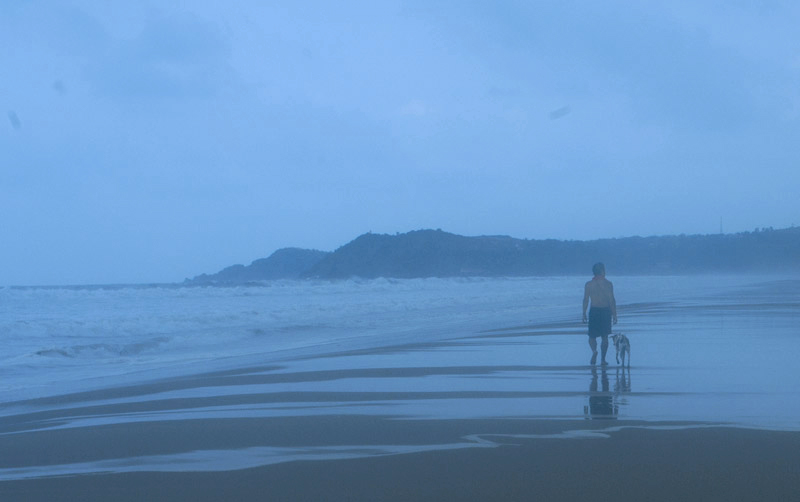

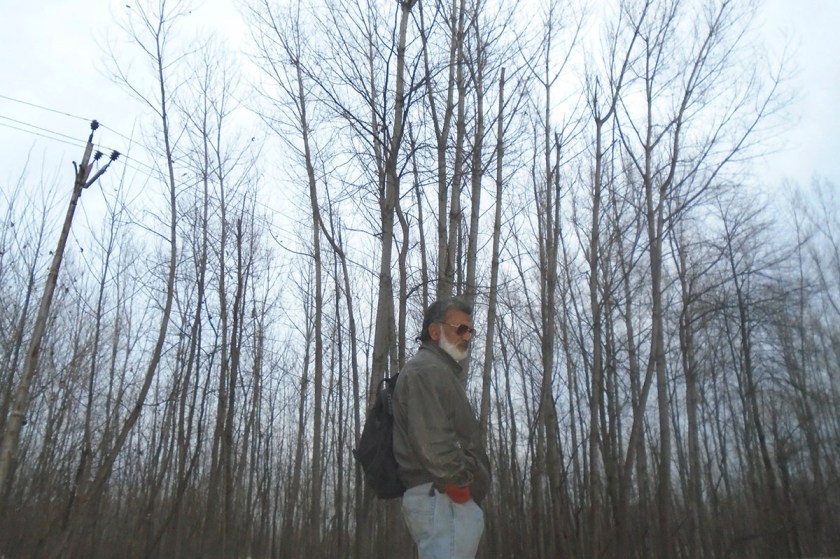


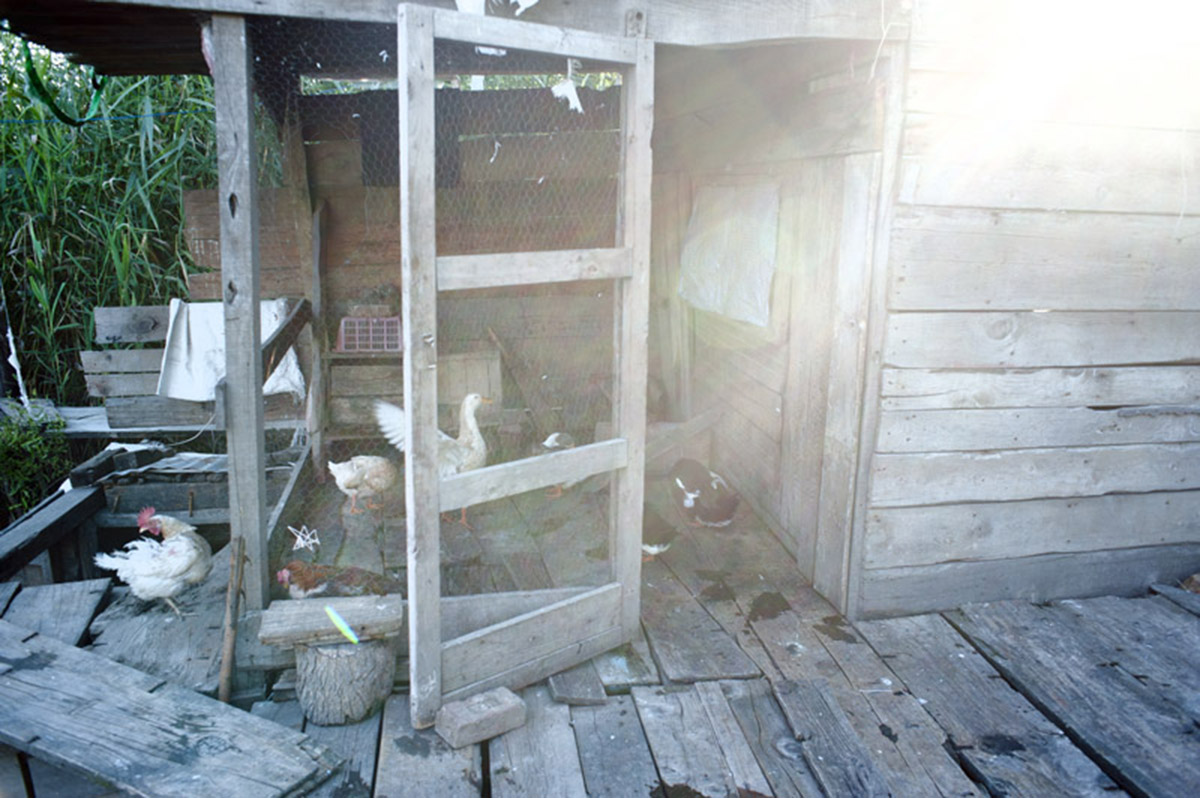


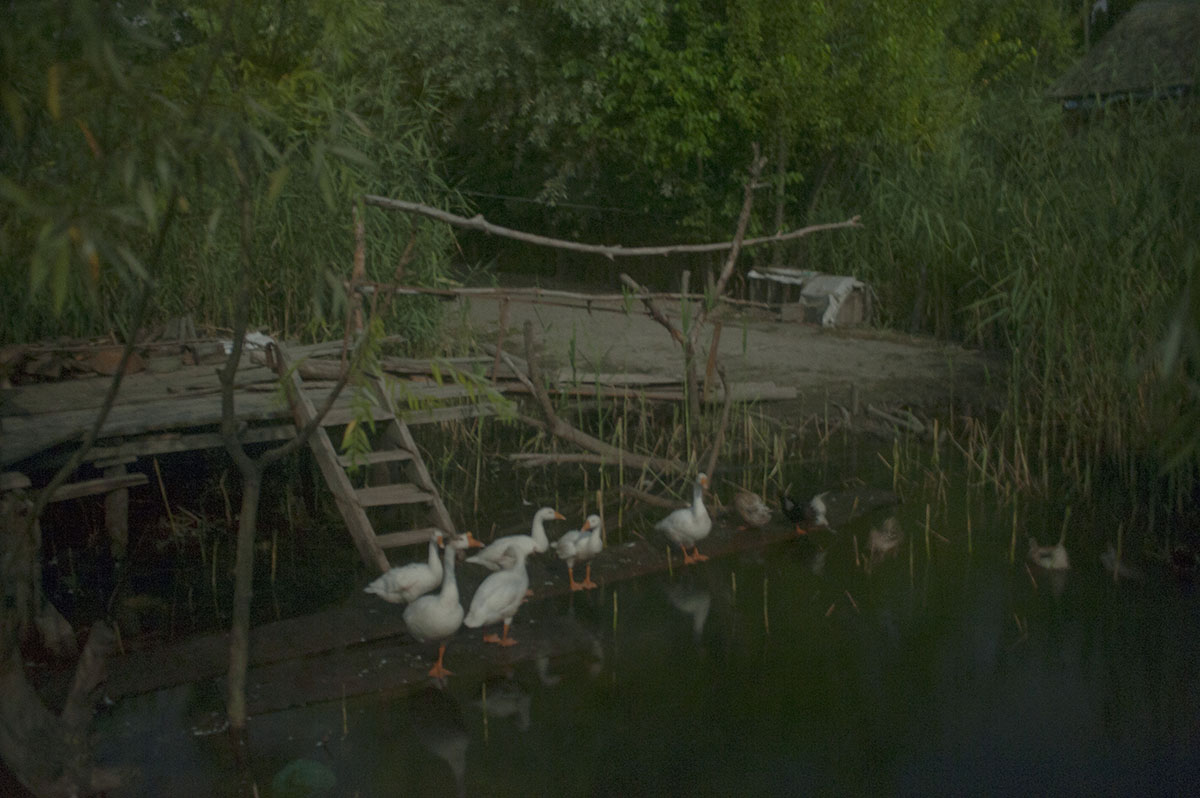
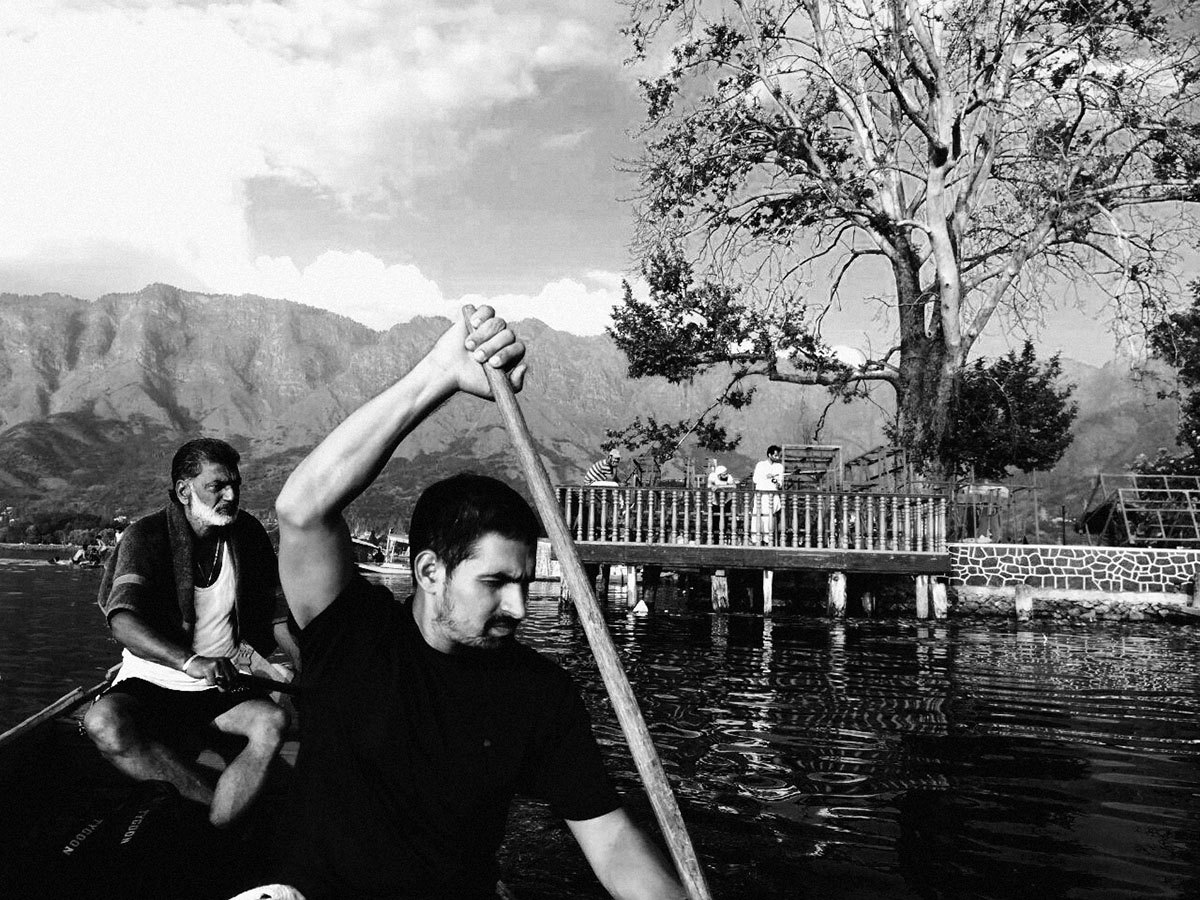


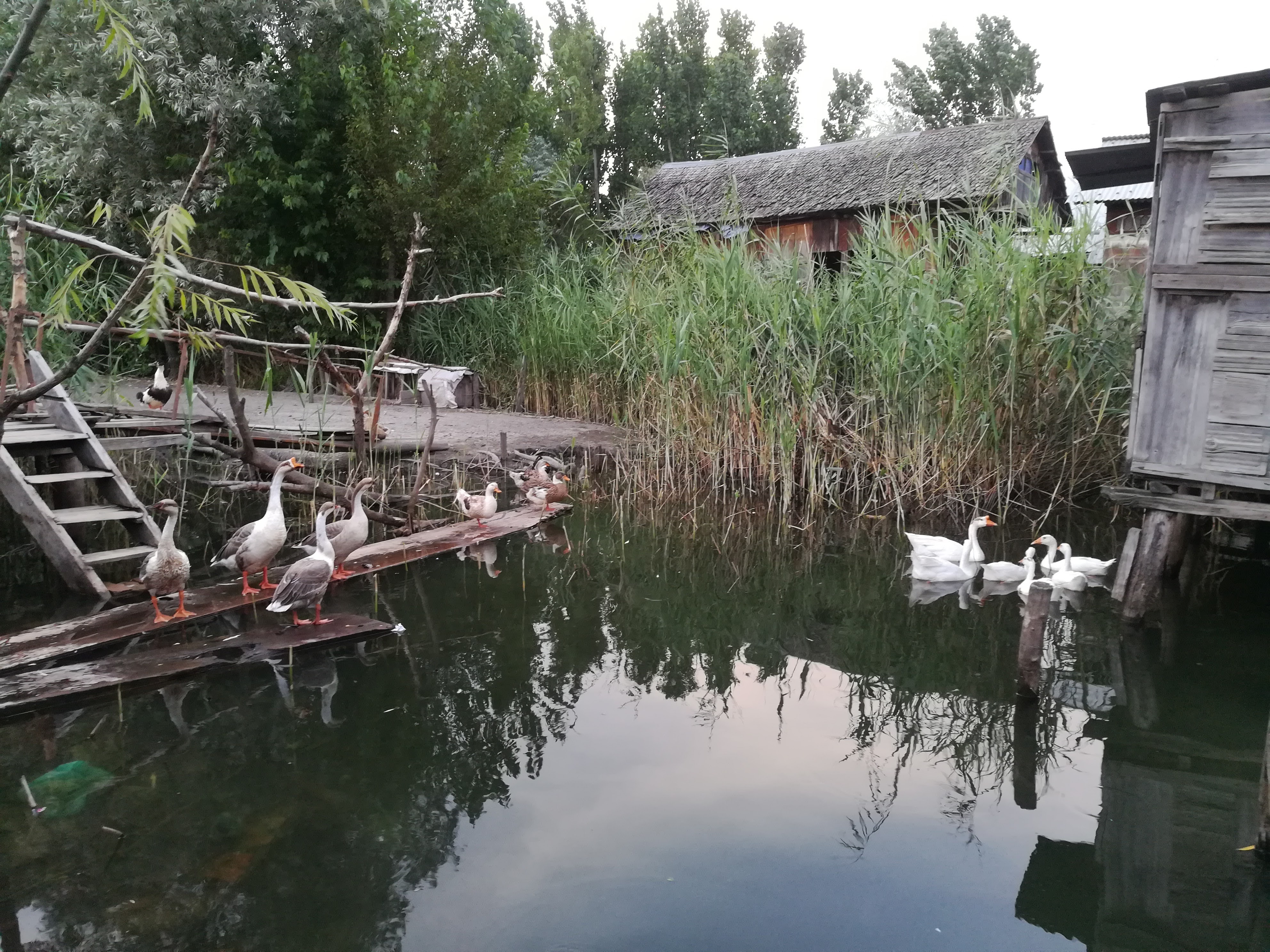
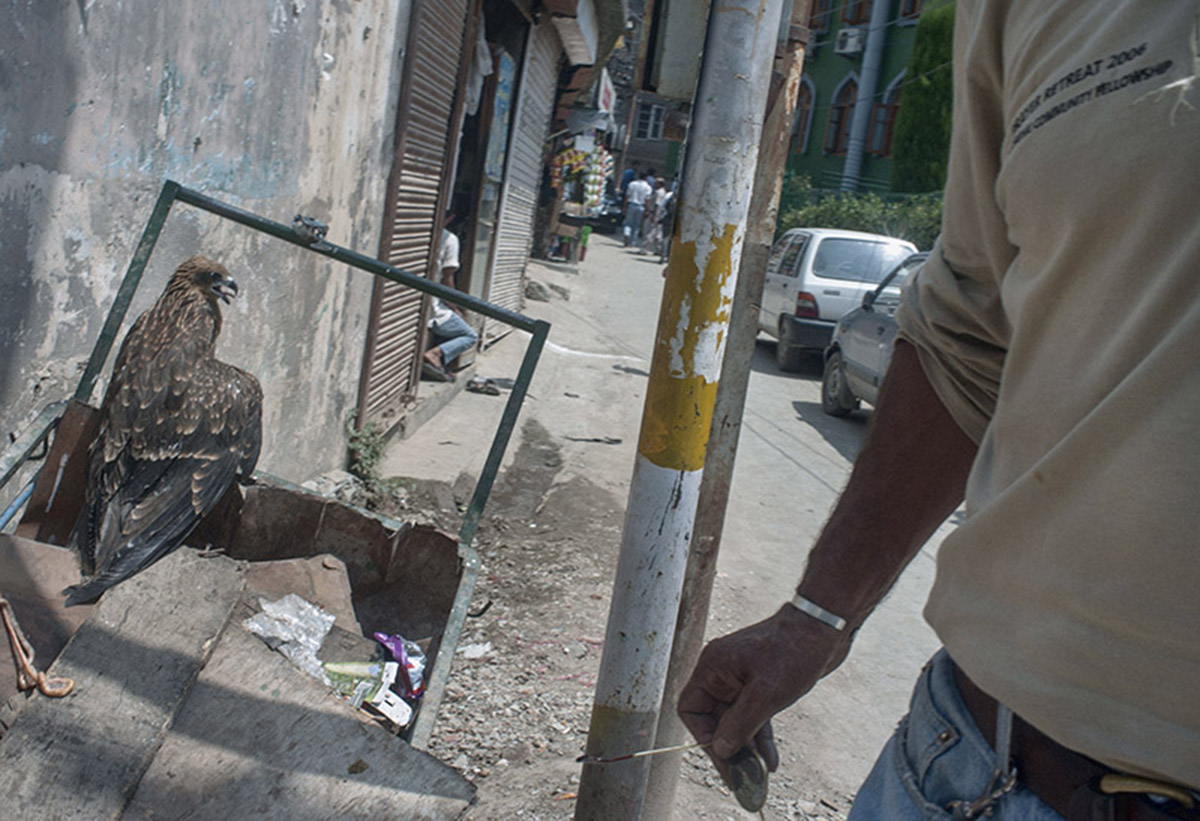

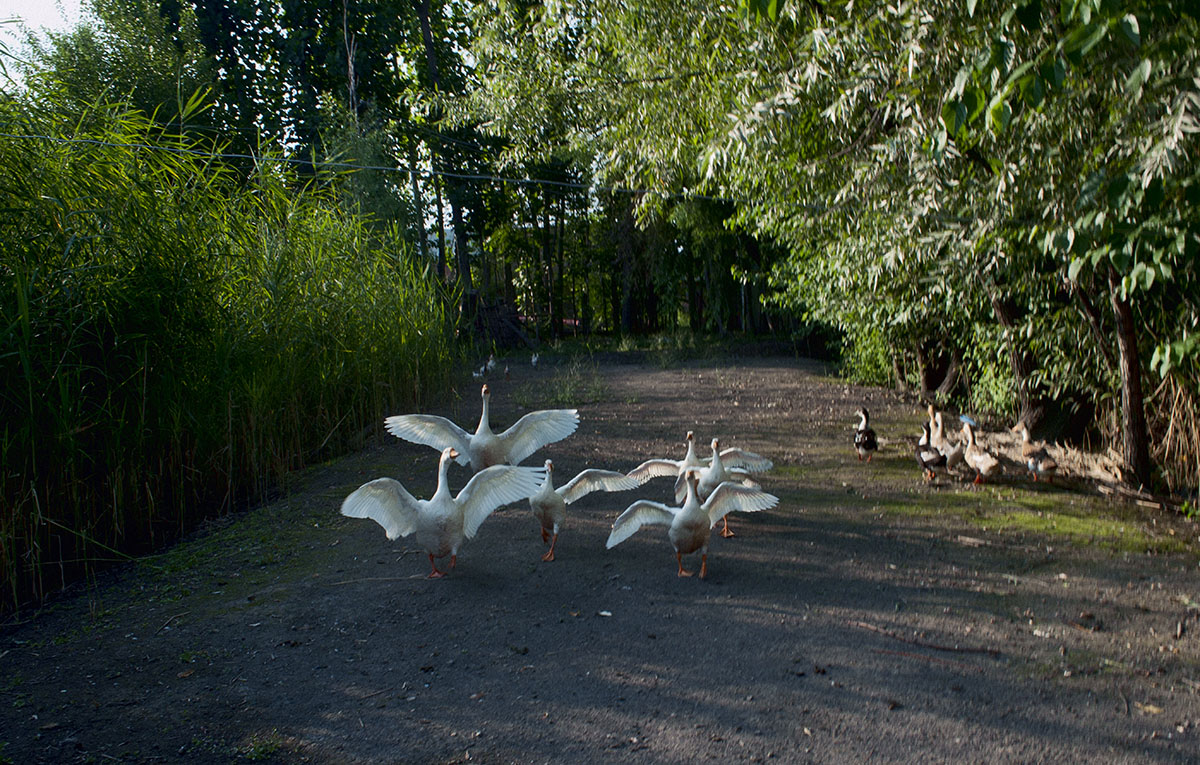


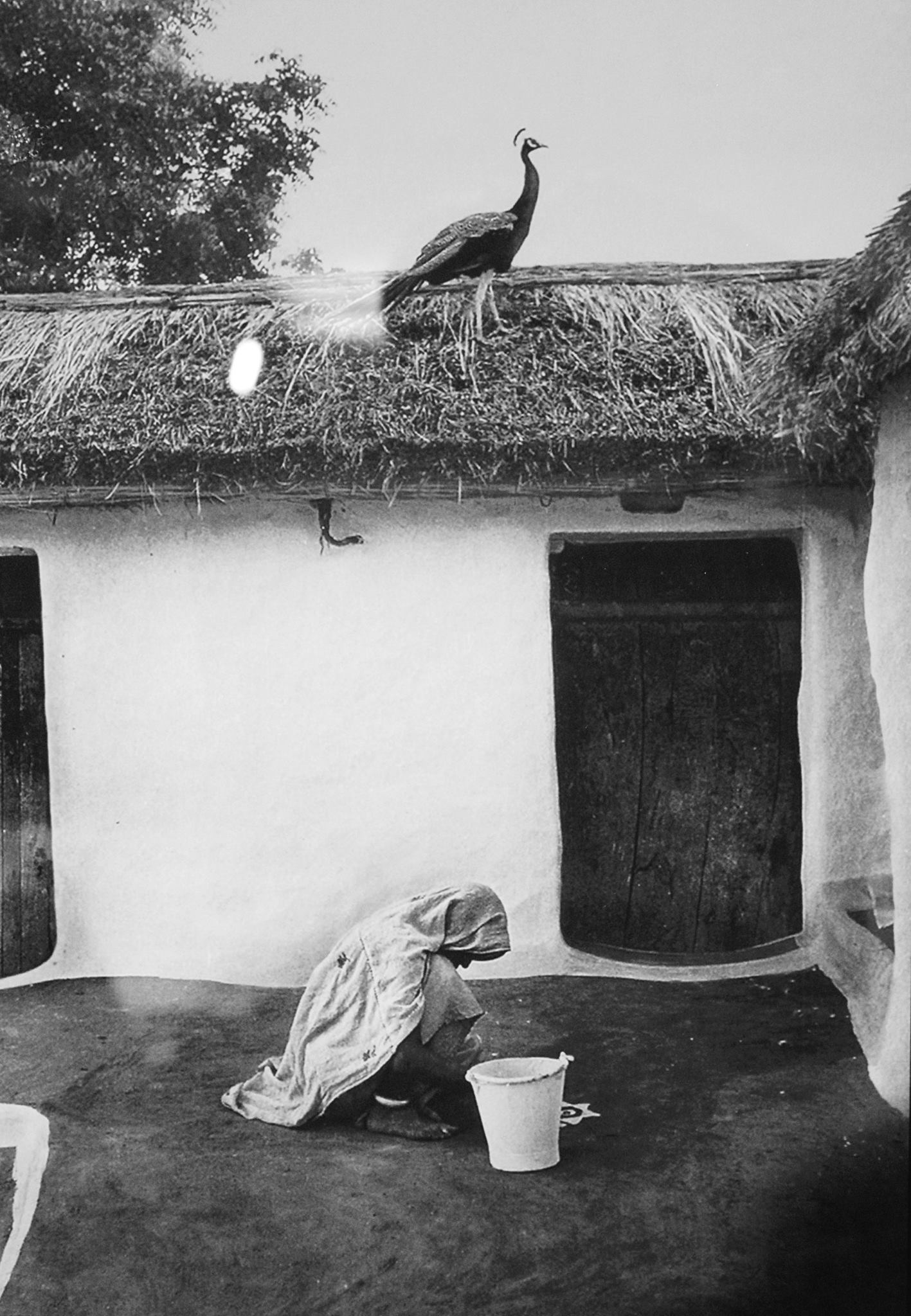

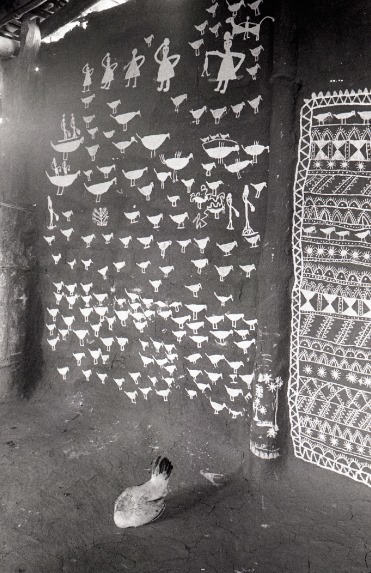

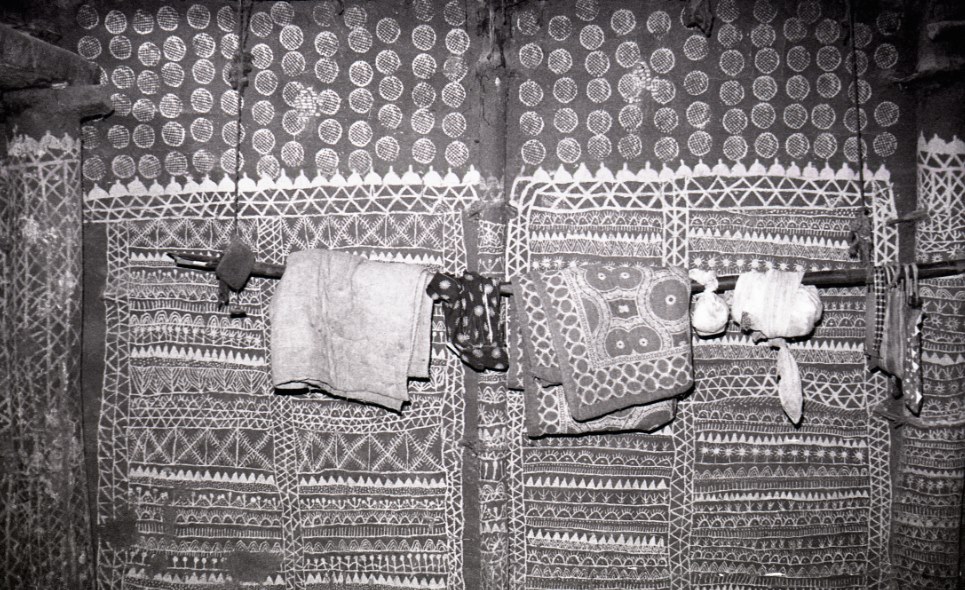

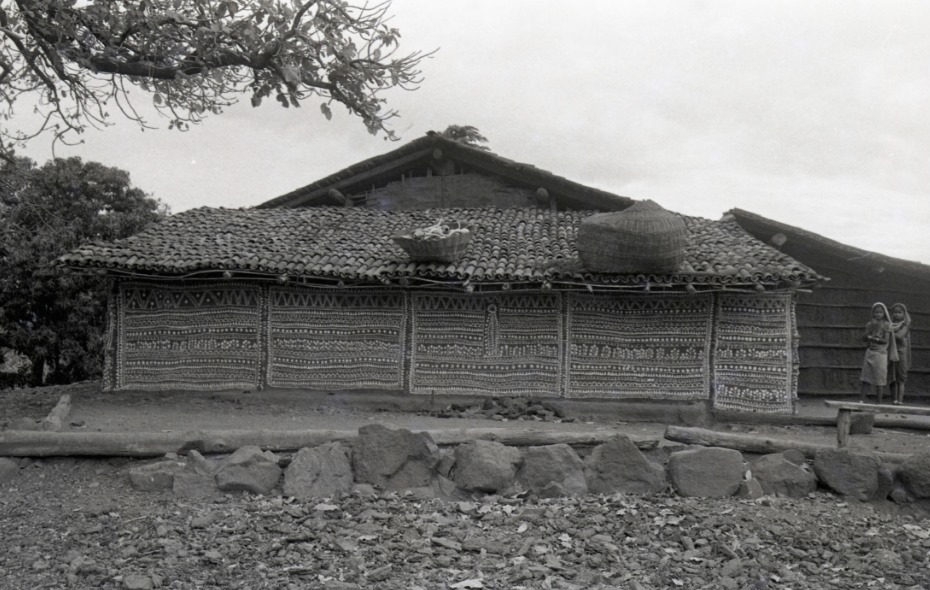
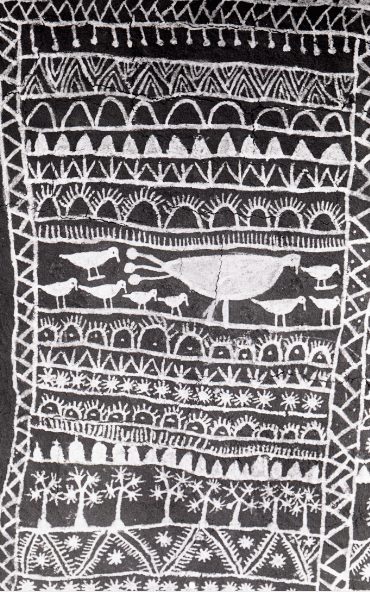
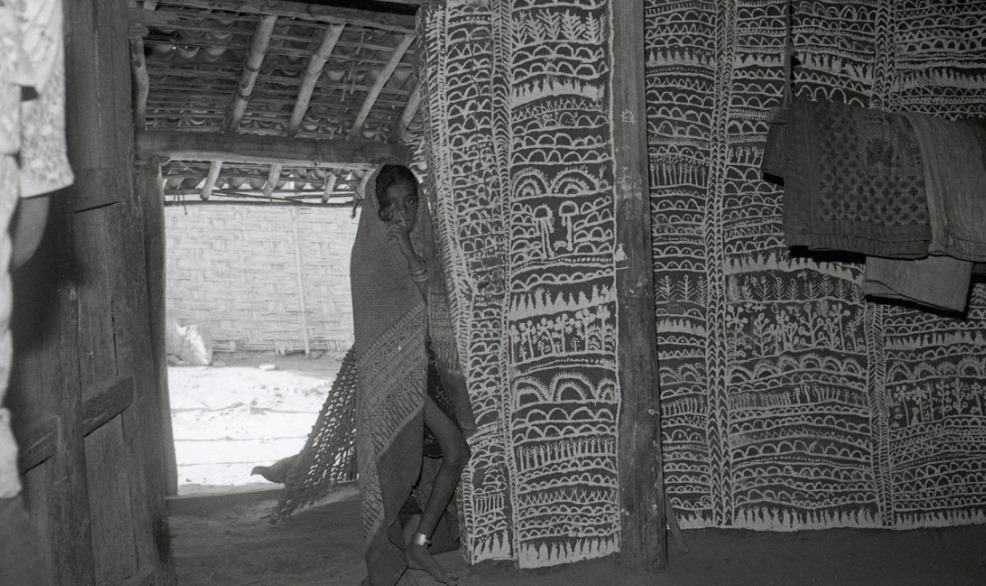
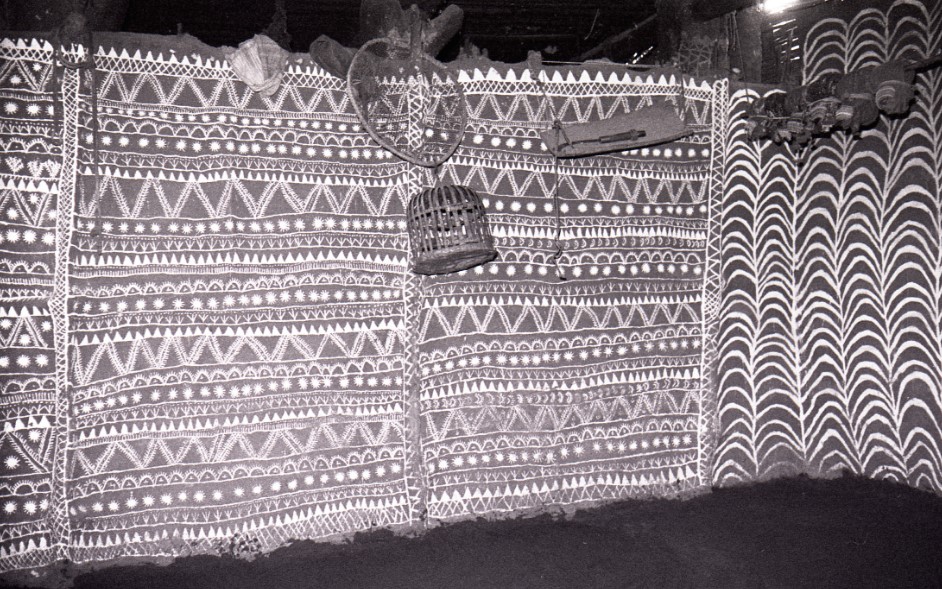
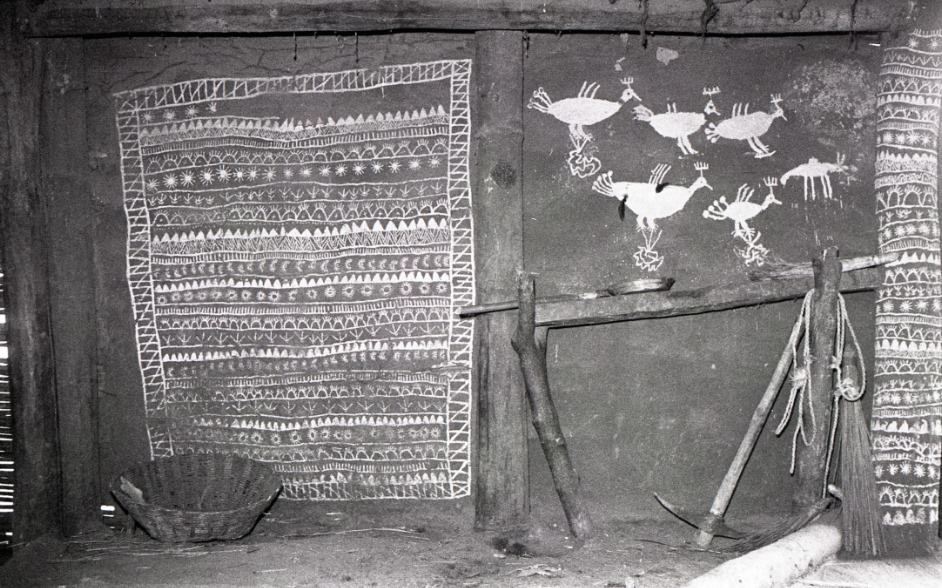
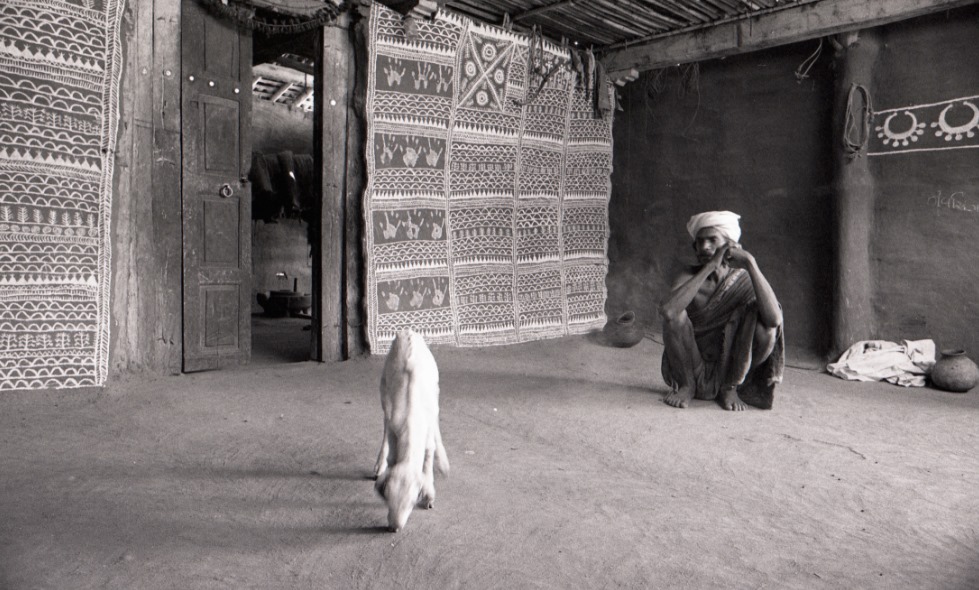
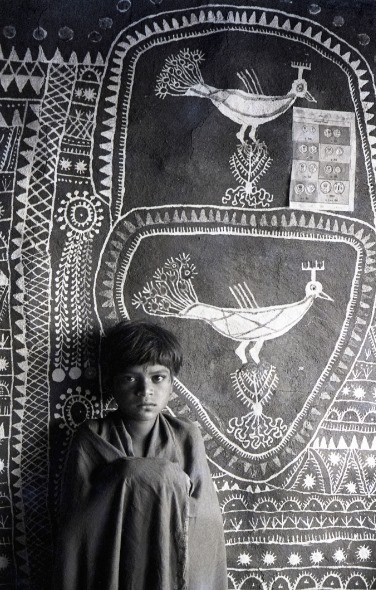
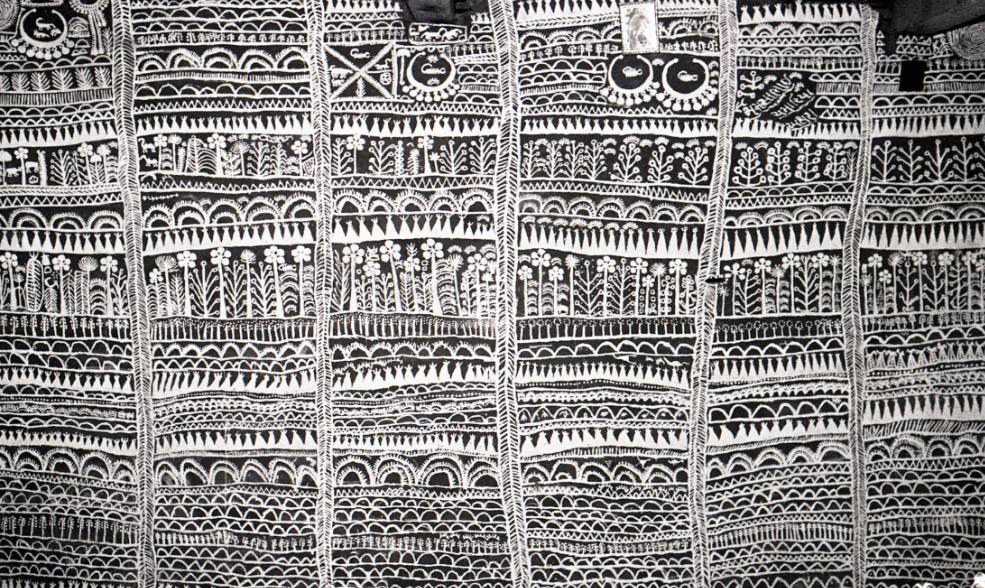
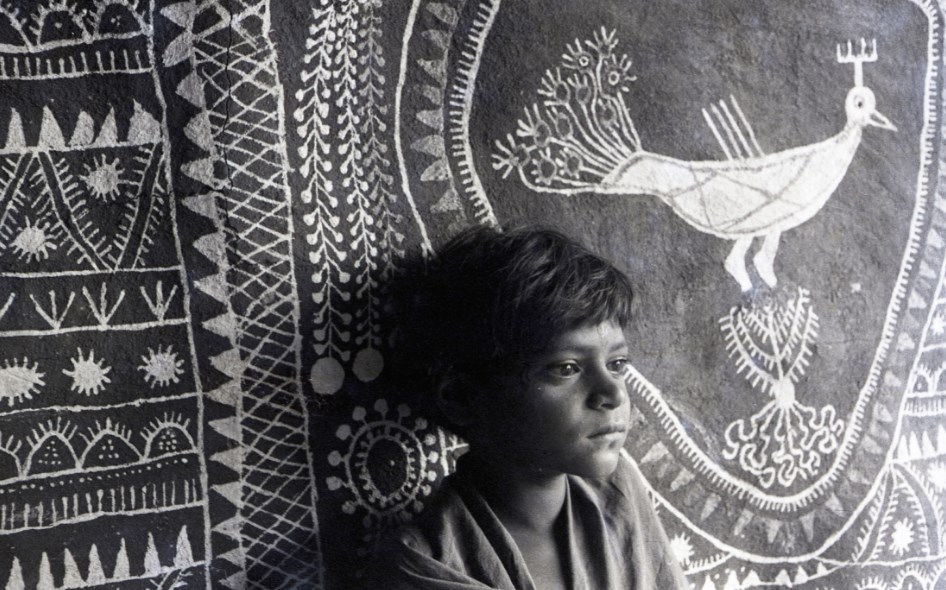


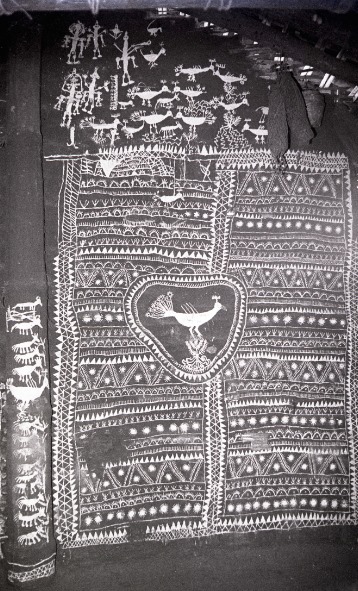
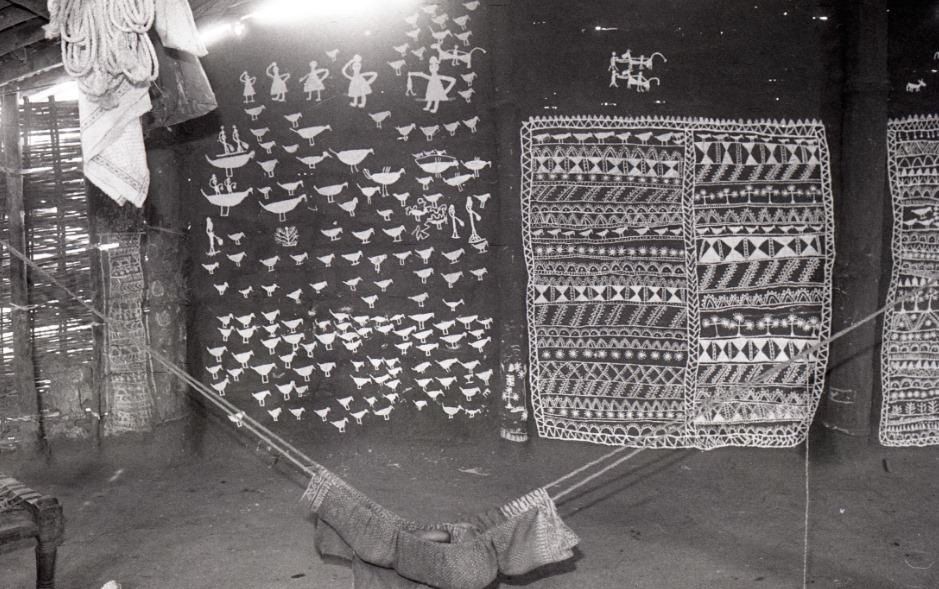
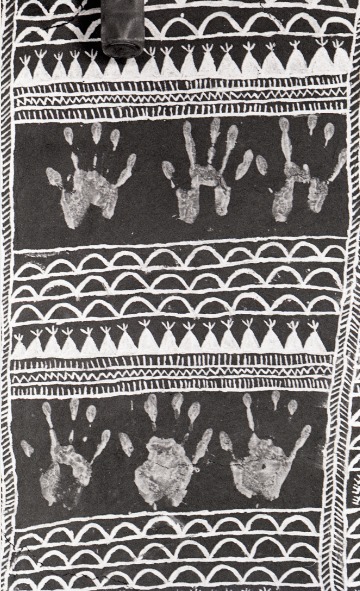

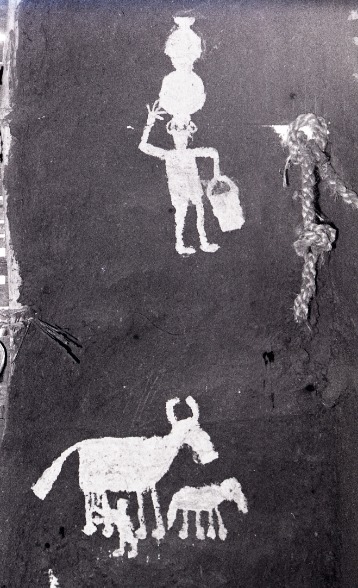

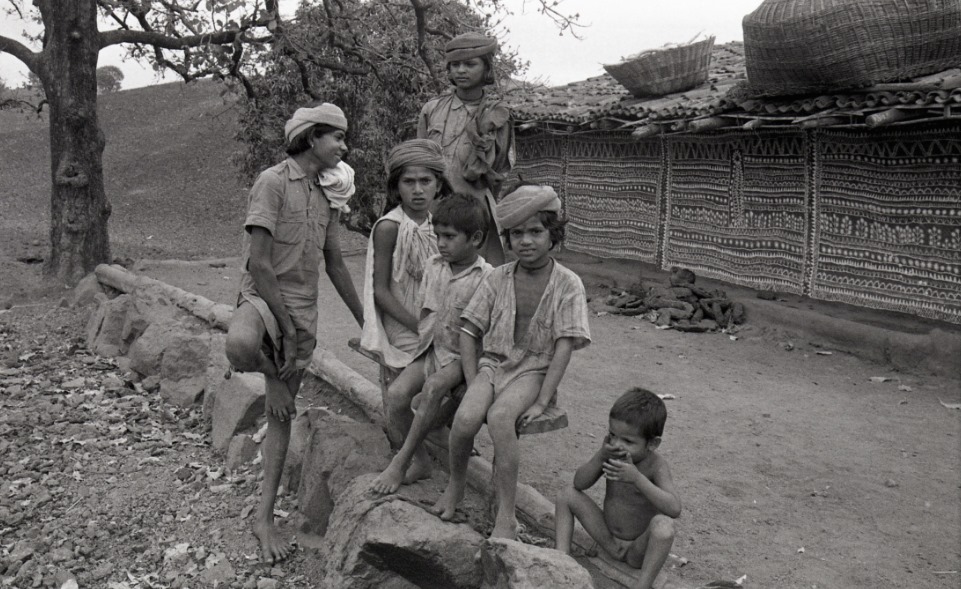
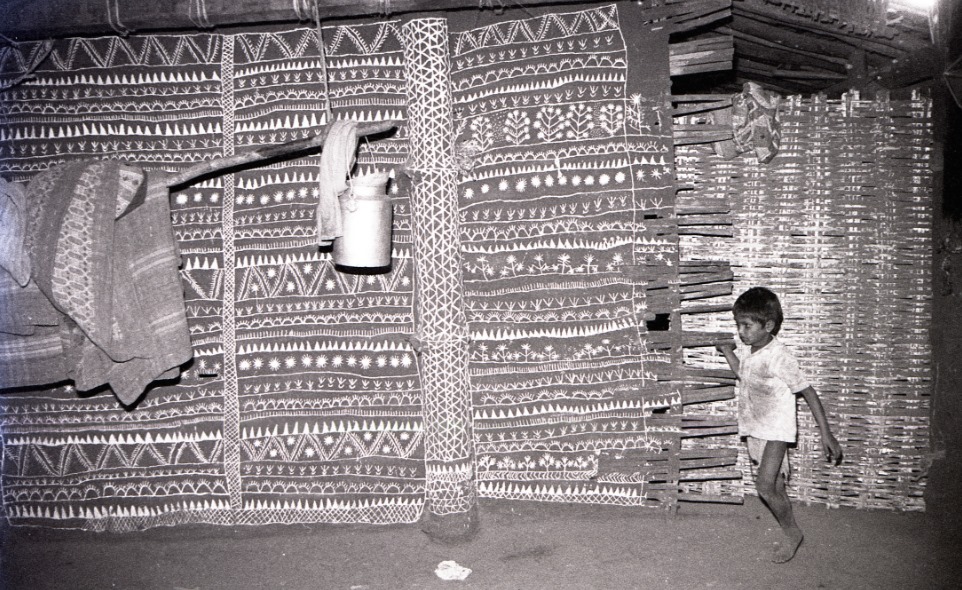
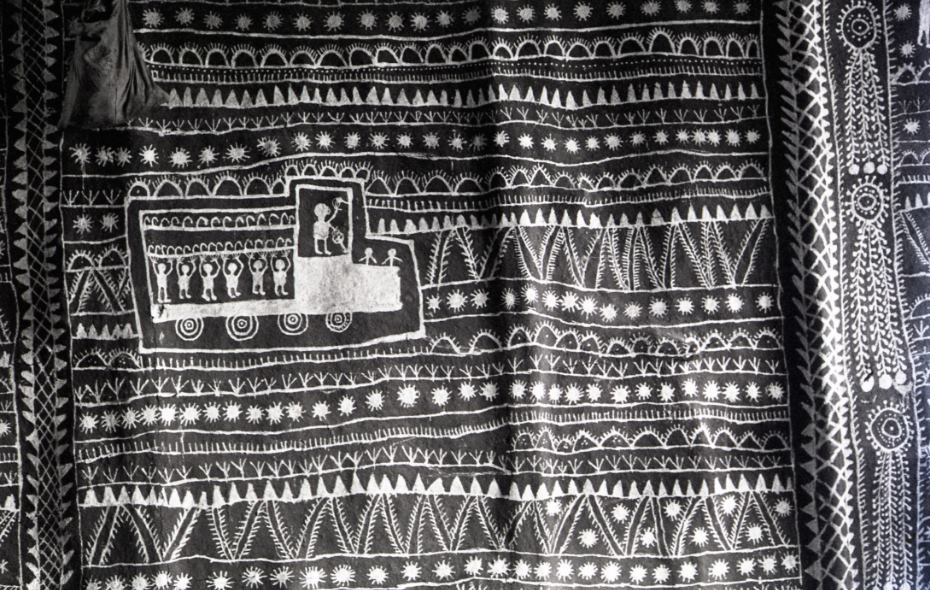

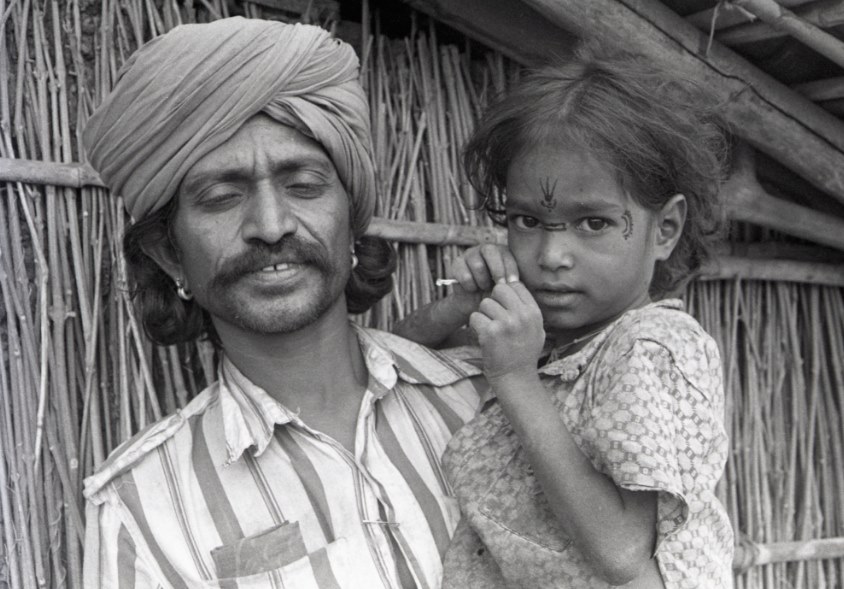


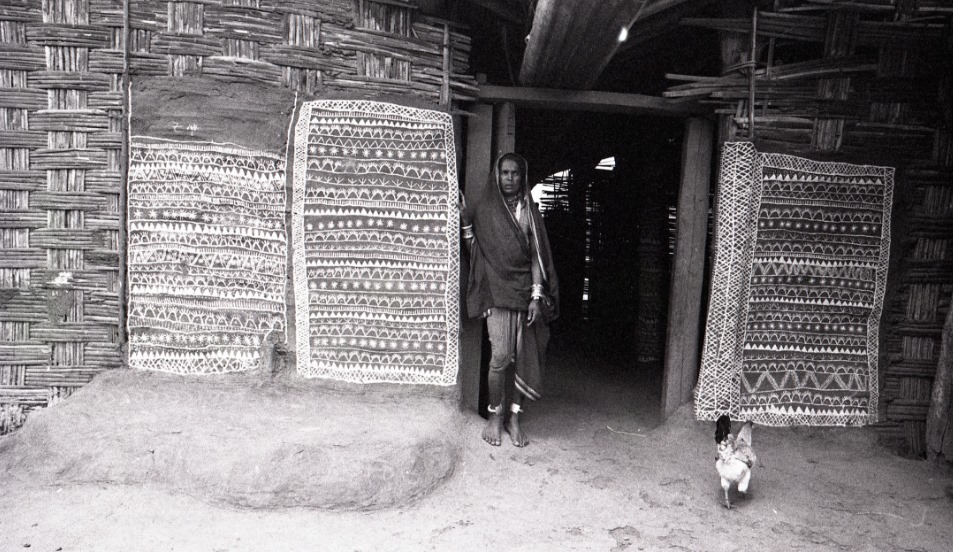
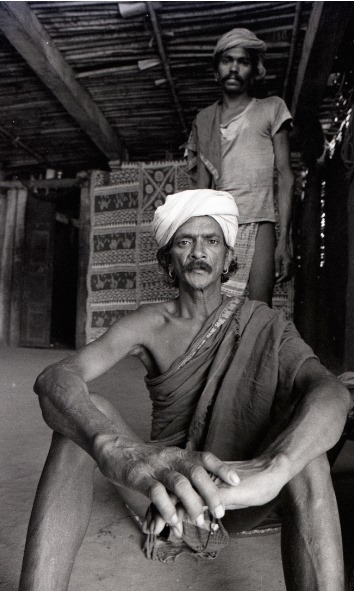

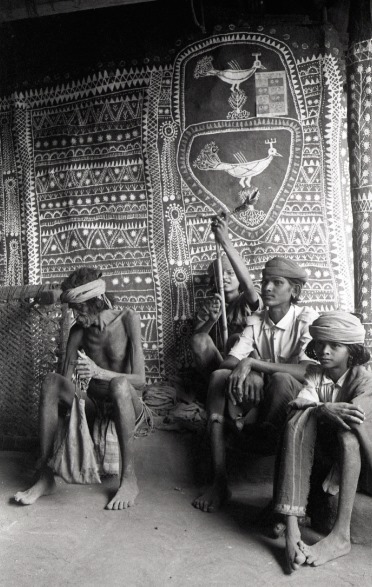
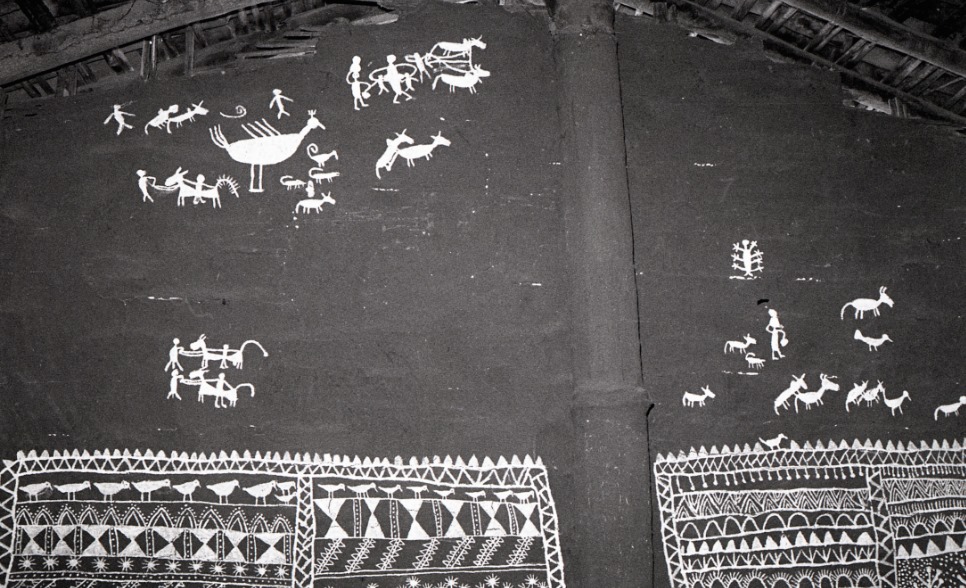
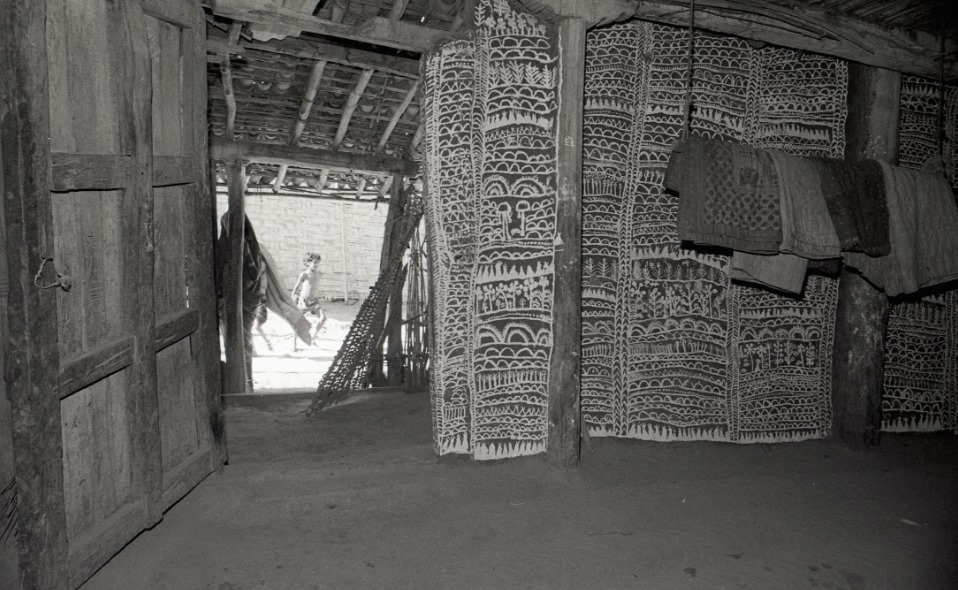
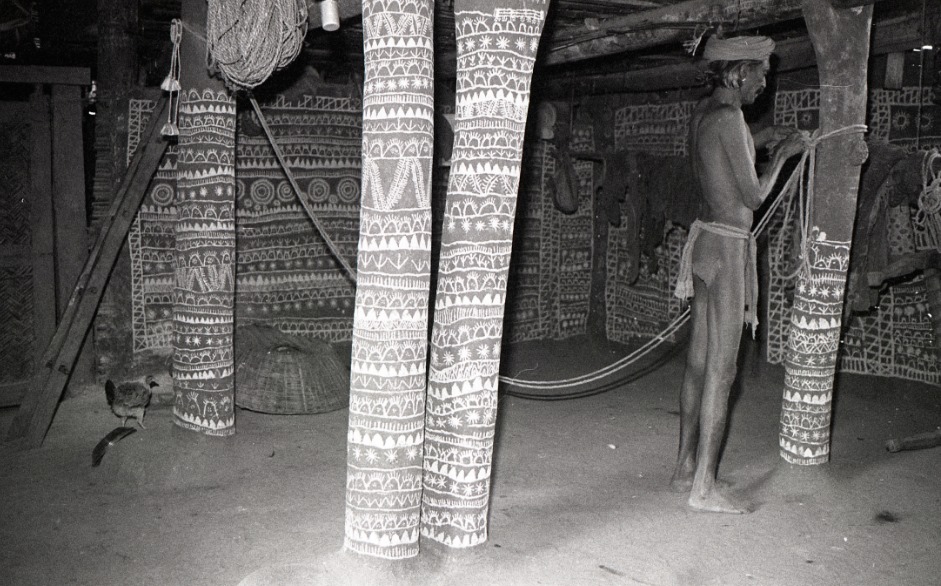
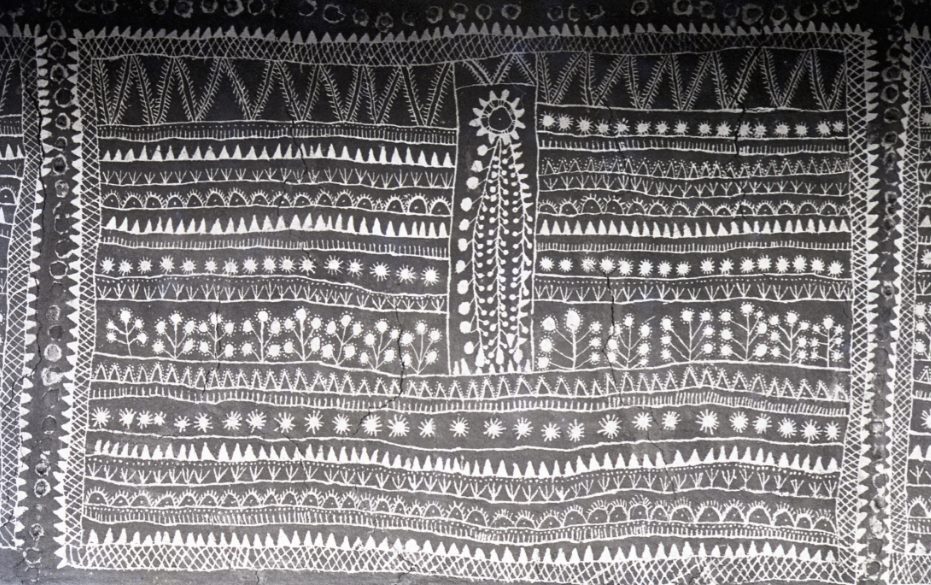
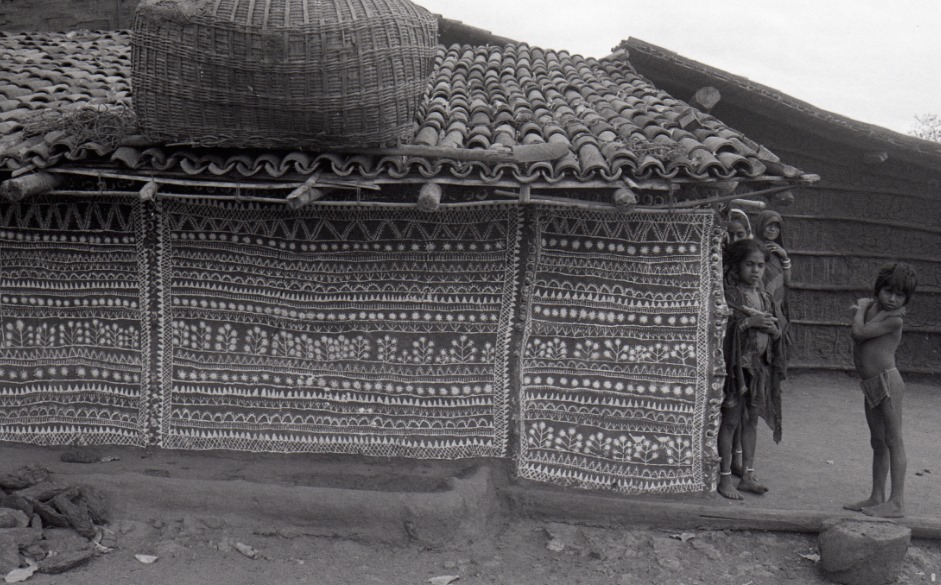
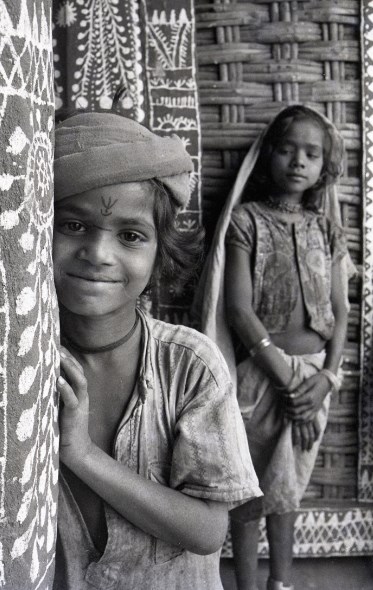
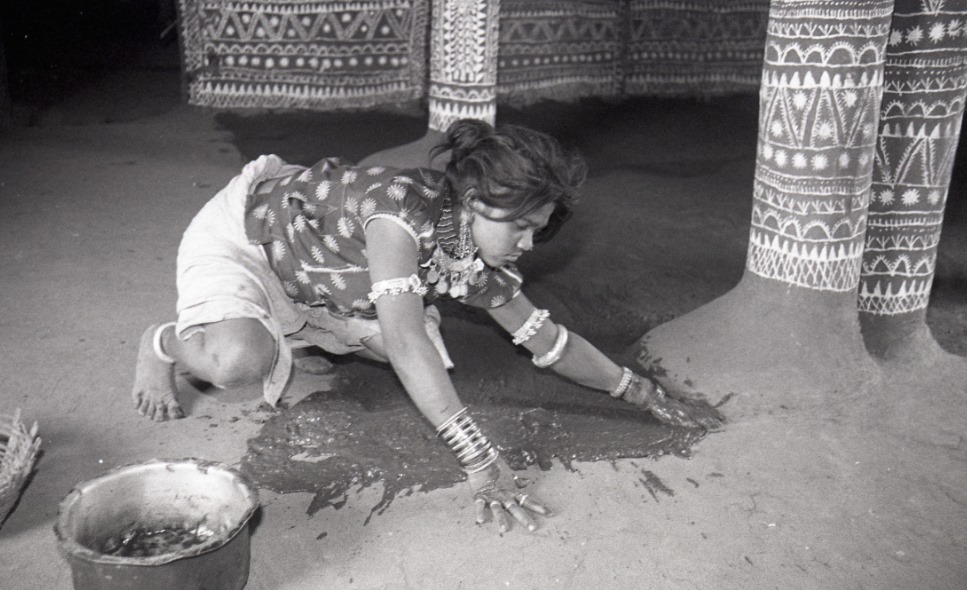
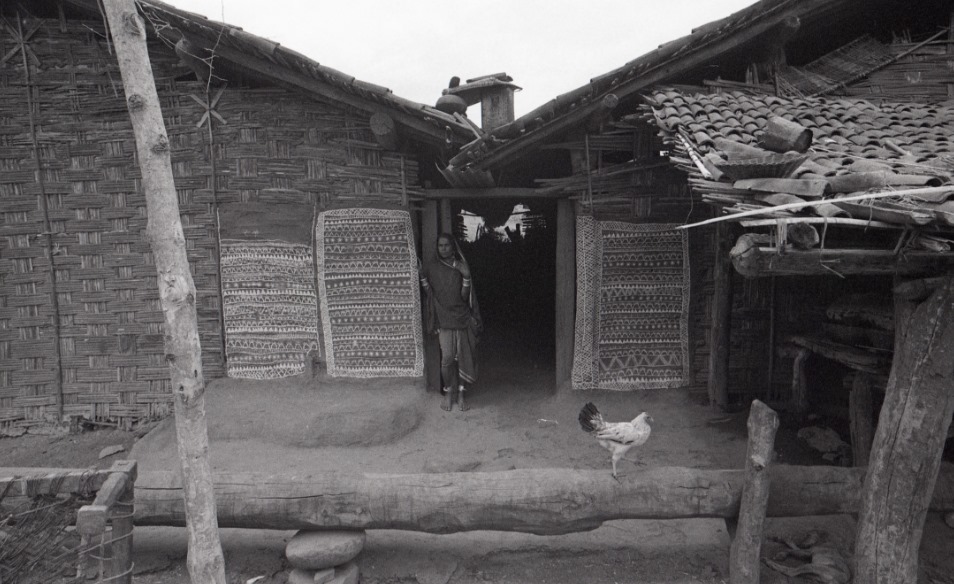
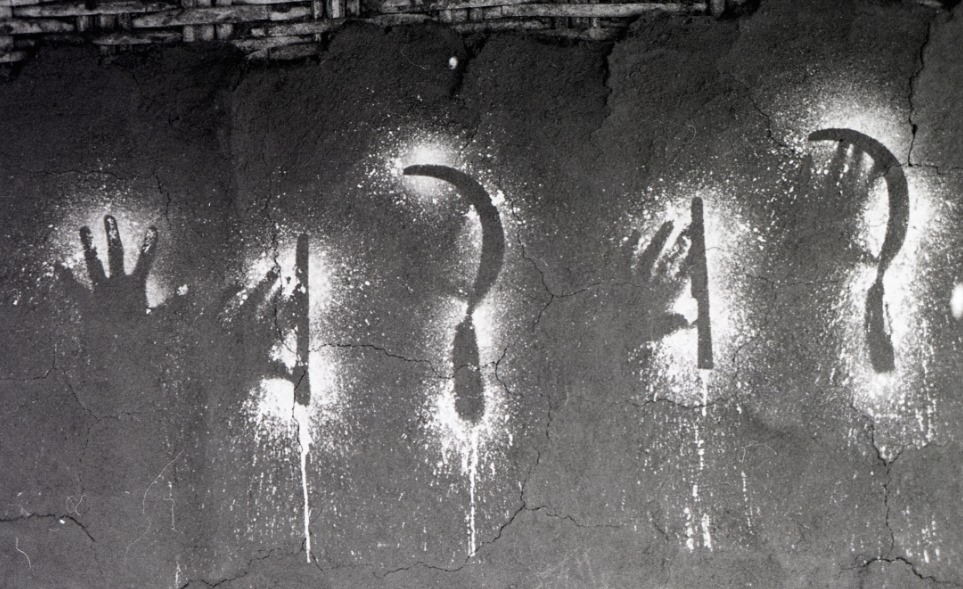
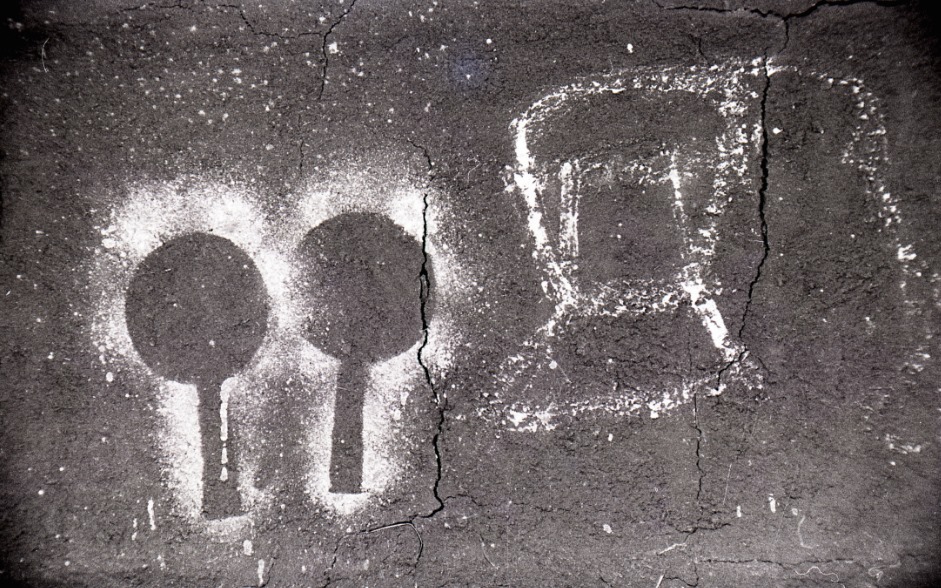
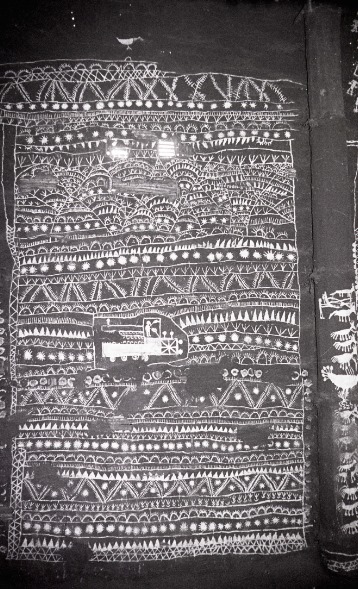
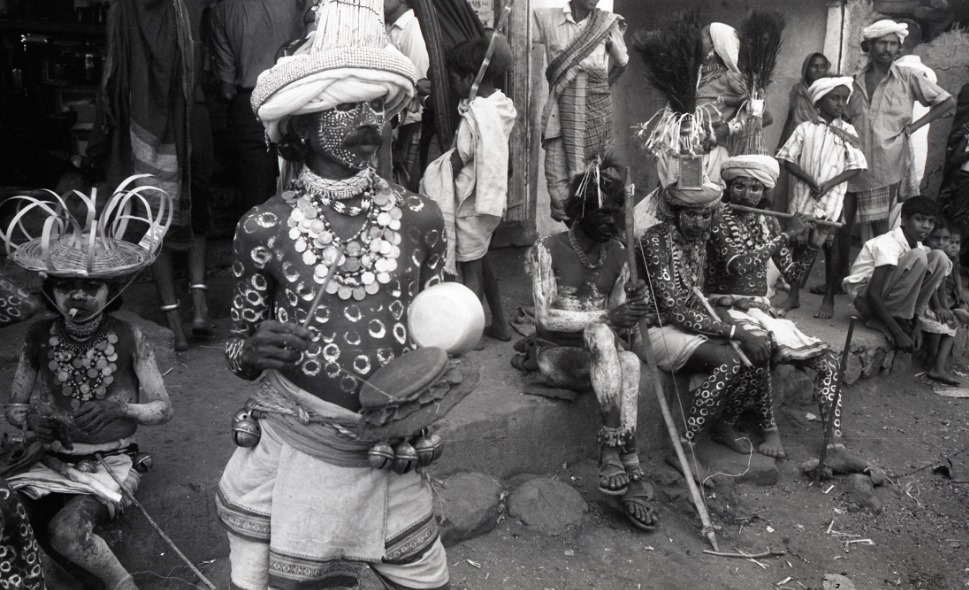
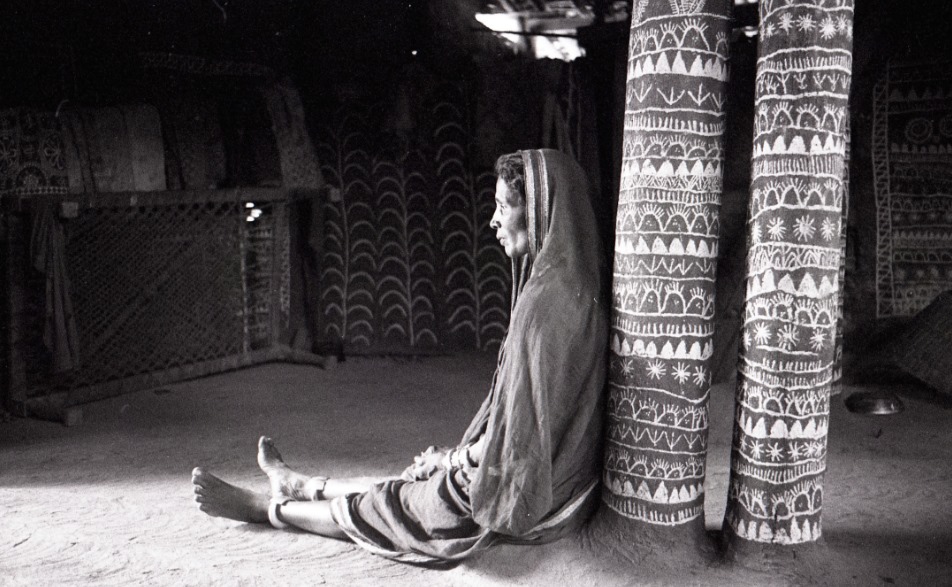


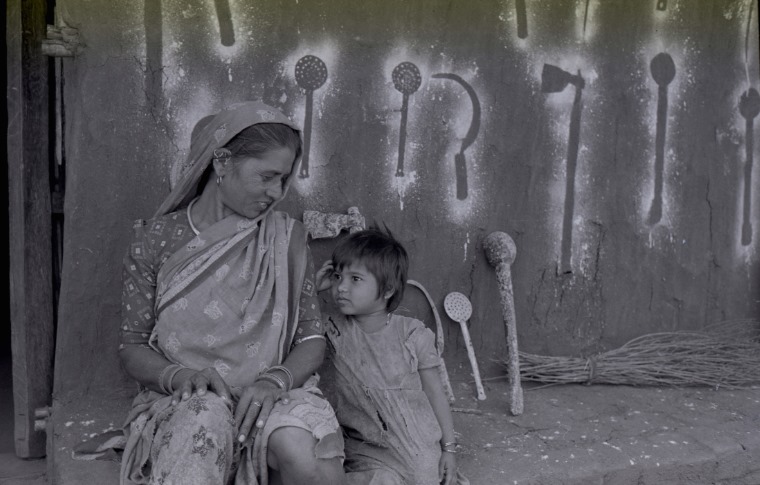

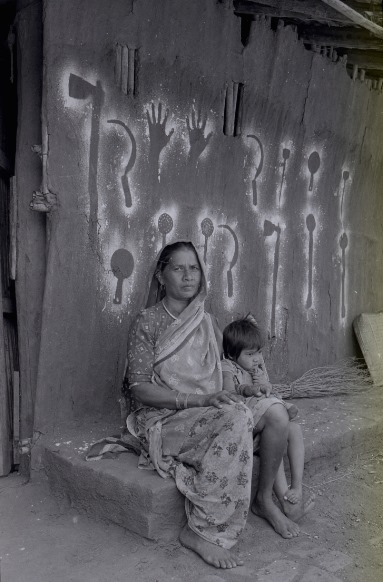
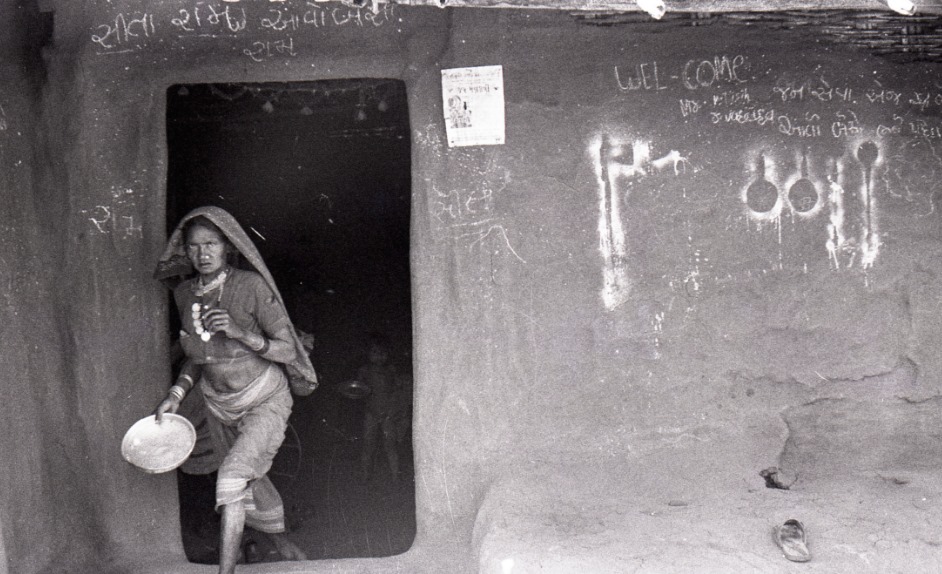
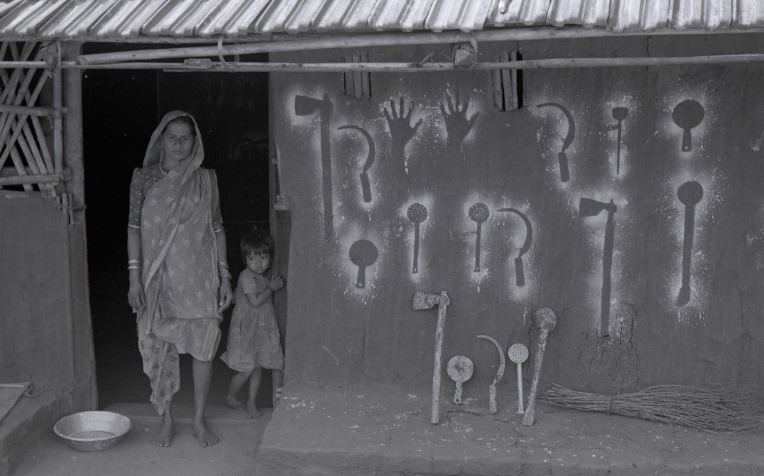
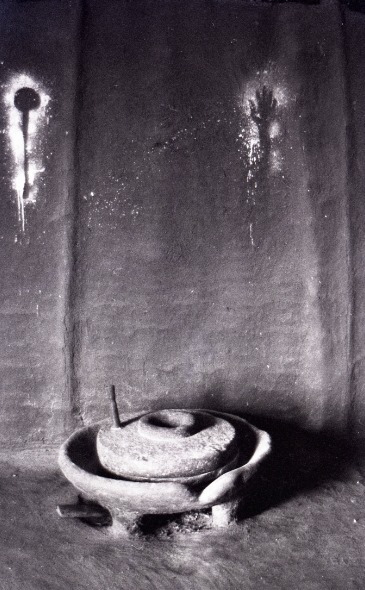

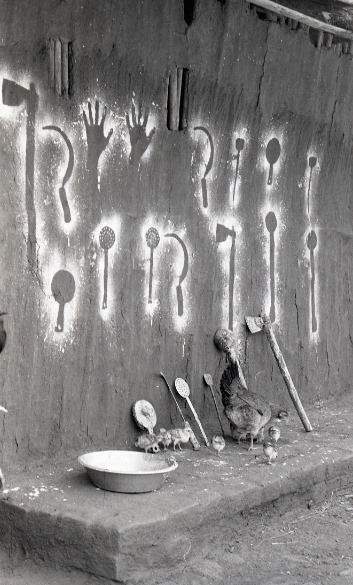

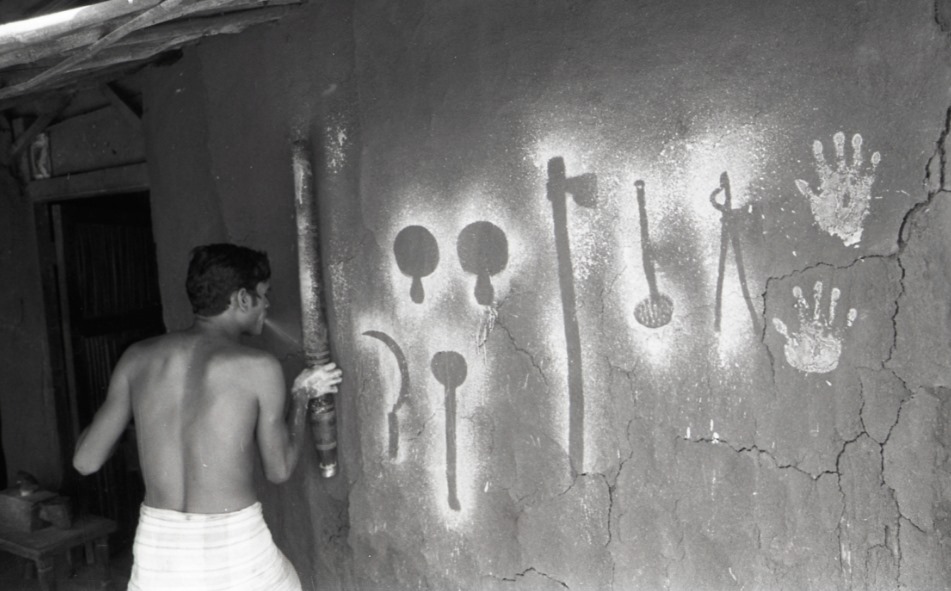
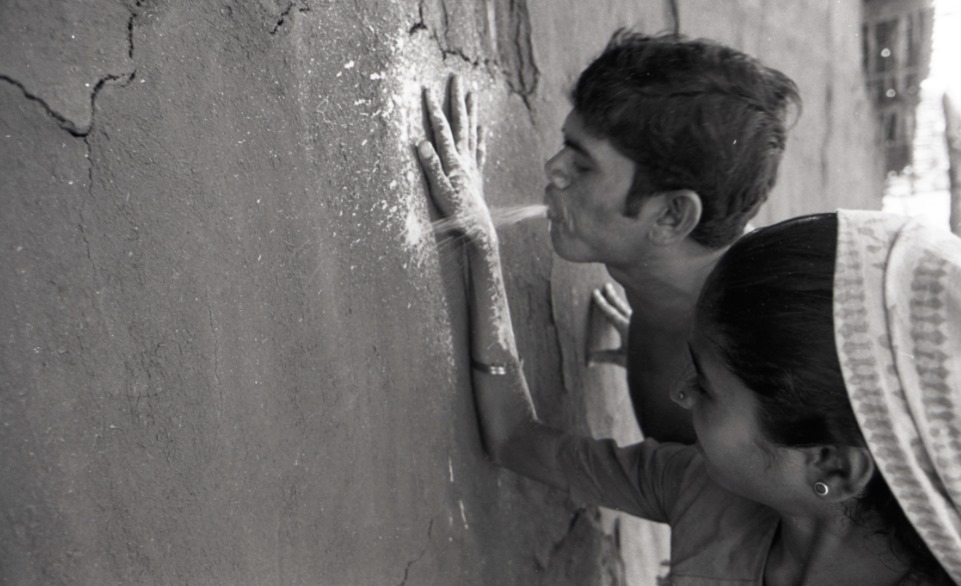


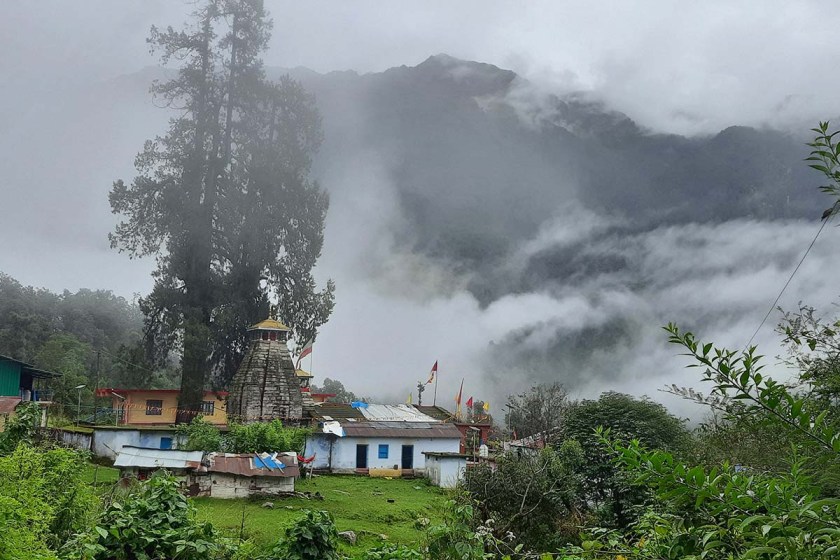
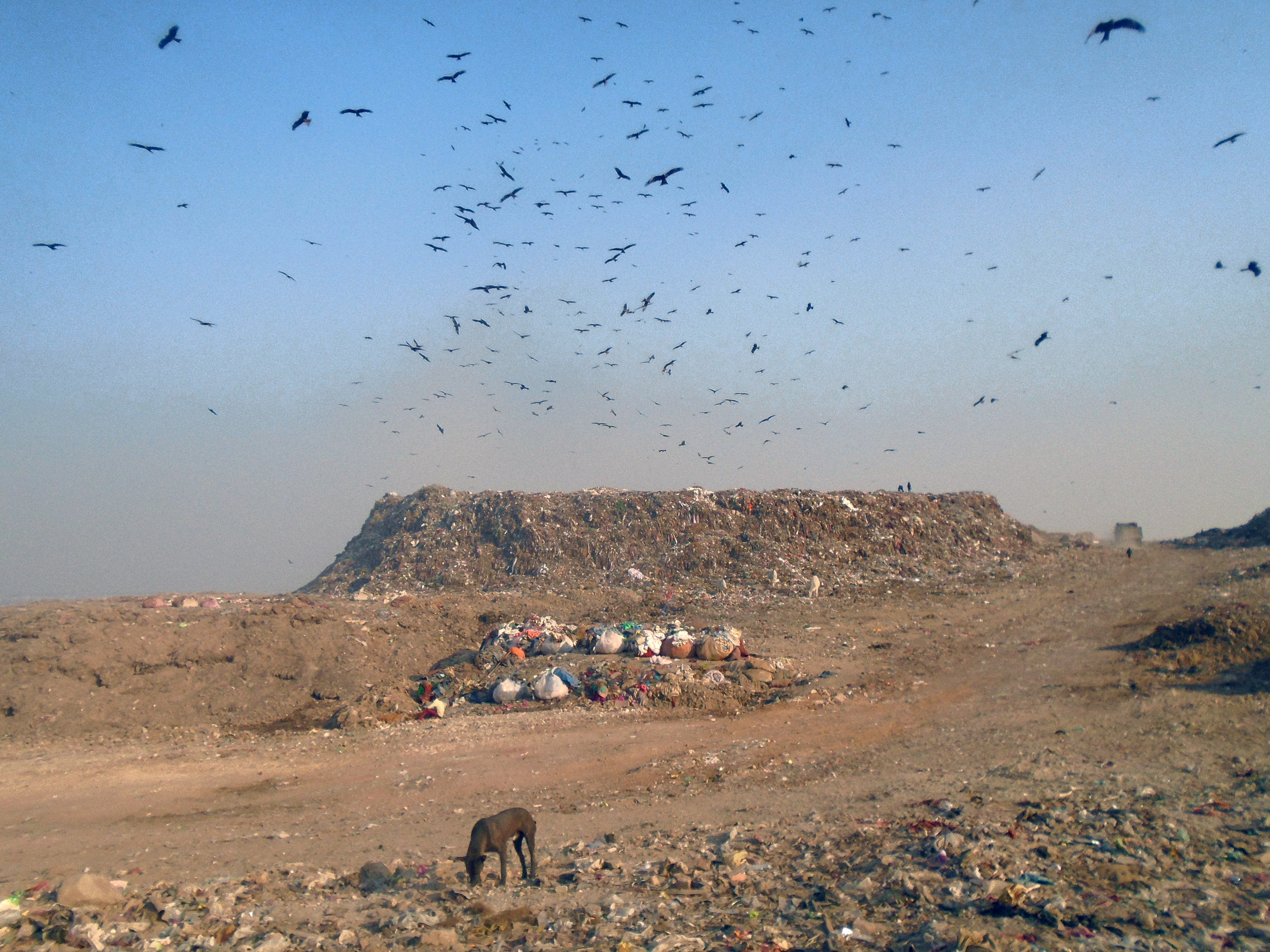
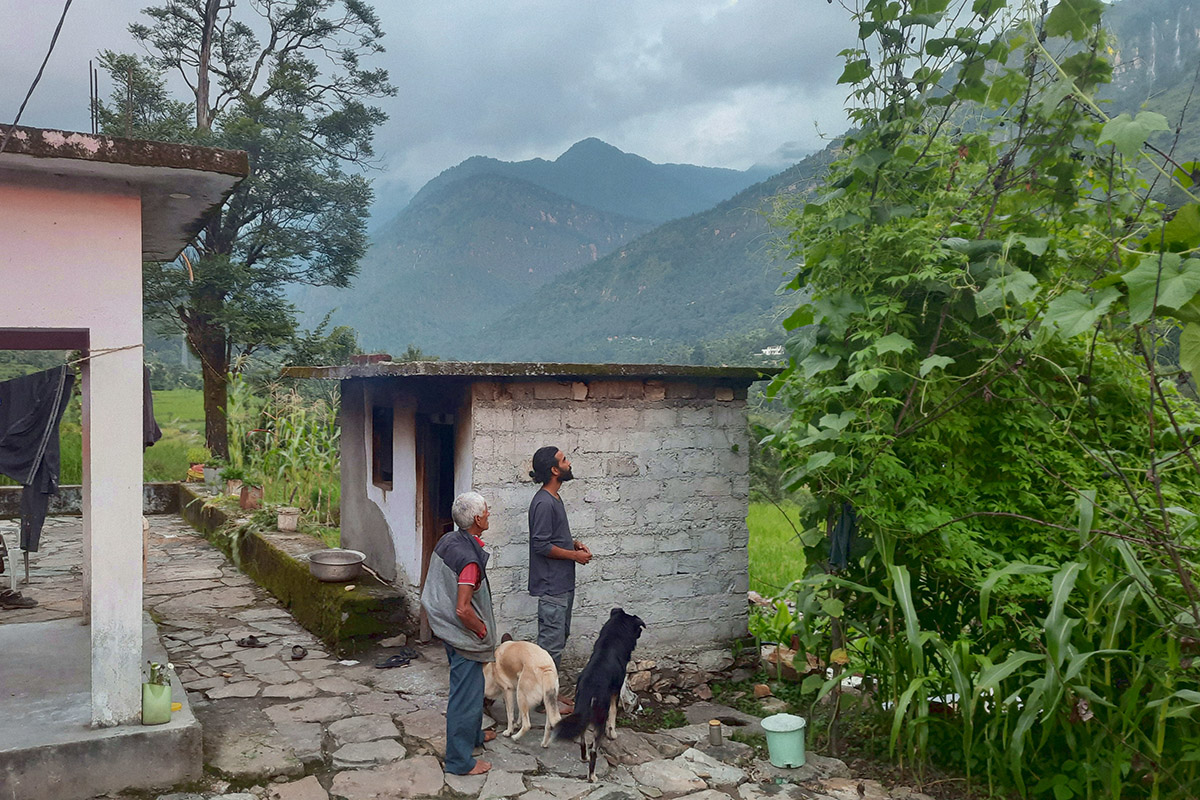
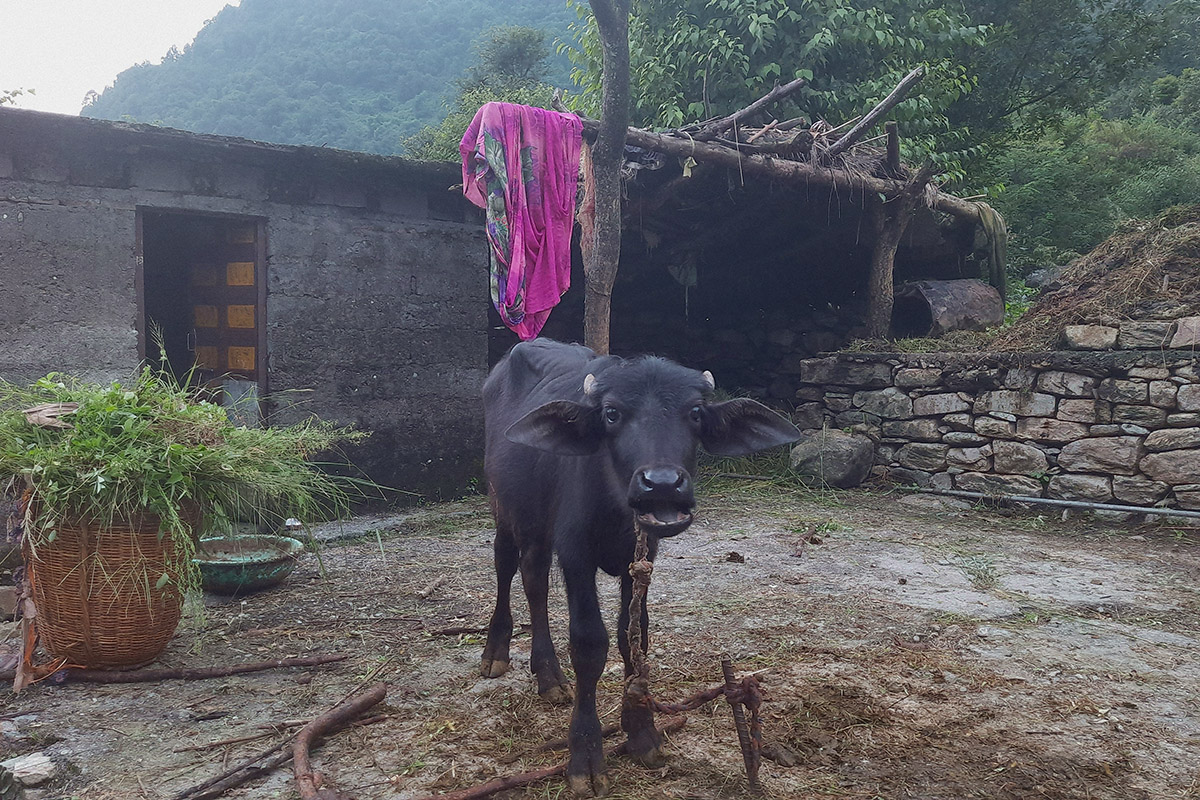
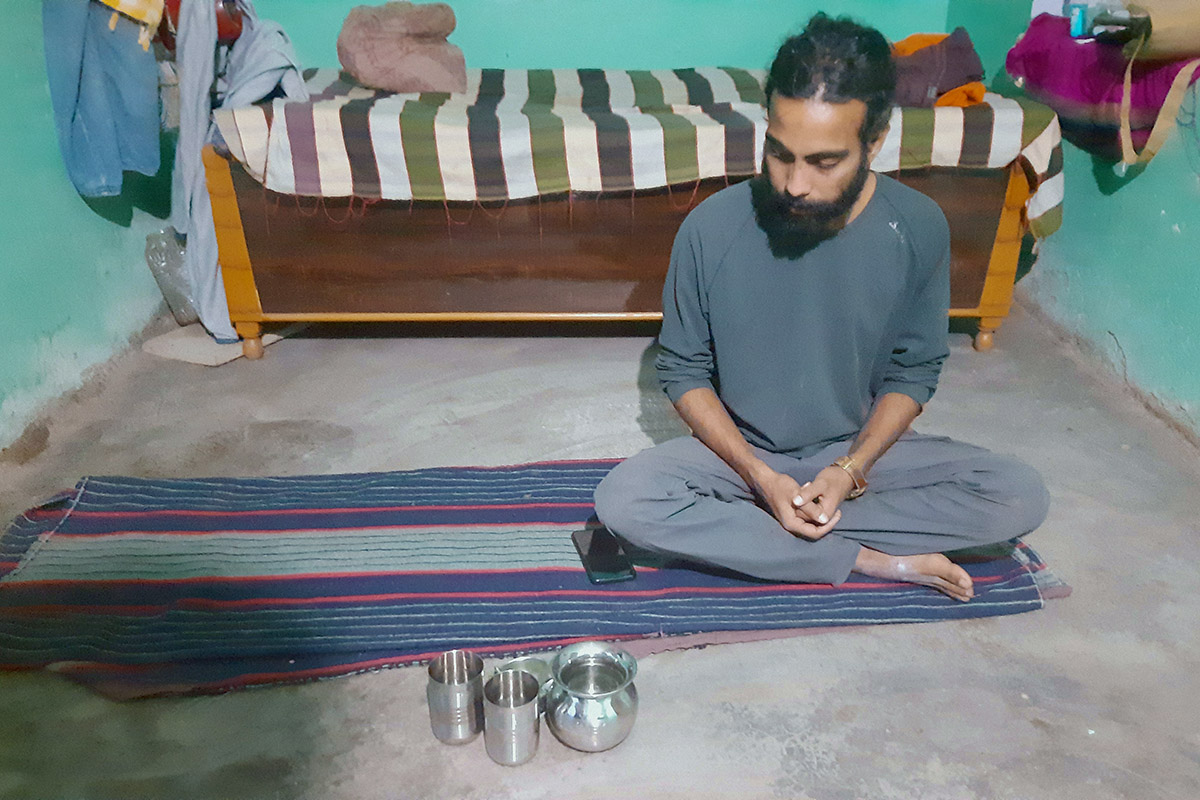
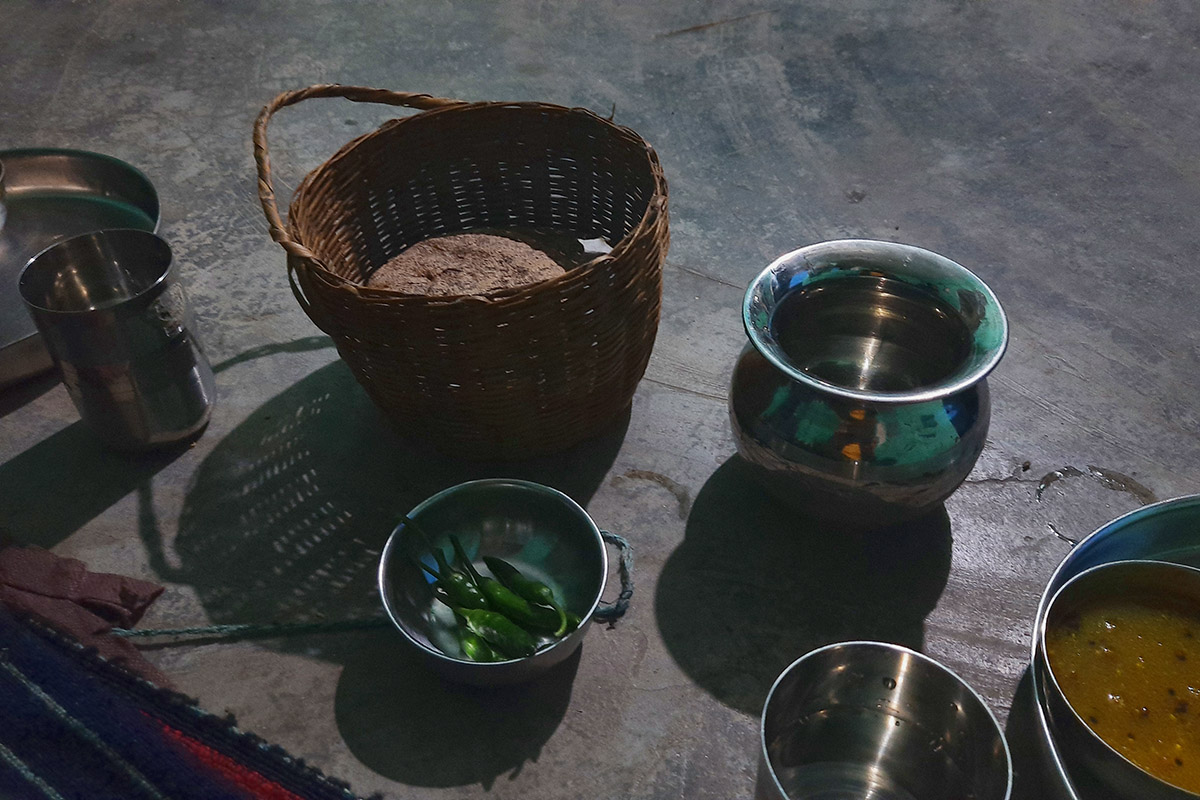
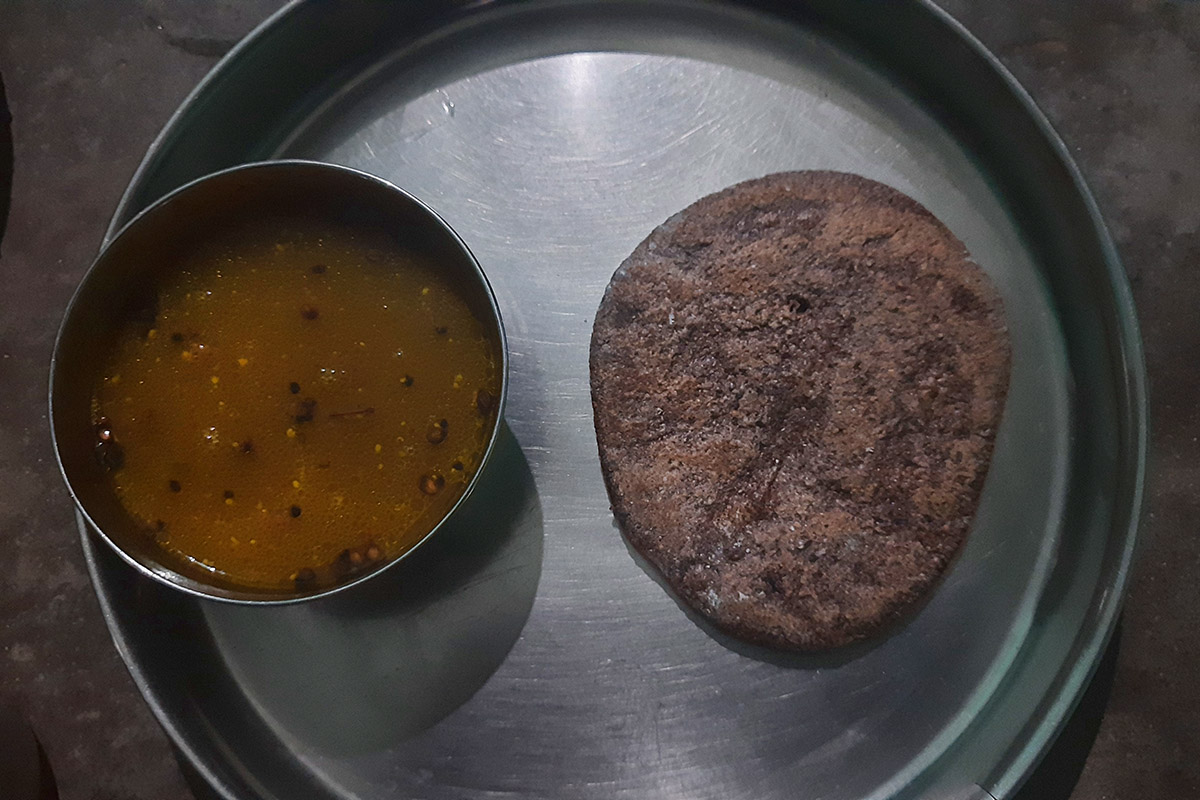
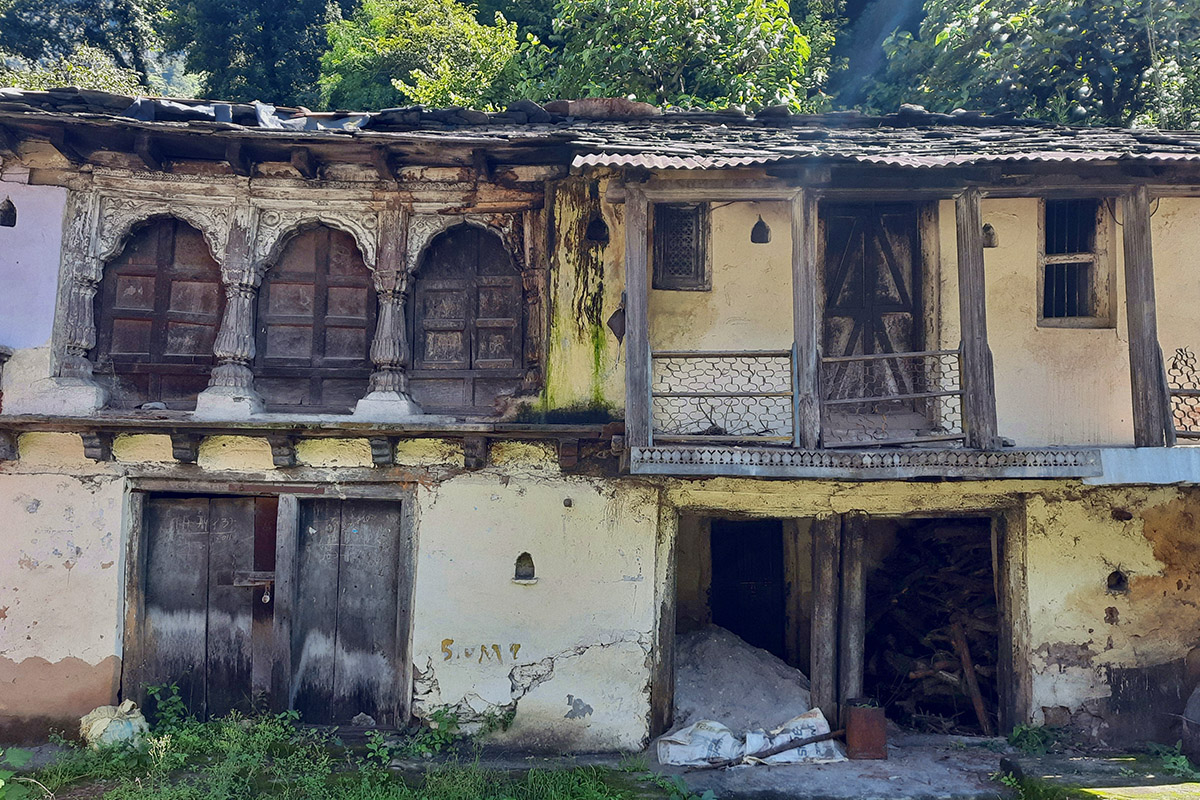
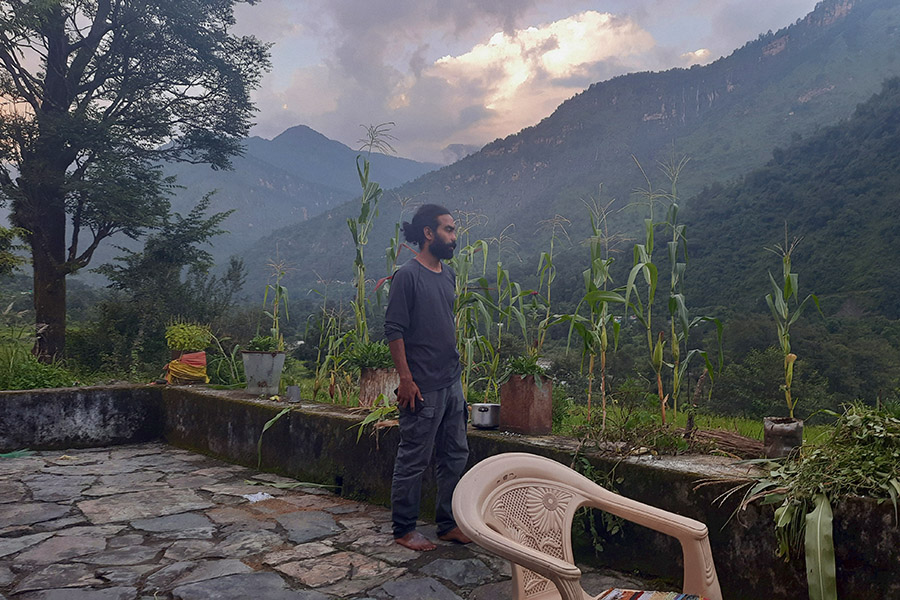
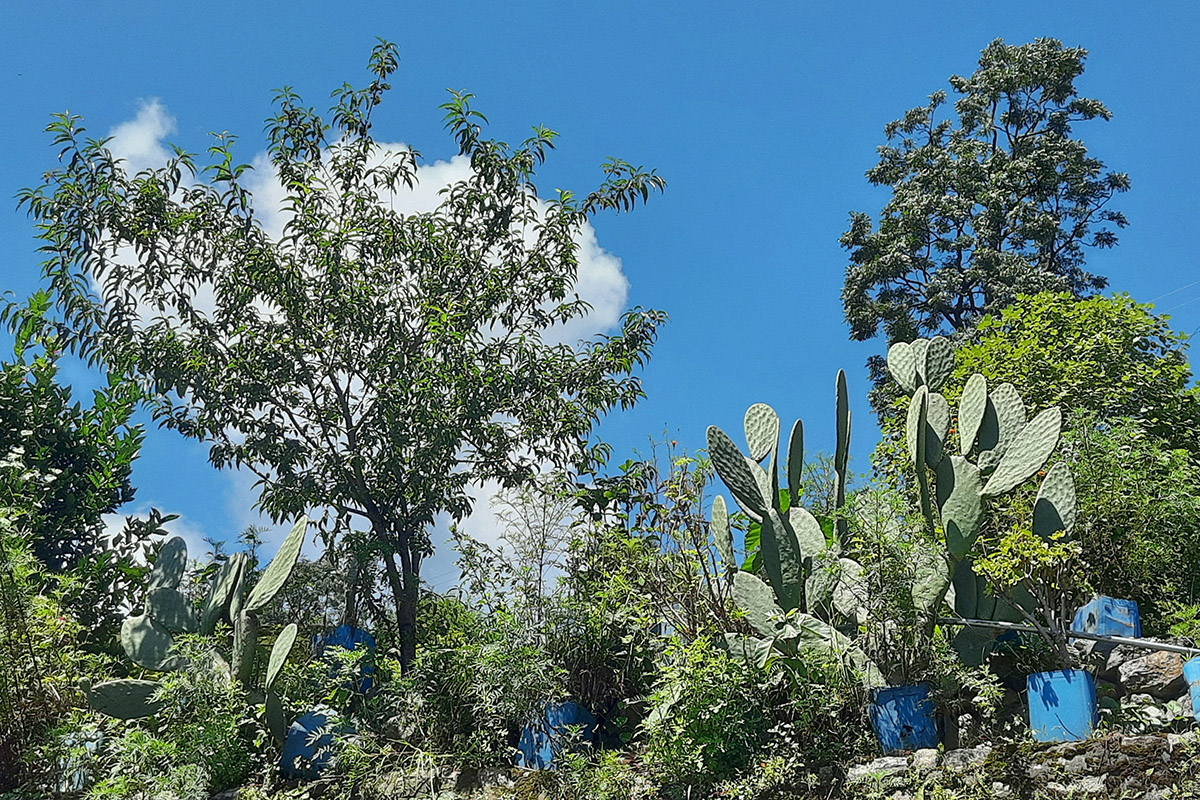
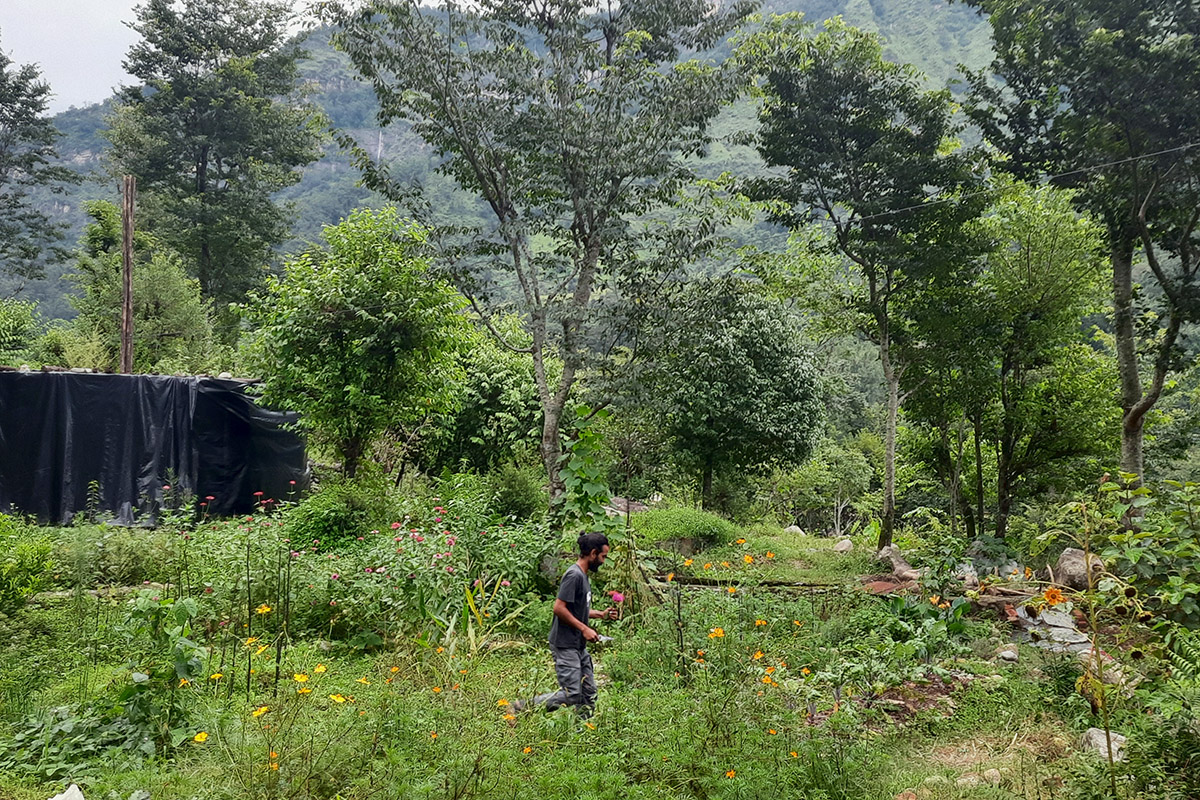
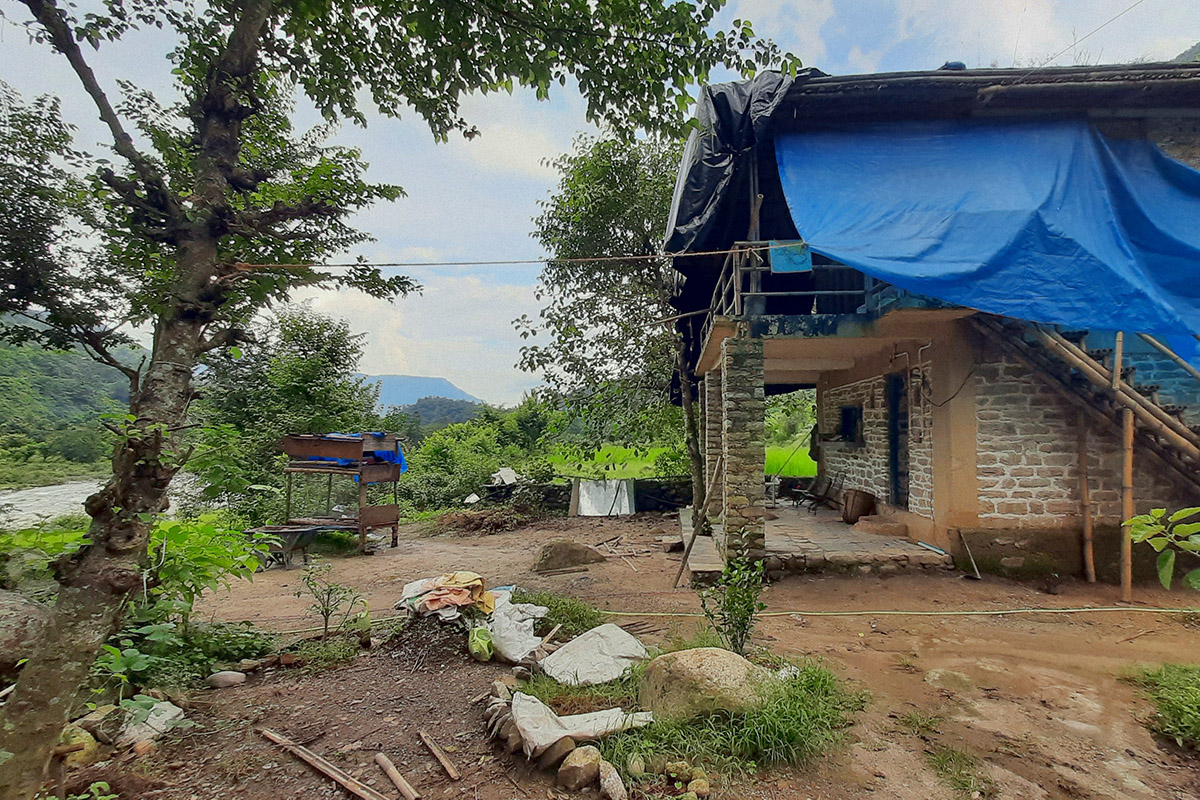
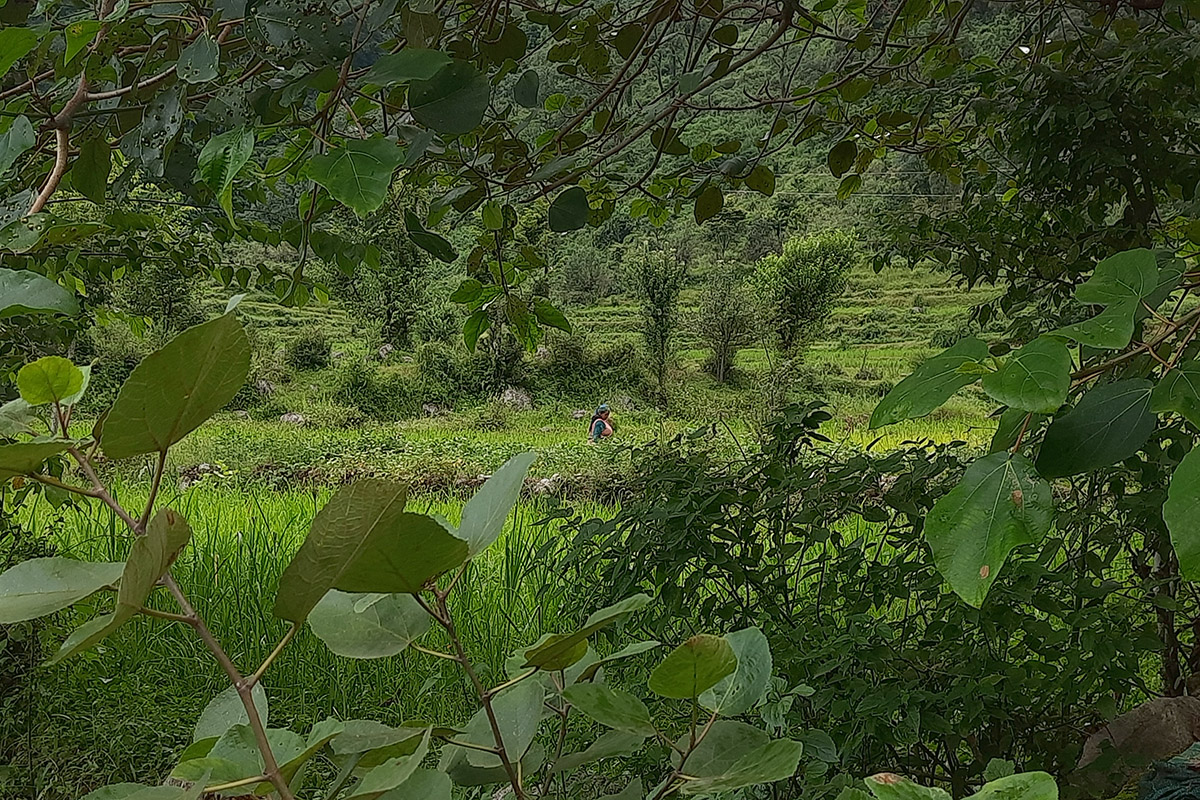
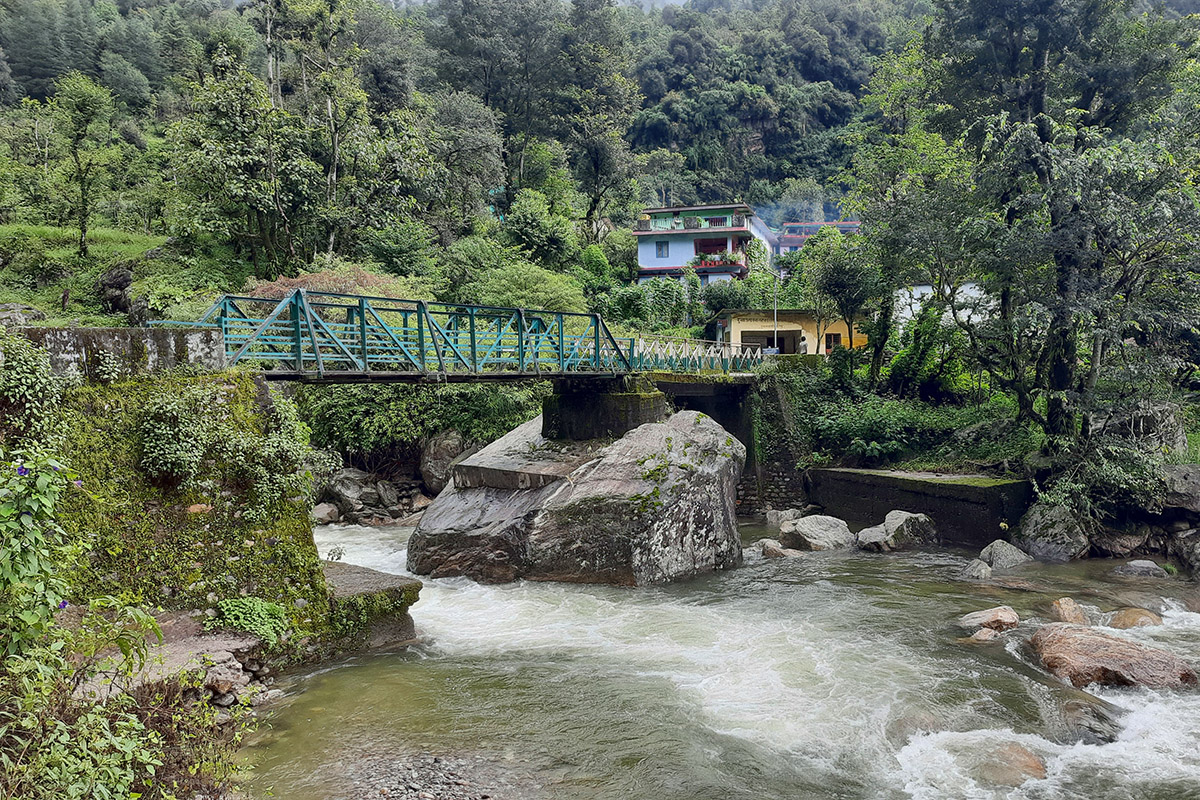
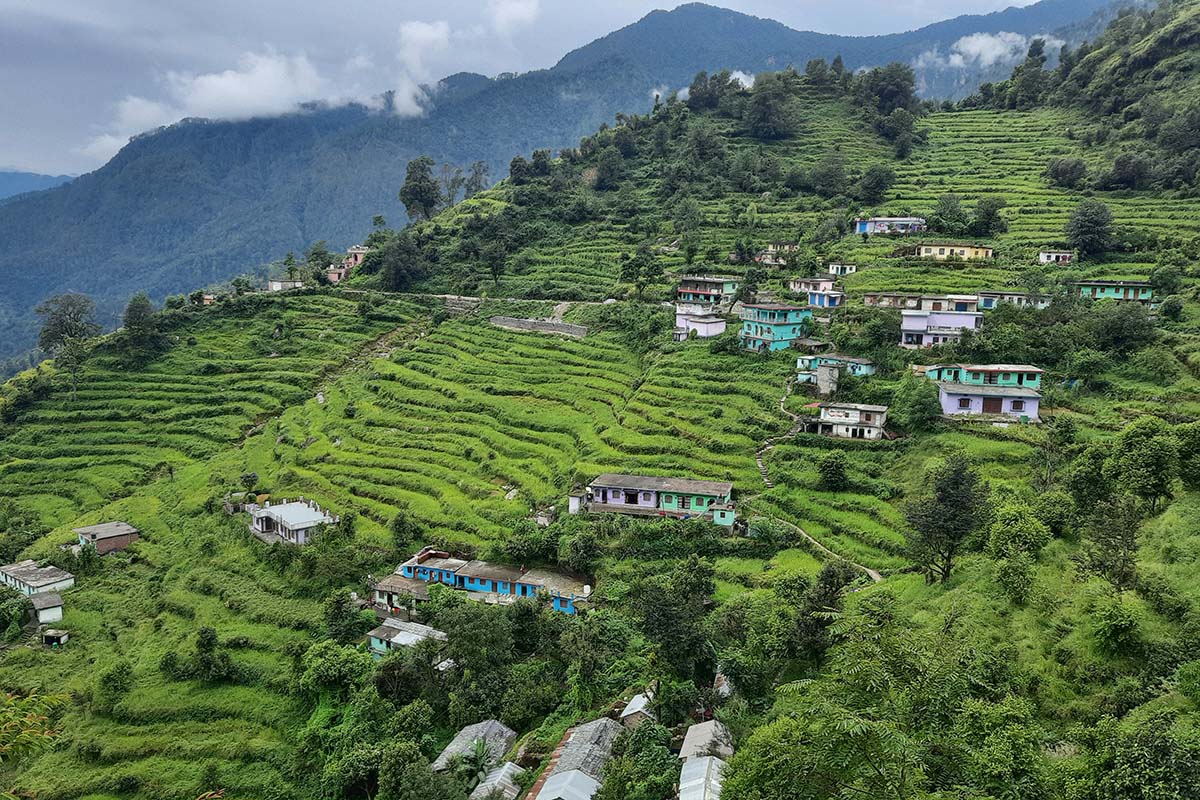
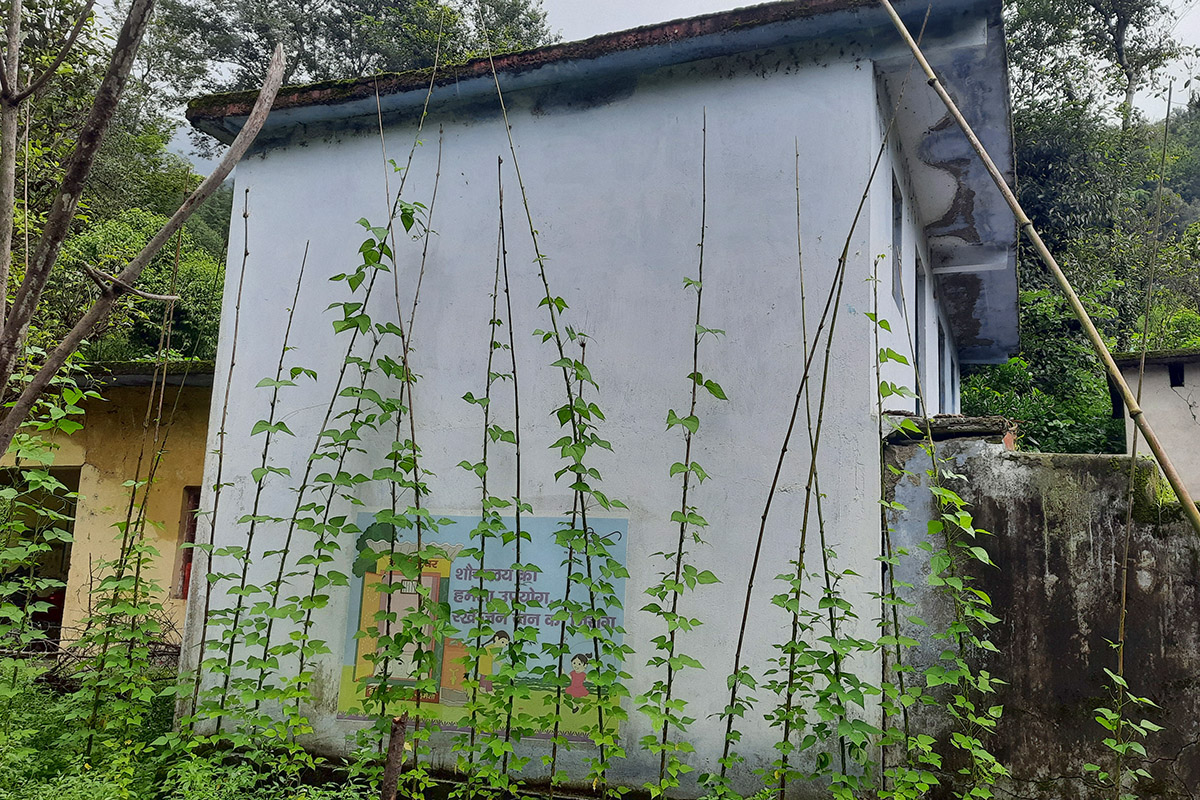
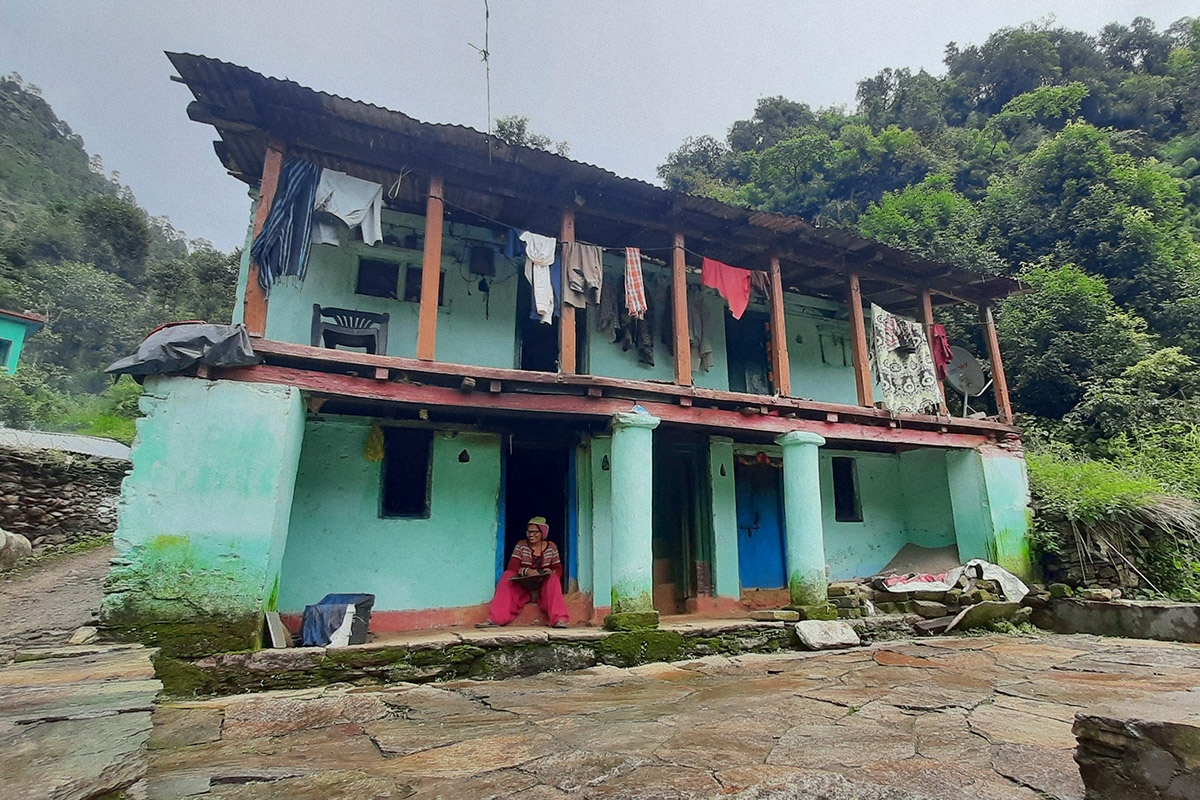
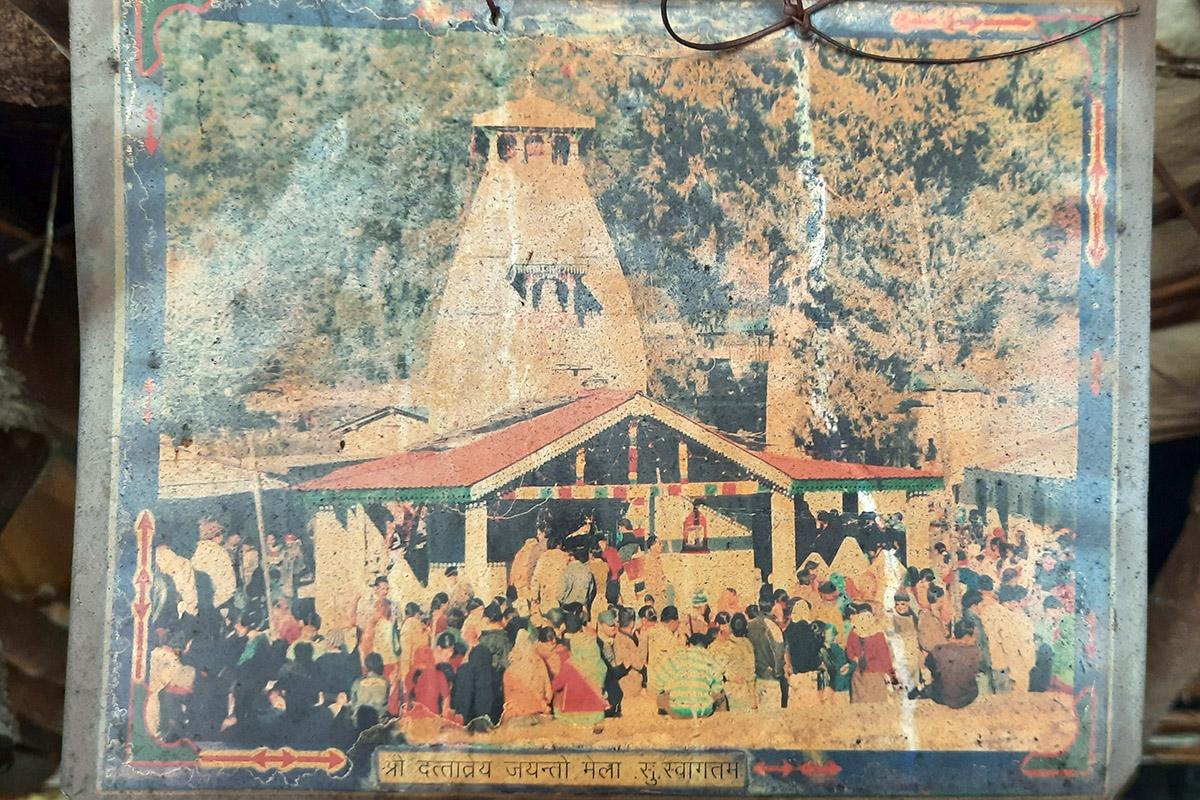
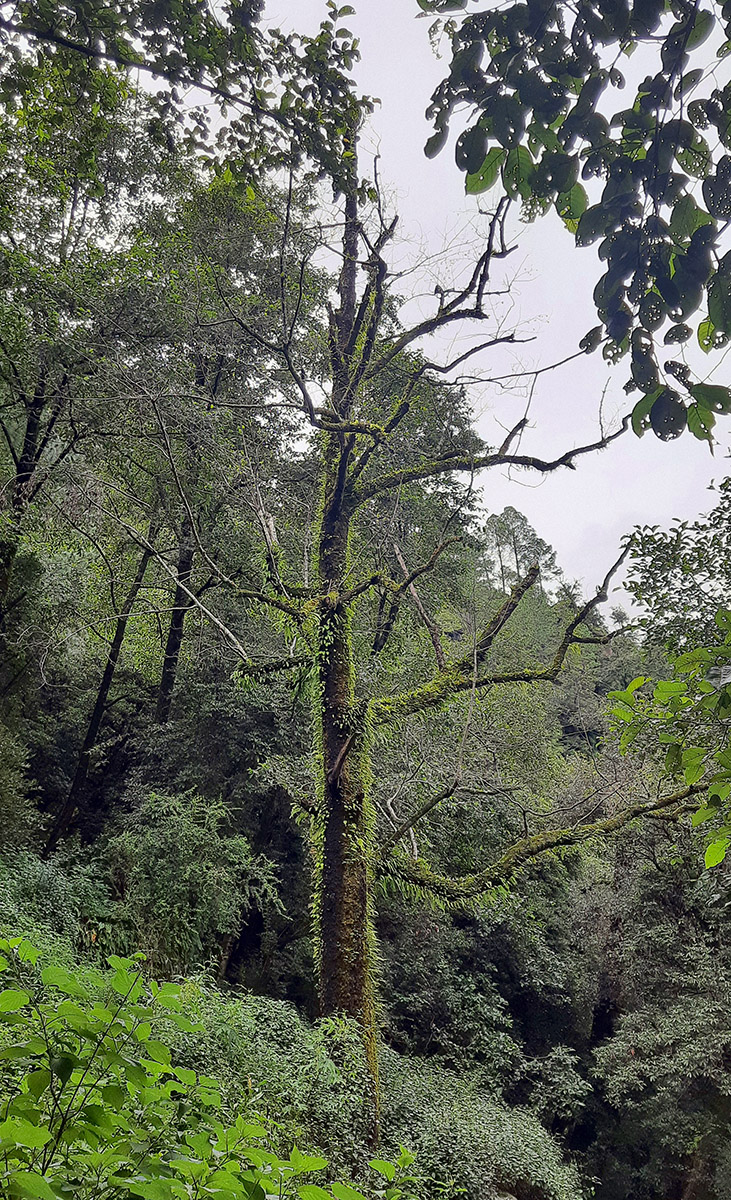
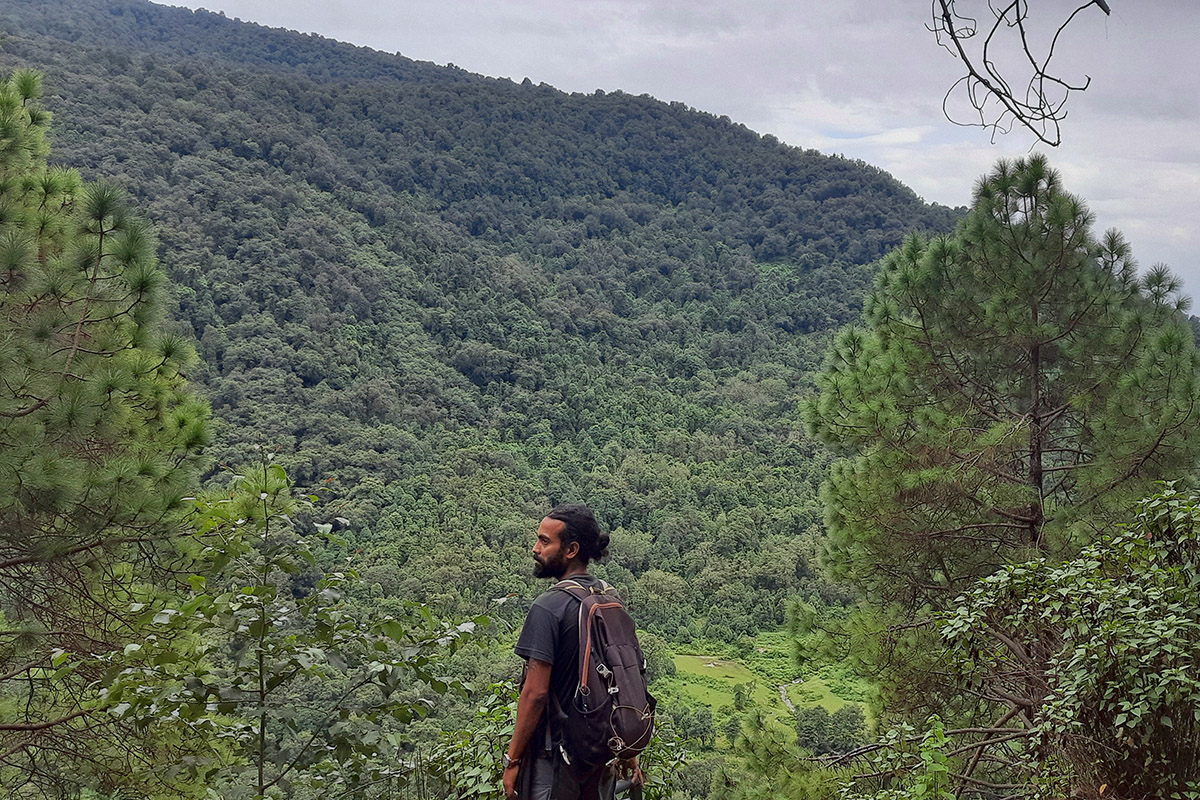
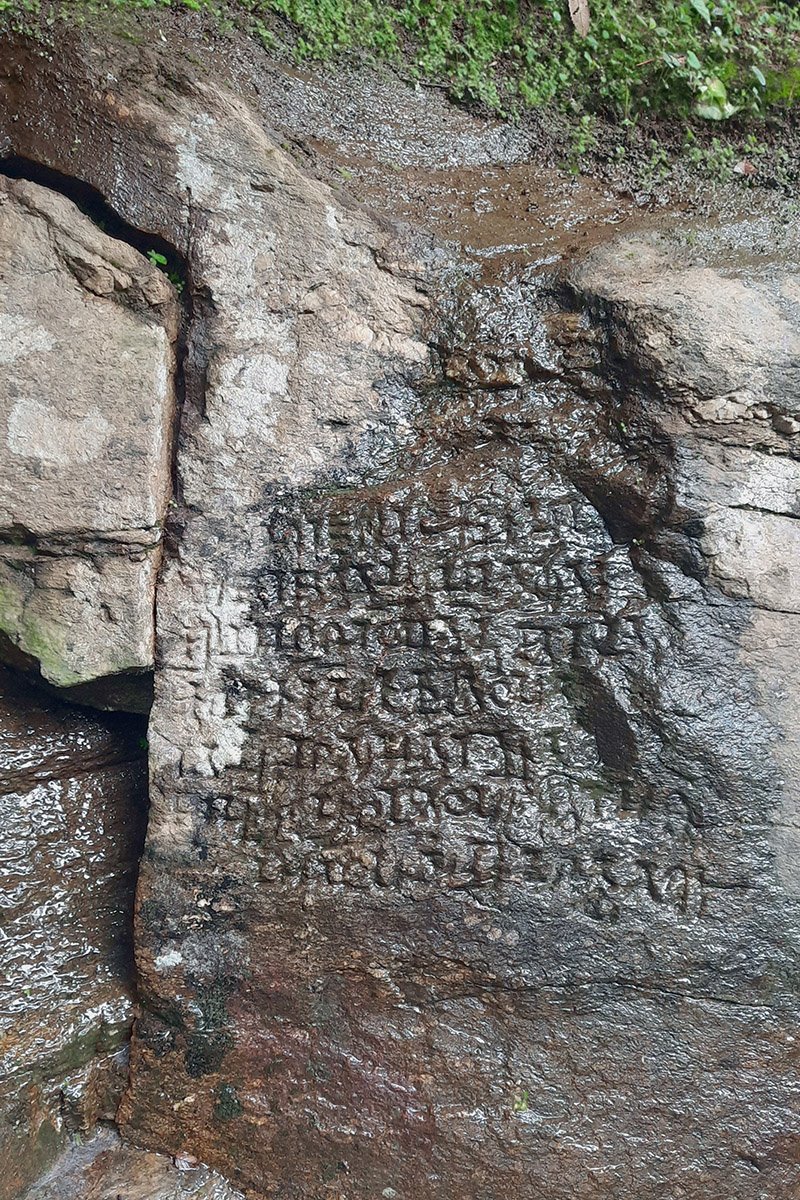
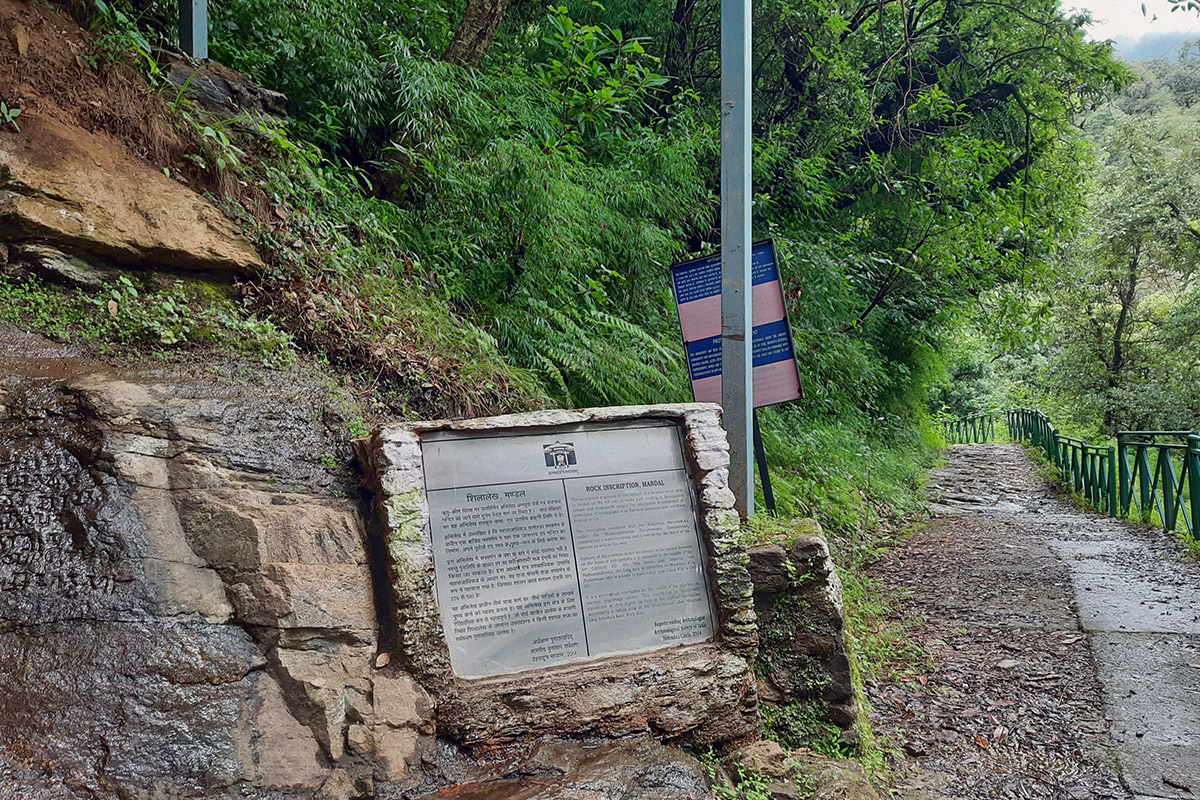
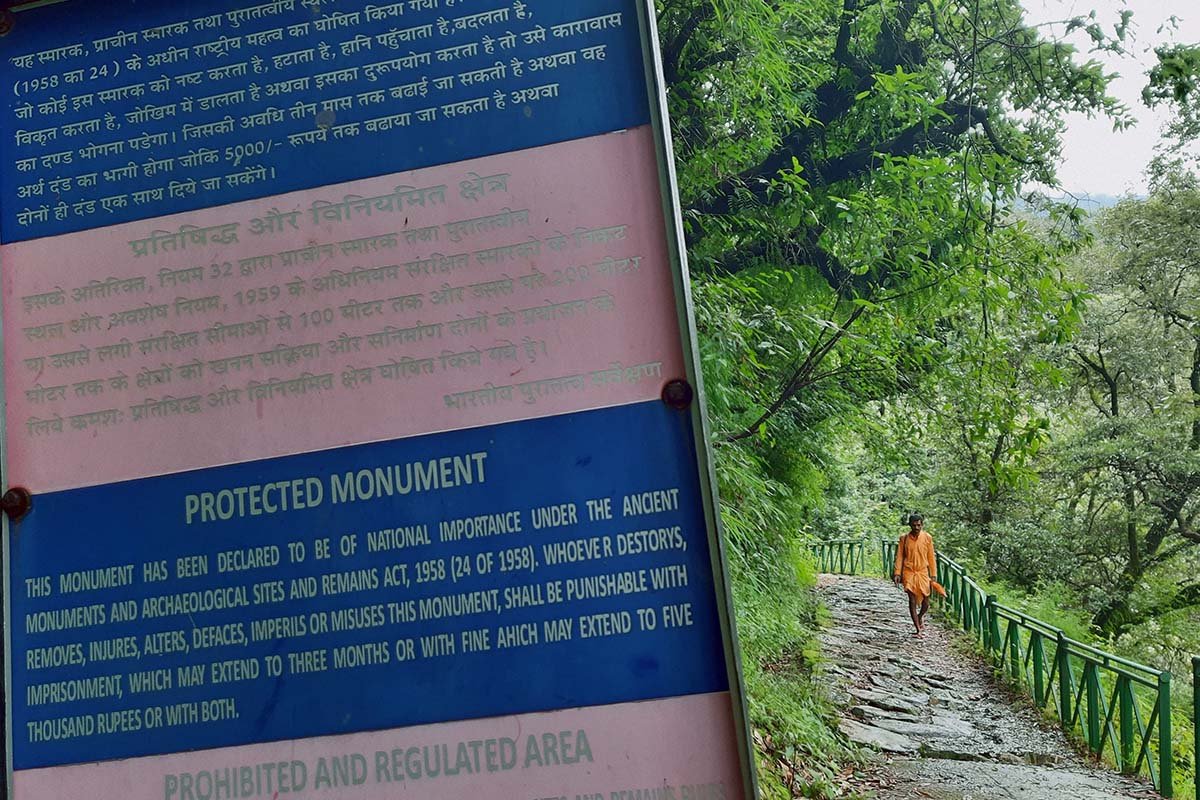
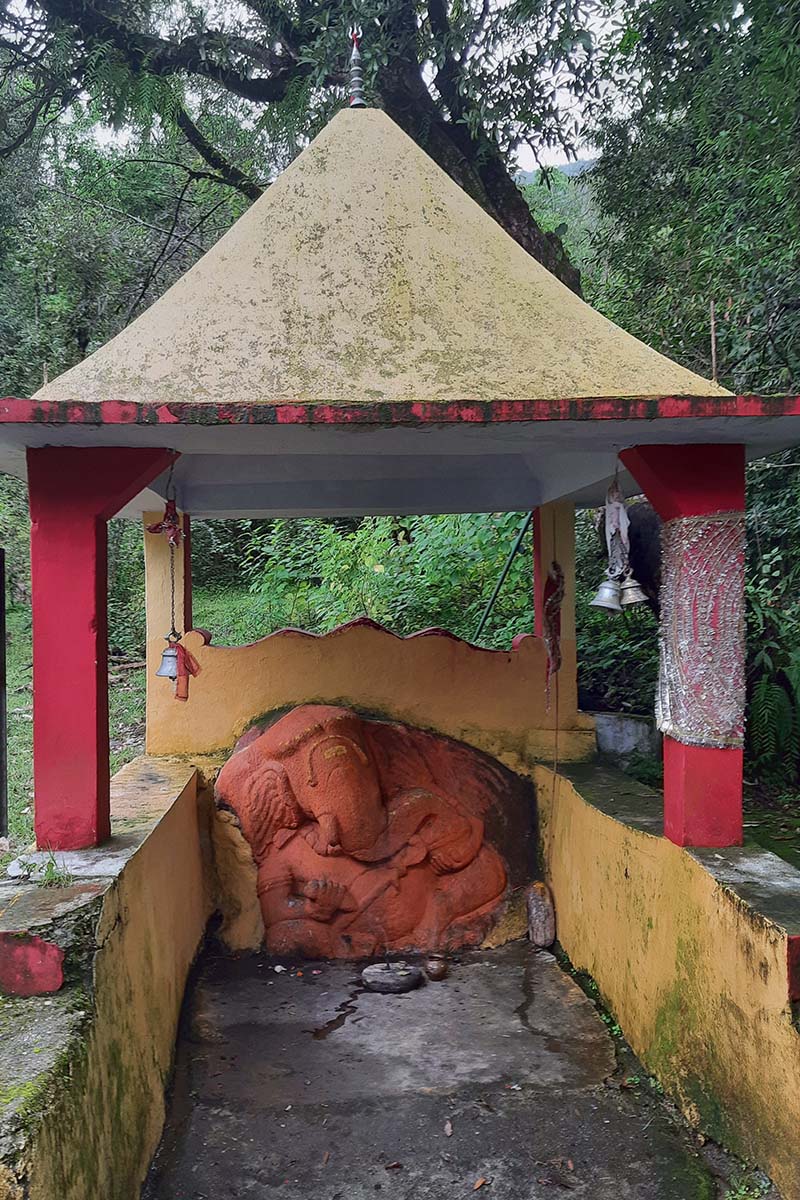
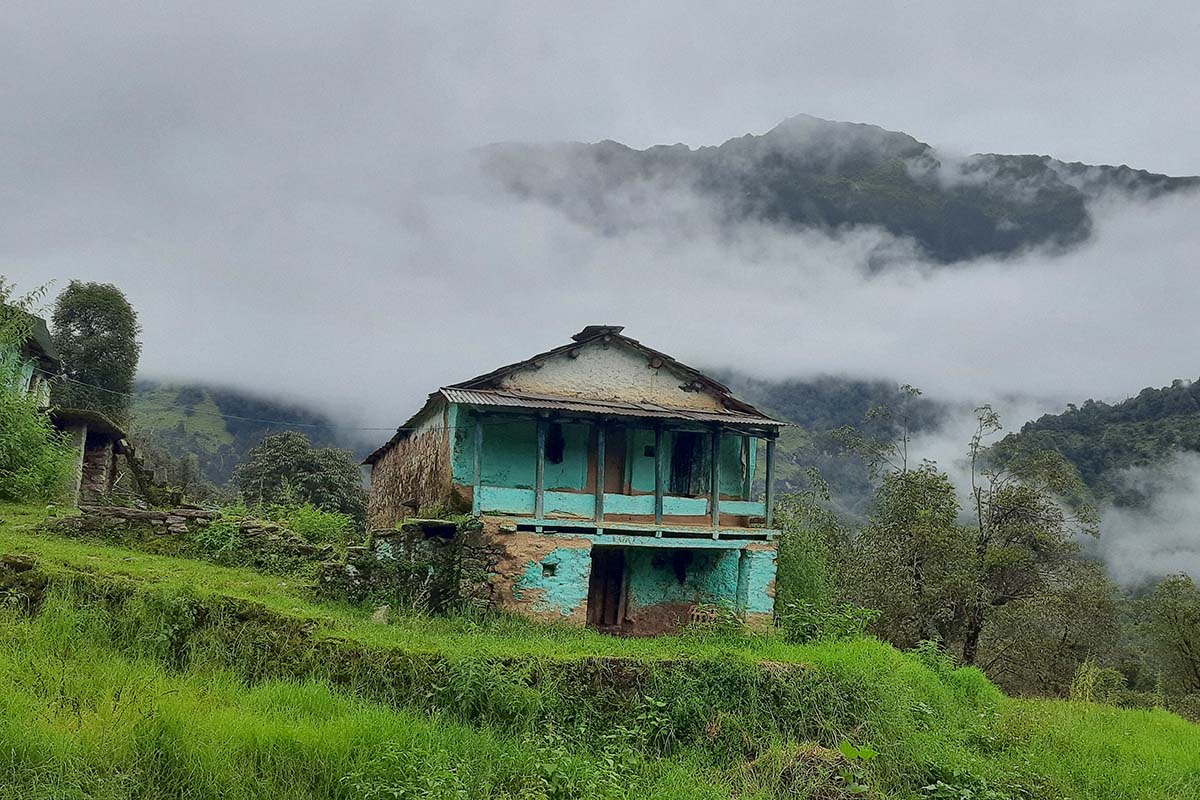
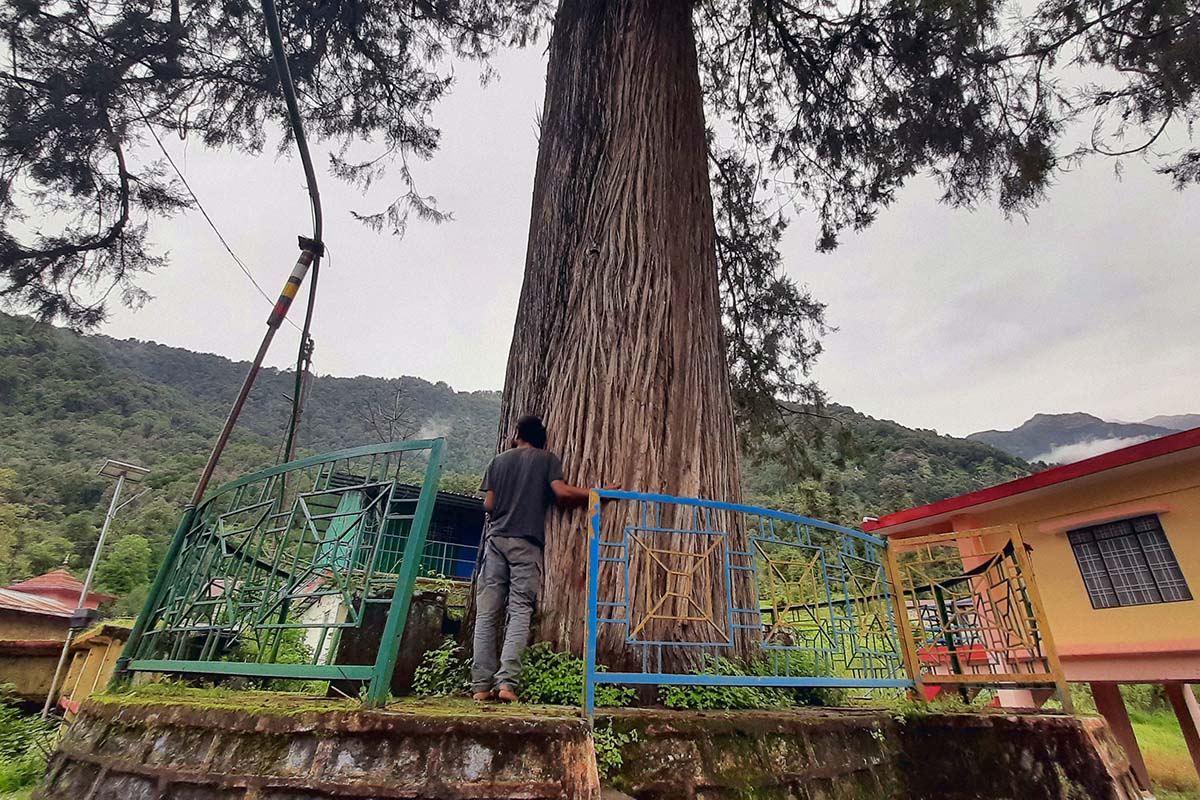
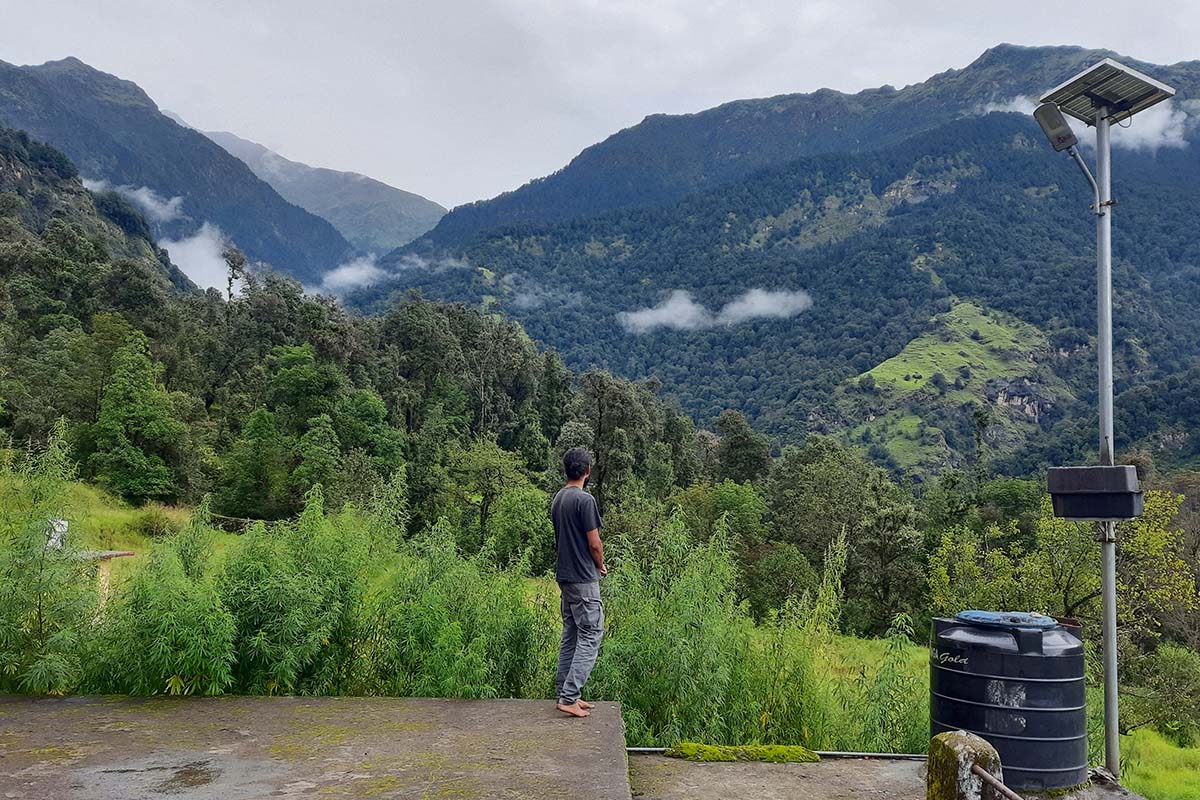
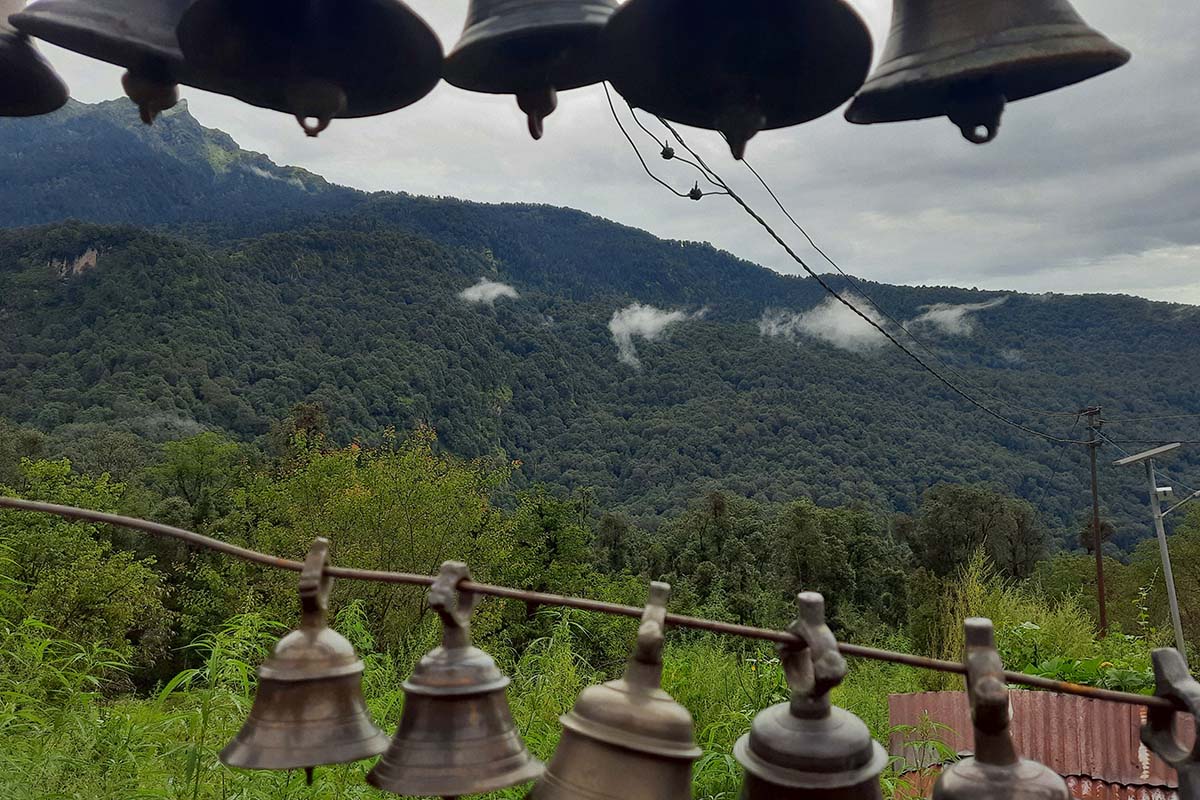
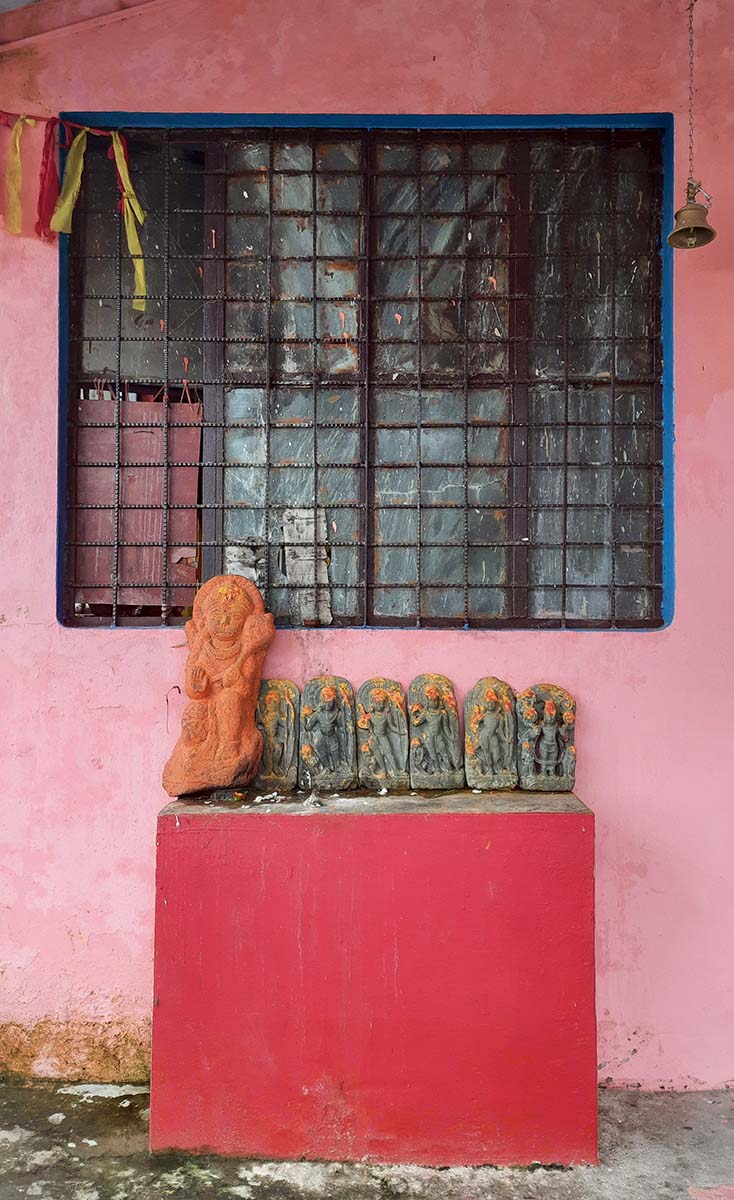
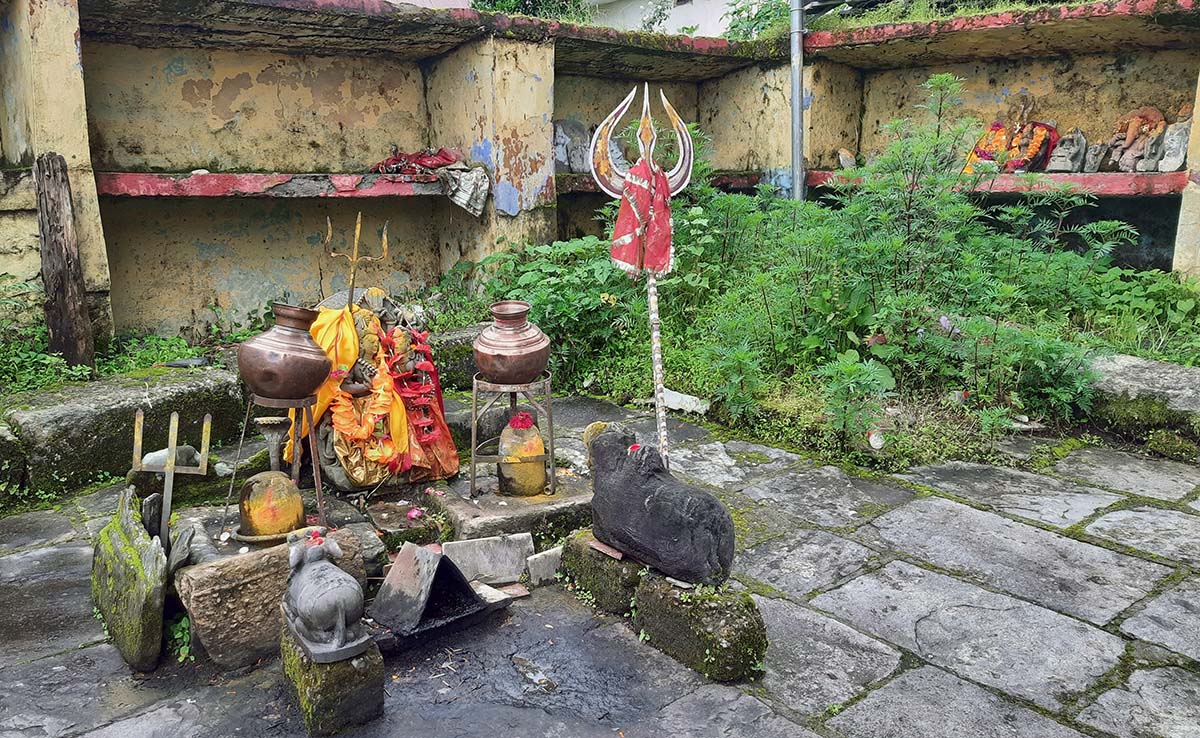
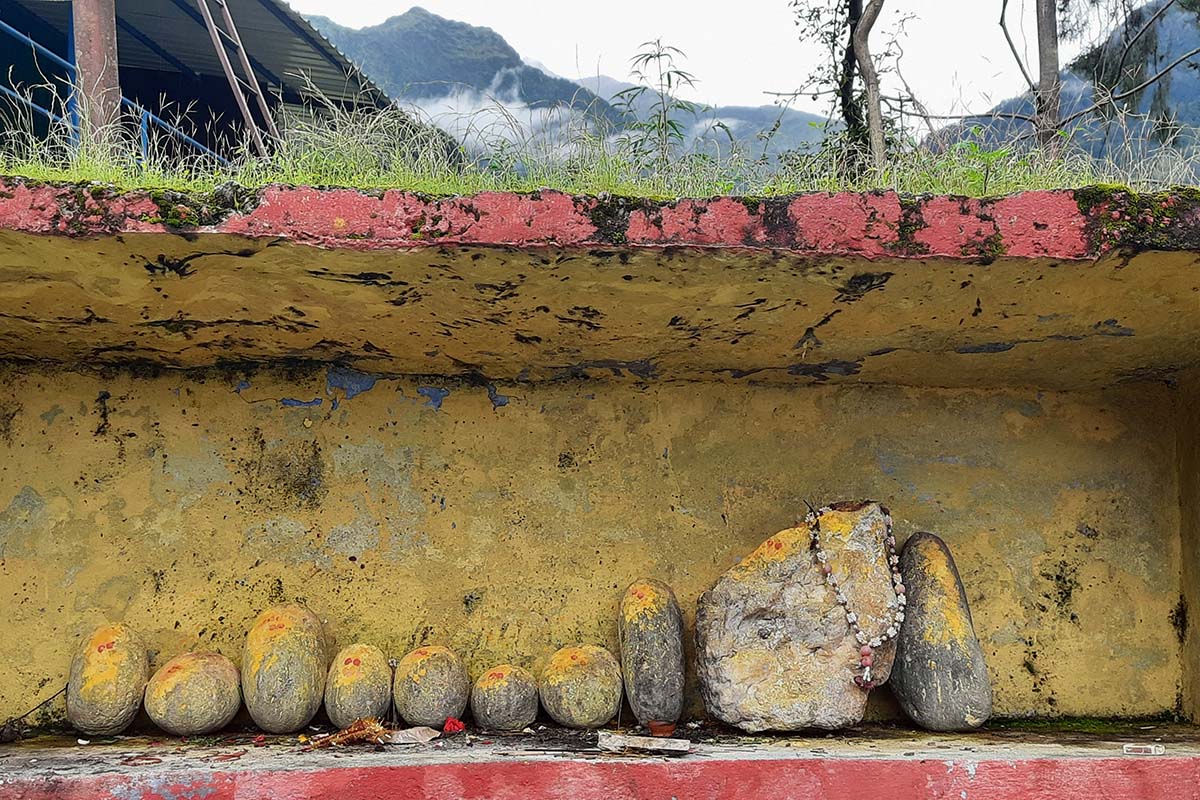
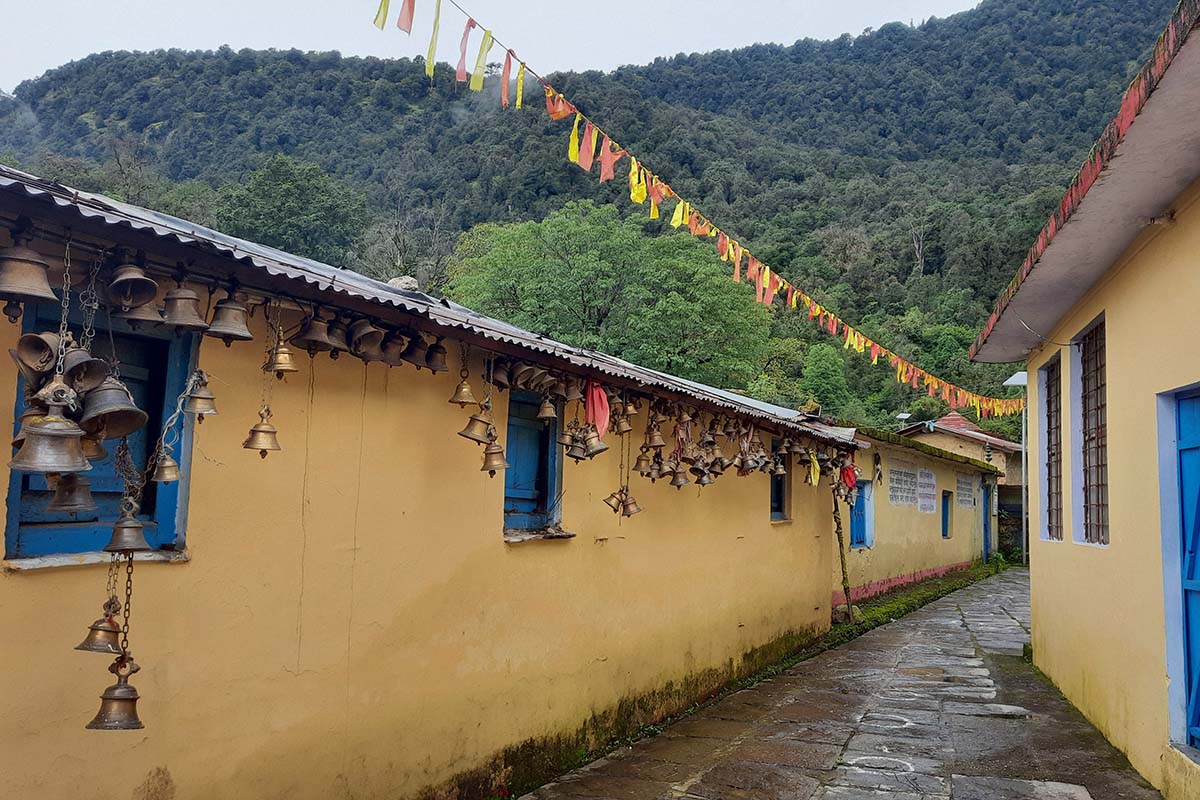
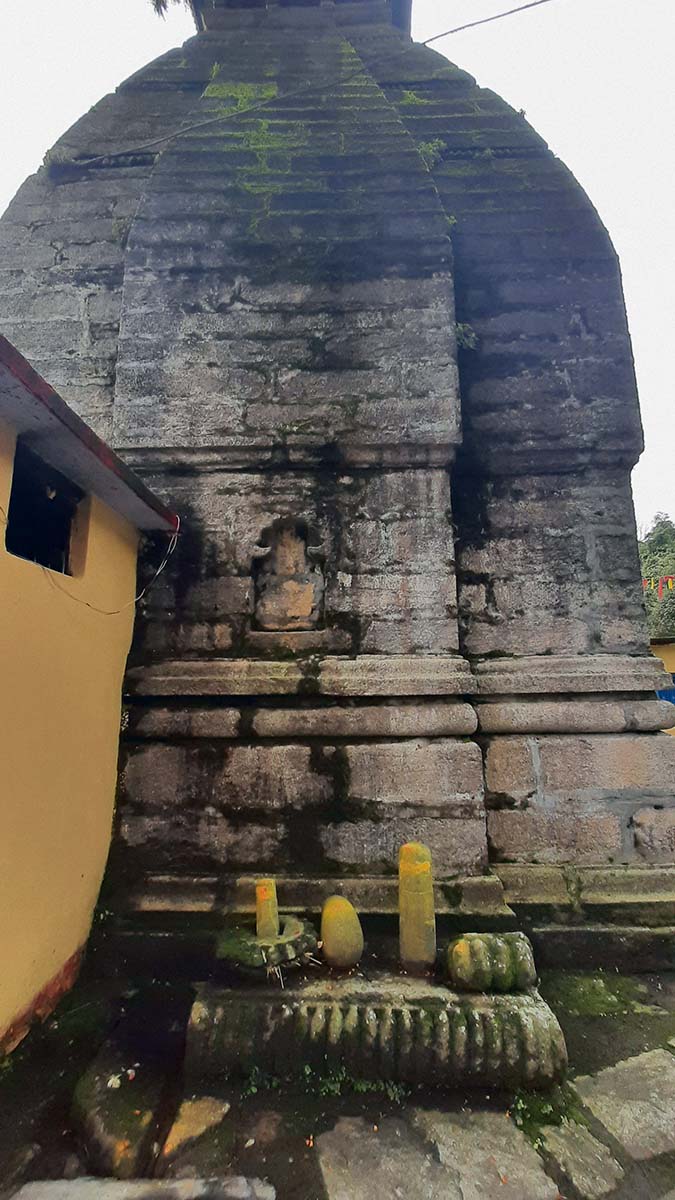
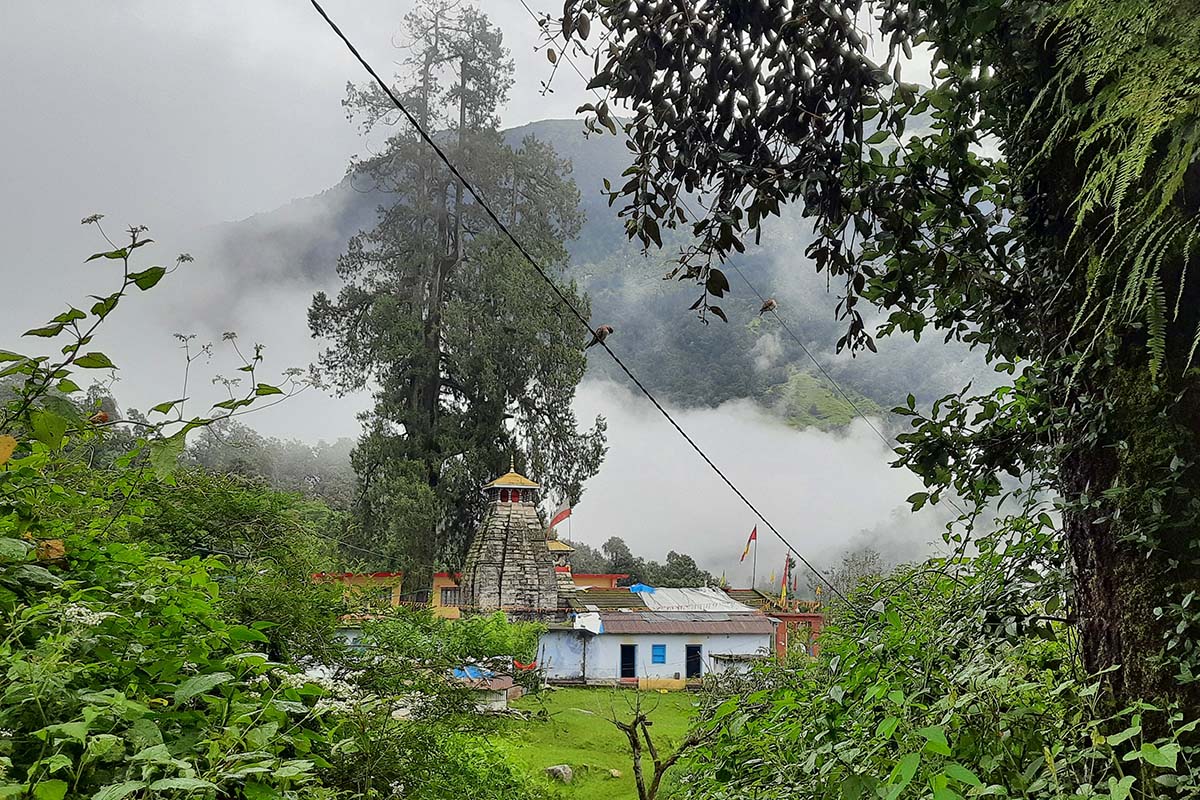
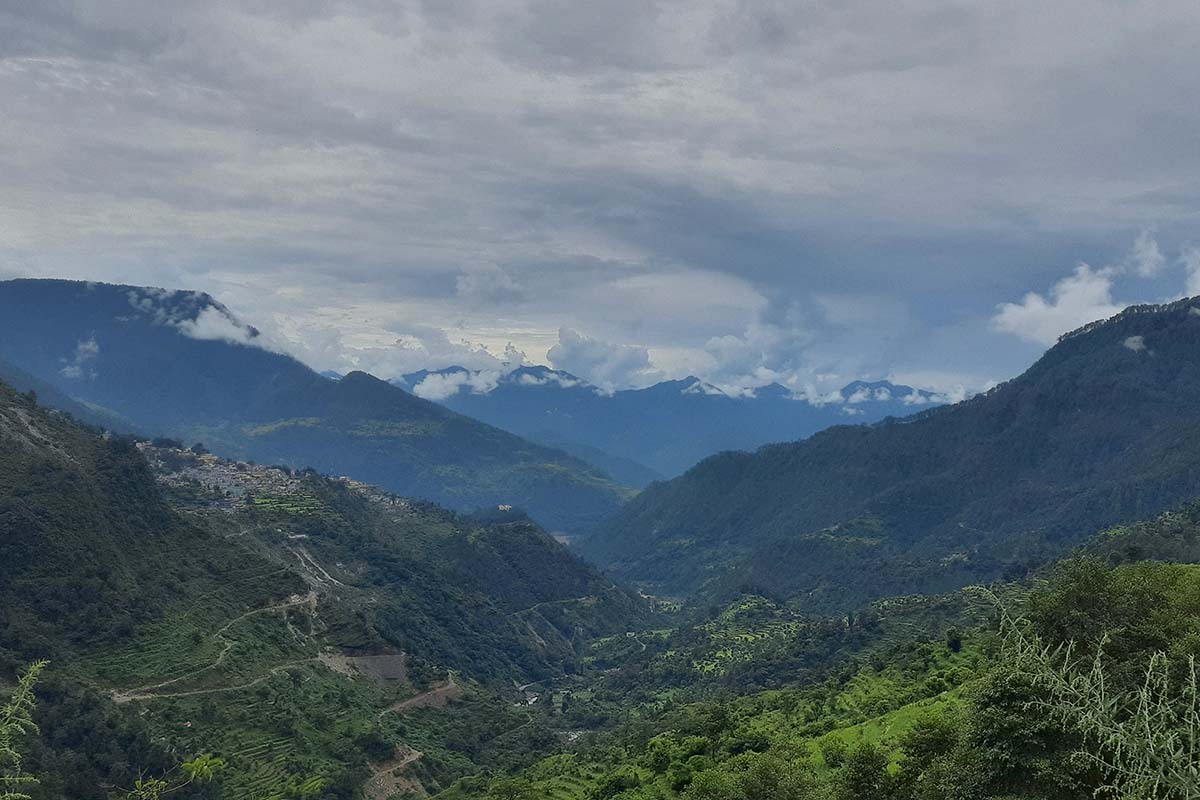

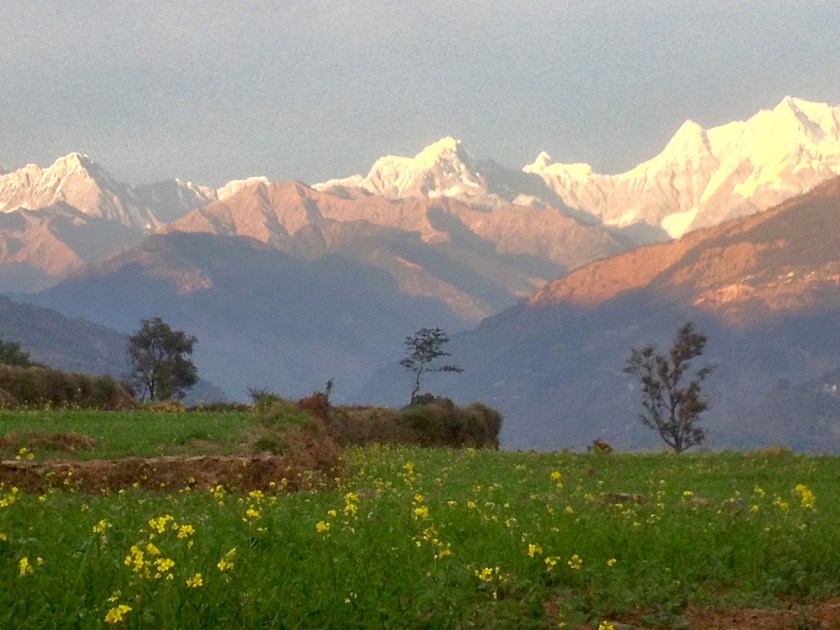


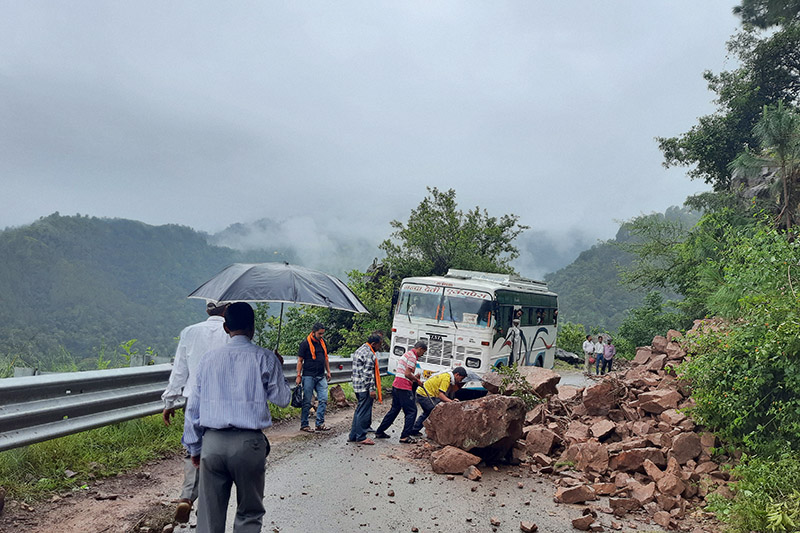


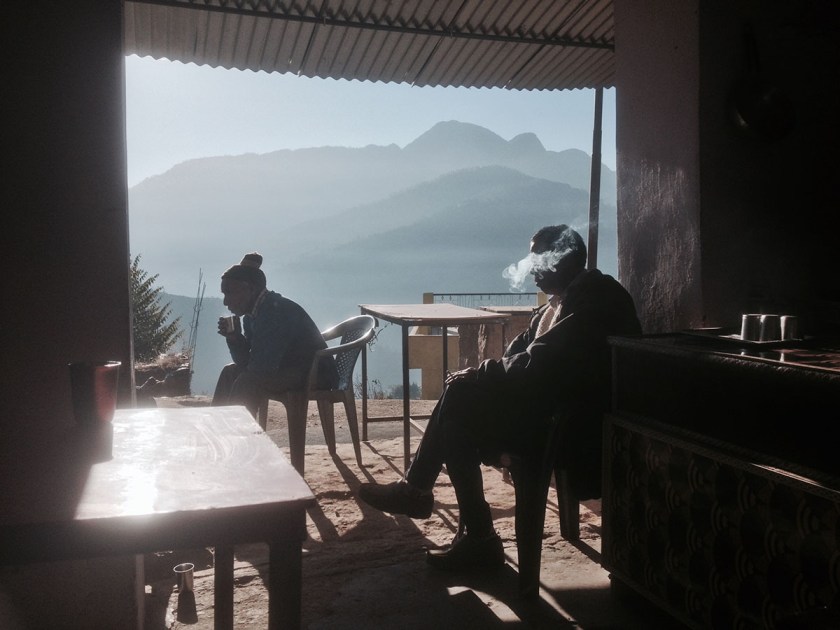
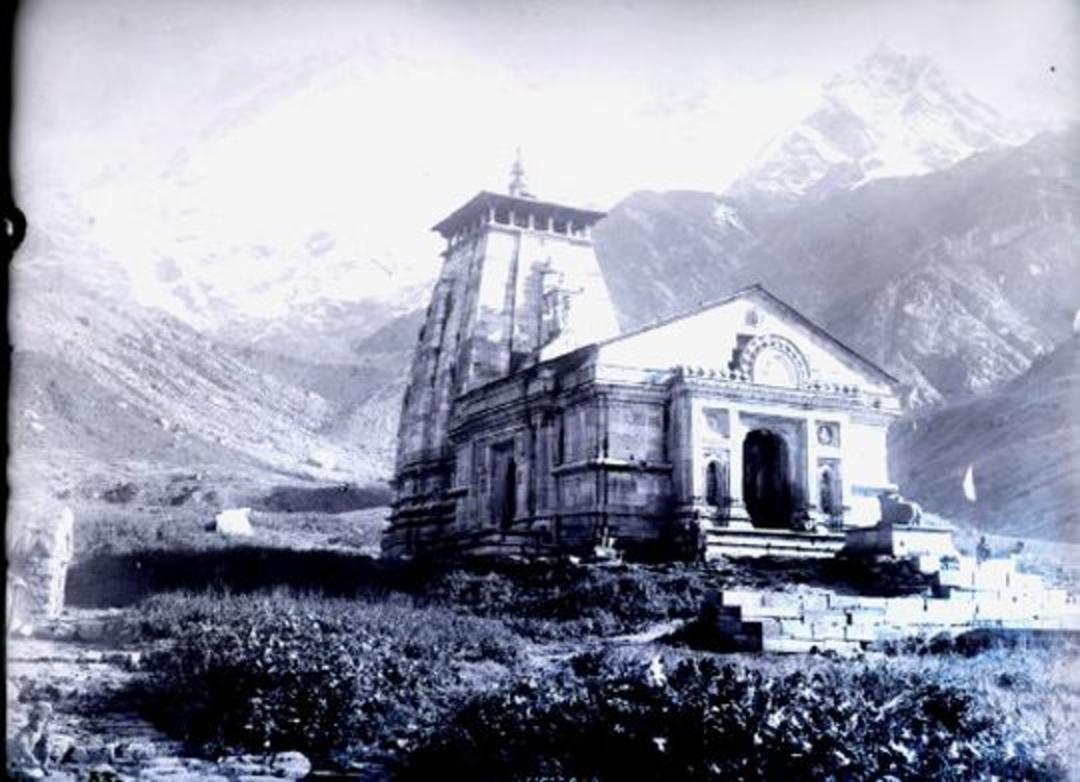

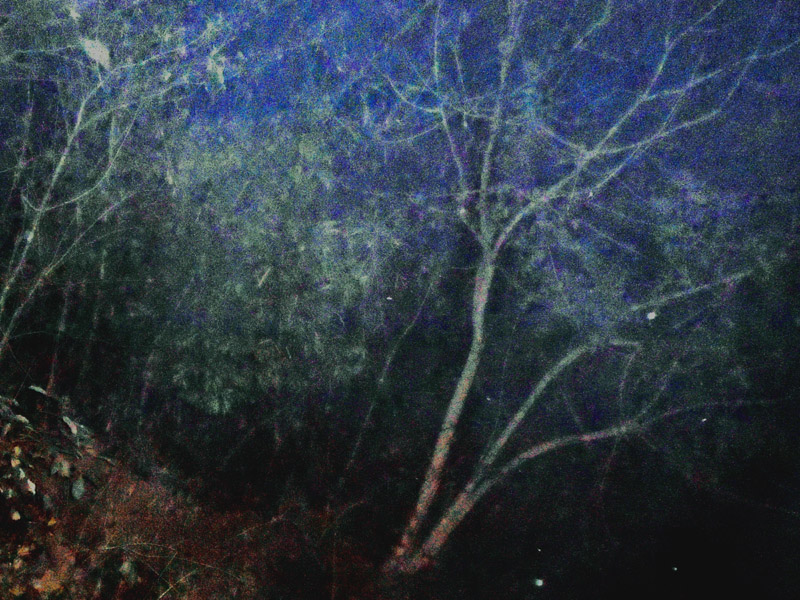
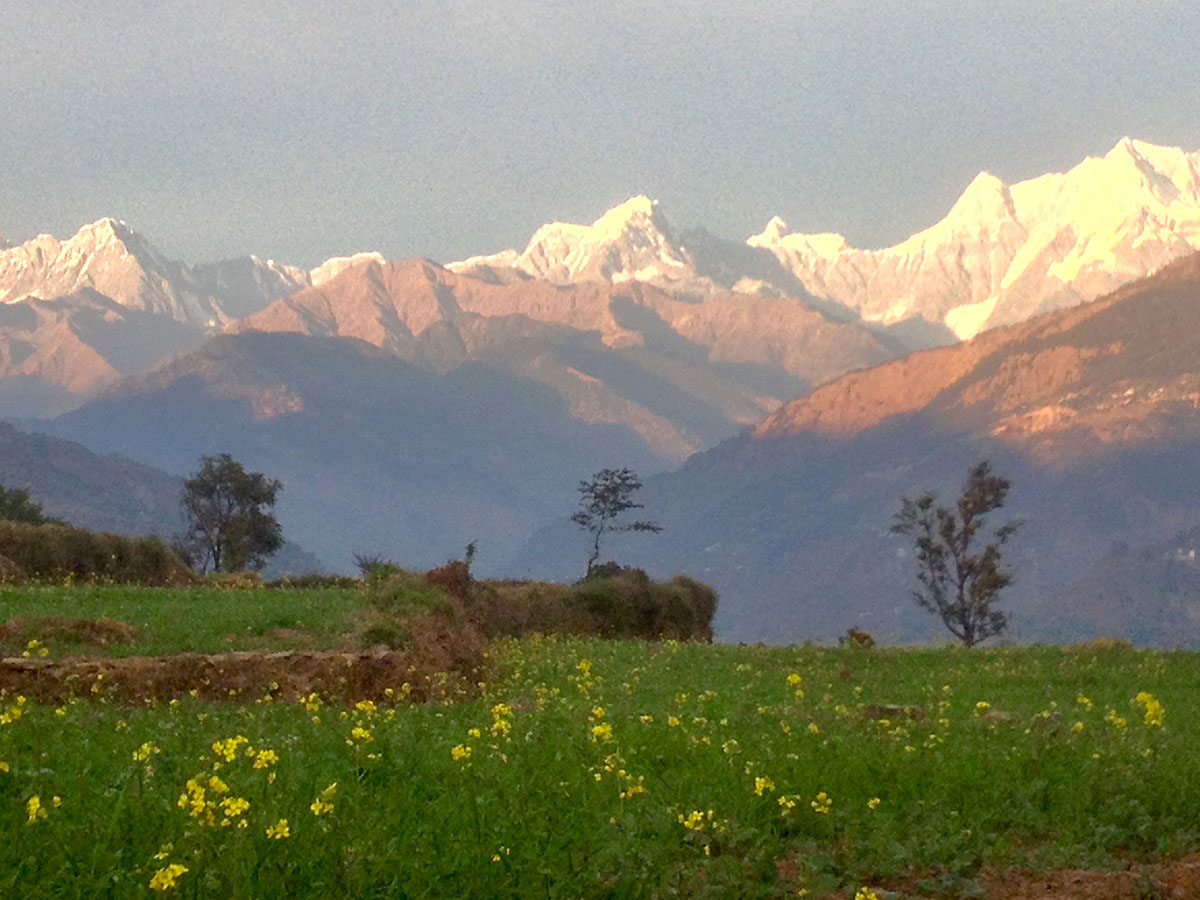
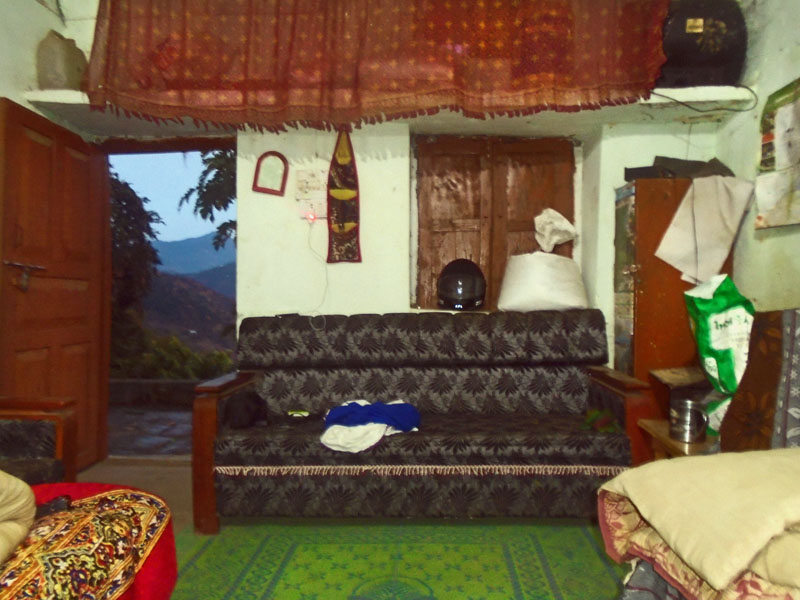


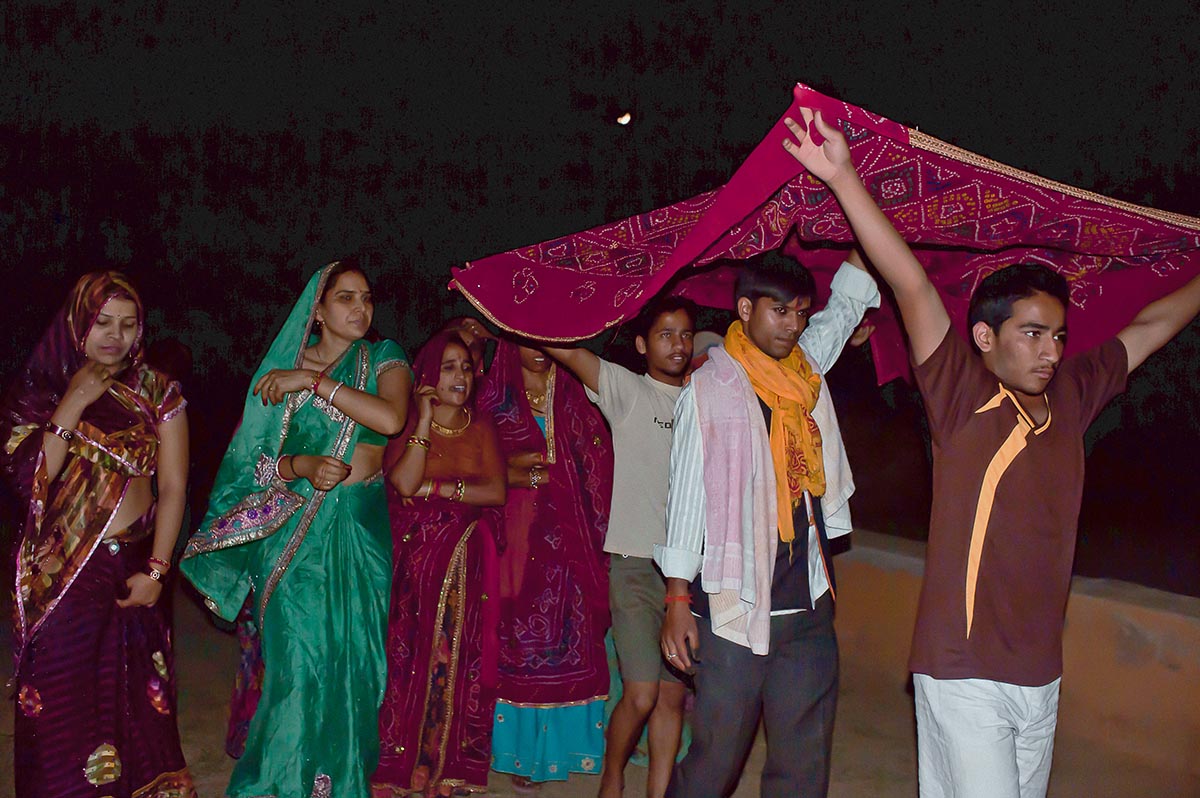
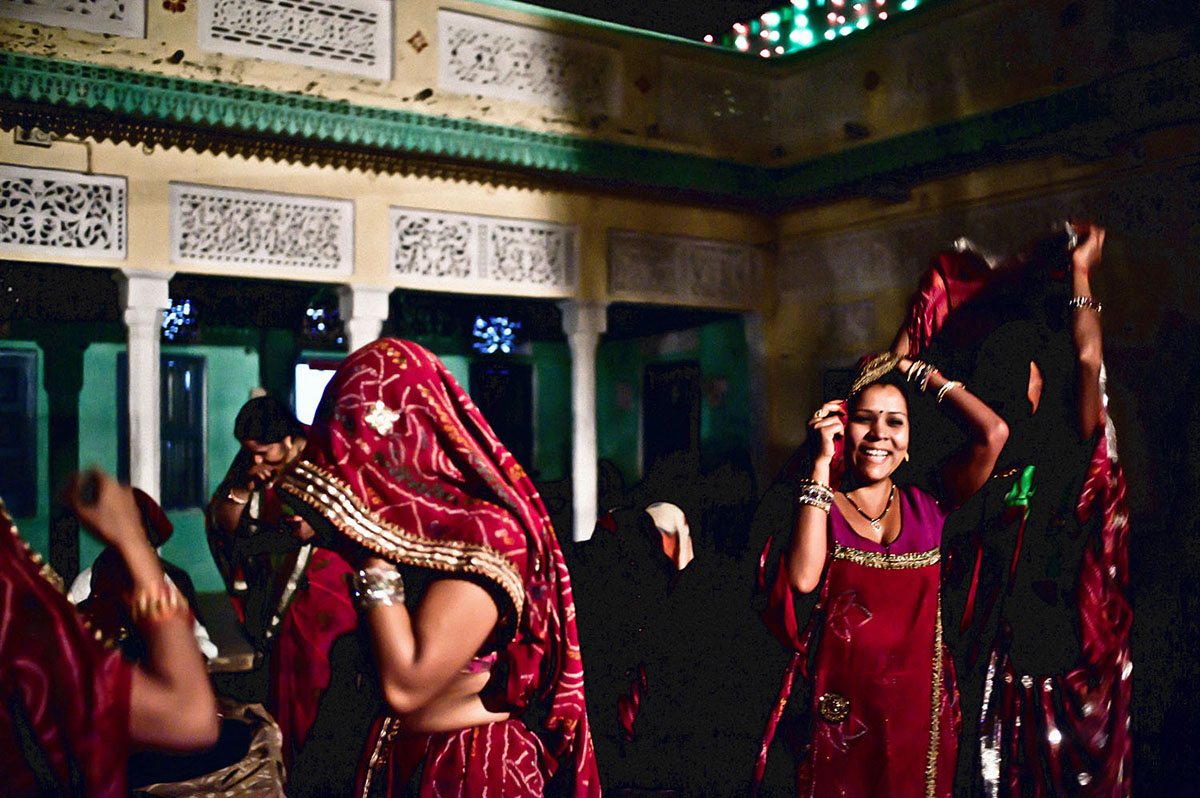


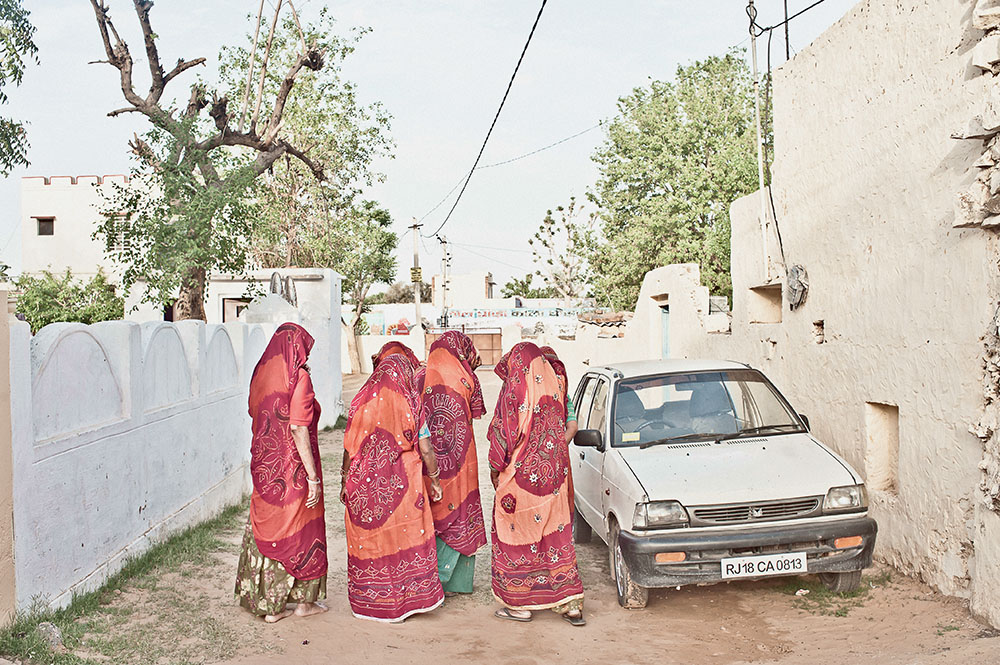


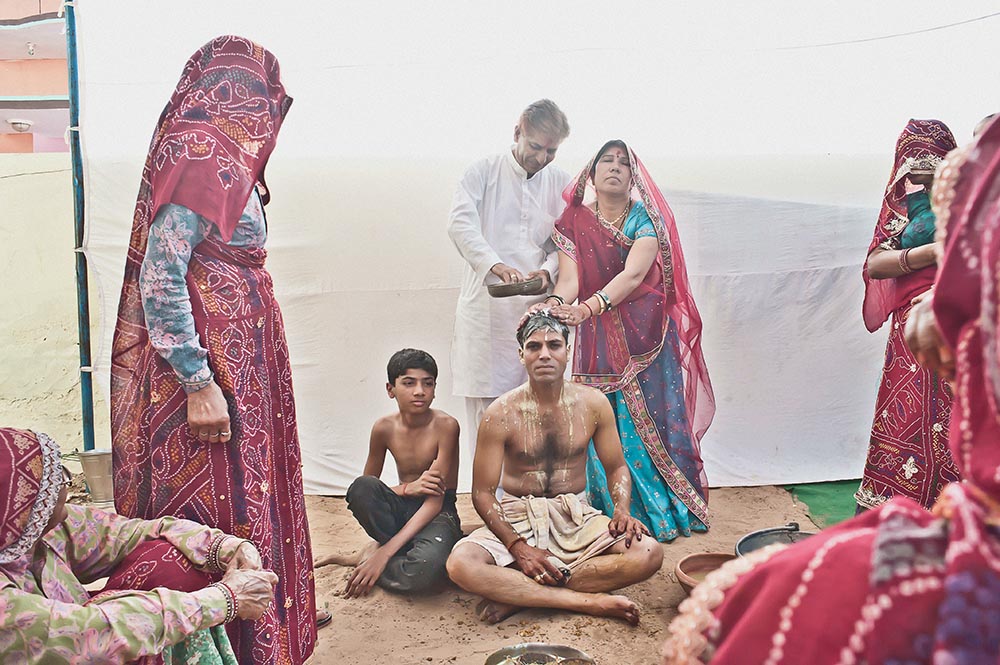
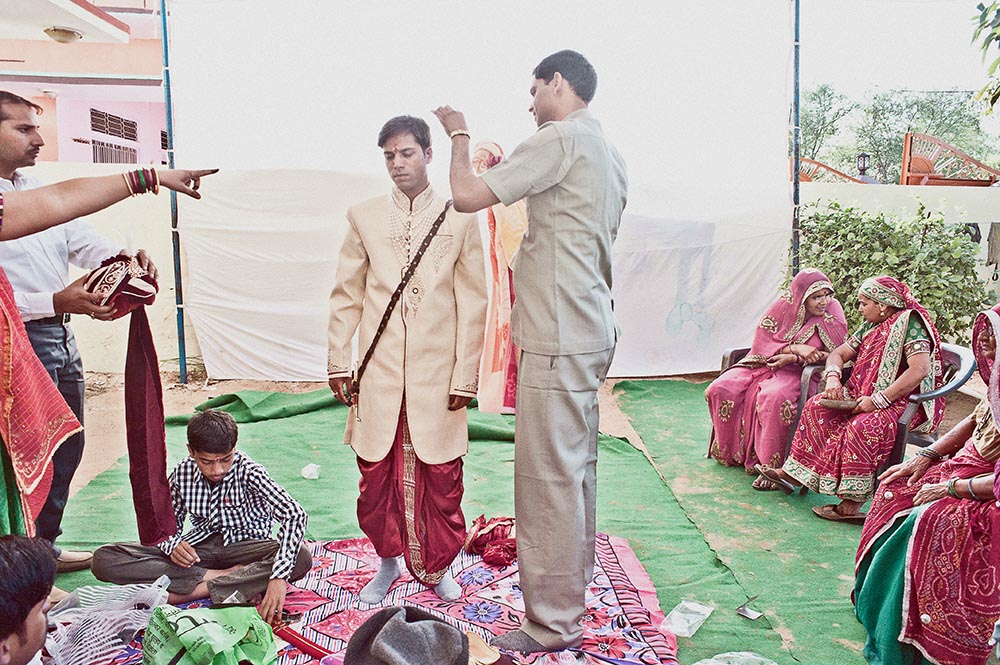

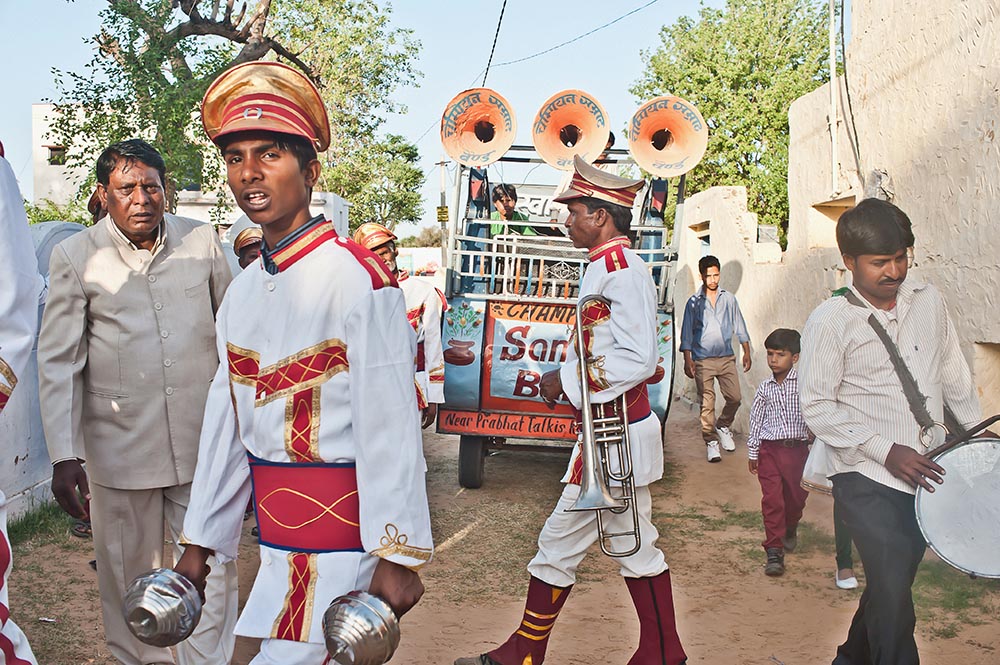


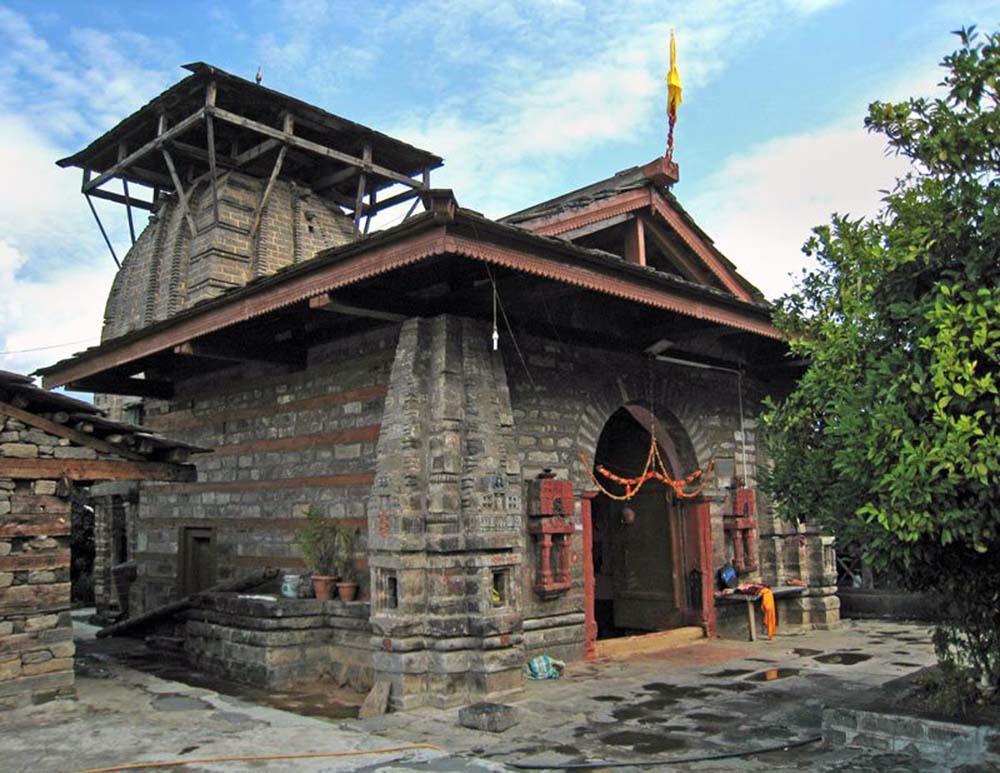
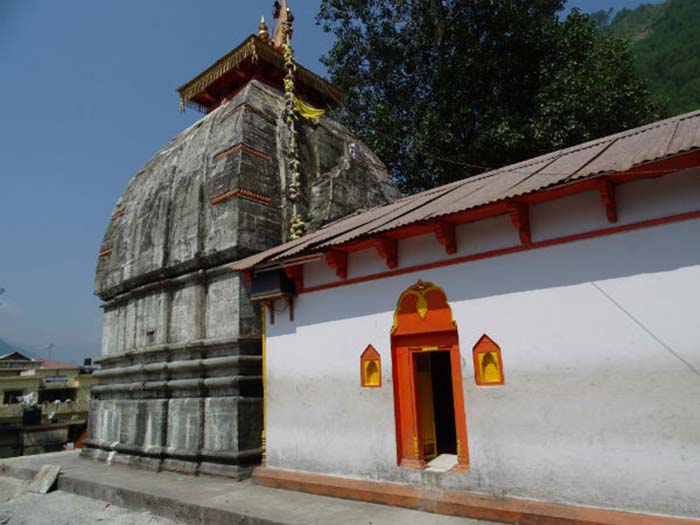

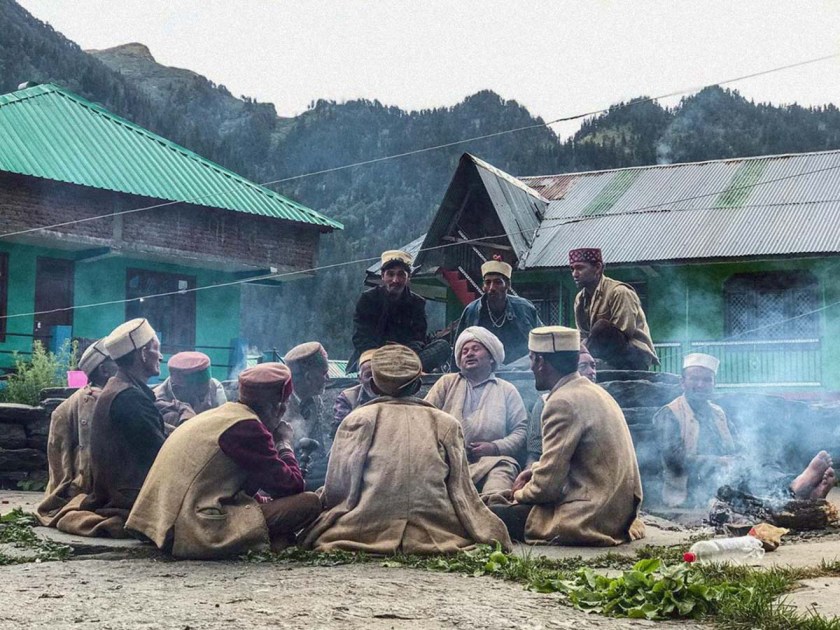
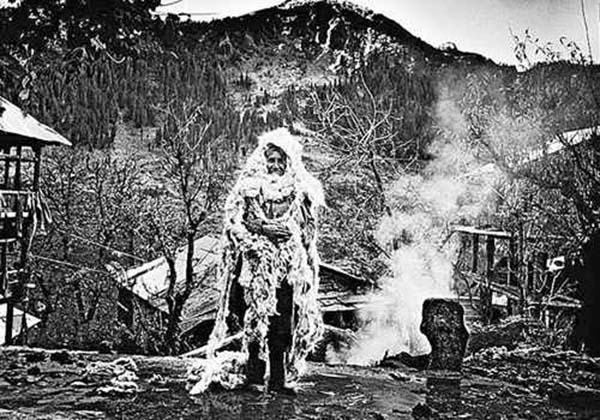


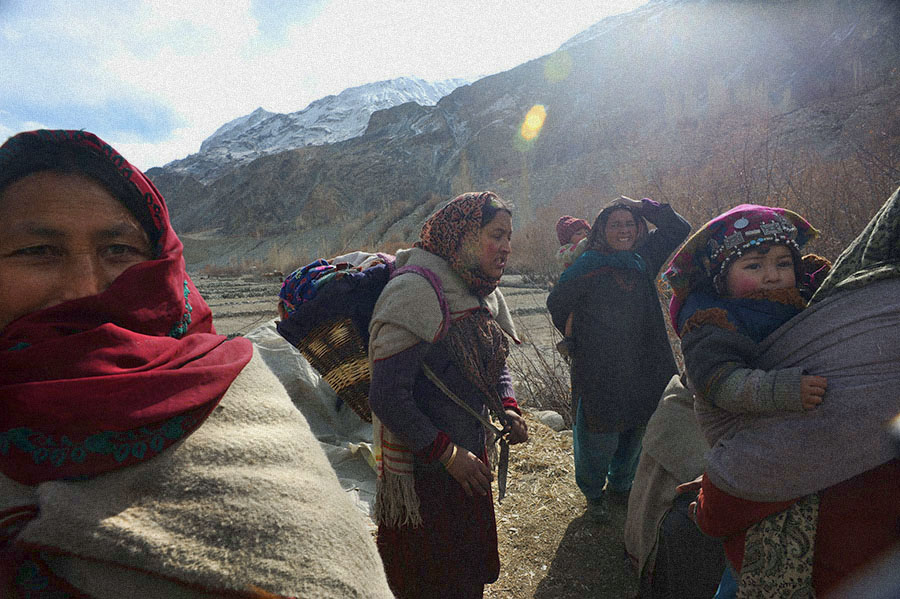
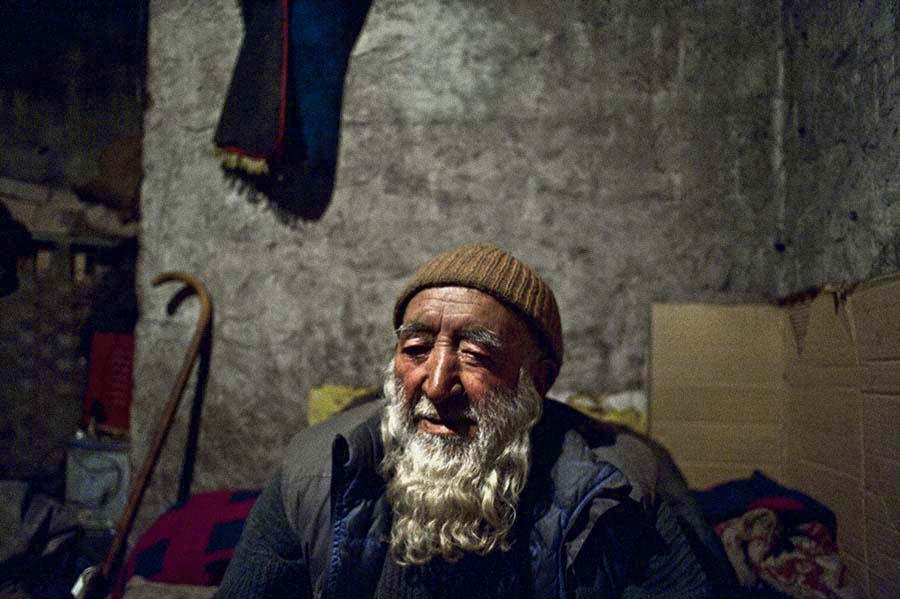
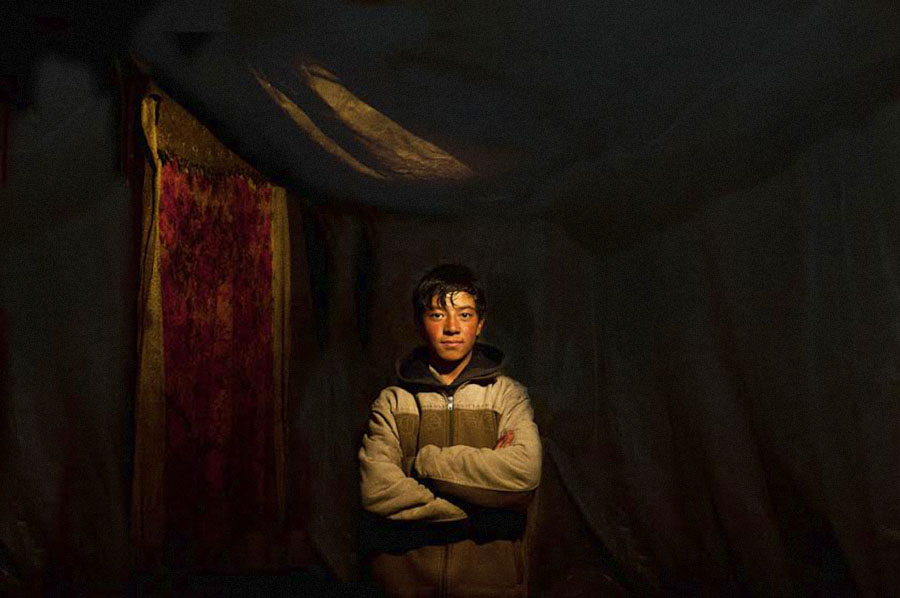
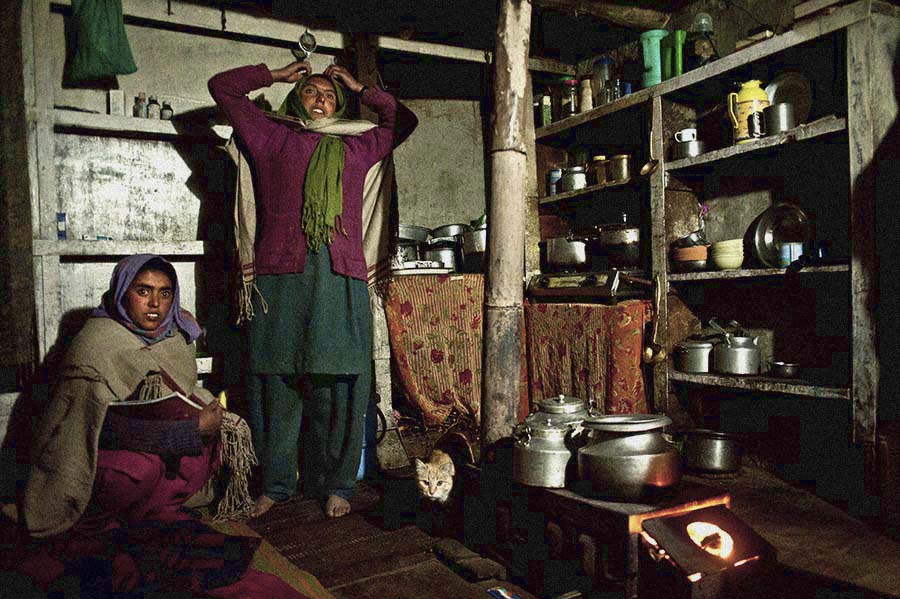




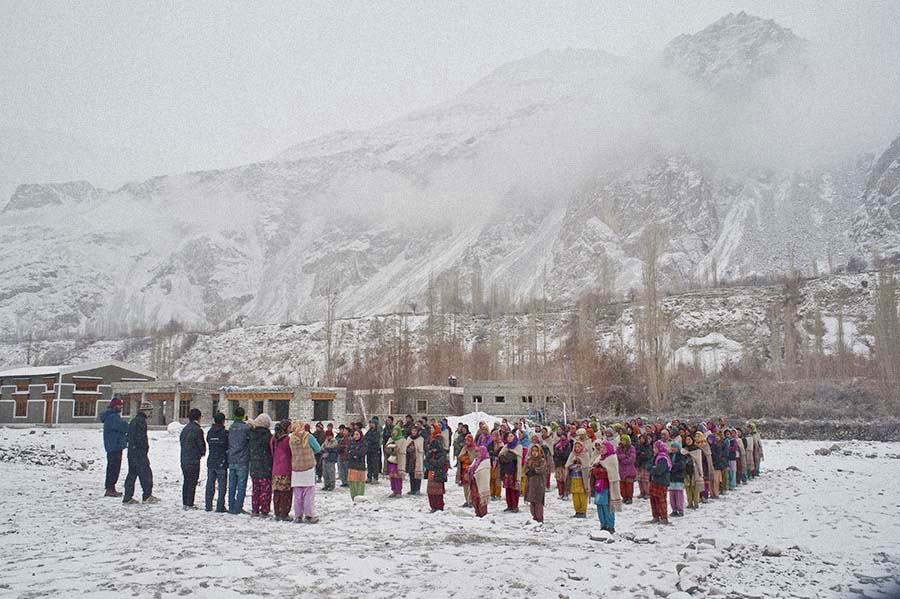

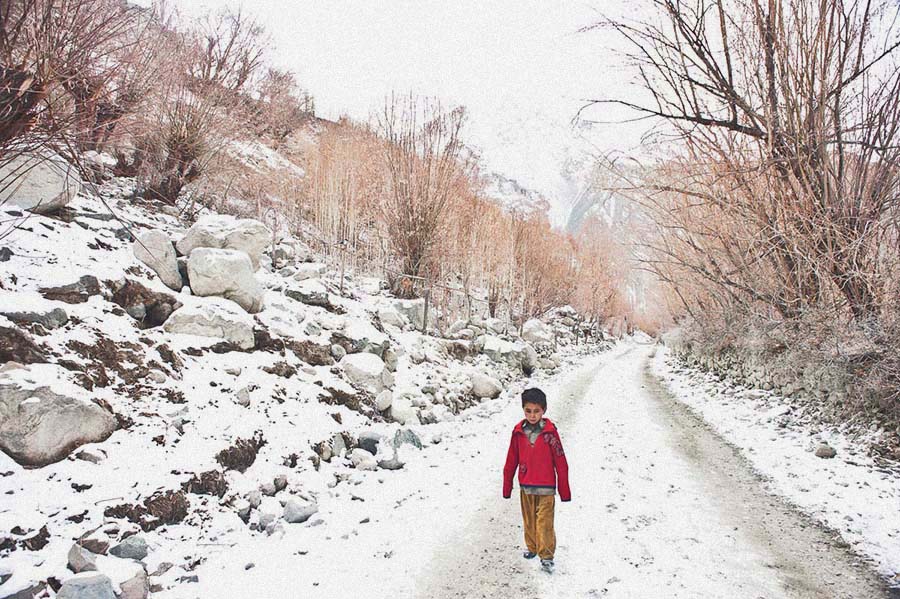

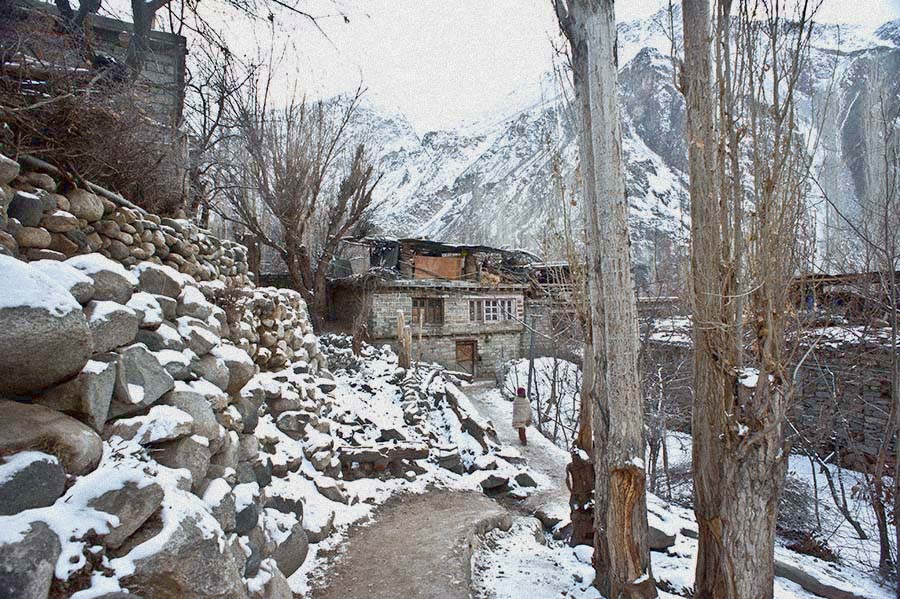


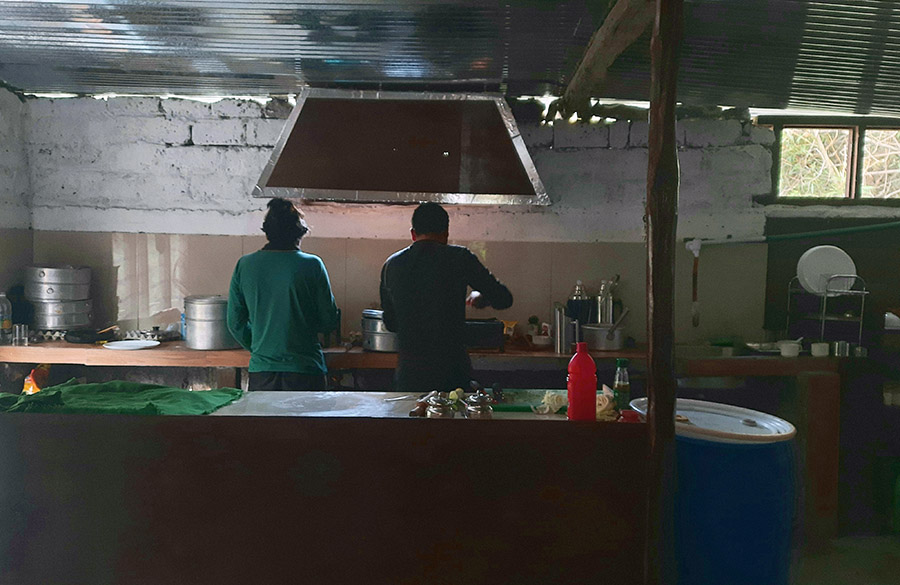
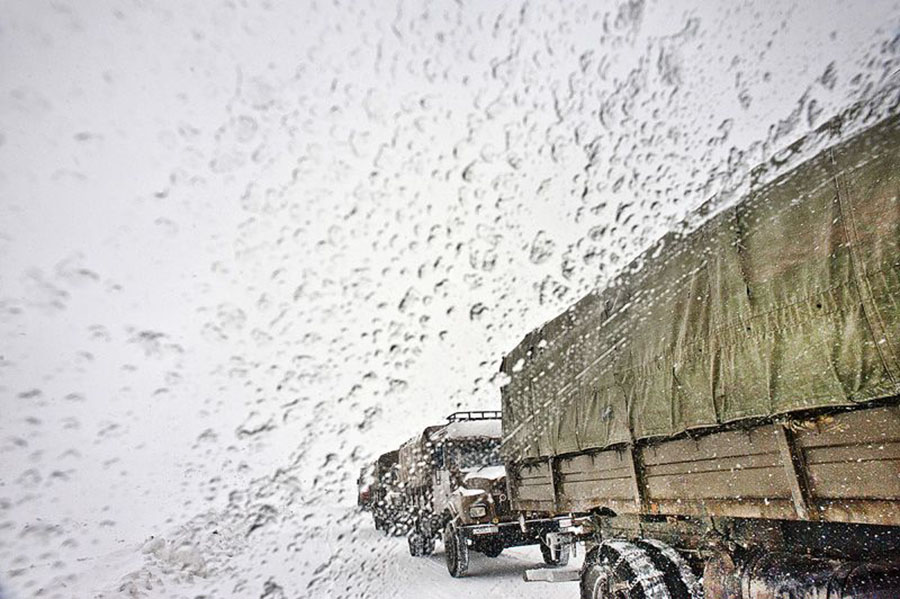


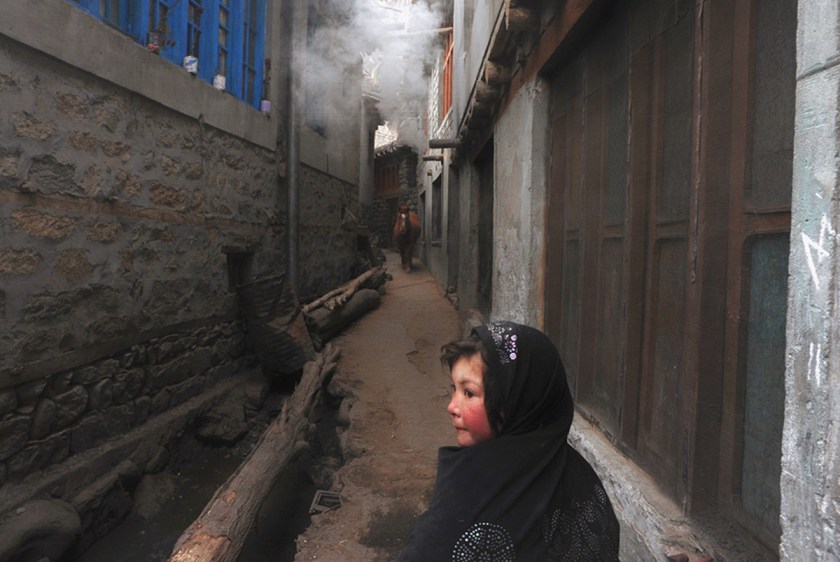
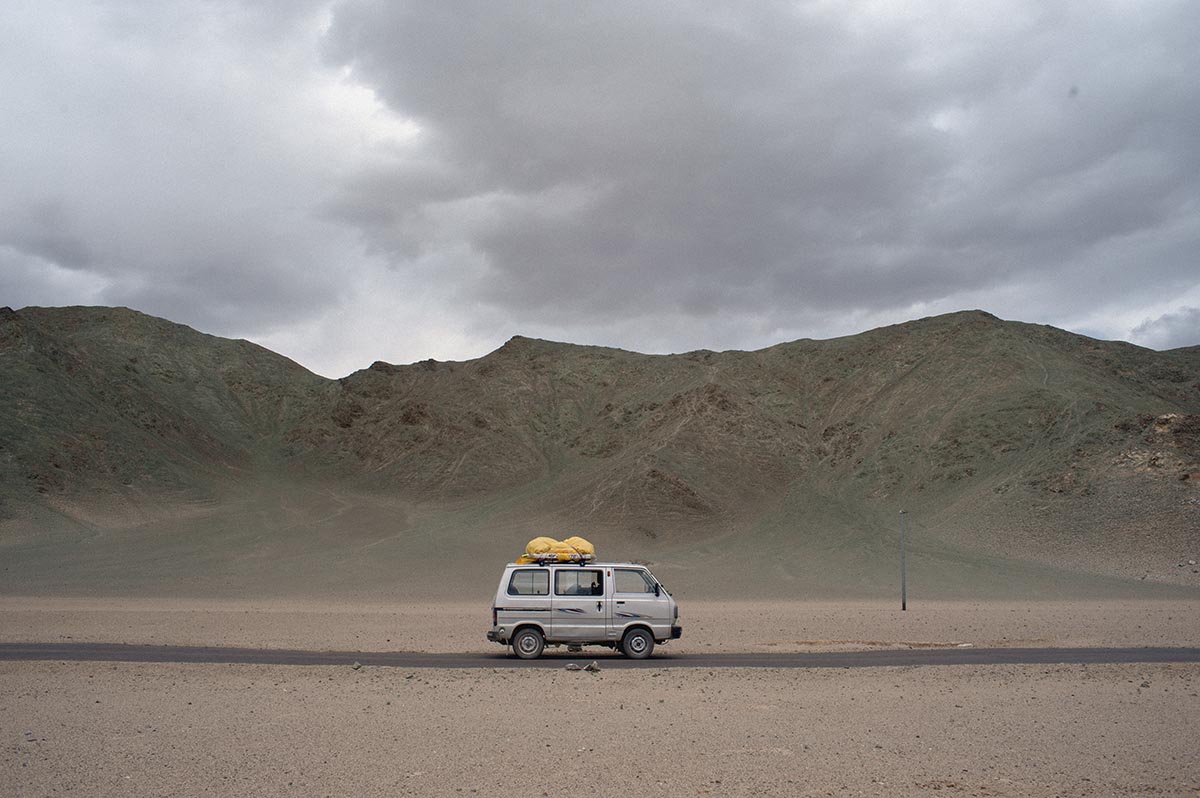
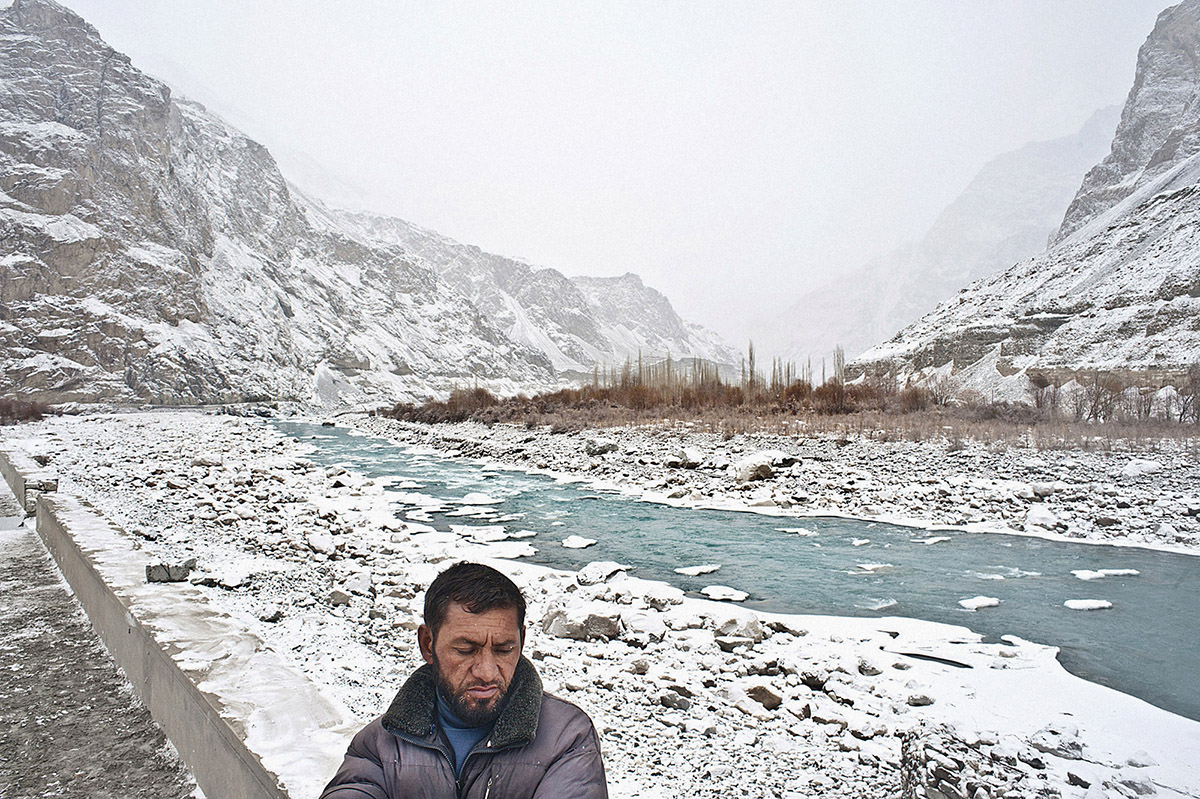


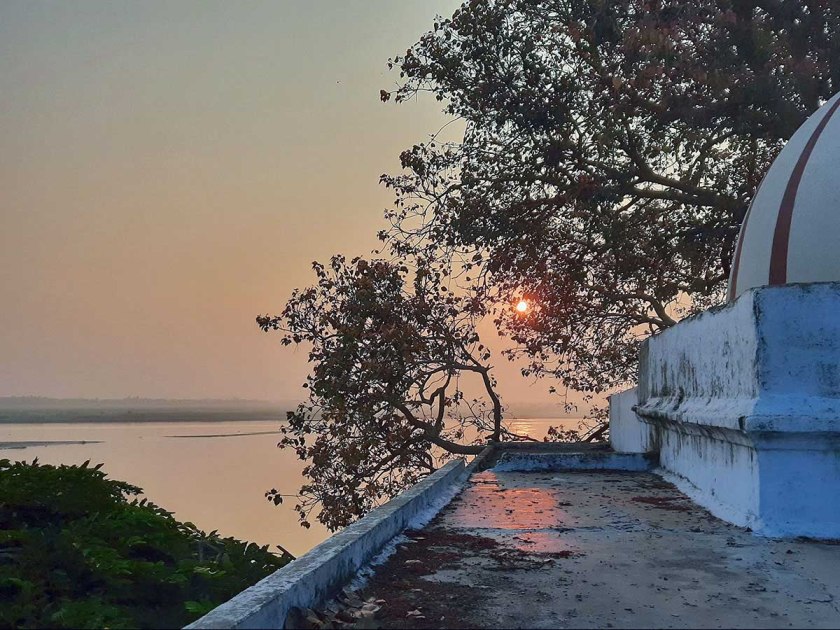

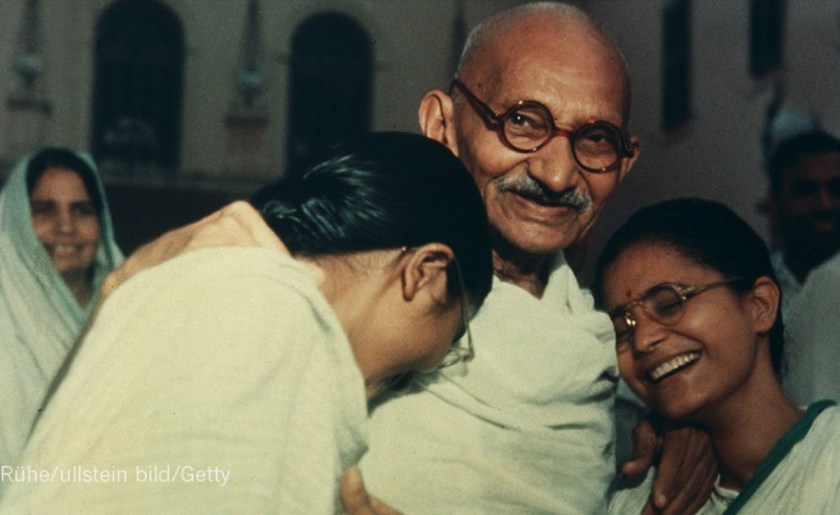


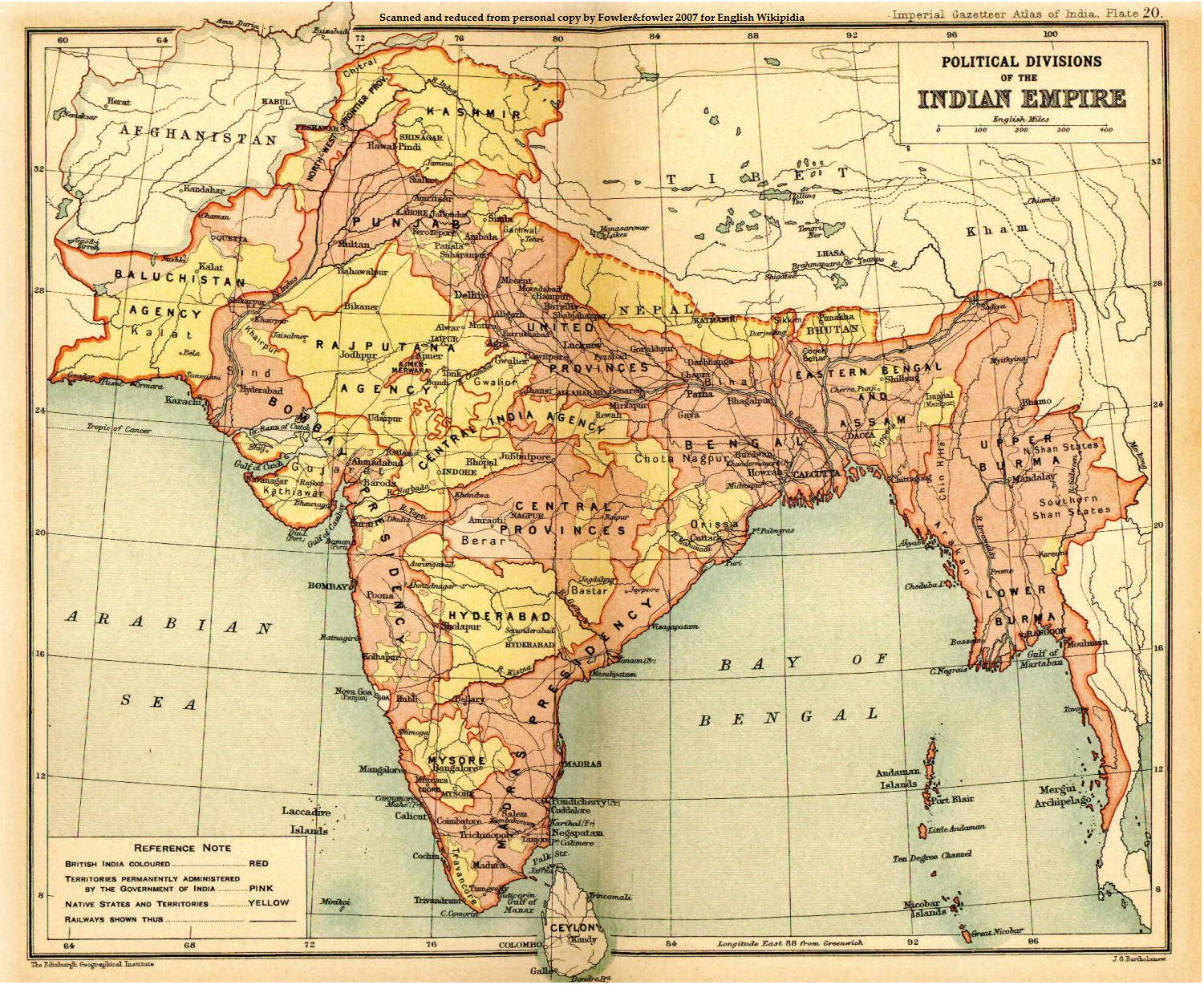

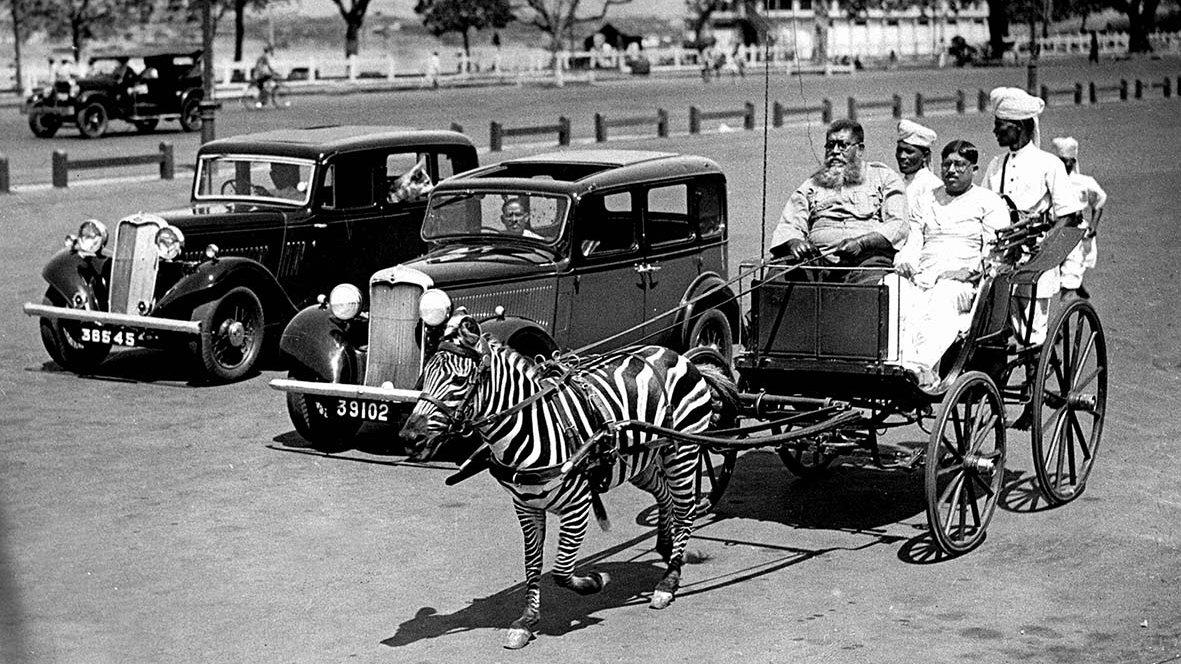


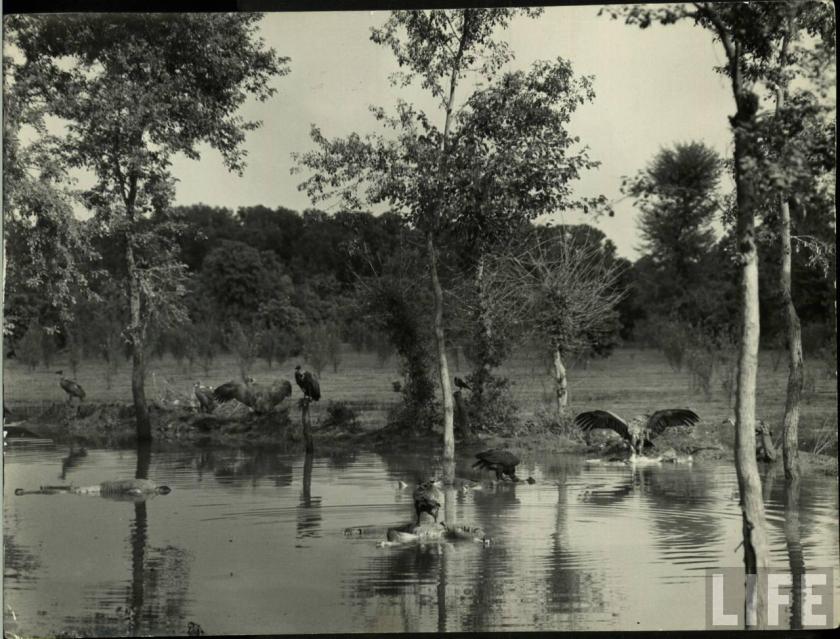
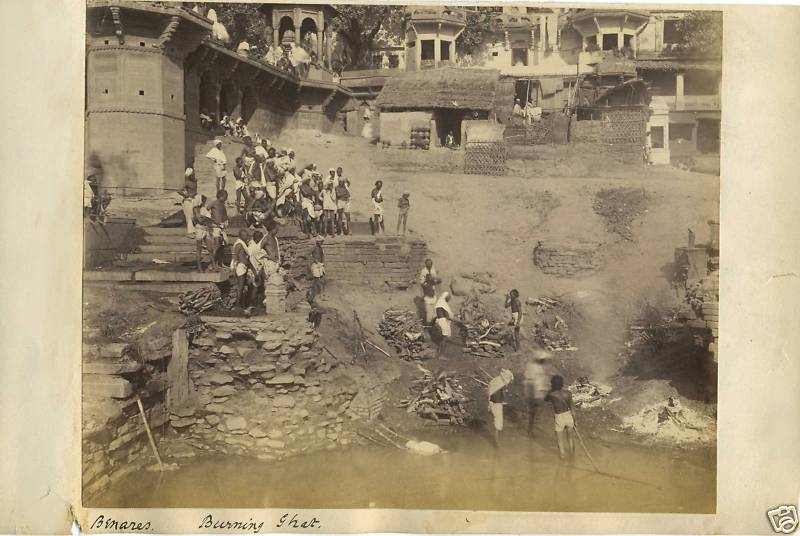


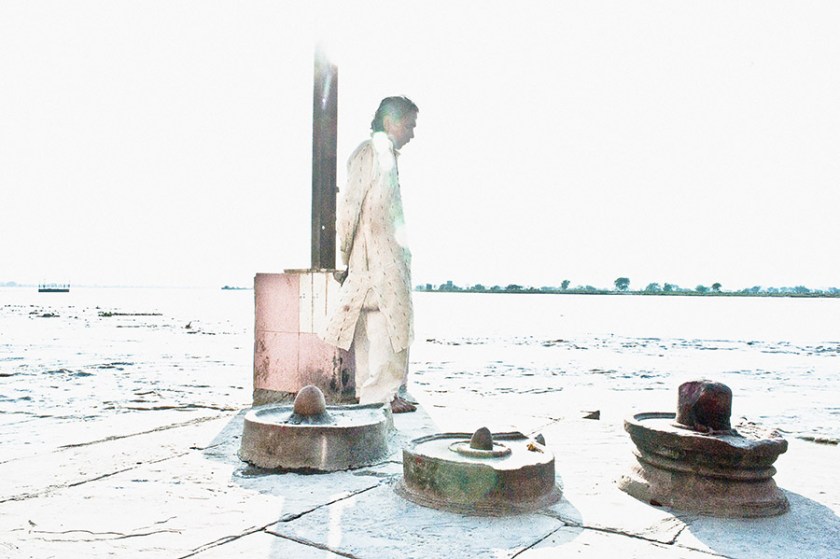


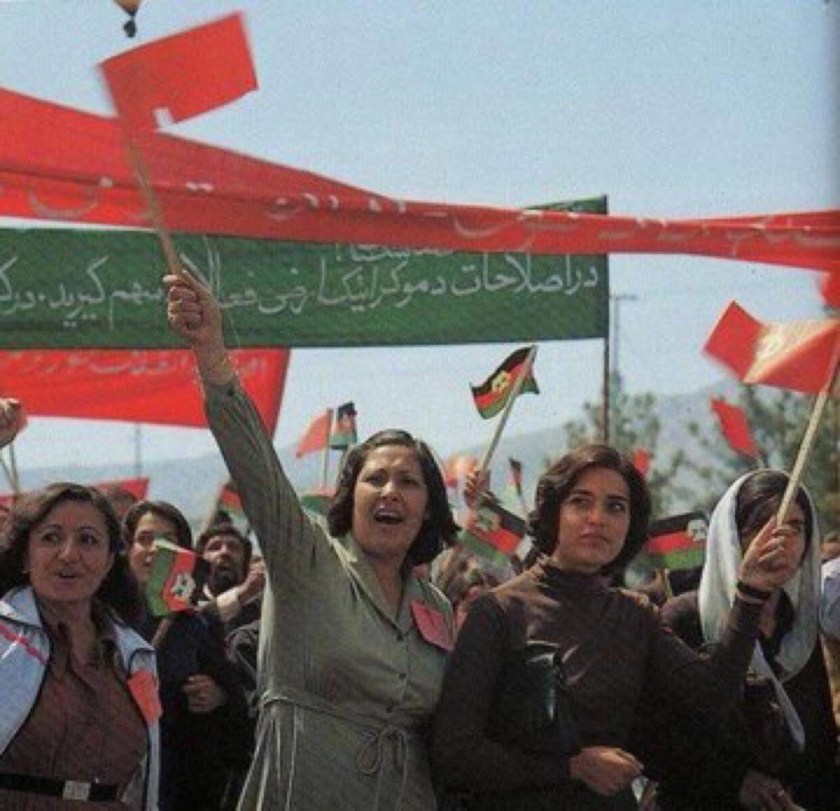








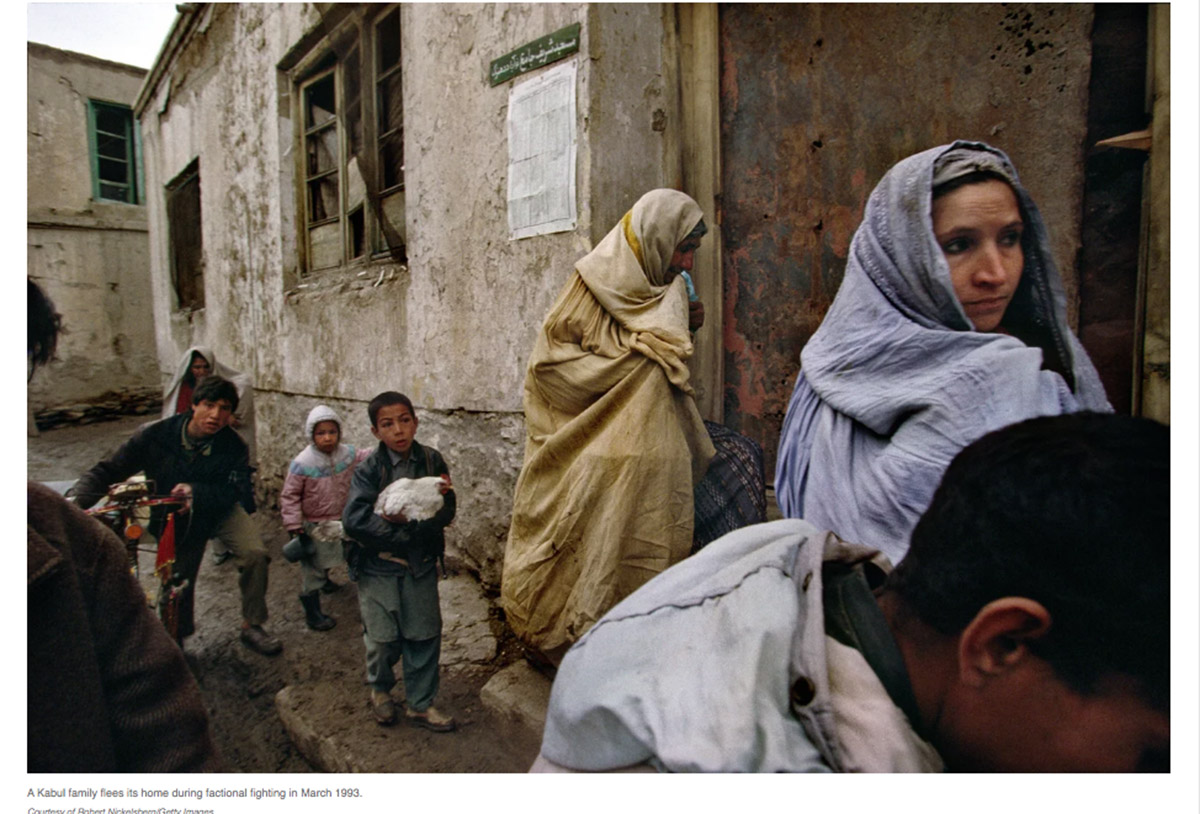
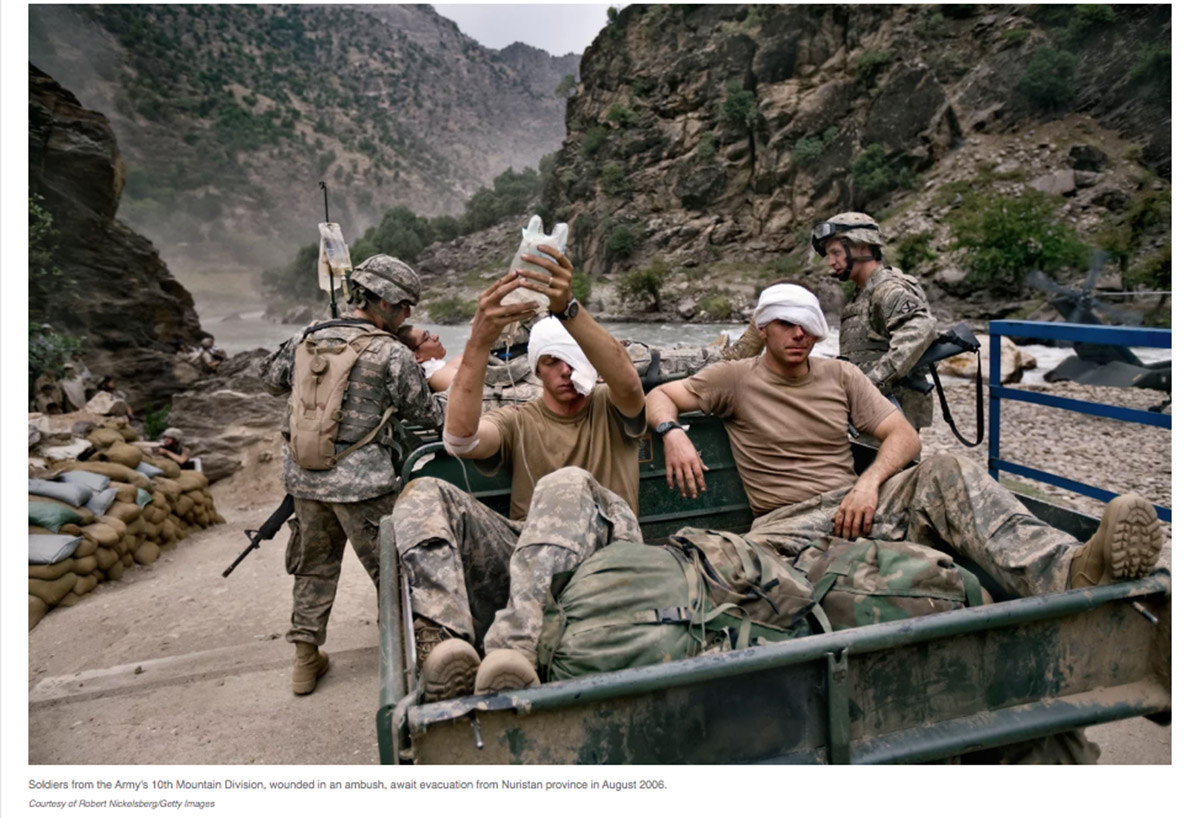

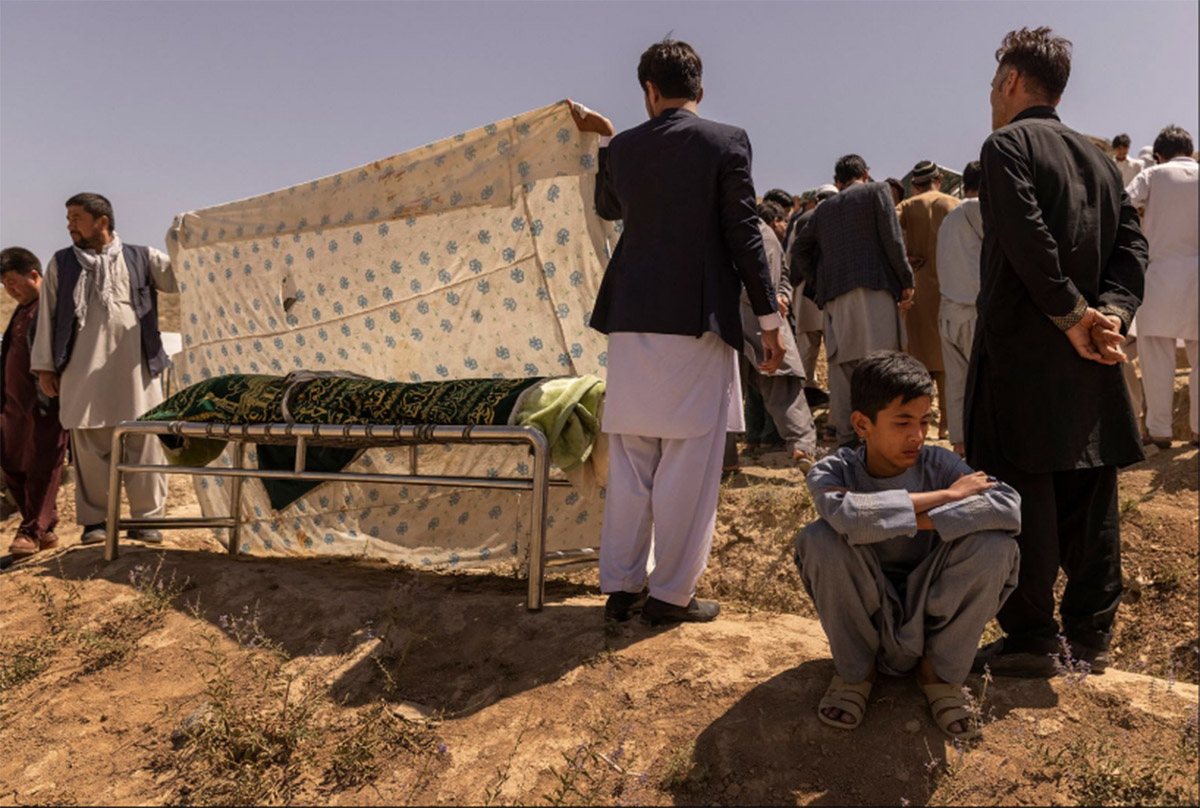








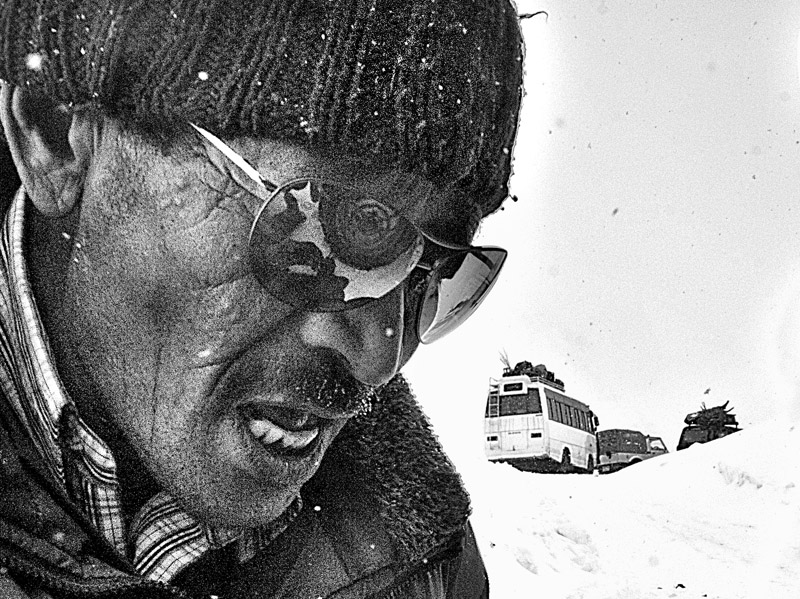


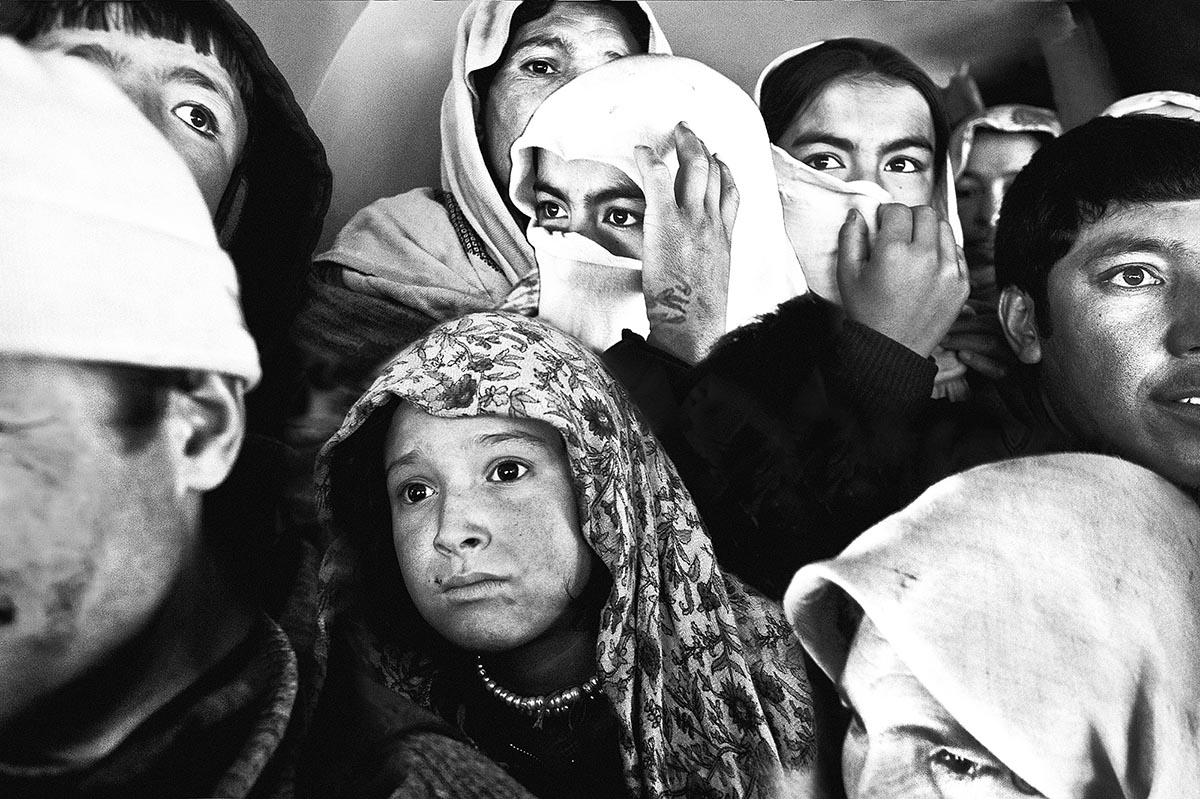




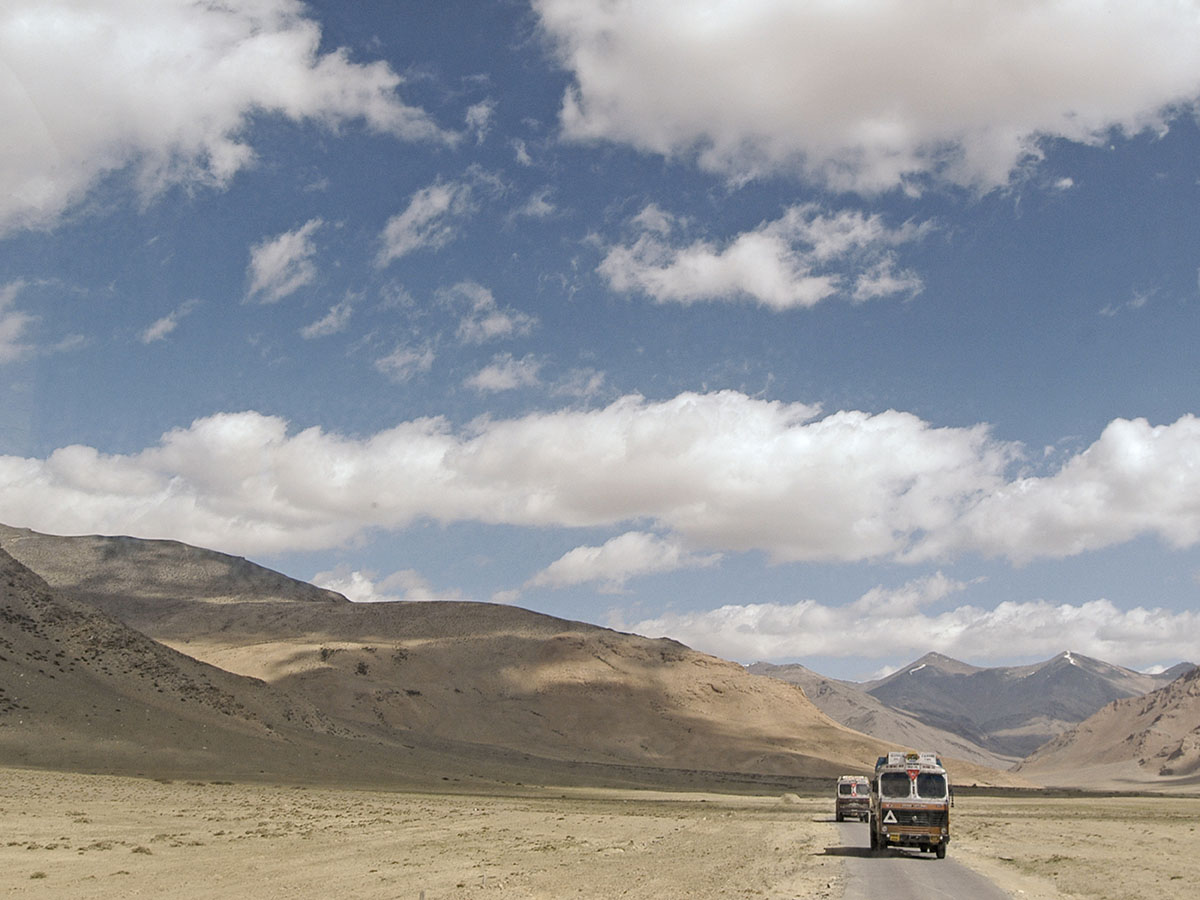


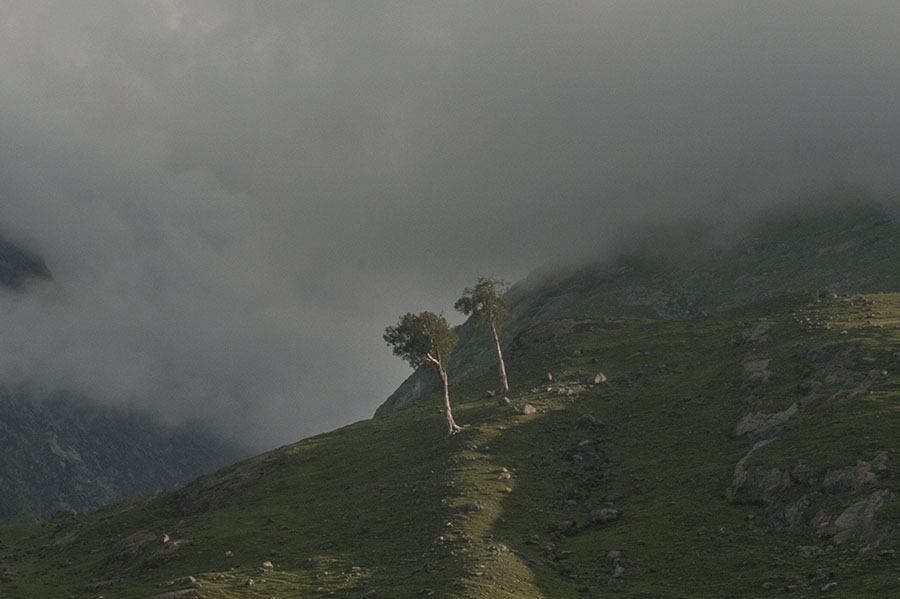

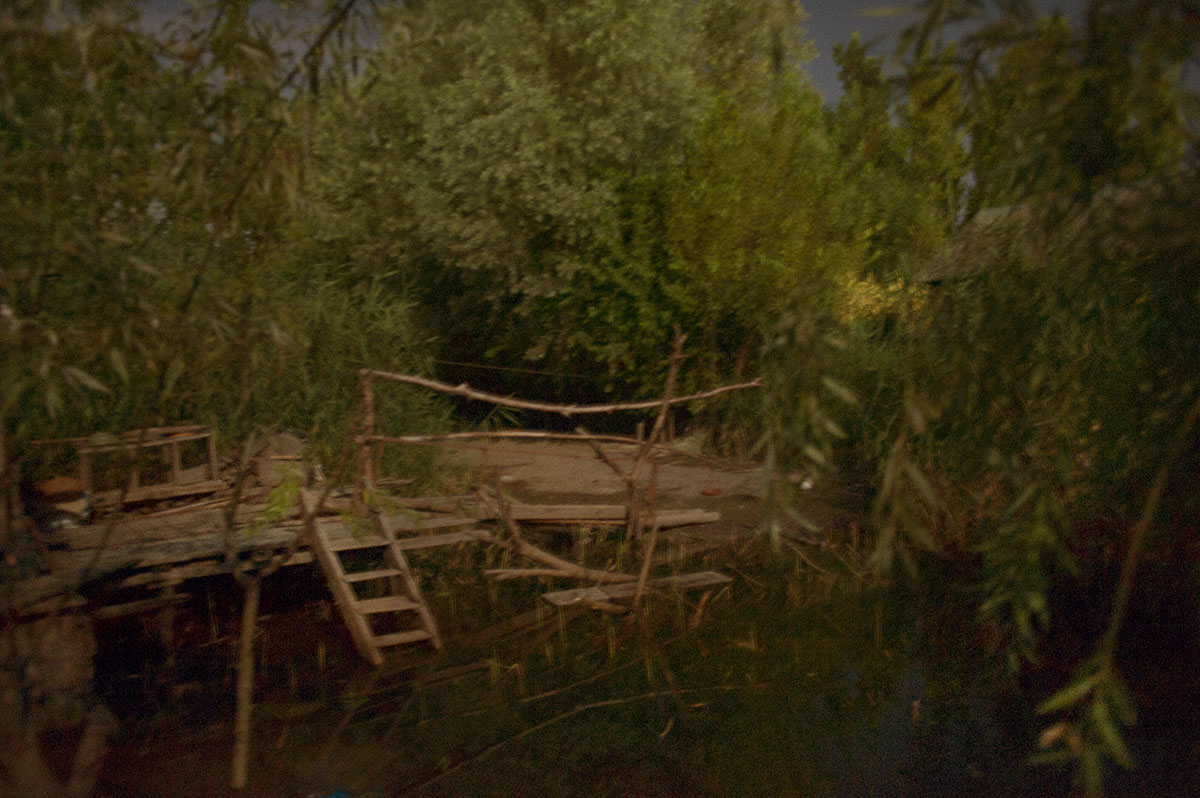

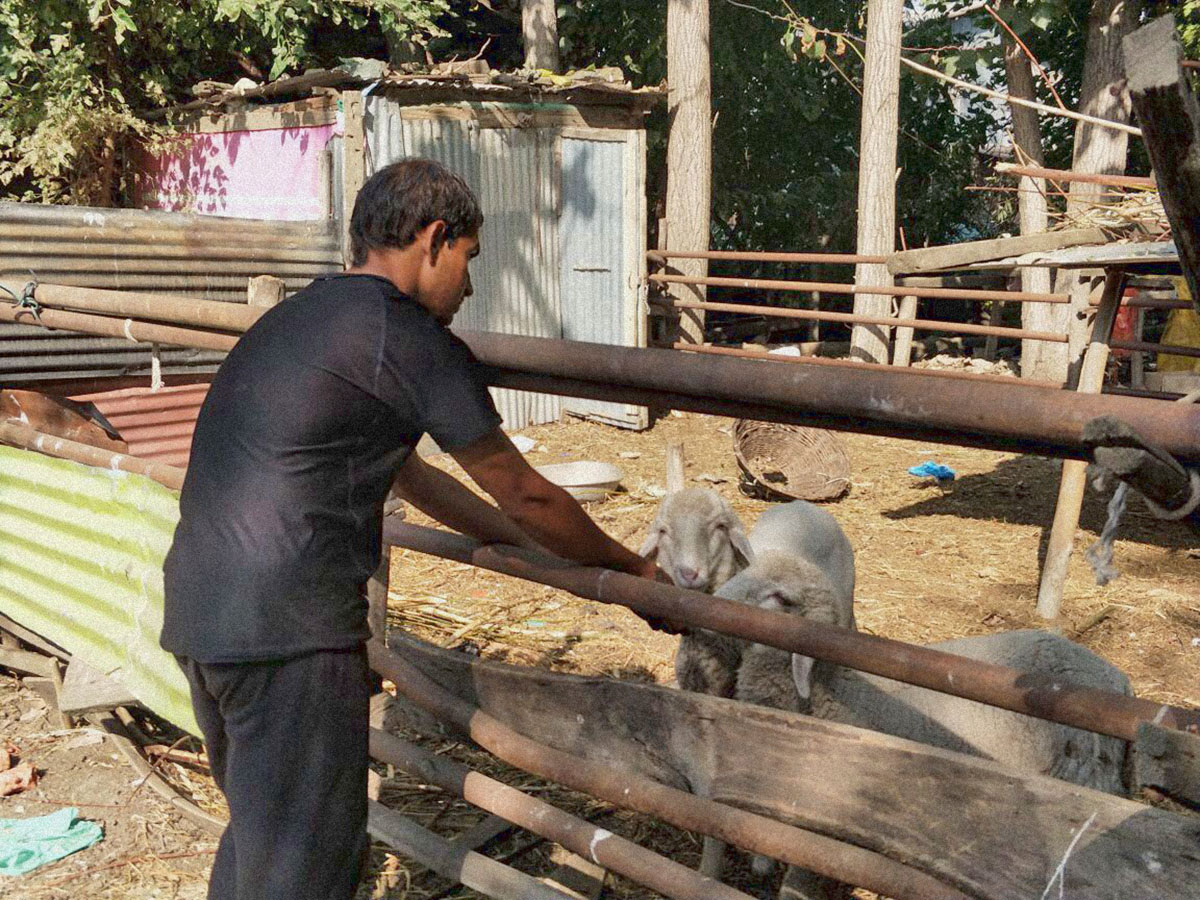


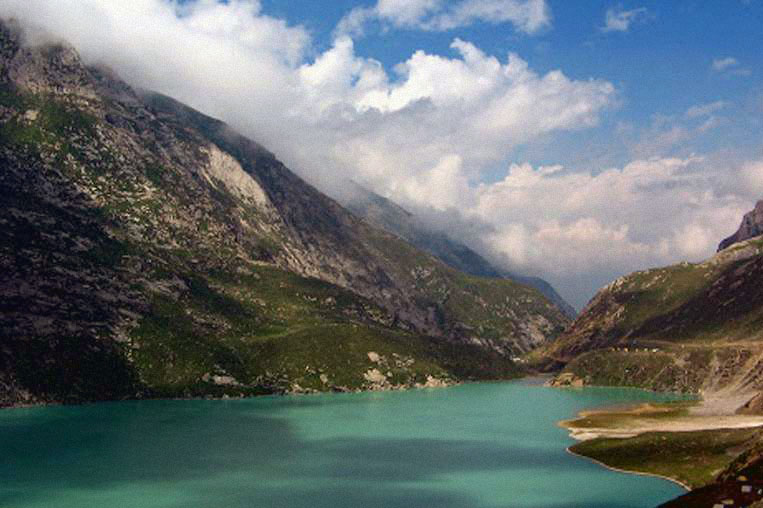
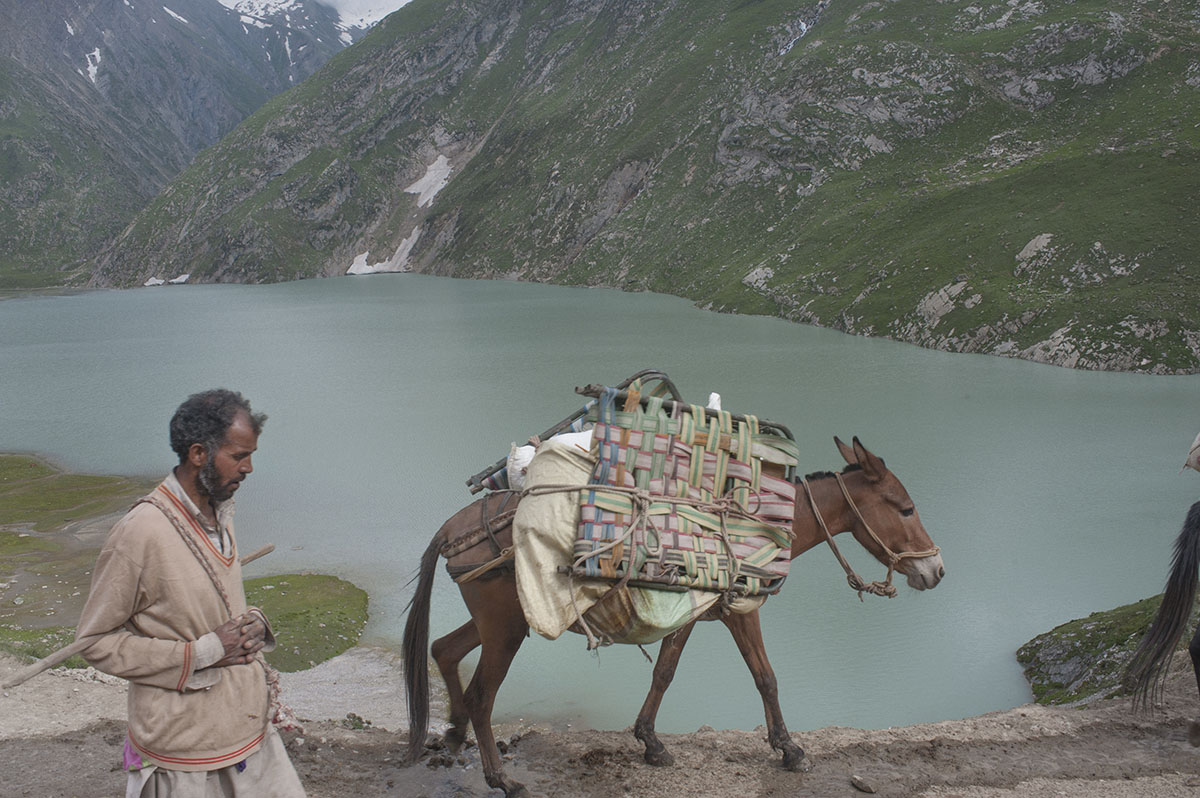
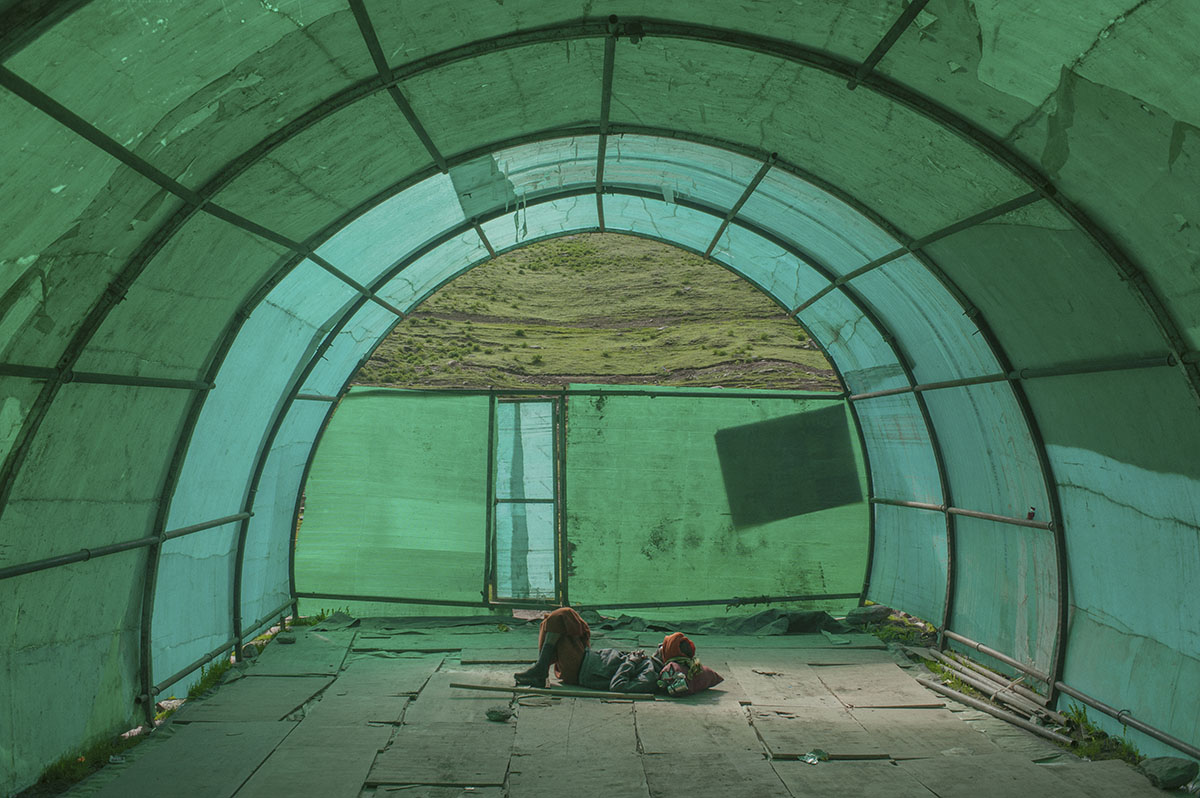


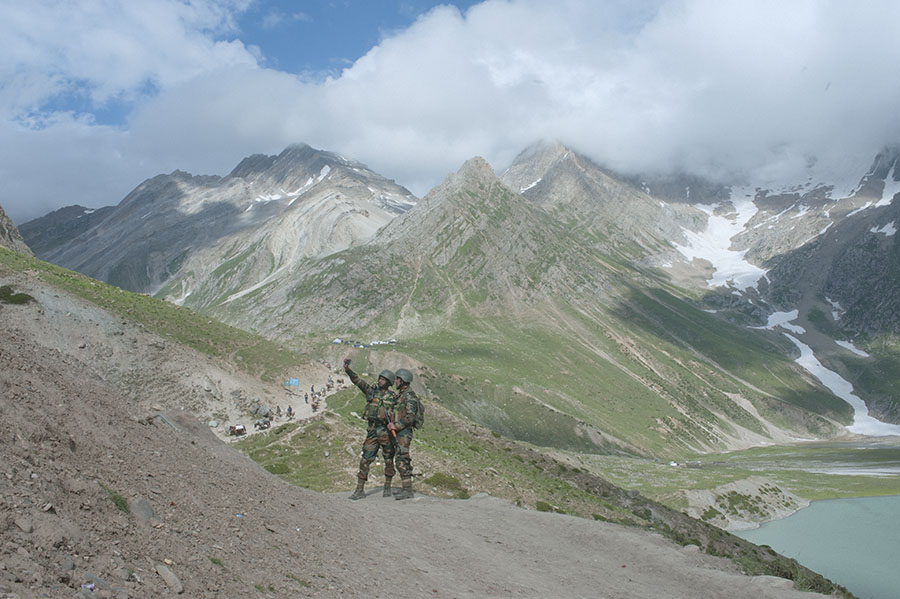


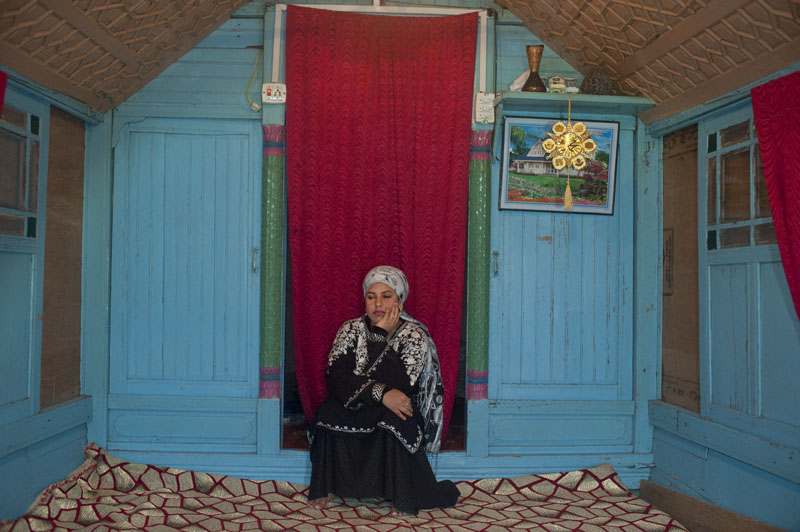
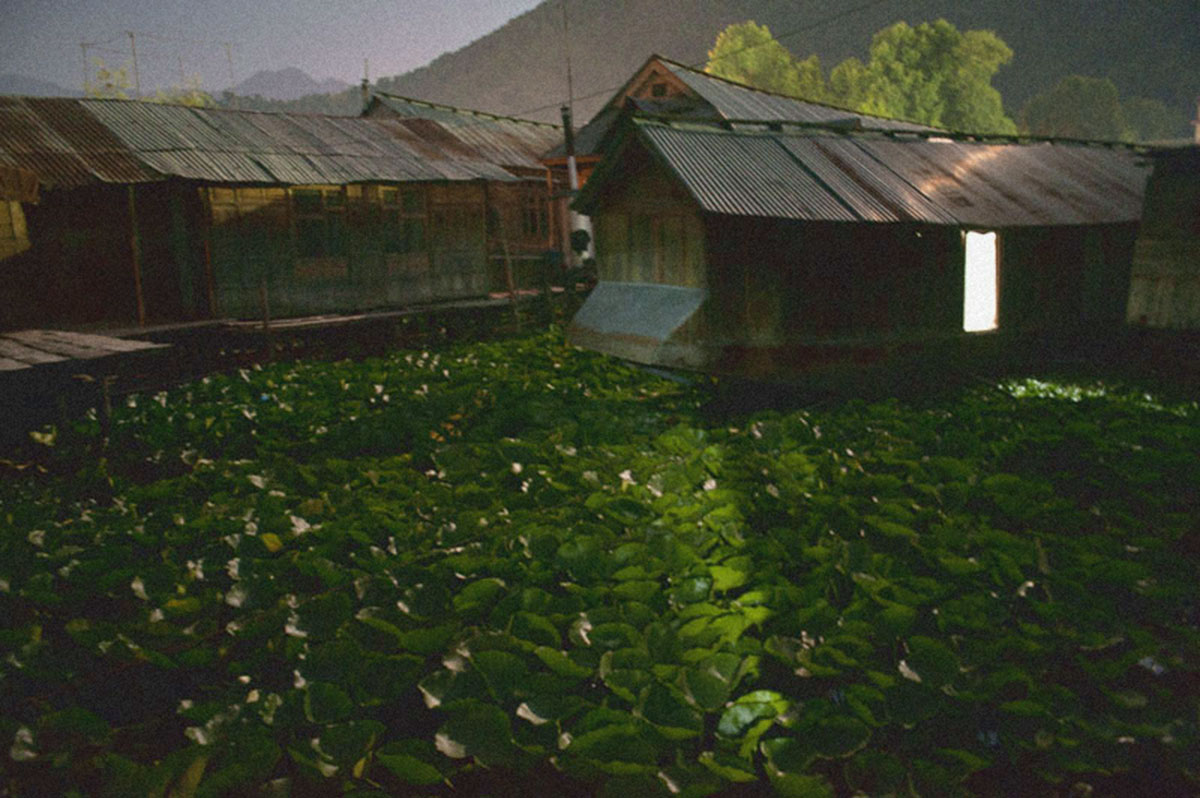


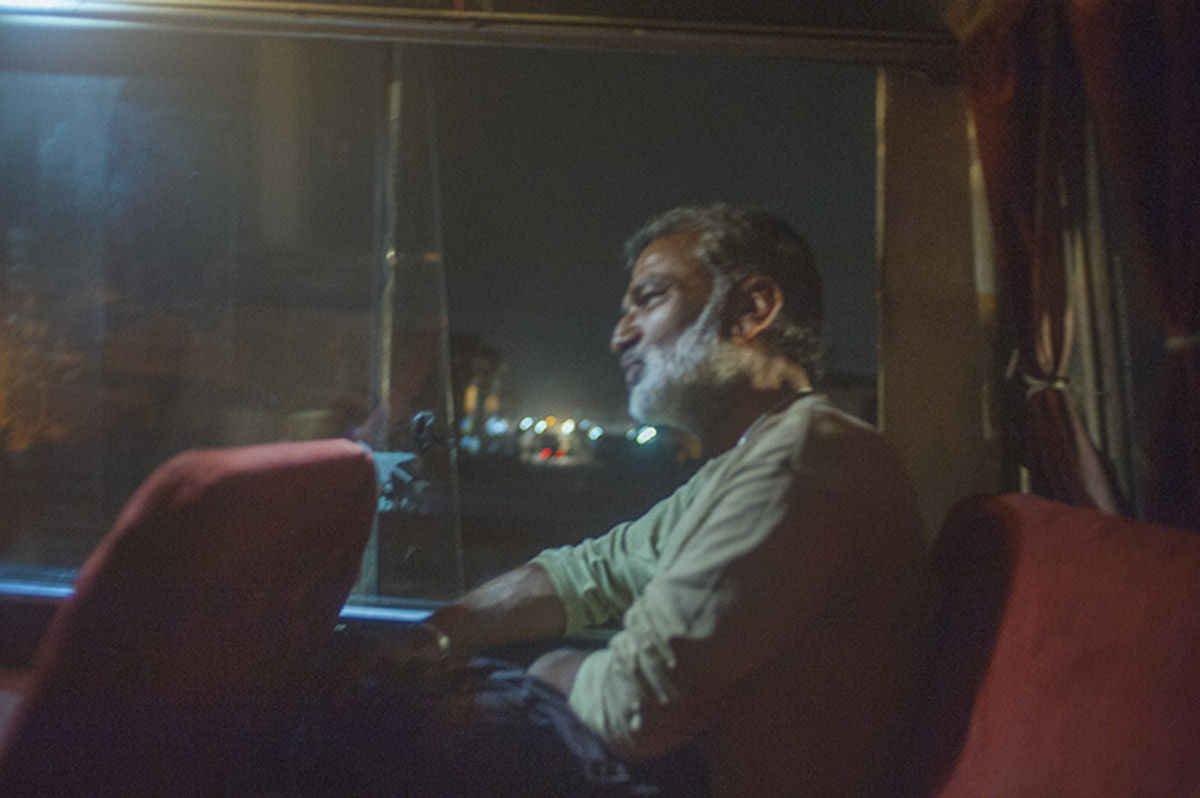
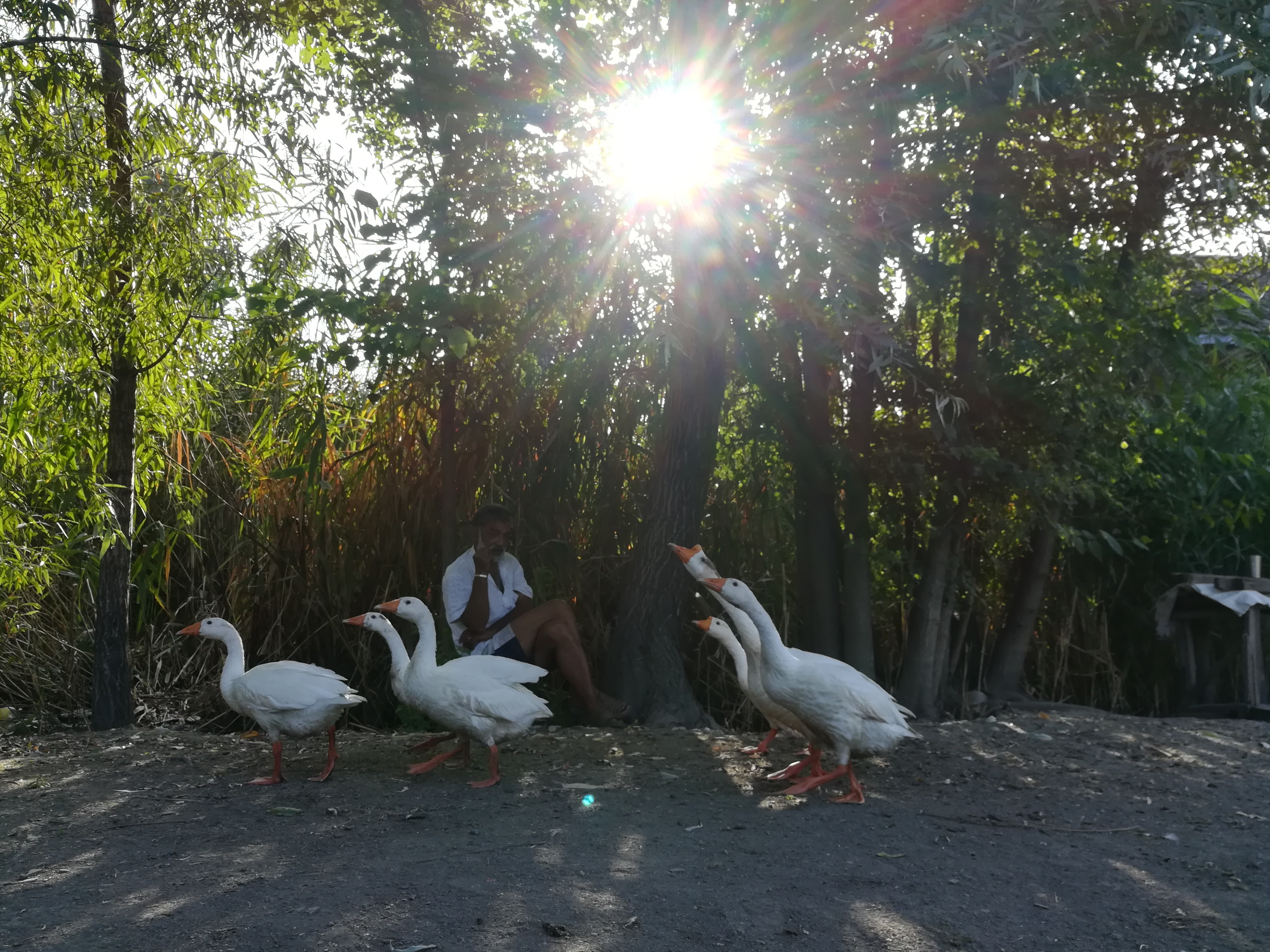

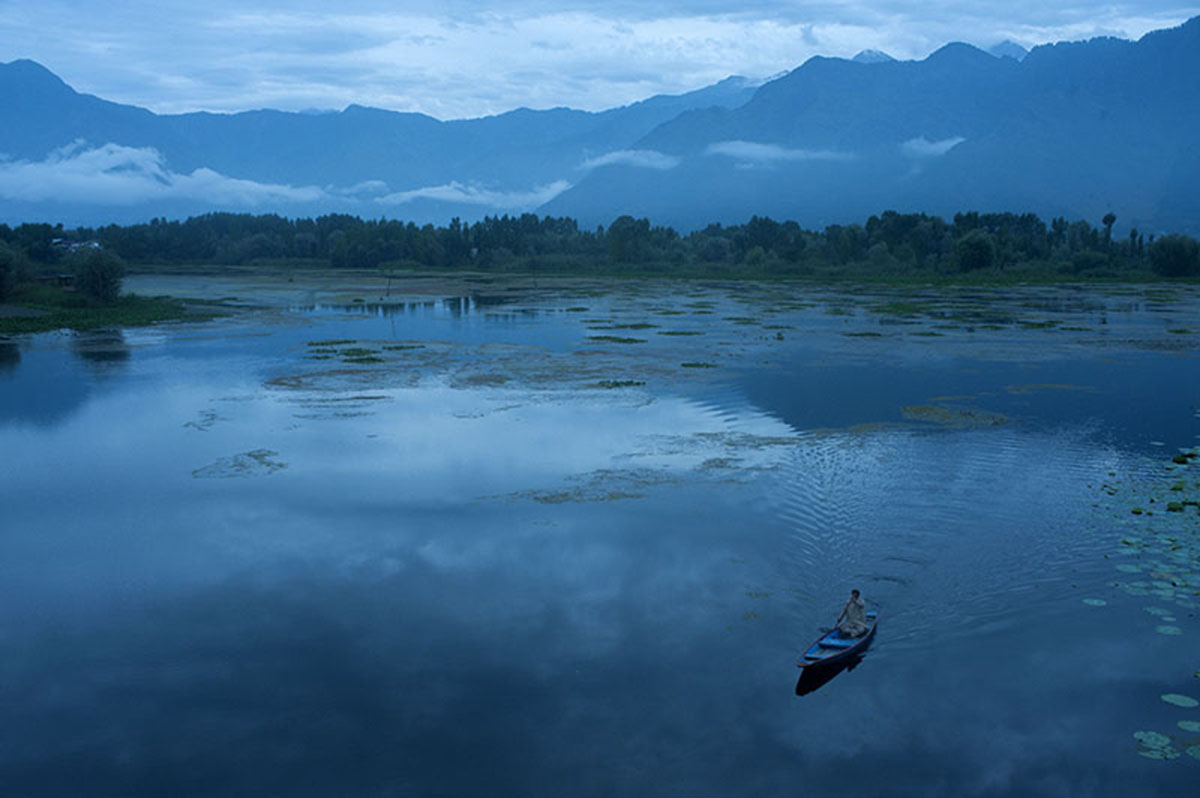
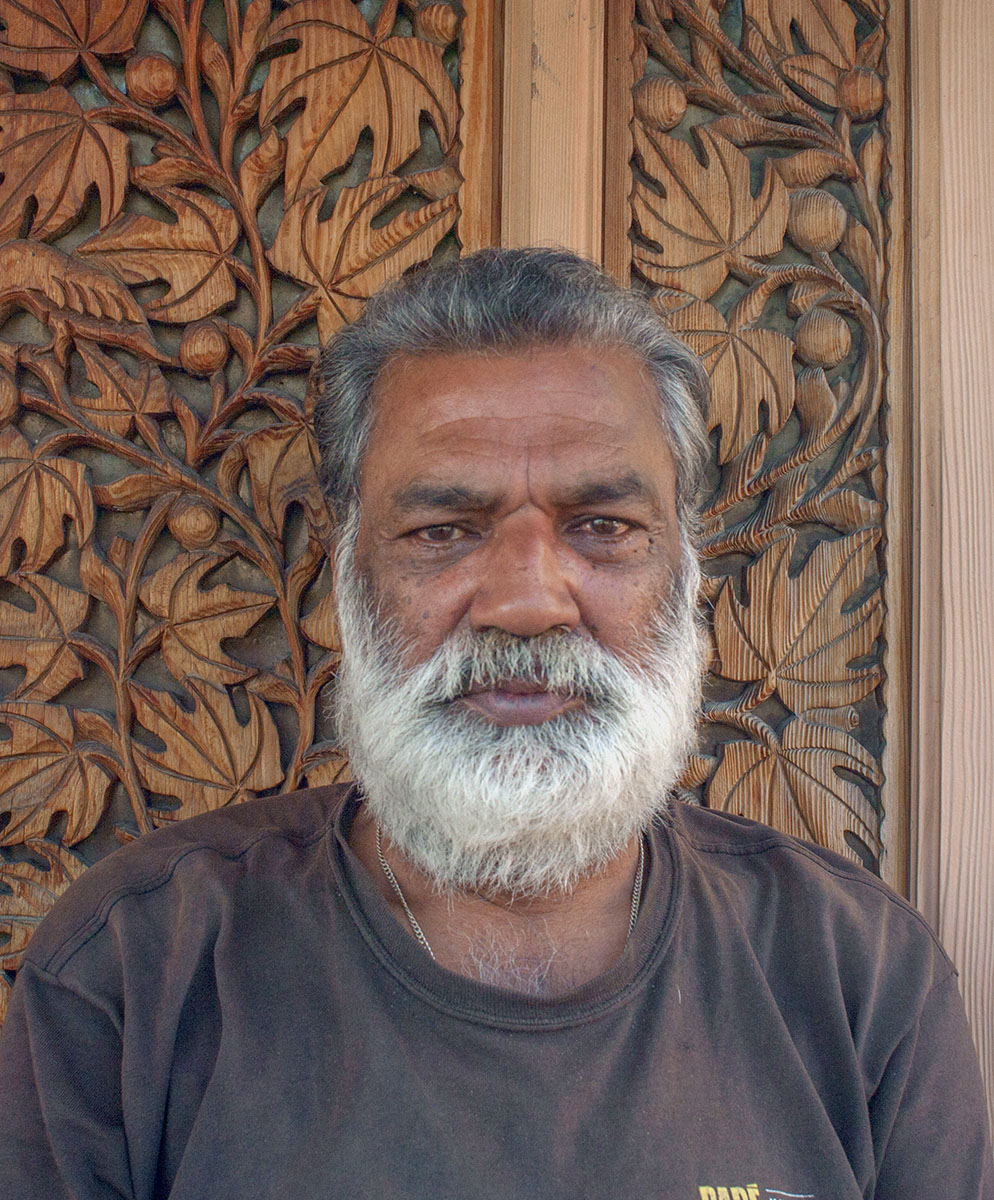


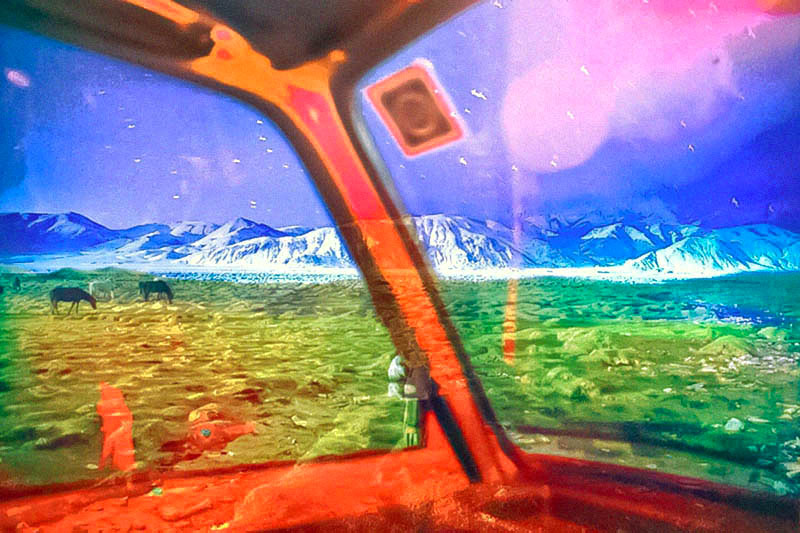


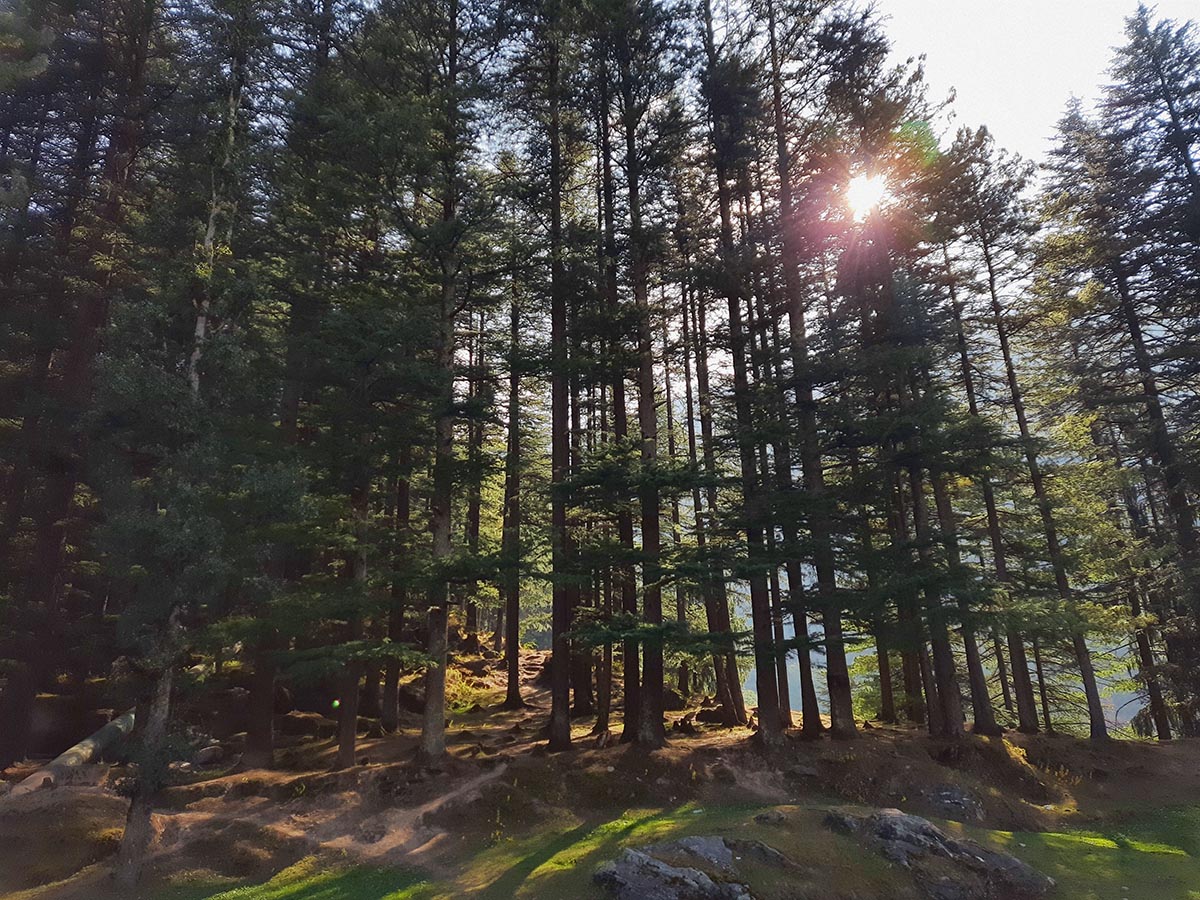
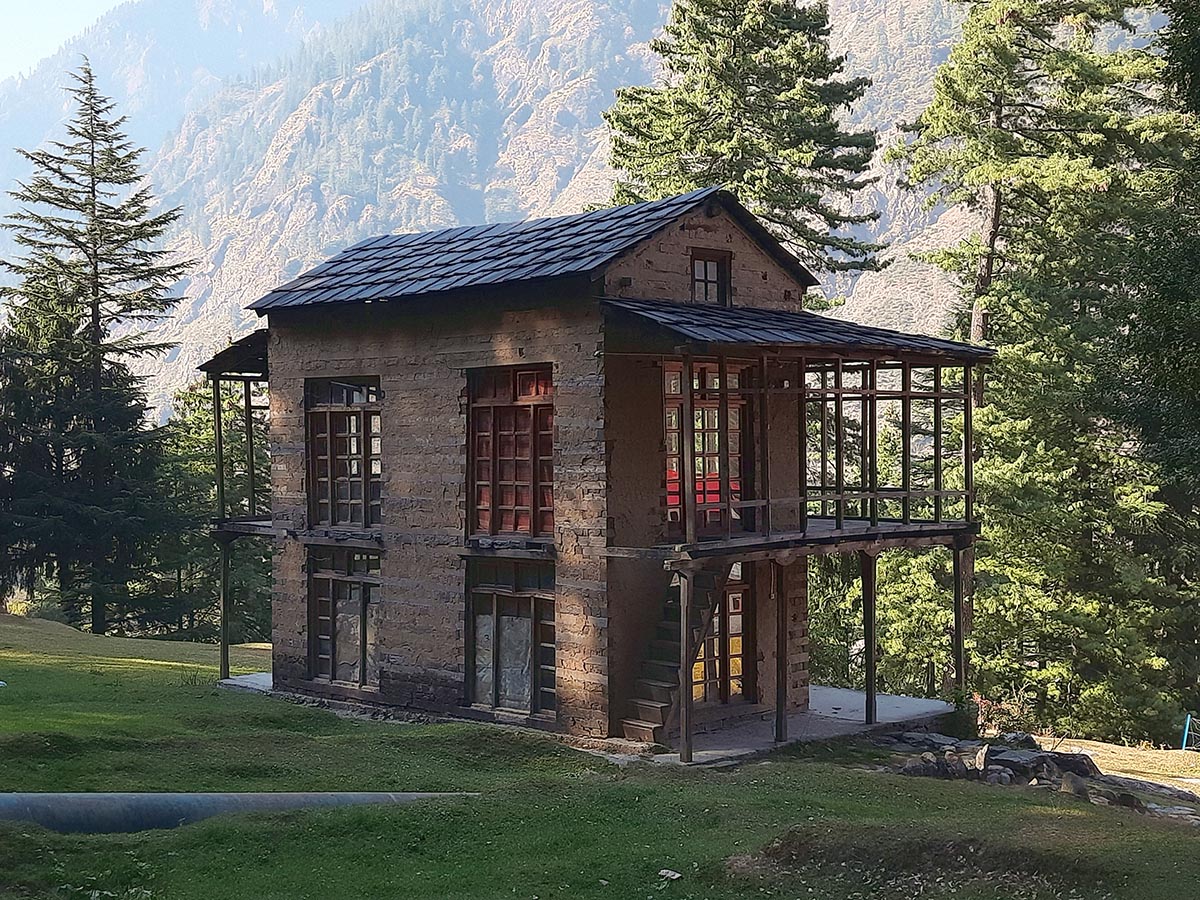
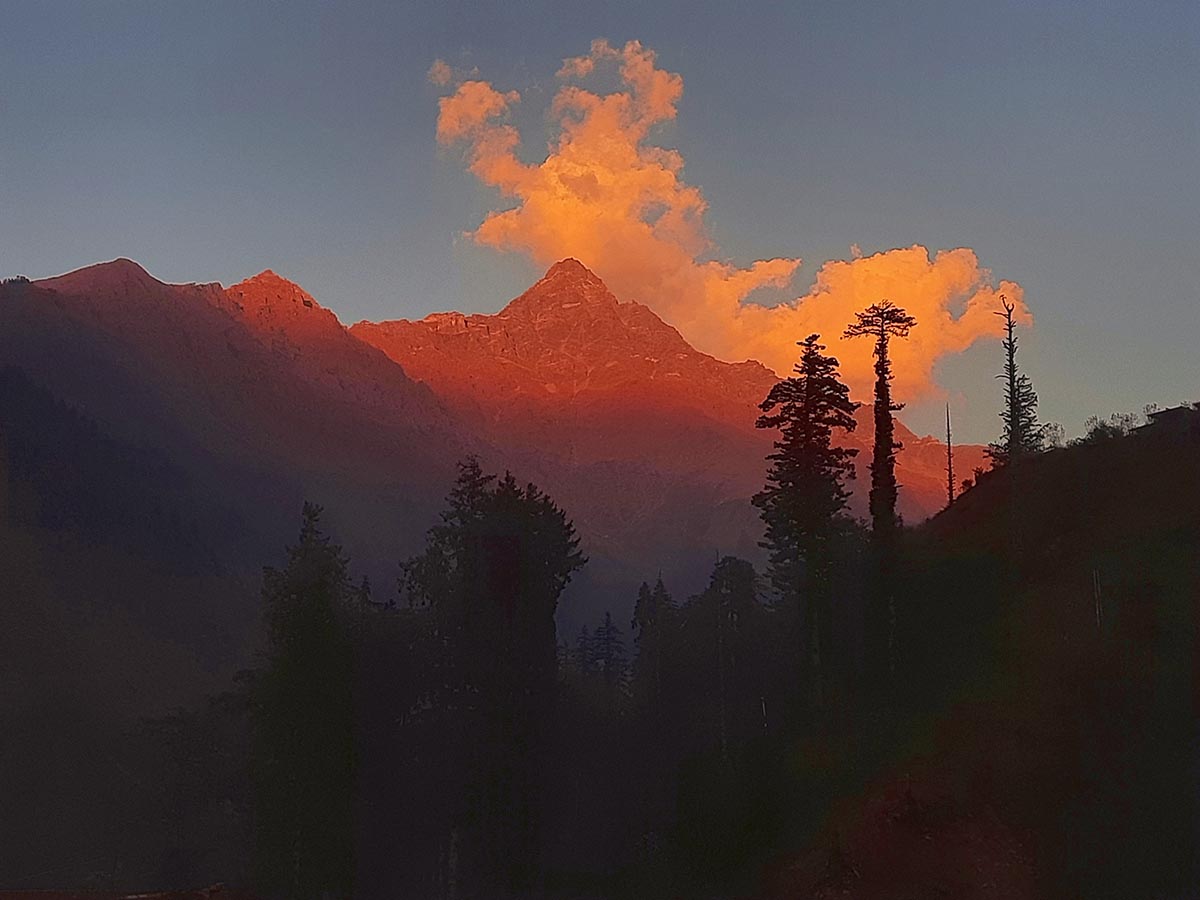


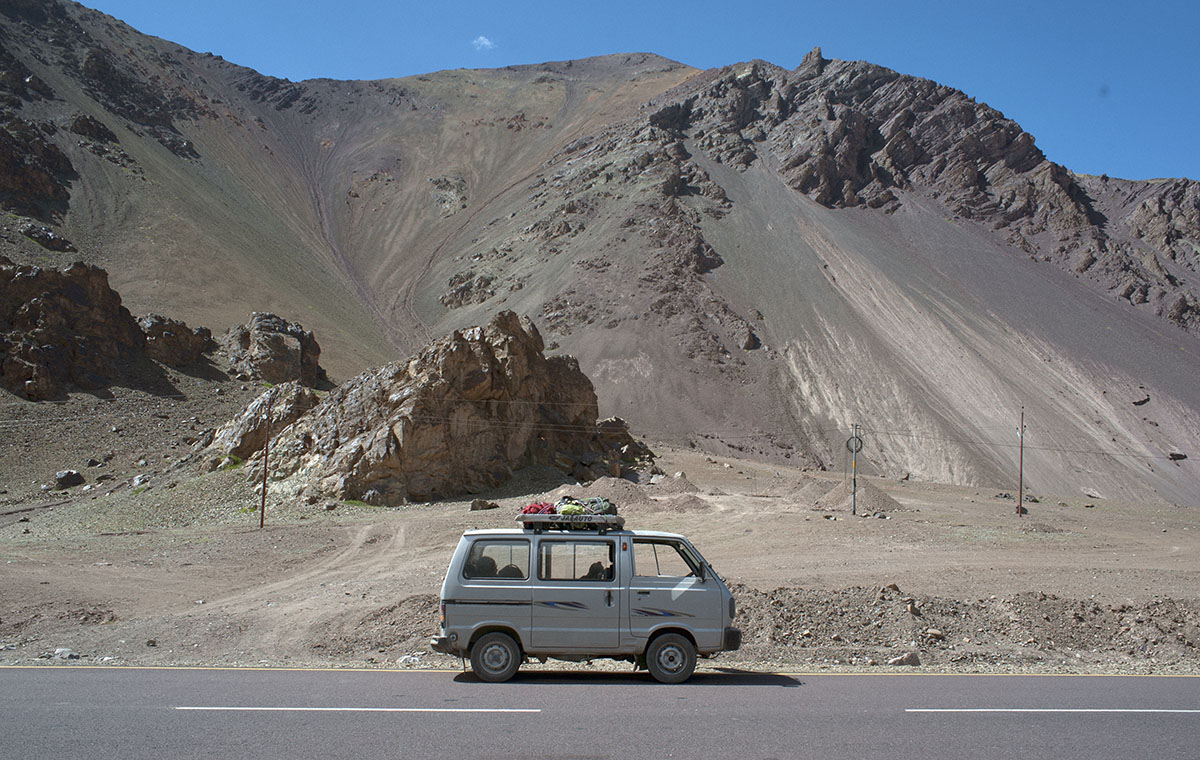
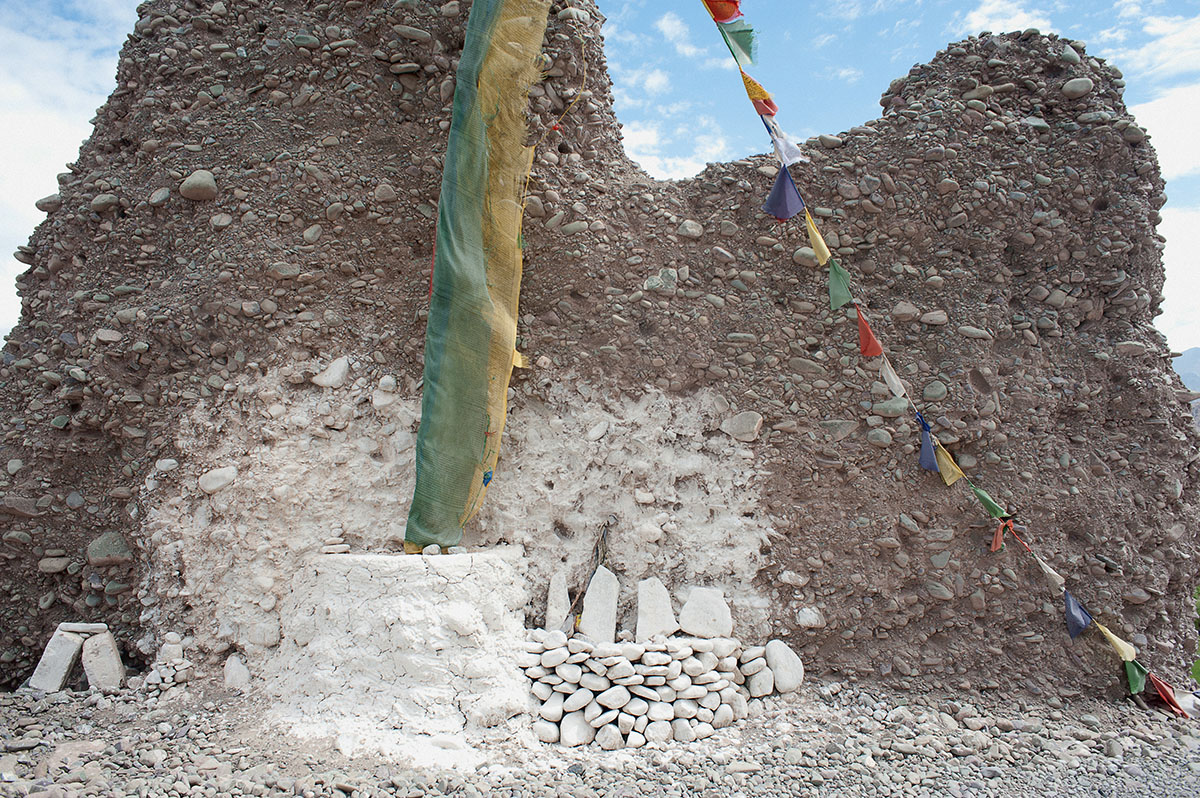
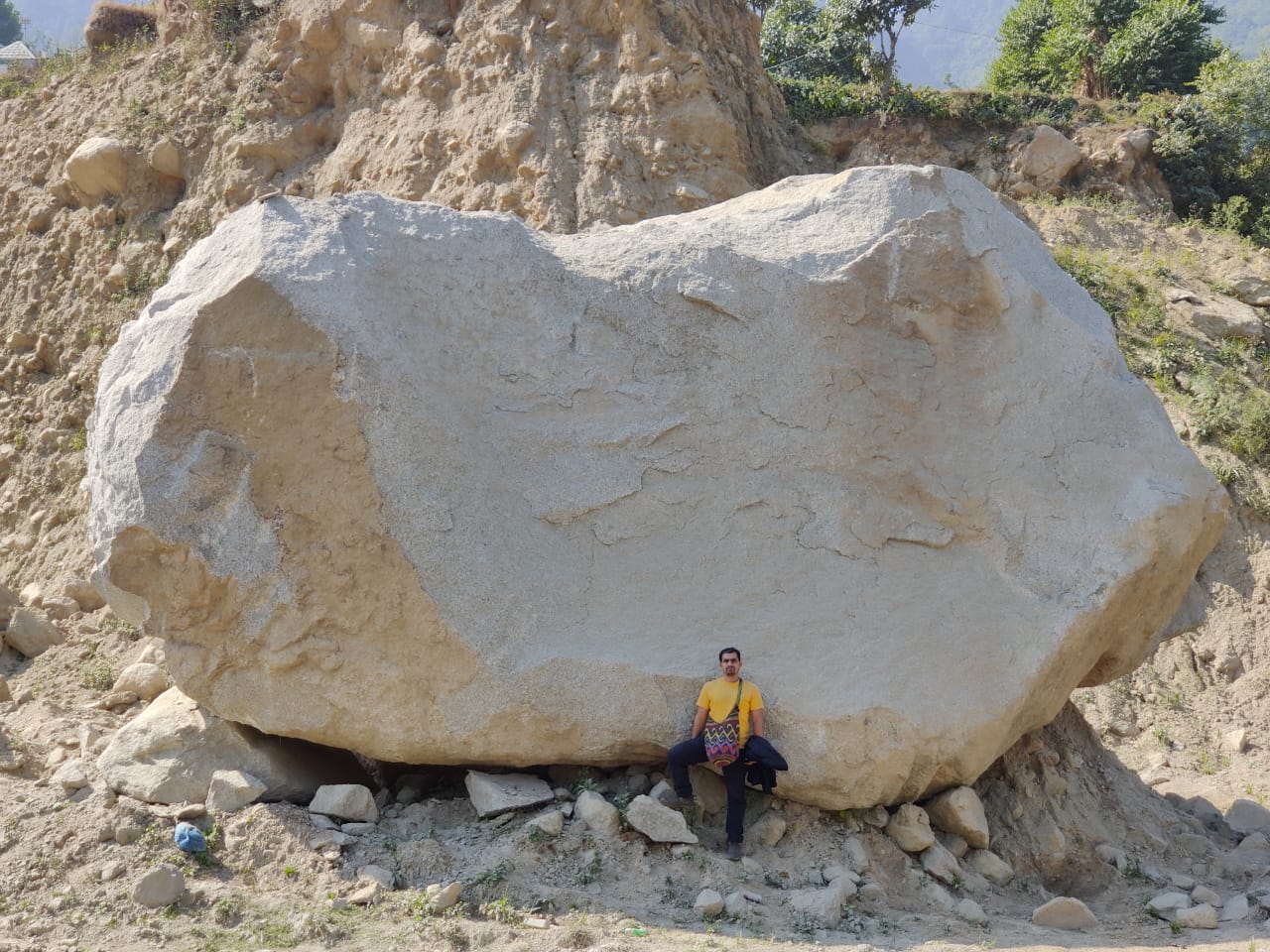
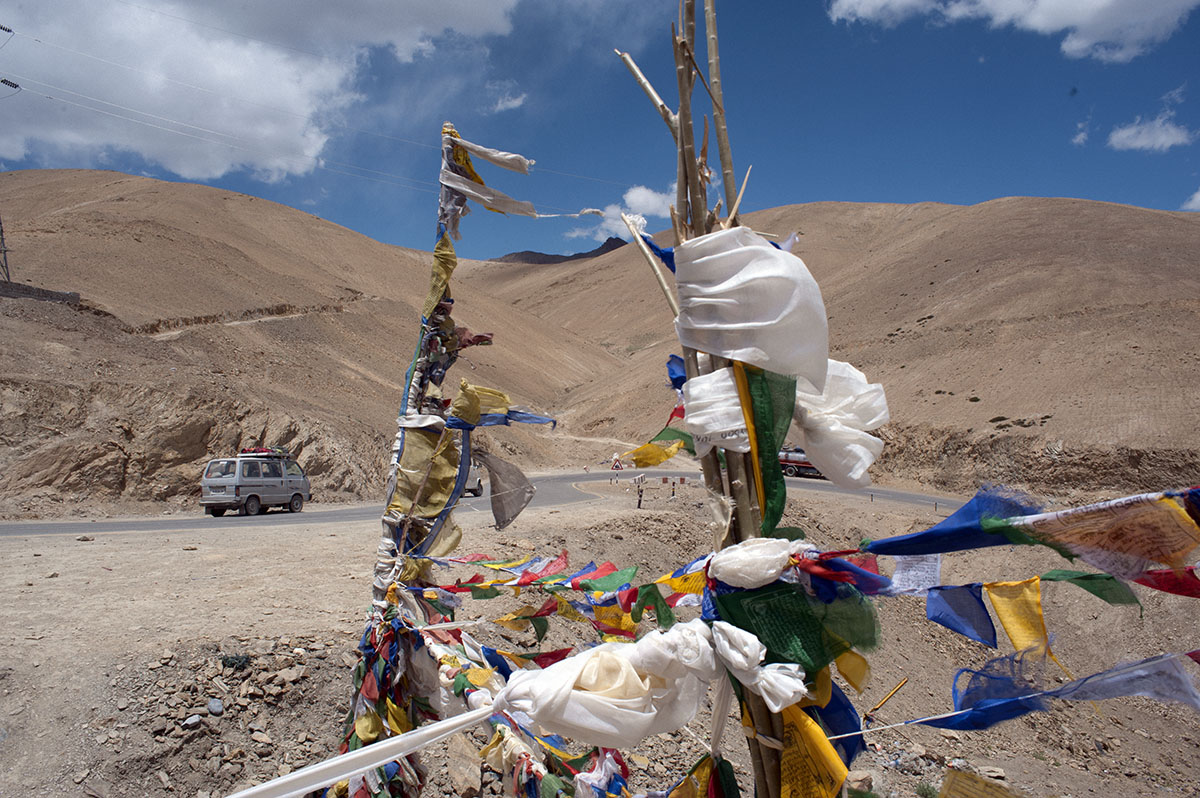
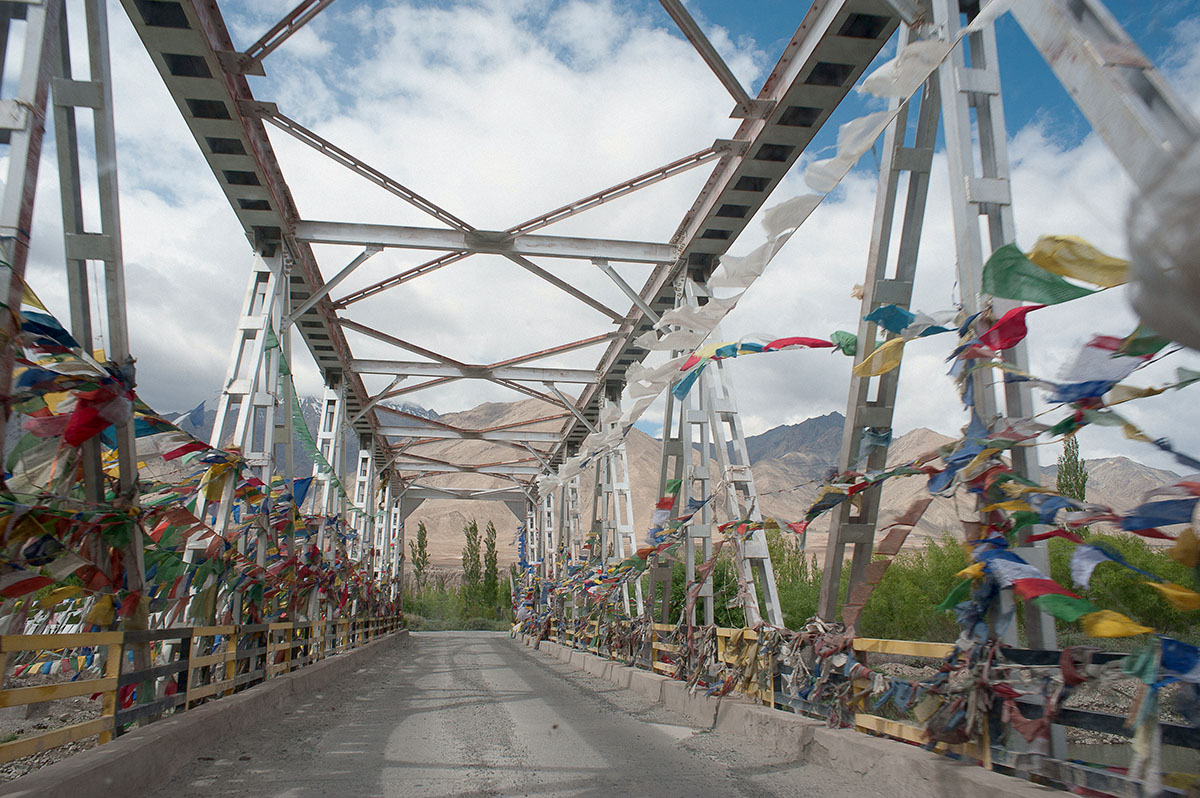
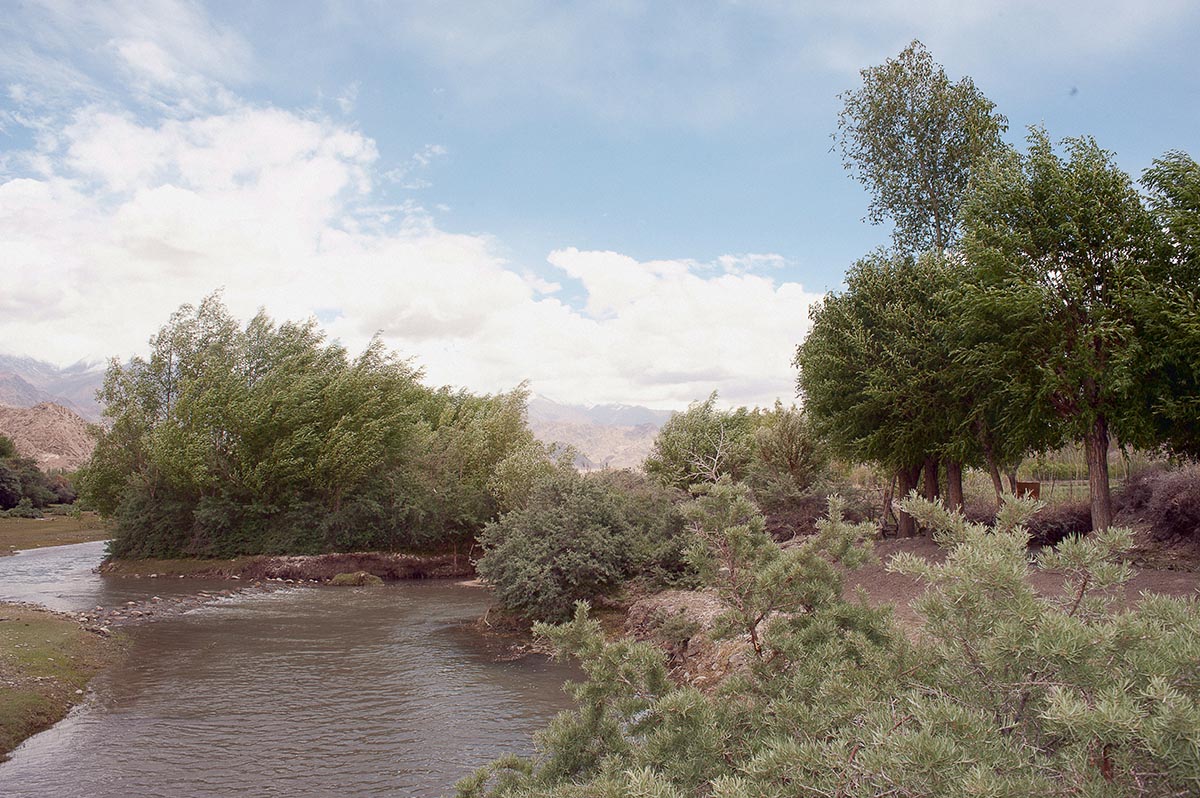

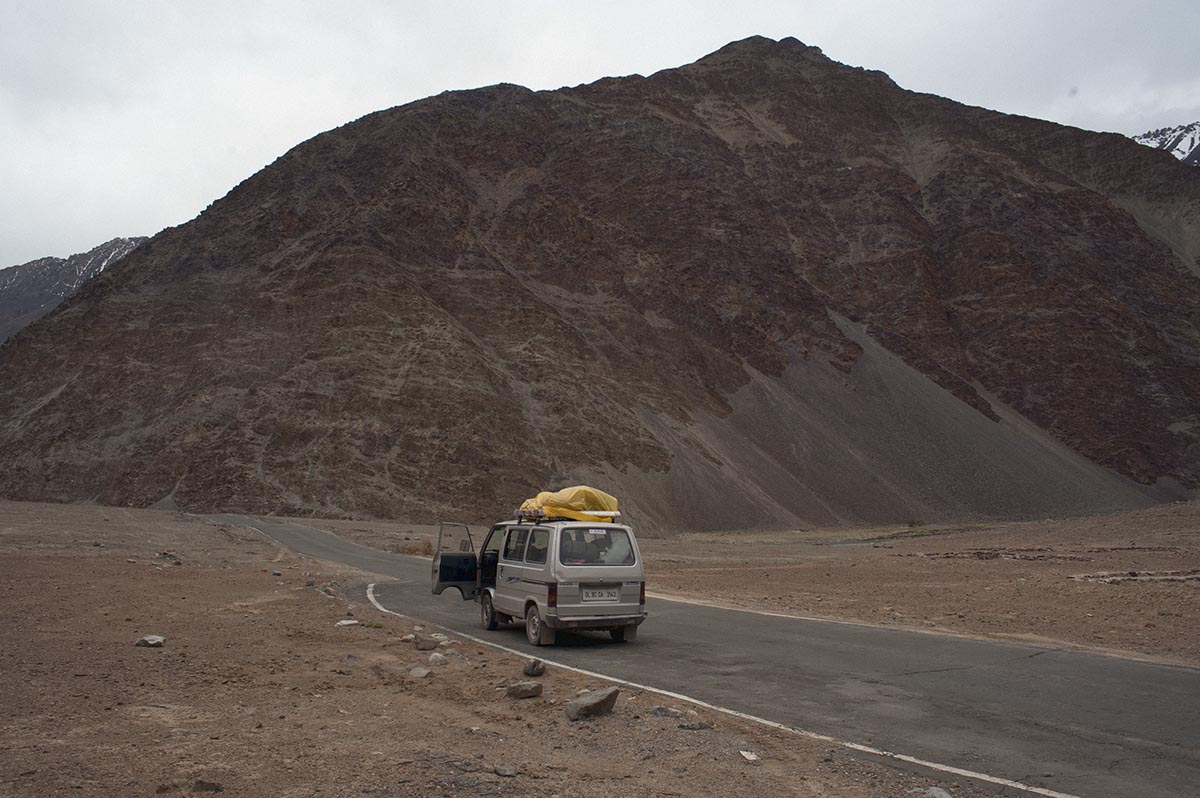

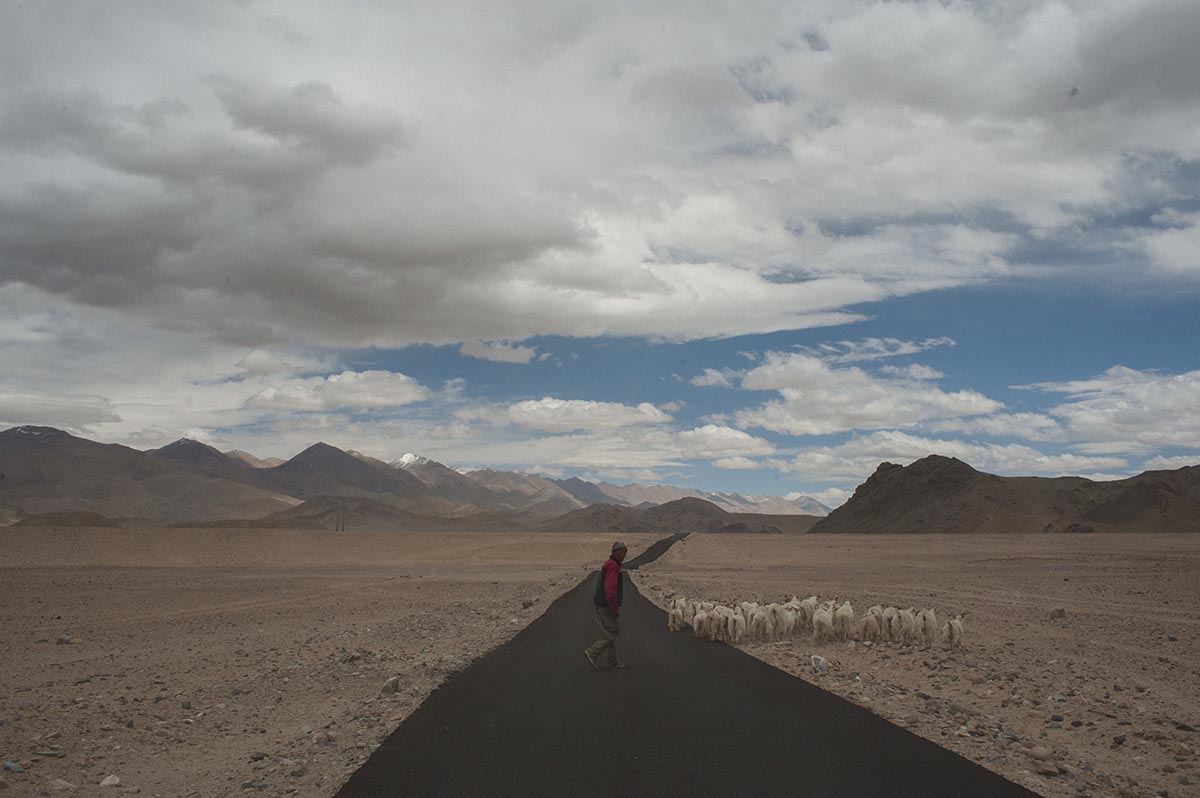
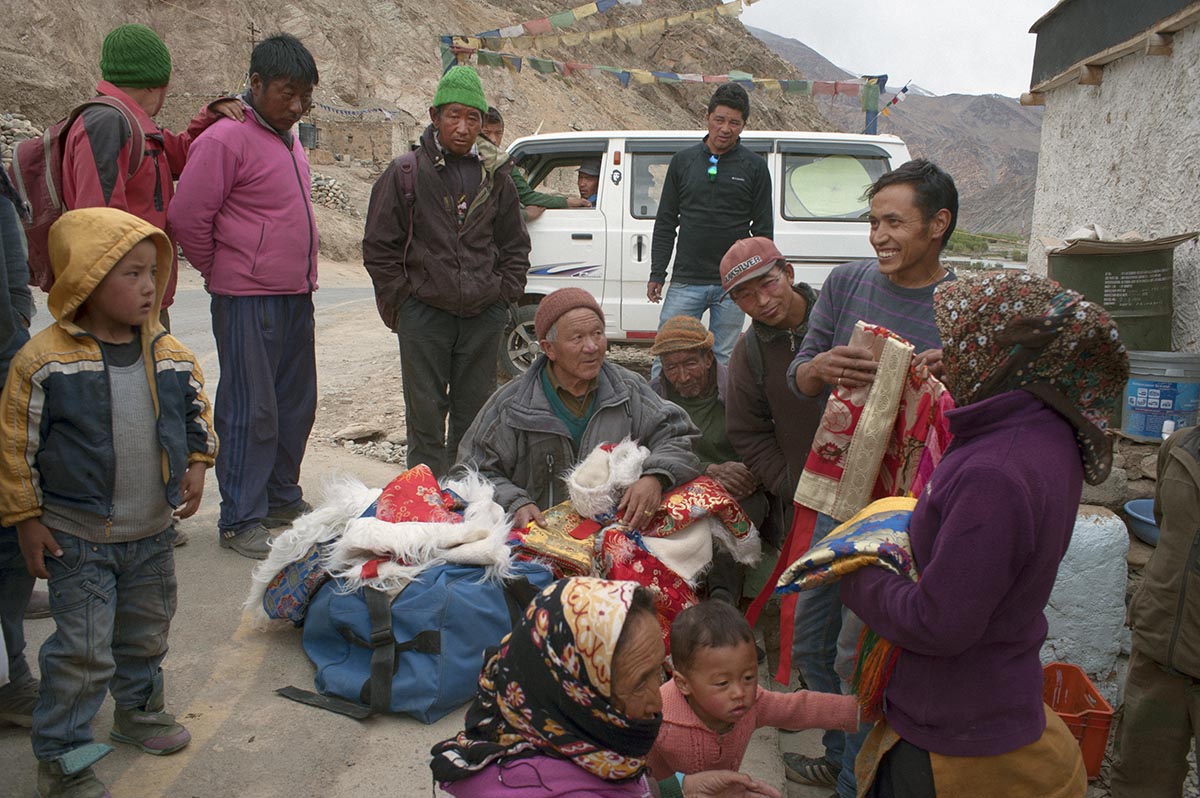
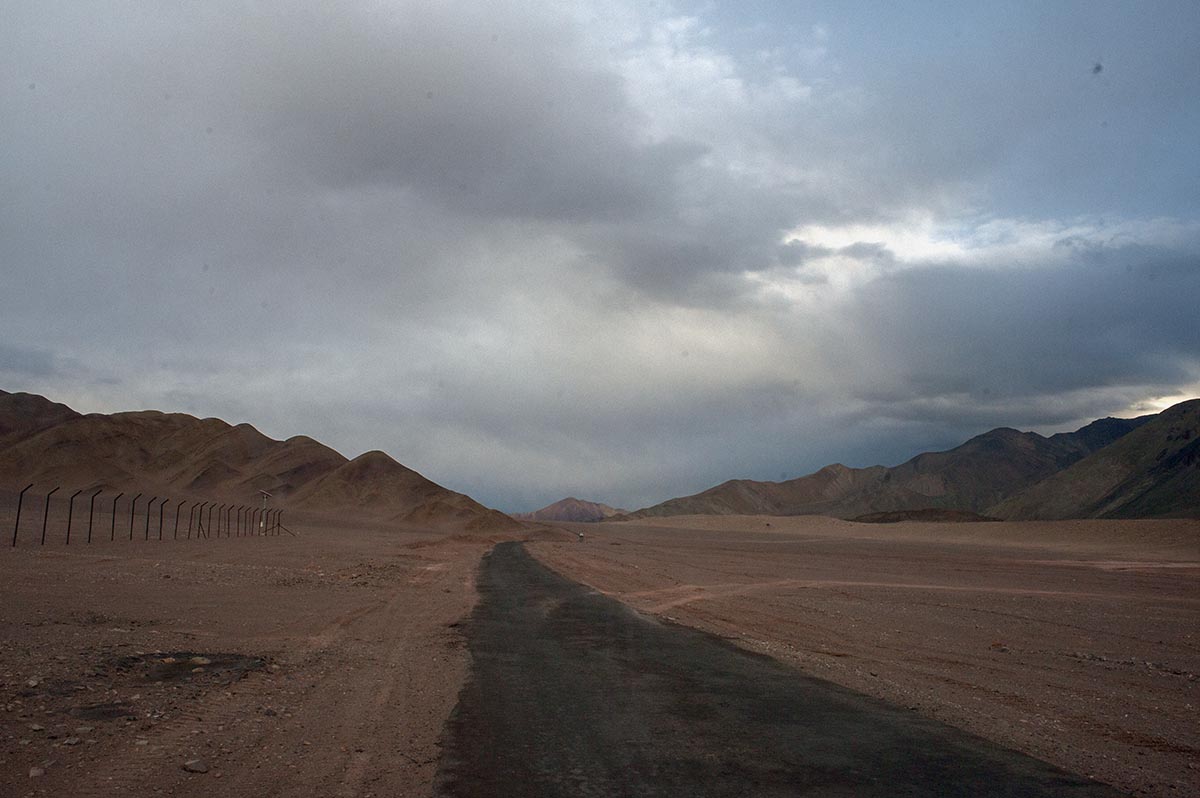
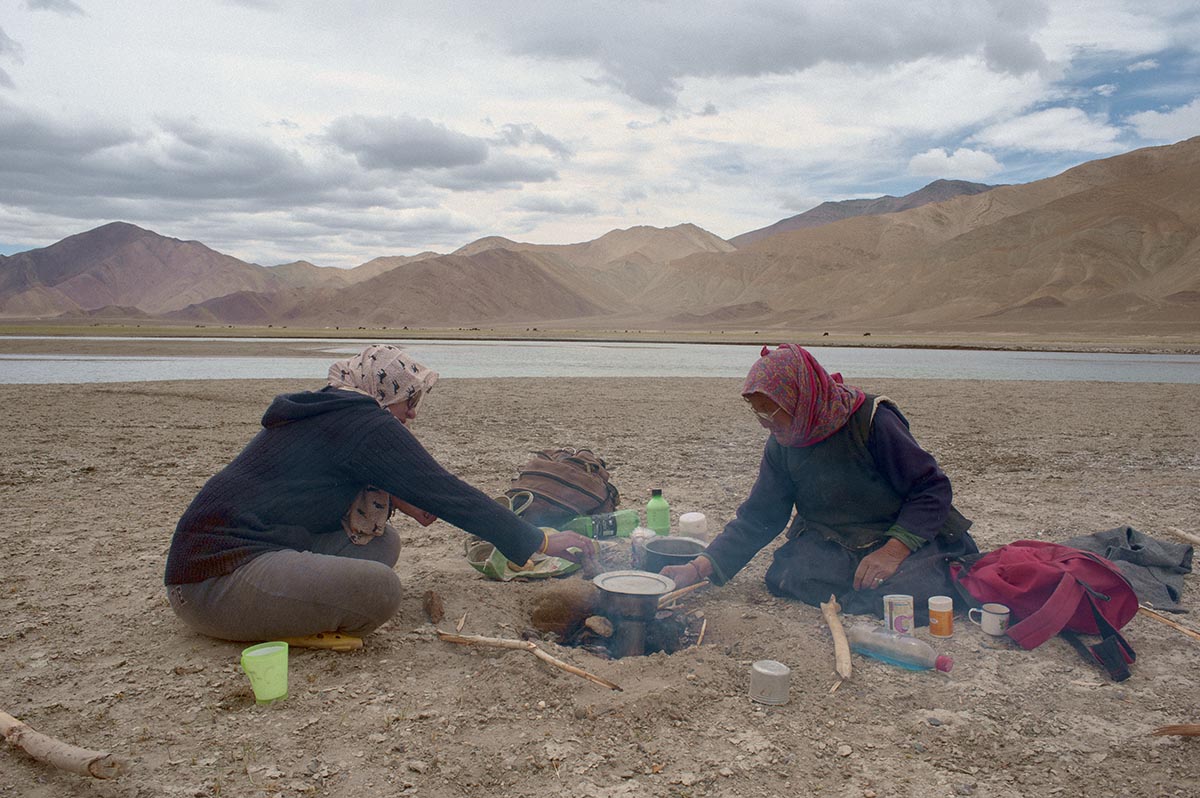
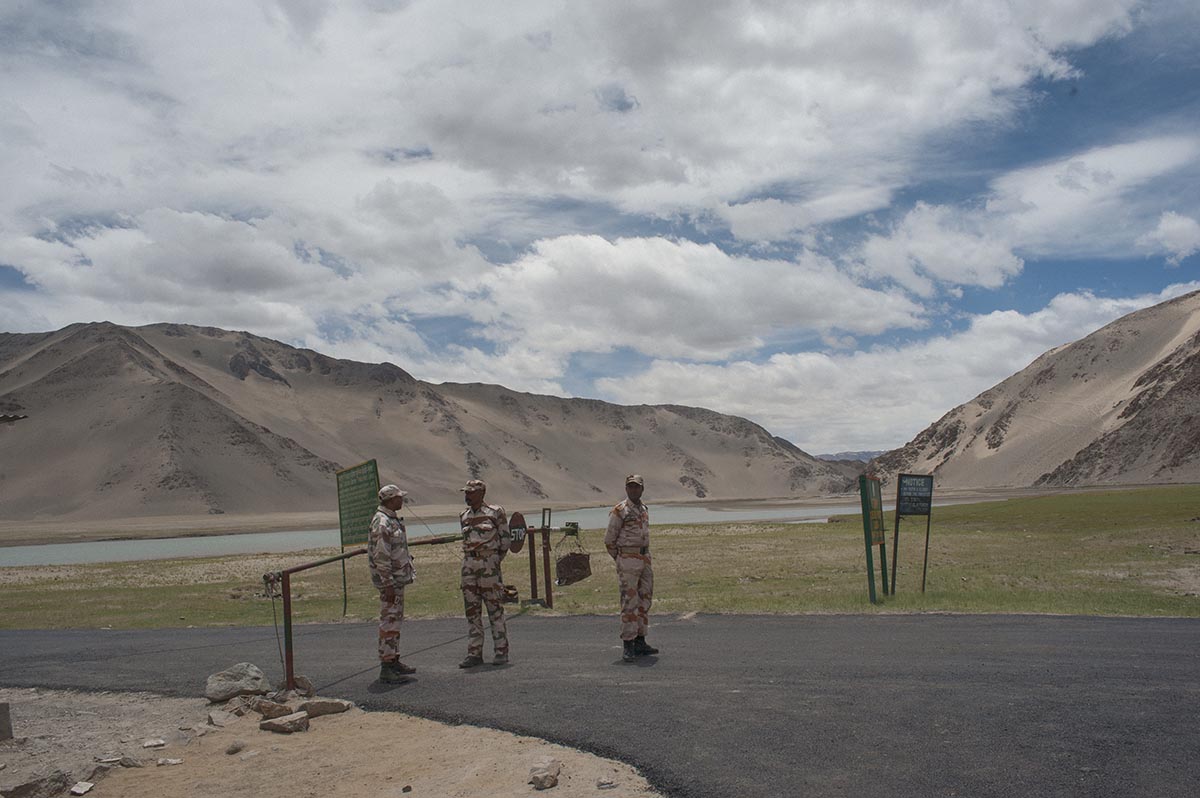

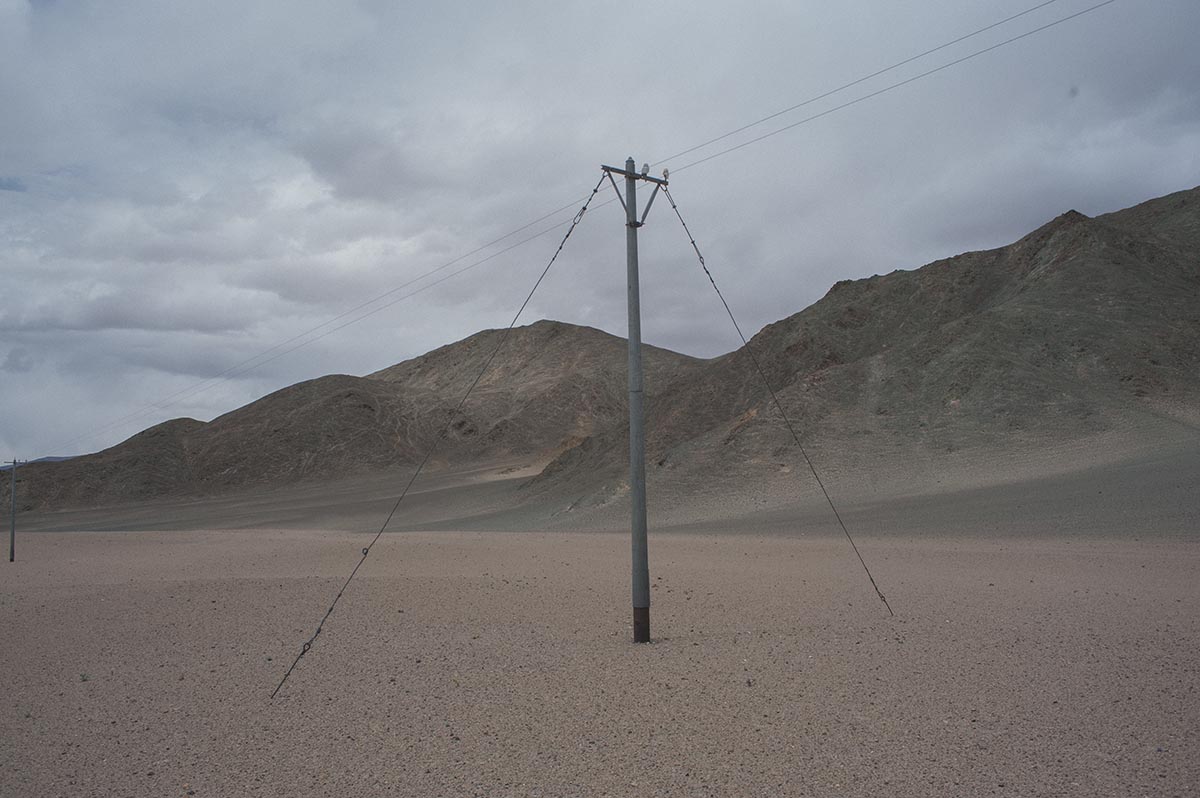
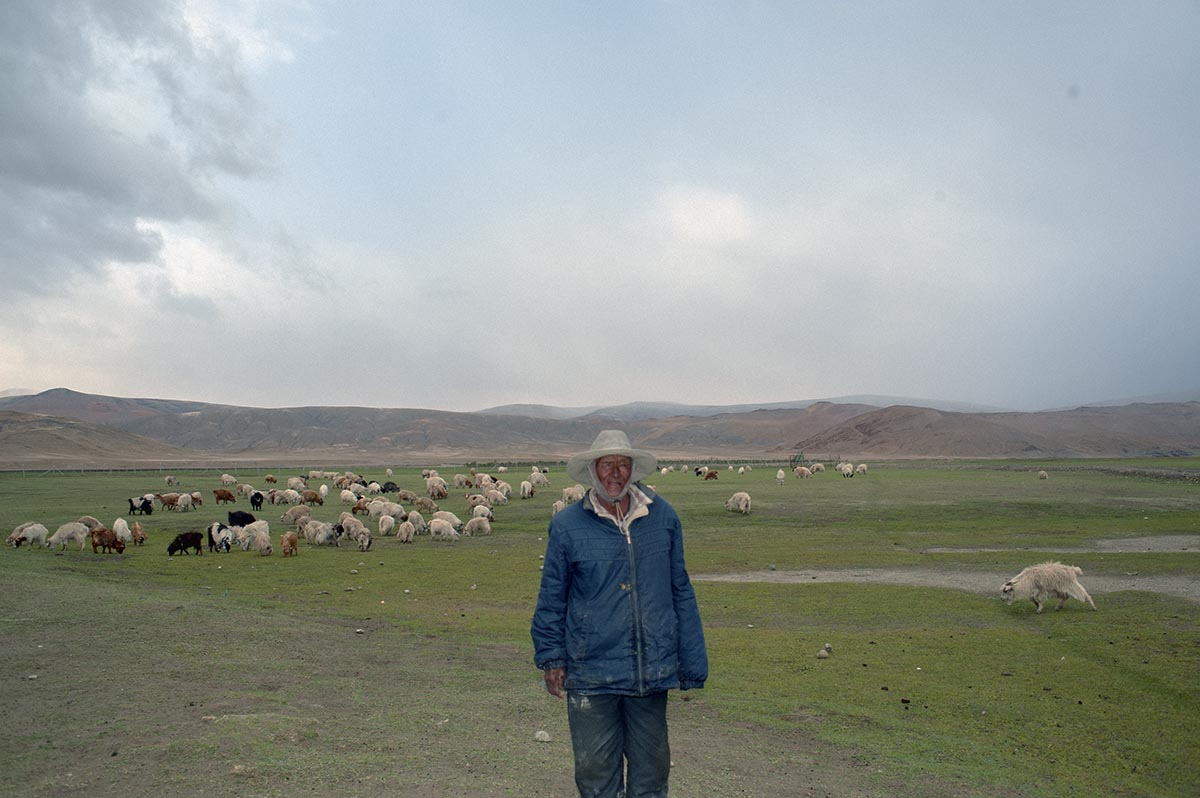
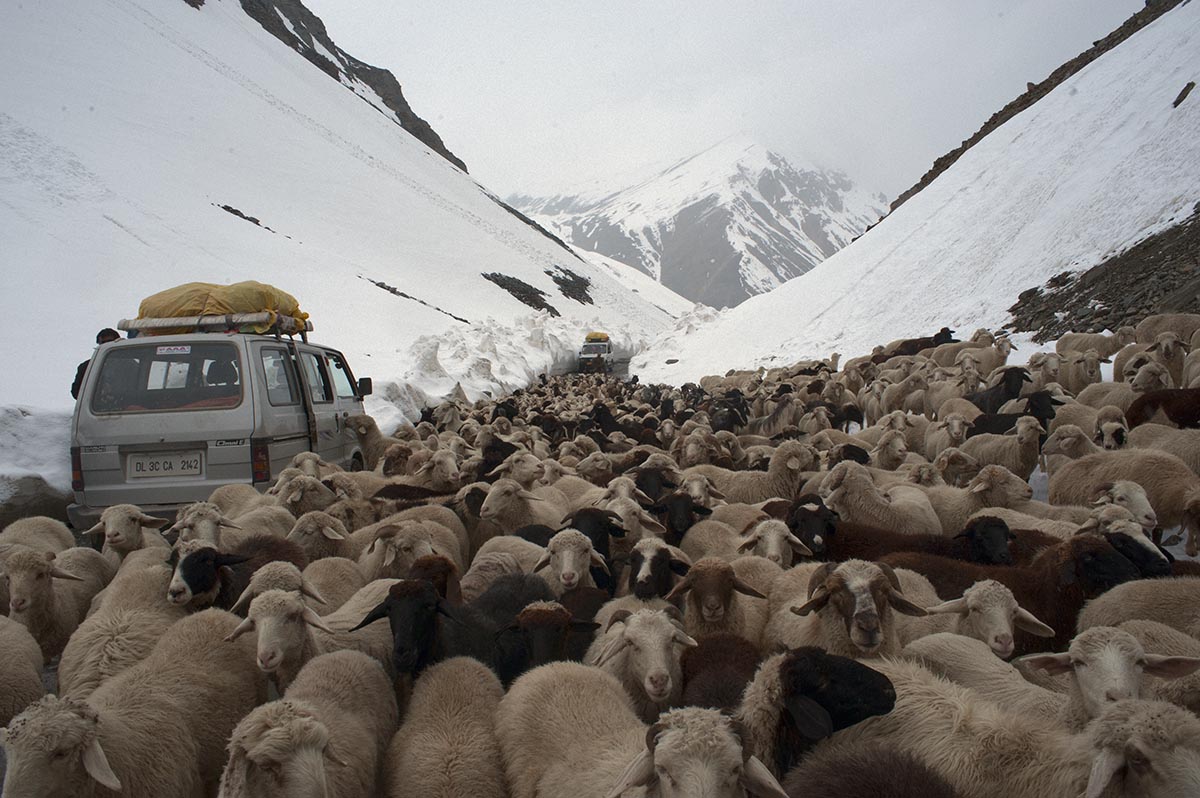

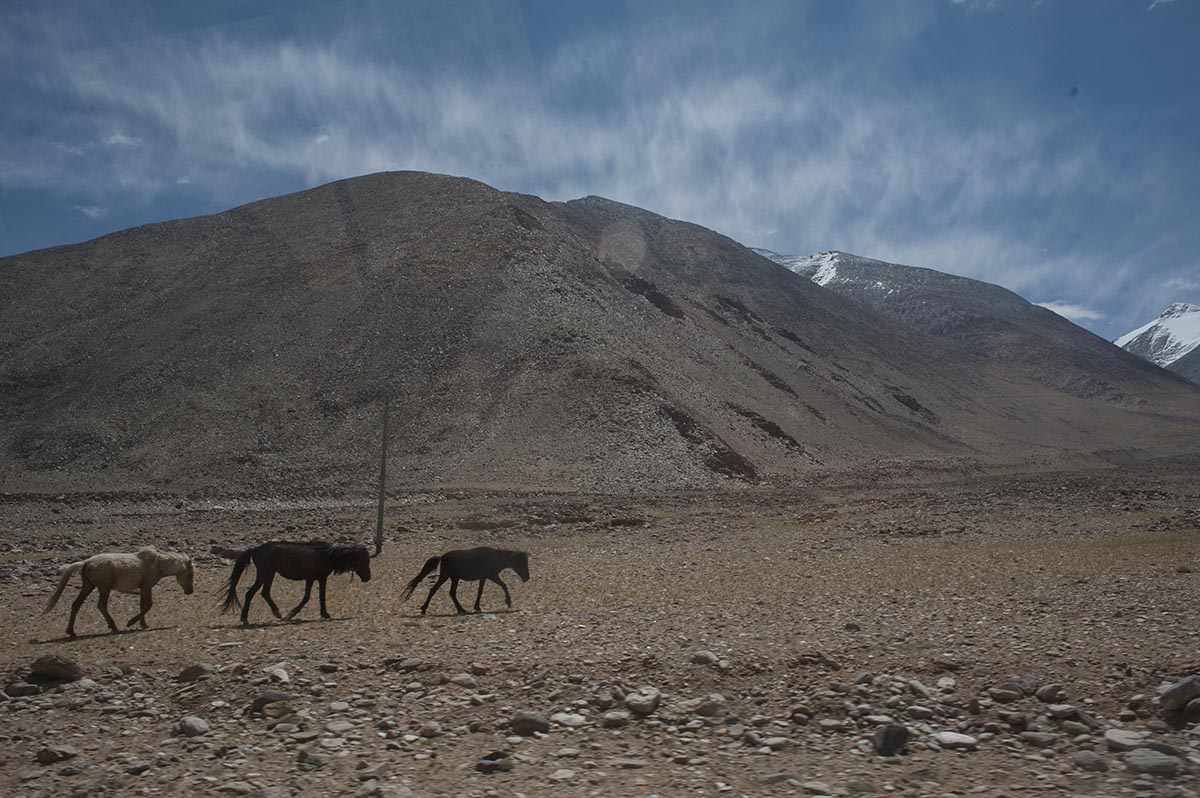


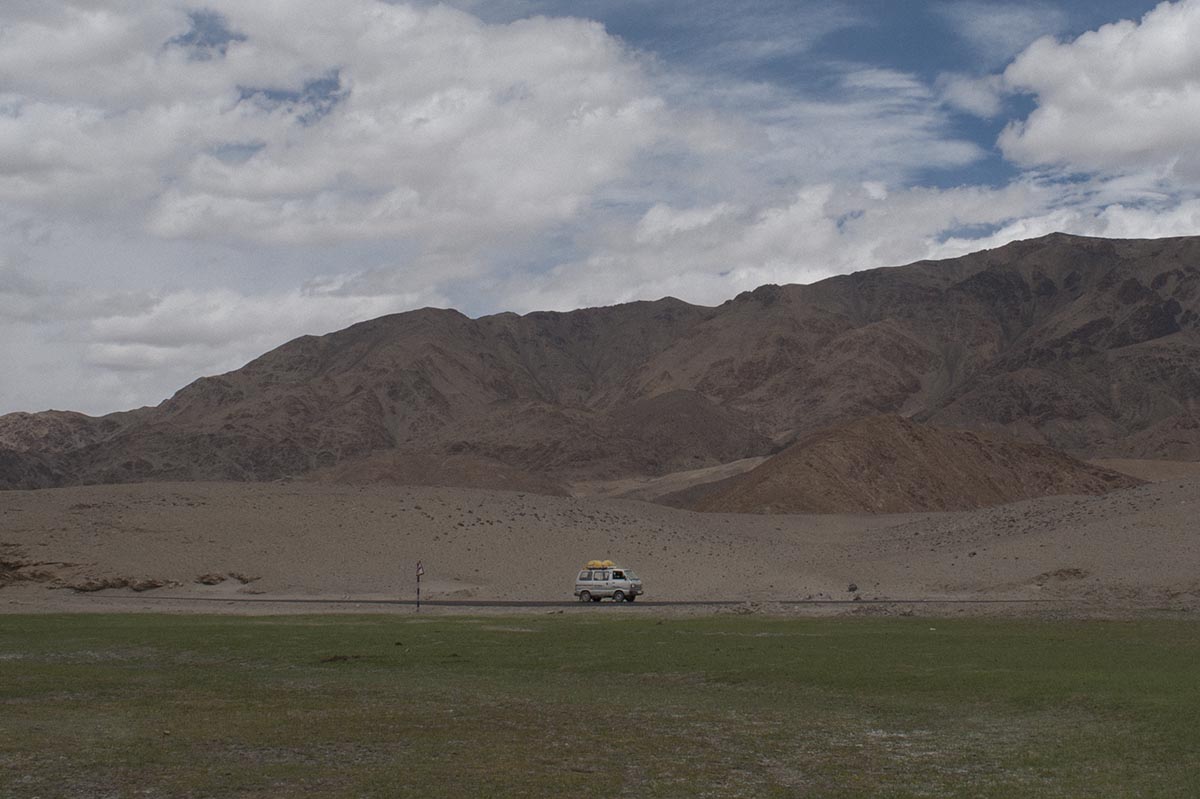

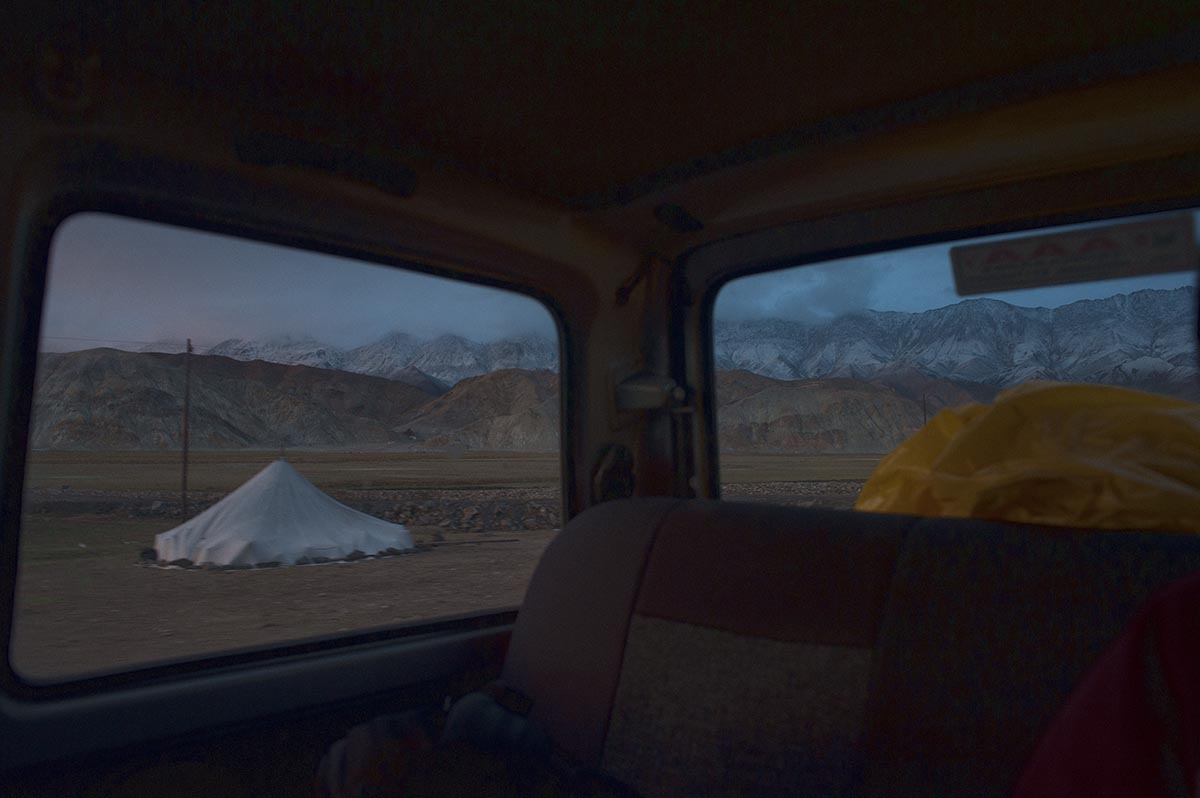
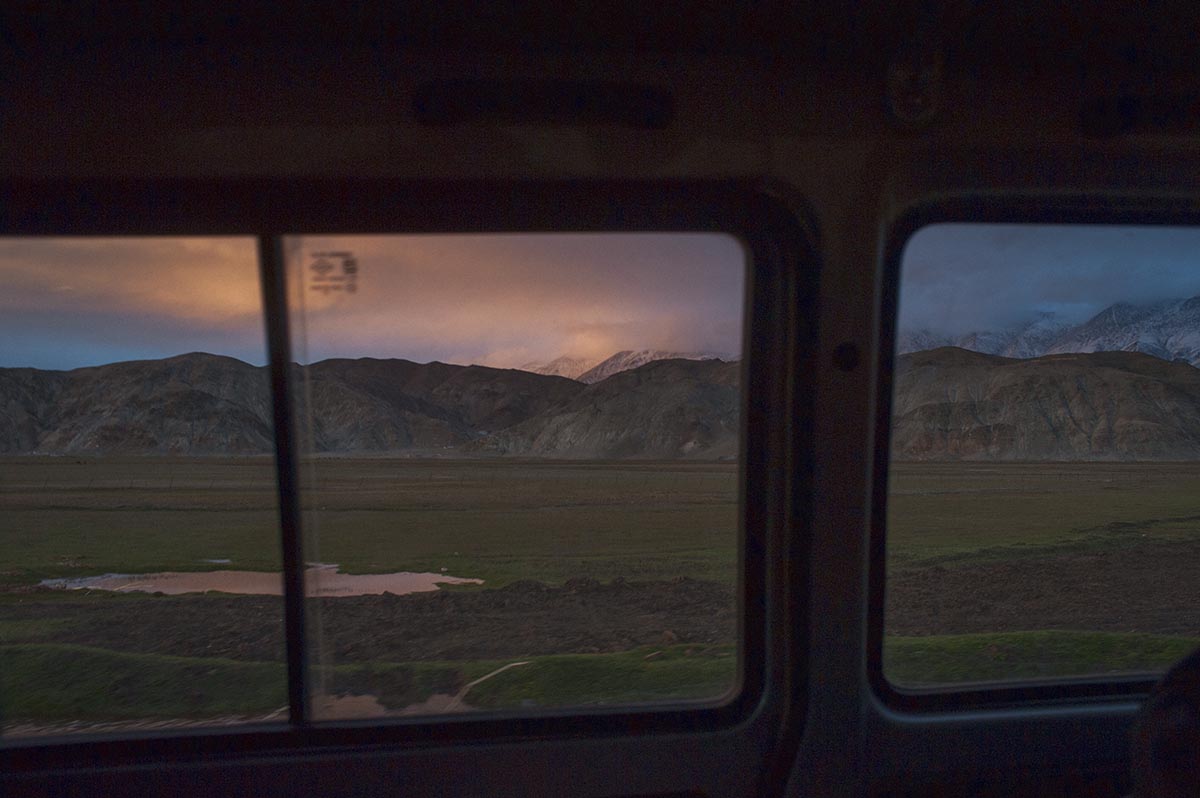
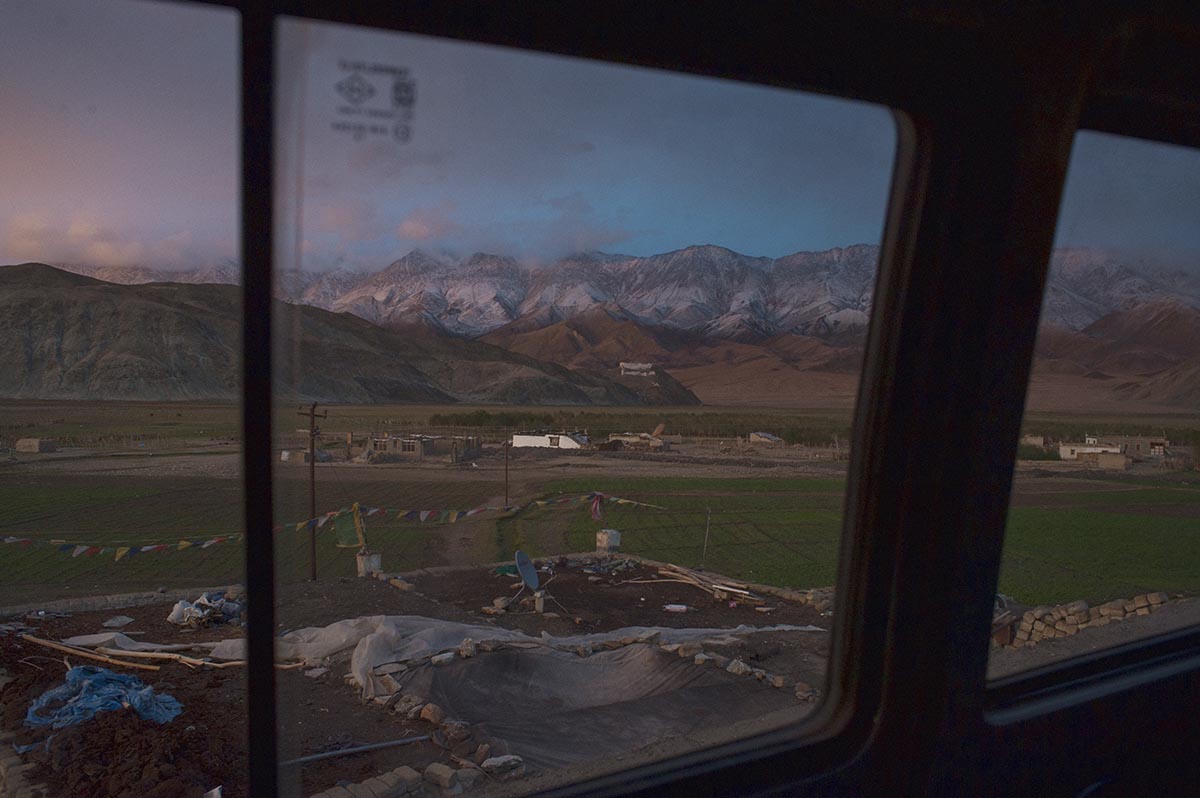

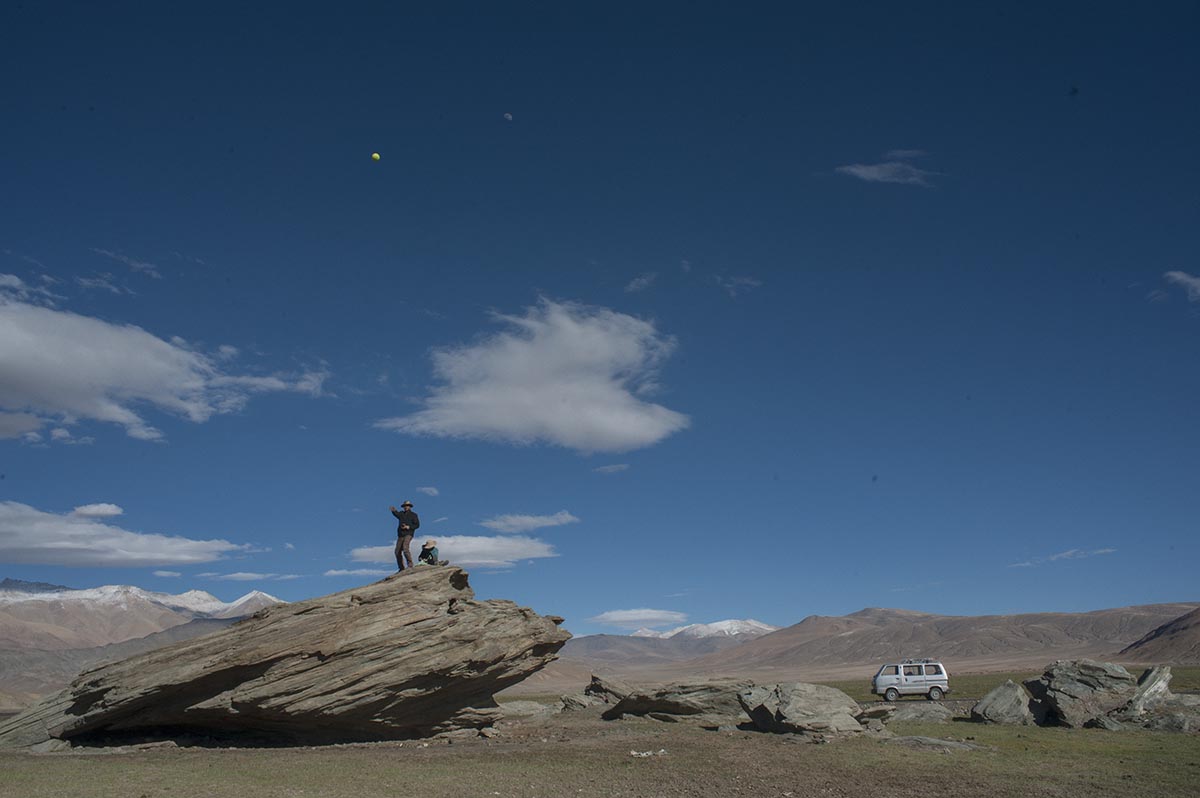

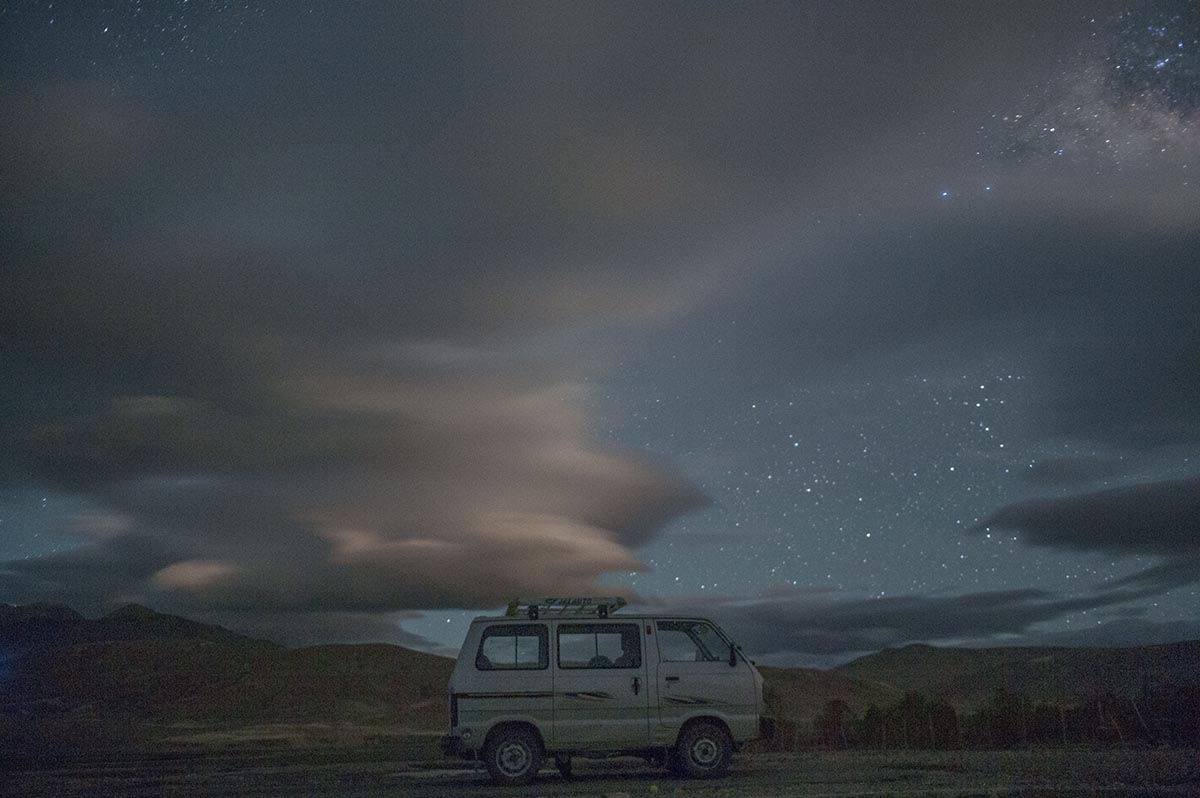


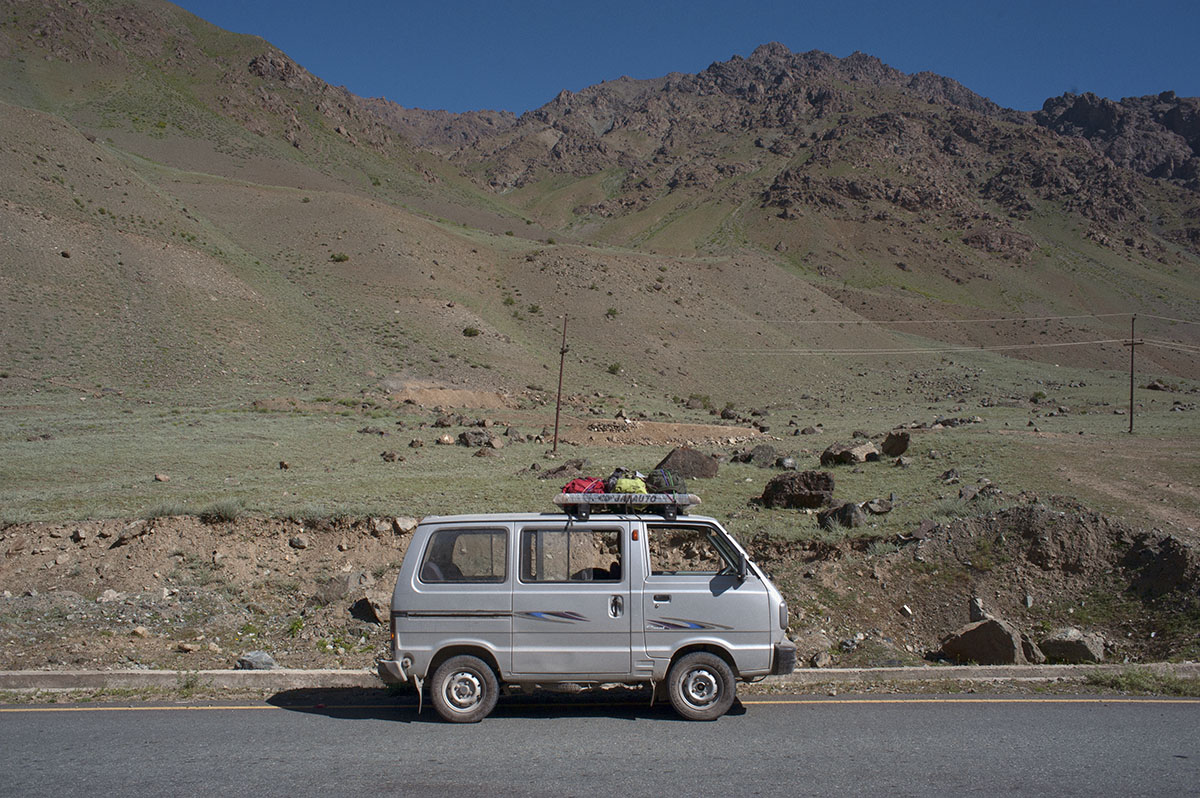

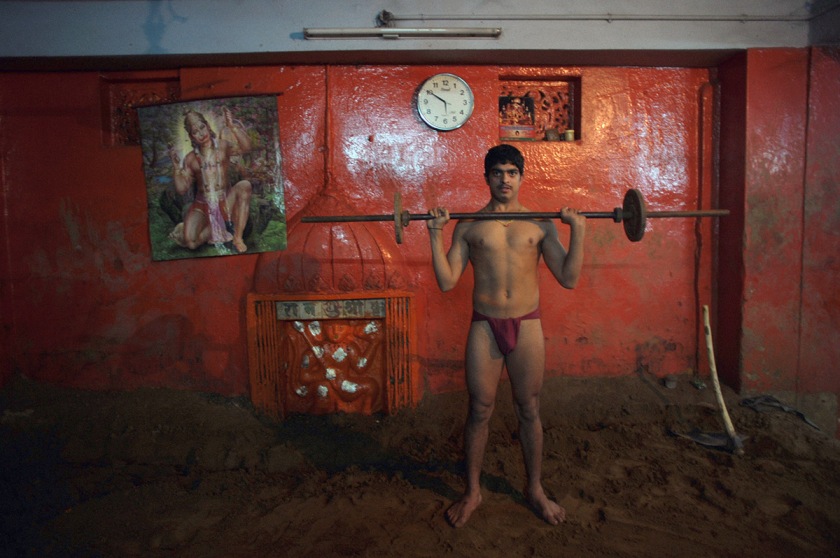
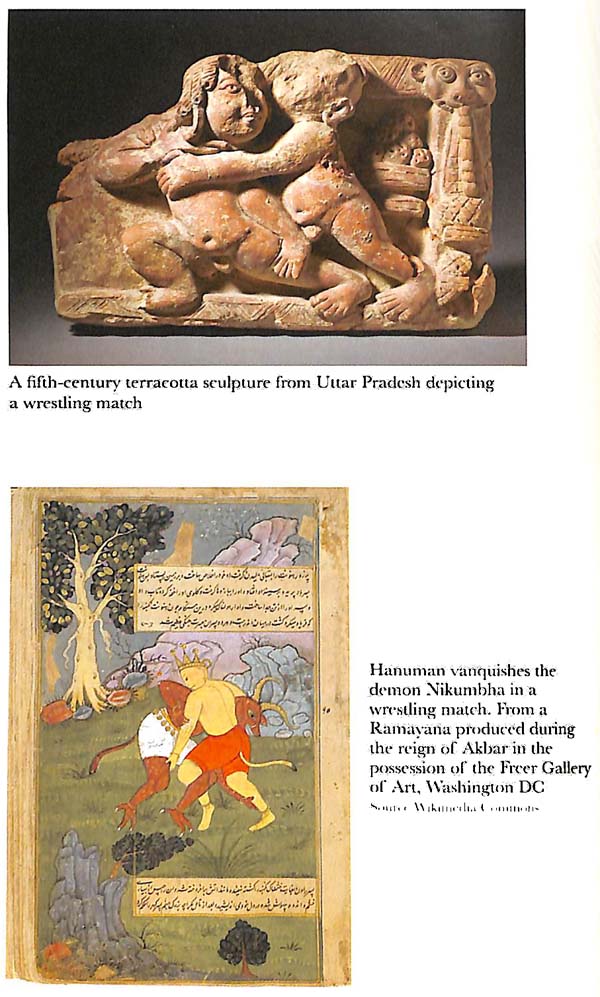

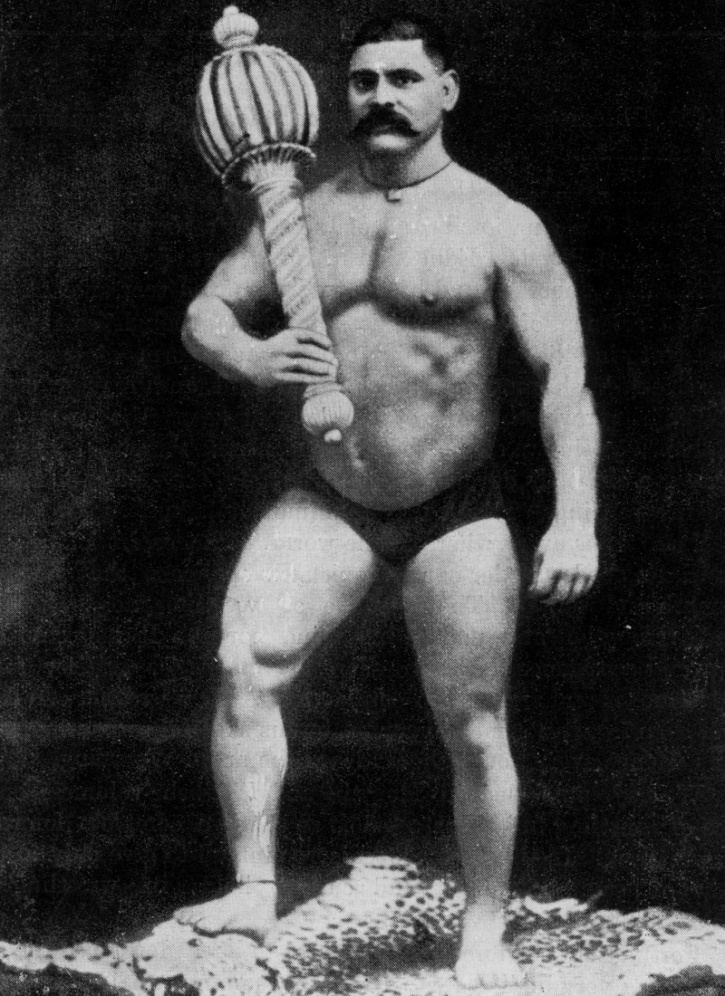
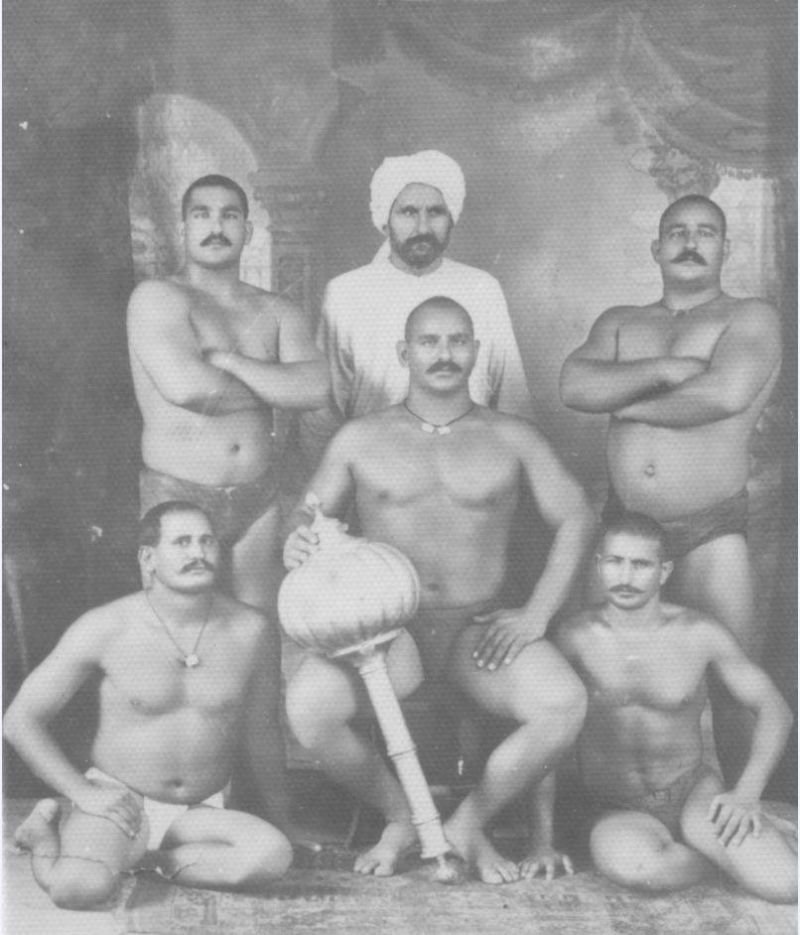
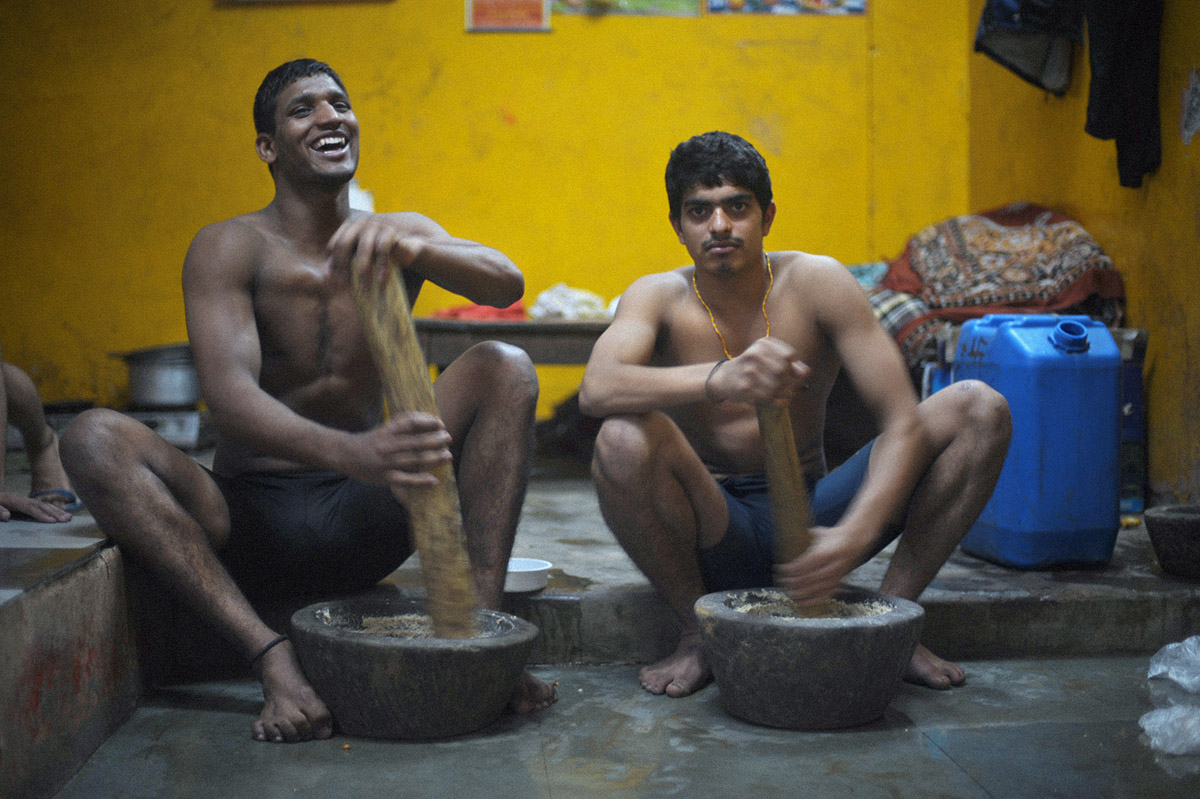


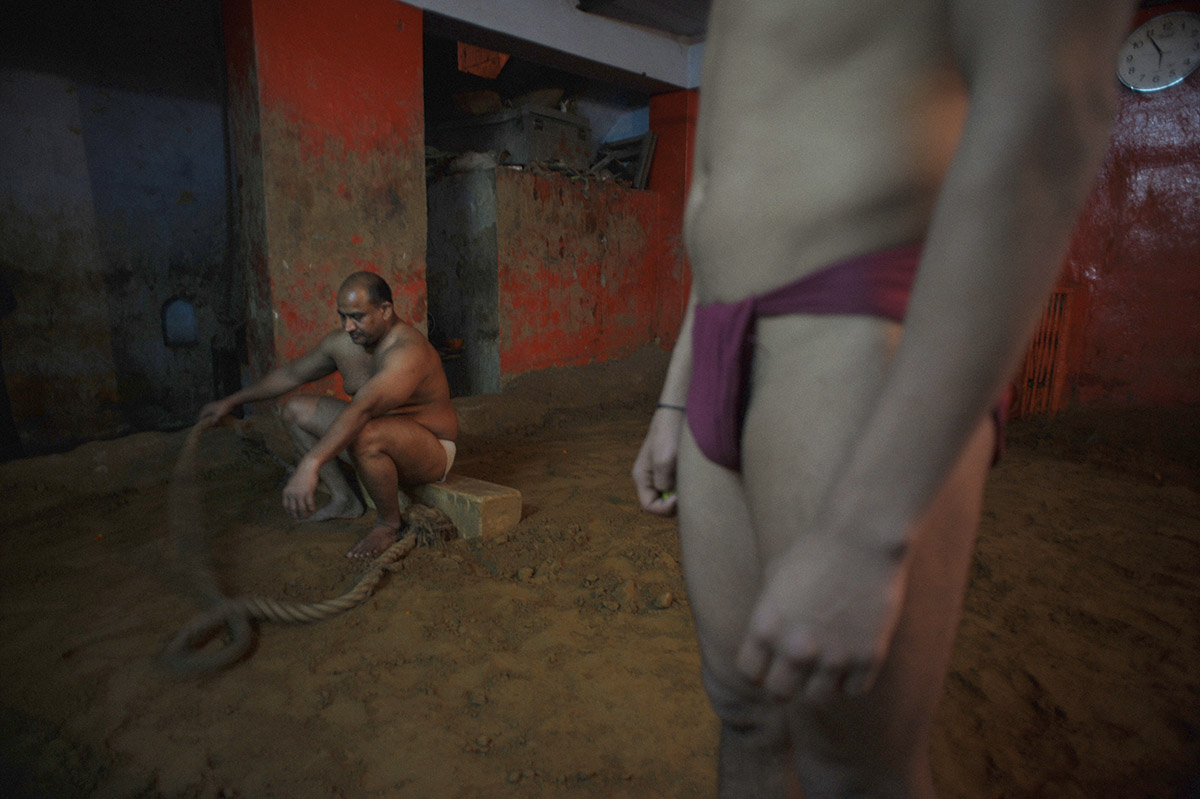

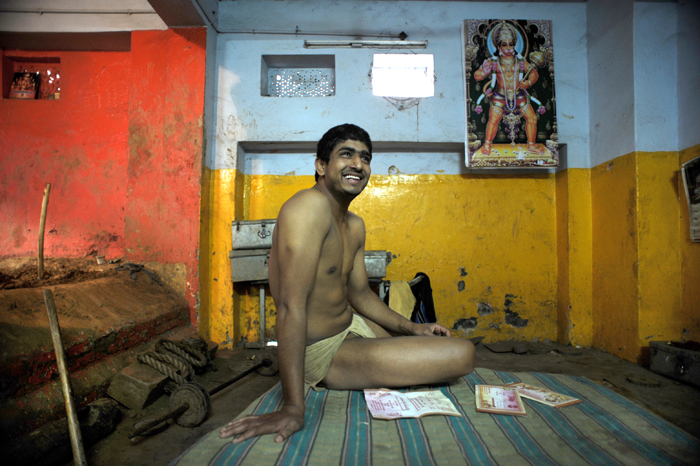

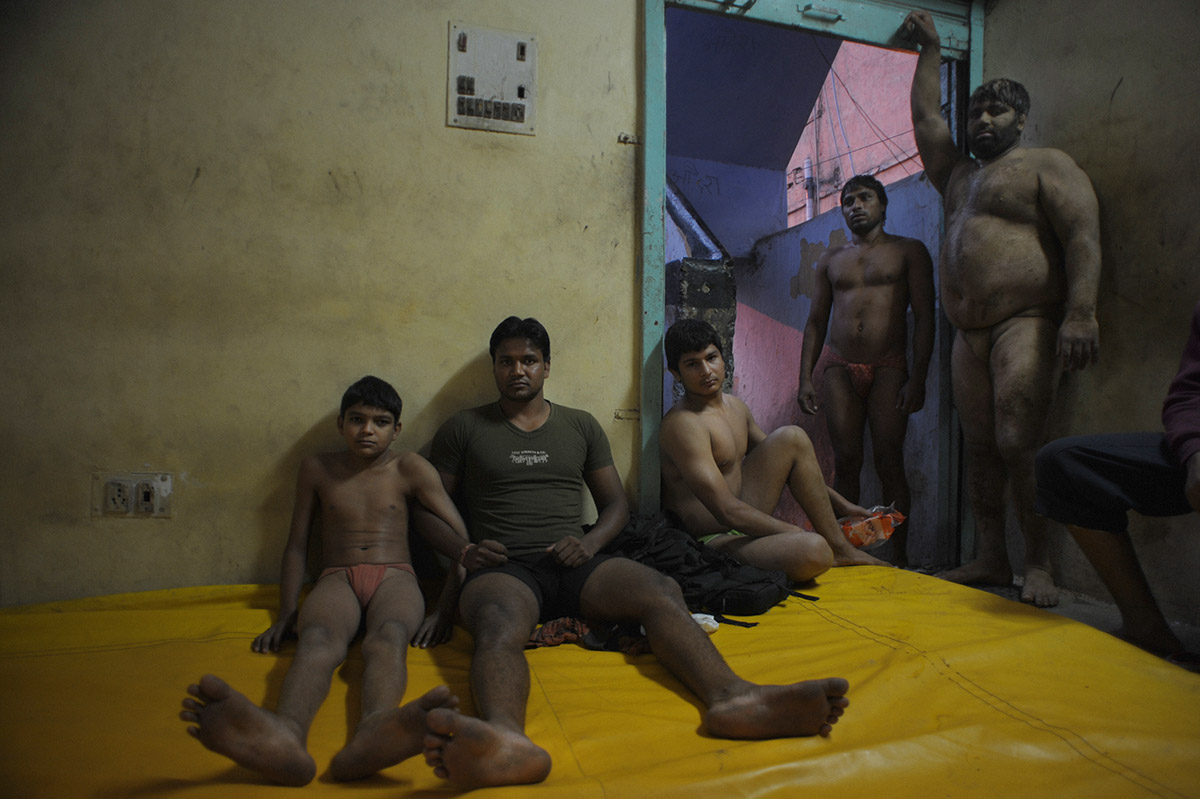

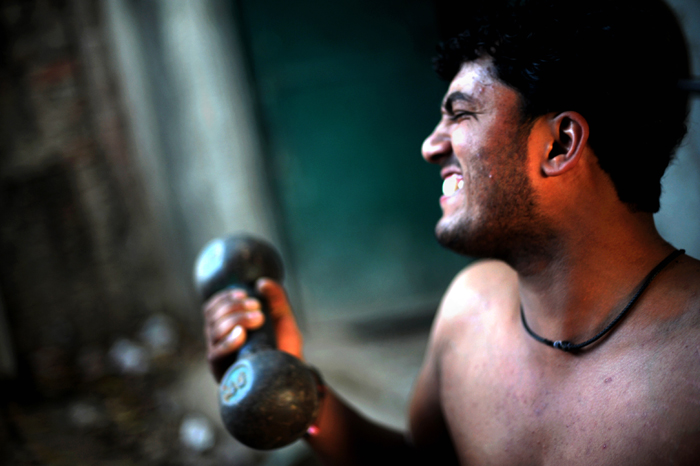

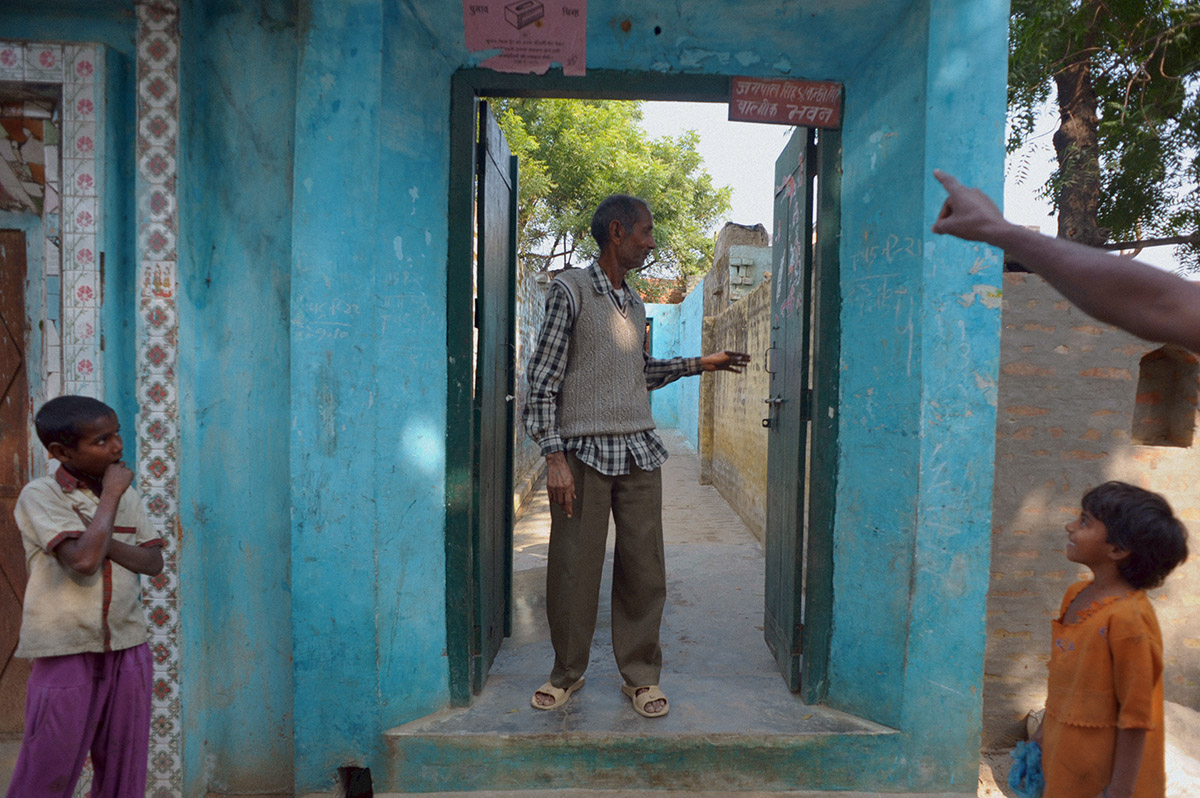
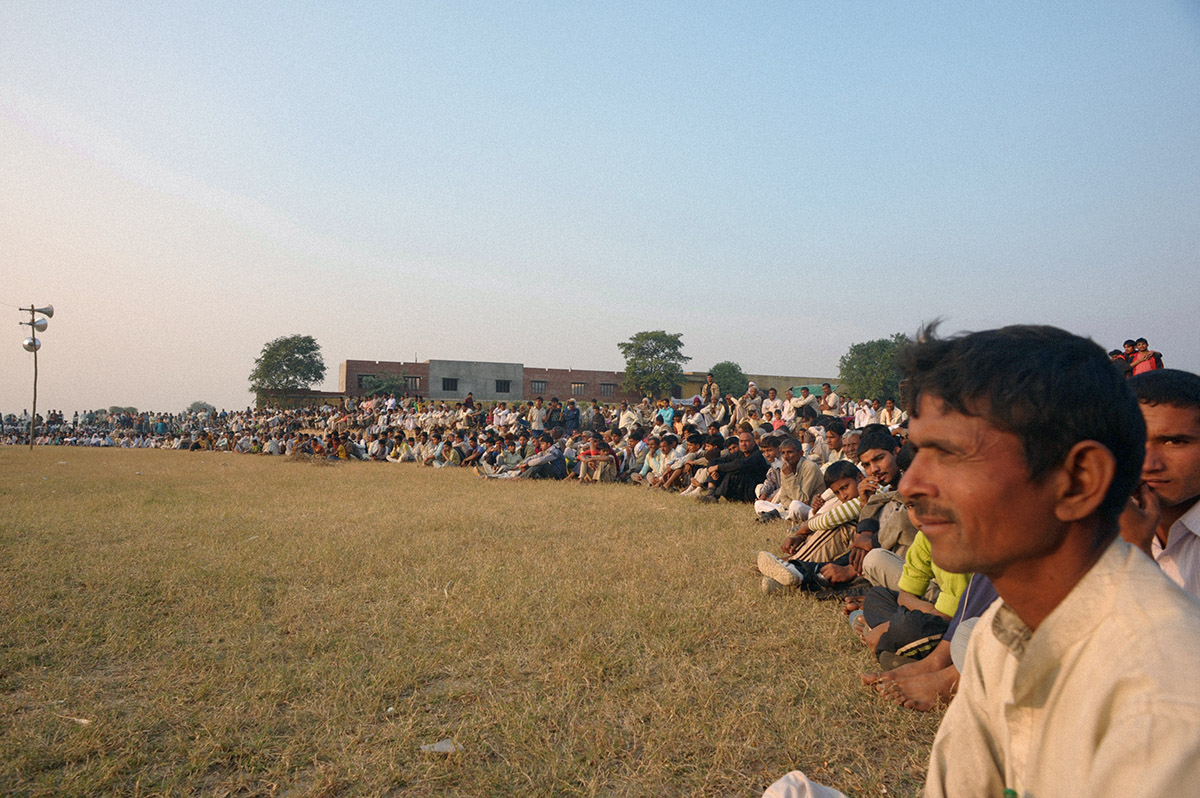


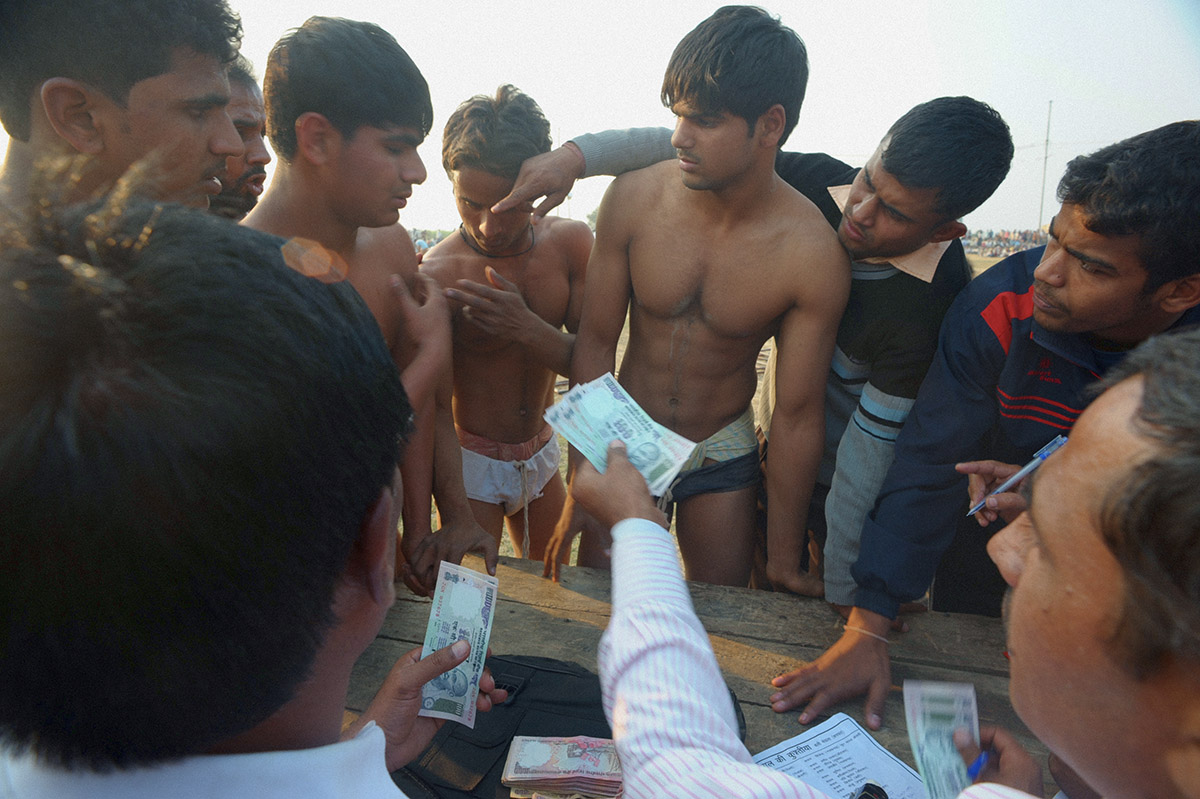
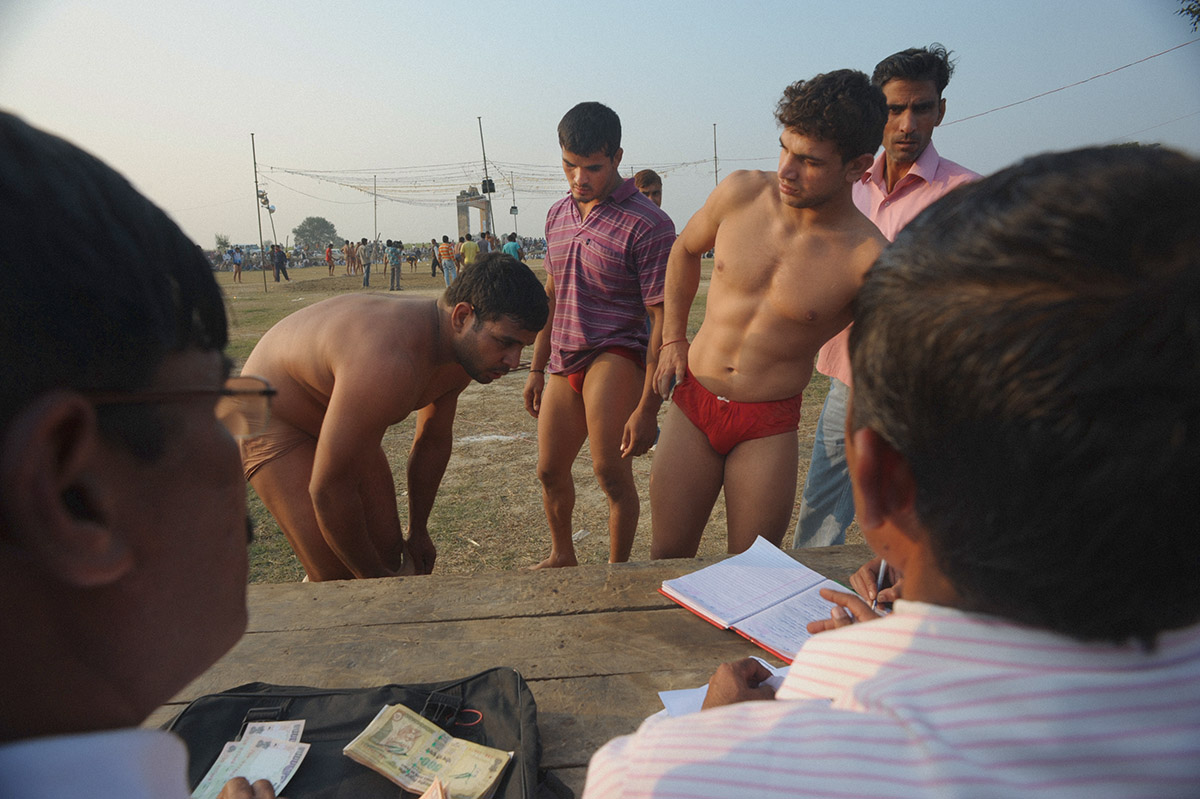
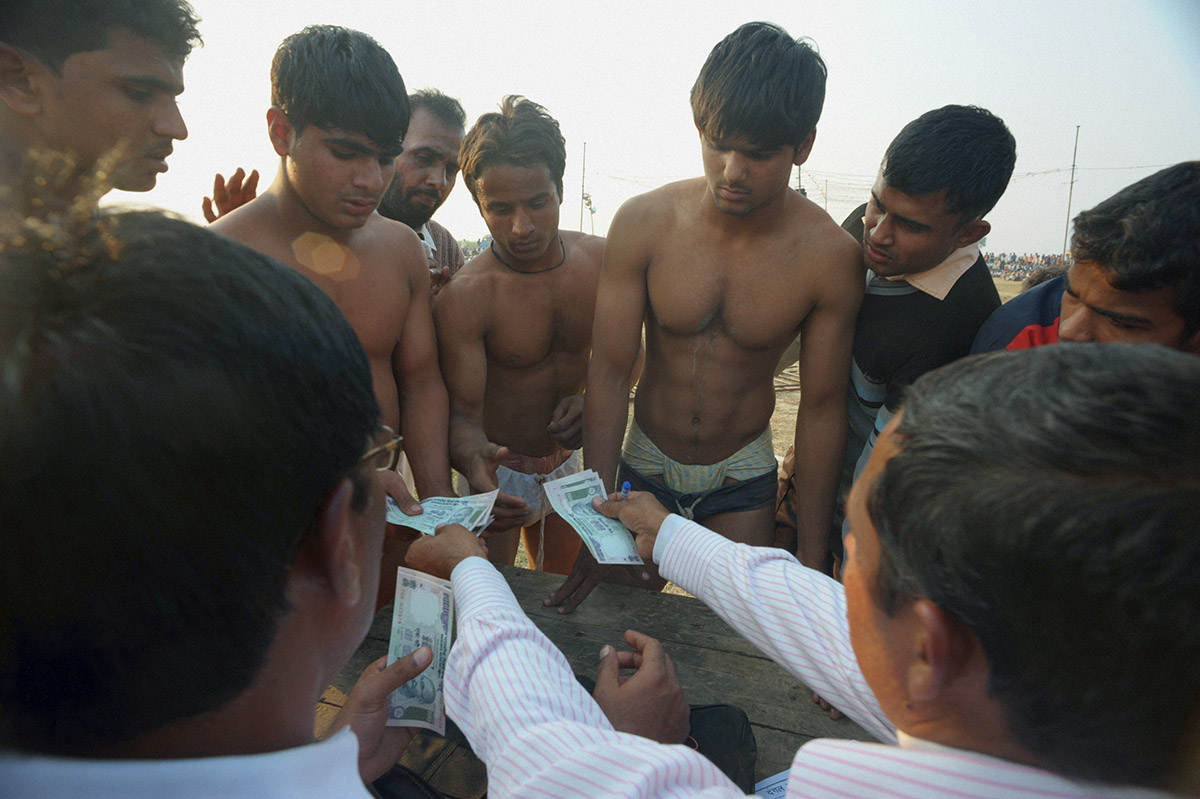

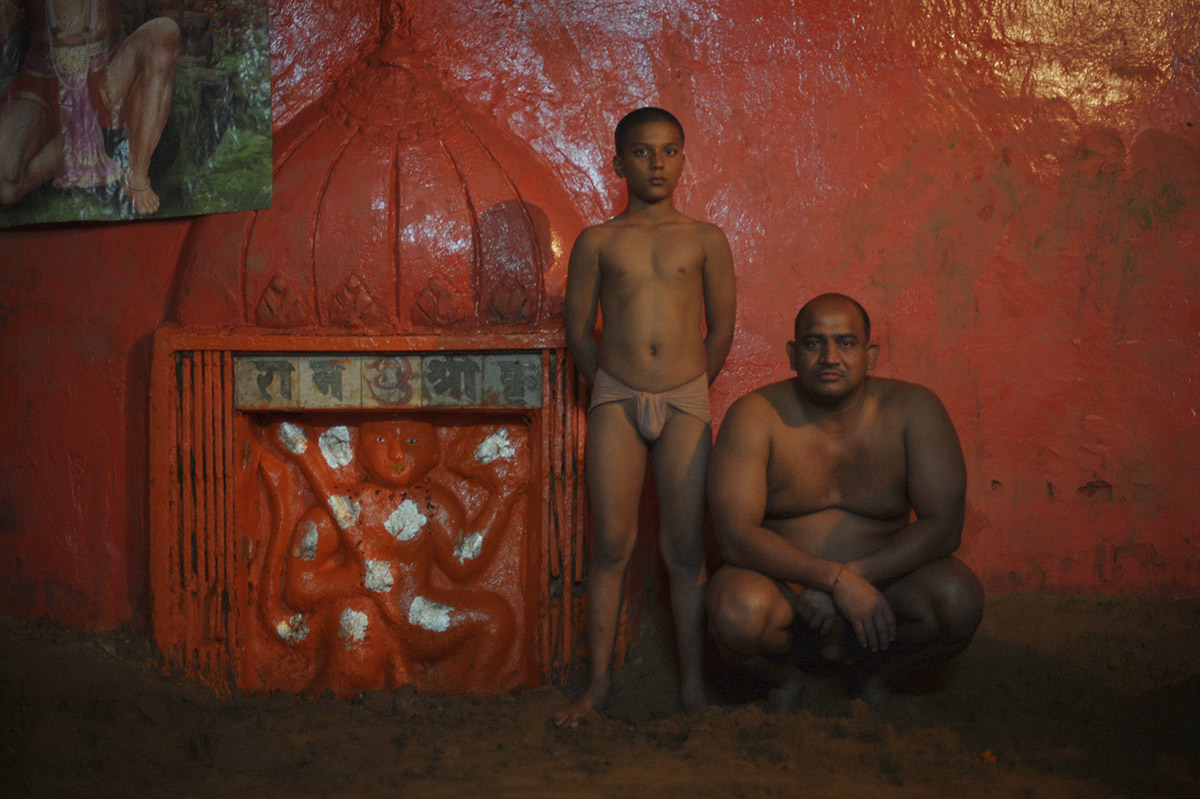


 ROAD TO NARA