And now we move to the rhythm of this restlessness On these streets many people dead they drive with recklessness
8% growth has some people flex with lexuses In South ex shop for Rolexes and diamond necklaces
Land developers come down hard build power nexuses They build more malls and shopping complexcesses
State militia vacate villages – next exodus So you can cash checks of sensex indexes.
Many narrators refer to Delhi as be-dil(heartless). They say the city is cruel, treacherous, ungrateful, selfish and a whore.
Prior to the Muslim rule, Delhi’s most popular name was Yoginipur, City of Yoginis. Jain texts and Prakrita literature mentioned the city as Yoginipur. Yoginis are lesser goddesses; some texts say they numbered 12 while others put the figure at 64. Yogmaya, the presiding deity of Yoginopur, reigned over all the Yoginis.
: ँ :
Excerpts and Images from an Ongoing Project on Delhi
Thank you.
If today is the first time you have arrived on The Road to Nara, you are heartily welcome ~ Namaste
: ँ :
I will take this opportunity to introduce you to About meand importantly;
You might also like to know about My Little School Project. If you wish to come over for a visit someday, that you must, you will be heartily welcomehere
If you would like to contribute to my travels,you can please do so here
: ँ :
If you have anything to share, or feel like saying a hello, please feel free to write to me at nara@road-to-nara.com
To visit other long-term photographic works, please visithere.
To follow my walks through the rural Indian Subcontinent, find me at Instagram | Facebook | Twitter
The morning arrived. A big day. Like a loved one’s birthday. And everything was planned. Even the time calculated for leisure. But leisure comes at a price. Millions abstain from eating that day. Reason could be their own. Mine was to celebrate. I had already spoken to Pandit Ji, I will be spending the night at the temple and hence I was taking the day lightly. I ate Moong Halwa, whatever was left of it. And stepped out for a stroll outside, to see the clouds, to breathe a few times deeply. To spread se beans and chapatis for birds and a ferocious black dog with whom I shared a biscuit and since then we were best of friends. Nearby I found a trail and was looking for the stream following its sound, when a local woman standing on the roof of her home, located on the top of that cottage hill called me thrice in succession. She stood right up at an angle close to 90 degrees asked me again if she can come along with me to the temple? Silence. Temple! Where is the temple? And when did I say I was going? I thought to myself. She screamed again, can i come now? Now! I couldn’t say No. And during that wait She told me to wait.
And now I was waiting.
She arrived all dressed in Sari and a plate filled with flowers, rice, dal, kumkum- the red turmeric powder and bael leaves. I didn’t even know if there was a temple nearby. I let the woman lead me. I was kind of taken aback with how events turn in life. Without any prior knowledge, planning or may be desire I am pushed towards the direction of the lord. And how? I only had to say yes, in this case even not that. And once we were on the way, the woman found so many other women walking towards the temple that she walked ahead and away. I just strolled behind, observing all things around me and absorbing trees, birds, branches, sounds of children, or the silence in between. One moment at a time. It was a sweet walk. Unhurried. As i saw the temple structure unwinding, emerging from the Jungle.
This temple was a different one. Situated at the top of Simtola Ecological Park. Same park where I had found many swings, standing alone, quiet, away as if they were not needed. The temple was old structured and away from the knowledge of most travellers. There is no way I would or could have come here. I don’t believe in luck. Every thing is connected. Just like our breaths. Just like the blinking of our eyes. Nirantar. Ongoing till one dead drops.
There were quite a few people humming together already. Fragrant Smoke of incense was carrying the mood of many. Chirpy but meditative. It was such an early morning present. A gift of energy on Shiva’s morning, called by the lord himself. Through a mother like woman who had invited me with herself to here. And now was no where to be seen. I walked around with folded hands observing the festivity. Locals seemed involved after what had been couple of years of absence; praying, sitting, worshipping, Kids playing, adults taking selfies, men sun bathing when I was distracted by someone sprinkling water at me; It was her- the woman. she put tilaka on my forehead and gave me prasadam. She asked me if I can make it back to the cottage? Yes I can. I couldn’t say much even though i wanted to express my gratitude. She left and I explored the park.
Had I had not given my words to the temple priest, my day was already done. But Shiva’s night is little different from how householders know of it. It starts when the sun goes to sleep. When most beings become quiet and find themselves in stillness. When stars and planets have a go at your placements. The time of deep solitude and darkness, and in that darkness of the fourteenth night; the tryst is to become one with your beinglessness.
Nothingness.
Readers will remember the time I left for the Almora market where I went to the great G.B Pant Museum of History. And inspiration strikes. It was the day of memory and Importance. In time, I got all what was needed; curd, honey, sweets, cannabis leaves, bel and some hash. I reached Kasar devi a little late than I had intended to. More so because I was filming my journey and the space around. The crank’s ridge, famous for and by the name of Hippie’s trail was enchanting to just walk around, looking at couples and other people doing various things with their time on it. I made images and some videos. When I reached at the top, a small fair of which i was completely unaware of, was being wrapped up. The fair organisers were the Tibetian Refugees from the nearby Dolma restaurant, whose momos will be delicious I found out later.
People were leaving just like the leaving sun. The fragrance was roaming around here too. In a blink the day was done. And the night was dawning. The darkest night it is said. But nobody mentioned the cold. By now it had started to obstruct thinking. The hardest is to sit straight while keeping sleep at bay. Very hard. As I sat trying to be present, to present myself in my most aware self families, and soon some people started coming in when I quietly went under the rock where Swami Vivekananda sat once as Pandit ji handed me the keys to go there and tell your Swamiji that you are here where he once was. ( importance of this place, the history and about the secret cave where all those spirits, those yogis, swamiji sat).
Almost hidden, beside the temple wall which gave way to a huge monolith rock. I pleasantly sat. This time closing my eyes. But it did not make much difference. It was cold. And it was darker. I constantly kept making myself felt drawn towards Swamiji’s presence, his face, of what all my memory has accumulated till then, but what more. Stars came out. From there on the top of the mountain I could see whole of Almora in lights like starts above. Stars were down too, And I was sitting there, seeing. In between.
And not only stars but whole milky way could be seen on that night above. Stars like distant fireflies twinkling throughout the valley of Almora was a sight I carried back from that night.
And also a stick, as two in the morning, out of nowhere when i was starting my walk back to my cottage, somebody filled my ears. That the leopard is hungry these days. Thinking, as I searched for that stick, another person started looking for it too.
: ँ :
Thank you.
If today is the first time you have arrived on The Road to Nara, you are heartily welcome ~ Namaste
: ँ :
I will take this opportunity to introduce you to About meand importantly;
You might also like to know about My Little School Project. If you wish to come over for a visit someday, that you must, you will be heartily welcomehere
If you would like to contribute to my travels,you can please do so here
: ँ :
If you have anything to share, or feel like saying a hello, please feel free to write to me at nara@road-to-nara.com
To visit other long-term photographic works, please visithere.
To follow my walks through the rural Indian Subcontinent, find me at Instagram | Facebook | Twitter
You might remember that sprightly taxi ride with the women of Almora on the first morning. And my meeting with the old man as I got down looking for a tea shop here :
The elderly man lead me on a short hike towards a visible forest. His walk had started to remind me something about Old age. Every step was whole. Slow but Complete. It was being kept with a mind behind. Each move had an expertise of someone many times hurt. He caressed some trees while passing by them. Bowed to examine some seedlings he might have planted. I soon learnt It was my prenomen who was leading me. His name was Narayan Singh. Even though he was the owner but it felt he was only. And he looked Quiet. Into the hike for more than five minutes and heaving when I realised that I only wanted to have tea. But I am climbing. Just when I got ready to declare this a trek, descent arrived, zig-zagging into a gorgeous personal valley of small huts.
Ayush CottagesView from the above Hut
He stopped at a hut which was named ‘Radha’ and looked behind to inform me as a matter of fact. You won’t find such luxury huts in the jungle. These Cottages are only three easy kilometers before the main temple, he says. You are from Delhi. You are here because you need peace. Here is peace like You won’t find anywhere.
He commanded me. Go inside, See your room. I looked here and there.
Aur chai? And Tea? I asked. Woh bhi milegi? You’ll get that too.
And he shouted from the terrace to the big Hut in the centre around 14 stairs and a Hill down.
My Hut ‘Radha’
How old are these cottages? Not old at all. It was my son’s idea. He started building them a few years ago. He paused. But Corona… long pause. And he walked ahead.
I hadn’t planned coming here. And wanted to stay near the temple but this interesting old man, and soon his family, their story lured me into their world.
Old man’s daughter-in-law got tea for me soon. The Sun was out but the day was cold and my cosy bed was calling me for a stretch. Often overnight travel Stretches carry you to a certain slumberland. And It was a charming room where I was lead to. The bed’s calling and my sleep were meeting at crossroads. The room had a kitchen looking over the valley and even had a beautiful small old world chimney for winters. ‘Radha’, they called it.
But better were my hosts. Warming to say the least. As tea is not served alone, she sent alone a favourite; home made ‘Halwa’. As I ate with my eyes closed looking at the bed far i thought, who in this world can move on from people who have the strength to show you gratitude and Love. Not I.
I was staying.
Bed-living room with the chimney in the backgroundKitchen with a view
The sleep that embraced me for three hours, left me floating in the symphony of absolute noiselessness. It was like soul refilling with ambrosian nectar liquor. Such tranquility that you start living the change when you wake up Kosher.
Around late afternoon, I thought of walking to pay my visit to the mother temple. And soon i started walking for the first time on the road looking up at the bright winter sky. Cactuses and enormous Aloe Vera plants were seen growing wildly on either side, eagles tarrying on trees. I carried my excitement in check as I walked towards the Ancient temple for the first time in my life as a goal for that day to find my cave.
I walked past seeing the spring slowly impregnating plants with flowers and fragrance, Shiva’s night- the darkest one arriving tomorrow seemed gifting me this, nature. I felt only happy to feel that this allowance came around this time.
Temple was three scenic kilometres away. On my left was Almora valley that I was seeing through a grand show of light and sound. Wide. Expansive. Like many valleys coming out of one. And on my right was a spectacle that Wizardry is made of. Peaks of Panch chuli, Trishul and the legendary Nanda Devi made this a Mount Cake walk. I kept looking on either sides. There was nothing to be left unseen. Some sights held me to stop, to just admire. And moving on only after sighing deeply.
But between beauty and man, came many a man-made urban café’s, look-a-like, mushrooming by the roadside, all inspired more by the memory ideals than what mountains teach us. Brick and cement houses have taken over the old wood and stone construction majorly. Big glass café’s and coffee houses, even Bars have come up trying to sell you everything from Bakery to Beer, handicrafts and even Ayurvedic herb shops which instead of making me want to explore; restricted me, pulled me away from entering, of course also out of my financial and aesthetic constraints. There were other restaurants and hotels but they were mostly rooms and roofs over another. All this display and feeling high walking-breathing memorising all those days when I wanted to come, when suddenly the temple door arrived, just like that. Standing alone with no pomp or show. A bird on the wire, shat. May be a good omen. I was at Kasar Devi.
There was no one when I arrived here. A lot of sun and apart from one monkey who cared less and continued his sunbathing. It was quiet and the premises carried deep layers of peace. It wasn’t an old looking temple. The walls of cement, beautifully painted, a perfectly laid out staircase and marbled seating made me feel that I was already late in life.
But this happening also had a history of yearning for years to come here. More so because I found rather she came to me in a book written by Swami Ji himself. And her blessings could be seen as I made it probably on the choicest of days there could be tomorrow. The day of Mahadeva Shiv, married the one on whose door I had come. I considered this nothing less or more than her grace. That I could find time and leave Delhi just at the right time.
The Life Around Kasar Devi Temple that Shaped the Quest towards Spiritual Awakening Amongst Mystics, Scientists, Writers and Hippie Wanderers
I went inside the sanctum Santorum where an elderly pandit was reading a scripture. I bowed. And sat quietly with my eyes closed at a corner. But opened them again and asked him for his attention. If he could inform me about the rich history of this place and when was it that the mother arrived here? Pandit Ji smiled for a change. His wrinkles spoke before he could, he closed and kept the book aside, removed his glasses and gave me a long hmmm.. so you want to know about the mother hmmm.. his bones creaked as he got up from his sitting posture, Come with me!
He limped. And took his time before saying anything. A monkey slept nearby on the rock. The wind blew giving bells a mild touch which kept playing the music in the background. Priest took his steps and started telling a tale of old, deep time:
“This place is older than the times, not exactly this temple. But this place. The way it came out to be. Older people knew of the importance of this place way before anybody did. They knew of the presence of nature’s energies. In our ancient literature, this exact place was mentioned as the place where Mother slew two demons, Shumbh and Nishumbh. It was this text, we call it Durga Saptashati, which Vivekanada had read and as soon as he learnt he came running to the mountains to meet with the mother here. As you might know he and his mentor Ramakrishna were her Param devotees. This temple is dedicated to Ma Parvati as Katyayani – A Durga Avatar.”
Kasar Devi was said to have become known first during the 1890s when Swami Vivekananda arrived here, he wandered around Almora and meditated at the temple for days. His experiences of this journey are well documented in his diaries. People like Rabindranath Tagore, first prime minister of India Jawaharlal Nehru and his sister Vijay Laxmi pandit who even owned an estate property here knew a lot before what NASA found out much later that the Earth under certain regions on earth is surrounded by two donut-shaped zones of high-energy particles held and captured by powerful magnetic areas known as the Van Allen belts. Simply put, the region surrounding the Kasar Devi Temple has an enormous geomagnetic field, endowed with a mystical cosmic energy that is found in only two other places on Earth apart from this temple. United Kingdom’s Stonehenge and my dream wish list trek, Peru’s Machu Pichu.
A view from Crank’s Ridge
As time passed this place saw many artists, scientists, poets like Bob Dylan and later Uma Thurman. Writers like Walter Evans Wantz, a pioneer in the study of Tibetan Buddhism who later translated the Tibetan Book of the Dead, stayed here for sometime. In the 1930s Danish mystic Sunyata Baba(Alfred Sorensen) came and lived here for over three decades. As did Ernst Hoffman, who became a famous Monk Angarika Govinda with Li Gautami. This led to a series of spiritual seekers from the west visiting them. In 1961 Govinda was visited by Beat Poets Allen Ginsberg, Peter Oriovsky and Gary Snyder. Here was a place that inspired the seekers to find clues of what they were seeking and the writers to further their search on the meaning of life. In the 1960’s and 70’s, the village became part of the Hippie trail attracting eminent personalities from the west like American singer and songwriter Bob Dylan, George Harrison, British singer Cat Stevens, and English writer D.H. Lawrence
English writer D.H. Lawrence (left) spent two summers at the home of American painter Earl Brewster; Italian writer Tiziano Terzani (right) spent years here meditating and writing in a tiny mountain hut. Photo Researchers/Science Source/Dinodia Photo Library (D.H. Lawrence)
Among them was the (in)famous American psychologist Timothy Leary who was fired from Harvard University for experimenting and advocating the use of psychedelic drugs like LSD. He, along with his followers, occupied a small ridge area near the village for conducting his eccentric research on spirituality, leading it to be named as ‘Hippie Hill’. The eccentricity was such that at one point, he streaked which led to another name of the same hill – Crank’s Ridge. Timothy Leary stayed here in the 1960s. Leary wrote majority of his ‘psychedelic prayers’ here.
In Later history, at the peak of the hippie movement, It became home to several bohemian artists, writers and western Tibetan Buddhists, and even visited by mystic-saint Anandmayi Ma. The ridge got its name amongst hippy circles, after American psychologist, Beatles guitarist George Harrison and Singer Cat Stevens, western Buddhist Robert Thurman came to Crank’s Ridge in the summer of 1971 to study under Lama Govinda. His daughter Hollywood actor Uma Thurman spent part of her childhood here. Other creative people who visited include Buddhist American Painter Earl Brewster. He lived at Snow View Estate where he was visited by his friend Writer D. H Lawrence.
Most interestingly, Snow View Estate is now a defunct Hotel, which I was unknowingly and nostalgically photographing while walking towards the Secret Simtola Hill Temple.
British citizens Krishna Prem and his disciple Madhava Ashish (left) founded the Mirtola ashram; Timothy Leary (right), Harvard psychologist and exponent of psychedelic drugs, was famous for streaking across Crank’s Ridge. Photos: Ullstein Bild//Contributor/Getty Images (Leary)
Pandit Jawaharlal Nehru vacationed in Binsar too, at his sister Vijaylaxmi Pandit’s khali estate. It is said that he used to ride on the horseback to the house of Rai Bahadur Harikishen Lal Shah Gangola, a philanthropist and trader from Almora, to play Badminton.
He lived here for over two years, kept visiting the temple and walking the alluring town of Almora. You can even see some names mentioned on the board outside the temple. By now, Pandit Ji and I had reached walking up to the Bhairon temple.
Out of nowhere, he asked me my name. Narayan, i said. Aha ! Yourself is Narayan coming to Bhairon Baba. We are standing on the hill named Kashyapa, Pandit Ji continued. It was here, where Swami Ji meditated. Not everyone is allowed to go there. But there is another cave here, just behind mother’s abode, under that huge rock where you can sit quietly.
Before leaving I spoke briefly about Mahashivaratri preparations tomorrow. His face brimmed upon hearing this, he asked me if I am serious, and If It is true, I must get a few things from the market and come here around Sun Down.
The sun had started meeting with the stars.
I sat there that evening looking within. Praying, dwelling, levelling, filling in with anything and everything that surrounded me there.
As the orange red sky kept dressing my eyes. The night I was waiting for was arriving.
The Last Part of Kasar Devi Chapter ‘The Grand Night of Shiva’ will be published on Thursday 28.7.2022
: ँ :
How to Reach – Where to Stay – Where to get the Bus From
From ISBT Anand Vihar, Uttarakhand State bus at 2030
14 hour Bus Ride via Kotdwar-Nainital.
Get down at Almora Bazaar
Buses do not go towards Kasar Devi Road, You can either find a place in Almora if you want to explore the local market or walk ahead towards Bharat Petroleum Petrol Pump where you can find Taxis going towards Kasar Devi and beyond.
My humble Recommendation to Stay
Intuitively, I got down at a village called Papersilly. 3 Kilometres before Kasar Devi Temple. And met Raju’s father Narayan Singh He owns the most beautiful cottage huts known as The Ayush Cottage: The family went through a lot during Covid. And If you would like special recommendation/mention to stay at this place, please write to me at – nara@road-to-nara.com
Suggestion – Please stay here only if you love walking and can manage to ascend and descend enjoying the views, that these cottage presents. Home made food is lovely
: ँ :
Thank you.
If today is the first time you have arrived on The Road to Nara, you are heartily welcome ~ Namaste
: ँ :
I will take this opportunity to introduce you to About meand importantly;
You might also like to know about My Little School Project. If you wish to come over for a visit someday, that you must, you will be heartily welcomehere
If you would like to contribute to my travels,you can please do so here
: ँ :
If you have anything to share, or feel like saying a hello, please feel free to write to me at nara@road-to-nara.com
To visit other long-term photographic works, please visithere.
To follow my walks through the rural Indian Subcontinent, find me at Instagram | Facebook | Twitter
These images come from my village. Right here where my grandmother sits peeling potatoes, there i was born. But left within three months as I was told. The hand you see on the wall comes on Indian walls when a daughter leaves the house after marriage.
This home also witnessed my earliest phase when I first started making photographs with our only family Kodak Film camera KB10. These are some of the Earliest images from my village home and probably the only time I could photograph my grandmother, peeling potatoes.
Made in 2005.
: ँ :
Thank you.
If today is the first time you have arrived on The Road to Nara, you are heartily welcome ~ Namaste
: ँ :
I will take this opportunity to introduce you to About meand importantly;
You might also like to know about My Little School Project. If you wish to come over for a visit someday, that you must, you will be heartily welcomehere
If you would like to contribute to my travels,you can please do so here
: ँ :
If you have anything to share, or feel like saying a hello, please feel free to write to me at nara@road-to-nara.com
To visit other long-term photographic works, please visithere.
To follow my walks through the rural Indian Subcontinent, find me at Instagram | Facebook | Twitter
Frederick E. Wilson was only 25 years old when he deserted the British Indian army in Mussoorie. As per some sources, he had killed a fellow Soldier in a duel and that caused him to flee. For reasons unknown, he escaped towards North and entered the Kingdom of Tehri Garhwal where he asked the King to grant him some employment. But the King who was an ally of the British, would have nothing to do with him lest his British friends be unhappy to find out that the King was sheltering a fugitive from their Army. Left with no further recourse it is said that Pahadi(Mountain) Wilson went even deeper into the Mountains till he came to the Valley of the Bhagirathi at a place called Harsil and decided to set himself up over there far away from the civilisation.
He married a local lady Raimata of the Mukhwa village and soon the local Villagers accepted him into their Society. One would imagine that he acted like some important official and the local Villagers were scared of the Gora Babu(White Gentleman), but were generally very nice and accommodating with him. All except the Priests of the local Temples who thought of him as some kind of Missionary out to convert the people. But far from a Missionary Pahadi Wilson had Royal ambitions and wanted to make a lot of Money. However as the time quietly passed, when he couldn’t bear a child from his first marriage, he married another Pahari girl named Gulabi from the same village. She was the mother of his three sons, Nathaniel (Natthu), Charles (Charli Sahib) and Henry (Indri).
Wilson’s Second Wife, sister of Mungetu, the village drummer at Mukhwa.
Wilson started his entrepreneurial journey using his exceptional hunting skills. Over time, the forests were heavily plundered. The population of the Himalayan Musk Deer suffered greatly as it was recklessly hunted. Musks and furs were smuggled out of India. However, what caught his attention were the abundant Deodar trees that were left untouched! To extract timber, Wilson had to acquire a license from the Raja of Tehri. But the Raja refused to grant Wilson the same. It then just happened that the British were laying Railway Lines across the country and there was a great demand for Timber Sleepers of Sal for the Railway tracks. And this was where the Raja struck Gold. He gave Wilson the License and both made a fortune later beyond their wildest imaginations. Wilson set up sawmills along the Bhagirathi and vast amounts of Timber were floated down the Ganges towards Haridwar.
G.T. Sparke made this image during an expedition up the Ganges valley, Jadganga, sometime in the late 1860’s/ early 1870’s.View of Gangotri taken in autumn of 1866Gangotri Valley, Uttarkashi Hugh Rayner
Pahadi Wilson was truly a Raja now, and the first thing a Raja does is mint coin in his own name. These are great Collector items today. He built a large Palace out of Deodar in Harsil. Sunderlal Bahuguna, the leader of the Chipko Andolan held Wilson responsible for setting deforestation in motion in northern India, and the gradual extinction of the endemic wildlife.
It is said that during the Selku fair (a celebration to embrace autumn and bid monsoon farewell), Rich Wilson who lived like a king and could possibly make anything happen on ground was said to have challenged the power of Someshwar, provoking the prime deity of Mukhba village to walk on Wilson’s seven deadly swords. It is believed that Wilson’s act of challenging the power of the Lord Someshwar angered the deity greatly. Also, as he had almost completely hunted out all the Wildlife and destroyed all the Forests. It is said that the deity cursed Wilson that his bloodline would be wiped out completely after one generation and he would be forgotten.
Time Passed.
Pahadi Wilson, in his wealthy prime decided to move out of Harsil to Mussoorie to live among his fellow British gentry as now he was a very well respected part of the Society. With all his wealth, he became one of the biggest landowners in the Mountains. He became friends with eminent people like A O Hume and Rudyard Kipling who’s Novel “The Man Who Would Be King” is said to have been inspired by Pahadi Wilson amongst others. And it was in Mussoorie that Pahadi Wilson passed away in 1883 but not before he witnessed the passing away of 2 of his 3 sons. His only surviving Son went into obscurity and his last known descendant was an Officer (probably a Grandson of his last surviving son) who served in the Indian Air Force but passed away in an Air Crash in 1953. Thus ending the line of Pahadi Wilson.
Wilson’s Forest Mansion was built circa 1843-44. The house was destroyed by fire during the night of 15-16 February 1997. Photo by G.T. Sparke in the late 1860s.
Maybe it was the curse of Lord Someshwar. The Gods, as it is said, neither forget nor forgive.
: ँ :
Thank you.
If today is the first time you have arrived on The Road to Nara, you are heartily welcome ~ Namaste
: ँ :
I will take this opportunity to introduce you to About meand importantly;
You might also like to know about My Little School Project. If you wish to come over for a visit someday, that you must, you will be heartily welcomehere
If you would like to contribute to my travels,you can please do so here
: ँ :
If you have anything to share, or feel like saying a hello, please feel free to write to me at nara@road-to-nara.com
To visit other long-term photographic works, please visithere.
To follow my walks through the rural Indian Subcontinent, find me at Instagram | Facebook | Twitter
Even though I wanted to make this city trip very short, an intention kept growing in me to visit something old. I started asking whomsoever I could If there is any museum in Almora? Or at least a gallery, any old building dedicated to the region, on rich history and crafts that this blessed state carried. But strangely I met no one who seemed to have any idea about it.
The Taxi guy wanted to extort 3x money from me for the tariff when I took a stern stance like I was one of the locals. He dropped me three Kilometres outside the city. I decided to walk. And while walking kept asking for a lift. One white scooty stopped. The rider introduced himself as a Lawyer. He had come back home after covid made living hard in the mainland cities. He had studied in Delhi University, and went nostalgic about those days within ten minutes of our ride. He was excited to learn when I asked him about the Museum and dropped me right in front of this old building on which Govind Ballabh Pant Public Museum was written.
Pandit Govind Ballabh Pant Public MuseumEntrance from the main roadA statue of Yaksha, 2nd Century
The Museum of Almora is located on Mall road in Almora City. It was built in 1980 to honour the noteworthy efforts of the great freedom fighter Pandit Govind Ballabh Pant in developing this special, almost unreachable Himalayan region then, Uttarakhand.
The Museum was empty. If I ignore one woman sitting, scrolling through her facebook on phone. There was no one and nothing but the fragrance of hanging dank wood welcomed me. A feeling which comes just before entering a wormhole. Or the back side of a cinema, closed long ago. As I put first few steps walking parallel to the blue wall looking at the old, outdated, never cared for large sized prints of venerable Temples and this city; nostalgia started to evoke silent, irrelevant screams out of those bare prints.
General view of Almora, circa 1880Laxmi Narayan TempleAlmora market pathway
Of course, no one cares to see what this crumbling, outmoded looking museum has to say about the same streets outside which once were.
The museum had six rooms. Small rooms. Three on either side. And each room had a way to another room. As I asked the lady where can I start from, she put her phone down and lead me to the first room. She said, you can photograph this room :
Nanda DeviSri YantraA short passage on local folk art of Kumaon Region, UttarakhandJyunti Patt, Mother Goddess
The first room was dedicated to the Goddess, and her various avatars. And other rooms had age old sculptures of Brahma and few of Shiva. But it it was Vishnu which people were praying to, crafting with so much adoration in this region that I was stunned looking at some of them which grabbed me by my eyes, for most were as old as 1st century A.D.
As rooms opened me to the world I had barely ever confronted, a unique collection of antiques belonging to the rulers of Katyuri and Chand dynasty emerged. The museum exhibited an impressive collection of Kumaoni style paintings called Aipan.
One could immerse in the splended and immersive art forms, textiles, crafts, miniature painting, woodworks, terracotta sculptures, coins, bronze items, musical instruments, ivory copper plates, manuscripts and things that i might be forgetting.
I wasn’t allowed to photograph any as the lady kept counting my steps. But the last room opened me to something more. Something which i myself had never cared to learn.
G.B Pant is a busy government hospital in the heart of Delhi. And I had never cared for where this name might have come from. Who was GB Pant? I never asked myself.
But right there as I entered that room. He became my centre or I became his, it could be a matter for later contemplation.
Govind Ballabh Pant was born on 10 September 1887 in Khoont village on the slopes of Shyahi Devi hill near Almora. He was brought up by his maternal grandfather, Badri Dutt Joshi, an important government official locally, who played a significant part in moulding his personality and political views.
Nehru with the tall GB Pant
Known as an extremely capable lawyer, Pant was appointed by the Congress party to initially represent Ramprasad Bismill, Ashfaqulla Khan and other revolutionaries involved in the Kakori case in the mid 1920s. He participated in the protests against Simon Commission in 1928. JawaharlalNehru, in his autobiography, mentions how Pant stood by him during the protests and his large figure made him an easy target for the police. In those protests he sustained severe injuries which prevented him from straightening his back for the rest of his life.
Simon Commission March of 1928
In 1930, he was arrested and imprisoned for several weeks for organising a Salt March inspired by Gandhi’s earlier actions. During the Second World War, Pant acted as the tiebreaker between Gandhi’s faction, which advocated supporting the British Crown in their war effort, and Subhas Chandra Bose’s faction, which advocated taking advantage of the situation to expel the British Raj by all means necessary.
Gandhi, Patel and GB Pant The Famous speech by Gandhi before Dandi MarchGandhi touching Salt at Arabian Sea coast near Surat
In 1940, Pant was arrested and imprisoned for helping organise the Satyagraha movement. In 1942 he was arrested again, this time for signing the Quit India resolution, and spent three years in Ahmednagar Fort along with other members of the Congress working committee until March 1945.
In 1945, the British Labour government ordered new elections to the Provincial legislatures.[4] The Congress won a majority in the 1946 elections in the United Provinces and Pant was again the Premier, continuing even after India’s independence in 1947 till 1954.
Salt Tax march, Protestors at DandiQuit India Movement
His judicious reforms and stable governance in the Uttar Pradesh stabilised the economic condition of the most populous State of India.
Pant served as Union Home Minister from 1955 to 1961. Pant was appointed Minister of Home Affairs in the Union Cabinet on 10 January 1955 in New Delhi by Jawaharlal Nehru. As Home Minister, his chief achievement was the re-organisation of States along linguistic lines. He was also responsible for the establishment of Hindi as an official language of the central government and a few states.
During his tenure as the Home Minister, Pant was awarded the Bharat Ratna on 26 January 1957.
He suffered a severe Heart Attack in 1960 but somehow survived. Yet he could never fully recovered from the shock and died a year later at the age of 1973.
There were hundreds of his hand written letters to his friends and colleagues that kept my eyes intact as I found them curiously witty.
He was kind and very affectionate as I could make out from how he was received.
As rush had arrived back in my nerves to go back to Papersilly, I walked out. Saw the review register. And wrote under a small remark the most wonderful dedication I could come out with to any museum for making me quite rich that day.
The day looked bright and inspiring once again. Big clouds hovered above. I remembered the name of the Sweet Shop which was the oldest sweet shop in Almora. And people almost get in a queue is there is one to carry Himalayan favourite ‘Bal Mithai’ from it.
There were some. I hurriedly pressed myself to the shop. Bought it for myself. For the family I was staying with. And for my lord, Mahadev. On my way back sitting by the taxi’s window looking at the sky, at the Oak trees passing like moments do, I sought back recalling so much has to be sacrificed to attain what it is today. To have these mountains with us. They have all had their times and tales filled with sacrifices of men and women. Even numerous trees. I realised the sun had already started to turn old for today as the fourteenth night was waiting to arrive.
: ँ :
Thank you.
If today is the first time you have arrived on The Road to Nara, you are heartily welcome ~ Namaste
: ँ :
I will take this opportunity to introduce you to About meand importantly;
You might also like to know about My Little School. If you wish to come over for a visit someday, to share your stories or your magic tricks with children, you will be heartily welcomehere
If you appreciate what you read on the blog, you can support it by contributing towards my travels. it will let me keep bringing you the Yogic secrets, stories and landscapes of nature and inner life to you.
If you are living in India You can do it here. And If you are living outside India, You must drop me a mail at nara@road-to-nara.com .
: ँ :
If you have anything to share, or feel like saying a hello, please feel free to write to me at nara@road-to-nara.com
To visit other long-term photographic works, please visithere.
To follow my walks through the rural Indian Subcontinent, find me at Instagram | Facebook | Twitter
: ँ :
Image Courtesy : Various Sources on Internet. Write for Credit
The fourteenth night of the waning moon each month is special. But in the month of Falgun i.e. March, this 14th night is said to have an upsurge of Prana/energy in one’s system (also if one could sit still throughout night) that which even pulled Swami Vivekananda more than 130 years ago to this small little mountainous region called Almora. But more precisely to a place on the top of the Kashyapa hill known as Kasar Devi. A place or the temple structure dating back to 2nd century CE.
My Little school back home subtly practices the path of Advaita that Swami Vivekananda showed. His images and quotes can be seen all around our School walls. But awareness of his being arrived in me only when i started reading his travel diary. His ideas and his perception of the land, people and the curiosity to ask, to never abate your quest inspired me to patiently Walk for hours and observe as a young boy. I learnt about places, his passing thoughts while meeting many a sages in West Bengal influenced me to go and travel around Bengal. Or while sailing for days on the deck of a Ship speaking to labours and cleaners about their lives back home revealed a hell lot about the conditions of the 1890s India. Swamiji had also mentioned about his time in Almora and a cave where he had meditated for several days and months at length. It was since that day as a young boy my yearning began to visit that hidden grove, rather secretly to use that space in which he sat, I dreamt of sitting there too for as long or little as I can.
The meditation Room where Swami Vivekanand meditatedA Rare Image of the Purified Seat ‘Pavitra Peetham’
Shiva Ratri is a personal celebration for me, a day that chose me for the birth of my awareness, of that cosmic presence. As on this day six years ago, a dimension dawned within me of this nature, this energy that runs through all of us and how. That night something opened which continued to take shape till the arrival of the full moon. And this year like every since then, for no reason it felt that I could really make it to that cave. I announced it out to my family, got my backpack together and within an hour on 27th February, left for Almora. The Grand Night was on 1st.
After what took a whole night of an exciting and dramatic bus ride across states, much because of the driver of the Bus. A four feet something powerhouse, who used to laugh out so loud that passengers had to pause for a moment to acknowledge his uninvited wild frequency. His laughter made people roll their eyes with a smirk, some were getting irritated but resumed soon to whatever they were doing, only after looking at each other. He drove all night singing old Mountain songs to himself. When the tyre had to be changed at the station, he sang even louder. He drove clean and fast throughout the night. And most strangely stopped at a sweet shop where buses weren’t supposed to stop, asked all the passengers to eat the Samosas with the best Chutney in Uttarakhand within ten minutes.
As we arrived in the flower tower of the blue morning hour; the valley felt cold and sleeping unaware and under a blanket of cloud above, enveloping Almora. I landed almost awake, breathing deep feeling high; getting down in front of the old Post office. It felt a lot colder, so much that I had underestimated March of the Himalayas.
Walking past the old market, which promised architecture, that these days speak while humans sleep. The streets were narrow but quaint. Time worn homes with carved wooden facades, lowly and together, tiny balconies coming out of the tinier walls of stone, wooden doors- some decrypt and rotting, many must have witnessed this jungle becoming a town in front of them.
The fragrance of Devdars had started reaching out to me. But the change was as apparent as anywhere with hoardings of new café openings, Pizza plazas, Beer and Bars, coffee houses with glass openings. I kept walking as I had already decided to stay anywhere near the Temple.
I took a shared taxi from Almora Bazaar to go to Kasar Devi. And in it was my first introduction to the local sentiment that morning. Thirteen people sat including me and the driver. Ten were women. Most probably teachers. Carrying their tiffins and bags, constantly chirping. I sat behind amongst five women cramped together with mask on, hearing their tales of this small Himalayan town which started to feel like a story of Delhi, Mumbai or even the West. One mother complained of her child denying to sleep in the same room with them. The other talked about privacy and giving space. Someone commented on the choices of food and clothes of her daughter, when from behind a woman revealed a tragic news playing out in the neighbourhood, a 15 year old boy had hanged himself from the fan. They sounded helpless. But the talks slowly drifted towards the handmade cover over the water bottle, which was beautifully knit by the woman sitting with it, right in front of me. Taxi stopped, another woman entered. Everybody knew her. The talks started again and this time the topic of retirement was brought in. She exclaimed:
I had longed for the longest time to come to this place. Not really to wander or do anything but just to be on that hill where Swami Ji sat for a whole month and a little more. But unlike him I had only three nights.
It had been over half an hour sitting with the locals. And I had started feeling caged. I was already looking outside when my intuition collated with the moment where I had a glimpse of a board that said “Simtola Ecological Park”. I loved the sound of that word ‘Simtola’, almost Arabic, like the world of Aladdin.
I got down; and started searching for a roadside café for tea. While walking towards, I asked a man carrying kilos of milk pouches in his lap, where can I find a teashop?
Chai peene hai? Want to have tea? He Said.
haanji. Yes
Kahan piyoge? Where do you want to have it?
Jahan aap batayein. Wherever you will tell me to.
Toh chalo saath. Then come along.
‘Simtola Eco Park’ Written in Hindi that i had seen from the taxi and got down
To be Continued…
: ँ :
Thank you.
If today is the first time you have arrived on The Road to Nara, you are heartily welcome ~ Namaste
: ँ :
I will take this opportunity to introduce you to About meand importantly;
You might also like to know about My Little School. If you wish to come over for a visit someday, to share your stories or your magic tricks with children, you will be heartily welcomehere
If you appreciate what you read on the blog, you can support it by contributing towards my travels. it will let me keep bringing you the Yogic secrets, stories and landscapes of nature and inner life to you.
If you are living in India You can do it here. And If you are living outside India, You must drop me a mail at nara@road-to-nara.com .
: ँ :
If you have anything to share, or feel like saying a hello, please feel free to write to me at nara@road-to-nara.com
To visit other long-term photographic works, please visithere.
To follow my walks through the rural Indian Subcontinent, find me at Instagram | Facebook | Twitter
I have been riding in the Himalayas for past 7 days. It rained today again. Four evenings in a row. And today it arrived in day. I was looking outside the window. Raining. It was two years ago I wrote my first post. I am not gonna link which. But that I am only here to leave my love, respect and gratitude to each one who ever visited this ‘Road’.
I am two years happier. Today. And all thanks to You.
Will be writing again soon.
Leaving with some images taken this past week:
Sunset over Mandal Mountains A memory of Naga, sitting behind me sharing his journey and stories of the Lord. Houses of Mandal from a local cafeHiding under this part of mountain. As Devi enjoys her time out there. A rainbow over Mandal ValleyA pleasure meeting M.S Negi: The wonder Guide – while searching for any roof, stopped at his. And gifted me this sheikh Sheet to wear. Stopping in the Jungle. As Devi shines. Garhwal Himalayas : The Land of Gods
: ँ :
Thank you.
If today is the first time you have arrived on The Road to Nara, you are heartily welcome ~ Namaste
: ँ :
I will take this opportunity to introduce you to About meand importantly;
Also you might love to know about My Little School. If you wish to come over for a visit, to share your stories or one of your magic tricks with children, you are heartily welcome.
If you would like to contribute to this project by funding a student to plant a tree or towards his education,you can please do so here
: ँ :
Above all, If you have anything to share, or feel like saying a hello, please feel free to write to me at nara@road-to-nara.com
To visit other long-term photographic works, you can visithere.
To follow my walks through the rural Indian Subcontinent, find me at Instagram | Facebook | Twitter
The Devdar tree by the rock The Fir and the Pine must have its memories too: after a thousand years, see how its branches lean towards the ground
Only if I could get enough away from people where there was much more sky seen through the leaves above meeting trees from this and other than land, high risers.
I see, by the day the grass is going brown or red in places Under the broad shadows of the Chinar tree Sometimes now, here, everywhere I am talked to, is by silence
Yet, If I could only get closer to the light where most of it is light.
: ँ :
Thank you.
If today is the first time you have arrived on The Road to Nara, you are heartily welcome ~ Namaste
: ँ :
I will take this opportunity to introduce you to About meand importantly;
You might also like to know about My Little School. If you wish to come over for a visit someday, to share your stories or to share one of your magic tricks with children, you will be heartily welcomehere
If you appreciate what you read on the blog, you can support it by contributing towards my travels. it will let me keep bringing you all the sacred secrets, stories and landscapes of nature and inner life to you.
If you are living in India You can do it here. But If you are living outside India, You must drop me a mail at nara@road-to-nara.com .
: ँ :
If you have anything to share, or feel like saying a hello, please feel free to write to me at nara@road-to-nara.com
To visit other long-term photographic works, please visithere.
To follow my walks through the rural Indian Subcontinent, find me at Instagram | Facebook | Twitter
I had gone to my old Yoga school on a long walk. Not to meet anyone but to eat fruits. From an elderly woman who has been sitting outside Yoga centre ever since, with a fruit basket. “Mango aren’t yet sweet, I was about to tell her”, when she introduced me to a police man sitting beside, telling him that I am a Yoga Teacher.
I finished my fruit Salad. About to leave when he requested me to come near and asked in a hushed voice, what to do when your face is darkening? Quiet. I wanted to hear more. It is my wife, she is also gaining a lot of weight. She isn’t old. 47 Years. What to do?
Hearing these two queries took my intuition and understanding towards the Source; The Sun. And Since the Origin of Yoga is centered around and incipiently with worshipping the Sun, I started with telling him about how human civilisation and life actually started around Fire, and fire worship in form of the Sun on Earth, i requested him a few things. Only If she can start her day with Surya Namaskar; Salutations to the Surya Dev first thing in the morning, the giver of energy to the world, for self Vitalisation. I asked him to look over this video for assistance as I didn’t want to do the 12 postures right there on the roadside.
Because first thing that the practice of Surya Namaskar in the direction of the sunrise will do is that it will start maintaining an optimal Vitamin D in the body. Also, solar plexus located behind the navel in the human body is connected to the Sun. The practice of 12 postures of the sun salutation series enhances the solar plexus which, in turn, increases the level of Oxygen in the body, greatly enhances the flow of blood along with creative, intuitive, and other sensitive abilities in the practitioners. I told him even though it is best to practise before or even at the time of the rising sun, but one can perform whenever it feels comfortable.
I even made him write the mantras that go with each posture, more because I could feel he was intrigued and wanted to know it well and right.
“Stand facing the east at dawn and recite the mantras to pray Surya Dev and offer flowers, rice grains with water or simply offer water and perform Surya Namaskar. There are 12 Mantras which are different names of Sun God. With each posture, a particular Mantra is chanted.”
𝐒𝐮𝐫𝐲𝐚 𝐍𝐚𝐦𝐚𝐬𝐤𝐚𝐫 𝐌𝐚𝐧𝐭𝐫𝐚𝐬 𝐚𝐫𝐞 :
12 सूर्य नमस्कार मंत्र :
1. ॐ मित्राय नमः (Aum Mitraya Namaha) – One who is friendly to all
2. ॐ रवये नमः (Aum Ravaye Namaha) – The shining one, the radiant one
3. ॐ सूर्याय नमः (Aum Suryaya Namaha) – Who is the dispeller of darkness & responsible for bringing activity.
4. ॐ भानवे नमः (Aum Bhanave Namaha – One who illumines, the bright one.
5. ॐ खगय नमः (Aum Khagaya Namaha) – Who is all-pervading, one who moves through the sky.
6. ॐ पुष्णे नमः (Aum Pushne Namaha) – Giver of nourishment and fulfillment
7. ॐ हिरण्यगर्भाय नमः (Aum Hiranyagarbhaya Namaha) – Who has golden color brilliance.
8. ॐ मारिचाये नमः (Aum Marichaye Namaha) – The giver of light with infinite number of rays.
9. ॐ आदित्याय नमः (Aum Adityaya Namaha) – The son of Aditi, the cosmic divine Mother.
10. ॐ सावित्रे नमः (Aum Savitre Namaha) – One who is responsible for life.
11. ॐ आर्काय नमः (Aum Arkaya Namaha) – Worthy of praise and glory.
12. ॐ भास्कराय नमः (Aum Bhaskaraya Namaha) – Giver of wisdom and cosmic illumination.
: ँ :
As with anyone, moving body is as hard as giving exams without preparation expected to pass. I knew Asanas or the Yogic Poses are the hardest thing to do. Hence to make things doable I asked the Officer to First get her to clean her blood and Ama i.e toxins and undigested metabolic waste. If she can start taking half Tsp. Turmeric and and less than half Tsp. Neem powder daily on a empty stomach with Luke warm water. Similarly just before sleeping, if she can only take alum water to gargle and drink just two Tsp of it, it will clean her colon to a great extent and she will start feeling the change and lightness in the body.
He wrote it rapidly on a piece of paper. But for my co-travellers who are young and exploring different dimensions of Body and heart, I thought of sharing some rewards of this daily practice while becoming one with the Nature.
10 Health Rewards/Benefits of Yogic Salutations to the Sun
1. Surya Namaskara as a Gratitude Practice
Sun salutations were born out of deep reverence for the sun, that great ball of fire that warms us, makes plants grow and makes all of nature flourish. The yogis created the sun salutation to pay homage to the sun each morning at sunrise. In doing so, they were practicing gratitude, whether you realize it or not. In pranamasana, the hands are folded in Namaste position close to the heart. Scientifically, the folding of hands together connects the right and left hemisphere of the brain.
2. Magnifies the Blood Circulation:
The active inhalation and exhalation process throughout the Sun salutation series keeps the blood oxygenated and lungs ventilated. The optimal flow of fresh blood in the body is a great way to detox the body making it free from toxic elements and carbon dioxide.
3. Focuses Your Mind
Sun salutations can be thought of as tools for the mind. They get you focused and on the right track, especially first thing in the morning. When you attune your breath to your movement, you’re bringing your attention into the present moment, which supports clarity of mind and present-moment awareness. These are really essential characteristics to have if you want to evolve on the yogic path.
4. Glowing Skin and Luscious Hair:
The Sun Salutation incorporates diverse yoga asanas that enhance the supply of blood and oxygen to these regions helping you savor a youthful glow and long-healthy mane even during old age.
5. Oxygenate Your Cells:
As you increase the length of your inhalations and exhalations, you are bringing an increased supply of oxygen to your cells. Increased oxygenation of your cells is believed to prevent fatal diseases like cancer. It also improves lung health the body’s ability to detox. Because of this, statistics show that cancer patients are now increasingly considering oxygen therapy. When we increase our blood oxygen levels, we’re fighting free radicals, which also helps cognitive function. This means our mind will function better as we age. Therefore, sun salutations can actually slow the ageing process of the mind.
6. Enhances Fitness and Flexibility:
The Surya Namaskar is a comprehensive workout that benefits the entire body. The diverse 12 postures stretch, strengthen, and boost fitness levels of the body. The Ashtanga Namaskar works on the joints of wrists, the forward fold extends the limbs and makes the spine supple, and so much more.
7. Activates the Heart and Helps Bringing Nature Close:
As the hands are join together in front of the heart centre opens one to humility and Gratitude. And when once you are open to these gifts, nature open to you. As they say Nature, nurtures.
8. A Remedy for Blood Pressure and Heart Problems:
Surya Namaskar is a natural remedy for blood pressure. The Surya Namaskar benefits the heart muscles and corrects irregular heartbeats. The practice also keeps sugar levels in control thus keeping the heart problems at bay.
9. A Very Happy Gut:
Due to the alternate stretching and compression of the abdominal organs in the Sun Salutation Series, the digestive fire gets activated that helps get rid of constipation and other stomach problems. A happy and healthy gut is one of the most regarded health benefits of Surya Namaskar.
10. Helps Building Immune System for One and All. Travellers or even Office Goers:
With the practice of Surya Namaskar enhance the health of your body, mind, and soul. It is one of the best ways to keep the body free from diseases and to lead a life of youthfulness, vigour, and positivity.
: ँ :
Thank you.
If today is the first time you have arrived on The Road to Nara, you are heartily welcome ~ Namaste
: ँ :
I will take this opportunity to introduce you to About meand importantly;
You might also like to know about My Little School. If you wish to come over for a visit, to share your stories or to share one of your magic tricks with children, you are heartily welcomehere
If you appreciate what you read on the blog, you can support it by contributing towards my travels. it will let me keep bringing you all the secrets, stories and landscapes of nature and life to you.If you live in India You can do it here. And If you are living outside India, please drop me a mail.
: ँ :
If you have anything to share, or feel like saying a hello, please feel free to write to me at nara@road-to-nara.com
To visit other long-term photographic works, you can visithere.
To follow my walks through the rural Indian Subcontinent, find me at Instagram | Facebook | Twitter
Visiting Grand Parents used to be the only time when the Joy of having many umbrellas multiplied the possibilities of games, laughter and Humour.
But one day without any knock, or warning grandmother died an exceptionally unusual death. All those years the perception that I carried of association, I could never feel it again towards my birth home, my birth courtyard, after grandmother was gone. No sense of belonging. My village had started to look congested. May be that was why parents must have left it. In 1982.
On the mud terrace of our ancestral home, fragrance of cow-dung cakes still brings to my mind the nostalgia of my grandmother cleaning the courtyard every morning. Even before the sun would rise; while telling me with love to keep sleeping. Upla* are still used for cooking and cleaning. And just last week were also used for lighting the pyre of my uncle. Father’s eldest brother.
Death of a family pillar changes a lot of dimension. For one It brings overwhelming, repulsive, abominable silence in homes. I felt this once I arrived in that room again, after all those years. I don’t remember the last time I was inside it. So much had changed, but also it was all the same. The sound of an elderly man taking tea from the saucer instead of the cup. Outside an abandoned mobile tower provided new patterns of keeping Uplas emerge. Sound making squirrels arrived, cows mooed, chirping birds and the circulating sound of one sewing machine handle, made heat bearable. One Charpoy* under neem tree pulled all the children to it. The tree absorbing everything and made sitting under pleasant.
I sat watching comers and goers. Nearby a hand scooping up the water from a well became its first vessel. And the fingers of both hands intertwined becoming its first basket. Elderly commanding the kids, as each command was leaving an undesirable sting in children who were forced to carry that out. Where there was nothing before, within moments a few people came together, standing just like that. Without any planning, any announcement. There was perfect mystery, image worthy symmetry, without any appeal, expectation or motif, without any words spoken they were there. Transmitting. And remarkably all sat where they stood, together. Looking, away from the body, asking what was already established and then again becoming quiet after knowing the known.
Evening dawned. A new born baby cried out of hunger. The crowd stood marvellously together. No body had eaten anything. Anything since last night. And will not eat for the next three days in that same house where the death has happened. But children were found eating biscuits which they had bought from the only shop in the village. They asked anyone whom they caught seeing them, to eat. But It was time to start the last walk. People were asked to see the face for the last time. The cries of women filled the sky again. How could an image collect cries? Or at least I shall try.
Sharing the final walk towards mother Ganga.
Death RitualComing to the Ganga Ghat in Uttar PradeshmourningBurning the PyreGoing into the GangaWandering in the darkHiding and WaitingMourningGoing in the riverMyself lit by the fire from the Pyre The journey of the soul.
: ँ :
Thank you.
If today is the first time you have arrived on The Road to Nara, you are heartily welcome ~ Namaste
: ँ :
I will take this opportunity to introduce you to About meand importantly;
You might also like to know about My Little School. If you wish to come over for a visit, to share your stories or to share one of your magic tricks with children, you are heartily welcomehere
If you appreciate what you read on the blog, you can support it by contributing towards my travels. it will let me keep bringing you all the secrets, stories and landscapes of nature and life to you.If you live in India You can do it here. And If you are living outside India, please drop me a mail.
: ँ :
If you have anything to share, or feel like saying a hello, please feel free to write to me at nara@road-to-nara.com
To visit other long-term photographic works, you can visithere.
To follow my walks through the rural Indian Subcontinent, find me at Instagram | Facebook | Twitter
I woke up and saw two Golden Eagles, hovering above me. But my first thought were not the eagles in the sky but the leeches, what if they were dining on my hard earned blood all night! It was fine. One thing that I made peace with since my teaching days in the Karakoram Mountains was the sleeping bag. Travellers start keeping their Heart in there pockets when there is no coming back home; because their life becomes a home itself.
It was a dawn to remember. Cloudless blue skies on a monsoon morning are rare at this altitude. But the wind carried a hint of storm. It was below freezing. We were restful. Neel started the day with flute, while we had a few hot cups of tea. Suddenly, the sound of lightening brought our morning ragas to a halt. Now Rain could arrive anytime. And before it does, it was important to find a place outside to relieve the imprints of yesterday. It wasn’t easy to find but I followed the sound of the fall. I walked barefoot. Every finger-breadth of that land around was a soggy wet bed of leaves that must have been adding one layer at a time ever since.
The eagles were still there, and who knows, how many creatures were hiding like me, even nearby looking at the sky, at her merciless predatory form from their hidden hovels. And it is amusing to realise how animal kingdom has evolved or not at all; thinking about Eagle’s breakfast and lunch, and how they had to fight and kill someone extraordinary as much, each time to eat and fill their stomach or even not.Large and powerful. this graceful flier is the largest of all the Himalayan birds and readily distinguished from all other birds of prey; predating over pigeon, chukor, snowcock, monal and other pheasants. The Nest young feed predominantly on crows and even has the strength and audacity to prey over the Serbian Cranes, flying thousands of feet over the Himalayas towards India or Tibet. Occasionally, there have been reports of predation of young Ibex, domestic lambs, marmots, fawn of musk dear, Ghorals or even foxes at will.
When it rains, most birds head for shelter. The eagle is the only bird that, in order to avoid the rain,
soars higher into the sky and starts flying above the clouds.
Image from Gandarbal, Kashmir
We came back to Earth after a long tour with the Golden Eagles. Huddled together that morning opened our Idea boxes; giving back to the society and how. We talked about conservation, and possibilities there are at our doorstep. Flowers, herbs; various type of bees known to the Himalayas and their art of collecting honey here. The diversity or the range of shoots, wild flora and saplings, important shrubs and vegetables that ones whole life will come short if we start thinking on how to bring this nature to the vast civilisation which is after god knows what riches. And there were ideas about growing Road to Nara into a Travel Therapy module for city children, archiving highly important flora and fauna of this region. Even to start with my school and other enthusiasts to experience this life at an early age. It was all exciting to imagine all of this as we waited for the rain; but the dark clouds floated away again, giving way to the clear skies.
Morning Sky minus the Golden EaglesWaiting for the rain again, but the dream wasn’t endingMaking the fire, for one more chaiSome time for music before the day begins One amongst so many- A land full of treesSumanto and Neel, observing the time The first of the nectar falls
We entered the forest again. But as we entered, it appeared that the thicket had long gone, it was not the forest of yesterday but seemed that we have entered a close-knit society of thriving energies, visible and invisible. The mighty Jungle. The sight and stage had transformed here. The sounds had grown intensive and vivid. At all times each tree, grass, root, room, leaf knew of our presence, that we were there. As if they were watching us. Blooming with an integrated faith that everyone, moving or un-moving, seen or unseen is one aspect of that whole being; on way to Mahadeva’s dev symbolising Rudra, the lord of the animals.
Here, the trees had taken a form that was still arriving. Like overpassing their confines and becoming wild, growing rashly, almost rudely into each other like there is nothing to care for. For the first time I was feeling how a Garden of Eden would have been or it is this that we have come to. Sacred groves growing and becoming there wildest forms, that they could achieve, and achieving their param asna. Always in dhyana, deep solitude. So much so that many layers of other life forms have started living over them. Innumerable Small and big sized multi color mushrooms sprouting wherever they could, various breeds and strains of fungi, moss had taken over the whole jungle, many new plant species, seedlings, sprouts, trees that can never be found anywhere else but here, and some creatures never seen or heard of came in front to probably show their presence to me, many were seen enveloping the other. Trees those who have become their own extensions; multiplying through branches, entangling one with the other becoming a new third, like performing some form of expression. Or may be making out for eternity and something unexplainably other.
On one tree, the wrath of bear nails were etched like screeches in visual sense. Horrifying must be that moment.
It was nature’s most complete museum on display, and as we so amusedly walked onwards looking at right, left and up at all times solely trying to see more, my step kicked a bed of roots coming out of the mountain earth. One joined with the other, and other with another. It looked strange. Potato! Curious, I started digging in there, in the mineral rich wet earth, unearthing through the web of roots and found a whole region of ginger, wild ginger with an aroma of its own. Can a smell also be divine? But that ginger was. How I wish I can pack half a kilo and send to each one of my co-travellers here to taste for themselves. I took out my knife and cut around a kilo of them for us. It was immediate and exciting that we all wanted to taste it at the next stop we will find. And when the time arrived it tasted many times richer than anything ever I had at any home; rather a humanity away from it.
Surprises, ones which can elevate my spirit, like an idea are the ones I get most pleased by. We were allured by nature as if alchemy was at work; we were closing on to that terrain of earth where the ground started looking like a carpet made of roots. Wherever my eyes went, it were all roots. Small, wavering, standing parallel like curly hair on someone’s skull. The ginger was only the start of the root jungle or may be it was the end of vegetable garden someone might have planted decades ago because what started from there were no longer hidden under earth.
Pandavas first entered my lives, only here in the Himalayas, but on the other side of the valley, whereI foundmyguru, dancing on the rhythm of ritual Pandava dance of the Himalayan villages, who for next three months will train me how to touch, and how to heal ones body, showing me each and every point on feet, on head, palms, opening closed arteries close to heart, but not the heart. The one who introduced me to the body chakras and the blooming of lotus petals within us. Who knew that one day i would be looking for the seed of all lotuses, here in the higher valleys, of whom he only spoke of as distant land stories.
This trek became a study in the university of nature. And at a time when whole of North India was at her transforming best; In the monsoons, colours vibrating, everything sprouting, water washing off all that once was, becoming history. Rivers gobbling earth, pushing banks, changing demography, mountains in this region are prone to landslide, rocks falling, it is a complete different land at this time. Just like mother’s body, washing away dirt at a certain time, nothing different.
But we had already left all those obstructions and came so far and so high only to search for that one divine flower, while finding ourselves in the middle of those two layers of clouds. One, which we have already risen above from and second which was still above us, in pure light and glory. It is here where the first time you start feeling entering in the world of others.
Throughout the walk, on most curves, on the mountaintops we found streams, water courses, rivulets, some small falls or just runnels drifting through wherever they could find a way. Its sound became our sound of expression too. At all times only whispering as anything and everything was too overwhelming to imagine or speak about at that time.
The jungle gave way to another highland; after a couple of thousand feet. Once big trees, who had denied the sun touching earth beneath them, themselves started becoming small and expansive. From growing vertically now they were growing parallel to the earth. So much so that on one you may even sleep with a pillow on. Here the signs of life were more apparent. And slowly the forest started giving way to the most beautiful meadows, grazing ranges, never touched moorlands.
As the path took to sky and we were walking on the highest ranges where grasses grew. A dear family was seen looking from the pastures above as a human family was walking by just below them.
Two deers watching a human family pass byEntering other world’sThe higherlands
The Himalayas were starting to present its magic to us; pastures, small ponds for celestial beings had started to appear, and appeared the choicest of herbs and medicinal plants.
For a long time a known fragrance kept filling our lungs as long as that stretch remained, but we couldn’t perceive its source, till it came right in front to blow our minds. It was Tulsi. Saintly Tulsi revering the wilderness. Smiling, looking at each other with raised brows, we walked on and arrived at a junction where the tops of the two mountains meet. The breeze had carried away all the clouds. And the sun showered his blessings again. Like opening the gateway to light. That sunshine which poets write about, that we read but many can never experience. And here we were on the god’s door, embracing what we were given. We sat. And with us sat our new friend. A black dog.
The adjoining downturn lead to a meadow similar to the one we had left on the other side. Small bushes of Rhododendron trees had shrunken further. Once visible roots had given way to medicinal herbs and a sweeping valley of colourful flowers. We could smell through air ruminating with many fragrances of wild Tulsi, Vajradanti, Agarkara, Vijaya and many other known and unknown shoots and small wild bamboo forms.
Alchemy, wizardry, illusion; but for Neel and Sumanto this was home. The sun played again and without any warning. It started raining. We had been quite lost in looking and observing and had hardly walked as much as we should have. And we were getting slower and taking more breaks. There was no talk of the brahma kamal any more neither there was any hope to see it.
The night was knocking. And it was time to walk blindly faster. We needed to reach the temple tonight. And during this magic hour of the sun setting between the meadows filled with flowers, herbs and ponds, huge rock structures coming, sitting upright felt human-like themselves. More like they were the guardians of the world from here onwards. Seemingly guarding this for a milline-a or more. May be to keep an account of who’s coming. These rocks strangely resembled the biggest faces Himalayas might have seen, species we have known through our history; mammoths, dinosaurs, apes all sitting still and watching us. Even my Guruji once told me a short tale of energies who want to meditate over centuries taking refuge in two foundations on earth. Big trees and Huge rocks, and the ones who disturb these trees or break these rocks, calls calamity on. something changes, nature takes charge.
The evening took the better of us. And we were still considerably far. It was a dark night. And the way was tense. We were rushing past as if it was not a trek but a matrix. Suddenly someone screamed. The sound travelled at the speed of light in that meadow, how unusual. Almost cold-blooded. But who knows how many might have screamed like this in a thousand year old history on this path. Waiting, but gradually started walking again. The screamer screamed again, and shouted to run. Here is a bear!! We had our hearts in our mouth. There was nowhere to go. It was an open field. We could only run like chickens. But we held our ground and sat for a while. But sitting on grass with an unseen bear is confronting fear of the invisible. The valley went quiet. It was unusual as much as it was astonishing.
There was no sound of anything, of any creature or any human but the wind. Neel and Sumanto found their space around the big rock face and slept for a while as I dreamt of the White Lotus and the Pandavas again around these paths. Without any fragrance or any desire of having the diving flower anymore. I was tired. And I had given up. Sat looking up in that night light, when my eyes fell on something I could not believe. Through that darkness, and sea of steam and clouds, I was seeing the snowcapped mountains of Nandadevi, Trishul and the Bandarpooch Massif. It was Astral and I, the myth. I don’t remember when I slept.
From my phone, Snowcapped NandaDevi from Panar, Rudranath
It felt we never slept. The fear of bear had us on guard even in our sleep. We stood with a view of a valley filled with colours collected in a soup bowl of a gorge.
We spoke nothing, greeted no one but the nature in front and started walking like finally awakened pilgrims, through this
And reached finally after a gruelling parade to the lord’s doorstep; to the abode of the mighty one, Kalpeshwar Rudranath.
Seeing the holy mountain, flags fluttering was almost thirst-quenching, at least for my co-travellers but for me it was still silently sad. The lotus was nowhere to be seen and upon asking, it was told that one has to walk further for another six kilometres towards Nandi Kund. It was there where the valley of the heavenly Lotus is. Not possible!
We instead walked to the pond behind the majestic temple; through a maze of flowers and a scenery which only love can create. It was the pond, the waters of Saraswati.
In our own, we calmly took baths. Neel played a late morning raga called Shivmat Bhairav. As we all settled, sat there to meditate. The time elapsed and with breeze, droplets started to sink in our skin. My eyes were closed. There couldn’t be anyone around but us. Yet something fell on my lap. It could still be a trap to break my deep meditative state. I didn’t open my eyes. As It is not even advised. But in that time a fragrance arrived. One which arose my senses. All of them, carrying me to a state which was even deeper. And when I opened my eyes, on my lap I found that i had never seen, never held; one of the biggest, most beautiful Lotus for which I my soul had walked thus far.
Neelabha praying to the mother, Saraswati Kund
It wasn’t only I who was looking for the divinity, it was also the divinity taking care of me. He graced us just at that moment when all other moments had subsided. Without asking anymore. When all my queries had made peace with my heart; without any want or any craving, anymore longing. May be or certainly this is how life grows you, blooms you, starts living through you.
What looked distant and never reaching arrived without asking. As I Carried the Brahma Kamal with me.
Aum Rudraya Namah
: ँ :
Summarising the direction for the reader who cannot wait to leave.
Bus from ISBT Kashmere Gate to Gopeshwar, Garhwal Uttarakhand. Gate number 8(490 Kilometres) – 2030 Hours – INR 550/-
Gopeshwar to Sagar (11 Km) – You can find local bus or Taxi. – INR 300/-
Stayed at friend’s place – Priceless
If you wish to do Ma Anusuyia and Rishi Atri Ashram Trek, which you must, you can get further down at Mandal- a village 6 kilometres ahead from Sagar. Many walkers and Trekkers start from Anusuiya temple trek to go to Rudranath, it is harder, undoubtedly beautiful but in monsoons not advisable.
: ँ :
Thank you.
If today is the first time you have arrived on The Road to Nara, you are heartily welcome ~ Namaste
: ँ :
I will take this opportunity to introduce you to About meand importantly;
Also, You will be to know about My Little School Project. If you wish to come over for a visit someday, that you must, you will be heartily welcomehere
If you would like to contribute to my travels,you can please do so here
: ँ :
If you have anything to share, or feel like saying a hello, please feel free to write to me at nara@road-to-nara.com
To visit other long-term photographic works, please visithere.
To follow my walks through the rural Indian Subcontinent, find me at Instagram | Facebook | Twitter
They say, “once you decide what you really want, all the universe conspires in helping you to achieve it.” Only in my dream I once imagined myself walking towards one Brahma Kamal in the Higher reaches of the Himalayas, and today it was happening.
It wasn’t easy to get Pluto to walk. Not because he did not want to, but he had Bhalu and Monkey, two dogs to feed. The play of life is such, that in first place I wasn’t even coming towards Gopeshwar to find my Divine Lotus; I was only going to the valley of Flowers. But Pluto’s presence in the valley nearby bum-steered my belief for a friend’s company.
Early morning thief, Bhalu was caught eating, with my bag and bed in the backgroundMonkey, because of whom Sumanto was not able to go for the long walkanother morning, same story
Somehow, ever since I have known Sumanto, and it’s been over ten years; he has always had either a battalion of dogs or humans around him, or him around them at any given time. But time, like luck changes in matters of will. Shera arrived at the farm out of nowhere. A Nepali man living and working in the Indian Himalayas since childhood, with Bela- a Labrador and her 13 new-borns. Pluto was smiling!
That night, they rediscovered their love and respect for each other becoming brothers for life out of mere acquaintance over local liquor. And which only got finished early next morning.
Yet even before that night happened Pluto knew he could leave the dogs, with Shera and twelve others. And I knew that the journey to find the divine Lotus is finally going to happen.
Morning from Pluto’s Lingro Farm in Mandal, where i stayed preparing for the long walk to Rudranath
Even seasoned trekkers say, and locals agree, ‘Rudranath ki Chadai, German ki Ladai’ i.e Scaling Rudranath is like fighting with the Germans. It was an old saying nobody knew where it came from. Perhaps from a German who might have come here years ago.
I am hopeful that every adult in India has heard about Kedarnath. It’s the most ancient Shrine nestled deep and high into the Himalayas established by the Pandavas. But what most might not have heard is that actually there are five Kedars; connected with the sixth one, Pashupatinath temple of Nepal. The Panch Five Kedars of India comprise of five Kedar temples – Kalpeshwar, Tungnath, Madhyamaheshwar, Rudranath and Kedarnath. Amongst them Rudranath is the farthest and the most scenic of them all whose valleys lead to the elusive Nandi Kund, where Brahma Kamals bloom in the night. Decades ago, pilgrims used to walk for months making it to all five, and only a handful of blessed ones to the sixth Kedar by foot.
: ँ :
Sagar, home to a few families village is where we stood that morning. Looking to the mountaintops and the beyond. At the bare mountains, and somewhere under it, mountain sweat had collected like a Beehive in the secret corners of these old rocks- ‘Shilajit- The pure nectar of the mountain’, said Neel. But I wasn’t very sure because these mountains are well vegetated, they remain wet most of the year and are frequently distracted by rain and construction dust. We came from Mandal village, Sumanto’s farm to Neel’s house for the last minute preparations.
Neel at Pahari foods local shop at Sagar, looking over last minute must dos; before we leave for the final ascent
It was going to be a long journey; twenty-two kilometres- people said. And rains will only be waiting to pour. We all got some snacks from Pahari Foods. A co-operative which is working with the local community to produce their food organically, naturally and with the best of intentions for the farmers and for the nature. We bid bye to the people sitting in the shop, crossed the road and at last started walking the walk to Rudranath.
Every start of any walk comes from a resolution of sort which takes birth either on whim or long back like in my case. But a walk such as this. That promises divinity rather God himself, starts from chaos, and may be indecision.
As we slowly started moving up and away from the village sounds; passing by the last of the village fields, local crops, fields of lemon grass, corn, lavender in and around the temporary housing or cattle sheds meeting us with a wind like essence; like fragrance staying for a while only to leave. And when all settlements slowly became history; what arrived was the wealthiest, all nature rich, the sweetest of them all mountain water that remained with us for all four days. I may exaggerate but if I can only live on mountain water if I am to die, I will certainly die the richest death. Else who would come to heaven to go back? I was walking for the first time in this region. At this height. Only to meet with valleys a silence already in centuries of meditation; of nectar like water which became a constant, leading us to that one sound of eternity. And of beings I would have never heard or known otherwise. Creatures, flowers, herbs, grasses, roots. At a time when water was washing everything away, not because it does, but because we were walking in the monsoons. Natural taps had sprung out of leaves, many a creek, rivulets, springs, falls becoming a river under incessant rain, only auspiciously or by happy chance kept giving us the way. Kept us alert, kept us sparkling. On a walk which only promised taking you to eternity; unending falling water was such a sight, the choicest of minerals, almost robbing rocks of its vitality and putting its essence in water that kept finding its way into our stomach; vines, blossoms, buds, clusters, pompons off their prana becoming soma- the oldest known drink of the moon itself; carrying their spirit in totality, the running nerve of the Himalayas. Rare, alone, free of debt. And imagine you drink it. And you keep drinking it all day long, for days. It becoming you, and you becoming it.
We were climbing the most memorable story one would be blessed to live in a lifetime.
The gradual ascend. Leaving behind the Societal ImprintsLooking beyond the clouds, as the journey will end at the top of that mountain, just behind the cotton full of moving woolpackMountains are incomplete without them. These mothers are the one because of whom this world is movingThe first RestThrough the village pathsComing of the early signs of wildernessNeel Sat to hear the water roar yet making a symphony.
A gruelling uphill walk, which many a times only fell short to touching my nose to the mountain earth while trekking up for most part of the day, when out of nowhere the narrow path opened to the Pung Bugyal. A serene meadow that almost felt like an Oasis right between the forest. There, an over smart, over friendly adult, much younger than me was holding a cow by her horns, and kept pushing his thumb ardently at the soft spot right where horns meet, just over the cow’s head. Even though it looked they both knew each other to play this way but it was visibly troubling the cow and once it got too much, she almost took that boy up on her horns, and with force threw him far; It was like a log falling on the ground after being cut. Dead. Or so we all thought. We rushed. But he opened his eyes. The smile was gone and gone were all the smirks. As we looked on, he got up by himself and started walking towards the forest as if the hit had turned him into a monk, never looking back.
Pung BugyalView from Pung Bugyal
Monsoon time in the forests is the most liveliest of times. Every single cell is charged with cheerful, elated energy; movement and water like motion. But on these mountains it could also be most troublesome and for some, horrifying. Because the moment we sat, thinking of resting on the grass as luxury, a team of leeches was seen walking with a motive. Really strange looking creatures. Can’t even see any legs or eyes, like they are not funny people. Not at all, Pluto thought aloud. Even though their presence on the body is sweet, almost negligible. But for some reason anybody drinking blood is kind of gory. While I sipped my tea, blood started showing just under my right thigh. The fear for the jokes(as we call them here) is prevalent in the society, and there have been quiet a few cases, where they had entered in some body parts, which gave them the name of adult jokes. And for some passing time in the lower ridges their presence on my body kept me busy in my mind, even though there was never, nothing.
May be it were the fear of leeches, we decided to walk on from there. And this time as we walked into the forest, so dense that it turned the day into night. No sun. And the sounds floated from all directions like our coming was welcomed with an orchestra. It suddenly felt it was not an ordinary forest. We had entered a Jungle.
We unconsciously, collectively became quiet. The presence of elemental beings pulled us into a chronicle. The path like maze, an ever going Z, always going up. It was demanding, as it was thrilling. Each step had to be measured and planted well. Everything was wet, and the mountain earth black, gunky, muddy, soggy, swampy. The brushes of orange had started to appear right above us. The colors of the magic hour. How long do we have to keep walking today? I quietly asked myself. One step at a time. And always a feet higher than the last. So far away from home, in the Himalayan forest filled with all kinds beasts and stories, who can even imagine on that evening or on any evening, their son could be walking on the trails where Pandavas roamed once.
Tired. Leafy, sprightly
I took another round. and found myself and the world beneath me.
Khullar, Our first stop on first day.
We reached Khullar i.e the open place. It was the most beautiful open space one could ask for, if one ever asks for open skies to sleep under. We had just arrived at the time of sun setting. Rana Ji was sitting making a bamboo basket. He knew Neel already, and so well that he had saved last few Pegs of ‘Old Monk’ for both Sumanto and Neel, and for himself for the night. Just enough to Rejoice in their sleep.
Rana Ji used to work at Pahadi Foods Factory• at Sagar, where Neel lives; where we had started from in the morning.
While they spoke I came out of the hut. The Sky had turned sacred and was turning supernaturally every moment like anything I had ever seen until that evening. The clouds moved in and out of mountain well as if they were really at play, a theatre play of clouds as gold loitered in the sky. It was so mesmerising that I could not move my pupil to even blink, for until it became dark. It was so hard for me to Photograph as I kept feeling strange; guilty of even using my camera for i might never see this again with my eyes. And I couldn’t use my camera for a very long time. What was outside of my body couldn’t be missed. It was swarga. And I cannot really state it anything otherwise. That scape, that pure, ideal light, the clouds, their formation was beyond my belief. And believing, that there could be something beyond. I remembered the Pandavas, who are attributed to find the ways around these mountains. But exactly to find what way? The way to heaven. And for it they first must find Shiva. The legend goes.
And it was this time of the evening, when Turiya and Ramakrishna entered my mind. The seed was planted looking over these clouds.
To be Continued.
: ँ :
Thank you.
Note – For my Road to Nara family, I am sharing Pahadi Foods online website here. You can get access to the best quality of Organically produced foods and spices for yourself and your family here.
If today is the first time you have arrived on The Road to Nara, you are heartily welcome ~ Namaste
: ँ :
I will take this opportunity to introduce you to About meand importantly;
: ँ :
You also might like to know about My Little School. If you wish to come over for a visit, to share your stories or to share one of your magic tricks with children, you are heartily welcome.
If you would like to contribute to this project or towards my travel to letting me keep bringing you the secret landscapes of nature,you can please do so here
The first act of Life as soon as we come out of mother’s womb is, we inhale. Maharaj Ji asked me to sit straight and take one deep breath, in a voice that demanded attention. I held it for 10 seconds, as he continued, and the last act of life is, we exhale; that is it.
Leave the breath through your mouth.
We inhale and we start crying. When we exhale, we make others cry.
Between these two, a whole life is lived and one must take a deeper and a closer look at our lives. Because however our life is, the most important thing we unfortunately learn to ignore is, our breath.
Maharaj Ji Paying homage to Narmadeshwar, a lingam he left in his younger years. Found again while walking through Central Indian Village
Maharaj Ji was making a Yantra with red vermillion, on an old bhojpatra paper as he casually started telling me a tale of essence about being. This was way back in 2014, around when we were travelling right towards the centre of India, to Ujjain. But had to take a detour and stopped at an ashram in the outskirts of Udaipur.
The breath plays a very important role in managing our mind and the body, as it is the only bridge, even vehicle that connects the two and propels the spirit. In the night, i remember he broke the silence for something very important that had come to his mind. I was looking outside at the villages and fields passing by through the train’s window. “Narayan you know that anyone who is not happy is sick. Don’t think the ones who are in hospital are sick, any who is not calm, not stable, remains irritated or angry is sick. Anyone who doesn’t really know how to handle their thoughts, storms of emotion is in some way or the other not right, isn’t it?” I Smiled, and I couldn’t agree more. As they say everything is connected. And that everything is connected with one’s breath. Hence the first thing one must be taught should be how to breathe!
An old image of me during Pilgrimage Years with Maharaj Ji
He continued, there is some rhythm in the breath. And this rhythm is connected to the rhythm in the world, the rhythm in nature, and the rhythm in the body, of your thoughts and the rhythm of your emotions. The mind is very abstract, and actually one cannot really deal with the mind directly. But if one starts attending to the root cause of this problem or any problem that the mind is facing; breath has the power to eliminate it because our breath has more information about us than we can ever know. It’s the first to come with us and the last to leave. Its more than our family if we ever look at it that way. It is strange but its true.
When anyone with a negative vibe comes, it shows up in your breath. You will feel it automatically because his vibe will alter the way you feel, even if its just a little bit. And whatever the feeling other person has, you can feel it in your breath if you become that conscious.
Likewise, someone with a lot of anger comes in front of you, you will see that the rhythm of your breath will change, and it is nothing but fire element transpiring in your breath. And same with someone telling you a lie, you can recognise it, only if you have become one with your breath.
Maharaj Ji had a way of doing things. He was a sage yet quiet unpredictable. One morning he had given me some work, but came back again and started speaking in such a way that i had to leave everything else and focus on what he spoke.
Our right nostril Narayan, is called Sun nostril or the Surya Naadi, Left nostril is called the Chandra or the moon Naadi. It is also known as cold or dark you may say. Different activities are allocated for these naadis.
You can check right now. He asked me and I am asking you, my co-travellers here; you. Which nostril is working as you read this? Do tell me because, if your left nostril is functioning right now, I can bet that either you are about to leave reading this article half-read, or it could be that you are sleepy or are finding it hard to grasp whatever I am talking about, and it could happen that you may need another read to absorb it fully. But if you are still here, reading this line, I would assume that your right nostril or the surya/solar naadi is functioning, you are grasping it all right. And you are rather curious to know more.
So it is with food. If you eat when your left is functioning then it is going to take a lot more time for you to digest, that is also one reason why yogis used to finish eating before sundown. It is also know to disturb one’s digestive tract. In earlier days, when the sun and moon were not taken for granted, Maharaj Ji said, showing his staff to me, Rishis used to change it at will. Ancient Rishis always carried with them a Yogdanda, a staff. Apart from shooing away unwanted creatures, that staff helped them changing the breath functioning according to their will.
Maharaj Ji about to leave, after the morning ritual
As with eating, same with elimination process. If you have gone to washroom when the left or the moon nostril is in charge, you will go again, within one to one and a half hours.
And if you sleep with your right nostril, that is taking your sight towards the left side, your sleep will be better and deeper. You will feel energised once you will get up. But if you sleep with your left nostril functioning, you will have a lighter sleep, you may wake up and want to go back to sleep again.
Narayan, you must know that, if you start closely monitoring how your breath flows throughout the day with sunrise to moonrise, with the cosmic events, you will be amazed that they are so co-related.
Just for a few days start observing in the morning the time you get up, which nostril is functioning as it is very much connected with the time as well as the positioning of the moon.
I asked Maharaj Ji out of curiosity, what if both nostrils start functioning together? He smiled, and said that if both nostrils are functioning then nothing works in the body, that is the time of transcendence. Either you will be deep in meditation or you may be sprinting. Either you will be sitting in a plane ready for the flight or you will be going to kill someone, it is here when both nostrils function. In Yogic terminology, it is known as sushumna and the kundalini is said to rise when both nostrils function.
There is also a great rather deeper science about when the soul is leaving the body, according to one’s karma it might choose either of the two, which decides the spirit’s path from there onwards but for that we will talk someday again.
Now sit, with your eyes close, lets meditate.
I, somewhere in the Himalayas meditating
: ँ :
Cover Image- from a sacred pond with floating lights in Kerala, India; sent by Manu di
: ँ :
Thank you.
If today is the first time you have arrived on The Road to Nara, you are heartily welcome ~ Namaste
Turiya and Ramakrishna are a compilation ofconversation held between a Guru and Disciple. An ongoing Photobook Project journeying through the Indian Subcontinent through Images, symbols and conversations.
: ँ :
I will take this opportunity to introduce you to About meand importantly;
If you are still here, you might like to know about My Little School. If you wish to come over for a visit, to share your stories or one of your magic tricks with children, you are heartily welcome.
If you would like to contribute to this project by funding a student to plant a tree or towards his education,you can please do so here
: ँ :
Above all, If you have anything to share, or feel like saying a hello, please feel free to write to me at nara@road-to-nara.com
To visit other long-term photographic works, you can visithere.
To follow my walks through the rural Indian Subcontinent, find me at Instagram | Facebook | Twitter
The last descent of the sun, unlike the day, feels leaving us the fastest. And how each day then once consumed, becomes thought of the night. Turning into complexly connected dreams in sleep. Each moment. Every missed yes, becomes only a memory once its gone and done with.
Deep in the valley of Almora, there is a temple hidden in the oasis of many layers of devdars called Chitai Mata Temple or the Golu Devta Temple. On a cold morning when i decided to walk through the jungle of celestial trees, i didn’t know that i will never reach there. Not because villagers told me it was far. Or because i got frightened as villagers tried to stop me for the tiger might find me alone. To tell you, this the story of every mountain. For each valley you will visit, you will find one fearless man telling you to fear. For a tiger or two, or certainly a bear might arrive. And as always. I left.
But as I left to not reach, i wandered as the jungle became dense, and even slept. Waking up to the flute i played for myself, taken up by many birds instead, pushing me to move, to walk but when i this time i started parading, appeared from no where, not even from behind my eyes, a world of wonder where there were only swings and swings every where. All around me. No one else. But a woman. An old woman with a bucket, slowly pouring water to the plants i did not see.
: ँ :
Sharing some images from that unfinished walk which i called ‘Simtola’.
The first ascent towards the JungleAn old abandoned mud bungalow from the colonial times High Chimneys of the olden times which are absent from newer structuresI was told about the couple who died during the Pandemic, lived here and leaving this estate all empty and on its own.I asked the way, while they were themselves finding theirsA small temple structure on the trailCan clouds be the way to joy. I had a beautiful time exploring the sky this time. Observing closely and documenting their changing pattern most times looking upwards. Found some women on the way, going to their village nearbyBeautiful city of Almora, UttarakhandSwings arrived like futuristic structures in the middle of a Jungle walkThey were spread throughout the mountain, as i am only sharing a few to not repeat looking us at similar looking swingsFelt hungry, and found a short cut to come down to the road to have some chai and halwa
: ँ :
Thank you.
If today is the first time you have arrived on The Road to Nara, you are heartily welcome ~ Namaste
: ँ :
I will take this opportunity to introduce you to About meand importantly;
Its been over three weeks since our small school opened. Two years later; Seeing things coming close to a world more open, towards unafraid times again is nothing less than grace from nature.
A whole generation has changed the way it socializes and even less. We now have more close friends and acquaintances online than any generation ever had. Life, material living has changed for the world, yet we are trying to get back to what felt natural. But the world of kids that saw this Pandemic in their youngest, most vulnerable years has transformed the future that is coming for them.
Almost every kid I met recently was a lion at home but a goat amongst other goats. Pandemic took their freedom. And if not their bodies, their souls know the jail they were in. The fear that oozed from each human silently, projected on a world stage, afraid parents for their children, for themselves, for their family’s future together.
Nations and many a leaders were not ready for this and some could not cope up with this unseen, never heard, deadly, strange and vulnerable threat. It became the reason for the strongest of leaders to be voted out of power; one after other leading economies started defaulting, debts are rising, leading to conflicts and wars. It came as a test of grit and will for any country; many failed, some prevailed.
But during these times when kids were forcefully jailed as they learnt complex words like coronavirus, sanitising, vaccines- Education of other kind rose. Arose as if new coffins being offered for free; the internet. Children were slowly allowed to binge on phones. Images, creatures, the world moved as they sat eating at one place for hours, days, months, two years. Phones literally snatched their toys away.
A mother with her 5 year old child entered our school premises last week, and the moment they entered, the child almost wildly started making sounds in excitement. So much so that I and couple of teachers from other rooms came out to see if everything was fine.
There were many toys, 5 kinds of Tricycles and a small balloon ball court. He moved around joyously, testing each one after other making wild sounds in adventure. Mother left him and asked about the Admission procedure, when I started asking him about the child first.
He is 5+, said the mother. I asked her if he has learnt anything at home as there is a short mandatory test. Can he write? Mother hesitated, umm, No.
Can he read? Well, he is trying to speak you know. Actually he used to speak but because you know he couldn’t find any one of his age for last 2-3 years, he is just shy.
Silence. I kept listening.
She continued, he used to speak you know, but he does not anymore!
I was intrigued! Taken by surprise for two reasons, first our school is in an underprivileged locality and it is almost impossible to have a parent who comes with a near fluent English. And secondly, I was kind of shocked to learn of somebody who could speak but slowly stopped speaking at all.
How is it possible? I asked child’s name, and started calling him Pradeep. But Pradeep was in his own world. I do not think he was even hearing his name. He kept playing, making long, arduous sounds. I tried to come in front of him, got a ball, threw it softly at him to get his attention but his eyes never rested on mine neither it followed the ball.
Mother spoke, it all happened during the Pandemic, and yes, I feel there is some carelessness on our part. Before Covid, he used to respond and play with us, tried to talk to other kids like any kid does, but to engage him as we both worked from home, we gave him a phone. And he used it over too much. He watched anything and everything from day to night and we couldn’t really stop him. First it took away his attention span. He then slowly started to not look at us anymore and soon stopped talking.
Other two teachers were still there, standing perfectly on either side of BR Ambedkar’s poster under a clock, their mouth open out of shock may be; they both were mum’s themselves.
Pradeep! Pradeep! Come here Beta!
She continued, we took her to the doctor first and then to a Psychiatrist. He said, everything is fine with him, there is no problem whatsoever. He just needs sometime. Well, mam but it doesn’t look like he is even listening, i said. No, no, He is fine, mother said again, and even the doctor said he will start speaking as soon as he will find some company. Its just that over use of phone has pushed him to create his own world. I heard about your school from someone and that you have good arts classes for children and I thought it would be great if he can join.
I kept looking at the kid. Somewhere, I was aghast. It touched me deeply seeing a mother, her hope towards her child. But Pradeep showed no sign of attention or even affection towards other kids who were playing around. During this whole visit he did not look at anyone, not even at the person who must have taken his name a couple of dozen times. It was saddening and somewhere I still wanted to give it a try. But our past experience told me not to. We don’t have right kind of resources for a kid like Pradeep. Because for him we will need a lot more than merely teachers.
She kept quiet this time, all along looking at me, and finally asked, what can I do? My mind ran to solutions i wouldn’t have known, but I felt and said, to start with, please get him a little pet.
Pradeep with his Mother
: ँ :
Thank you.
If today is the first time you have arrived on The Road to Nara, you are heartily welcome ~ Namaste
: ँ :
I will take this opportunity to introduce you to About meand importantly;
Something unlikely happened in February. I wrote a letter for the first time, to send it far away; away across the seven seas wishing someone love, birthday wishes and health. And subtly felt that I should start doing it more often. Through writing at least, making unknown known, to the people who are close but far, sending Postcards to you. As it would be great to support our age old Letter/Postal services to keep working in this digital world.
As it was also the birth month of my Mother. I kept planning that my parent’s travel, somewhere they had never been to. More so when they are more like Pilgrims than tourists, so wherever they can find a calling connection with the local lord, a deity of a city, a region; they go there happily. And that high of happiness had eluded them for the longest time. Much before the Virus locked our gates.
The orders had come to open the schools. Ma and I had already started planning the opening of our school. We had a lot to do. Cleaning first, giving away the old and getting whatever is needed for the coming session. Getting the right books back for the school and other things. Start calling parents, getting some toys. But before we could get into all of this, I wanted to gift them a short family time; where they can walk on a mountain yet not feel very cold in February. Somewhere around a lake or a river and a temple to sit for hours quietly. May be even looking up to the night sky telling me of all the constellations they see; old family game- finding Shukra i.e Venus, the couple or the married stars- Arundhati and Vashistha i.e Alcor and Mizar, which they remember from the day of their wedding in the 80s or counting the most noticeable ones Satprishis- The great bear; as they always did in my growing up years but slowly as pollution rose, it became impossible to see anything from Delhi, playing games in and outside all went away. But I really couldn’t tell myself if there was such a place nearby. And they help either but only say anywhere where I, their son wishes, to take them.
In the night while I was finishing my work, and wondering where to, the sign arrived. Papa was showing us some old images of his and smiled stopped at one where he was taking a dip with Vachaspati Uncle- A Sanskrit teacher who was also the head of their institution then, now no more. An Image of my father in 1985, on a school trip to the only Brahma Pond in Pushkar.
Pushkar, in Sanskrit means the Blue Lotus. As you already know, India is older than the time itself, hence getting into the vibe of most pilgrim place takes your body in one direction, but your soul unto itself. Pushkar is often called the Tirtha-raj, meaning the king of Pilgrim sites. Placed in such a way that the Aravalli Mountains surround it from three sides, hence filling the Brahma Kund, the pond throughout the year.
Aravallis, The grand old range, also considered as the oldest fold mountain system in the world, having its origin in Proterozoic era. Even before many seas had become, Aravallis were already there. They are older even than the Himalayas and at whose end or rather the start, flows the daughter of the sun himself, river Yamuna, where my beloved Delhi sits today. Almost 400 kilometers by road, away. while looking at the lake, i write these lines.
Like Brahma, who has always been depicted as the oldest one amongst the three Prime deities in Hinduism, with a white flowing beard; Pushkar thus suitably feels old, laid back. Slow and all the time, just forever dawning.
According to the stories that Hindu texts and people recall, Lord Brahma, believed to be the creator of the Universe dropped a lotus to the ground leading to the immediate creation of a lake. He then decided to name the place after the flower, and thus the name, Pushkar as he found this to be an ideal place for his Mahayagna- the great fire ritual. But soon he found out about a demon, Vajranabha who was killing people of this town. Brahma killed the demon by chanting a mantra on a lotus flower which then struck the demon and killed him. When Vajranabha died, petals of lotus fell on three places. One of them was Pushkar, where the petal is believed to have given birth to a lake.
Further to protect Pushkar from demons, a yagna-fire ceremony was performed by Brahma on Kartik Poornima i.e Full moon of Kartik in November. But for performing the Yagna, Brahma’s consort, Savitri, was required. However, she was not present there and Brahma married a girl called Gayatri from Gurjar community to complete his yagna. Enraged by the news of Brahma’s wedding, Savitri cursed that people would worship Brahma only in Pushkar. The Pushkar temple still has a Gurjar priests known as Bhopas. It is said to be the only temple where he is worshipped in the world. Even though i recently heard of some temples where he is also worshipped elsewhere.
Parents visiting Brahma Temple
And since then it is believed that Pilgrims come to celebrate it on full moon of Kartik; when the popular Camel fair takes place.
Brahma’s Pond at nightWay to Brahma’s Pond
The Blue Lotus and I
I have known Pushkar for too long now. And I have a history with this place. Even before I met my mentor, a Director whom I assisted for a very short period in Bombay, while I wandered the lanes of Mumbai documenting its social and cultural life. I had already been to Pushkar on an assignment for an Indian Political Magazine.
But while assisting Mr. Swaroop in Mumbai and a few times in Delhi, I remember him remembering Ajmer and Pushkar many a times during our conversation. He came from Pushkar. And had already made two fantastic films, one amongst which remains a cult in itself, ‘Om Dar ba Dar’, so much so that in 1988- it is said that people left Cinema halls citing they couldn’t understand the story; as much that the film was taken away from Cinemas after a week due to no one turning up.
Let me share a song sequence from the film here for you to get to know his world of Pushkar when he was young. It was shot in Ajmer in early 80s.
And as it happened, more than two decades later ‘Om Dar ba Dar’ was re-released by some Cinema enthusiasts in 2013. Today, it enjoys a cult following in the art film world.
11 Years Later
It felt mixed entering Pushkar again today, old and new together with my creators. But the sweetest surprise came when I found myself in the same hotel, RTDC Hotel Sarovar, a heritage hotel where I had stayed in a minaret overlooking the Pushkar Lake eleven years ago for only INR 200/- while documenting the fair.
my room at Hotel Sarovar from the Outside
Ma loved it and probably enjoyed it to the fullest. Parents slowly started loving the fact that there was not a single occupant other than us. There were over 100 rooms and old world alleys built like a Maze to walk around or reach to the top; also because i knew it from the olden times, I could take them everywhere. Kitchen smelt of Dal Chawal, Churma.
Hotel Sarovar Dining room. Pushkar
I could feel her smile, her eyes gleaming. She got up the earliest next morning, much before any trace of sun. Walking back and forth in the long corridors, when asked why not rest, she said I do not want to waste even a single minute here. Peacocks were up too. Many. We all decided to walk to the Sarovar for tea. The brahma Sarovar Lake.
Eleven years ago, It was also the same place when i had left this beautiful hotel room to follow a group of camel owner’s long, arduous journey by road to the Rann of Kutch in Gujarat. Around a thousand miles South west on the tip of Arabian Sea. Though i started well but lost my way on the second night while I had stopped in a village to rest but slept instead. When i woke up, everybody had left. I had no one to ask for water, or food. Leave that, to even speak with a soul. When out of nowhere like magic was created for me, appeared a full blown wedding in the middle of the night.
: ँ :
When was the last time I travelled with my parents, i do not remember. But it felt they needed it. My Ma required it, and all the more my father, who had given himself and us a scare for life couple of months ago.”
It was only much later while talking with the guard outside, waiting for my parents to arrive, he told me about Maharaja Man Singh-I, and the original name of this hotel Sarovar being ‘Man Mahal’ on his name. Built between 1590-1614 A.D. And how it was built as a royal guest house for the Maharaja on his trips to the sacred town of Pushkar for many generations. I was surprised i had no idea of its history or importance even when i might have slept in the same room where he might have been with his queen, playing or even imagining his newer quests.
I would suggest anyone going to Pushkar to stay there, even though there are other beautiful options along the lake.
: ँ :
When the Camels and Cattle come calling: Pushkar Cattle Fair
Pushkar brought smile to me again. And as much living, walking here is other-worldly, it also has its own spirits of evil as it was also the town of Vajranabha- who wandered looking to disrupt; travelling in India for so long, i must tell my Road to Nara family here that be alert at all times when visiting a pilgrimage site in India. These are old old places who have seen all kinds of worship, ancestral rituals, people and spirits in form of birds and creatures. And because wherever there is god worship, which people come for; most also meet evil too. The forces of disruption, anger and greed.
Hence visit it complete. By going to the abode of Savitri, wife of Brahma – a beautiful temple, twenty minute hike away over looking the Pushkar town.
Until next time, whenever Brahma calls again.
: ँ :
Thank you.
Do Share what you thought of the story?
If today is the first time you have arrived on The Road To Nara, you are heartily welcome ~ Namaste
: ँ :
ROAD TO NARA is an Ethnographic Blog of History, Stories of Culture, Passion, Art, People, Rivers, Folk, Mysticism, Meditation, Mountains, Trees and Tantra Yoga Science of Ancient India and the Indigenous World to your mailbox.
Do subscribe to Nature: ROAD TO NARA
Subscribe to Nature
: ँ :
I will take this opportunity to introduce you to About me and importantly,
You know I love Delhi for its years old rich history, but more often than less, it has only been a pass for me towards the mountains. I love the Himalayas more.
And in last one decade and half, I have found myself reaching to Naggar than anywhere else. It may also be how this quaint small village found me finding.
In 2007, while riding my bike from Delhi, looking for a place to stay for the night, each person i asked from directed me towards Naggar. Nagar in Hindi simply means a ‘city’, or so i thought that once i reach the city i will find a place. But the altitude kept getting higher as i rode in the night getting skeptical of ever reaching any so called ‘city’. But when I finally reached there, the first thing my senses noticed was the fragrance of Devdar trees. It was dark in the night and cricket sang the song of the moon. There were only a handful of homes around it when i found Rinku walking.
Rinku has been painting ever since i have known him. And started giving Acupressure sessions to anyone who was visiting, to earn for himself and family. I would like to state that he has the most beautiful mud-house homestay one can ever stay in on a mountain.
Rinku, my friend- while on a day hike to upper villages from Naggar
Naggar is rich in history and has been a home for some outstanding Russian and Italian Artists, who have even established a small Art school for local artists.
Last week, my old friend Rinku sent me some images of possibly the last snowfall of the season as Summers in the Indian mainland has already almost taken over.
It is also quiet strange for me to think that i have never been able to spend any time in Naggar during Winters and thus it makes it all the more lovely to share these images with you; some warmth of the last bit of snow from this year. And even ask you to please visit Rinku’s home and others when you are in India soon.
Naggar is 560 kilometres from Delhi and one may quite possibly reach within 14 hours.
Covid has hit us one and all. Homes where I stayed in Naggar are special because it were the mothers who fed me. Living with the family, knowing them like your own creates some memories that we humans cherish most.
If anyone who is looking to find some peace, beautiful walking trails away from road-traffic, a home and home food for oneself, please do not hesitate to write to me on my e-mail.
: ँ :
Thank you.
If today is the first time you have arrived on The Road to Nara, you are heartily welcome ~ Namaste
: ँ :
I will take this opportunity to introduce you to About meand importantly;
Anyone who takes on a story takes on the responsibility of passing it on. A.K Ramanujan, an Indian Poet and Folklorist wrote in the preface to his book Folktales from India, “Stories and words not only have weight; they also have wills and rages, and they can take different shapes and exact revenge against a person who doesn’t tell them and release them into the world.
They are there before any particular teller tells them; stories hate it when they are not passed on to others, for they can come into being again and again only in that act of translation.
If you know a tale, any tale; you owe it not only to others but to the tale itself to tell it; otherwise it suffocates.
Traditions have to be kept in good repair, transmitted, or else, beware, such tales seem to say, things will happen to you. You can’t hoard them.” He then tells of a Kondh tribal who possessed four stories which he was too lazy to repeat. One night, when the Kondh was fast asleep, the stories emerged from his belly, sat on the snoring lout, and conspired together to kill him because he refused to tell them to anyone. The Kondh survived only because his servant, who wanted the stories for himself, overheard the plot and was able to thwart each assassination attempt as it occurred. In another case, a song a woman never sang and a story she never told came forth from her mouth while she slept and metamorphosed into a man’s coat and a pair of shoes, items which sent her husband into a fury of jealousy.
While all living stories are clearly not benign, “But some might call it chance that you selected this story or this blog to read; I believe instead that it selected you, that you and it were destined to meet, as it were. It and I have been close ever since the first thought, seed came before any of it even arrived. As true lovers of mythic reality cannot remain aloof from the wisdom stories carry. Stories always write and speak of their beloved with love and affection, and they love to share the good word with other like-minded people.
You who are reading this may not elect to make it a part of yourself, as I have, for that will require you to feed it with your blood. Perhaps stories only make you curious about them, or may be you want only to use it to help you relieve your misery. But I must tell you, especially when you find yourself in trouble, make it into a story. And remember to share it with someone.
: ँ :
Thank you.
If today is the first time you have arrived on The Road to Nara, you are heartily welcome ~ Namaste
: ँ :
I will take this opportunity to introduce you to About meand importantly;
Also, You will be happy to know about My Little School Project. If you wish to come over for a visit someday that you must, you will be heartily welcomedhere
If you would like to contribute to my travels,you can please do so here
: ँ :
If you have anything to share, or feel like saying a hello, feel free to write to me at nara@road-to-nara.com
To visit other long-term photographic works, please visithere.
To follow my walks through the rural Indian Subcontinent, find me at Instagram | Facebook | Twitter
It was a short journey and my first to Ujjain in Central India. The city of time itself. I was almost strolling when on the ghats of Shipra river I met a sage sitting alone but not alone. He looked strangely wild and attractive, focused. He was arranging his stones, picking them carefully as if they were beings and putting them in an unusual order, only after looking for many a seconds towards the sky. Curious, i had many questions to ask. And i did. This conversation was recorded thus and is presented like every story must.
Waah, Narayan! okay Narayan, Listen carefully. I will start from the start.
Vedas, India’s four ancient sacred book-length accumulations of living wisdom. The oldest literature in the history of mankind. Since the last standardisation of the vedas, dozens of centuries ago, these hymns have been flawlessly preserved, syllable for syllable and word for word, by their priestly keepers.
The hymns of the vedas were not composed by humans; they were perceived, or ‘seen,’ as embodiments of reality by inspired seers known as rishis. India has taught from time immemorial that the only true thing that exists in the universe, the ‘thing’ which is present before creation, animates all created beings so long as the cosmos exists, and remains after the end of the manifested universe, is that homogenous spirit which is beyond time, space and causation.
The Vedic hymns are inspired expressions of this absolute reality as ‘seen’ by the rishis, and from these vedas all of India’s Vidyas(forms of living wisdom, Including Ayurveda and Jyotish) have sprung. Each Vidya is a goddess, a muse who must be patiently and tirelessly worshipped until a personal relationship between the student and the Vidya develops, a mutual relationship in which the one possesses the other. Then slowly the veil lifts and the understanding becomes clear. Only when you are possessed by the muse can you possess the wisdom.
Most of us know that the nine planets – Mercury, Venus, Earth, Mars, Jupiter, Saturn, Uranus, Neptune, and Pluto – circle our sun. Though it is true that from the sun’s point of view that the earth is moving around the sun; but it is also true from the Earth’s point of view, from what we see in the sky, that the sun moves around the earth.
each of these planets rules one of the days of the week:
Sunday = ruled by the sun Monday = ruled by the moon Tuesday = rules by Mars
Wednesday = ruled by Mercury Thursday = ruled by Jupiter Friday = ruled by Venus Saturday = ruled by Saturn
Though the seven day week may or may not have been used in Vedic times in India, at some point it was cordially welcomed into Jyotish. Seven being numerologically important(seven notes of musical scale, seven colors in a rainbow, and Revelation’s seven Seals. Among other significations), seven planets suffice astrologers for centuries. Then at least 1500 years ago, two new heavenly bodies were palletised in India, one after another. These were Rahu and Ketu, the two lunar nodes, which are the points in the sky where the plane of the moon’s orbit around earth and the plane of the ecliptic (the plane of the earth’s orbit around sun) intersect.
Though they are neither visible nor corporeal, these nodes, which are the points where eclipses occur, influence us on earth nonetheless. The addition of Rahu and Ketu raised the number of planets to nine: the seven colours of the rainbow, sandwiched between the invisible-to-the-human-eye infrared and ultra violet. Nine being also the number of single digit integers in our base 10 calculating system, the nine planets represent, in numerological terms, the totality of possibilities in our universe.
Over the course of centuries Indian astrologers have learned that, mythologically, the greatest, the most powerful, and the most dangerous of all the nine planets is Saturn.
It was at this point the battery of my voice recorder discharges, but he kept on speaking without any knowledge of it and he entered into a space where it took the form of a story. Because Saturn is most happy when there is a story to be passed on. Why then for a healthy life stories must be told, I learnt that day and we shall soon talk about it in another post.
: ँ :
Thank you.
If today is the first time you have arrived on The Road to Nara, you are heartily welcome ~ Namaste
: ँ :
I will take this opportunity to introduce you to About meand importantly;
Also, You will be happy to know about My Little School Project. If you wish to come over for a visit someday that you must, you will be heartily welcomedhere
If you would like to contribute to my travels,you can please do so here
: ँ :
If you have anything to share, or feel like saying a hello, feel free to write to me at nara@road-to-nara.com
To visit other long-term photographic works, please visithere.
To follow my walks through the rural Indian Subcontinent, find me at Instagram | Facebook | Twitter
Elwin’s research work in India took place at a critical period leading up to the Indian Independence from British rule. Verrier Elwin first met Mahatma Gandhi in 1928 at his ashram in Ahmedabad, where he had gone to represent the Christa Seva Sangh at the International Fellowship of Religions. Gandhi’s philosophy of satyagrah as non-violent resistance against the colonial rule had a strong impact on Elwin and he were drawn into the national movement for Independence. However, as he became more deeply involved in the welfare of the community that he lived with, in central India, he began to question the relevance of Gandhi’s severe views on prohibition, celibacy and vegetarianism for that environment.
In his autobiography he wrote. “long letter from Mahatma Gandhi urging me to perform daily yagna or sacrifice, of spinning; as no one here for hundreds of miles has ever seen a spinning wheel, decide not to, but suggest rice pudding as a daily sacrifice instead.
Verrier Elwin with Gandhi, early 1940s
Elwin’s personal reassertion of loyalty and identity was unequivocal. At a time when most of his countrymen opted to return home after India gained Independence, Verrier Elwin who had integrated so earnestly, could see no future for himself in England. The fact that he became the first person of foreign origin to apply for and receive Indian citizenship confirmed where his sense of identity and loyalty was.
This personal reflection about his decision is the right text for a photograph of a single unidentified figure wearing a large carved wooden mask.
Image of baiga masked dancer in a chhera dance, pandpur, Mandla district, central india.
My becoming an Indian was not a negative thing, or reaction against something. I fell in love with India when I was with Gandhi and he accepted me. Later I had even stronger intense and specialized attachment to India’s tribal people.(1964)
As one of the foremost researchers on tribal cultures in India, Verrier Elwin’s legacy extends not just to books and photographs but also deep inside the community he got married in and thereby lived for several years in Patangarh.
In his own words he wrote
Patangarh was a charming village on an abrupt hill in the midst of a wide clearing in the mountains. On every side were the hills, piled up on one another, of the maikal Range. In the foreground was the magnificent symmetry of the Lingo mountain. The sacred Narmada was only half a mile away and we could see its bright waters. A fresh wind was always blowing. Patangarh was at least five degrees cooler than sarwachappar or karanjia. Not only was the village beautiful, but its inhabitants were more delightful, more amusing, and more friendly than any others. Most of our neighbours were pardhans, the gay, romantic minstrels of the gonds.
Elwin’s first tribal friend and the informant was Panda Baba, a local Gunia or medicine man, however it is unclear whether Panda baba was depicted in the photograph of two Baiga elders performing a ritual with dry rice and a gourd.
It was also the image that I used as the cover for the first chapter i.e the previous post.
The fact that he frequently referred to the tribal mythological stories in his books shows his receptivity to the way they viewed the world, and to what was meaningful to them. Here the Photograph taken by Elwin of a group of Baiga children that shows them squatting on the ground as they play a game called Phugri-phu, that relates the Baiga origin myth as it was recorded by him.
An elegant portrait of a young man poised to aim with a bow and arrow was next contextualised by a comment from Elwin, in which he compared the harsh conditions imposed by the onset of the second world war as lesser than the daily hardship faced by a Gond villager at the time.
He also went on to record a surprising perspective from an elderly tribal woman about the war in 1964. We do not know which war she was talking about but it could most probably be the 1962 war between India and China.
This, she said, is how god equalizes things, Our sons and daughters die young, of hunger or disease or attacks of wild beasts. The sons and daughters of the English could grow old in comfort and happiness. But god sends madness upon them, and they destroy each other, and so in the end their great knowledge and their great religion is useless and we are all the same.
Elwin’s warm and humble approach that endeared him to the village people and gave them the confidence to ‘open their hearts to him and tell him their secrets.’ The informality that is established here is visually affirmed by the informal snapshot of a Baiga father and son seated squatted drinking wild honey during a special festival of bees celebrated once every nine years.
image of painting of demons on the wall of a gond house
A mysterious musical performer wearing a mask and a headdress adorned with peacock feathers. The image is accompanied by an intimate reflection from elwin on loneliness, chosen to convey the intensity of the spectrum of experiences of a lone Englishmen far removed from his own culture and society and now relocated into a starkly contrasting environment
Image of Muria Jester caked Nakta wearing a mask at the chherta festival. The mask is made from a gourd, with nose of beeswax, teeth of gourd-seeds and a turban of red cloth.
Image of Gond Priest to perform the rituals for Verrier Elwins first wedding to Kosi, on the banks of Narmada. (1940)
Relating to this, Elwin translates the speech delivered by the Gond Pujari at the occasion of his wedding:
“listen brother, when she is foolish; do not despise her thinking her a mere daughter of the forest. Never find fault with her or grumble at her. And you girl, never say he is bad he forgets me; he does not love me, and so leave him. He is English. He has come from another land to love us.”
The longer Elwin cohabited with the tribes, the more he grew to appreciate their way of life- the simplicity, spontaneity, vitality and the superior freedom from the psychological complexities that he identified with modern civilisation. For instance, the traditional karma dance and song associated with fertility among the adivasis of Madhya Pradesh and performed at any time of the year, still has iconic significance in Pardhan Gond culture. During his stay, Elwin described the Karma dance as a form of ‘Lila’- a word with Sanskrit origins that can be loosely translated as ‘divine play’ and refers to the activity of god. Elwin’s appreciation of the trancedental dance form and cultural sensitivity comes across :
The bulk of the poems are songs of the dance and the most poetic of them are perhaps the songs of the great Karma dance which is common to many of the primitive tribes of central India. This dance symbolizes the growth of the green branches of the forest in the spring; sometimes a tree is set up in the village and the people dance around it. The men leap forward to a rapid roll of drums and the women sway back before them. Then bending low to the ground the women dance, their feet moving in perfect rhythm, until the group of singers advances towards them like the steady urge of wind coming and going among the tree-tops, and the girls sway to and fro in answer. They often dance all night until, lost in a rapture of movement, they surprise the secret of the Lila the ecstacy of creation.
Image of Gond dancers watch with a dancing stick in her right hand form a ling line in which they go round and through the male dancers with many different movements and steps, 1942 at Sameli village, bastar.
I hold that Elwin’s background in Literature and theology made him more receptive to the indigenous cultural practices and spiritual beliefs. Unlike most of his academic peers. Elwin was overtly visionary in his outlook, and he recognized and relished the vibrancy of their vivid myths and legends, this poetic aspect of his personality is communicated be the texts that convey his appreciation for the mythologies and legends and their centrality to his understanding of the tribal past.
For them as for their elders, all nature is alive with spirits – Nang-banshee living in the great trees, Bhagbageshwar Deo, lord of the wild beasts, whose dwelling is in the running water and under stones and bushes, the wicked machan who lurks by the highways and robs the passers-by, the angry burning ghost in the unhappy hollow of the semur tree, Makramal Kshattri the monstrous spider whom you may meet at dusk straddling across the road, and saraglil whose mouth is ever open, whose lower lips rests on the ground, while the upper touches the sky. (1936)
The fact that he recognized the validity of these mythologies as a source of information about the construction of identity demonstrates his receptivity towards accepting them on their own terms. Long periods spent alone gave him the time for contemplation. Verrier Elwin was accustomed to reflecting on his personal motivation and also about the dynamics of the relationship between himself and the village people. He kept reverting back to the subject of reciprocity.
He wrote in 1964,
We often gave parties, which usually ended in a dance, and what was more important we were given parties in return. In the Mandla villages, these were quite elaborate affairs- our hosts would clean their houses and spend all day preparing food, which was generally very tasty. When the time for supper came, a number of people would arrive to escort us. The strongest youth present would hoist me on his back; another would pick up shamrao, and then proceeded by woman singing songs of welcome we would be carried to our host’s house.
To accept tribal hospitality(provided it is not overdone) is a very good thing. It breaks the one sided patronage of charity, the condescension of benevolence. When you reach a point that people want to do thing for you and are proud to do so rather than always being on the receiving end, you have made a big step forward.
Image of Gonds under a tree with those in the foreground is shown pouring out home-made liquor from gourds. 1941.
Elwin’s critics have pointed out his romantic view of the tribal people as they were depicted in his photographs, as well as in his many comments about the superiority of their way of life when compared to what he perceived were the drawbacks of civilisation, for example this paragraph which to me sums up his soul, and his way of perceiving.
I think that the primitive has a real message for our sophisticated modern world which is once again threatened with disintegration as a result of its passion for possessions and its lack of love.
Researching on Elwin’s life has remarkably restored my thinking on the ways of seeing and living. As much as I have managed to share as an Explorer, I still feel to be away from What and where I can go from here. It has been a pleasure to know a man who spent his life learning and sharing the way Verrier Elwin did. Inspiring to say the least.
Sharing some photographs of murals on the walls and life that he must have taken in love :
Lila Elwin, wife of Verrier Elwin in 1980Verrier Elwin with Gond children in Patangarh, 1941
: ँ :
Thank you.
If today is the first time you have arrived on The Road to Nara, you are heartily welcome ~ Namaste
: ँ :
I will take this opportunity to introduce you to About meand importantly;
My co-travellers here on the Road to Nara, must already know and have experienced by now how much there is to absorb in India that is Bharat. Every state works like an organ. Each region in contrast to the other in food, language yet somehow bonded by sense and tradition.
In my brief career as a traveller, I have desired not just to travel as much, but also to learn, research and document life of other travellers who once walked and measured this nation in a different light, time and dimension. The ones who somehow recorded the flow that once was; those happenings which can only be dreamt of today but can never again be touched.
The Tribal Art of Middle India as seen outside homes
I was an NCC(National Cadet Corps, youth wing of Indian Armed Forces) Cadet during my university years and had a brief opportunity to rigorously walk throughout the Central Indian State of India, Madhya Pradesh for over a month.
During one such walk on a sunny afternoon, I was passing through the outskirts of an ancient Gond village. When I saw an old man intently looking at me. He looked literally like he had come out of Earth; raw, bare, venerable to my eyes. He was saying something while innocently piercing my gaze, when i realised he was speaking in English. Of course not at all English like but once I put my mind to understand him, he was only asking my name. It amused me. I walked up to him, shook his hand as he started asking me to come to his home, which after my initial indecision gave in and started walking with him towards his home. Those many walks that i was taking everyday with my Unit, that particular short walk to his home remains my most cherished memory that i remember towareds a stranger’s home. Gond women, men, their children and adults started lining up to greet me and follow. It suddenly felt so important. That I was someone important in their eyes. In cities where you hardly get noticed, here they were putting an effort to know me or to show me something of their own. As I walked, there were few laughs and chirps but there were no conversations. They were as amused by my being as i was, looking at them.
One of the many homes of Gonds in Madhya Pradesh
I entered his home. It looked huge from inside. It was cold and the air moved like there were fans moving. It was painted green and pink and had many caricatures made on the floor and the walls. After meeting his wife and children, i was looking at things keenly to absorb everything from this limited and extraordinary time when my gaze stopped at a photograph of a man on the green wall which surprised me. Somewhere the man looked like me and it could be one reason why the old man had initiated the talk. It was an image of a foreigner in tribal clothes standing at a local wedding. Which i learnt much later that it was him who was getting married. It was an old black and white image. Upon asking i couldn’t really understand what the old man said and moreover i did not pay much heed soon as i was getting late then to join my unit. But once i got back to Delhi and remembered this incident, I started finding about this man whom I learnt about sooner than i had thought. The traveller on the wall whom i saw in the village, i learnt lived in this village around 80 years ago, then. Even before India’s Independence.
I distinctly remember almost everything i saw that afternoon. Also because i carried no gadgets then. No phone. No camera. And hence, as soon as i got back to my home in Delhi i started finding the whereabouts of that photograph and to my amazement, the man who was walking that same earth almost a century ago was someone named Verrier Elwin.
Verrier Elwin’s first wedding with Kosi, early 1940s
Verrier Elwin was a British born Indian Anthropologist, Ethnologist and a tribal activist who began his journey in India as a christian missionary. But in due coarse abandoned the clergy to work with Mohandas Gandhi and the Indian National Congress. He then soon converted to Hinduism in 1935 after staying in a Gandhian ashram.
Mohandas Gandhi. Photograph by Verrier Elwin. 1940s
Verrier Elwin is best known for his early work with the Baigas and Gonds of Odisha and Madhya Pradesh in Central India. He moved to the Gond village in 1937 and married a Raj Gond tribal girl, Kosi- 13 Year old at the time, who was a student at his school in Raithwar. They had one son born a year later in 1941. Elwin later had an ex-parte divorce in 1949. In his autobiography, he wrote “I cannot even now look back on this period of my life without a deep sense of pain and failure”. Elwin remarried a woman called Lila, belonging to the Pardhan Gond tribe in nearby Patangarh, moving with her to Shillong, the hill capital of Meghalaya in the early 1950s.
Verrier Elwin getting married in Patangarh, Madhya Pradesh mid-1940s
Verrier Elwin was a prolific writer, and photographed immensely while studying these communities. While researching on his work I came across some writings that he wrote for The Illustrated Weekly of India. I identified some paragraphs written by him that would convey an overview of his personality, experiences and philosophy to accompany the photographs. But his work on field is so intensive that shares conversations, interviews and even philosophies of so many tribal men and women that i must dedicate a separate post for it to take us back to that time and life of Central India.
A Gond house where Elwin lived for over a decade
As time passed and India got closer to the Independence, he became an authority on Indian Tribal lifestyle and culture, particularly on the Gondi People. He served as the Deputy Director of the Anthropological Survey of India upon its formation in 1945. Post-independence, he took up Indian citizenship.
First Prime Minister Jawaharlal Nehru appointed him as an adviser on tribal affairs for north-eastern India, and later he was Anthropological Adviser to the Government of NEFA(now Arunachal Pradesh). And it is believed that his philosophy towards the north-east was partially responsible in its disconnect from the modern world.
The Government of India later awarded him the third highest civilian honour of the Padma Bhushan in 1961. His autobiography, The Tribal World of Verrier Elwin won him the 1965 Sahitya Akademi Award in English Language, given by the Sahitya Akademi, India’s National Academy of Letters.
But before we end, let me share an account that Elwin had written about how hard the life in a tribal village was around Eighty years ago (1941) :
Elwin recounted how he had endured frequent bouts of physical illnesses and he also commented on the hazards of an isolated existence far removed from any medical facilities. On recollecting a septic boil as one of his more severe ailments, he openly acknowledges that the effort by the village residents to carry him to the hospital over 120 miles away had effectively saved his life. This anecdote specifically highlights his vulnerability and the acknowledgement of his dependency on the local people, as well as the communal engagement and sense of interconnectedness that defines the tribal ethos.
V. Elwin with village Kids
: ँ :
Thank you.
If today is the first time you have arrived on The Road to Nara, you are heartily welcome ~ Namaste
: ँ :
I will take this opportunity to introduce you to About meand importantly;
You might also like to know about My Little School Project. If you wish to come over for a visit someday, that you must, you will be heartily welcomehere
If you would like to contribute to my travels,you can please do so here
: ँ :
If you have anything to share, or feel like saying a hello, please feel free to write to me at nara@road-to-nara.com
To visit other long-term photographic works, please visithere.
To follow my walks through the rural Indian Subcontinent, find me at Instagram | Facebook | Twitter
Even though every day, slowly months and years seem to pass as fast as they arrive; January is special because first so much celebration already happens even before it arrives that half of it leaves while many still living hungover or in the previous year.
Yet for me it was bringing some change that i could experientially notice, and drastic at that. Father had a near death experience so much that one night sleeping outside Hospital, in the boot of a car made me succumb to the emotions of not having a father anymore. Those five hospital days were special in a strange and new kind of way. Father eventually came back strongly, and is on his way to retain good health.
But still something changed in me. Probably the essence of time. How so much is often so little. Hence January had to be celebrated, in the only few way i can. Working, walking, writing better.
Ever since the seed of working on Delhi’s past and present has yielded, i had been moving around finding or trying to find right people, old people, seeing landscapes in a light to direct them to receive me well. My January was all about this seeing.
Sharing some images from 31 days of newness.
a local taking bath after the evening prayers in Yamuna
Agrasen ki Baoli is among those few step-wells in Delhi that boast of a single-flight staircase, splendid architecture and ancient engineering skills. One of the oldest monuments and the best-preserved step-well in Delhi. There is no clear historical record about when the magnificent Agrasen ki Baoli was built and by whom. However, many historians suggest that it was constructed during the period of the Mahabharata by none other than the legendary king of Agroha, named Maharaja Agrasen.
On one very foggy morning while filming around the forest alongside Yamuna.
Hundreds of people and even more come to this city in search of work and whatnot. The ones who could not find any work or roof, comes to stay with Yamuna. Here, a man washes himself in the river.
In old Delhi during a walk, peeli kothi literally meaning Yellow Mansion.
This meeting was very interesting. I saw Vishnu on the banks loitering around when subtly he took off his sweater and slippers and started finding something in the river. Every full moon either on no moonpeople come to pray to the river and leave or throw some coins. Vishnu who had come to Delhi 21 years ago from Nepal, when he himself was 21is searching for those coins here. While i sat looking over, he did find some money. Upon asking, we sat for many a minutes talking about his life and what this river means to him, and he said, this river is my only mother now. She provides me everything i need. It was a long conversation, as i even tried to ask, know why hasn’t he gone back home. What is his family is looking for him? He said, i don’t know. I am afraid what will they say!
Afraid for 21 years!!
Most of my time in January went documenting and recording oral history around the river Yamuna and the most ancient Nigambodh bank, where it is believed that Brahma, the lord of creation had bathed and recovered his lost memory of the Vedas, hence the name Nigambodh, literally meaning the realisation of Knowledge.
Still an ongoing process. Meanwhile, February seems to be ascending towards more revelations of this oldest, natural Capital. Why natural? We will know when the time comes.
: ँ :
I will take this opportunity to introduce you to About meand importantly;
Also, You will be happy to know about My Little School Project. If you wish to come over for a visit someday that you must, you will be heartily welcomedhere
: ँ :
To visit other long-term photographic works, please visithere.
Follow my works and walks as I document Rural Indian Subcontinent on
I am writing. I have been writing. And even though I was away from Road to Nara, I kept writing on paper. I kept remembering everyone here. And it is now after thirty days of thirst, i finally opened this dying computer.
How have you been? How is everyone doing? Please do tell me. Say it out loud. I will be very happy to read from each one of my co-traveller here.
It is true that once the rhythm breaks, whoever you might be and whatever you do, life presides over. Life consumes even that time which once was someone’s. Like mine was for the Road to Nara.
I tried to write on the 16th of this month and then on 26th but it took my might to break this monotony. Truth be told that there is no going far away from here. I missed writing here. I missed sharing here. Because words are as important as the ones reading them. Because these days, these months, this year is very important. And i would like each one to come along on this journey.
: ँ :
Start of the year was a transitory time for me. I had to put my energy to a place which i had been evading for the longest time. I was committed to a project and i was running away from it. As i wanted to be ready for this process which has overwhelmed me already, so much so that it has taken all my time to balance my priorities. So much so that i almost left my smile in the year that left.
: ँ :
Days have passed fast, as passes breath. Man made time, but forgot to free it from will.
In my life, i have lived like a man with wings. And committing to long term projects has been the most difficult learning time as it pushes beyond comfortable norms. And I know unless i give it my soul and body nothing ever will work for me.
Here today, as January ends. I come here to share my resolutions. What would i want see by the end of this year. What is it where i must reach. To skill up my love and belief in myself. And this as first post, i wanted to say it out loud.
: ँ :
So that once this year ends and we all come together to greet, to ask and to evaluate it in your presence.
1. To get my mornings deeper and disciplined.
For every cell of my body, morning is a blessing and this year i am making a conscious effort to make this work the deepest i have ever gone within me. Be it Yoga, Breathing or Writing. This has to go through every morning for life.
2. To write out of my skin.
I somewhere feel writing is for me to how roots are for plants and trees. If i am going to make anything worthwhile of my life. It has to come through writing.
I will try writing and compiling a book of Magic stories from the last remaining Forests of India by the year end. There are some stories already written but there are many to be written and a few more to be lived.
A project that has been flying around for sometime. It should be caught and wired till it becomes a book if not this year exactly, but it should start. 3. To finish the film that has taken most of my Covid life.
Making films is not funny. Cinema is a very difficult and serious art. It requires sacrificing of yourself. And one should belong to it, it should not belong to you. As Tarkovsky once stated, Cinema uses your life, not vice versa.
Thirty days in January went in getting the sequencing and scripting right. We have started to take interviews already. And are going to shoot it in Late February-March time. Edit in May.
It can be a life transitioning achievement for me personally and the team as there is nothing more valuable a project right now than getting this film done.
I have also decided to write daily progress of shooting and the days that go while doing it here. As you may remember one post Yogmaya: The Secret of the Earth. It was the start of this ongoing process.
4. To deepen my resolve of serving and teaching.
Things have been hard at home and otherwise, with everyone all around the world. And which only makes my resolve stronger to incorporate a life around nature and well-being.
I must slowly put steps towards building and making a place for the old, children and animals. To slowly move towards nature building, nature incorporating life. To make a centre for evolution and practice ancient skills, to provide education and to learn myself from nature.
5. Travel will still be less this year but i will try to make it diverse.
To reach some forests, those i must. To visit newer waters. To meet some important tribes and communities. There are few places and i shall write about them in a separate post soon. As who doesn’t like to dream about the places one wants to go to!
Even though i will be pushing myself to keep writing on the Road to Nara as much as i can, it is not going to be very disciplined. It can sometimes be a lot and sometimes for some period not at all. I will apologise for this. But i hope i keep serving here with my words. To keep all my co-travellers travelling, this beautiful, magical part of the world that is Bharat.
Please hope and pray things go as planned. And please share what you think, any link of your to-dos for this year. Its always fun to be in things together.

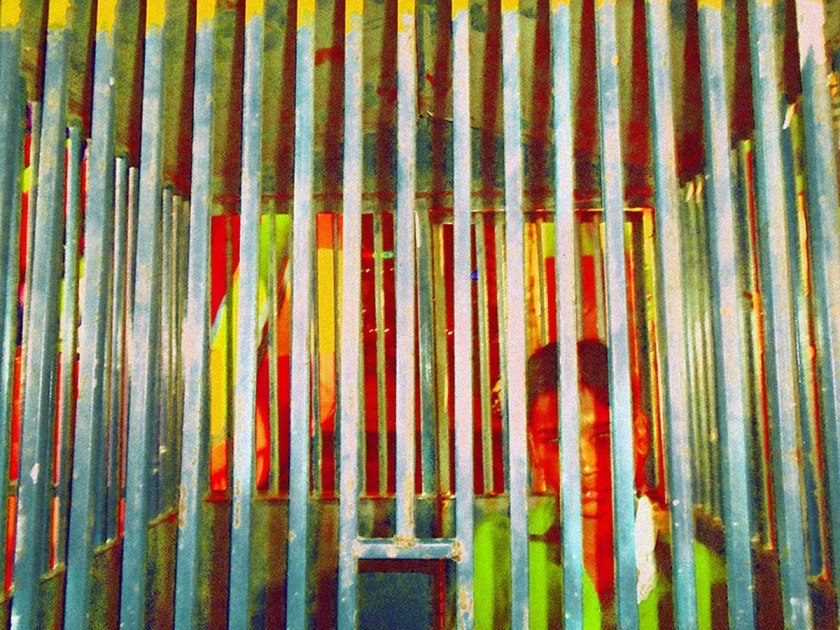


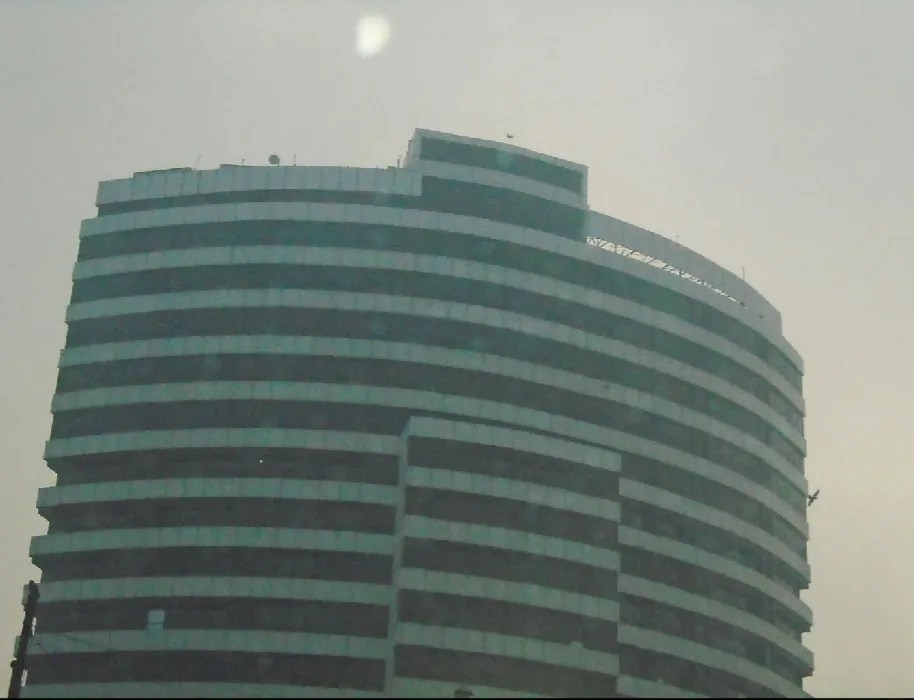
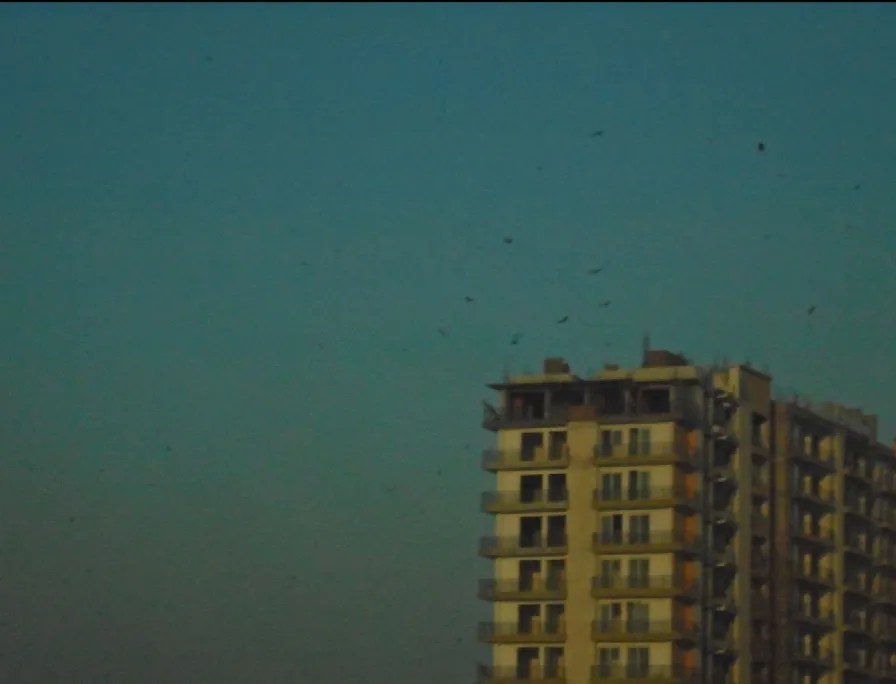


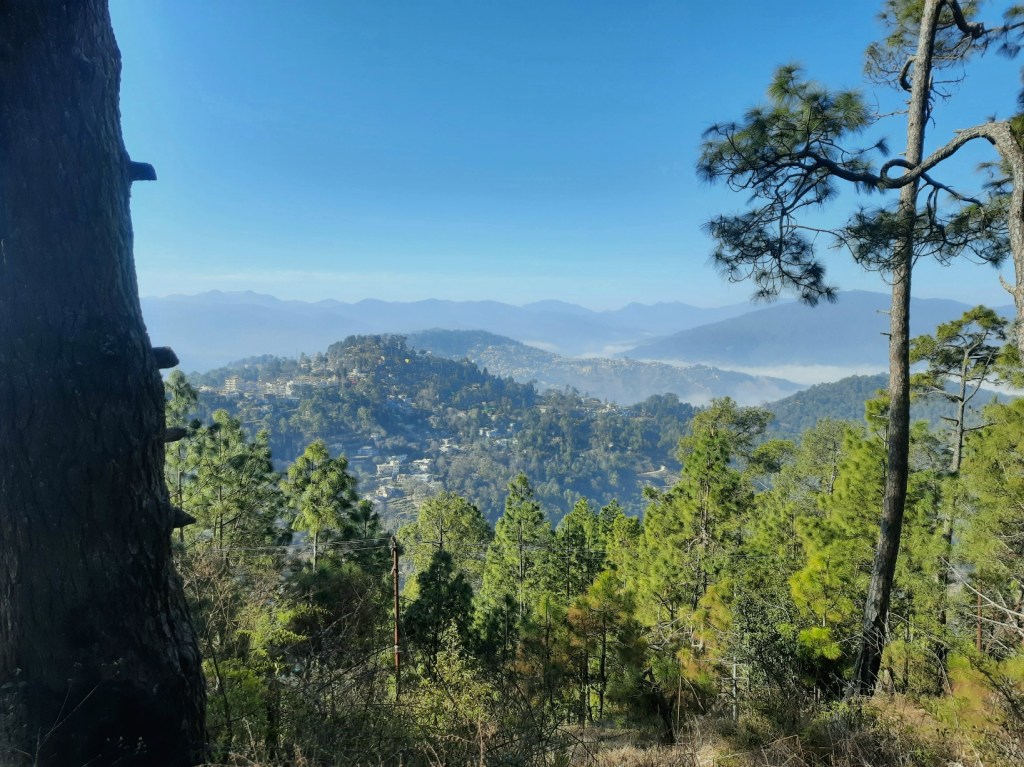
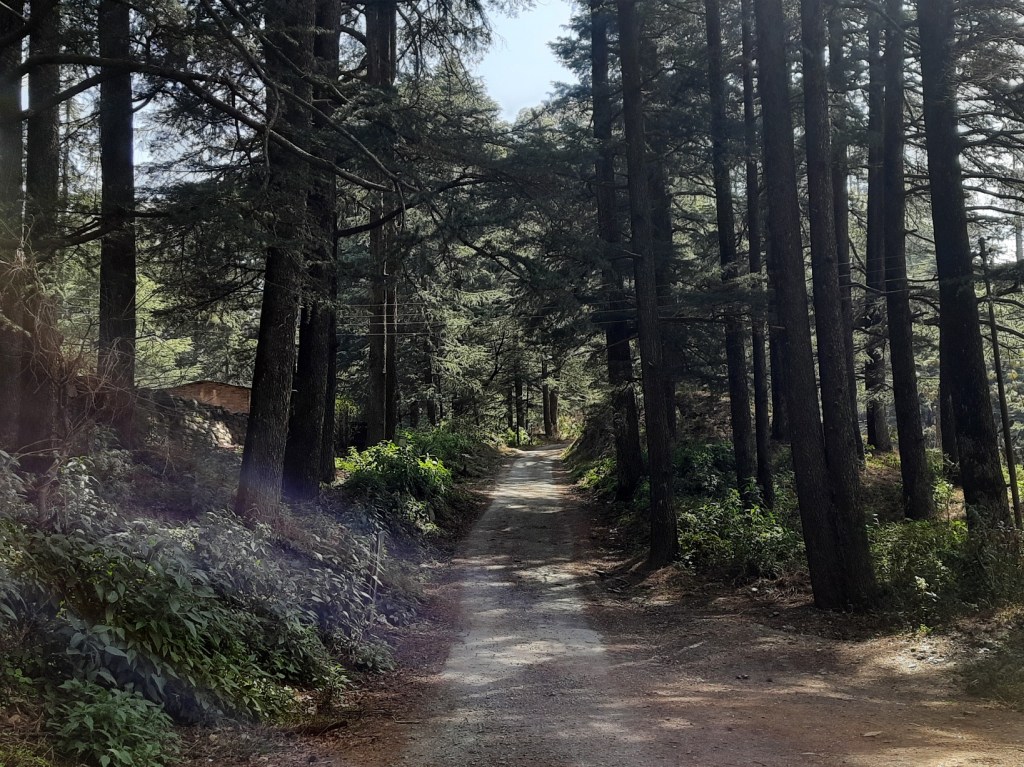
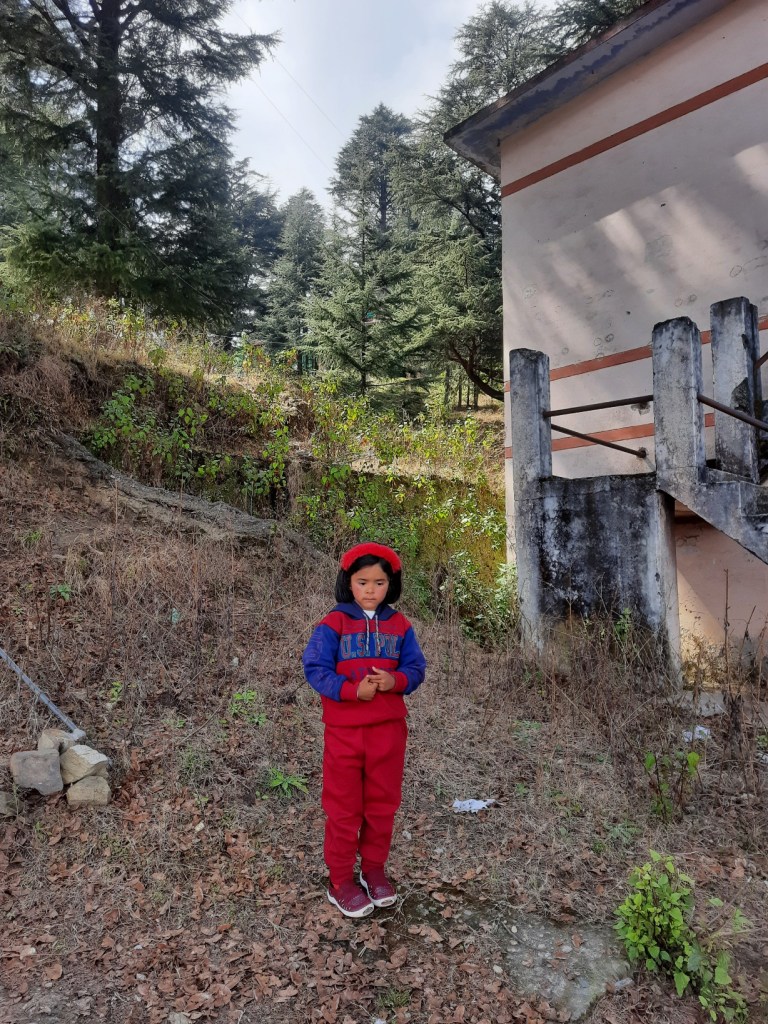

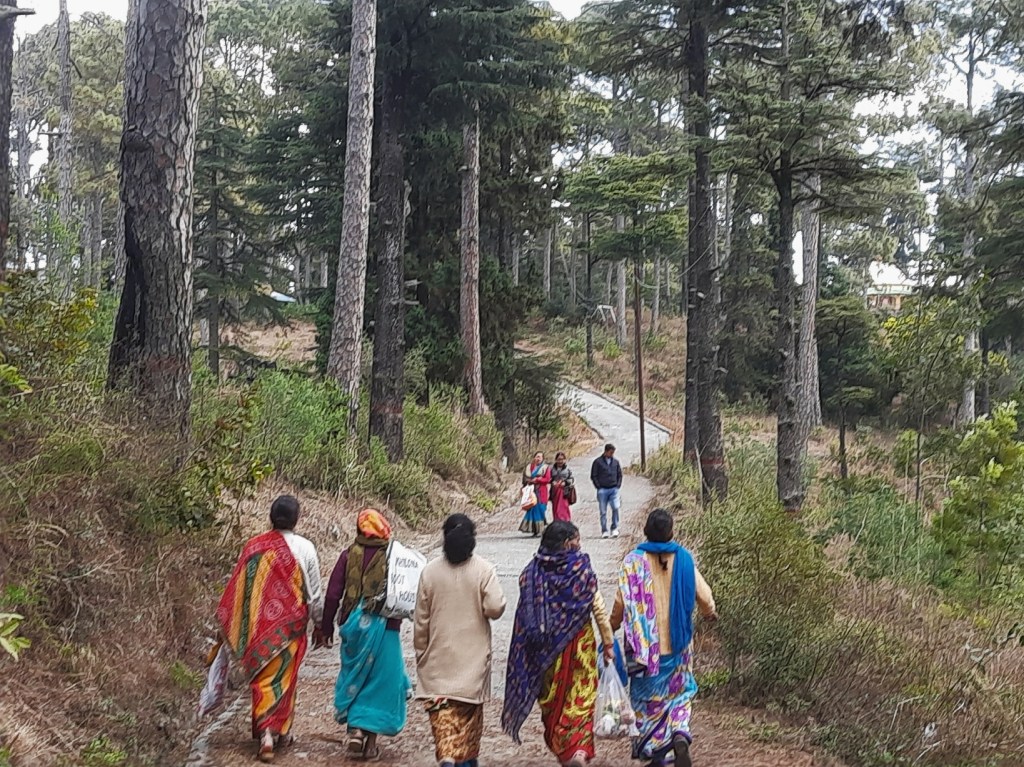


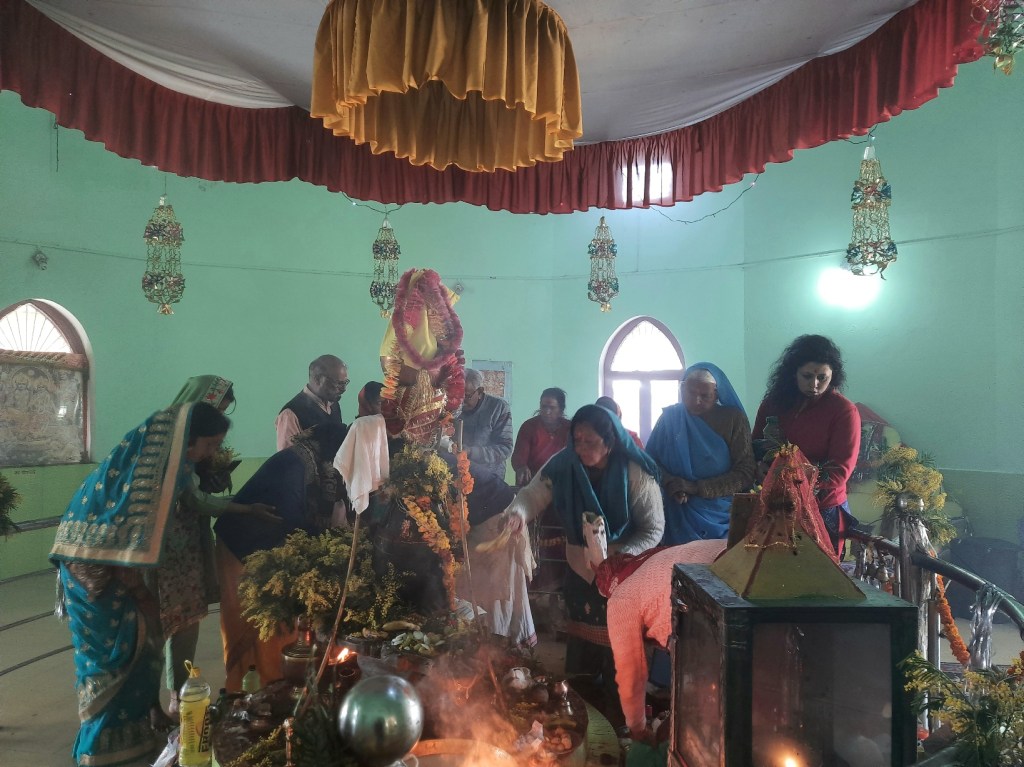


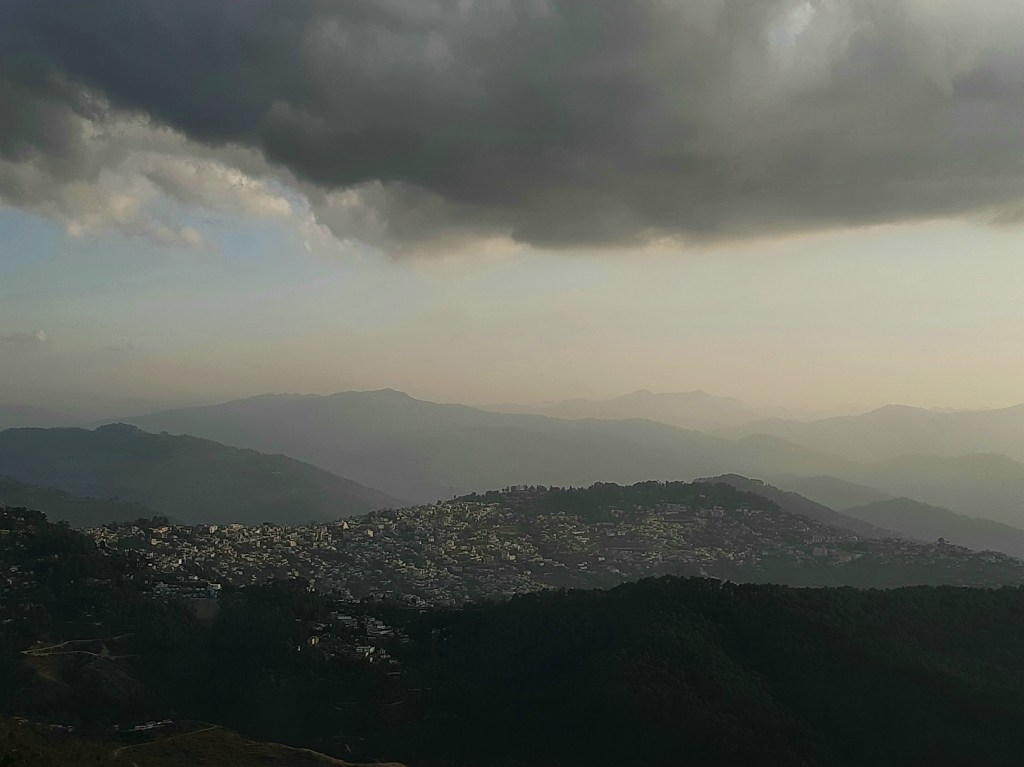
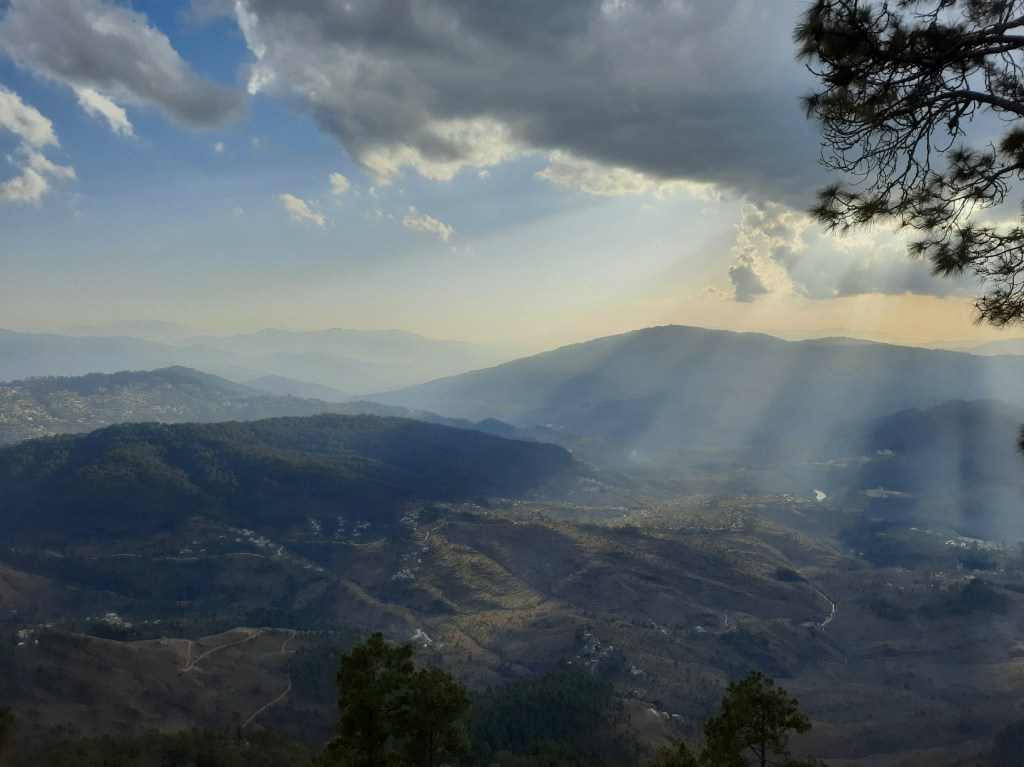
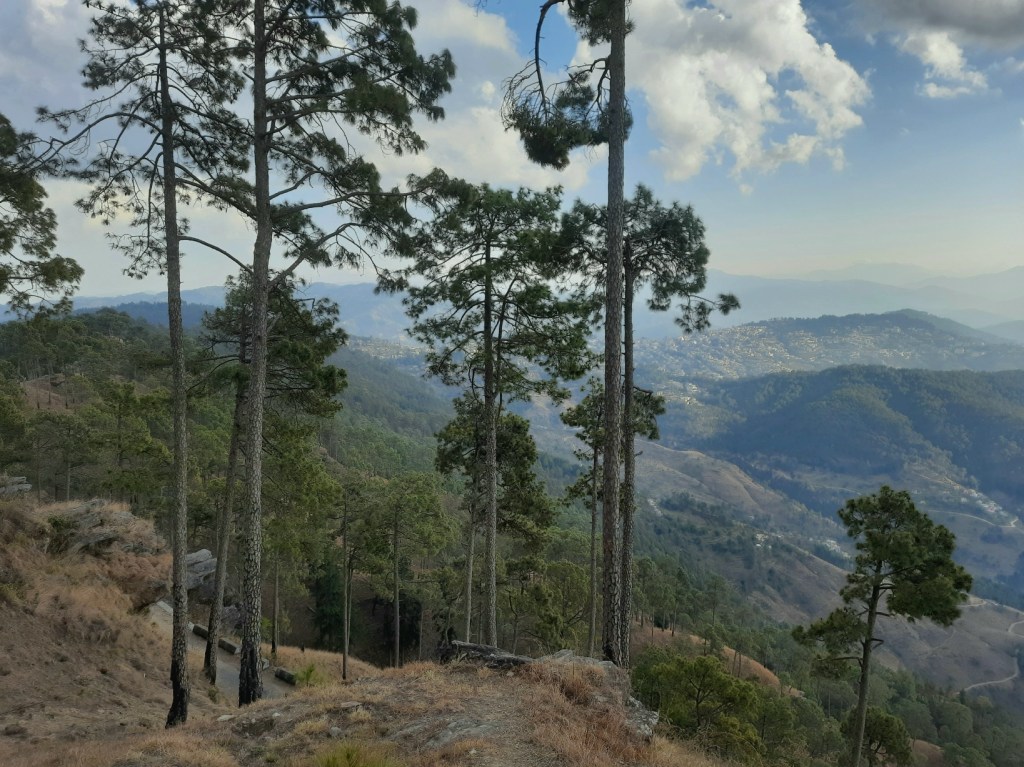
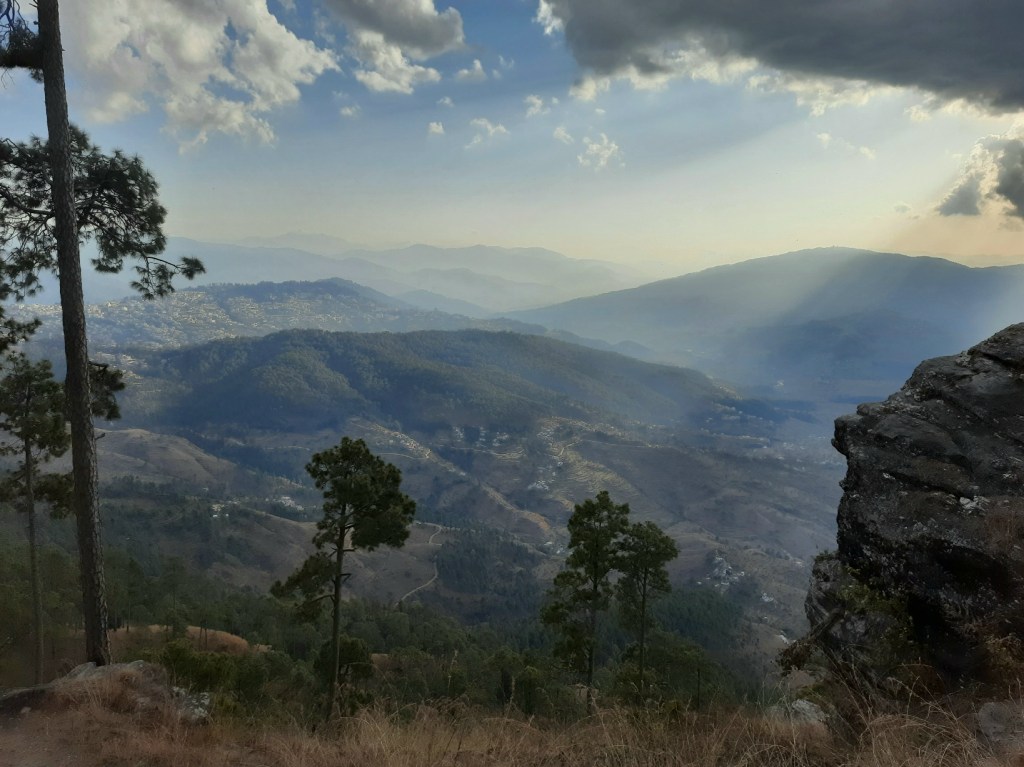

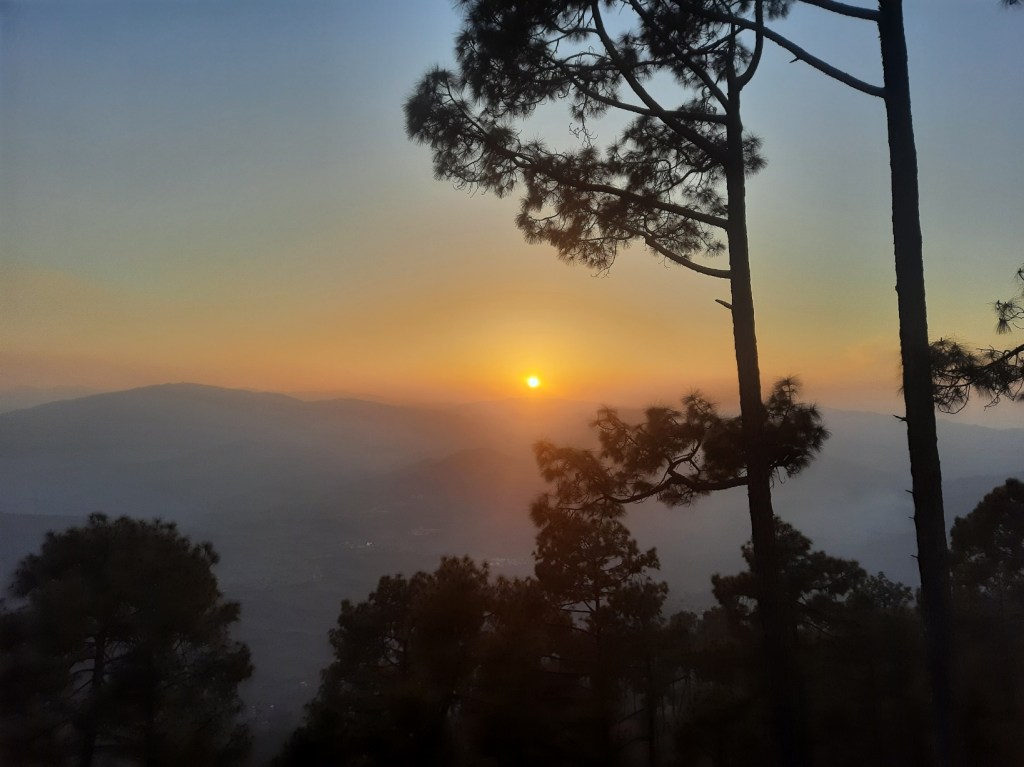


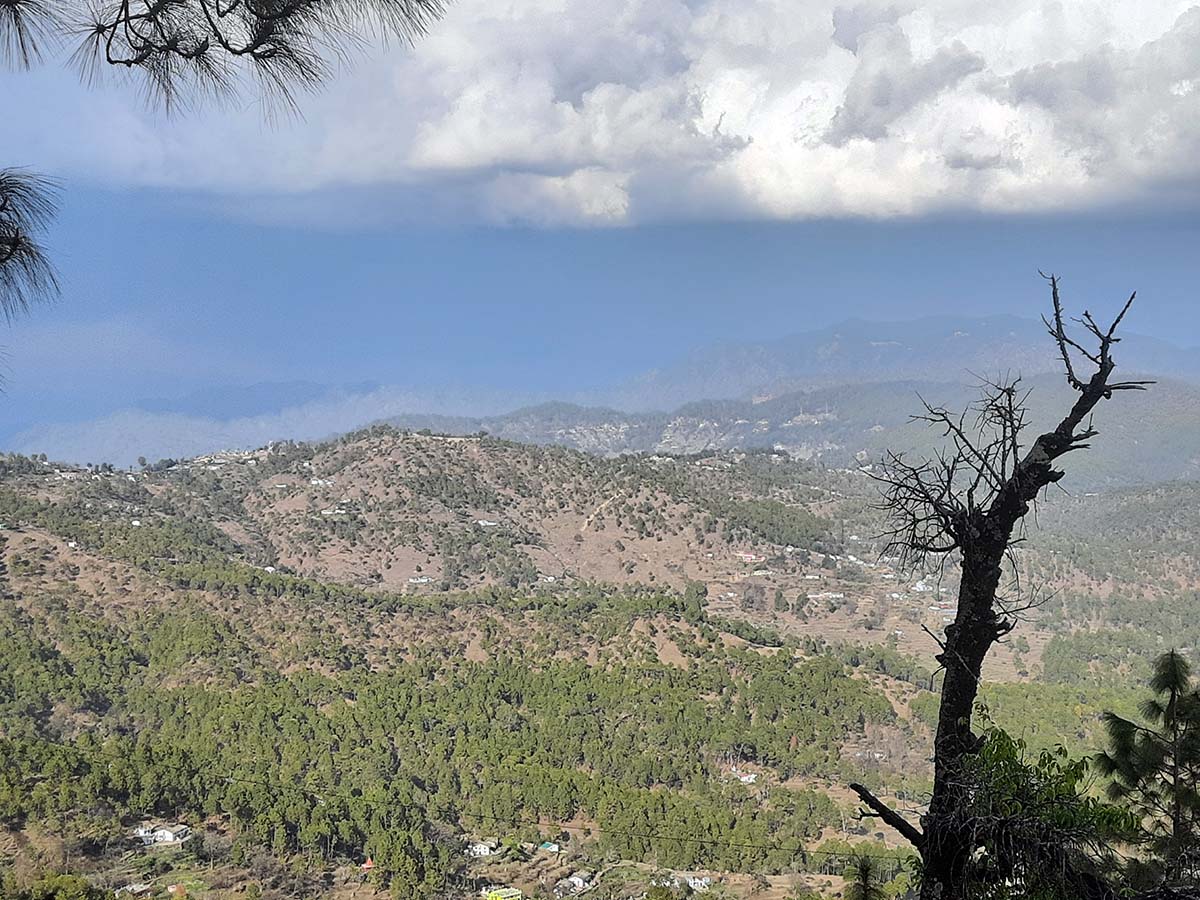

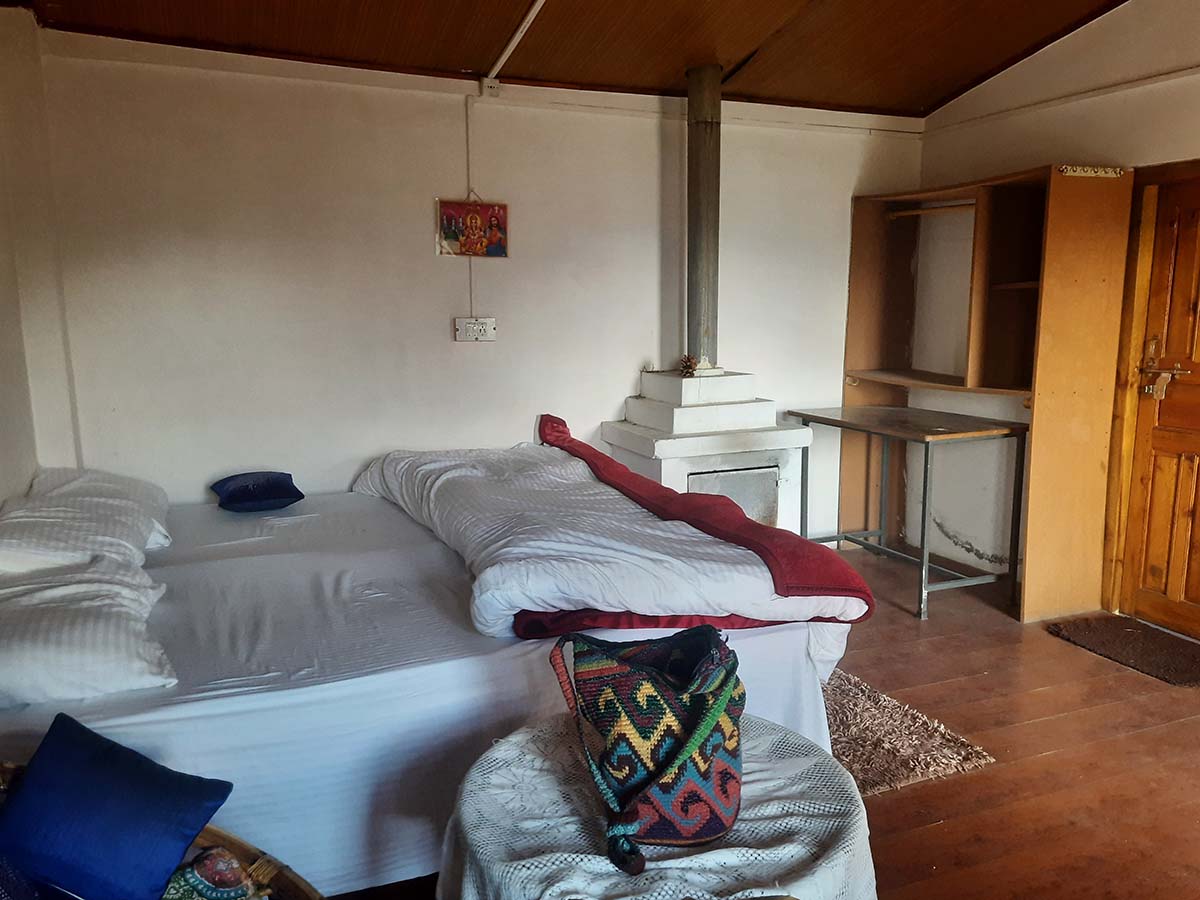


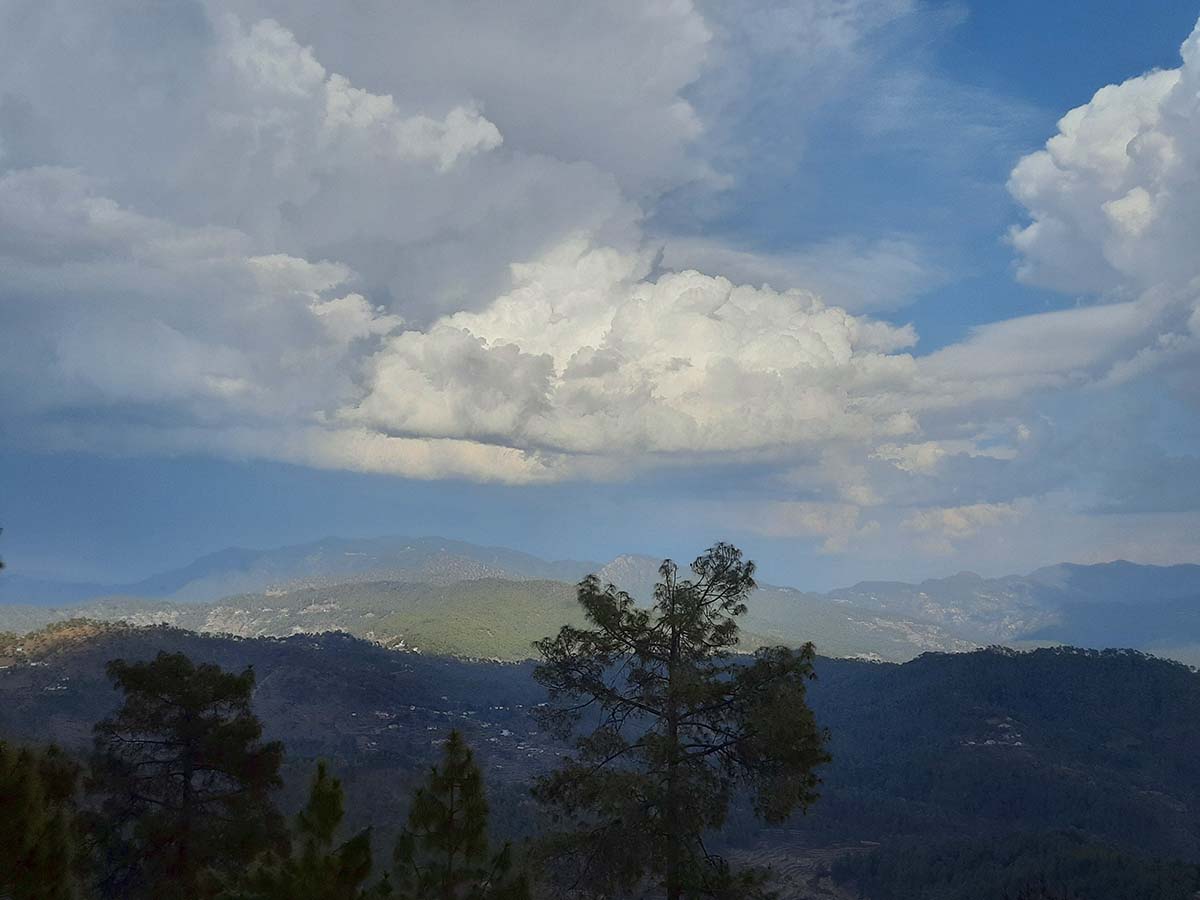


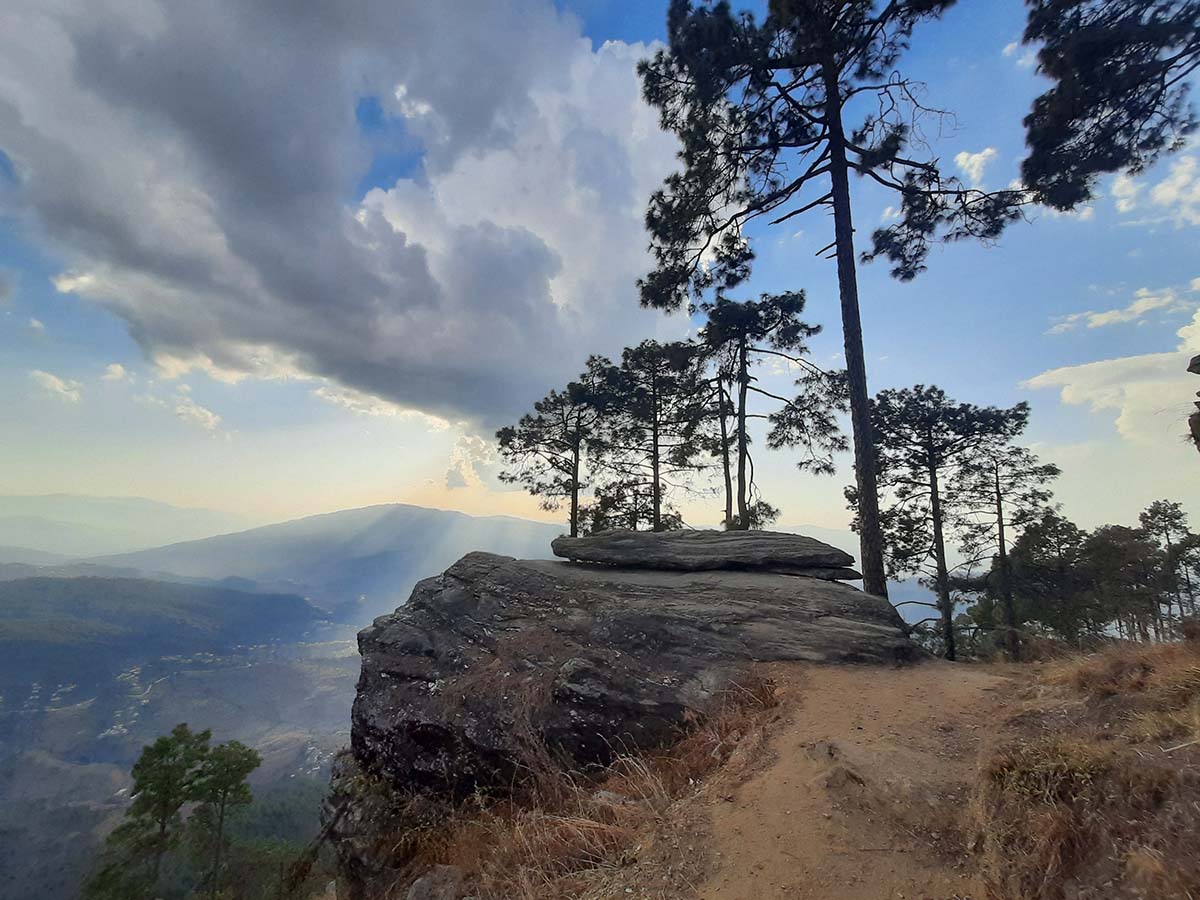


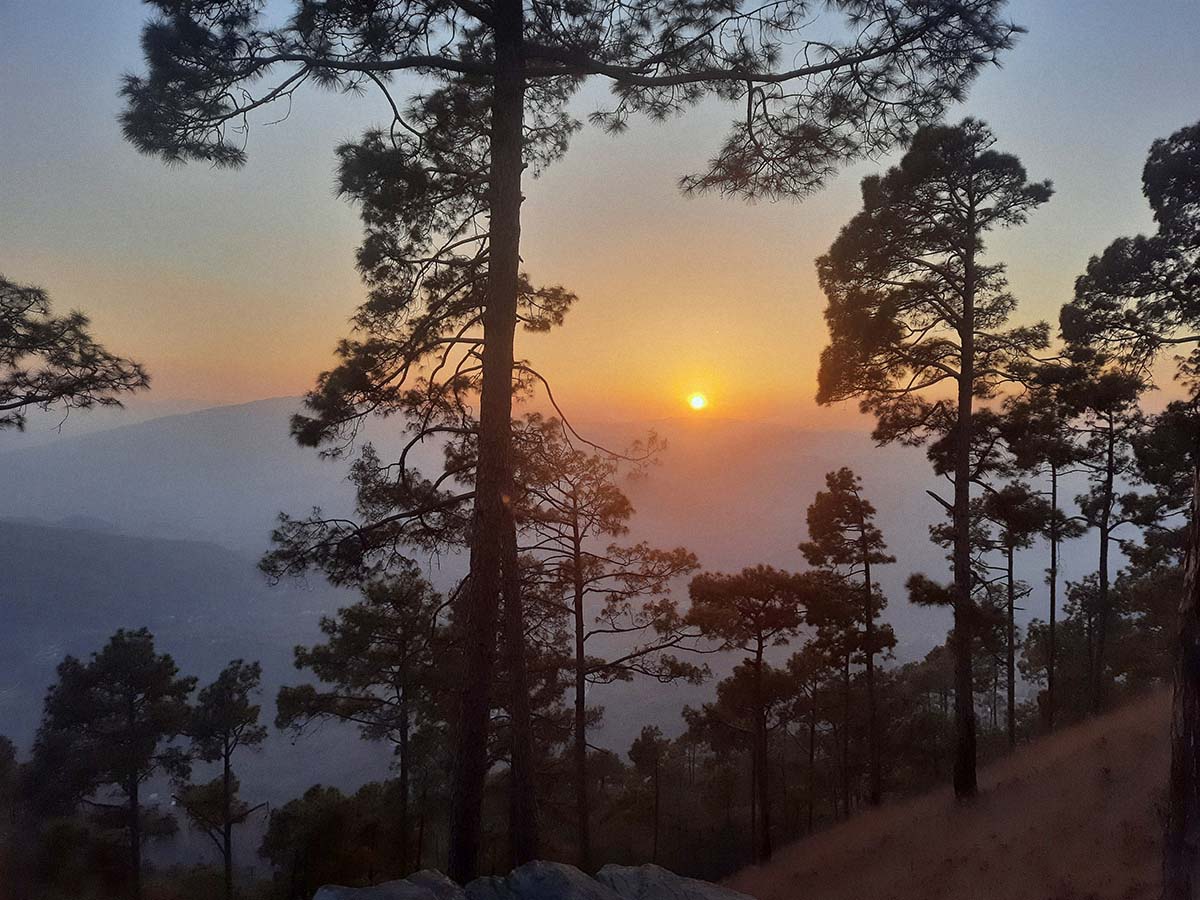

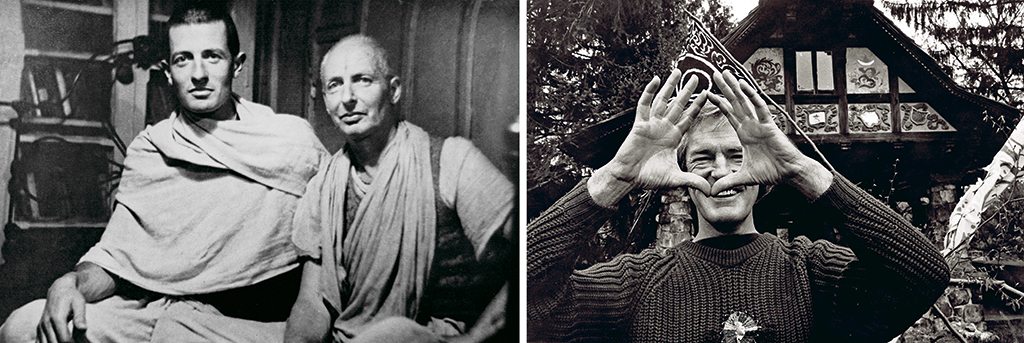
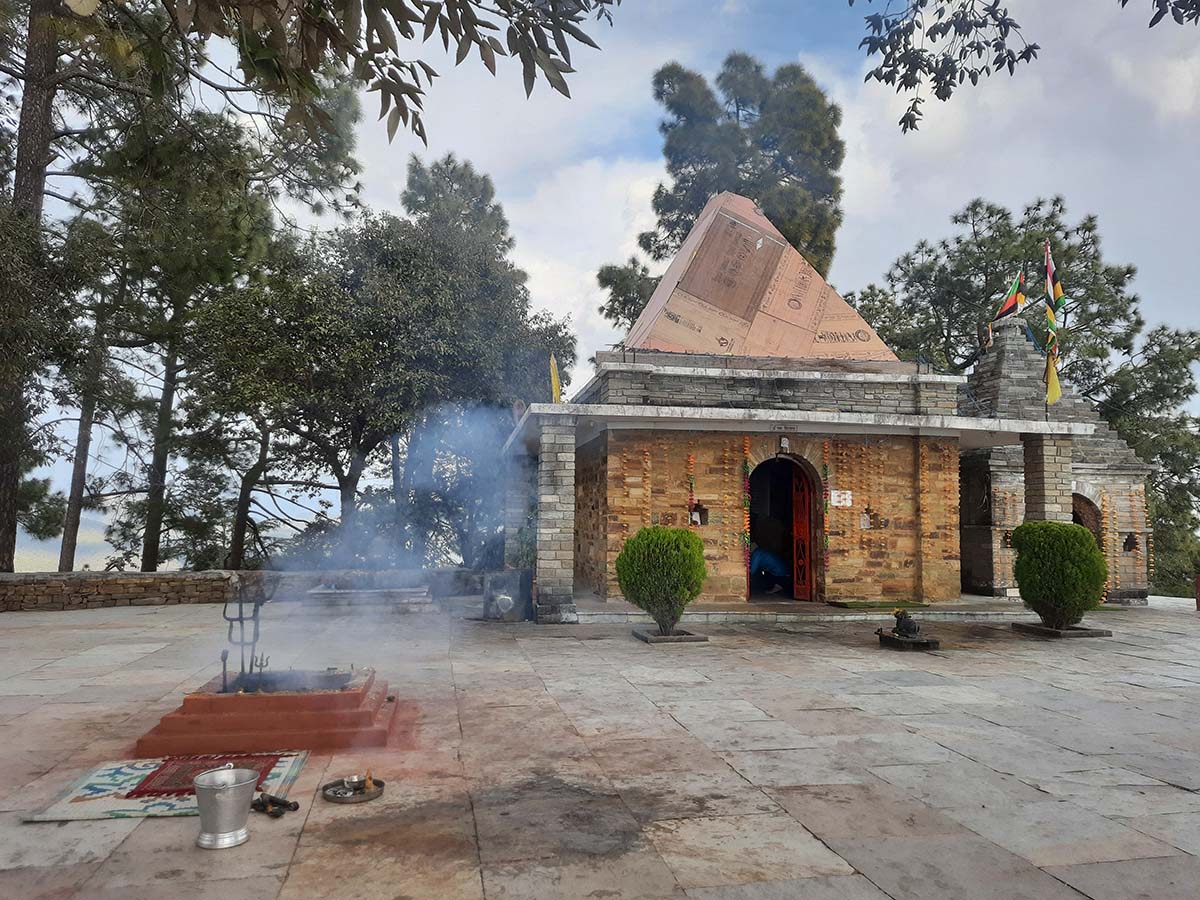
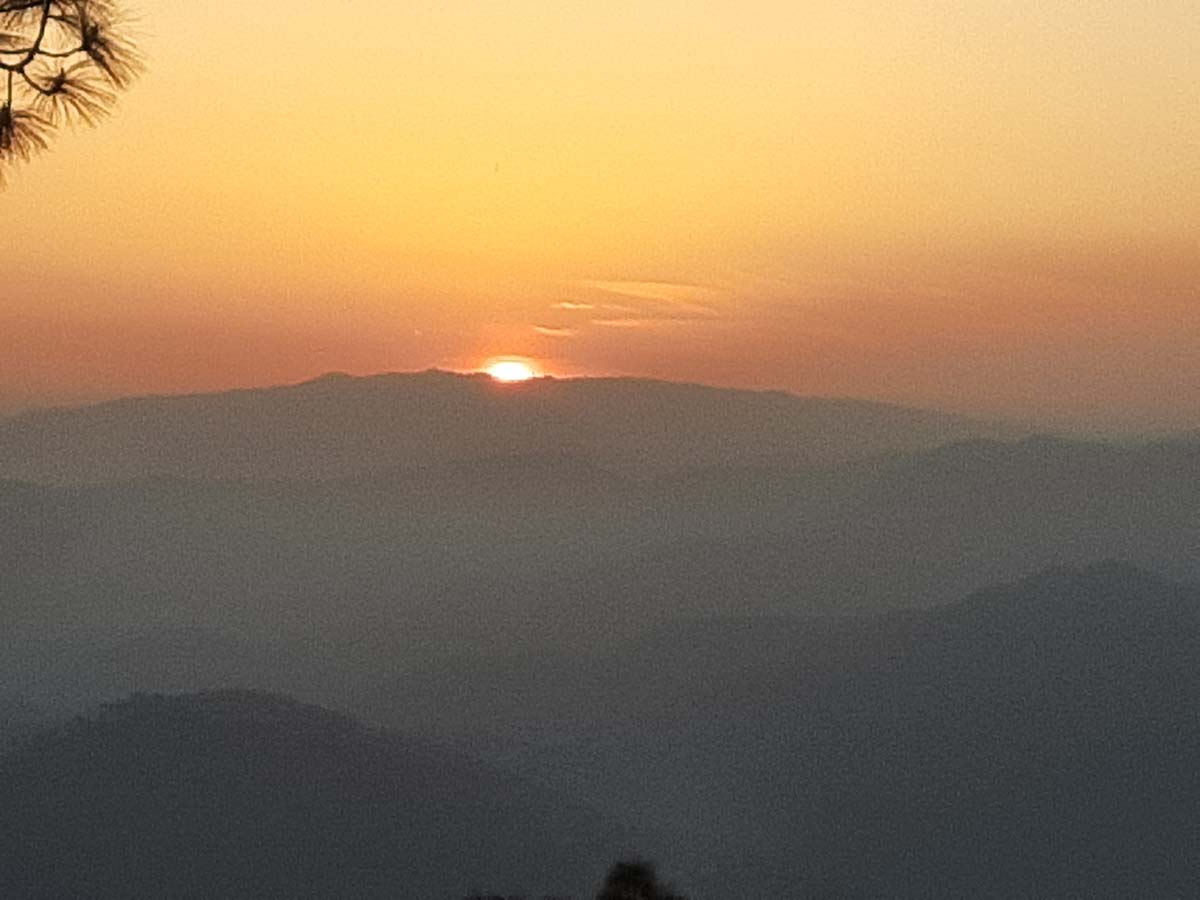


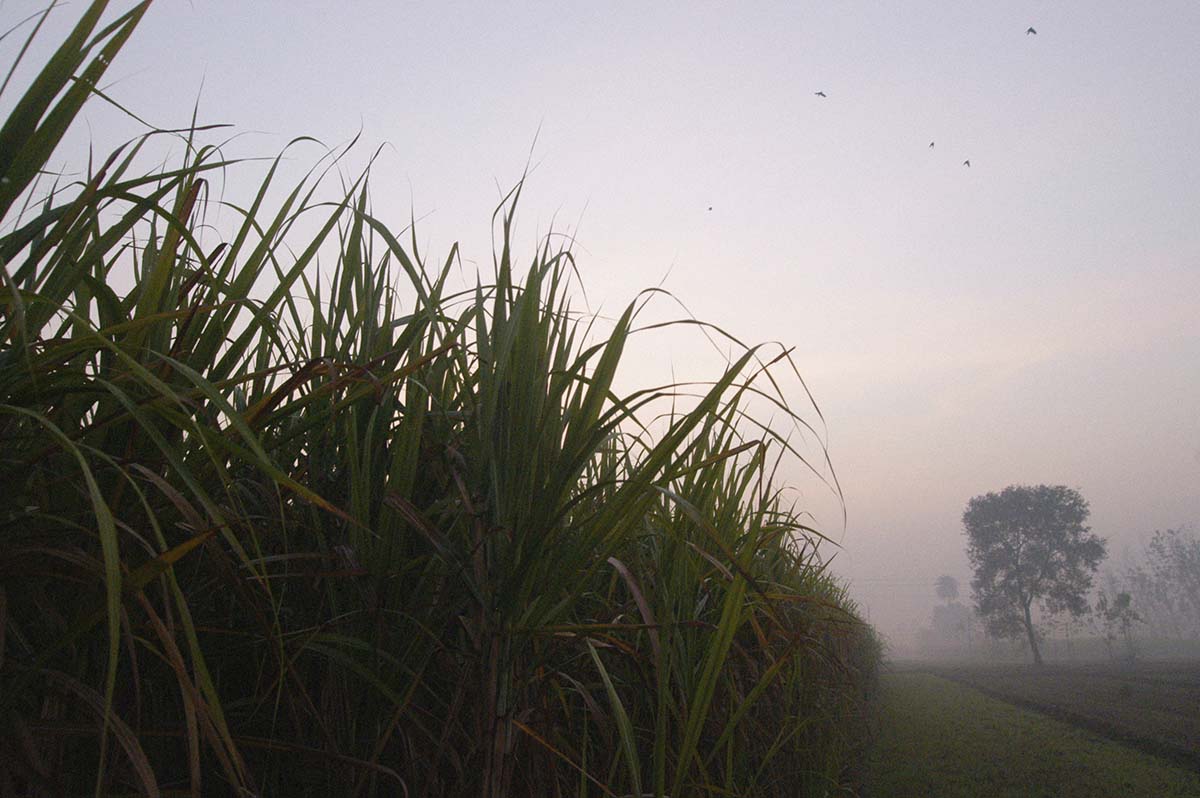

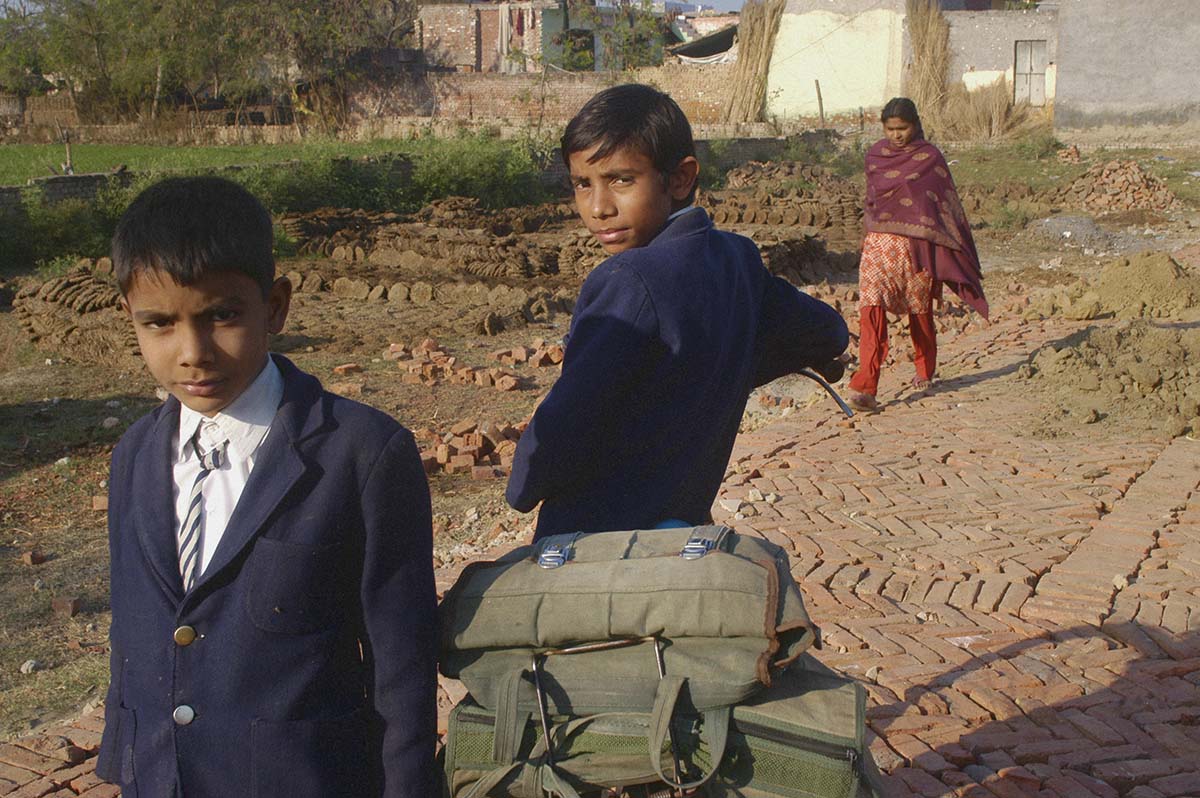
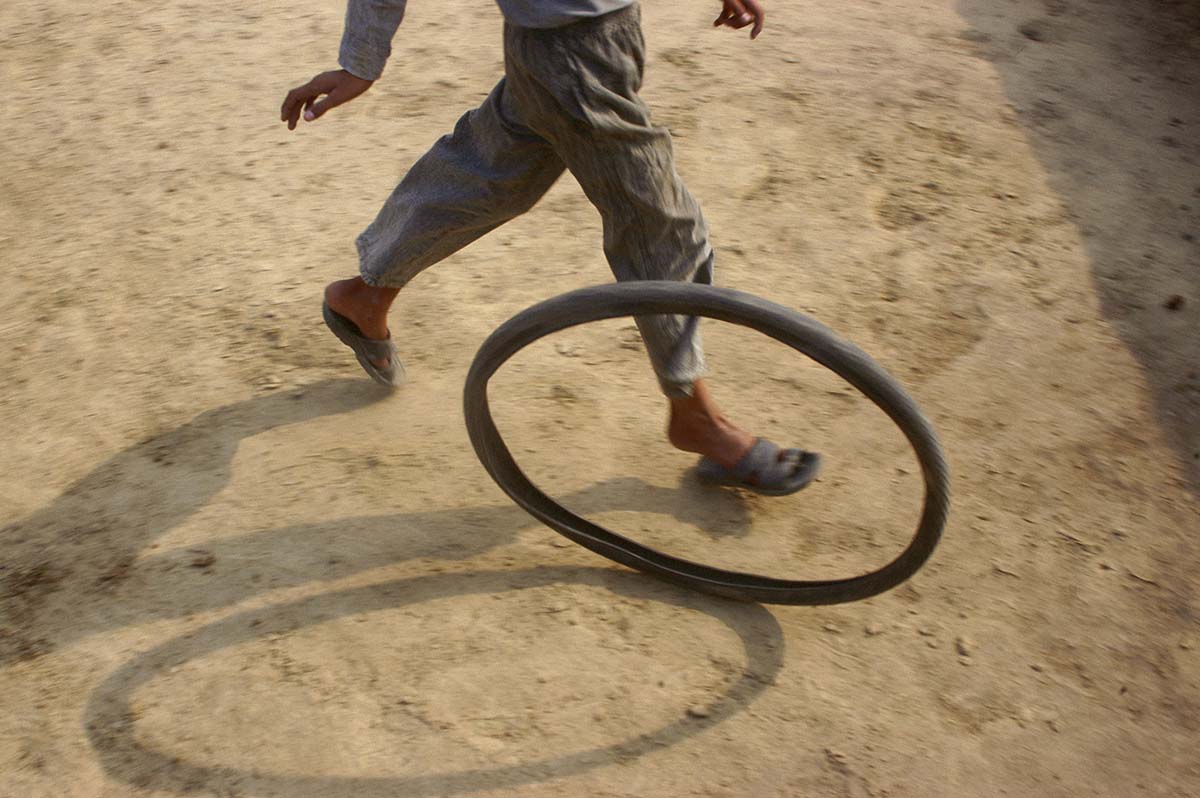

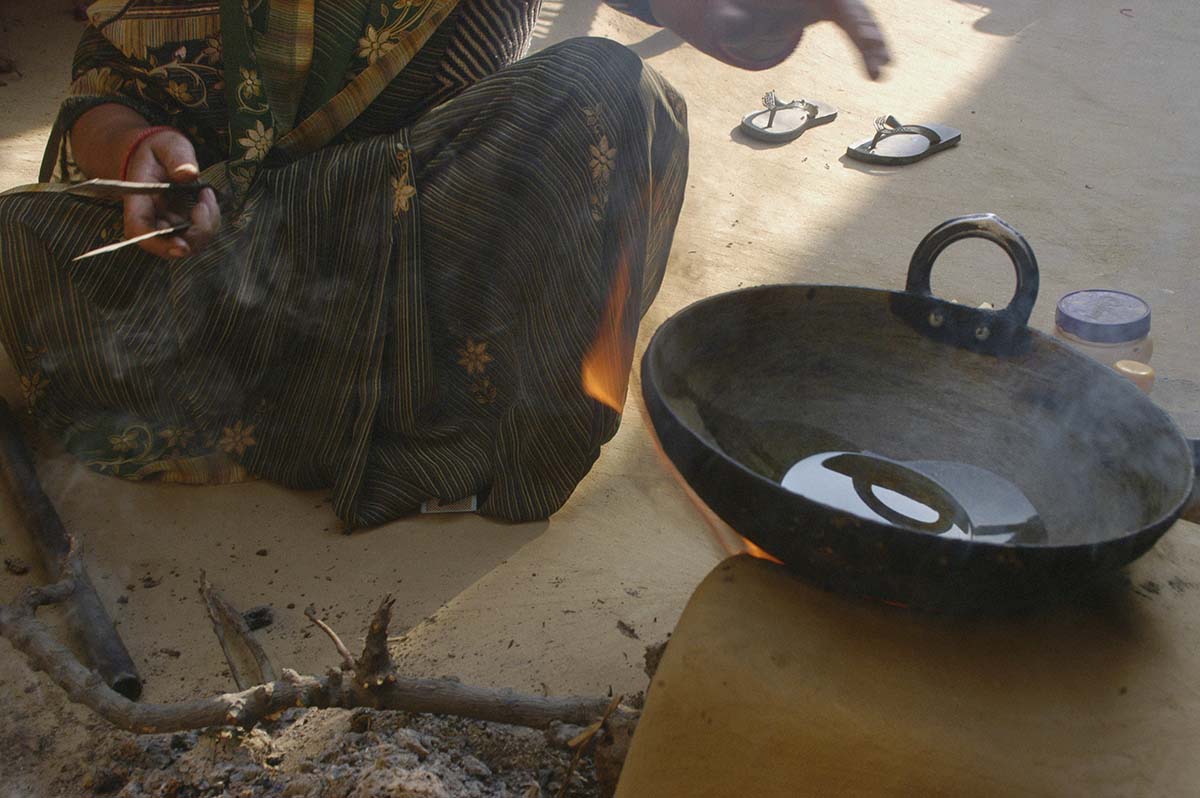


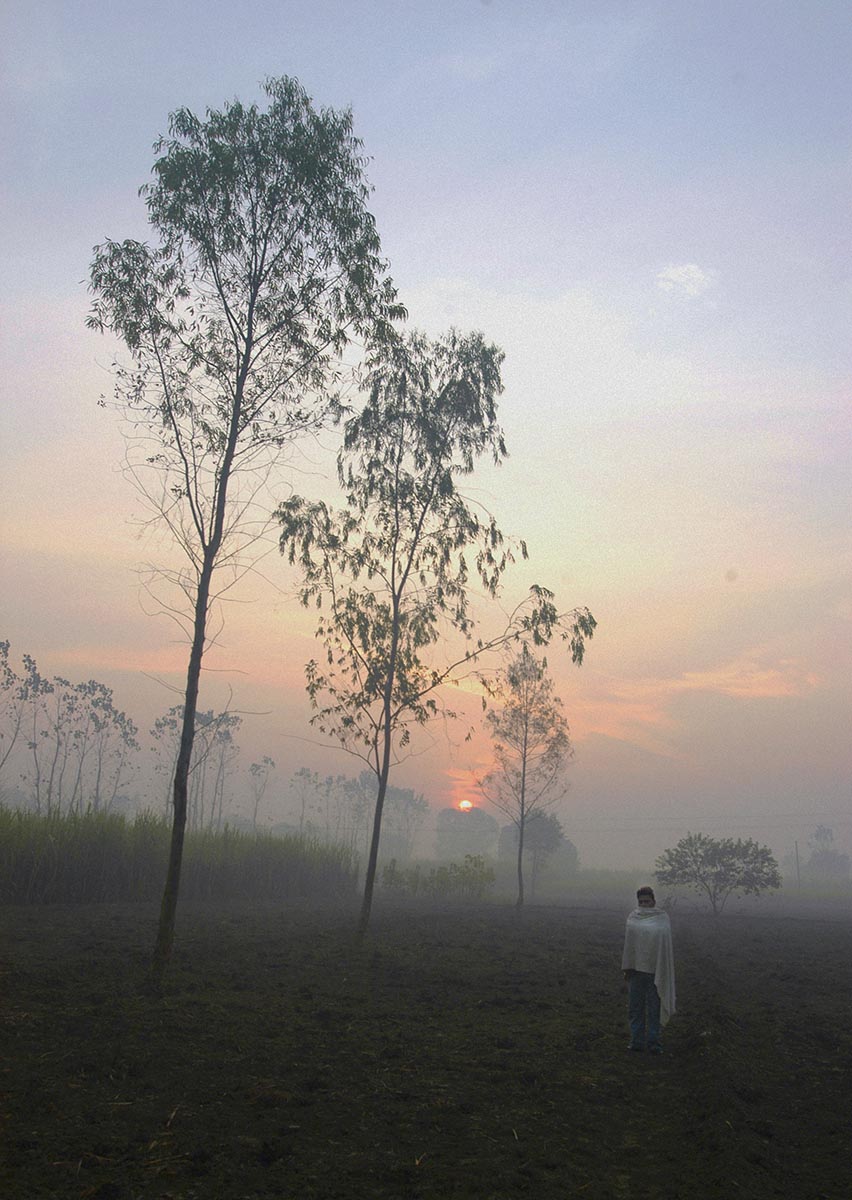
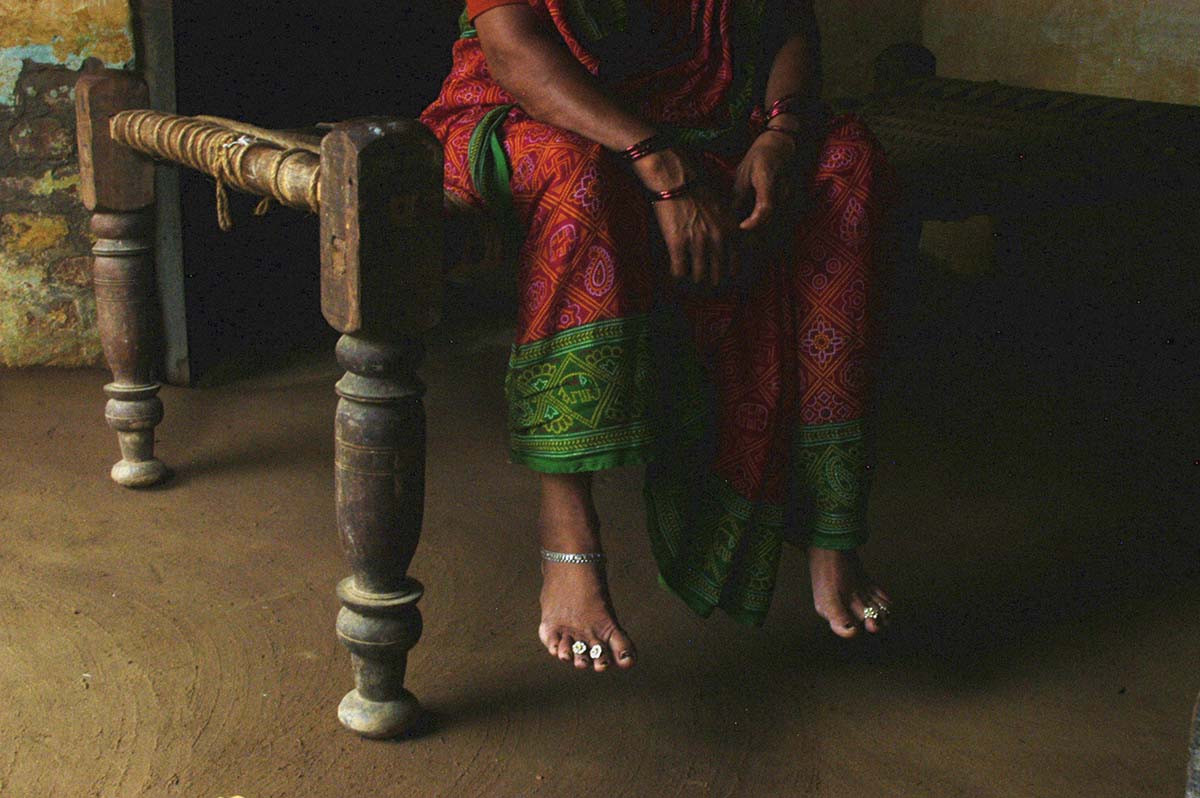


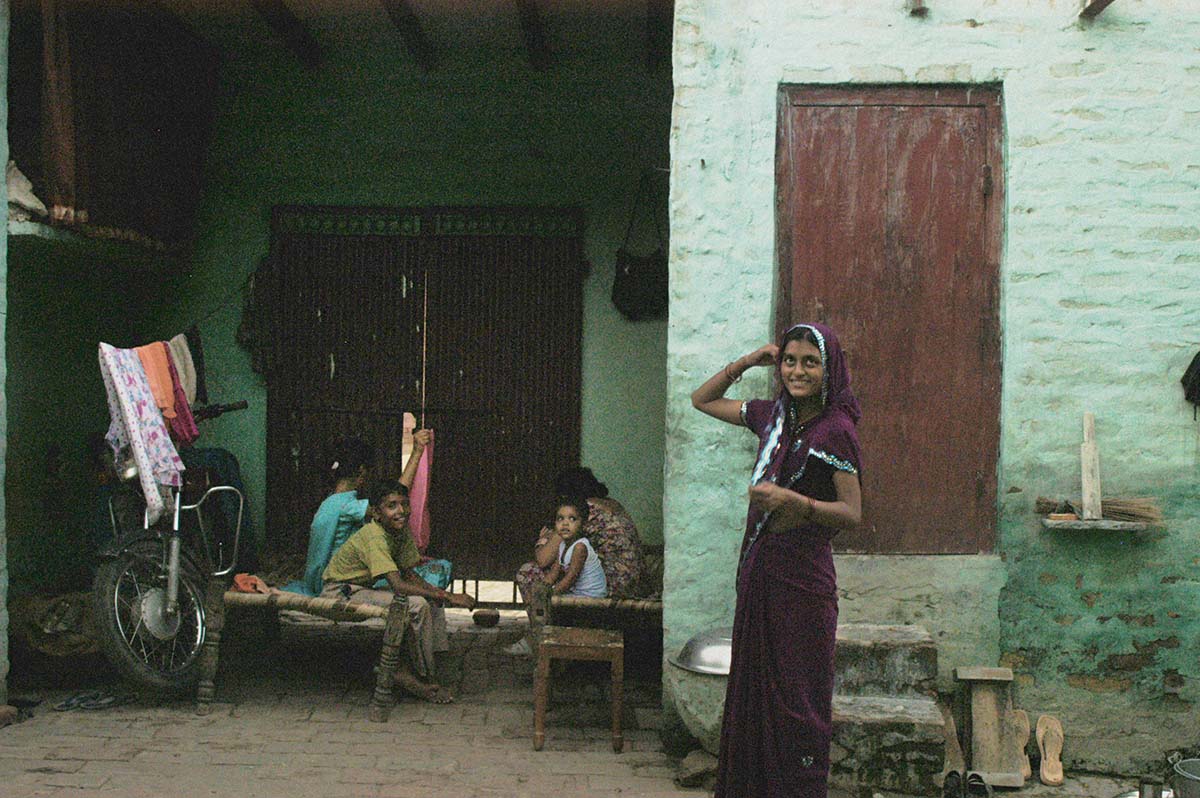

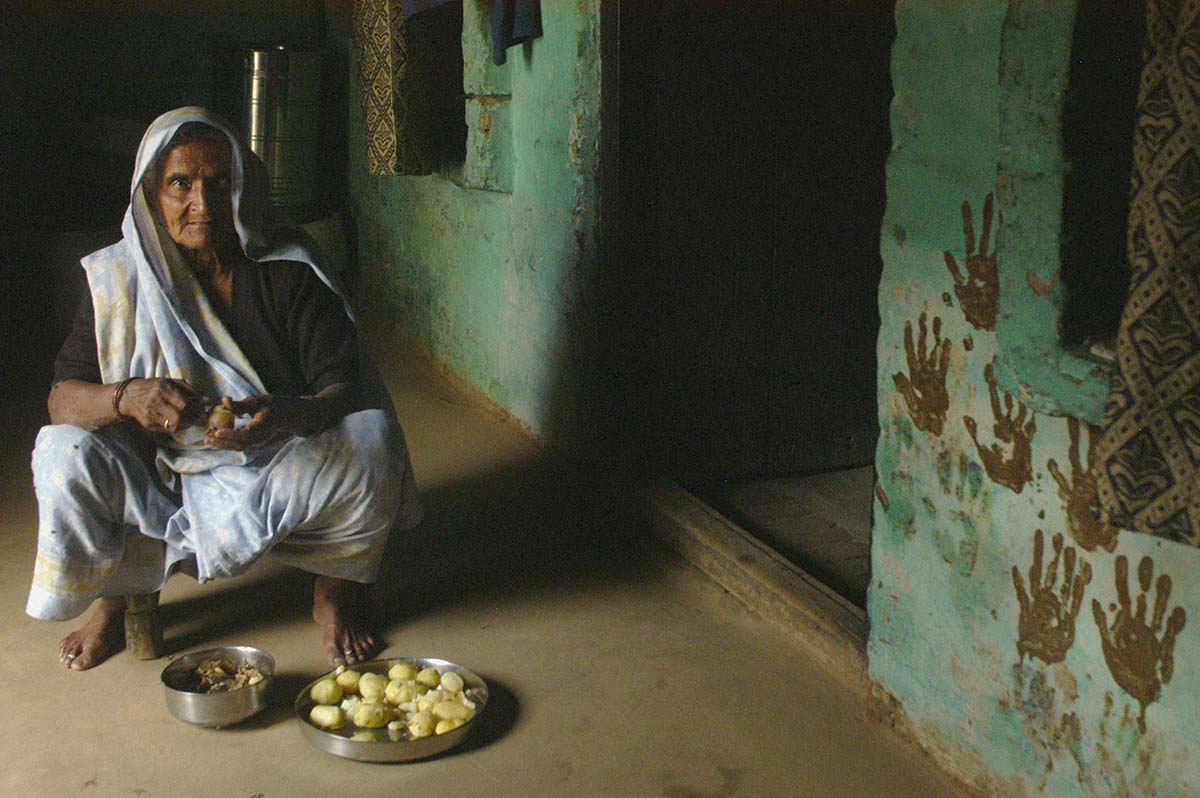


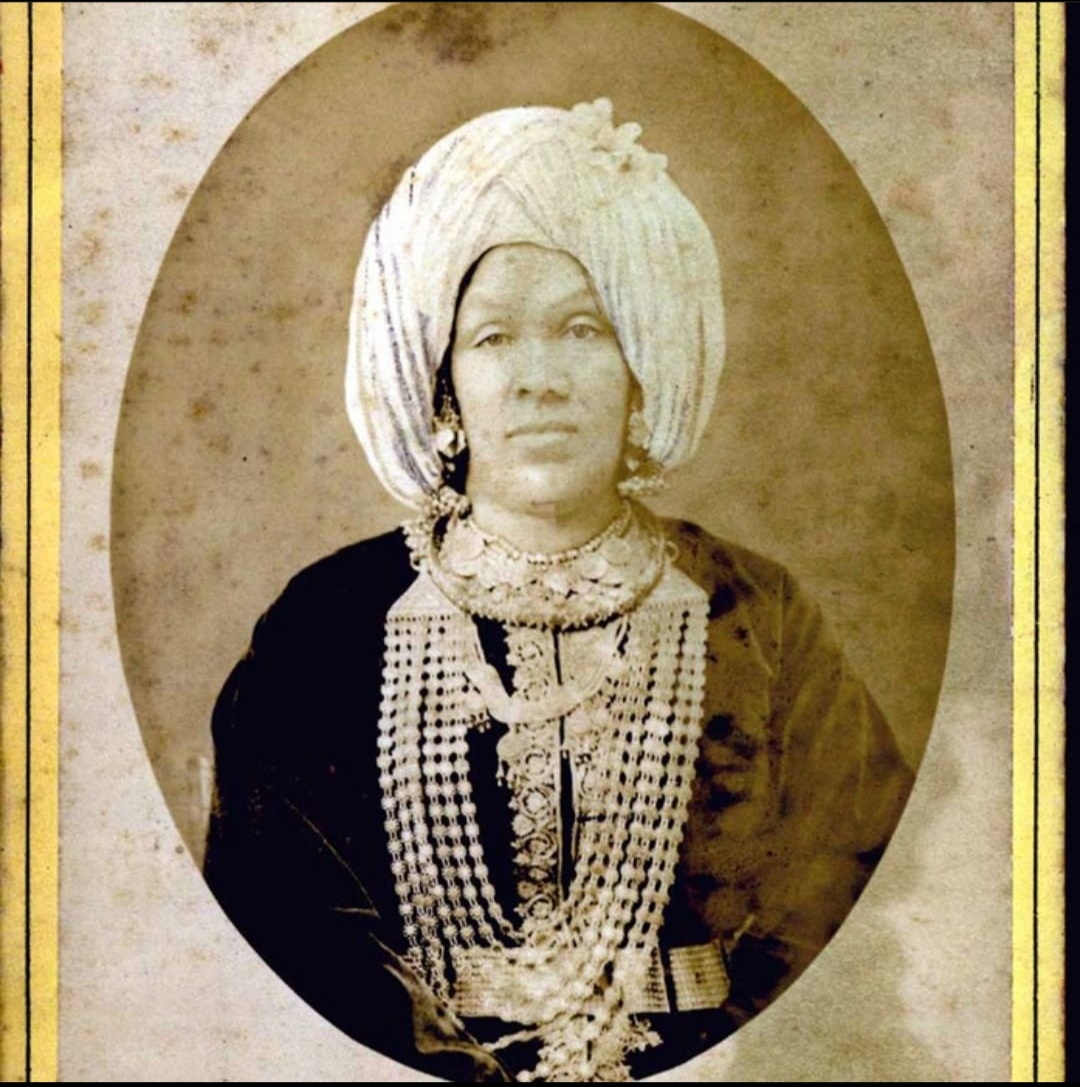


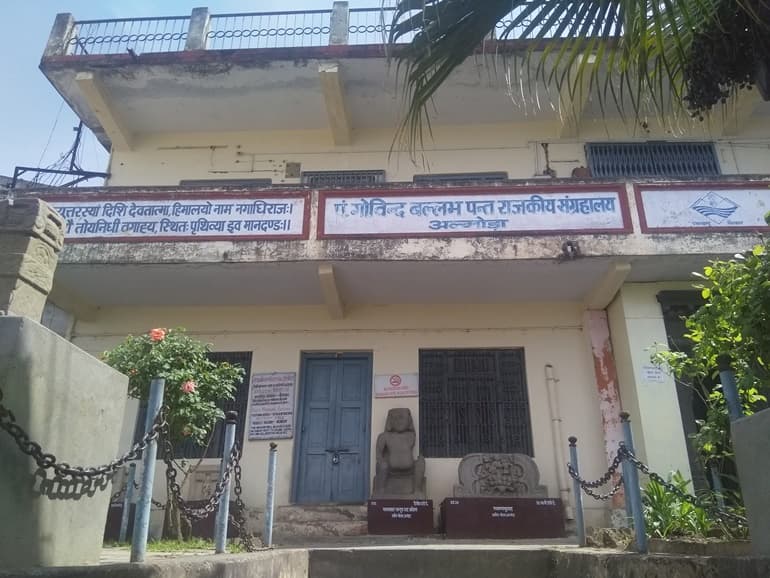
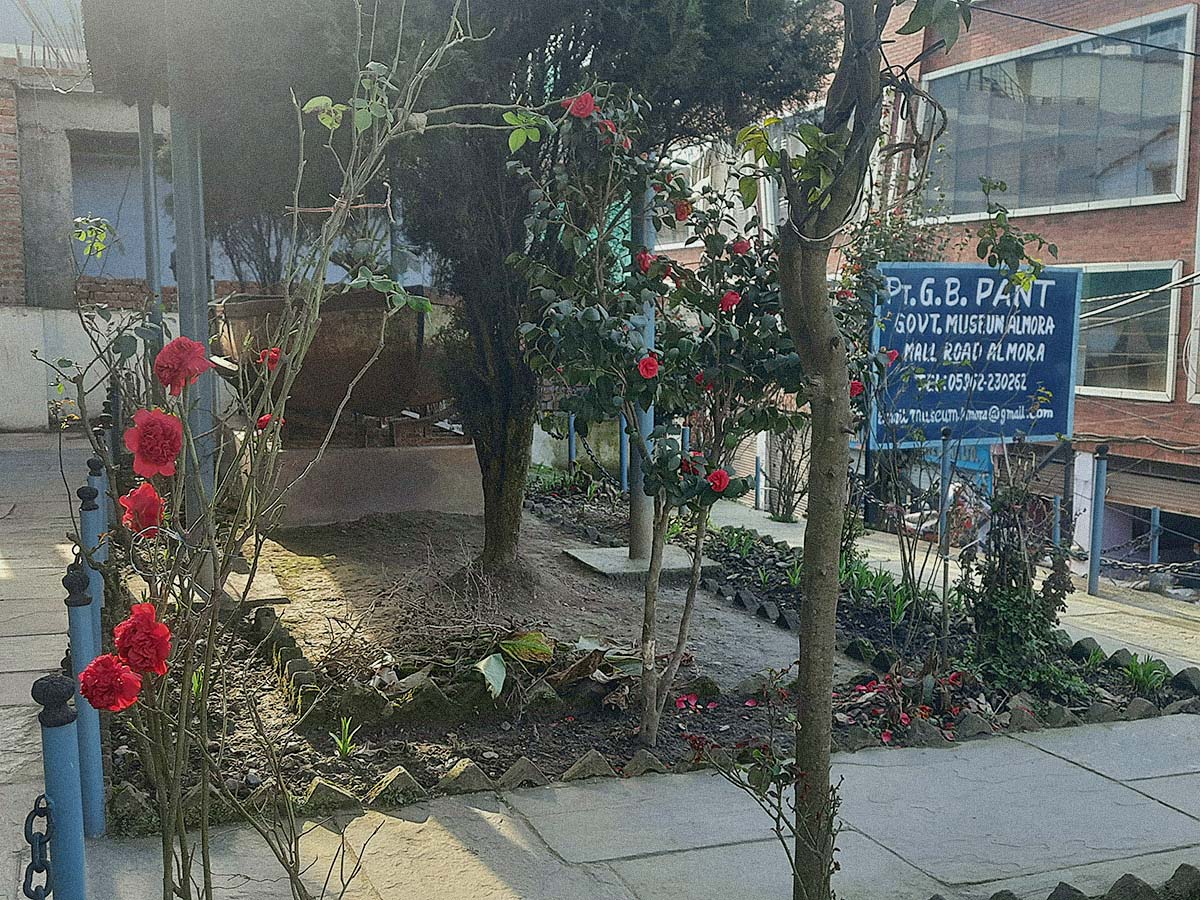
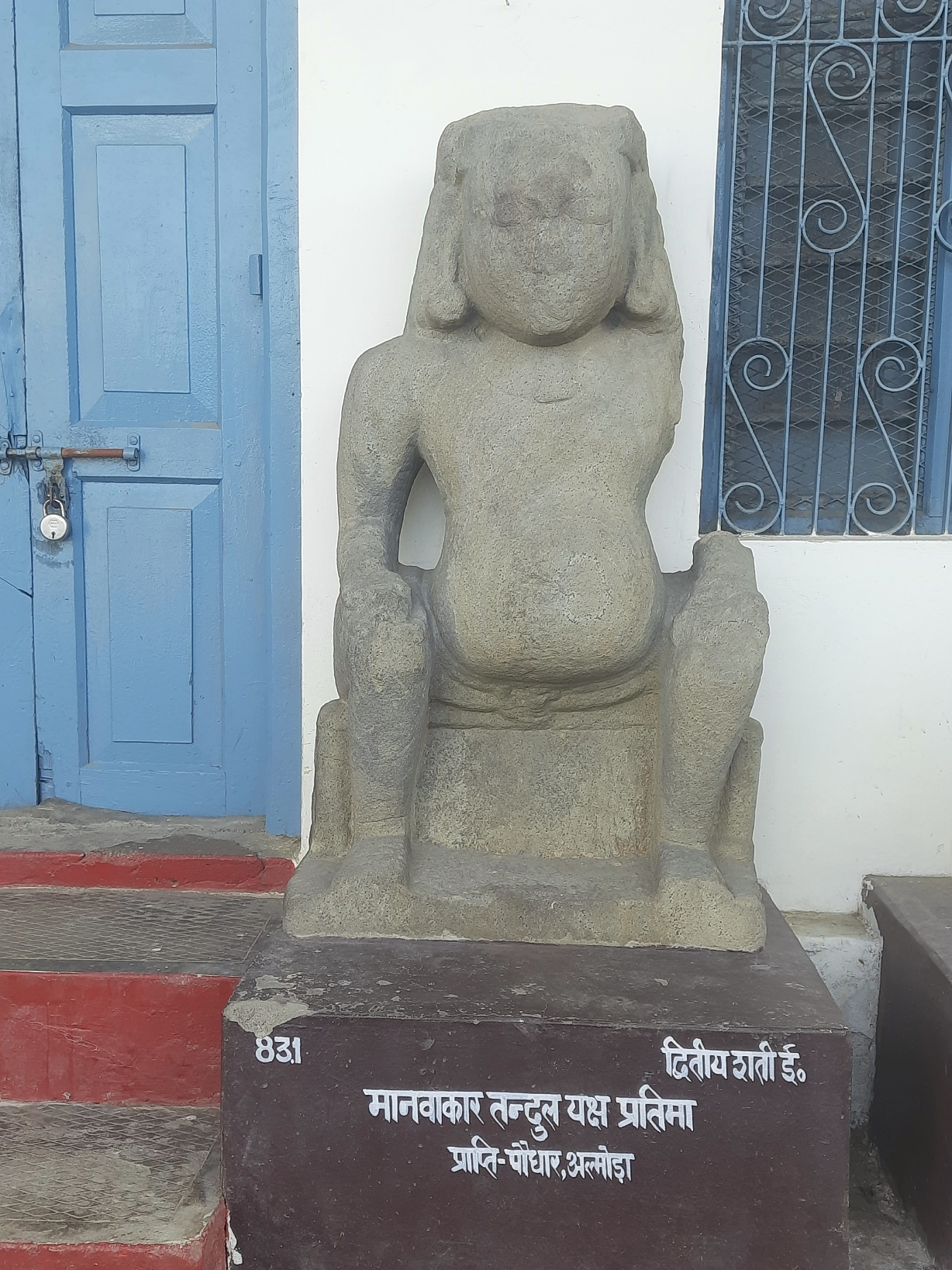
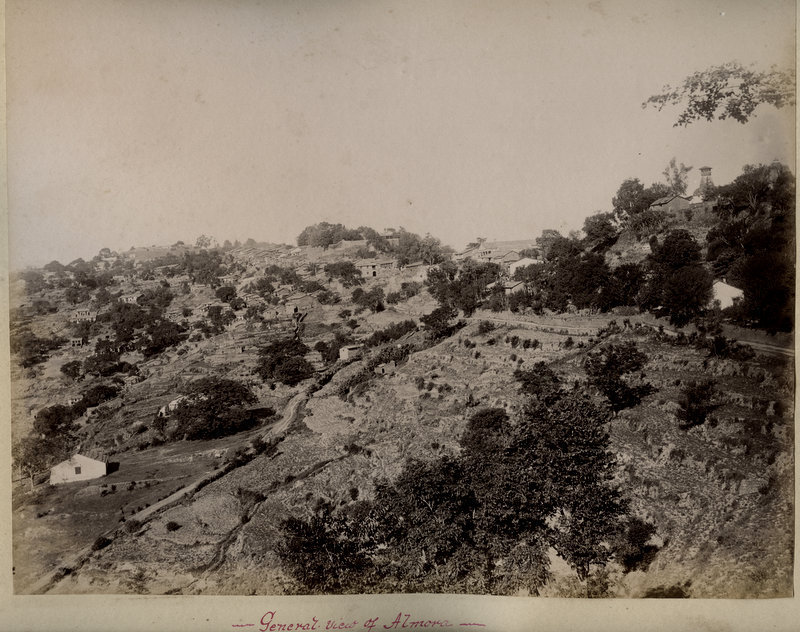
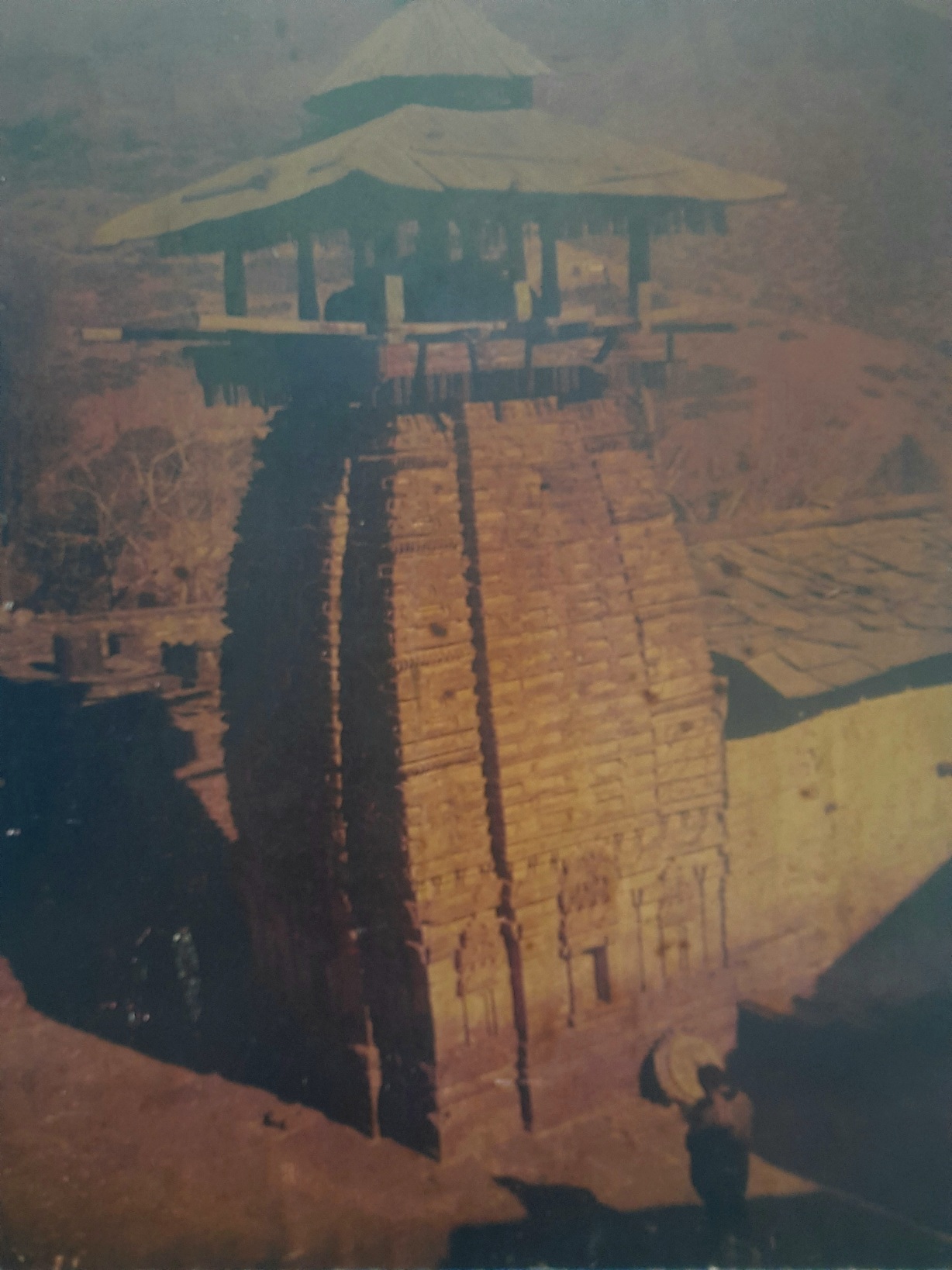
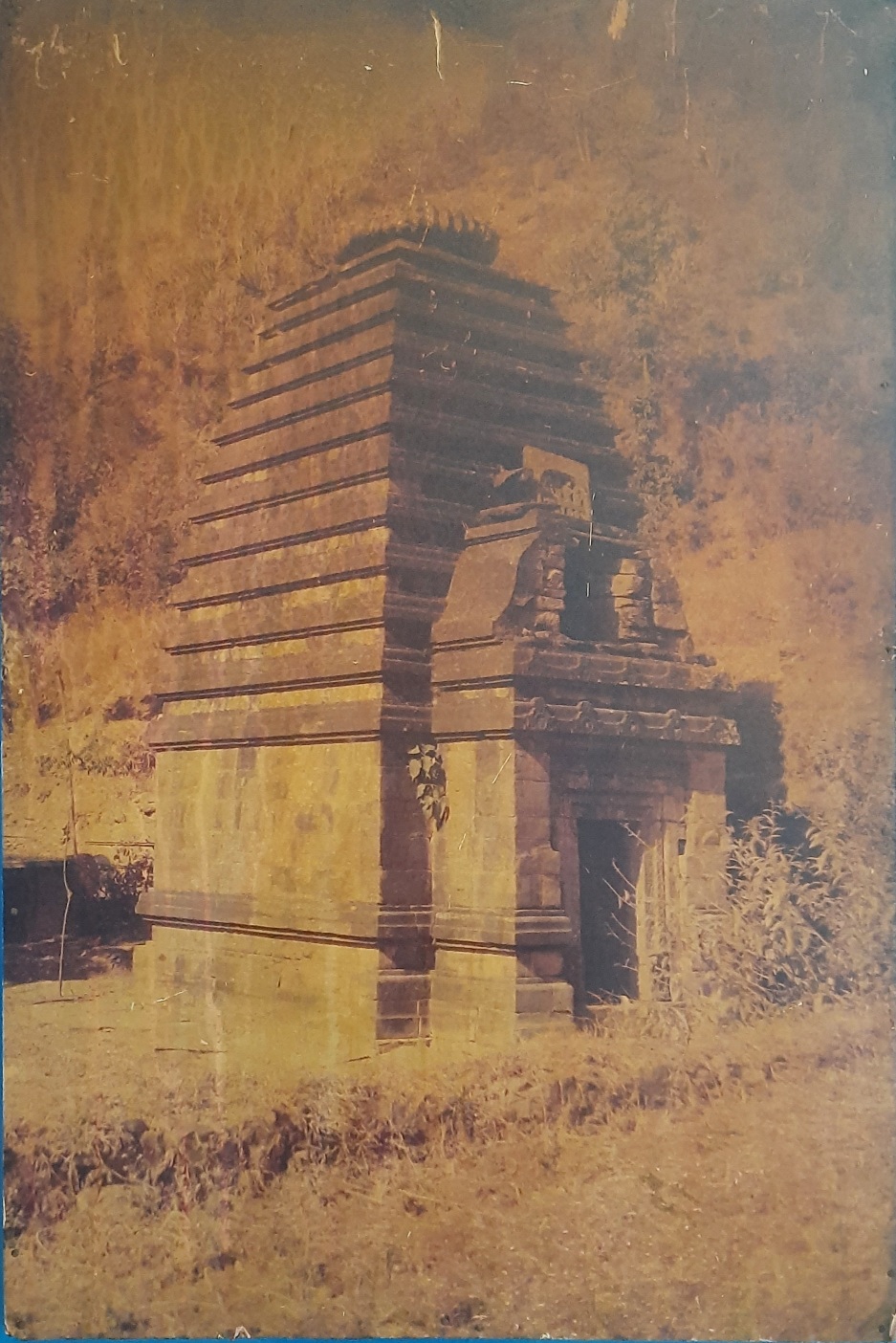
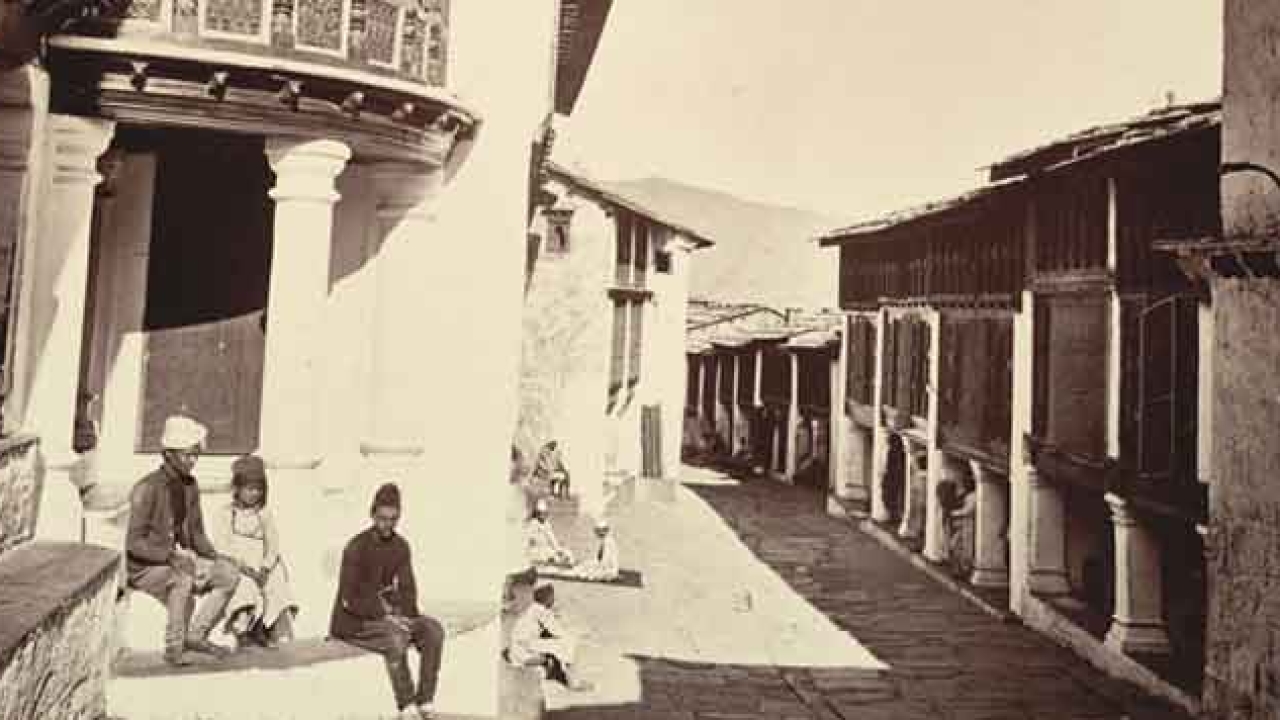
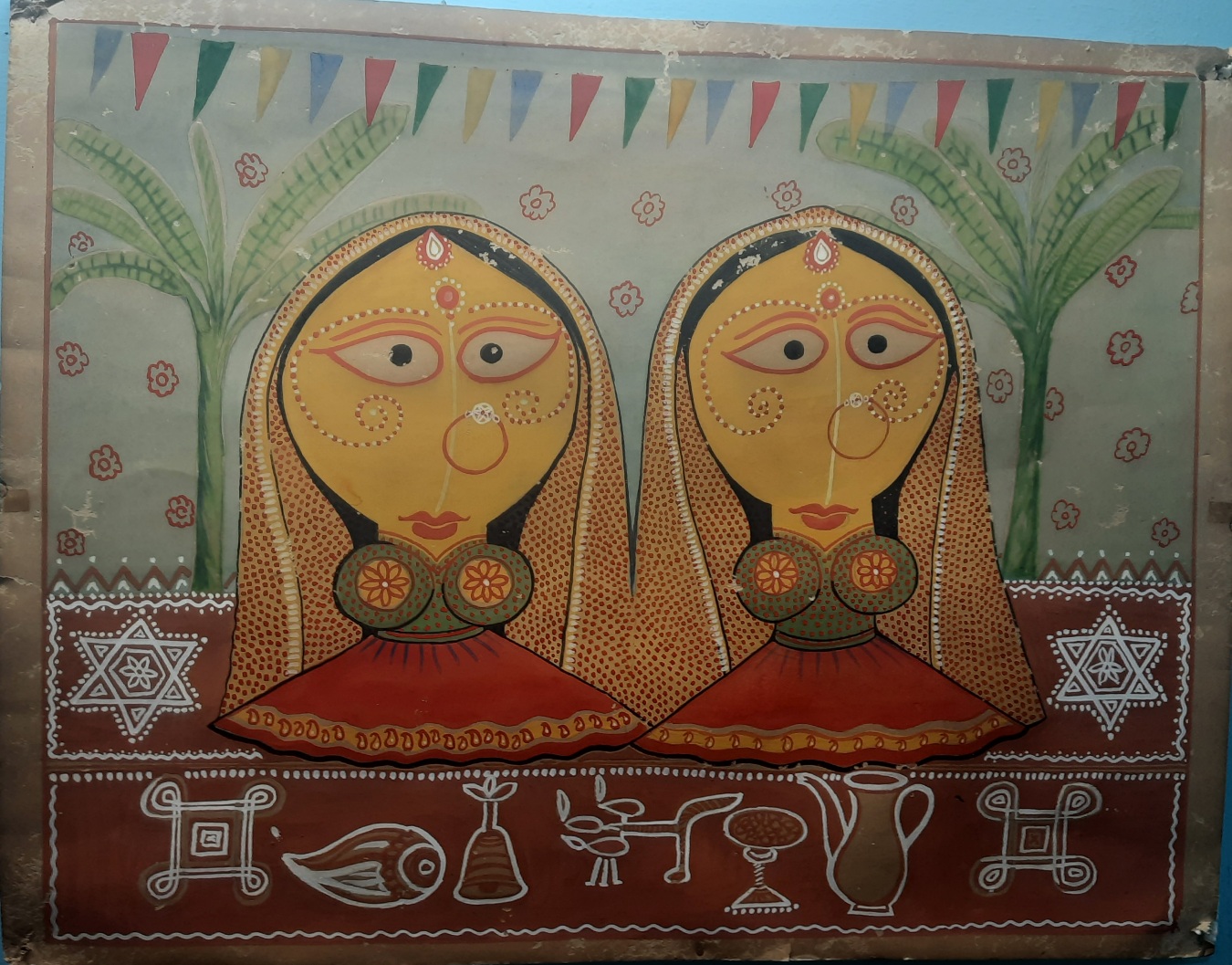
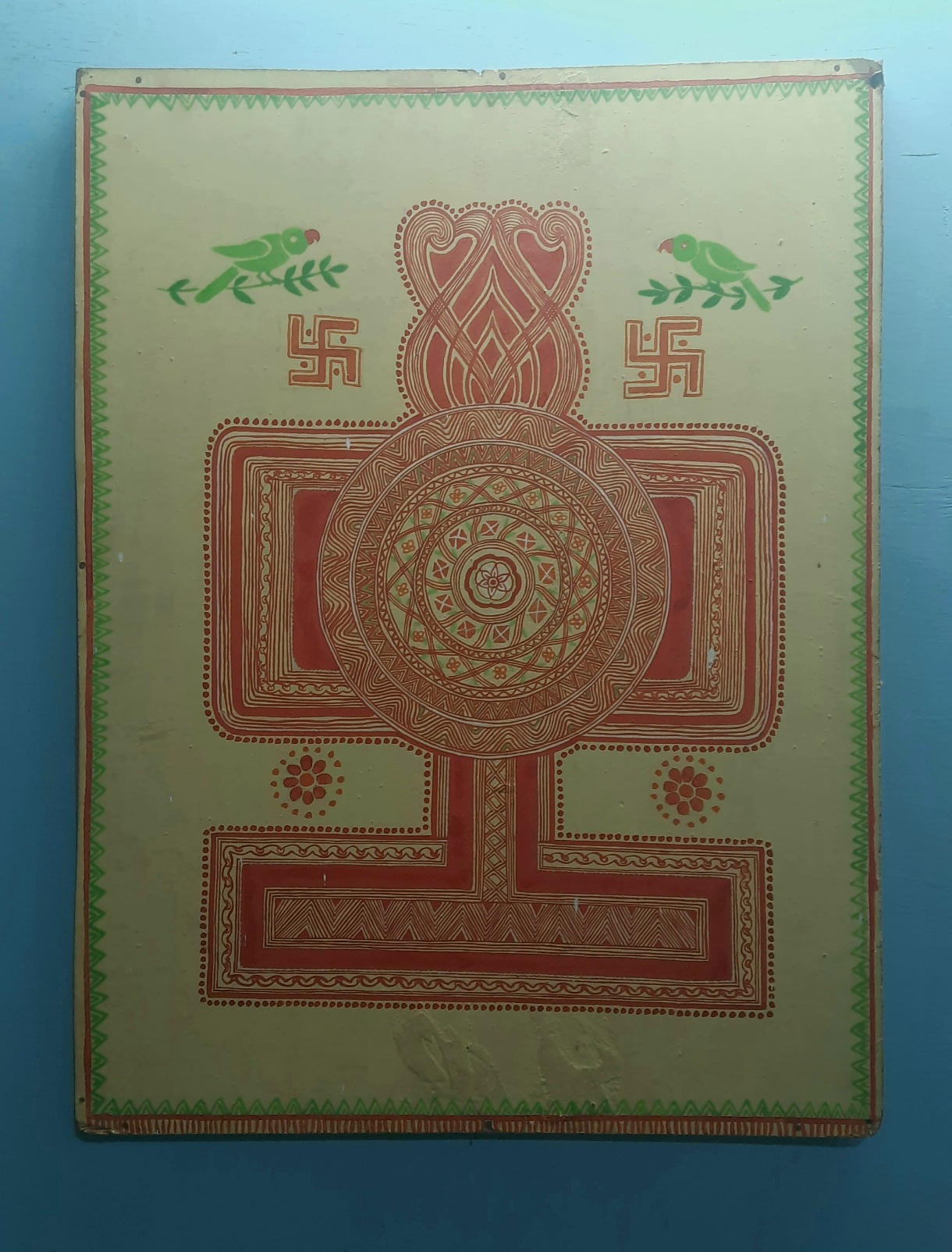
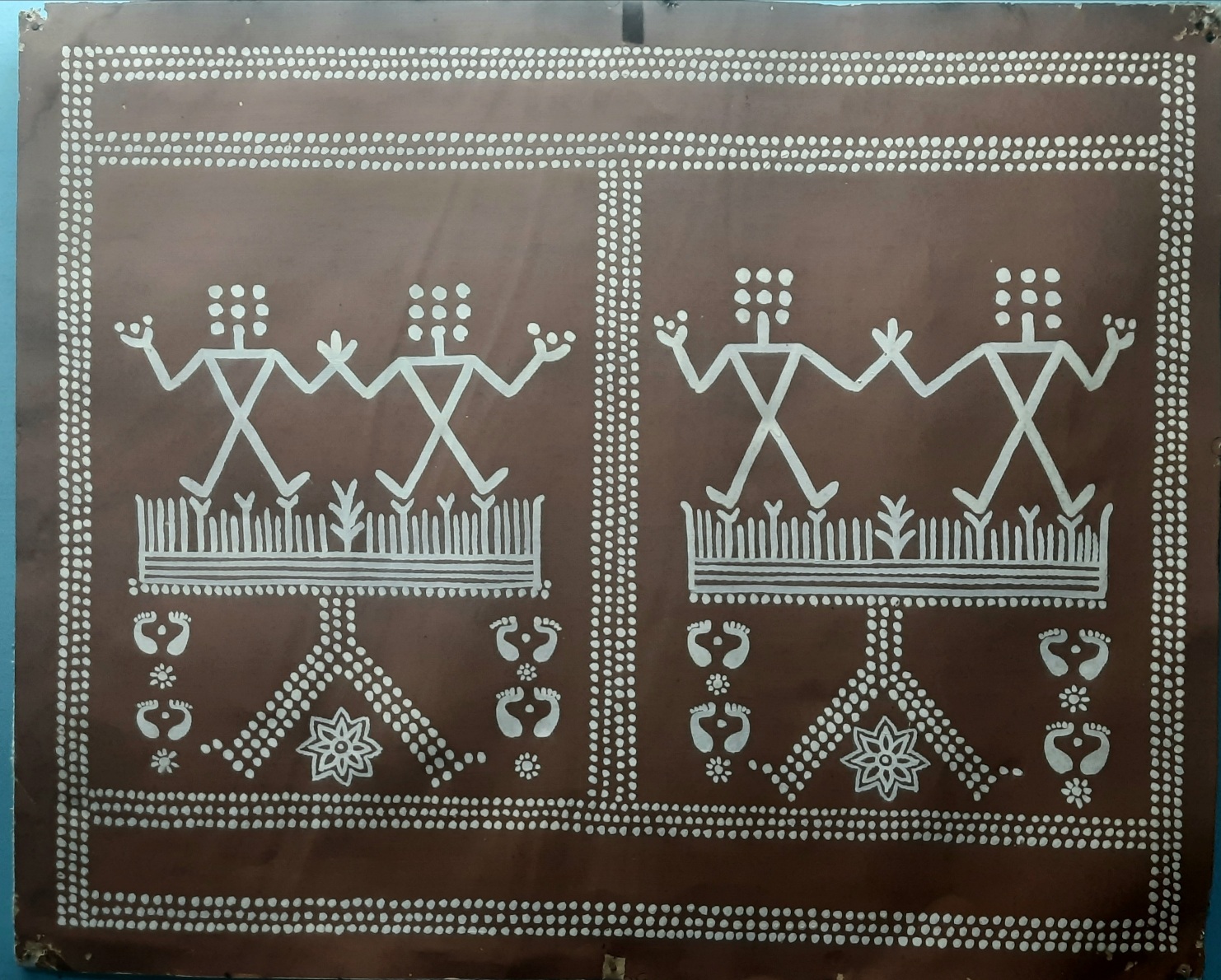
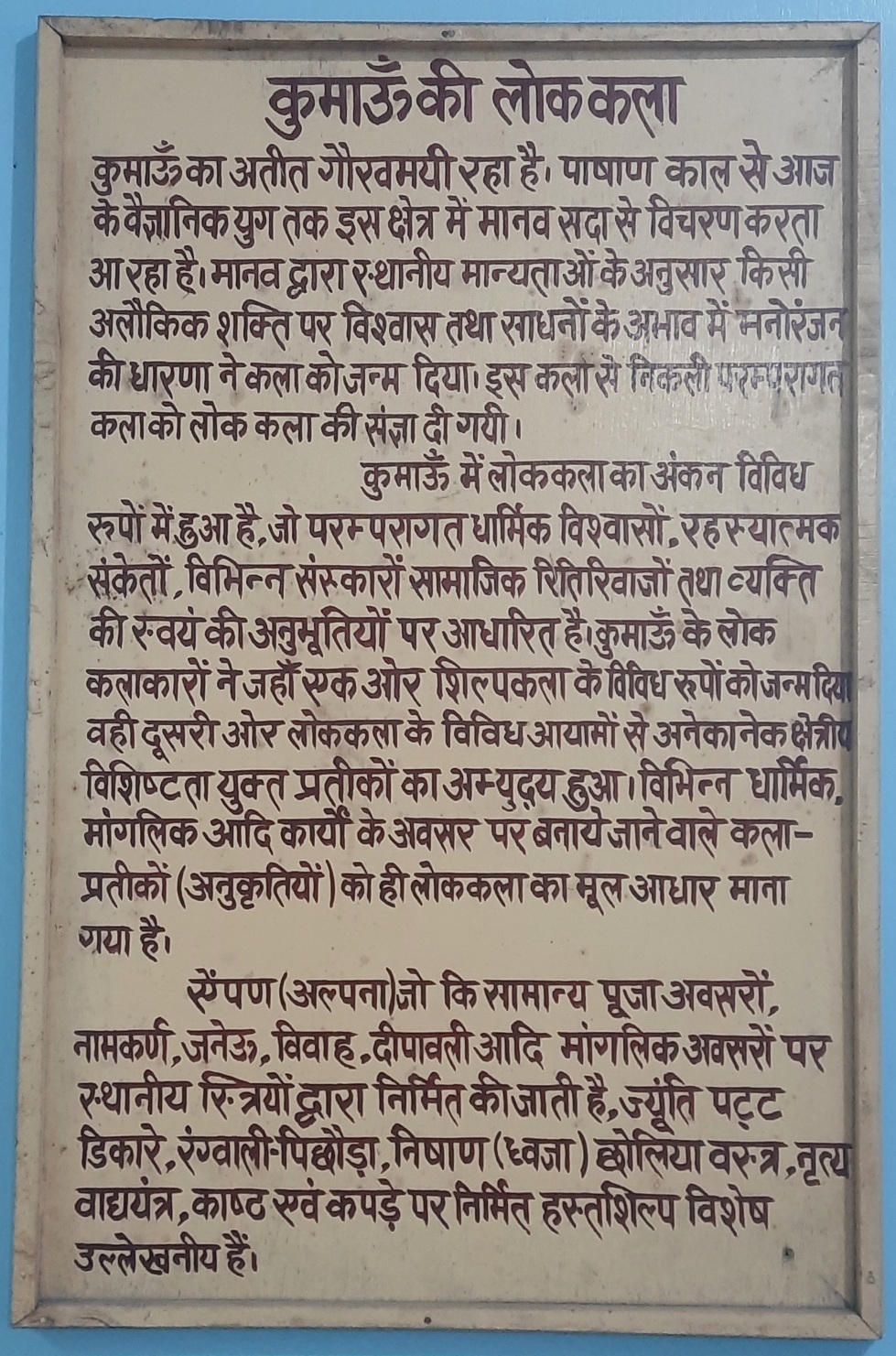
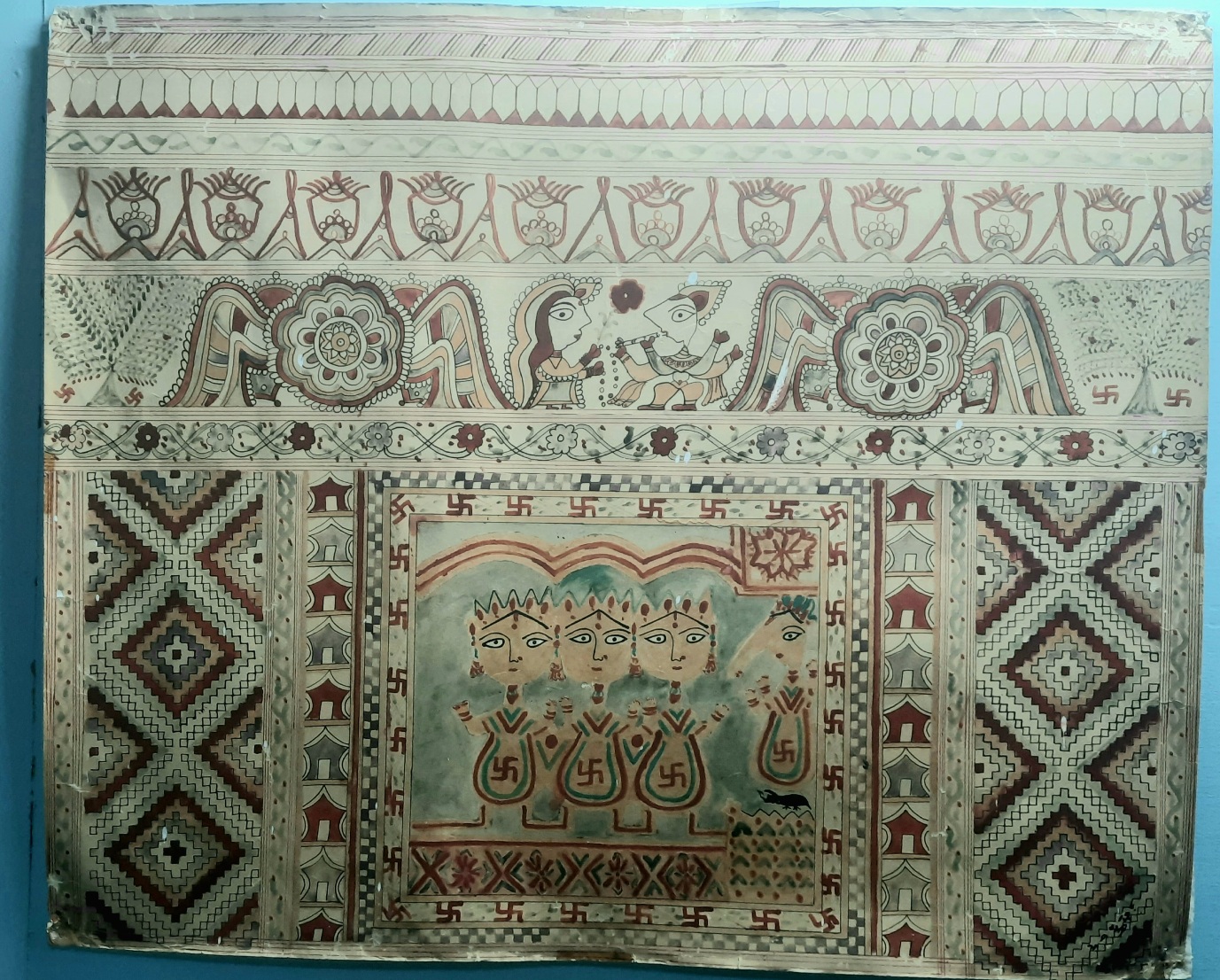
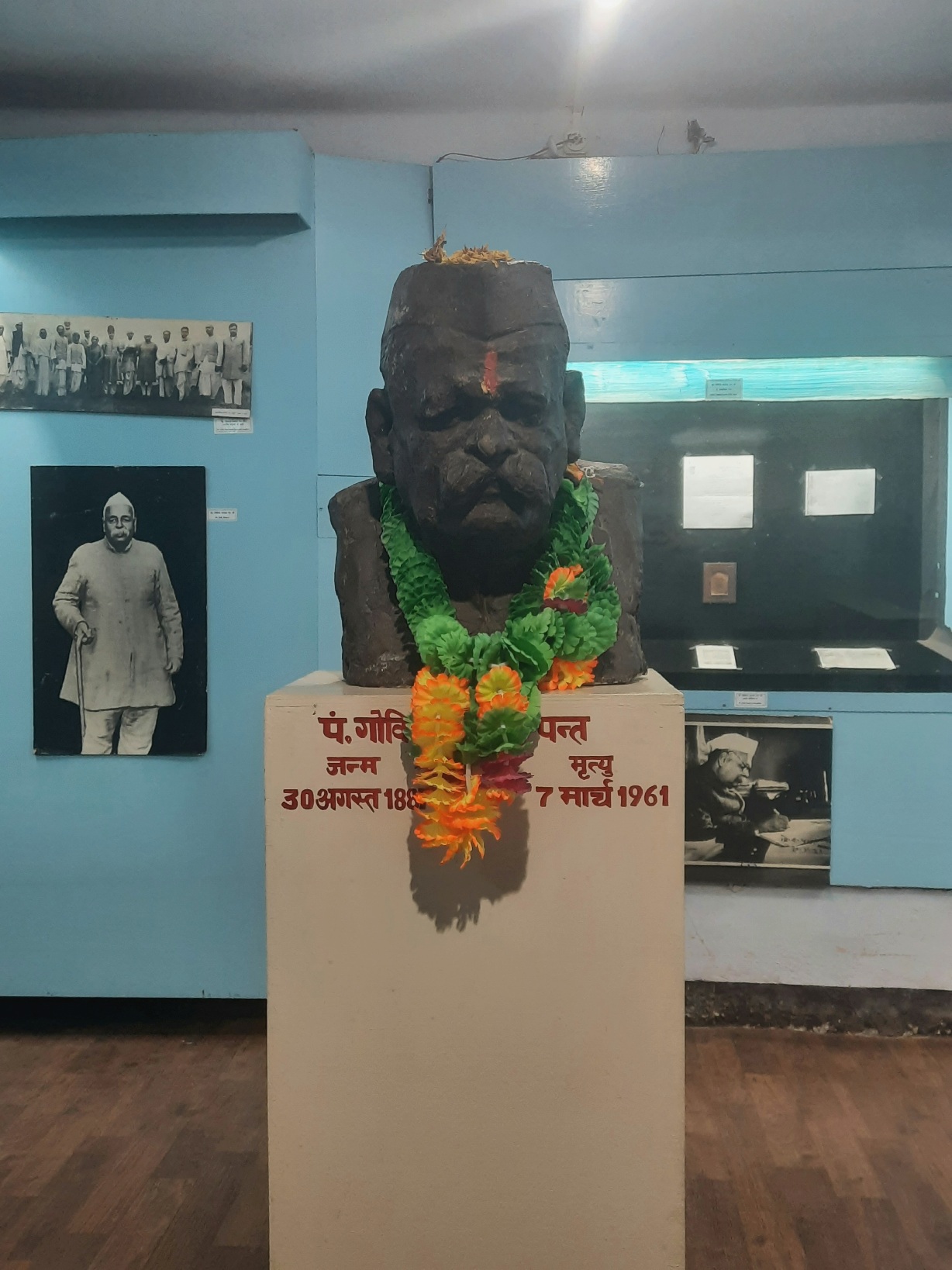
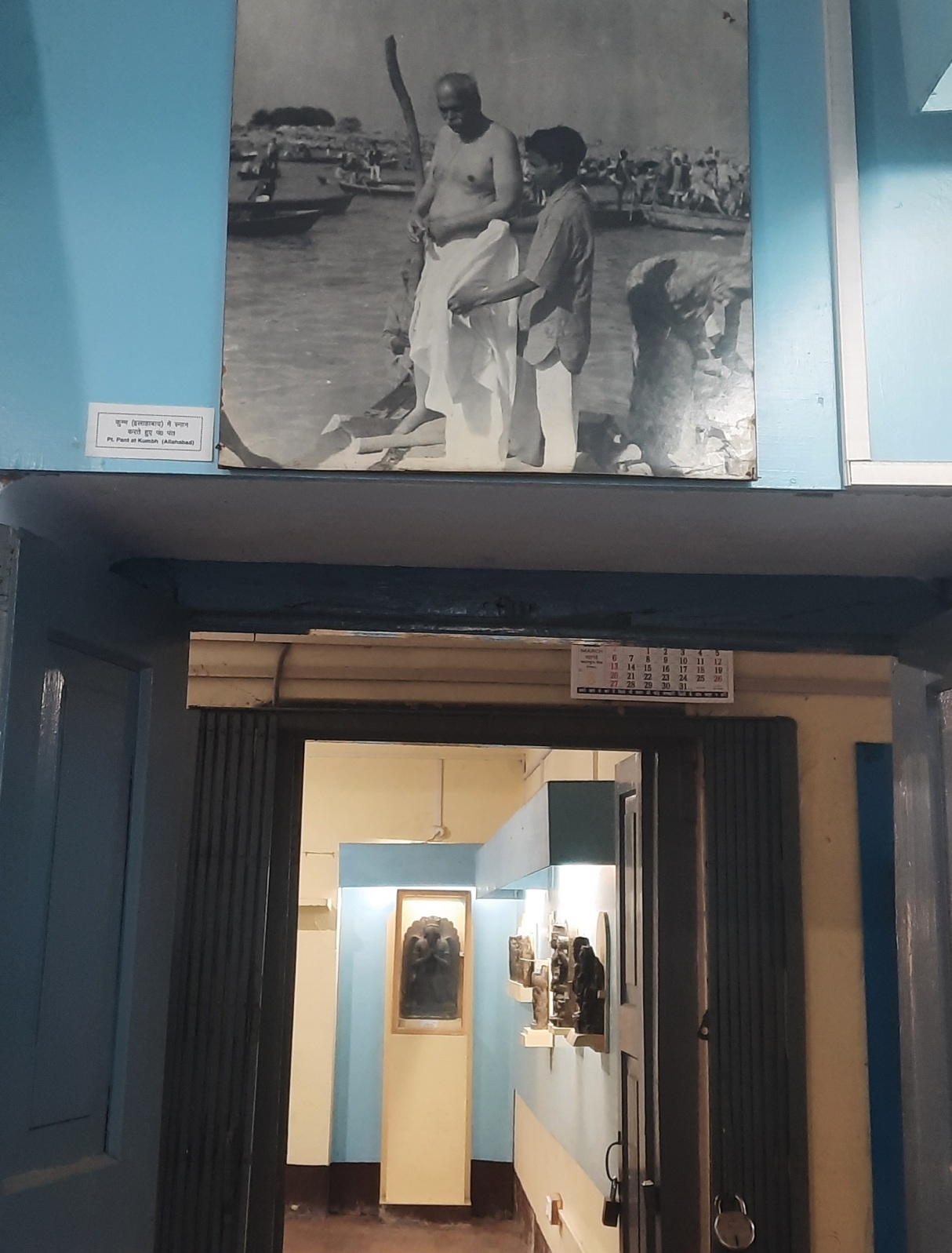
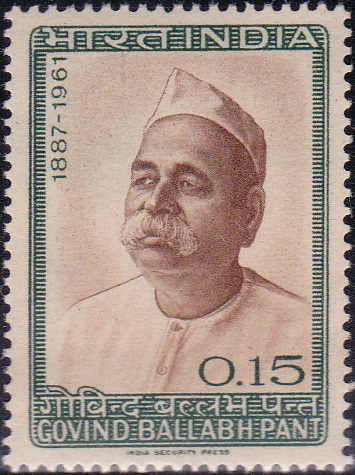
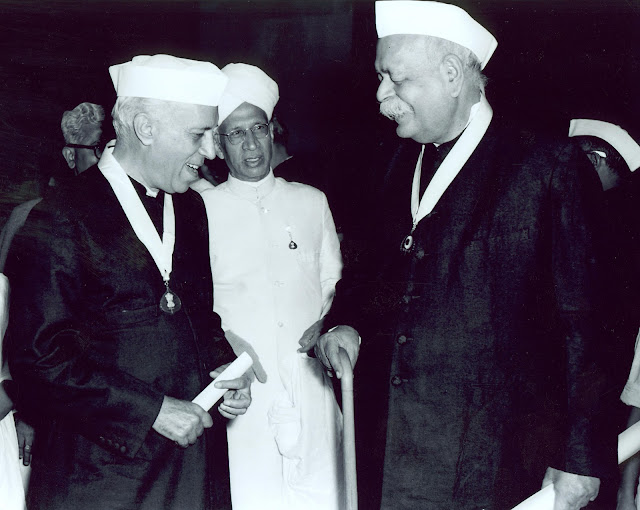
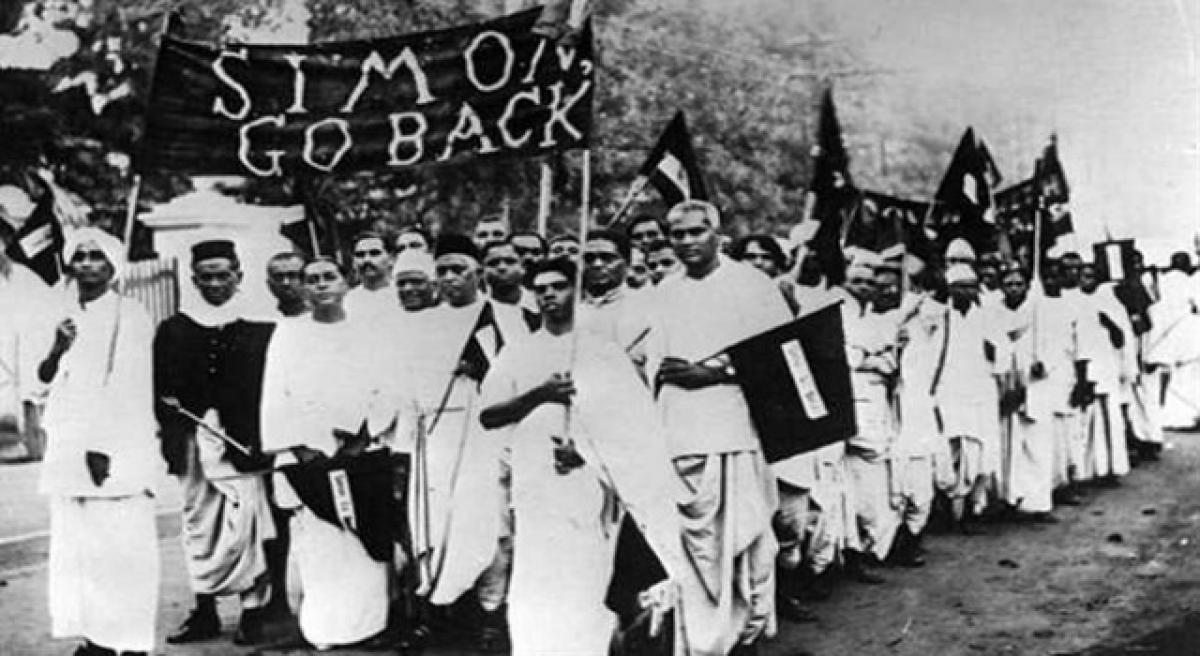
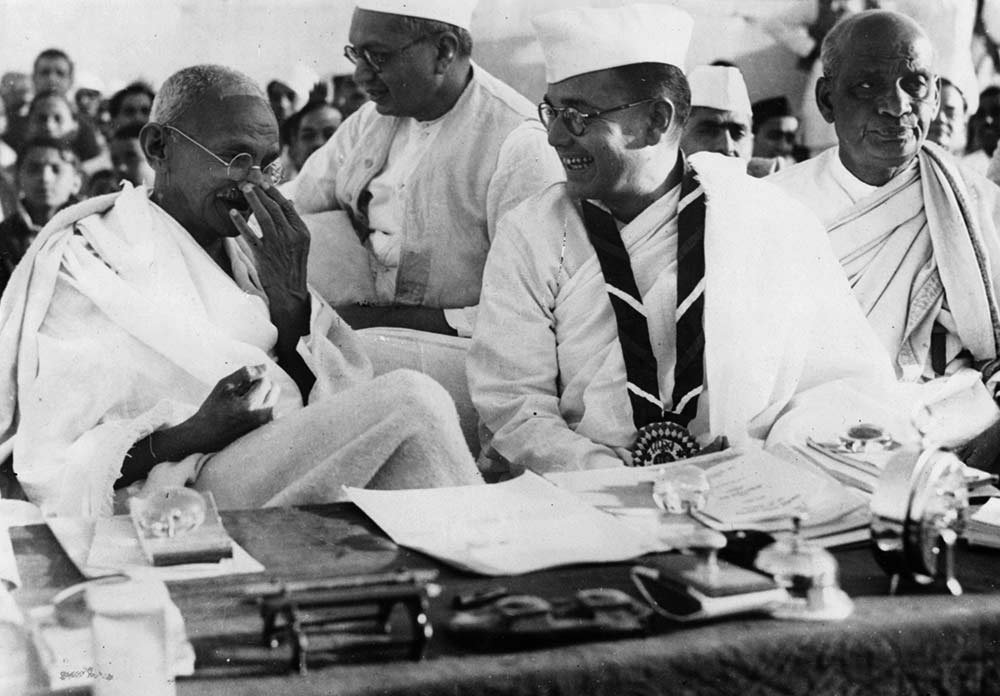
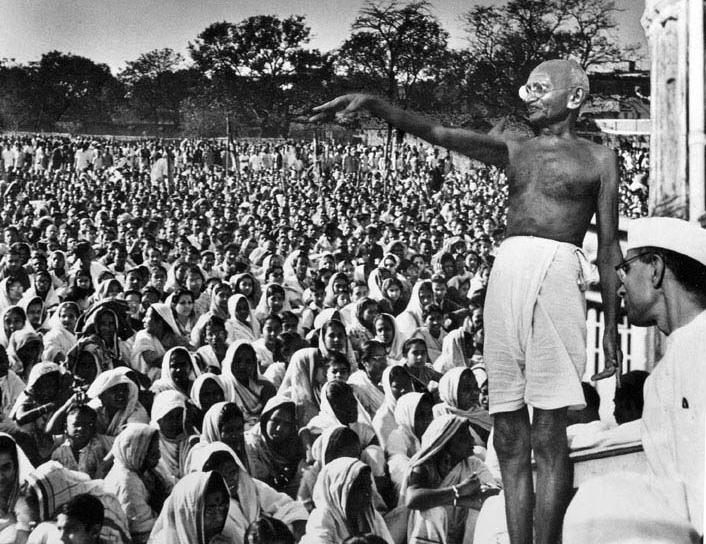
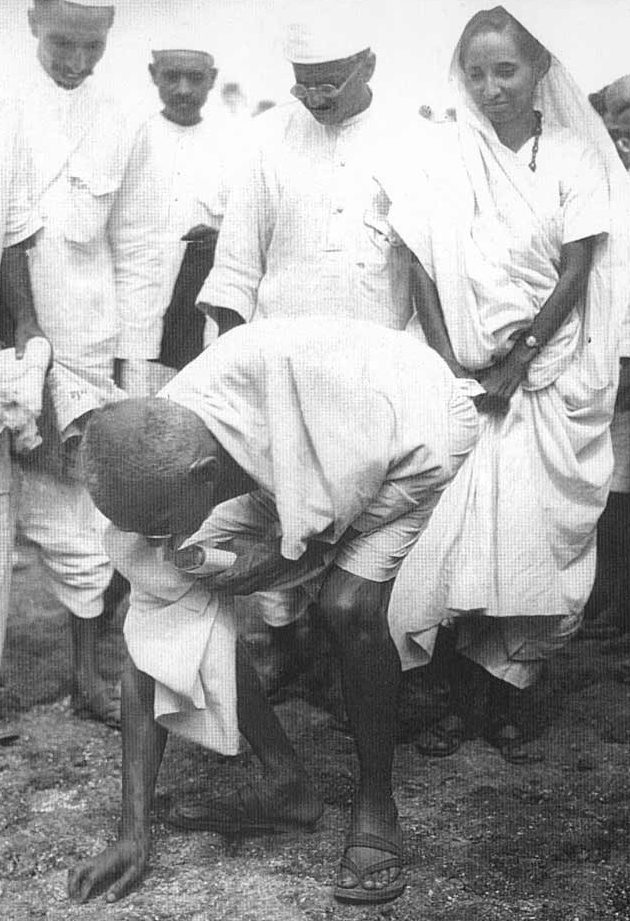
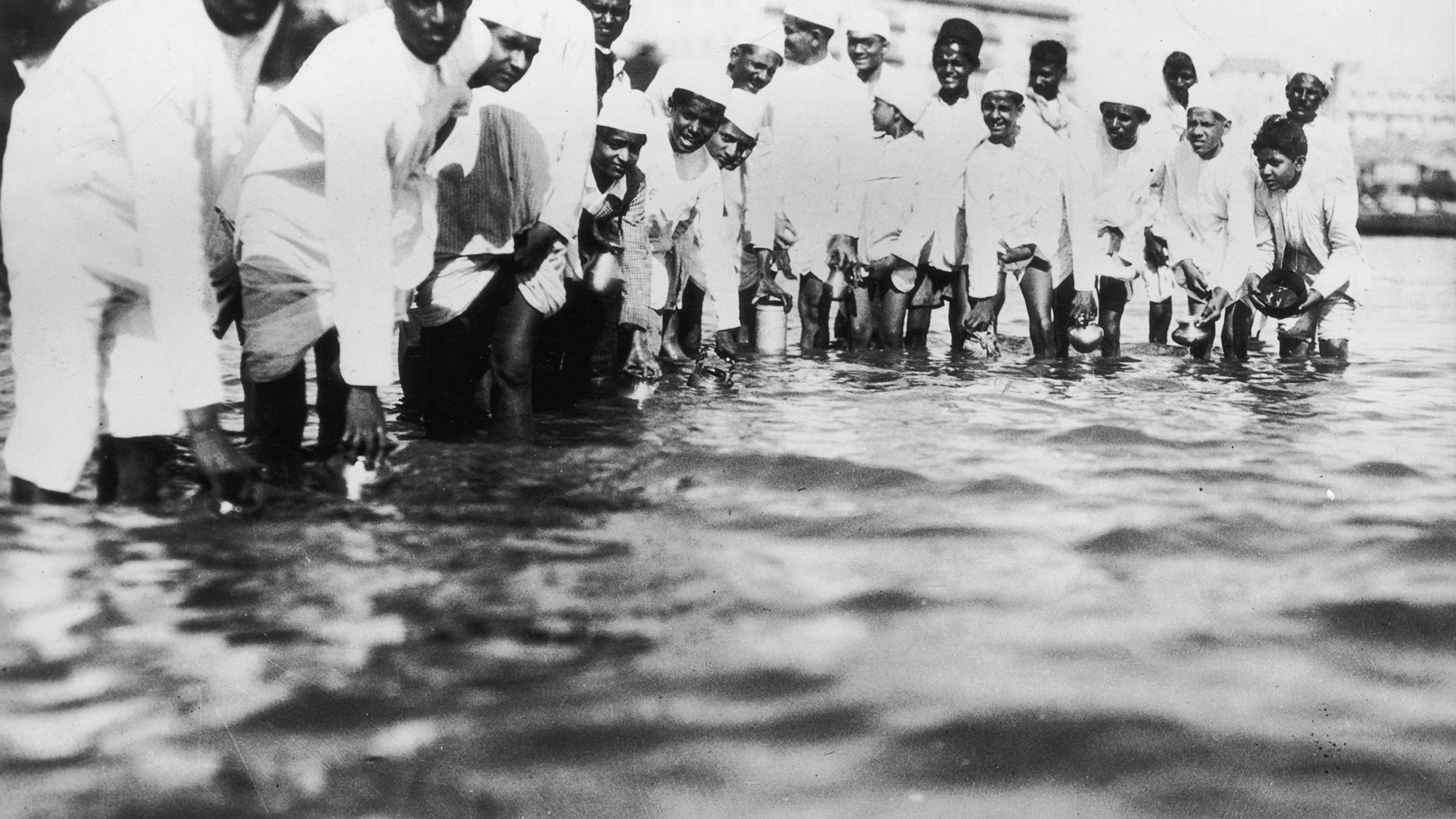
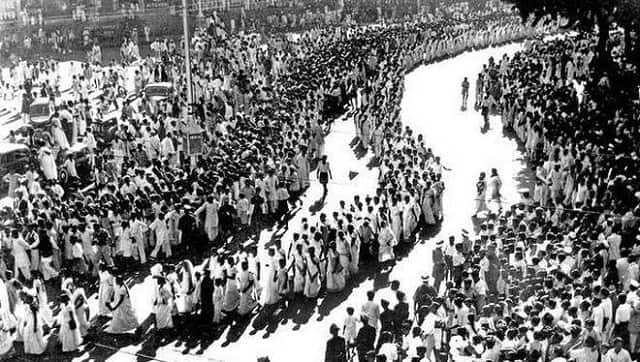
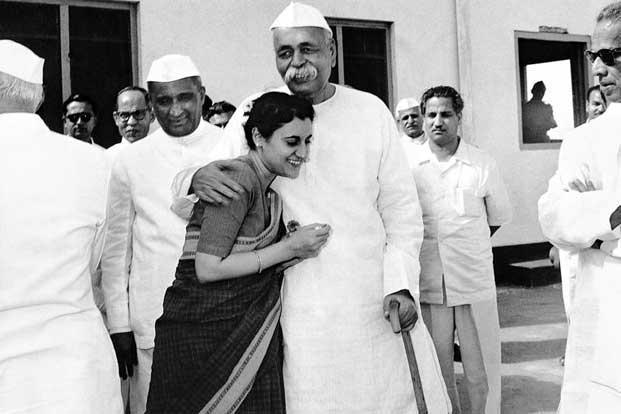
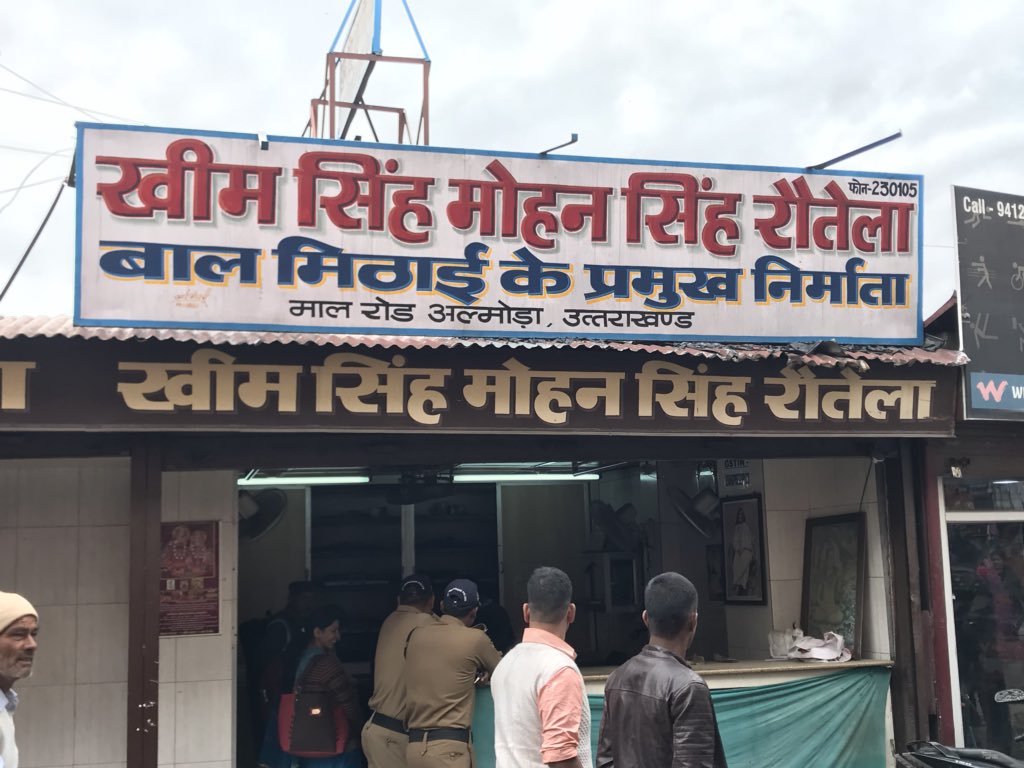


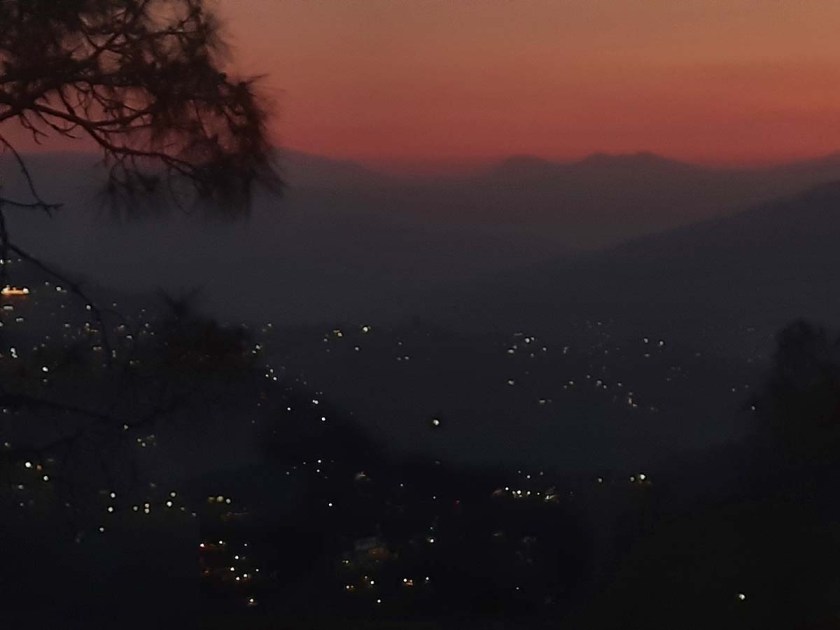


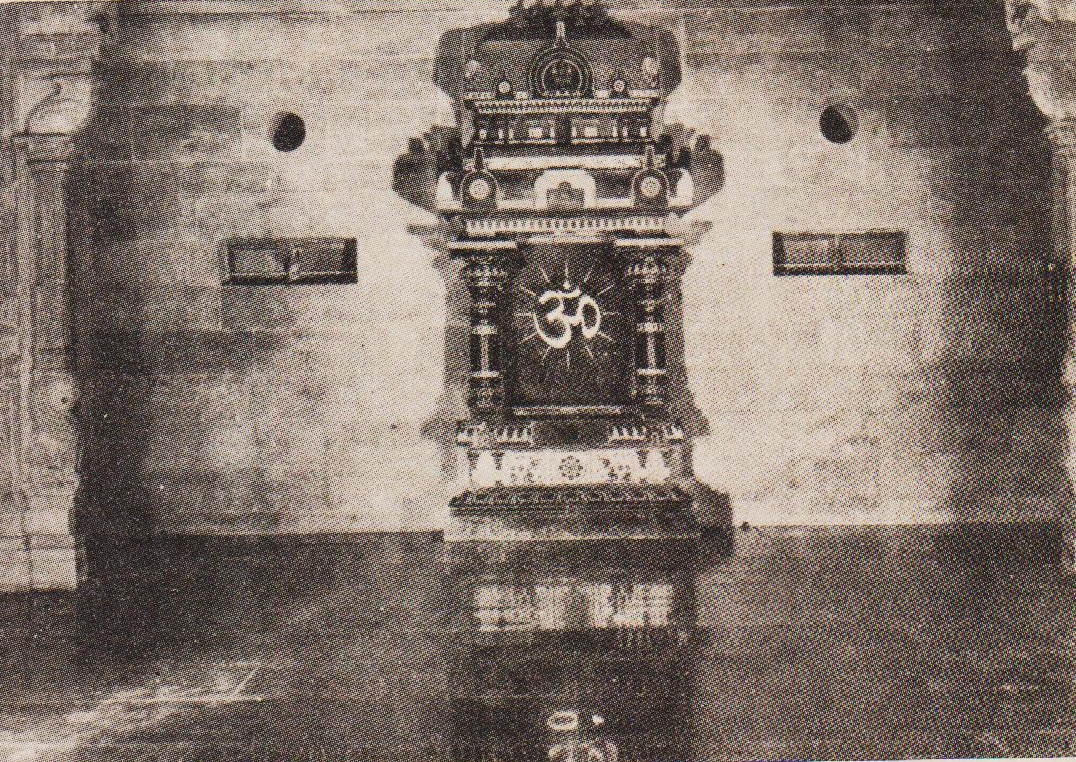


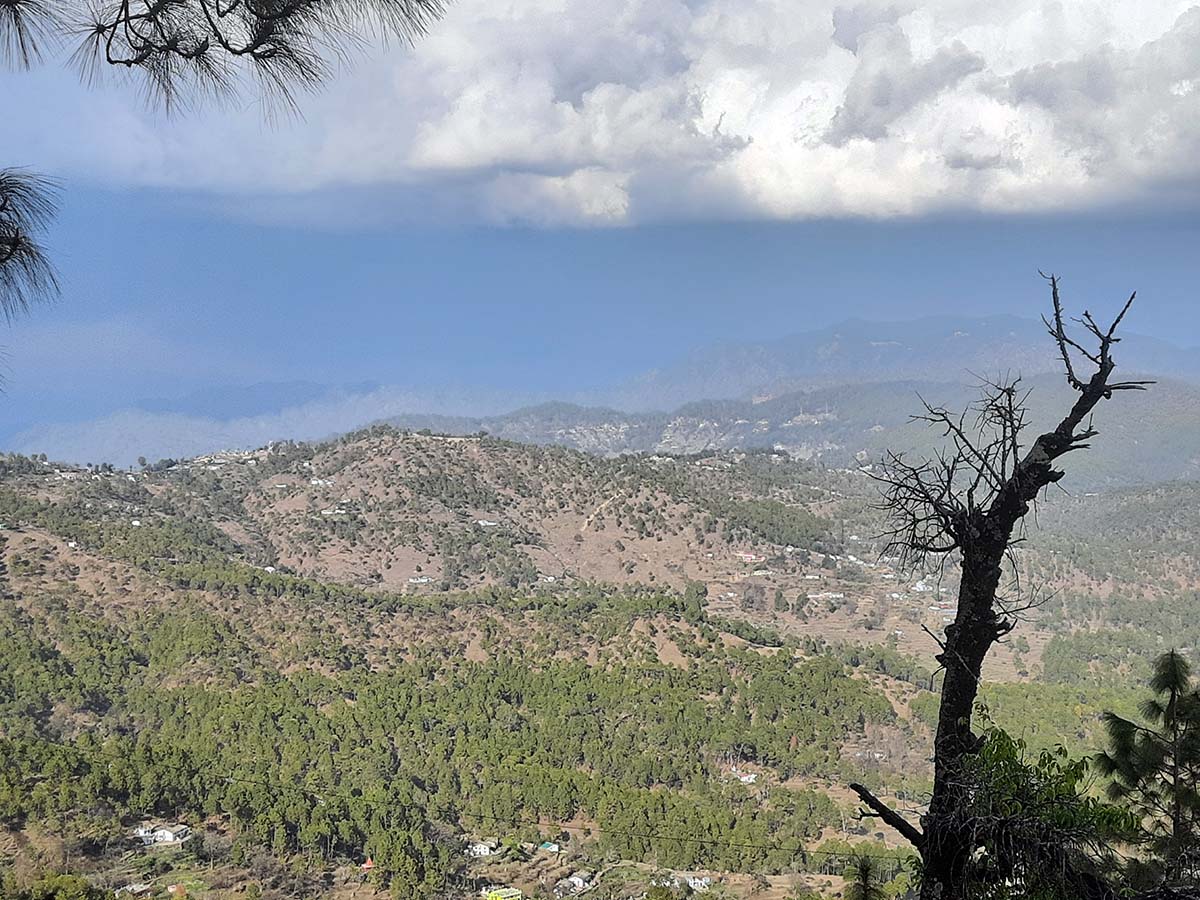

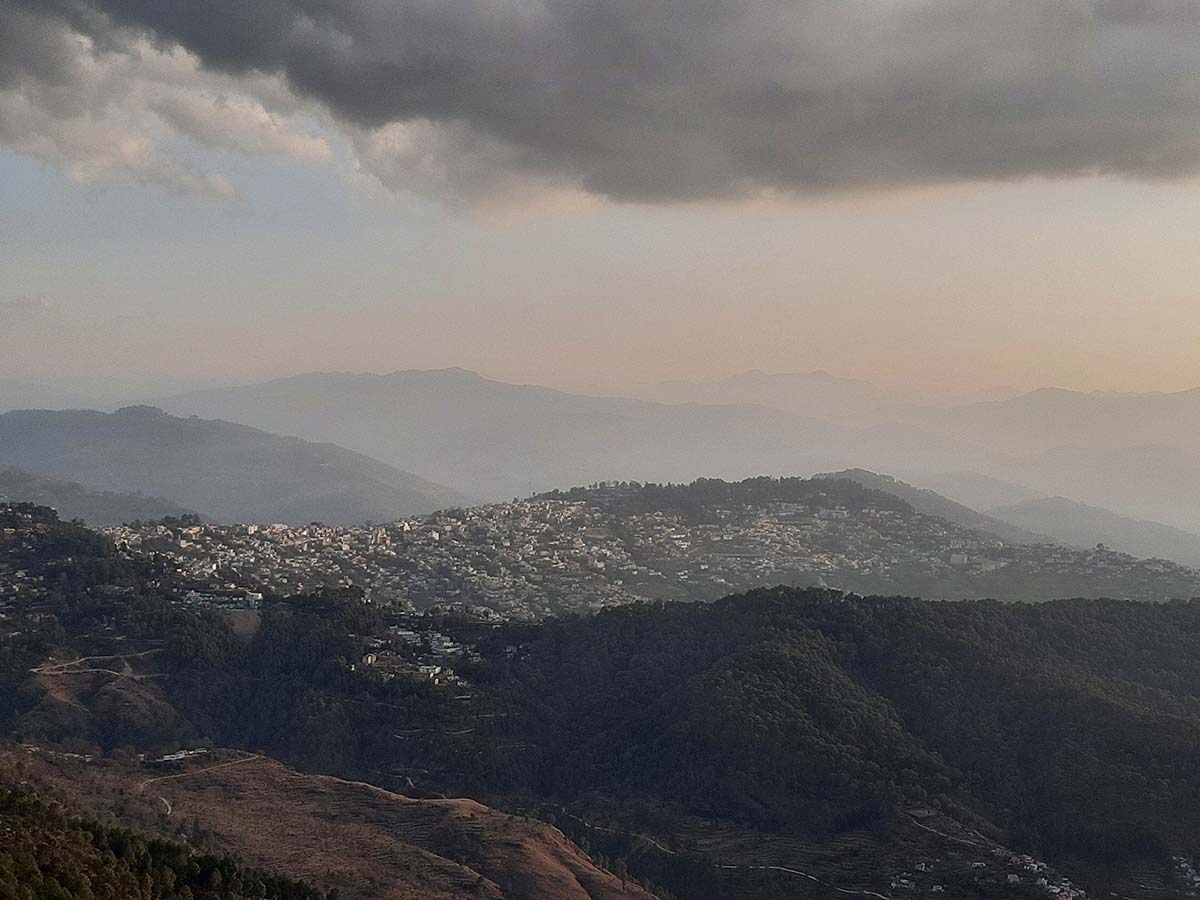
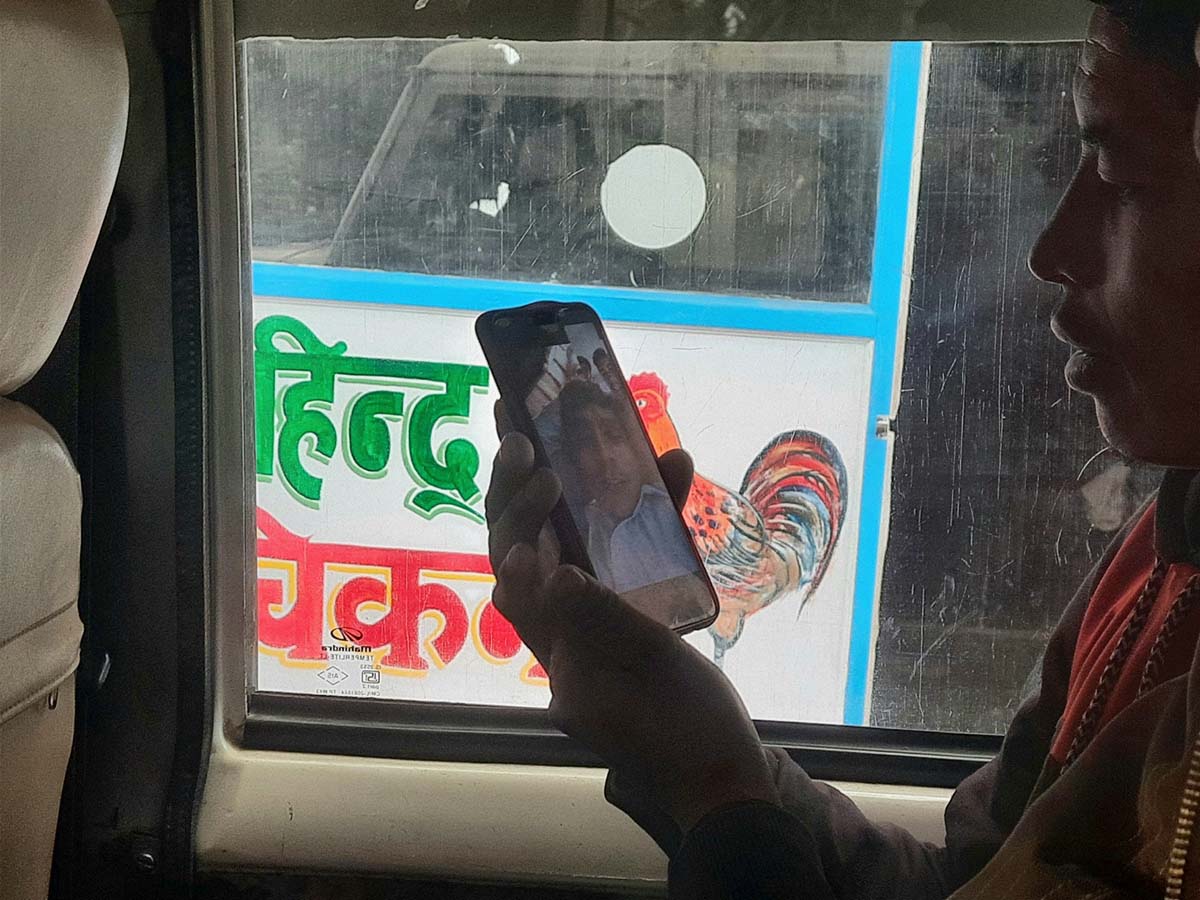


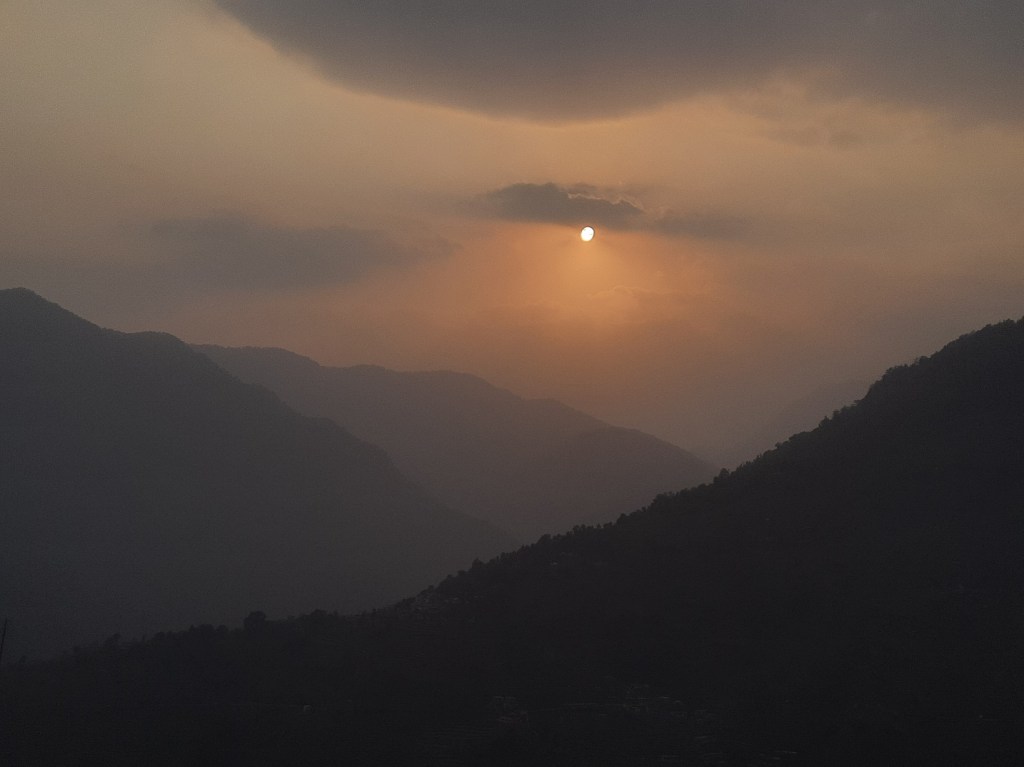
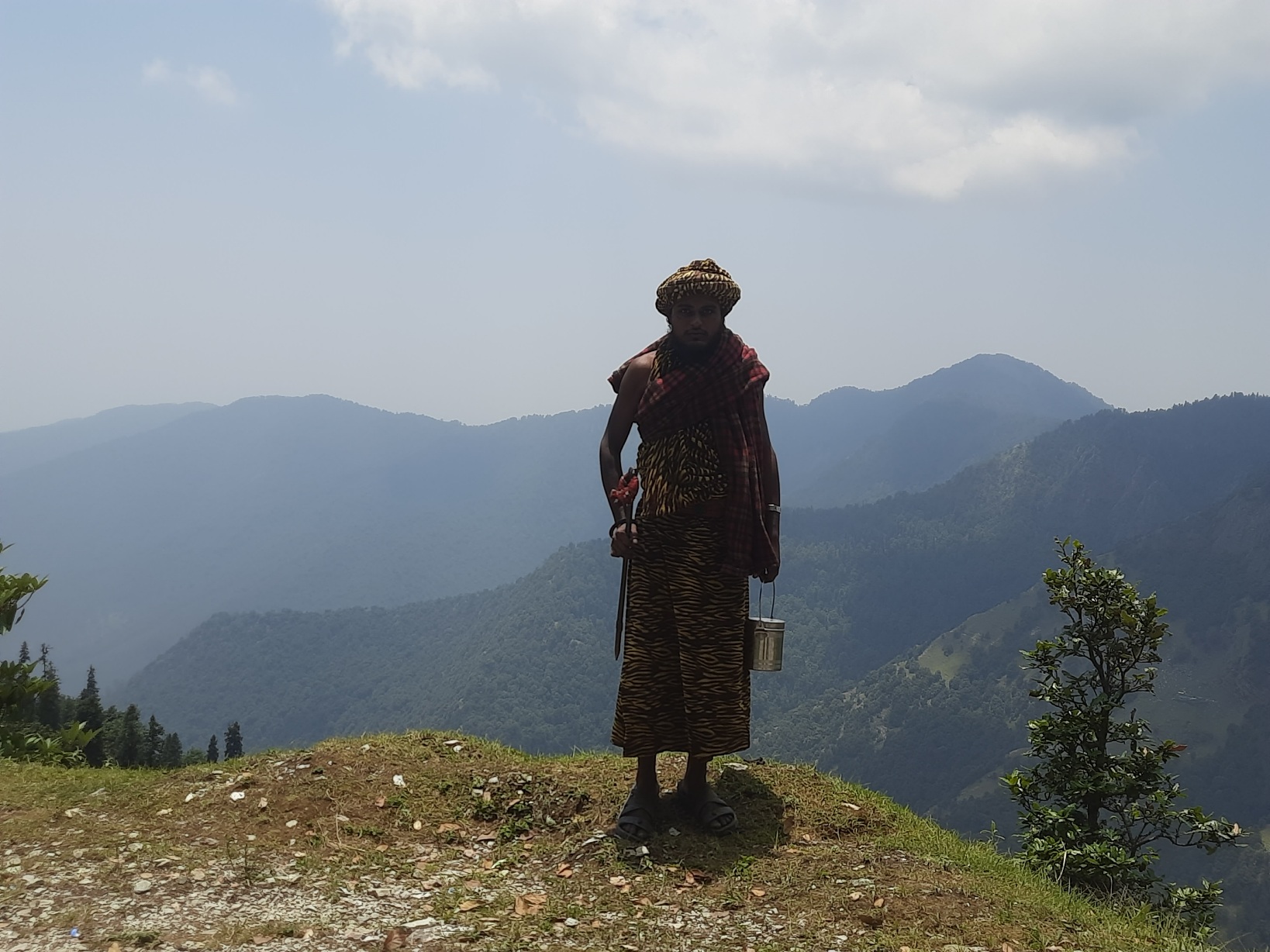
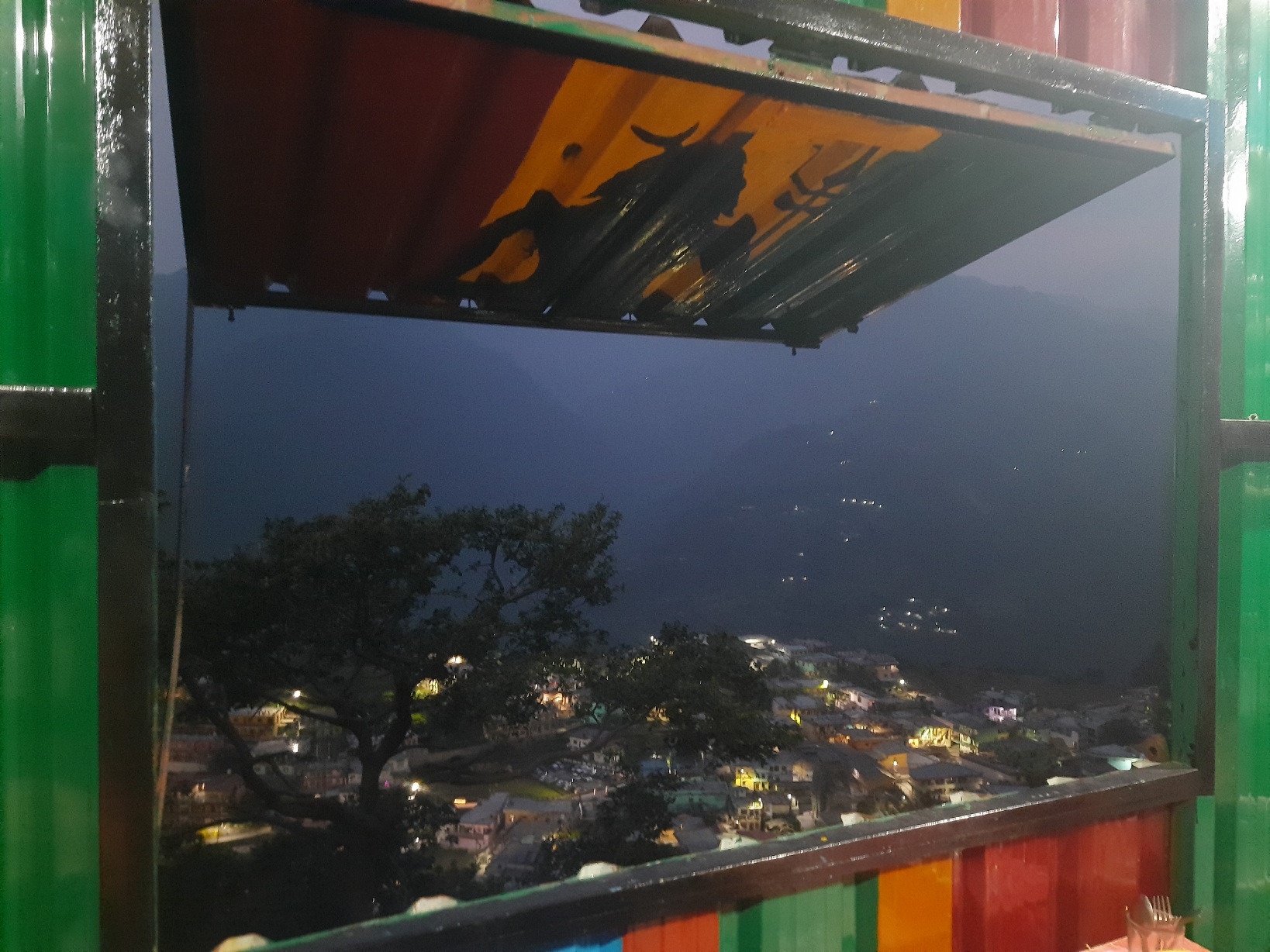


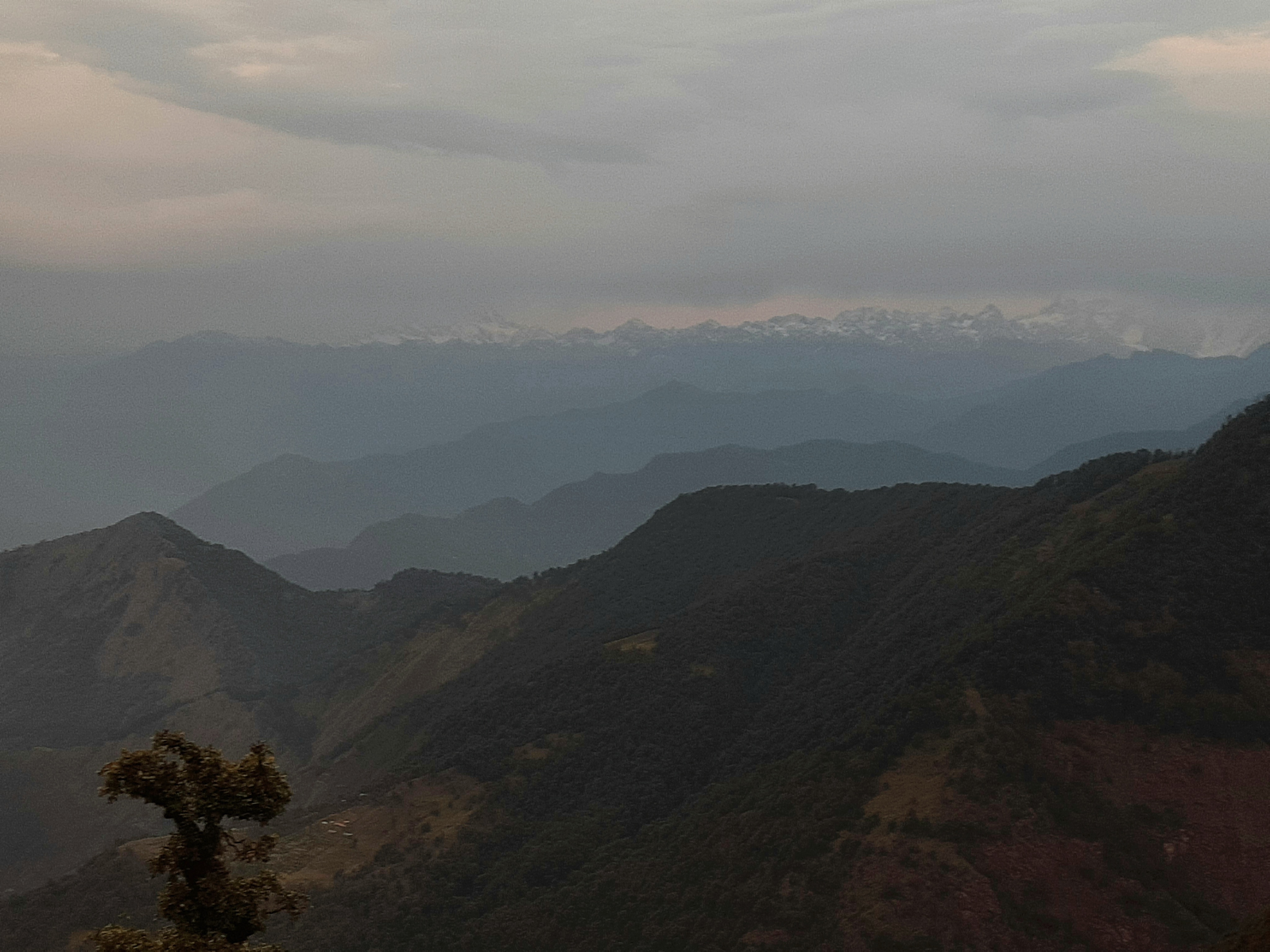

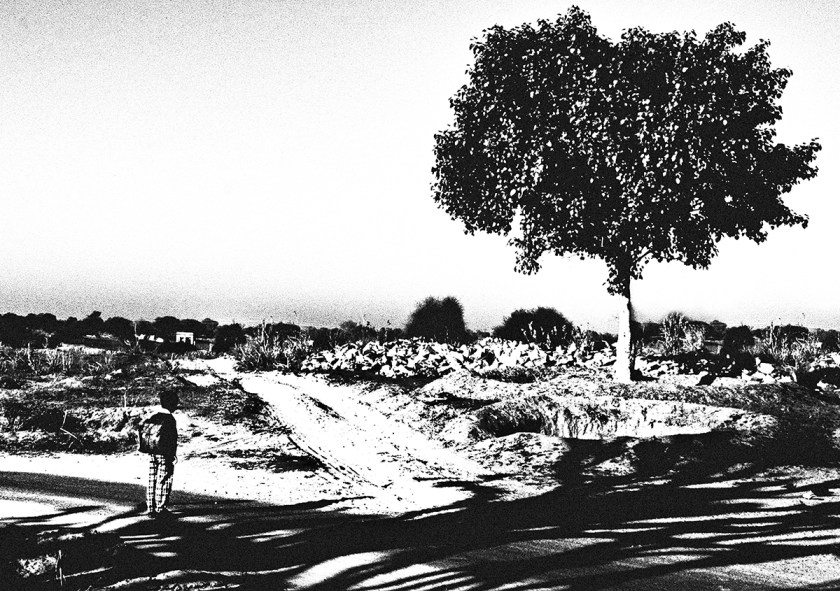


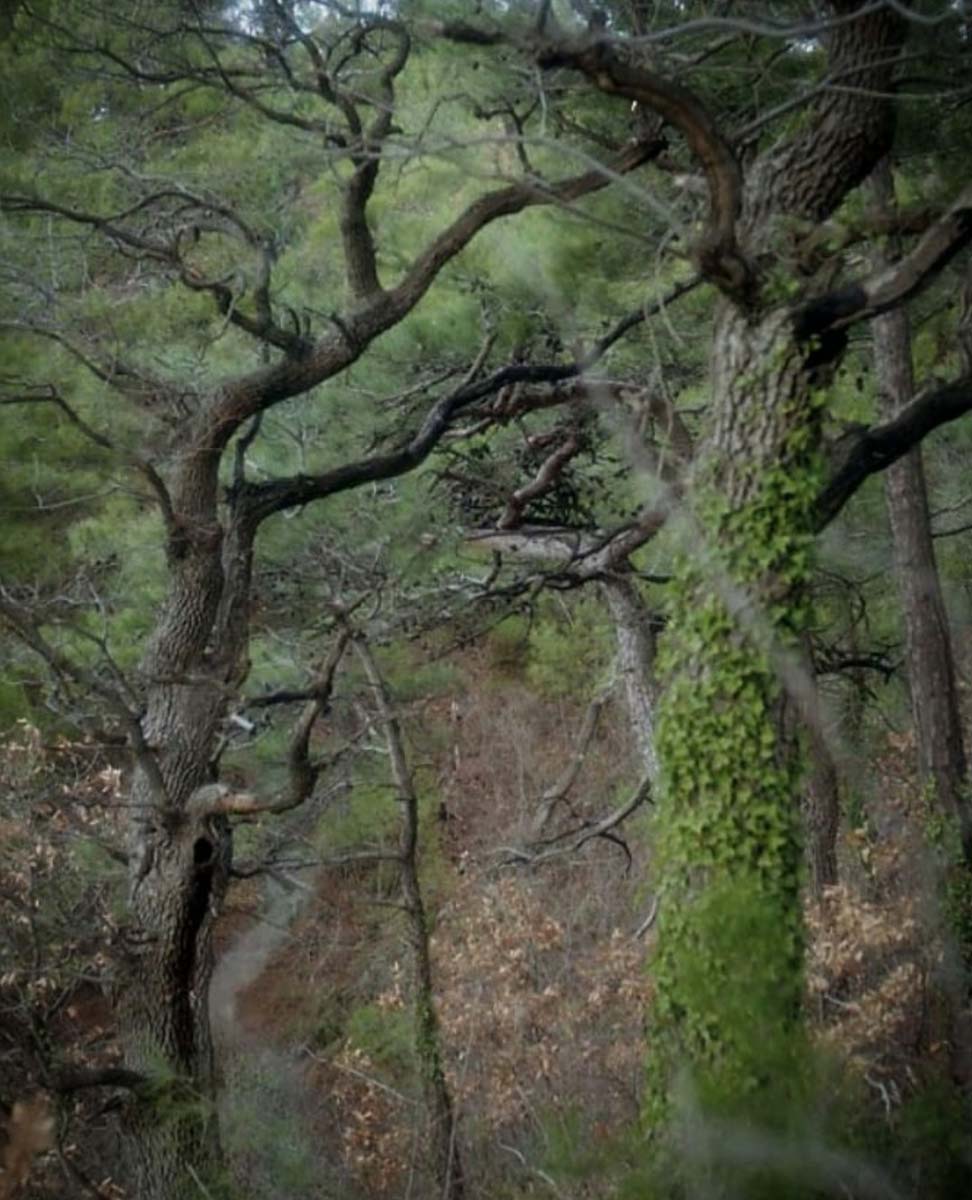


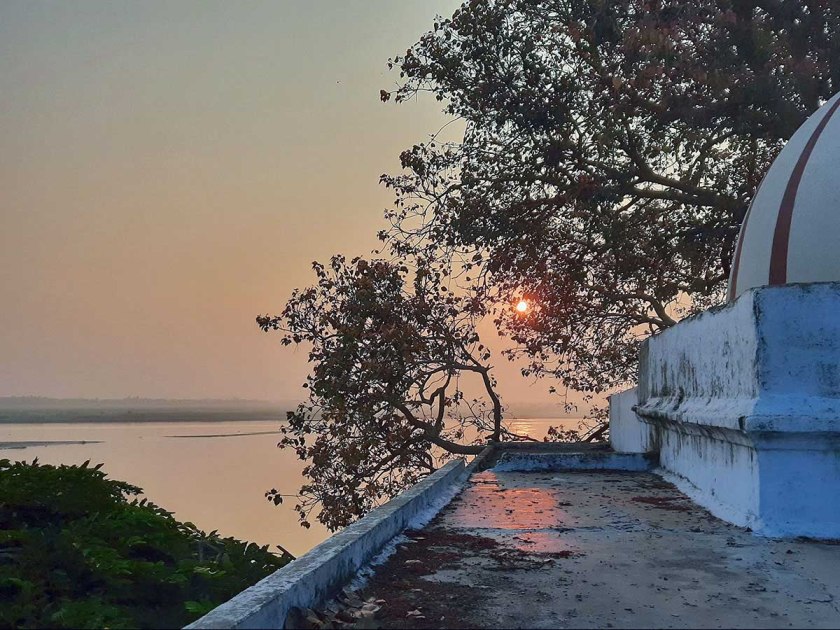

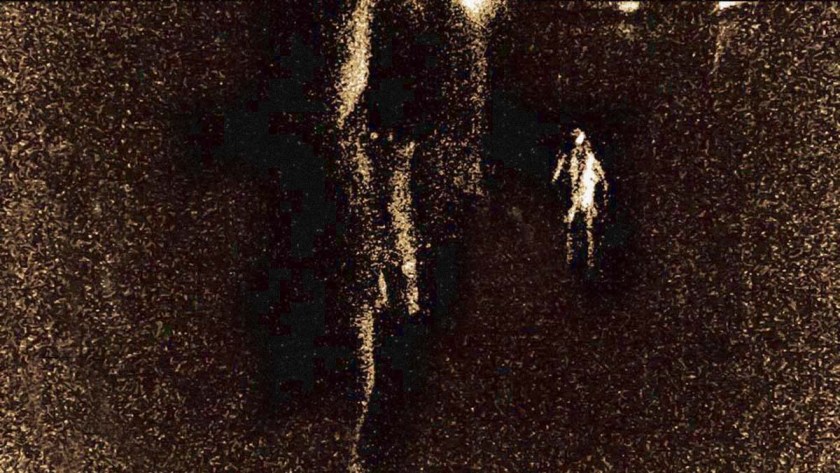
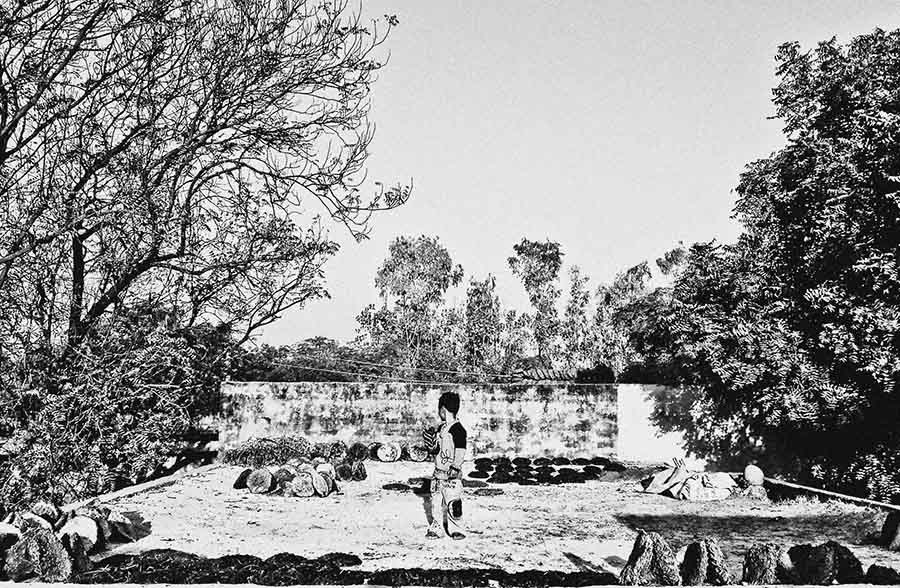

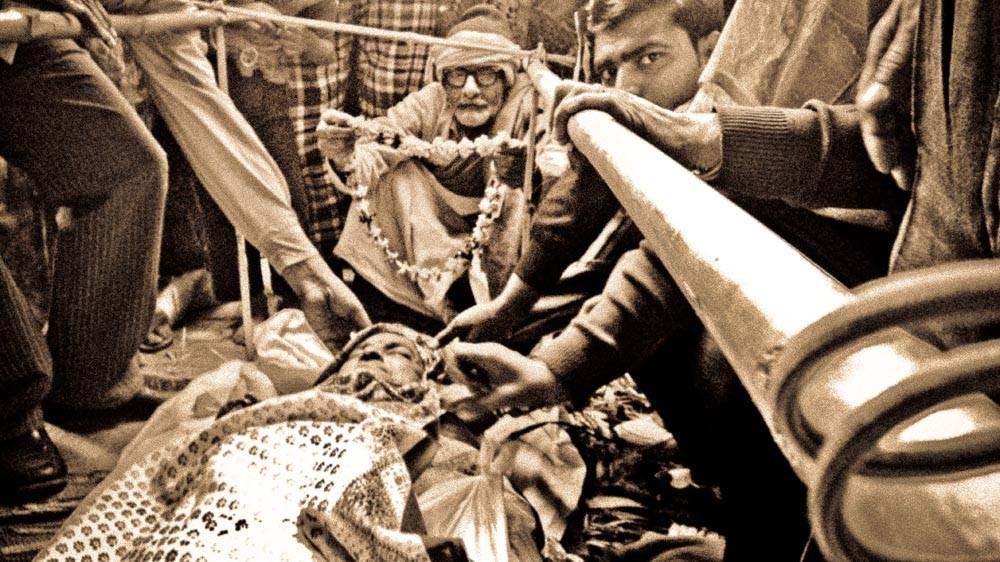

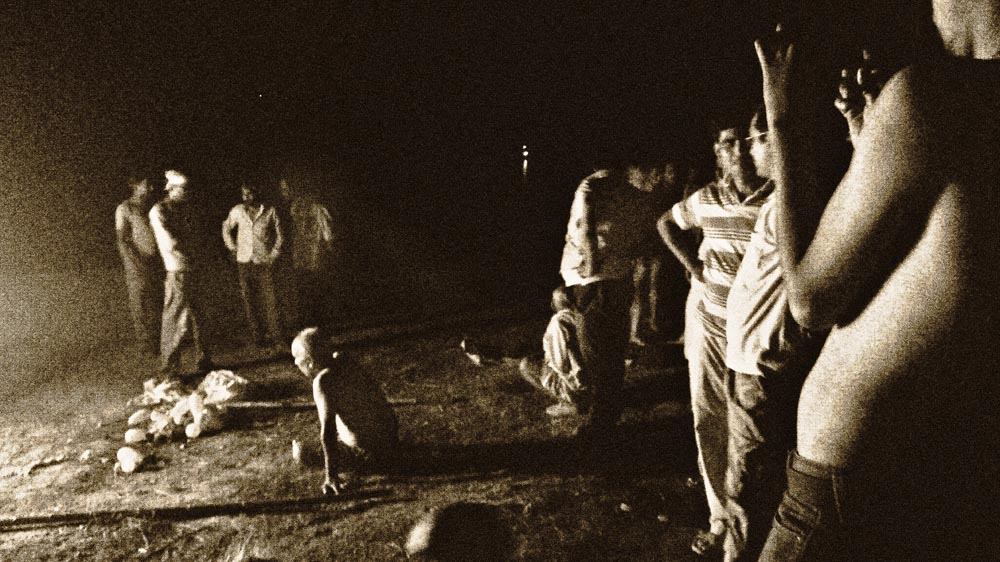
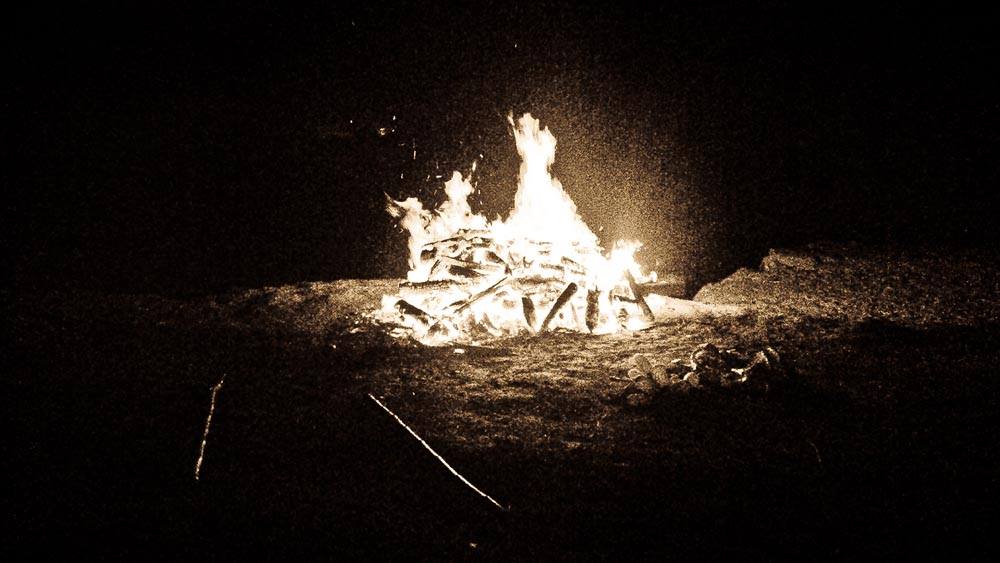

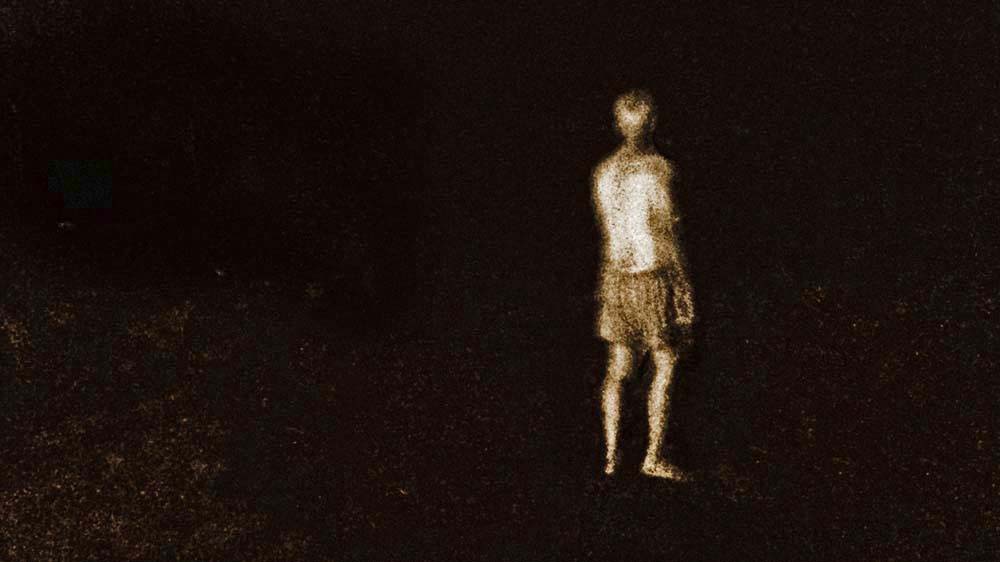
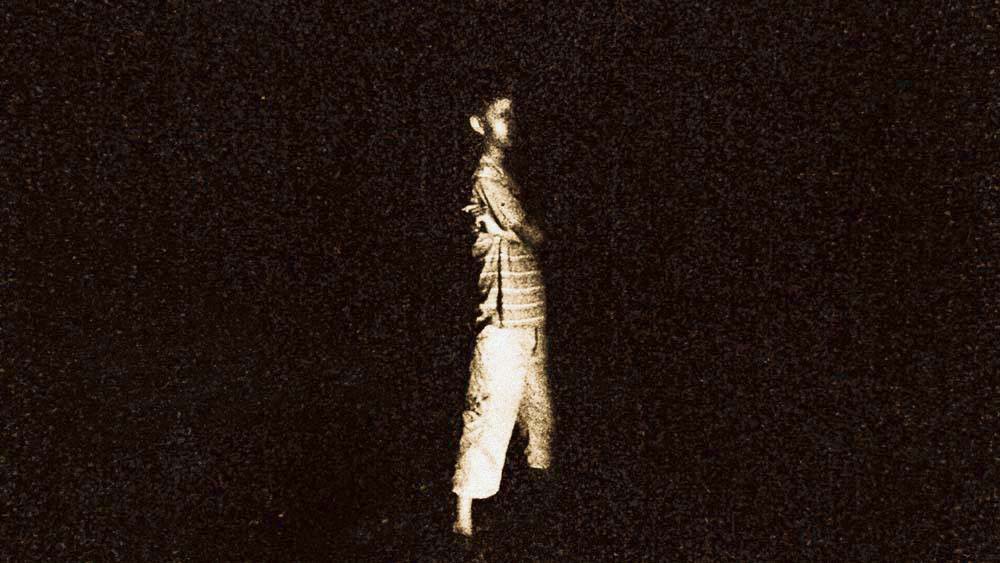





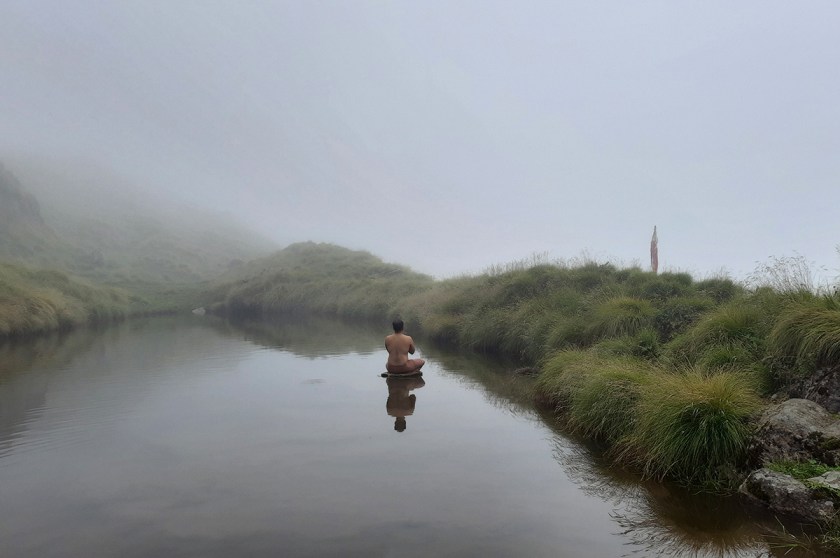

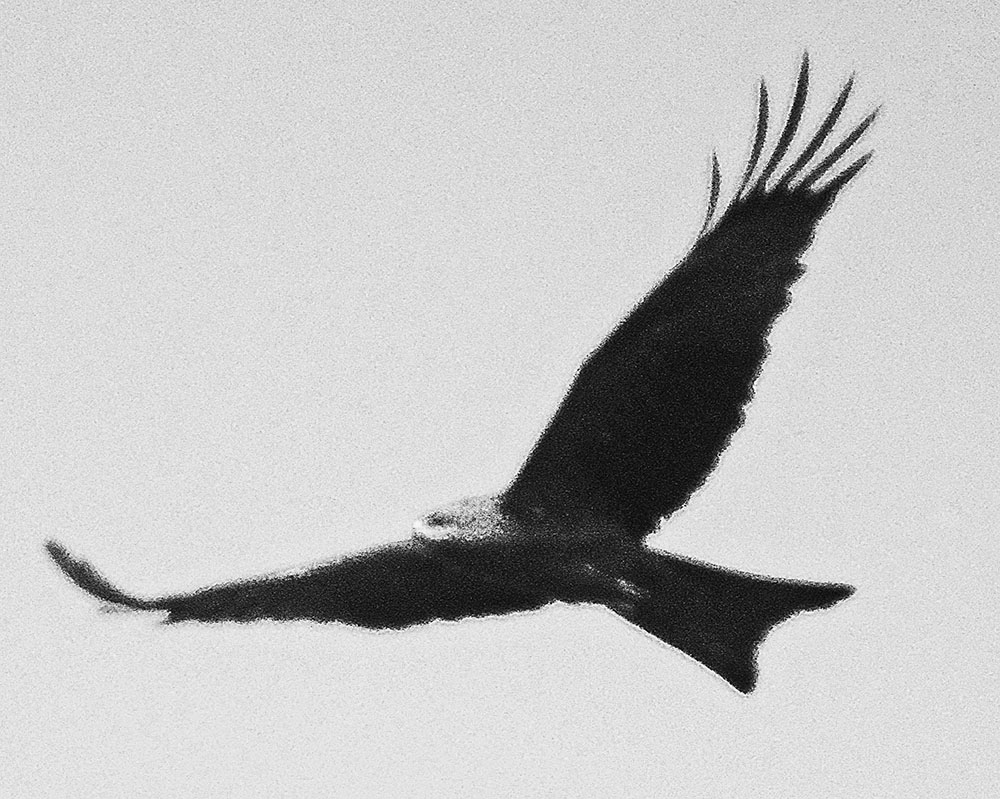

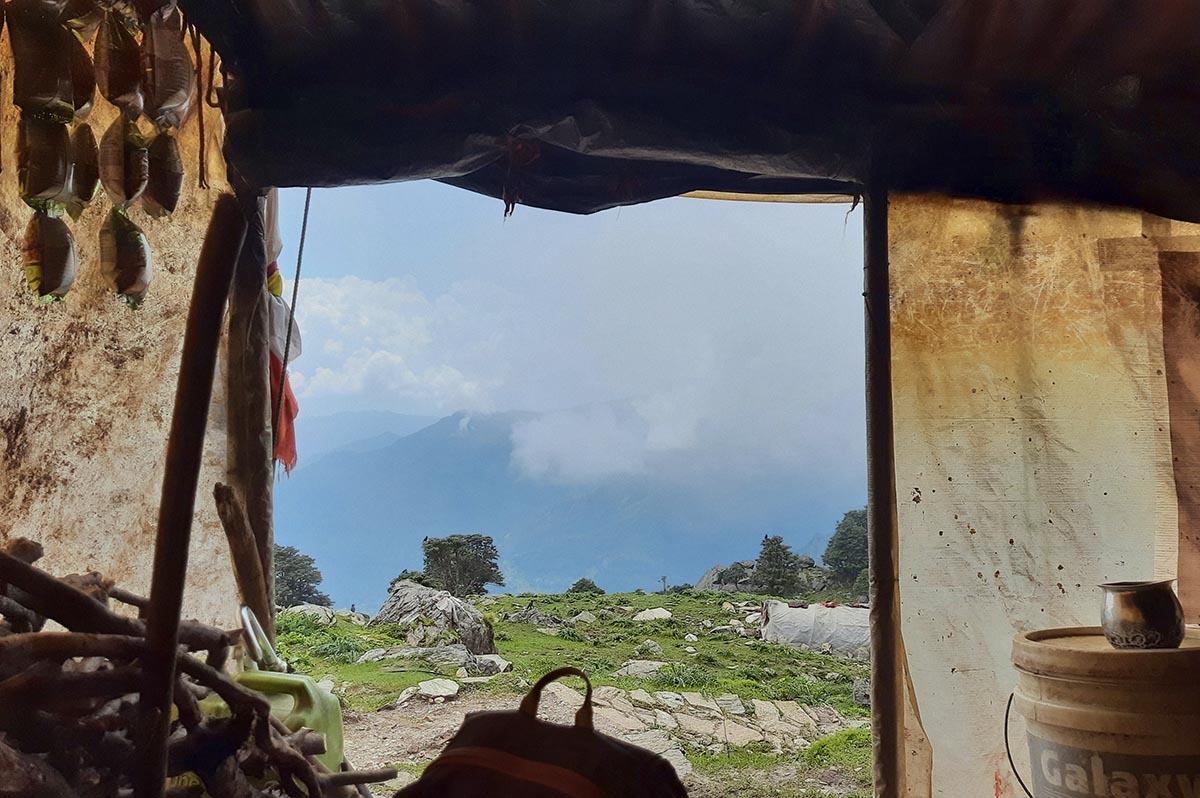


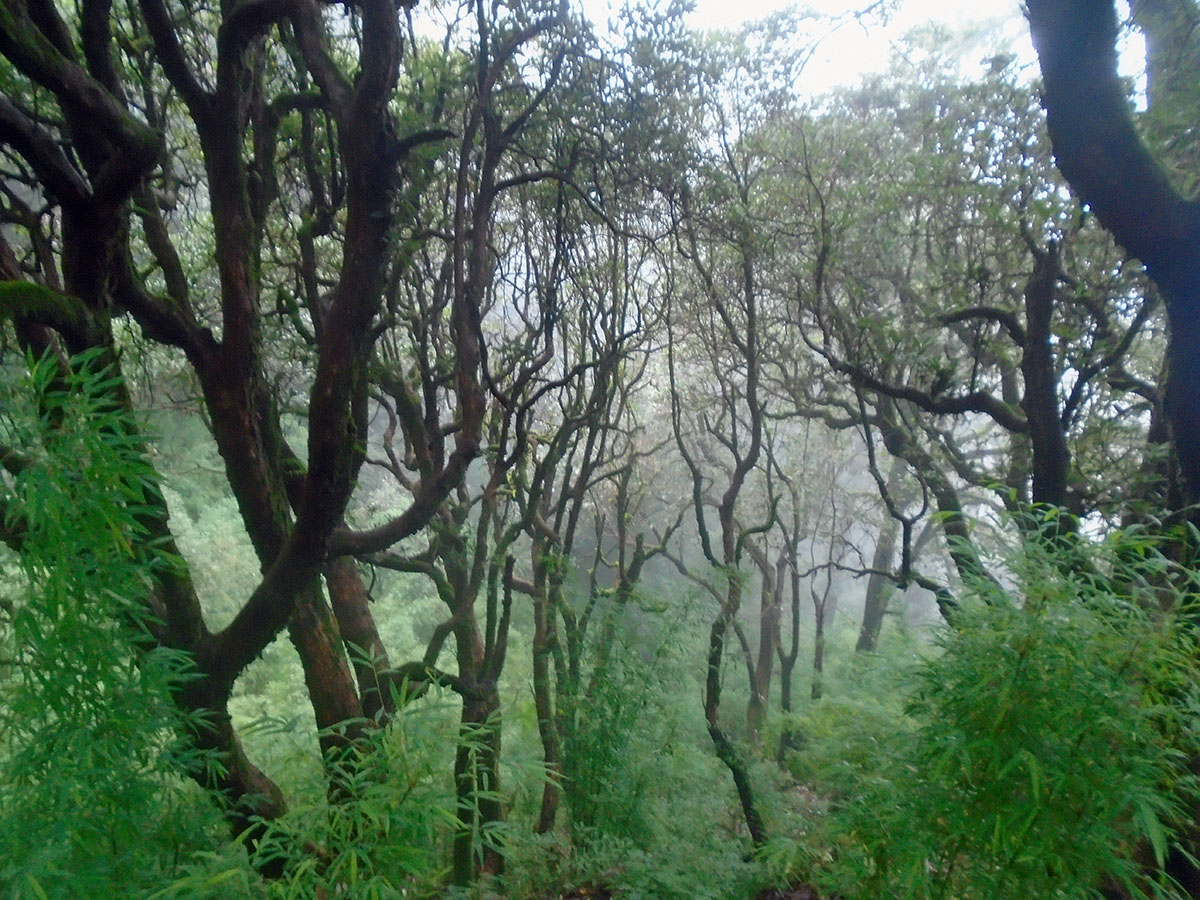
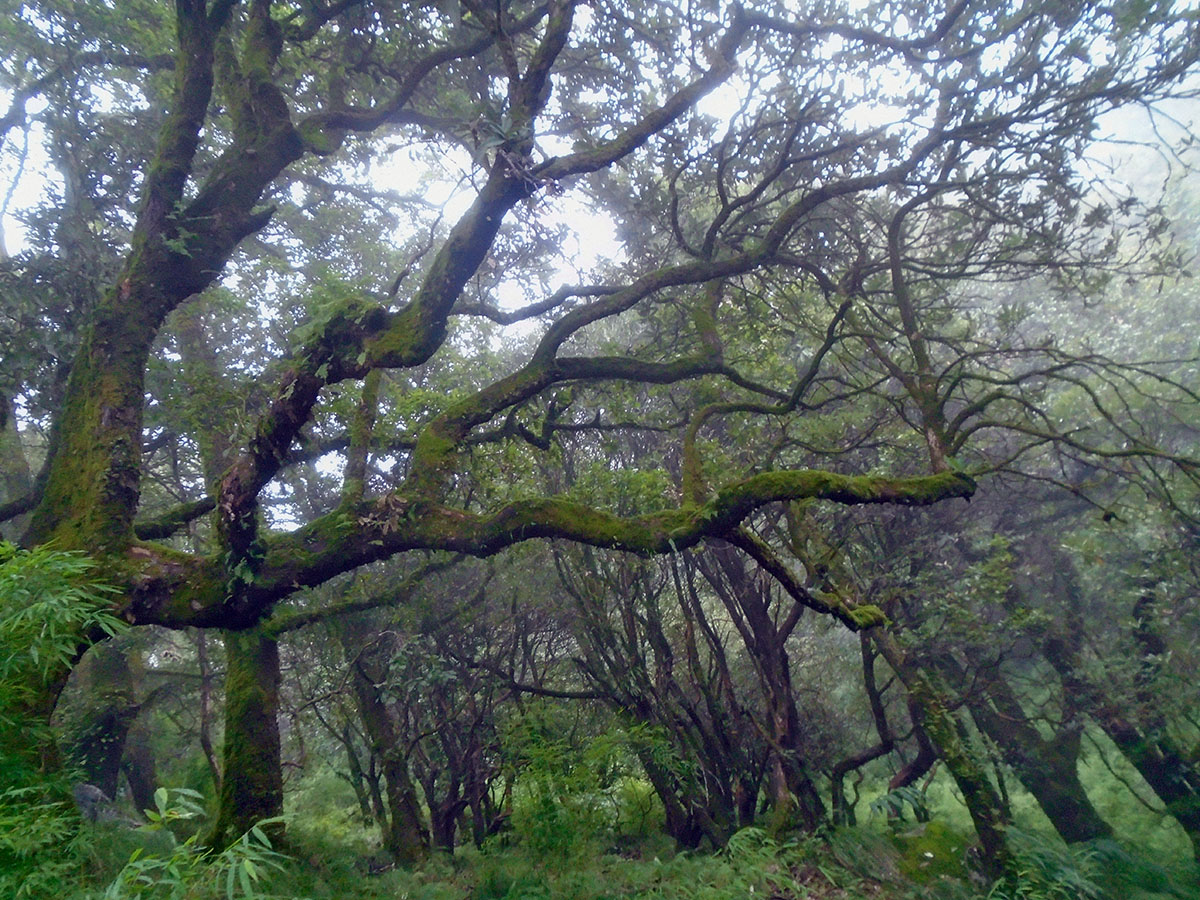


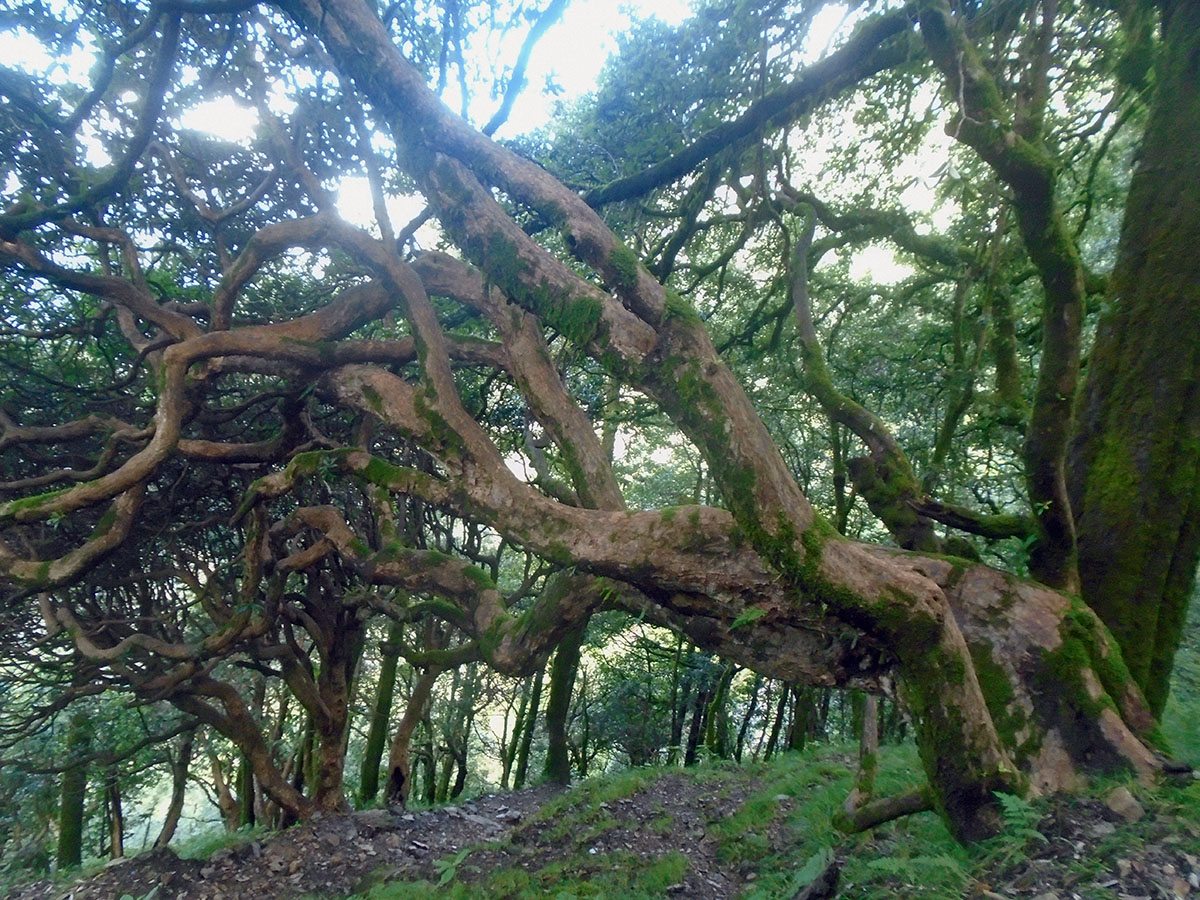


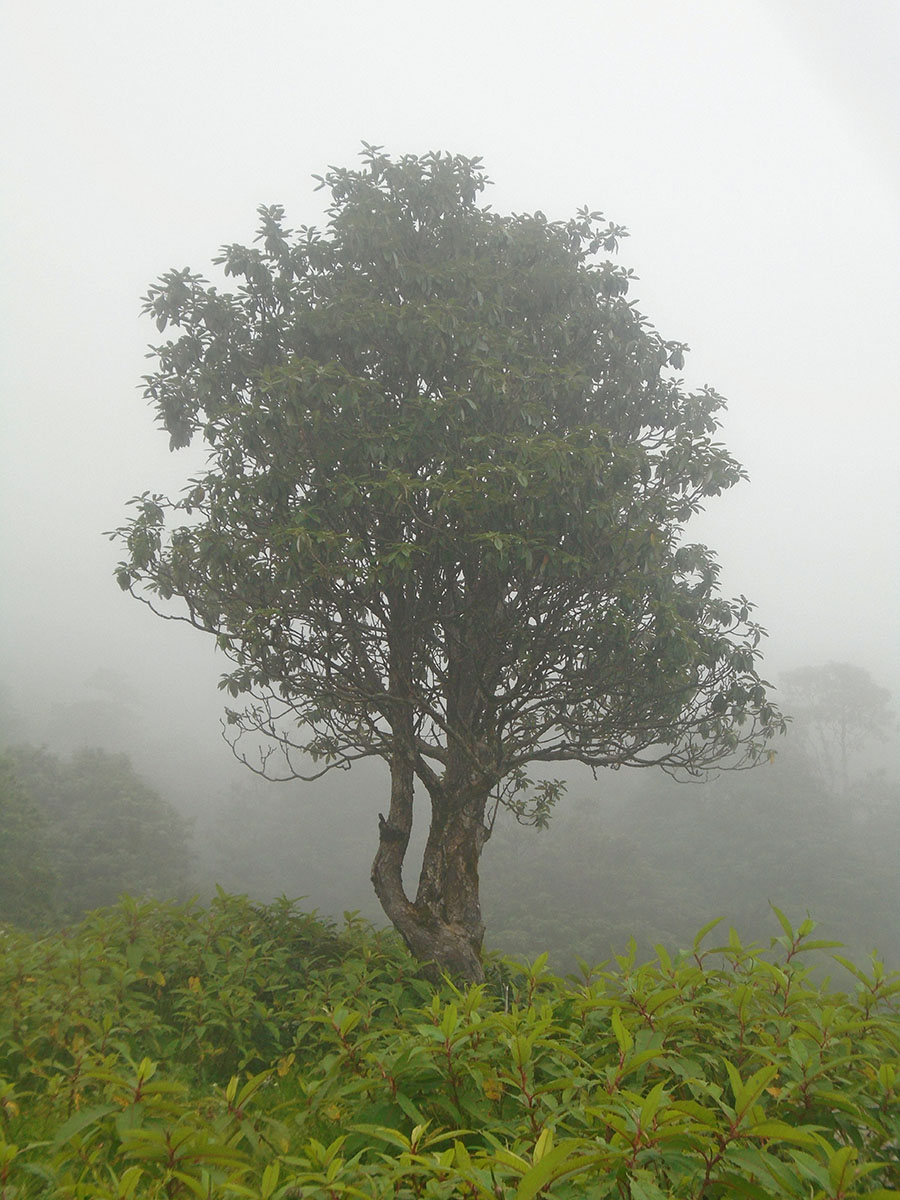


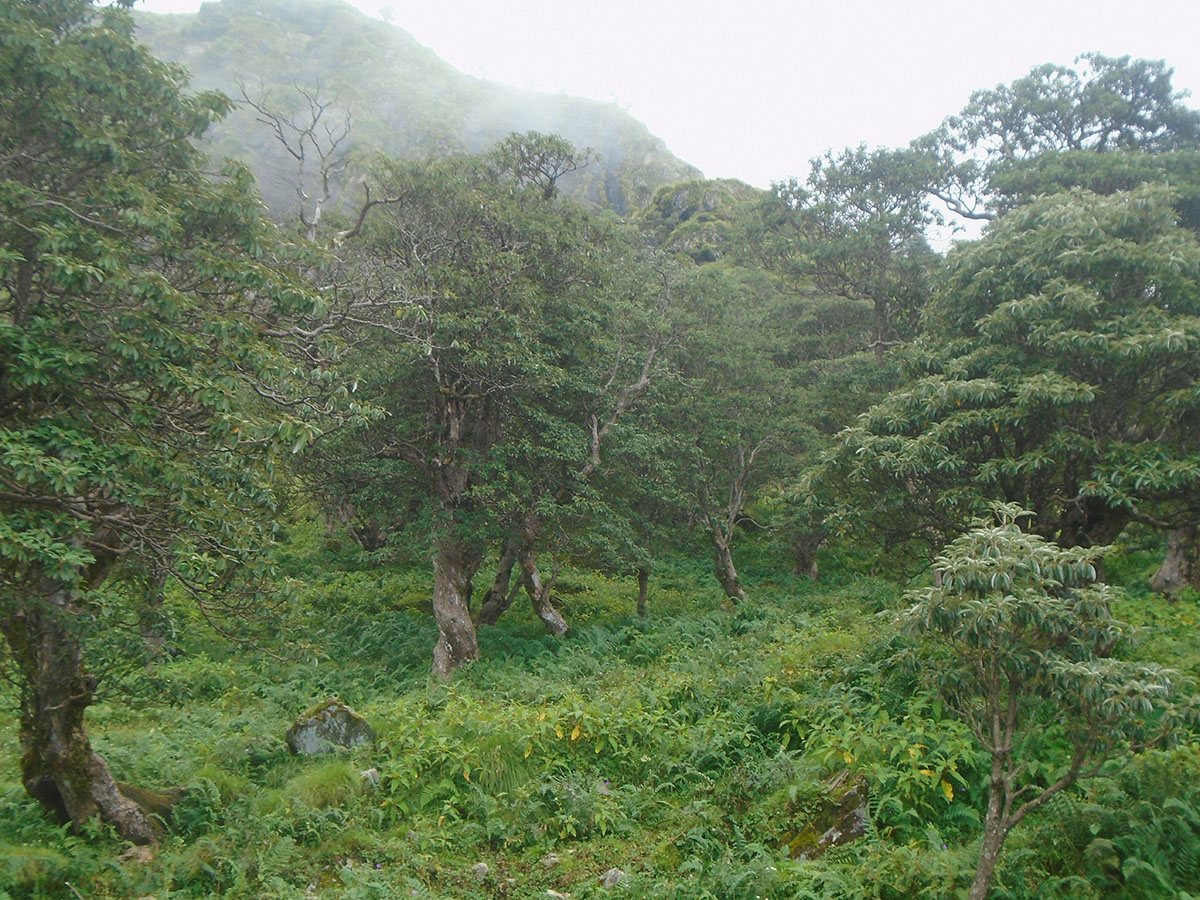
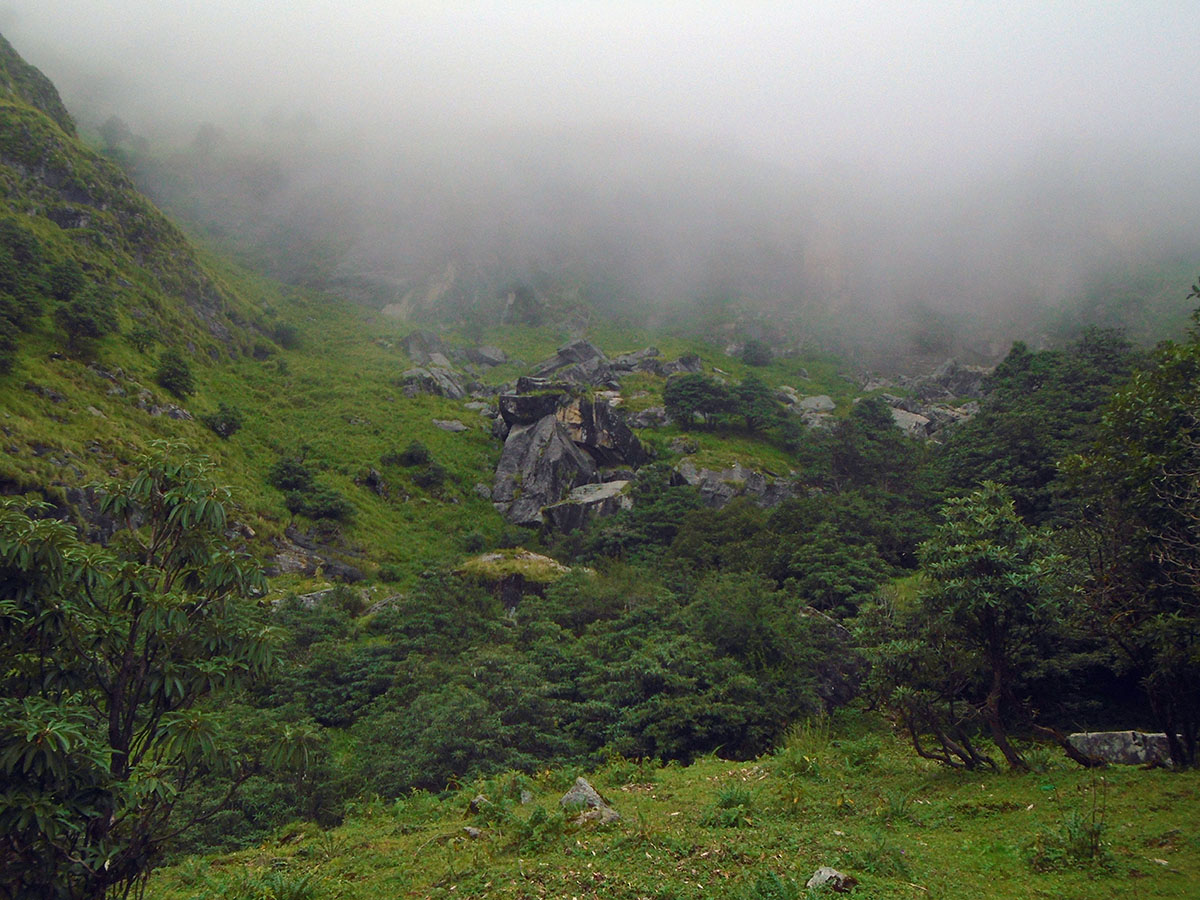
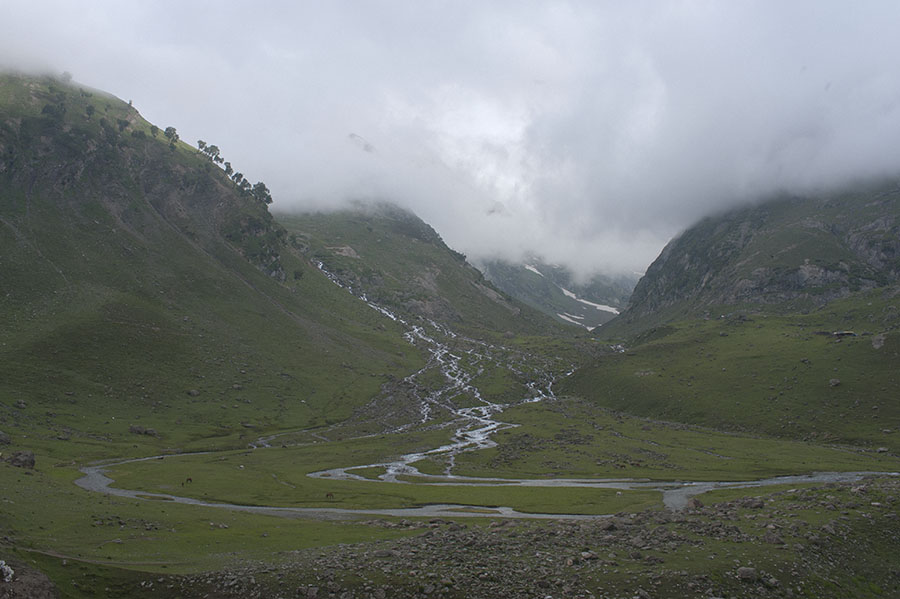
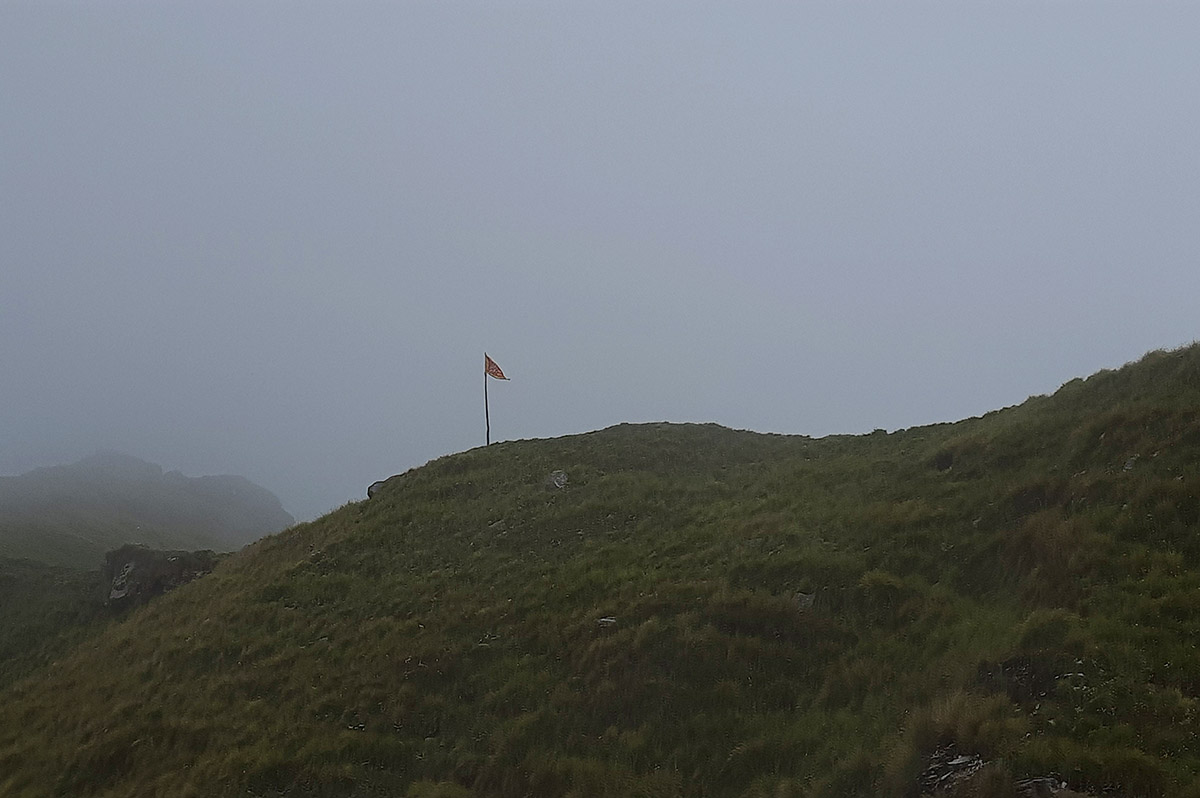
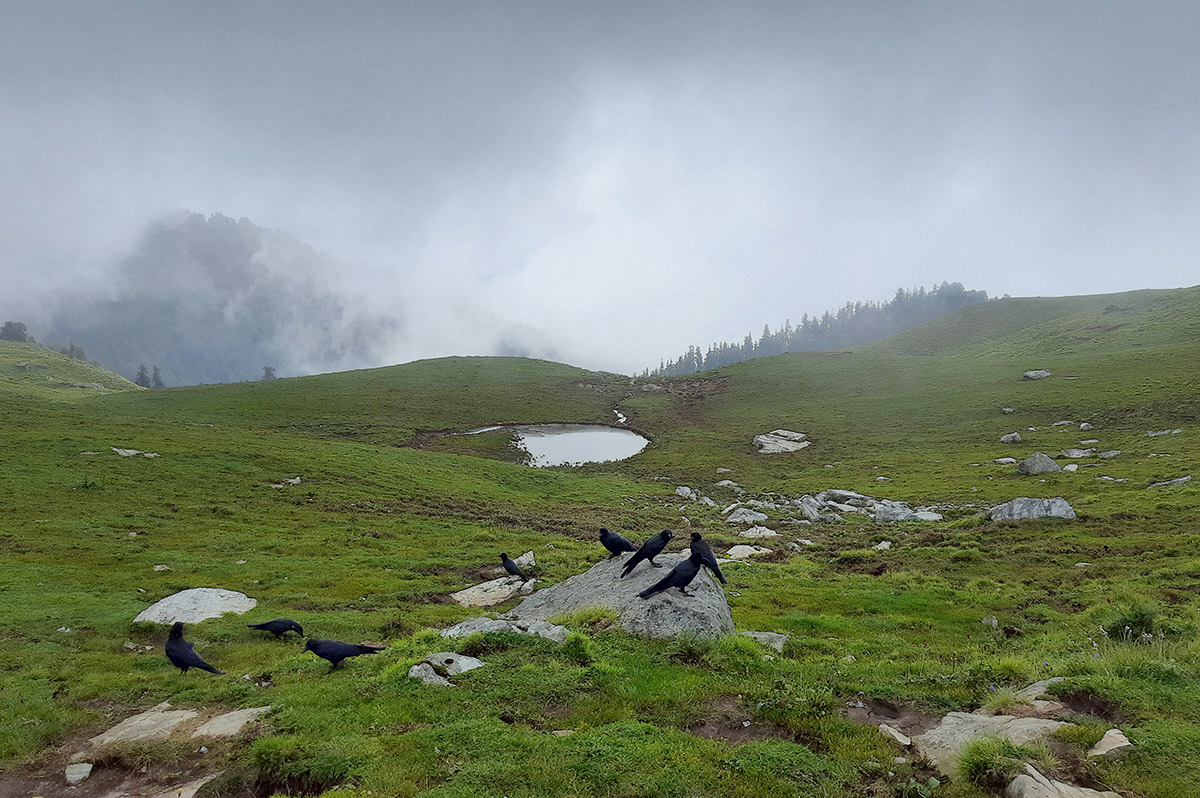
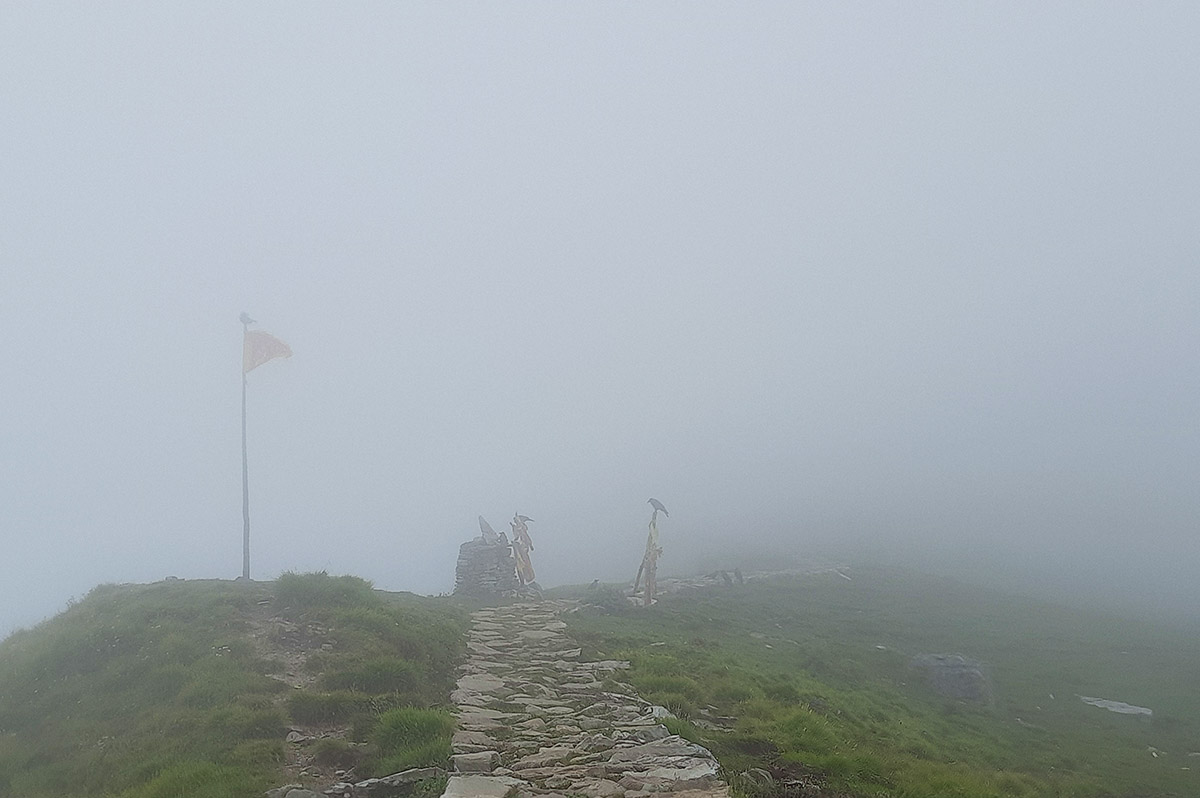
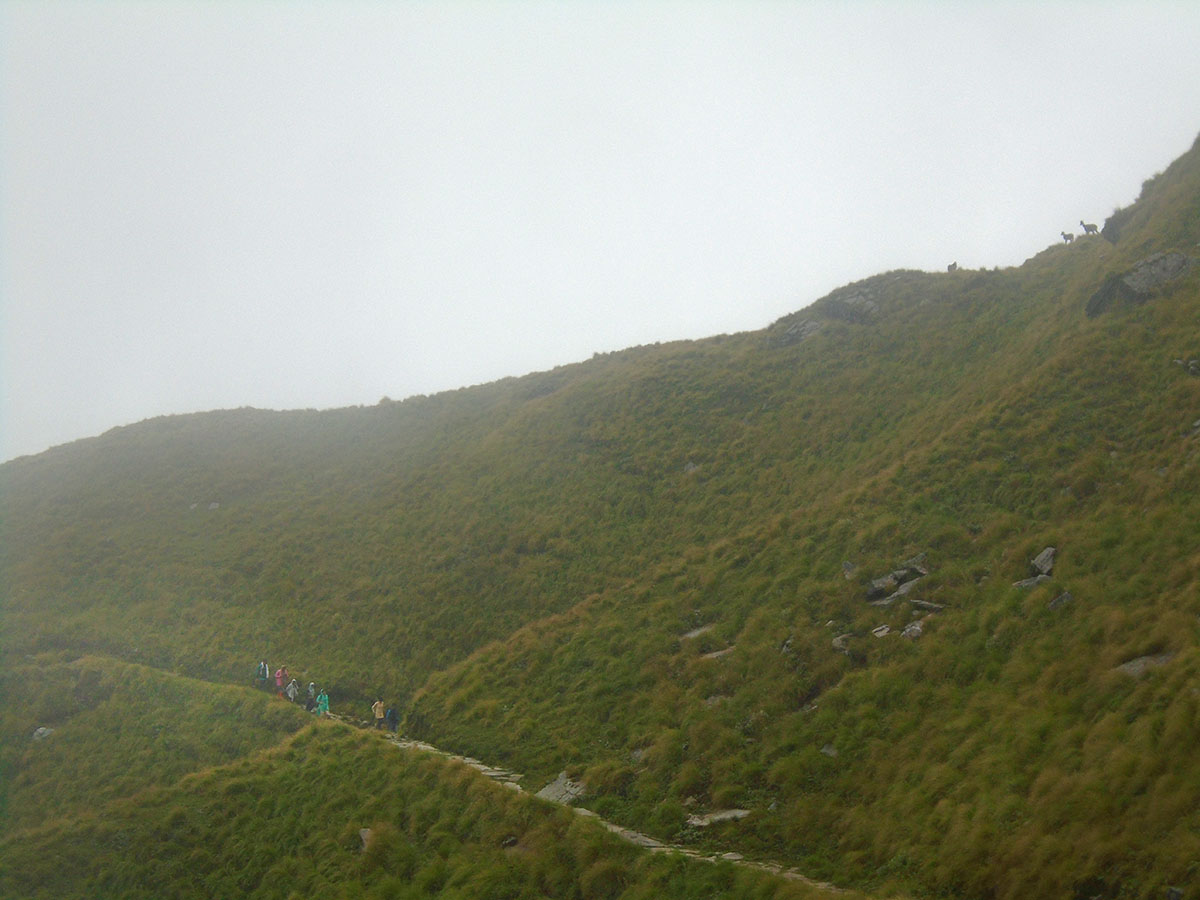
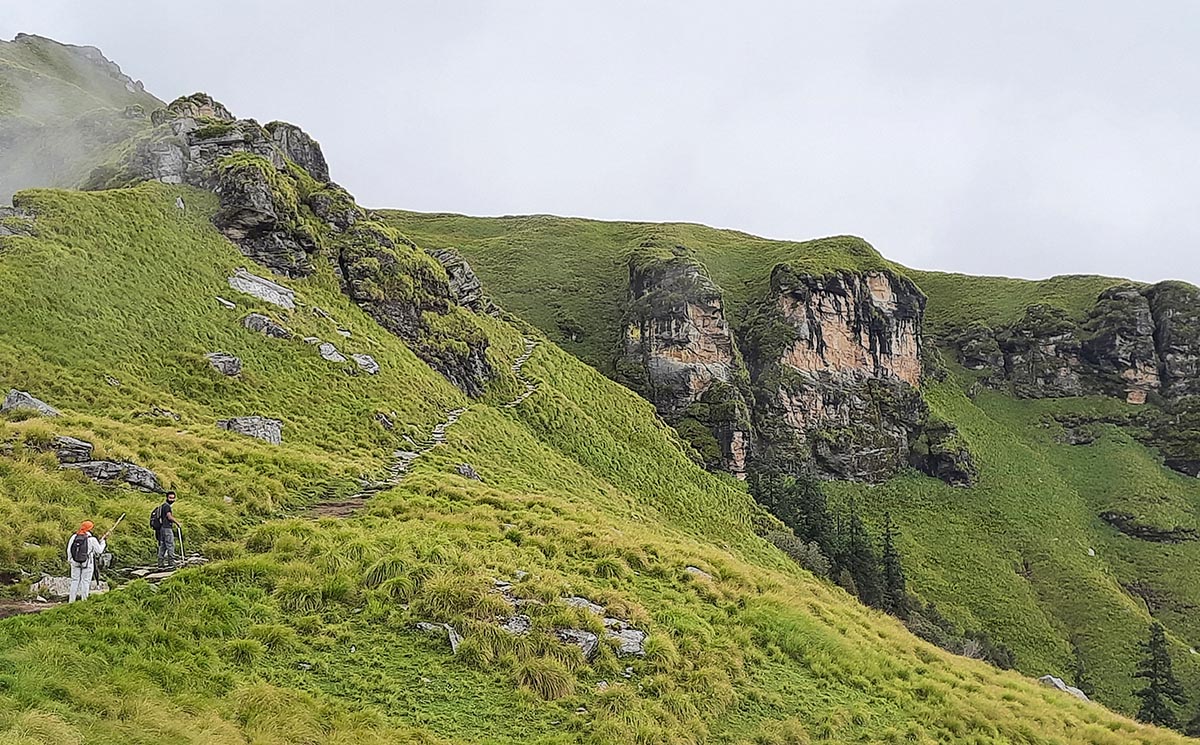

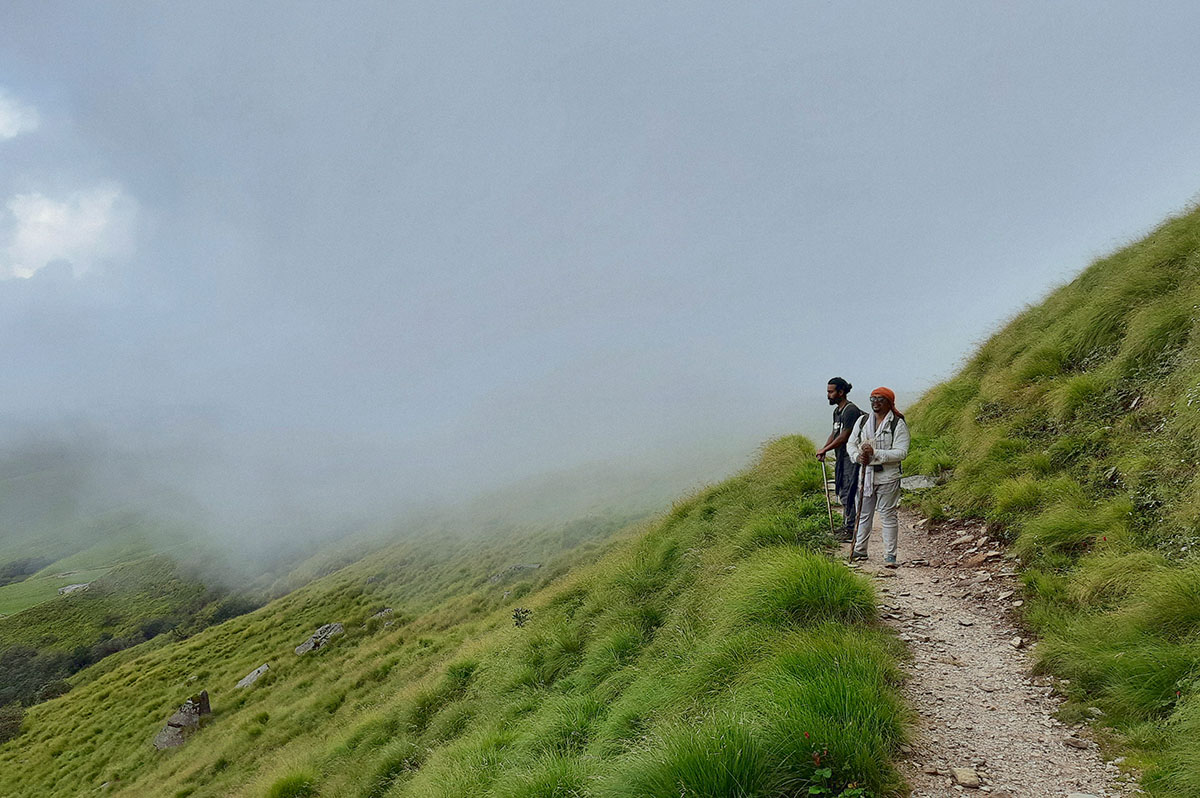


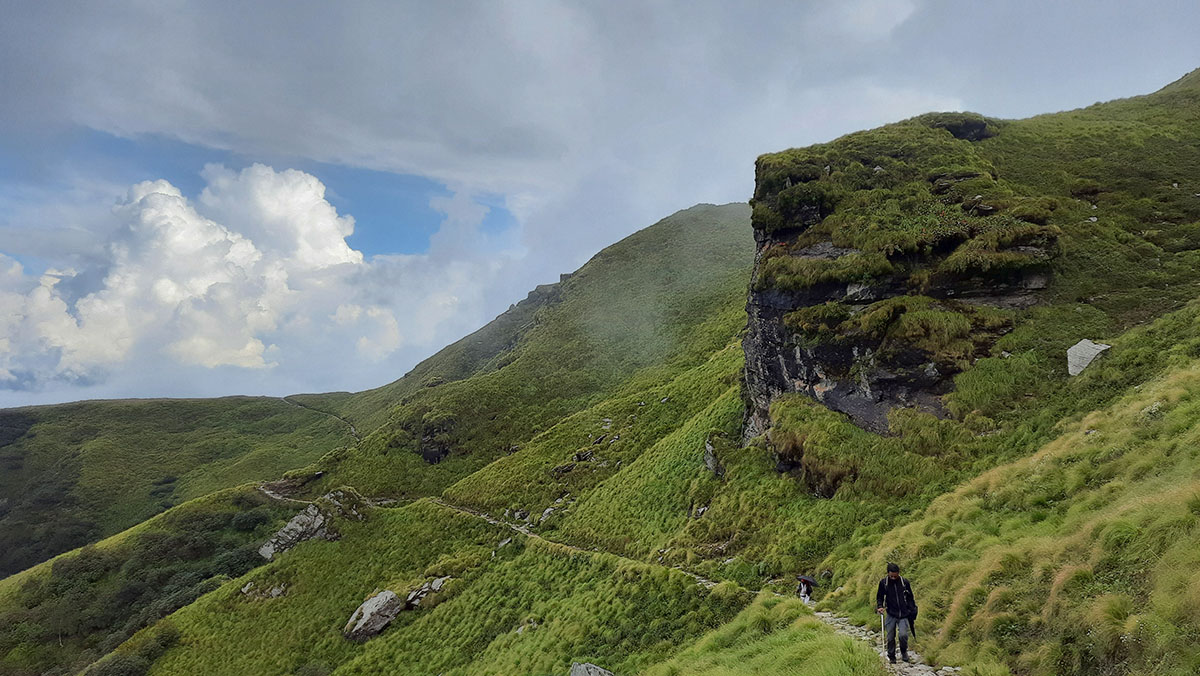
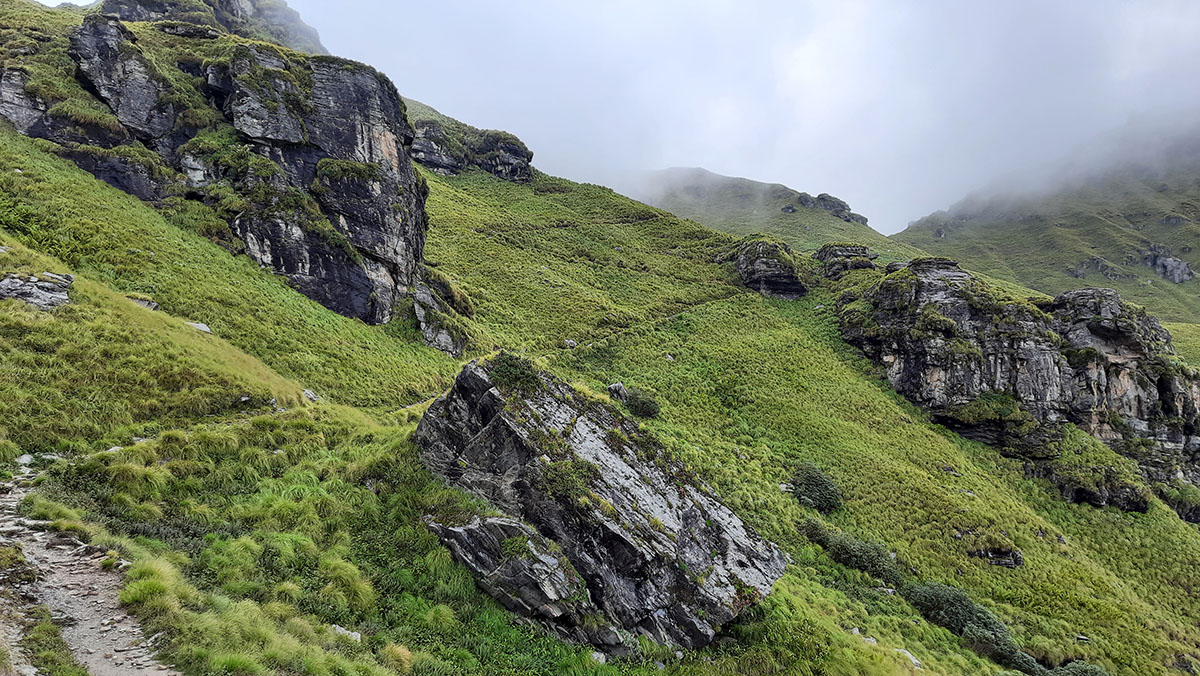

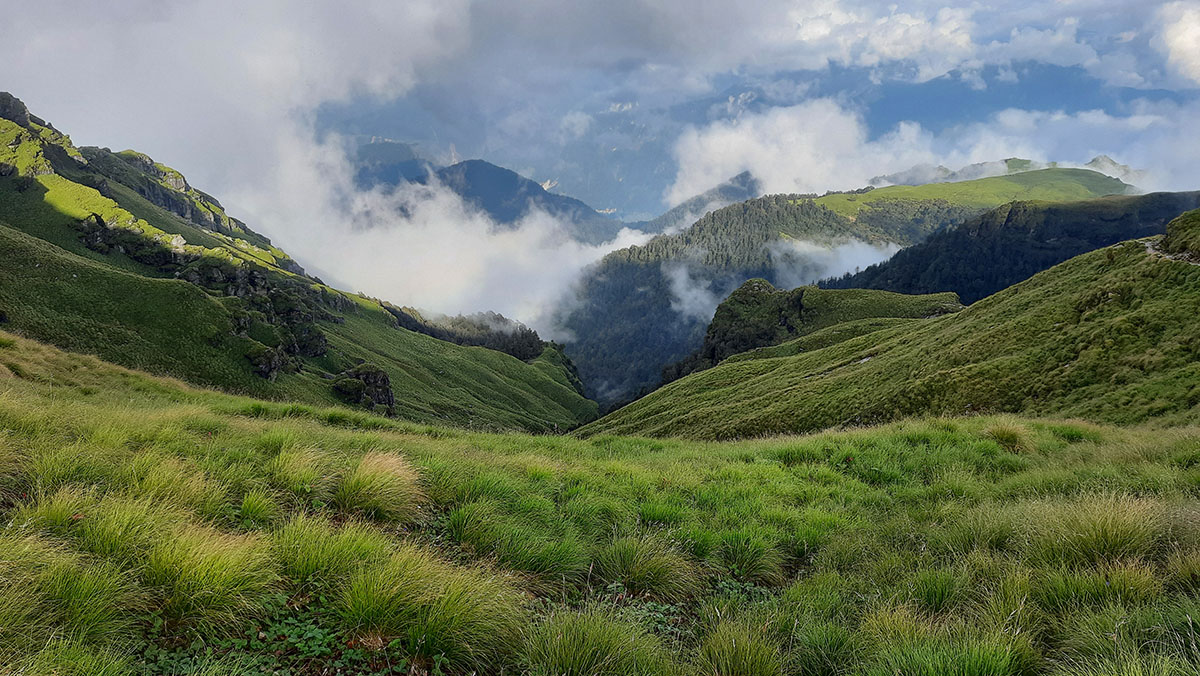
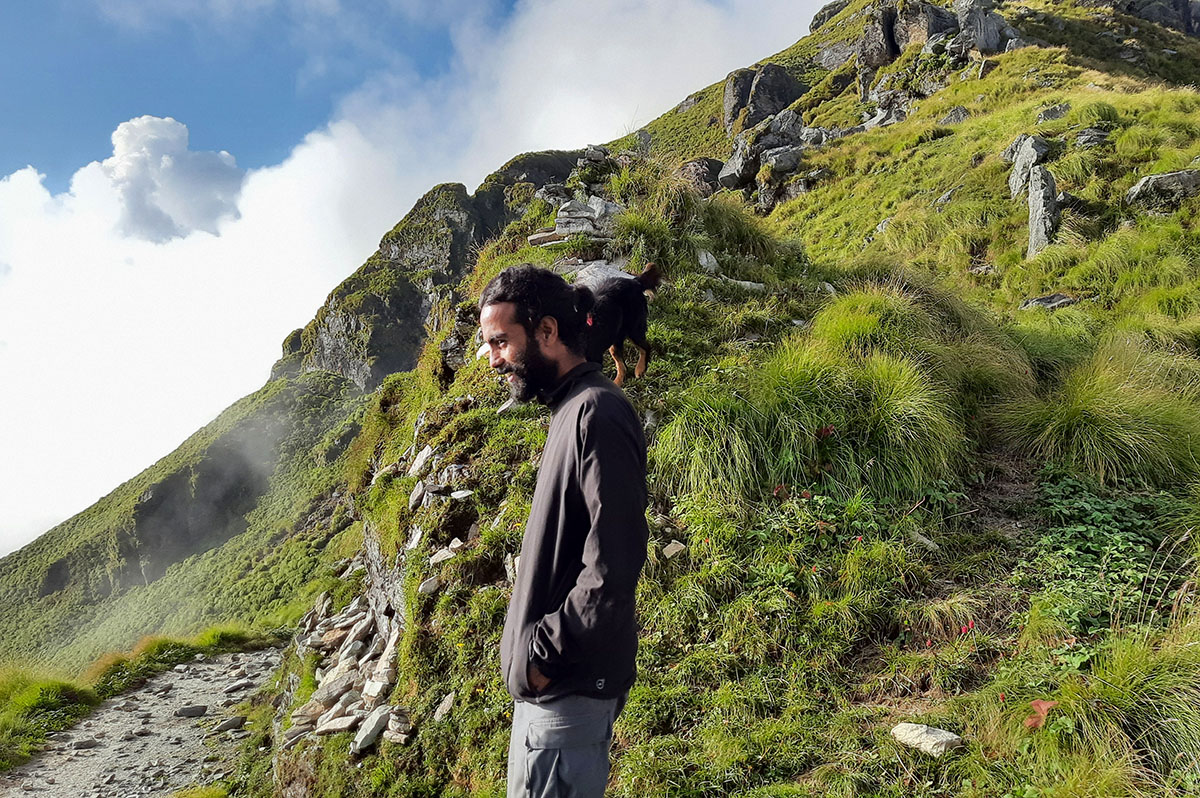


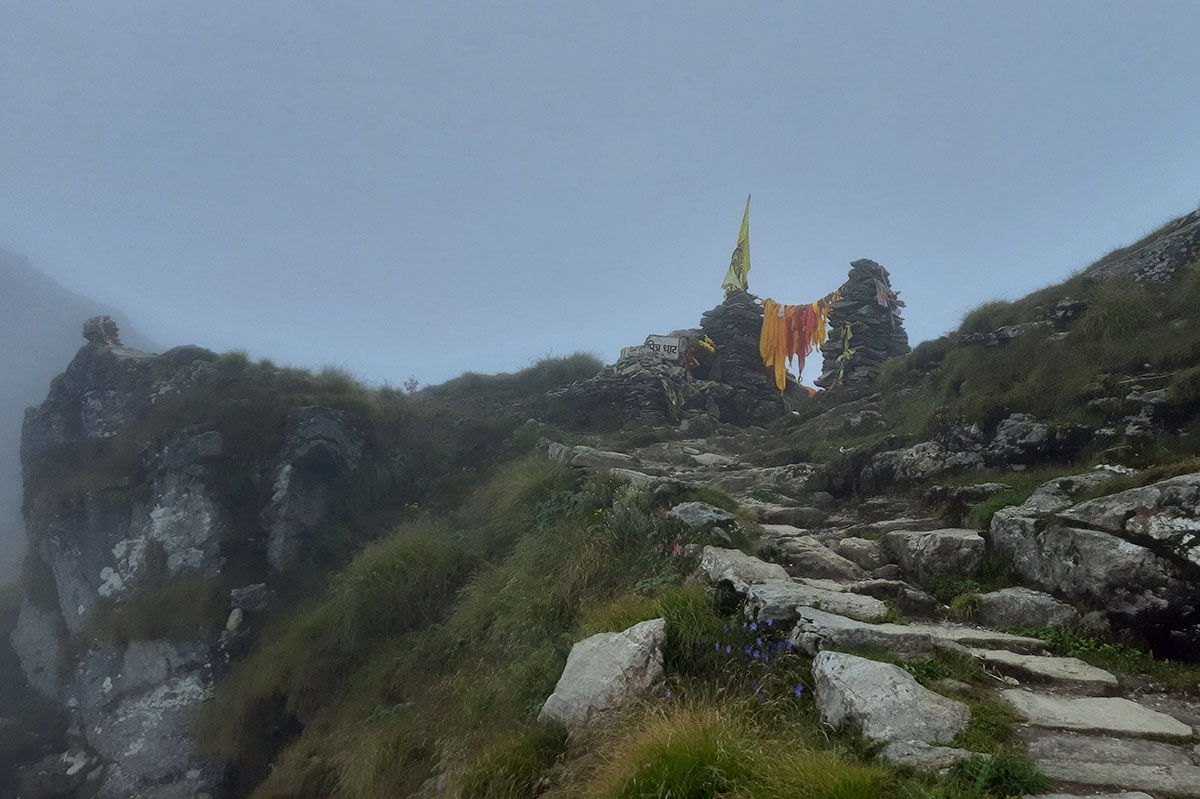

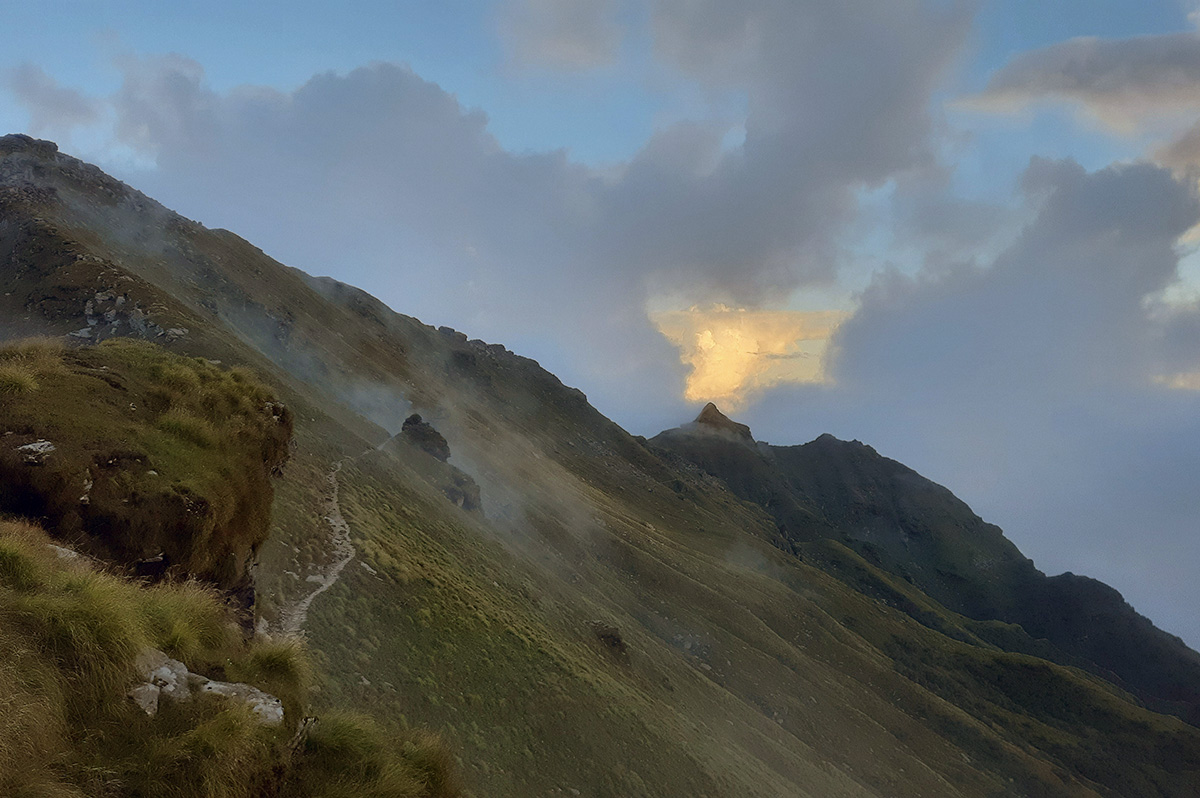

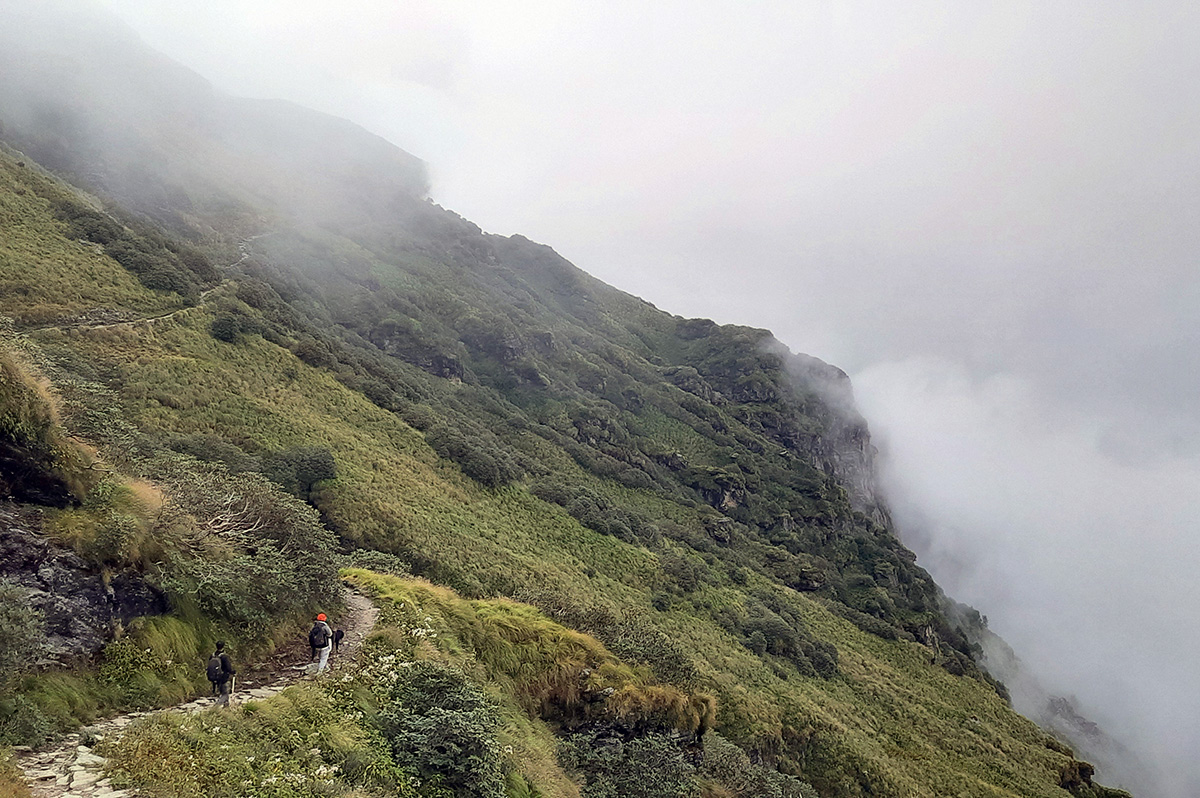
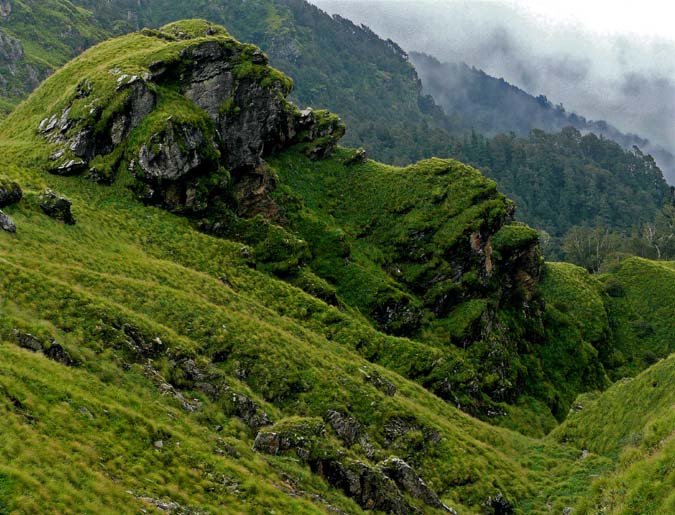




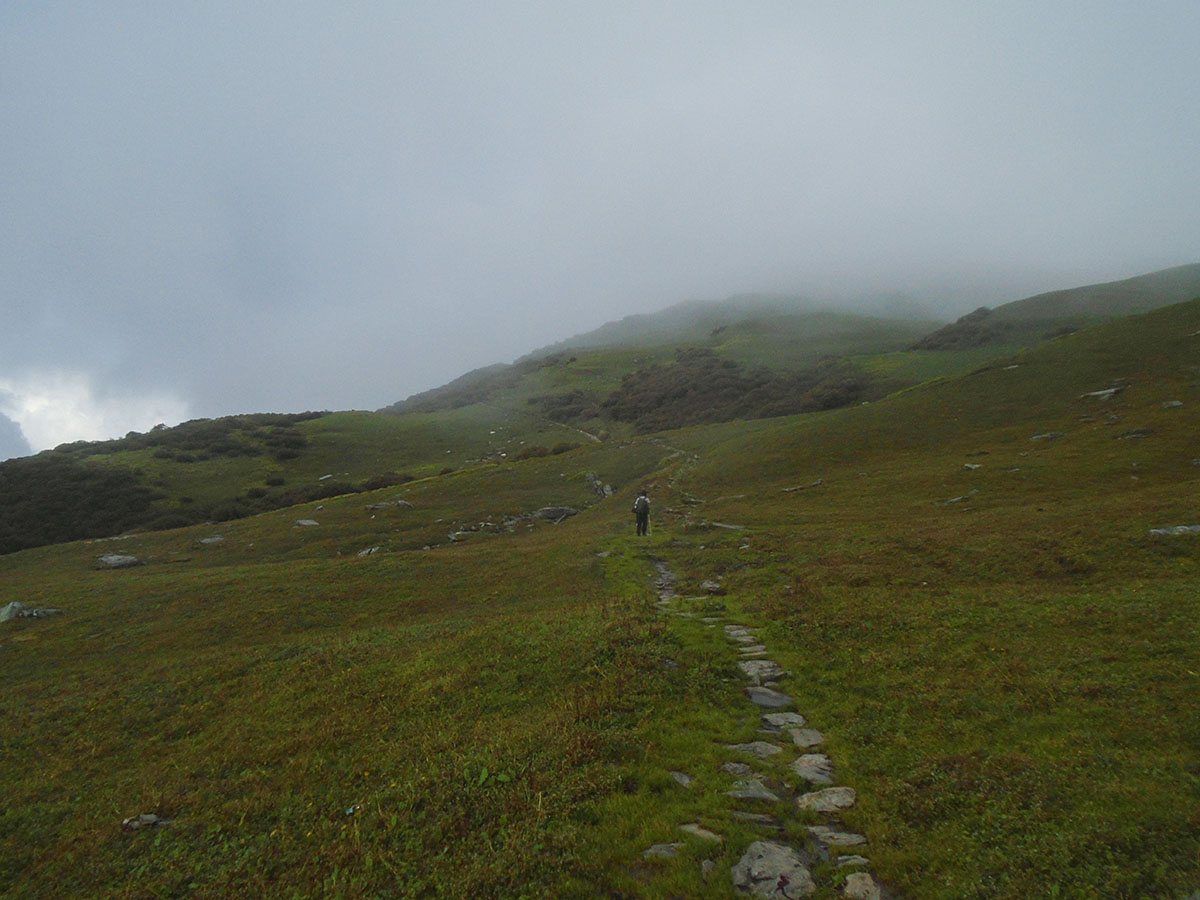
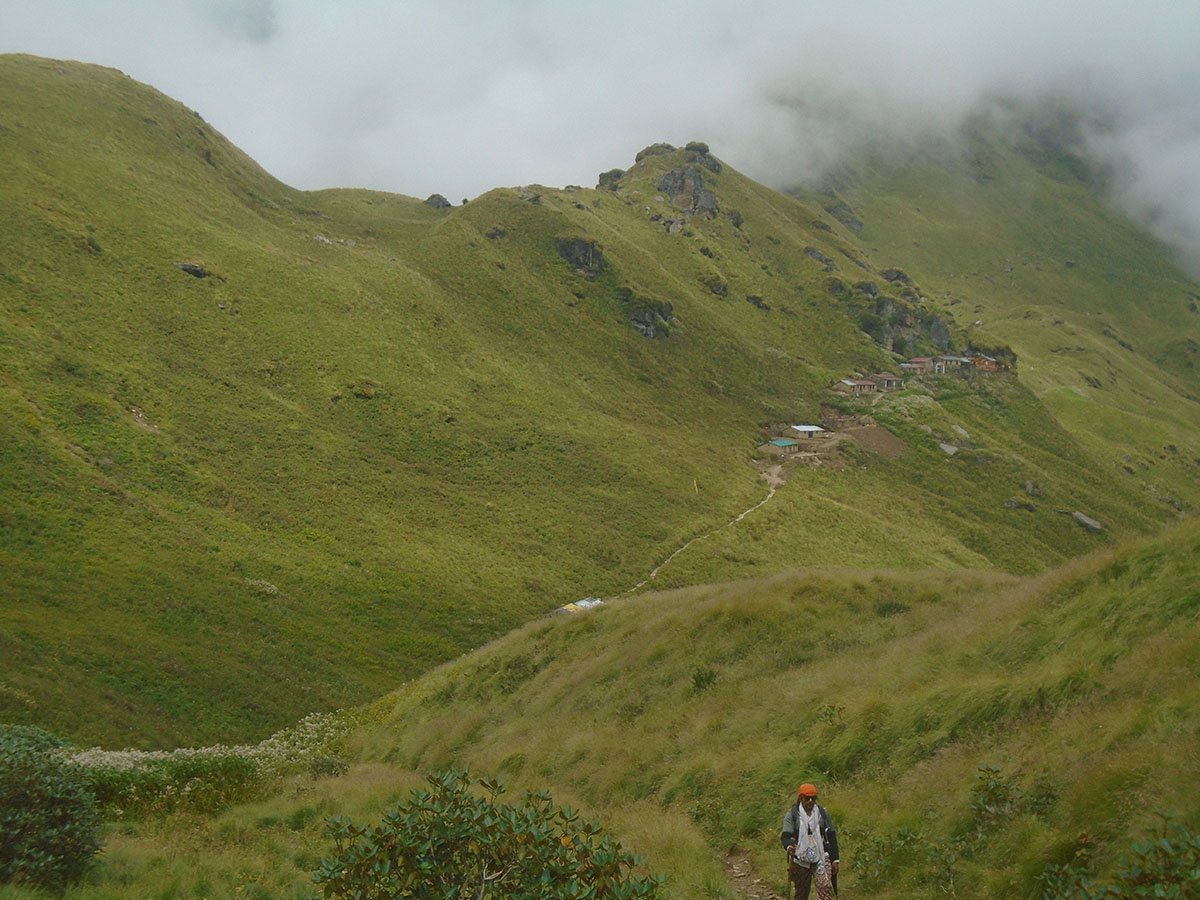

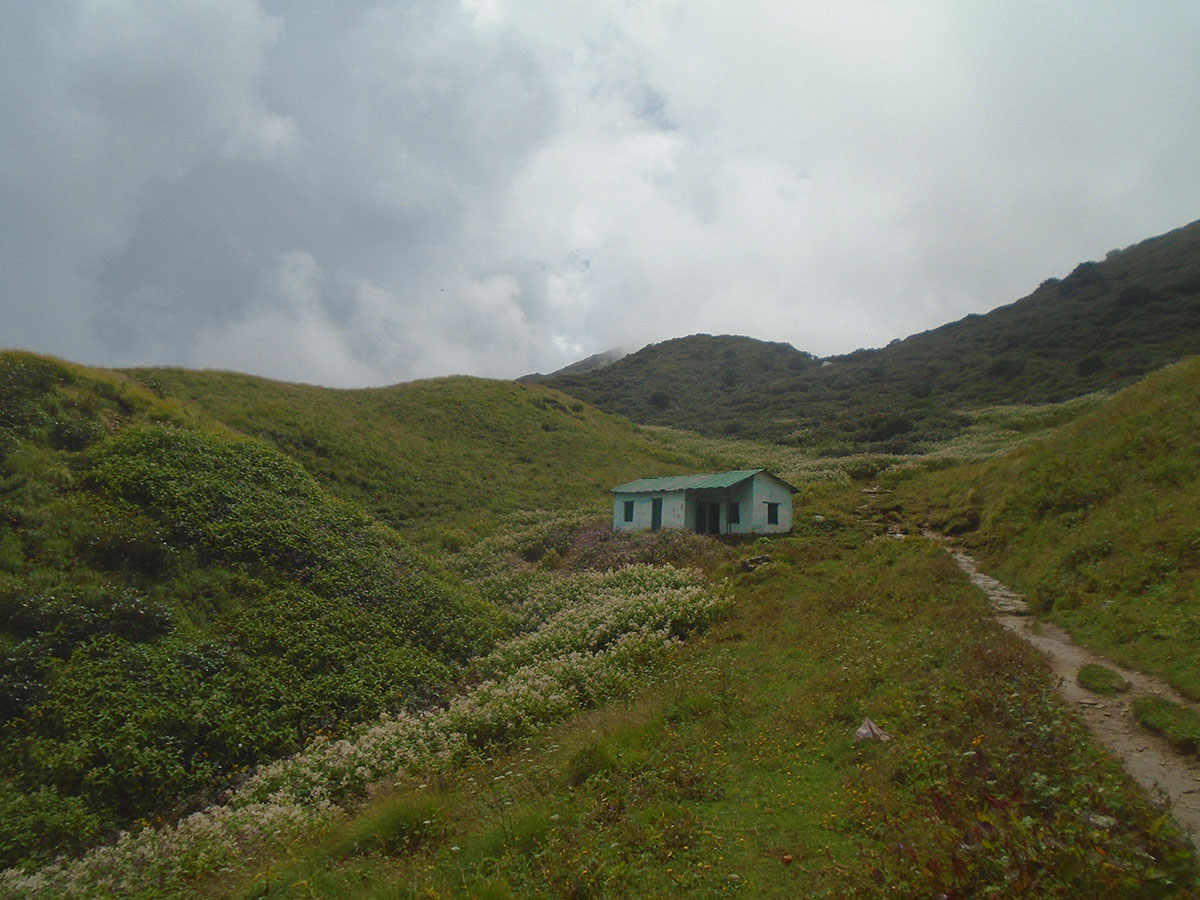
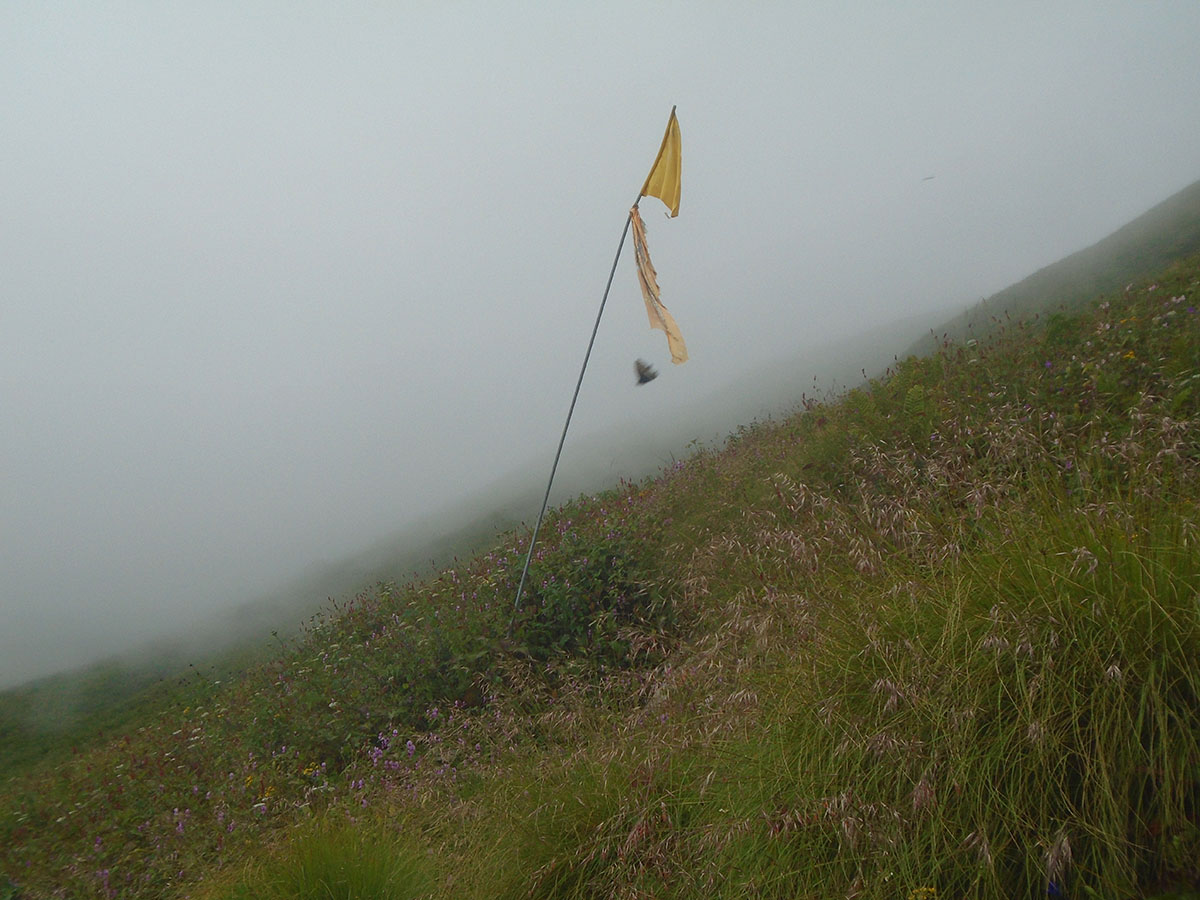


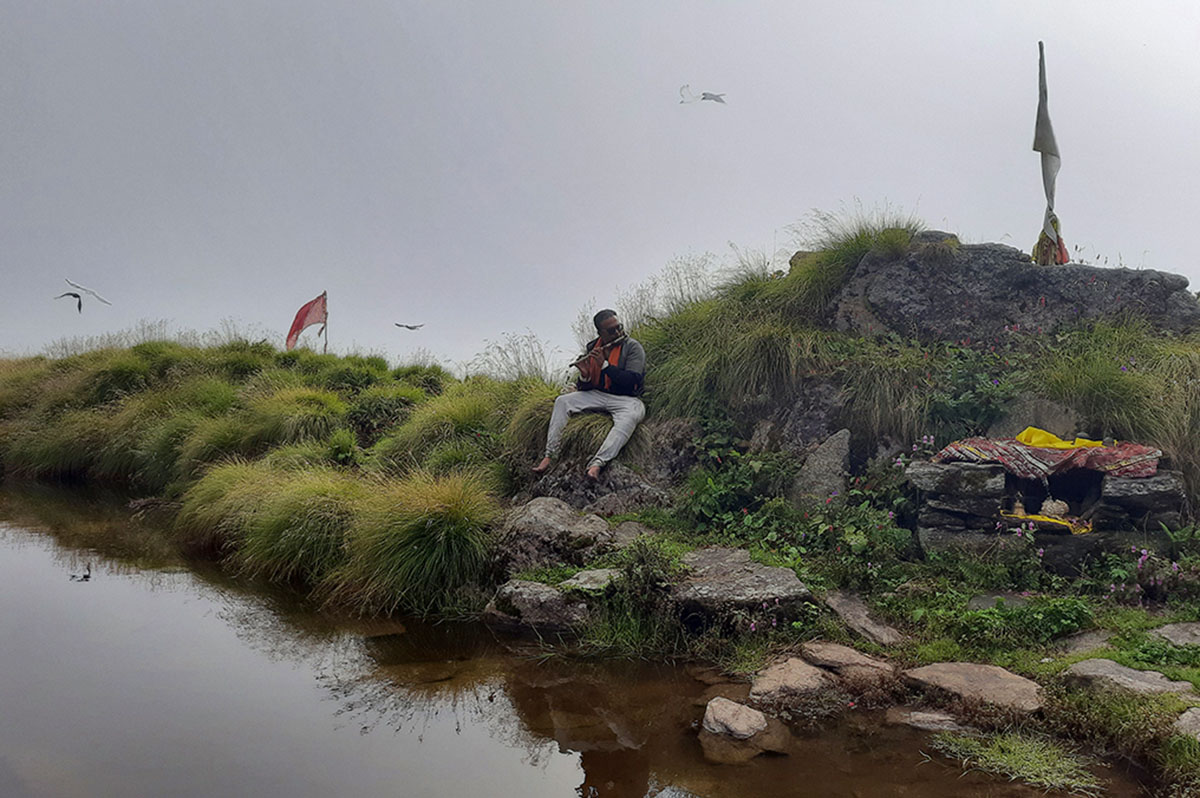
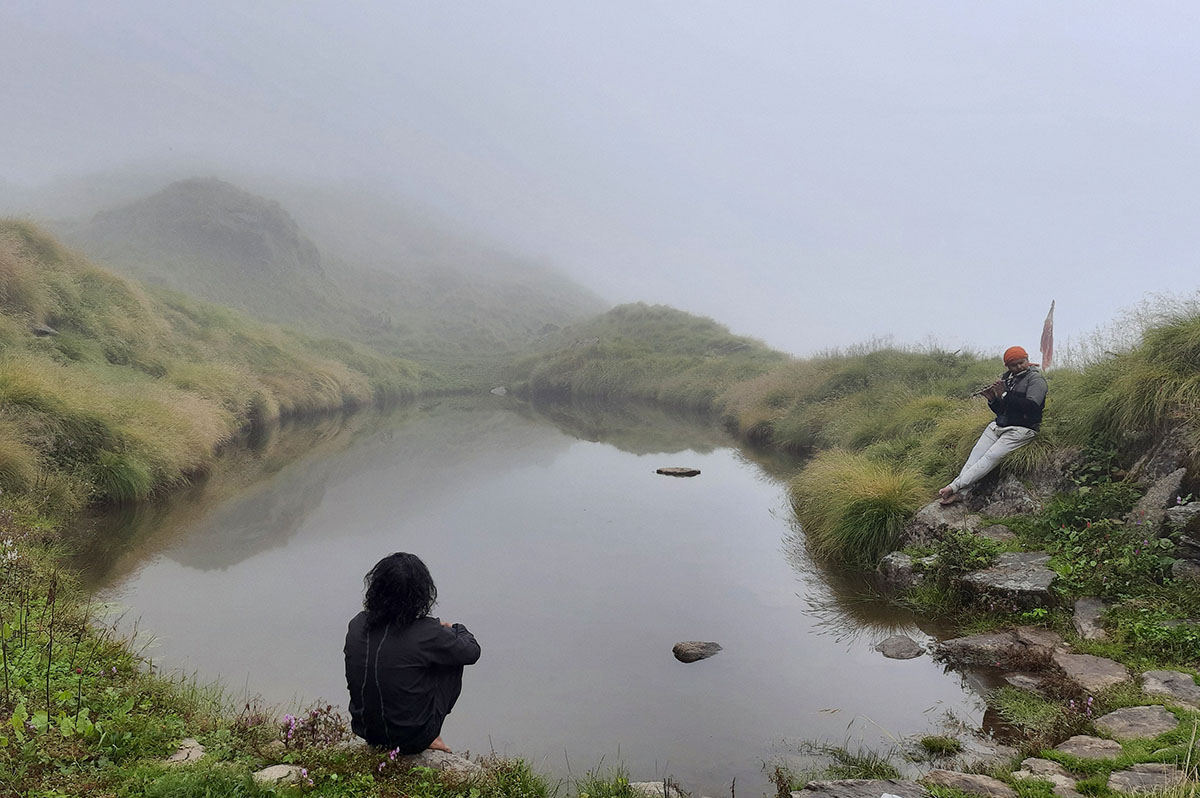

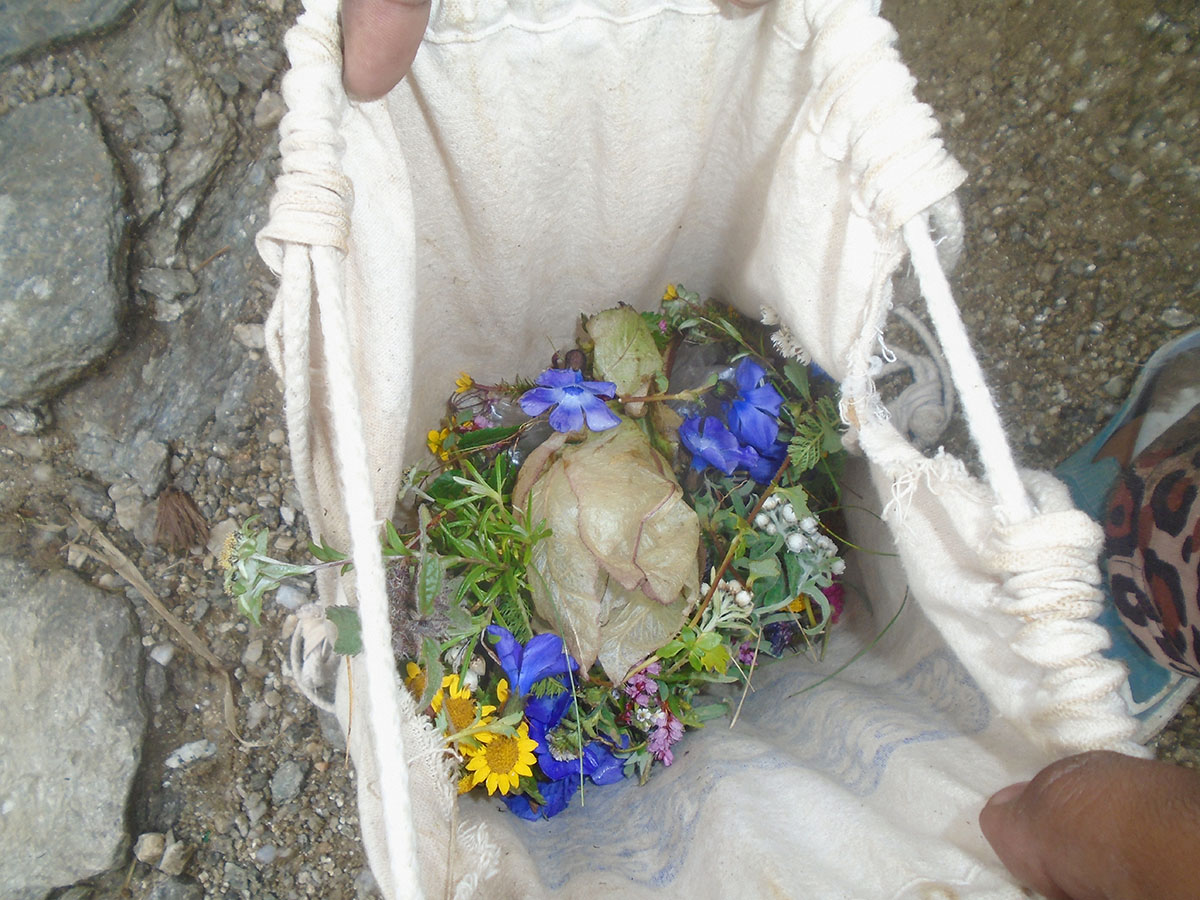


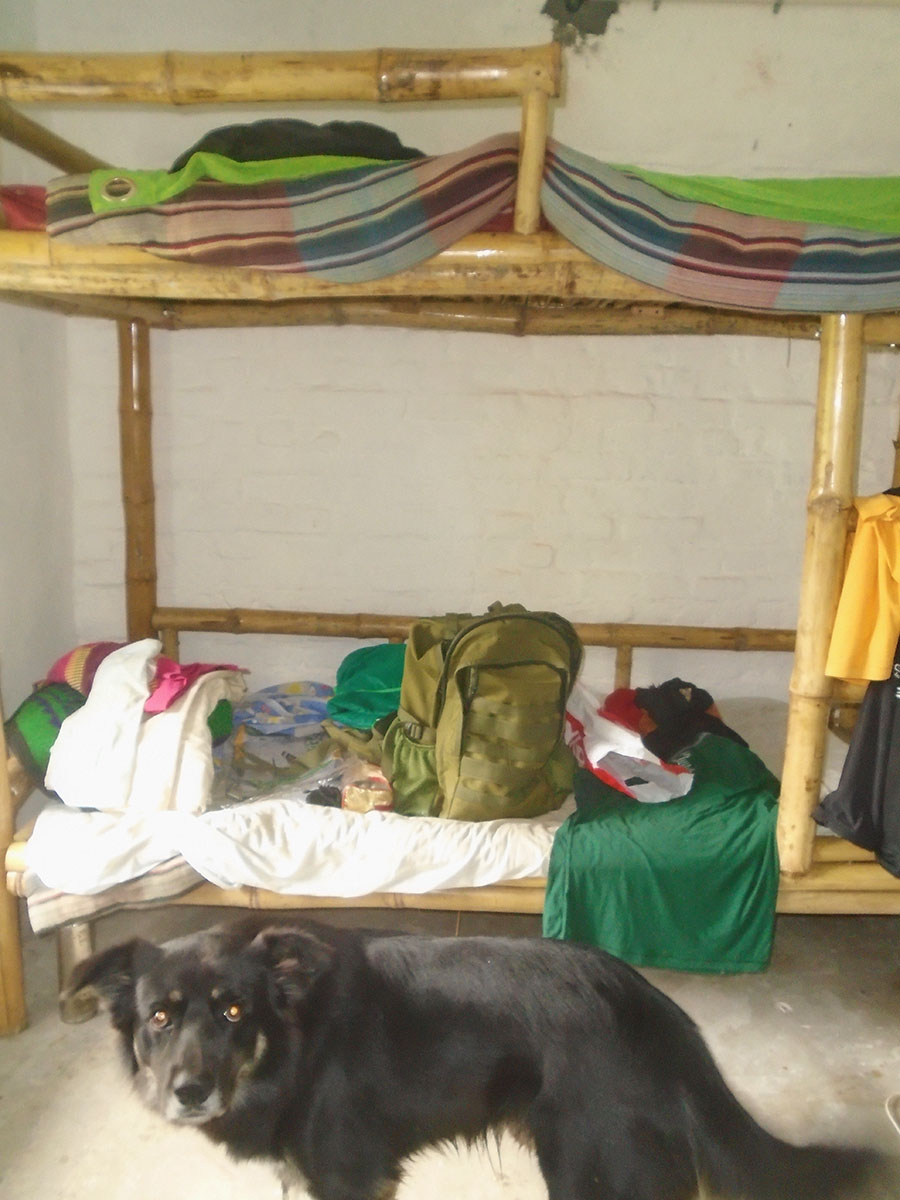
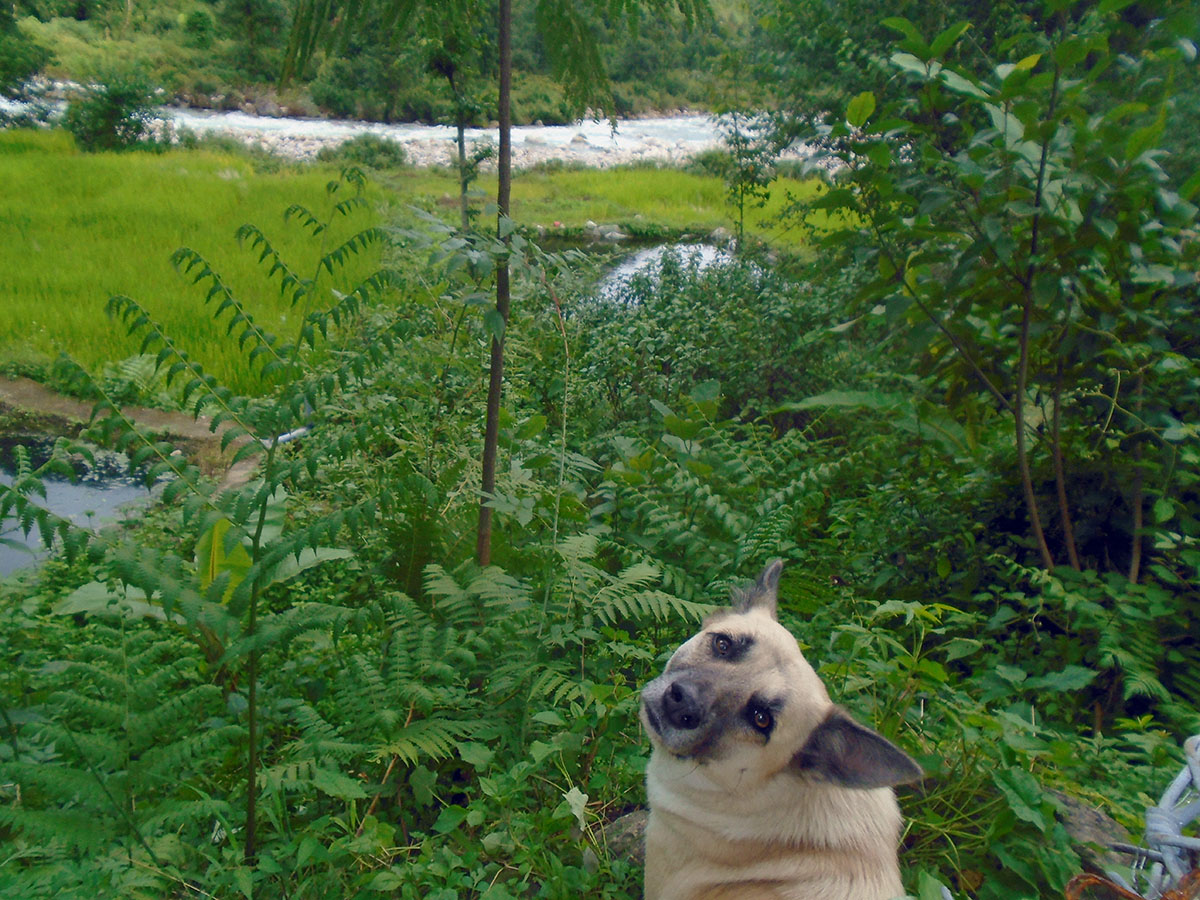
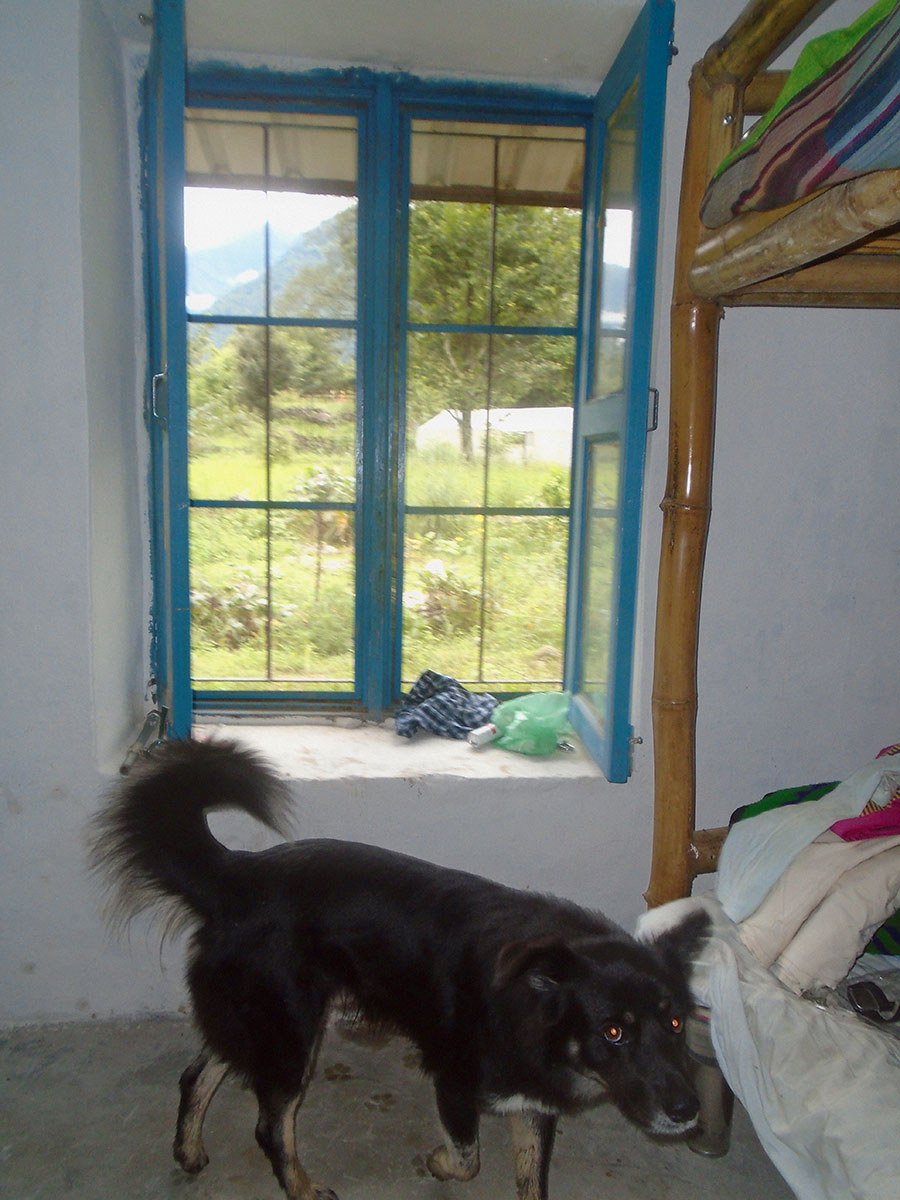


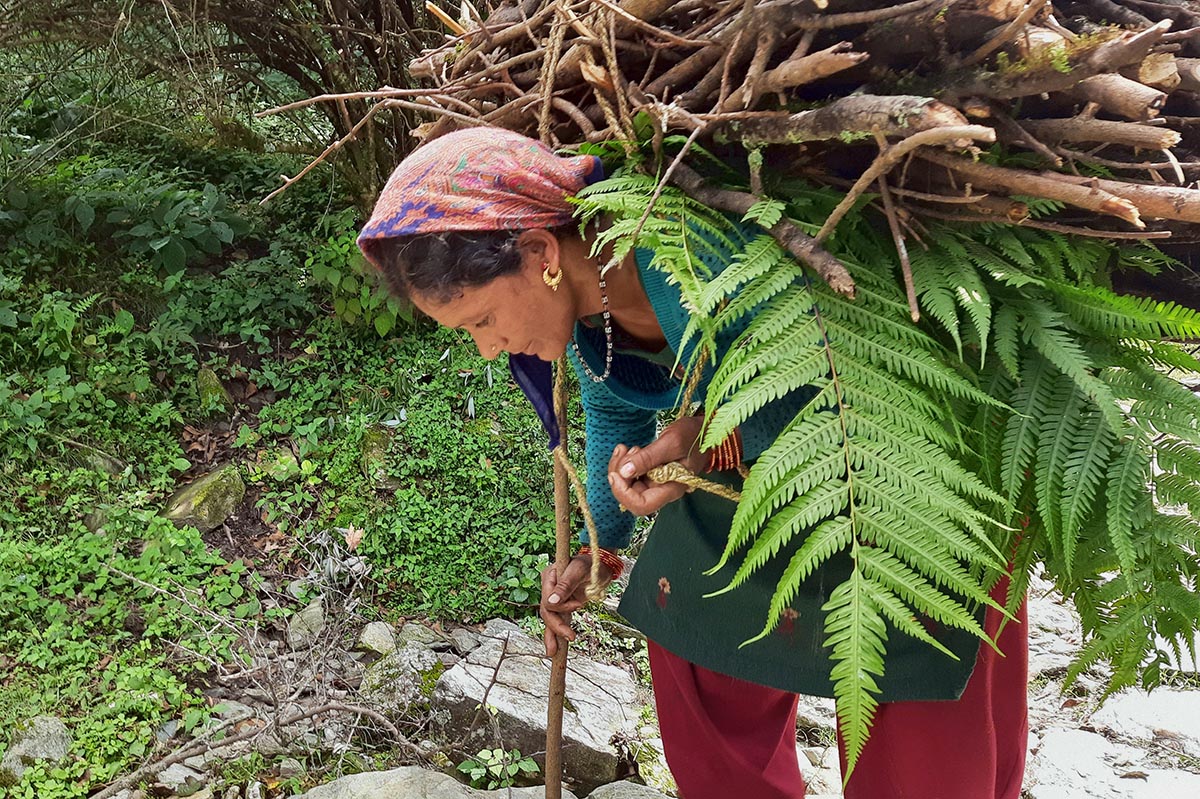
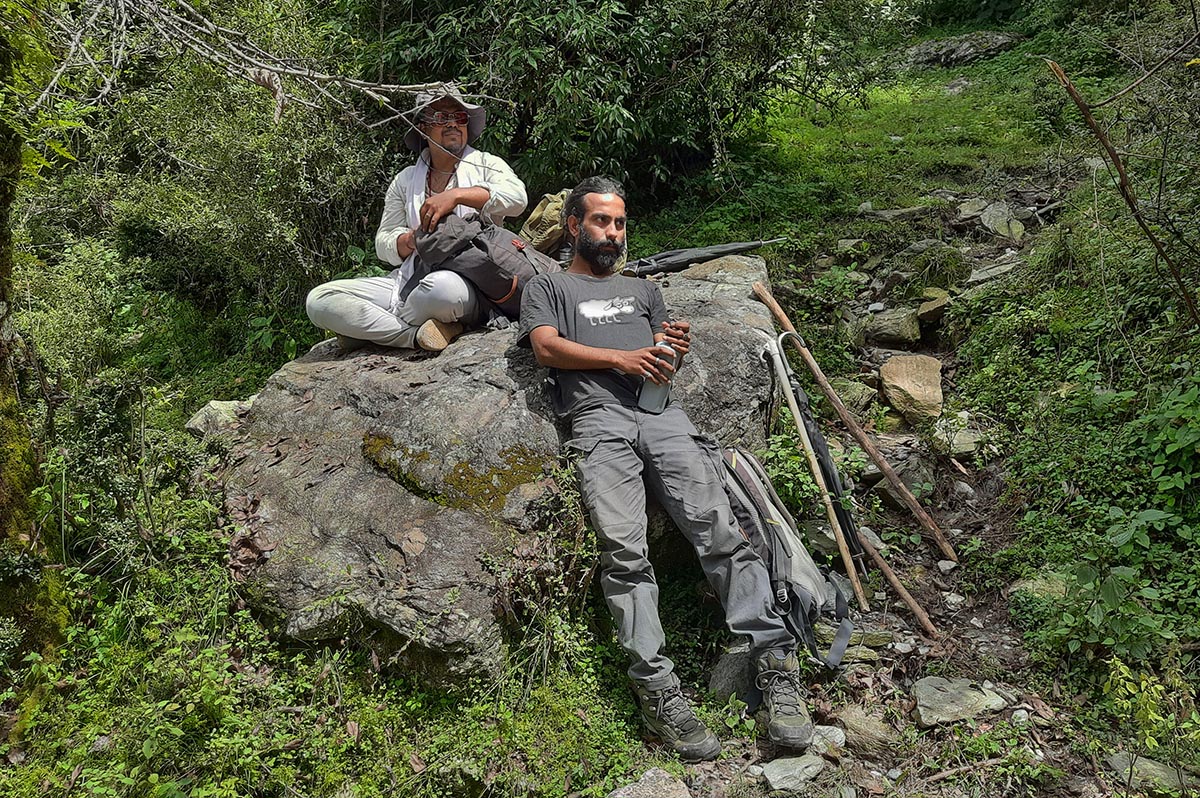


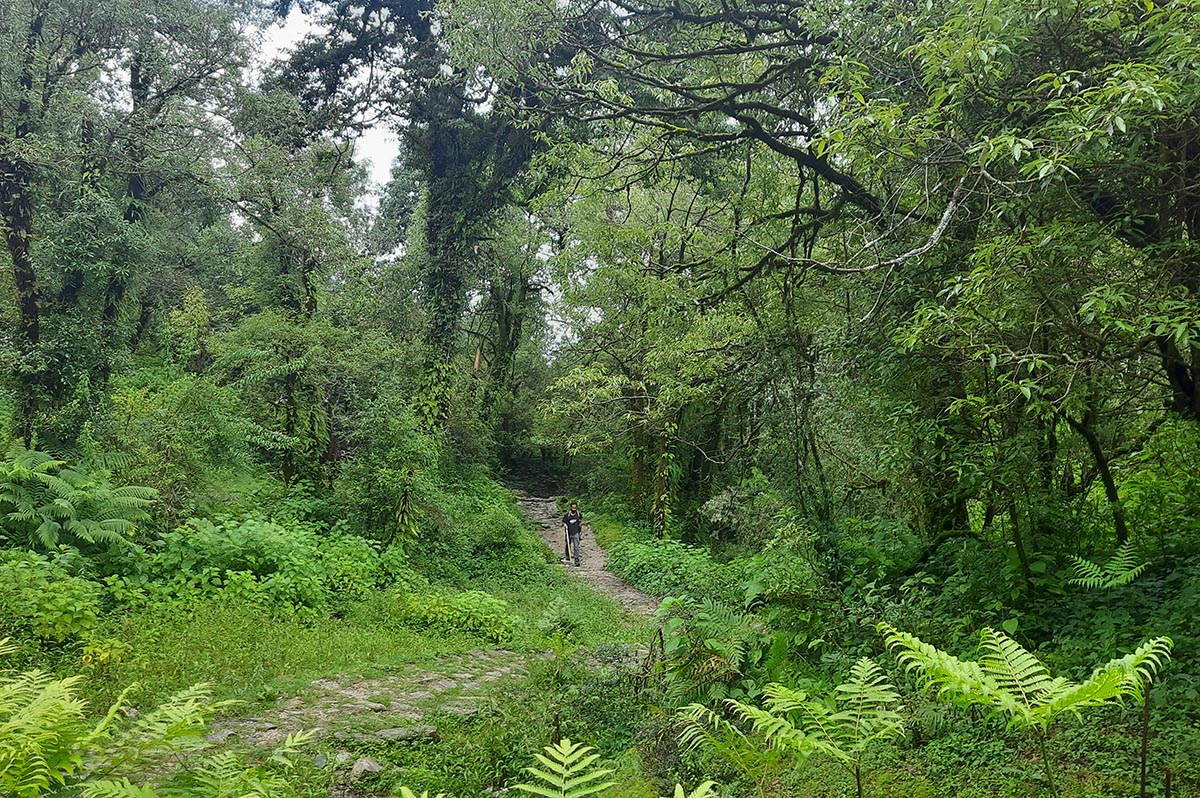


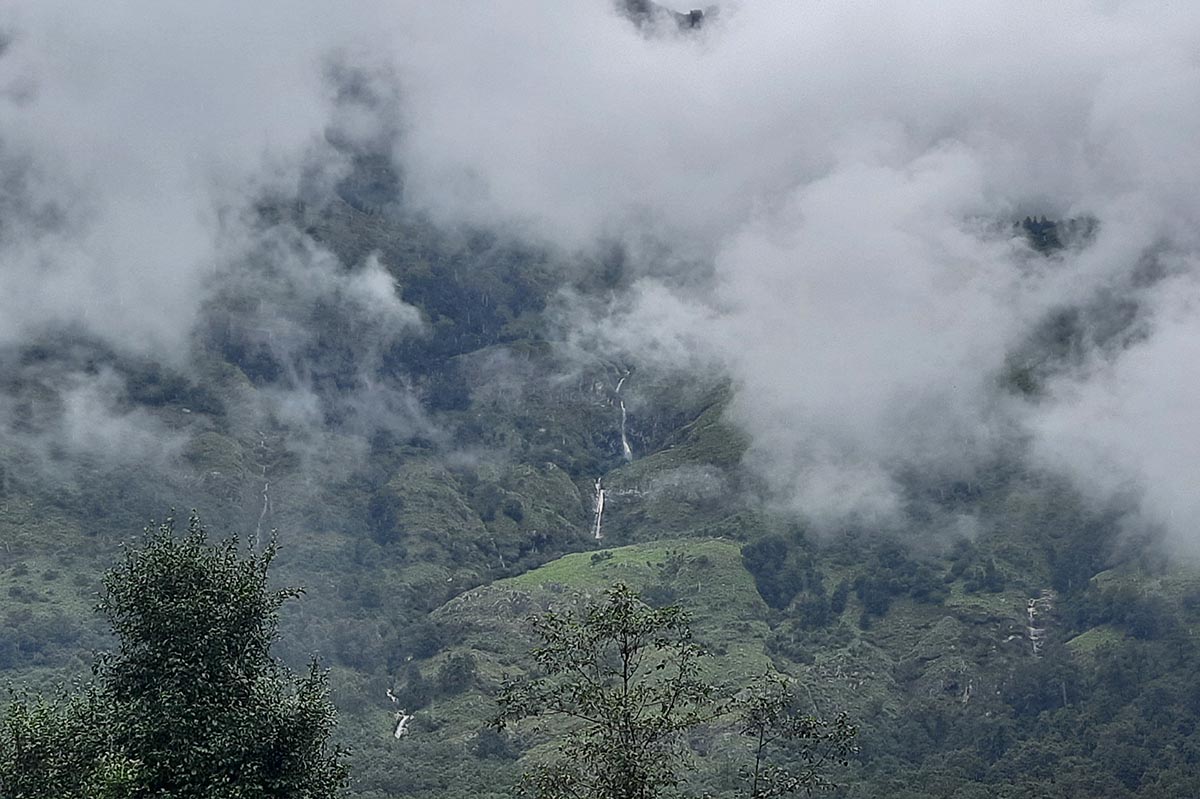

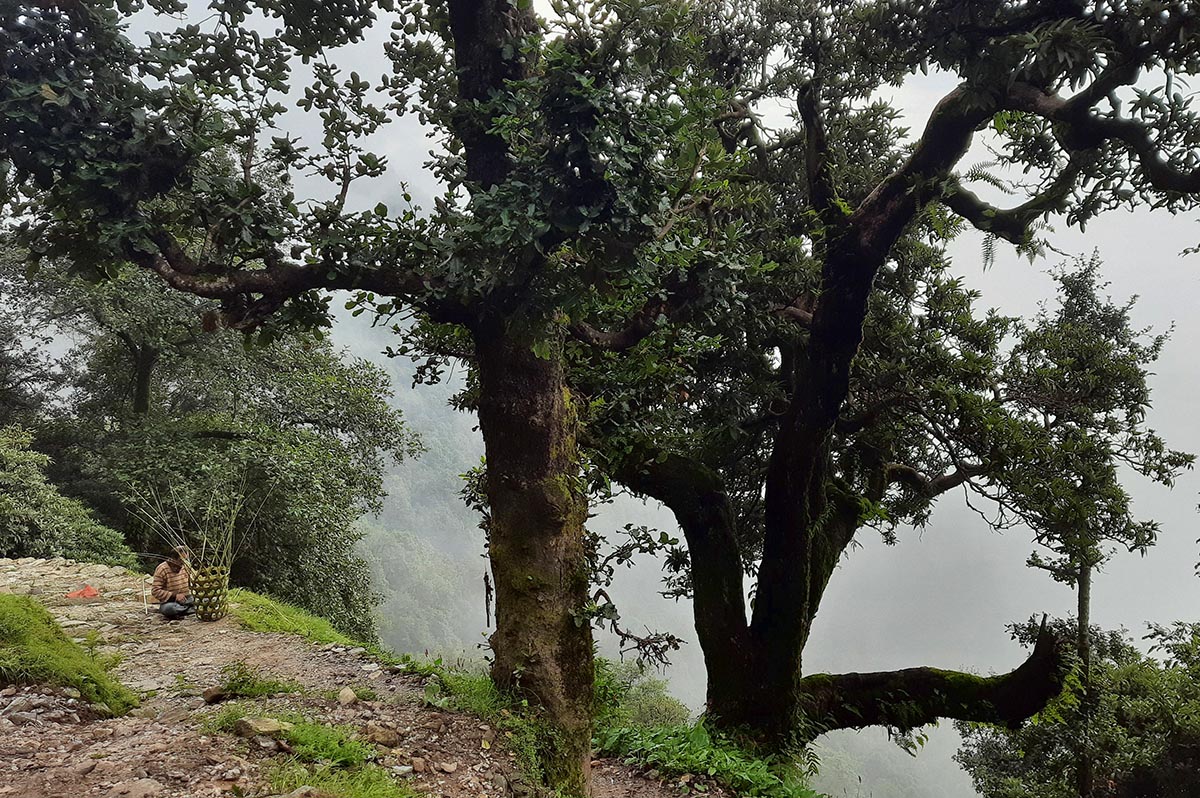
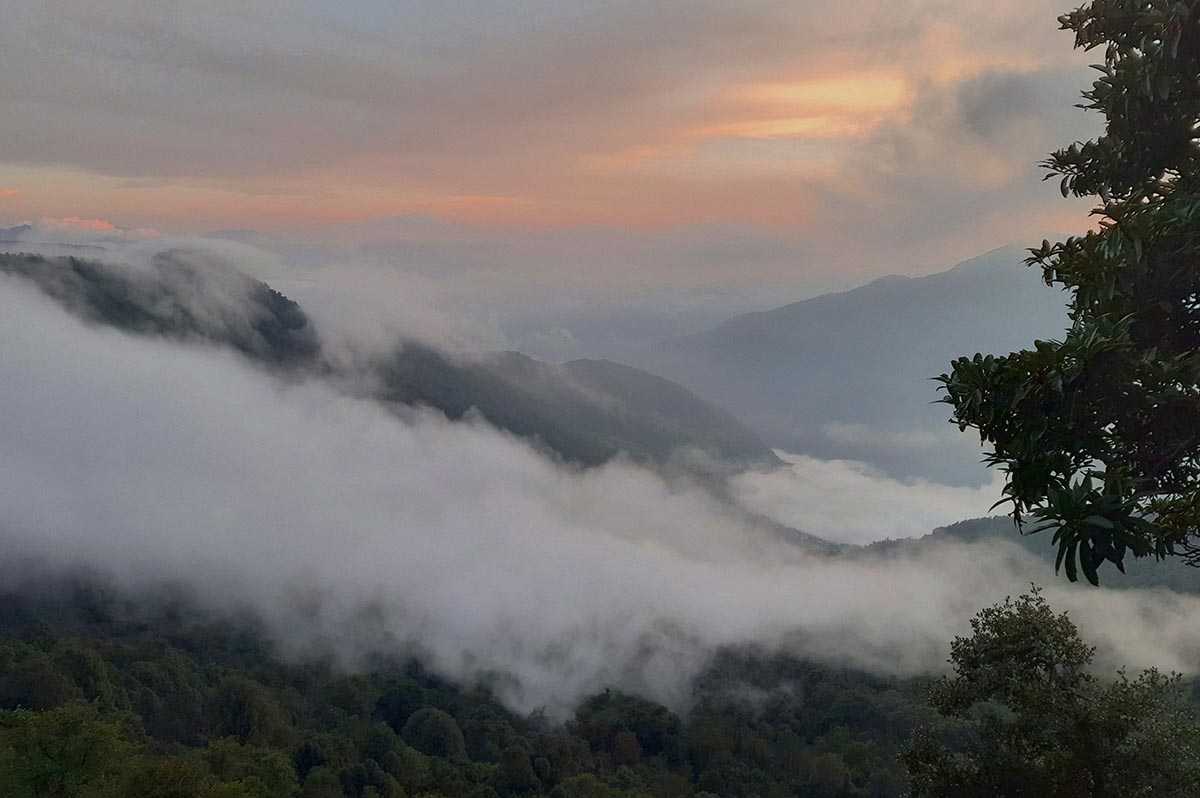
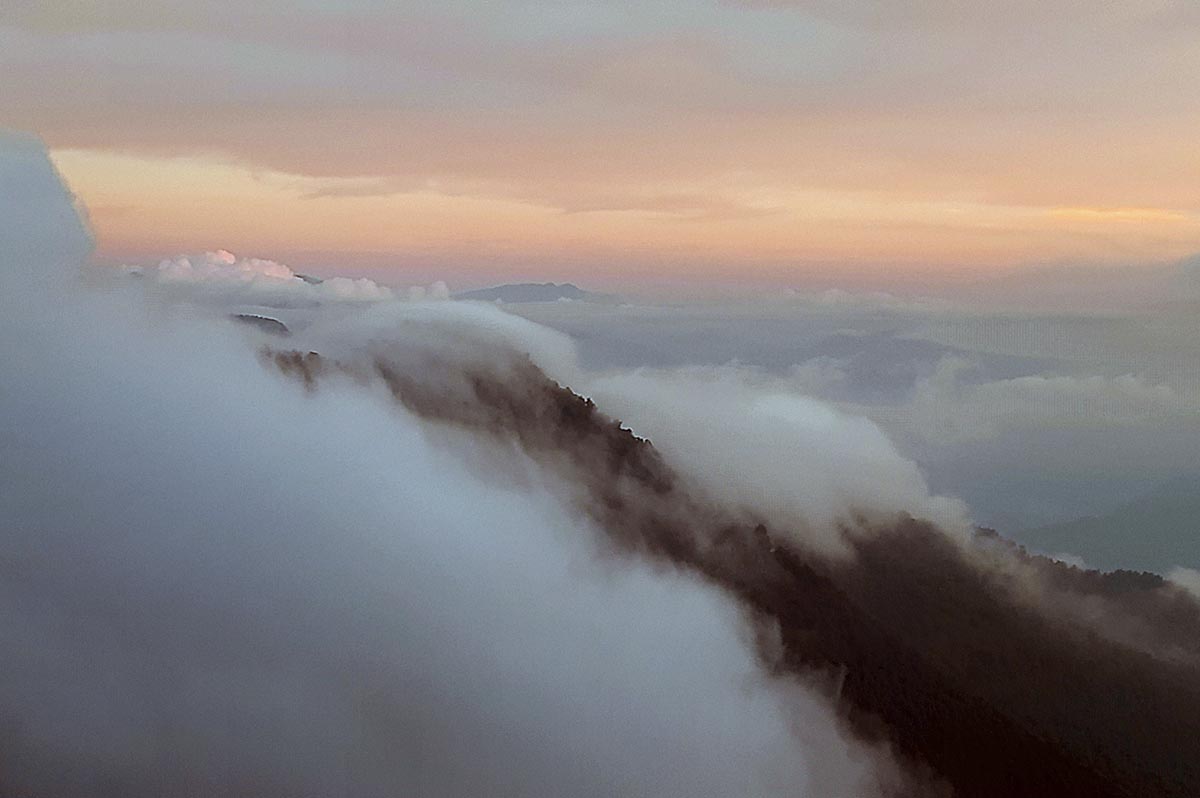
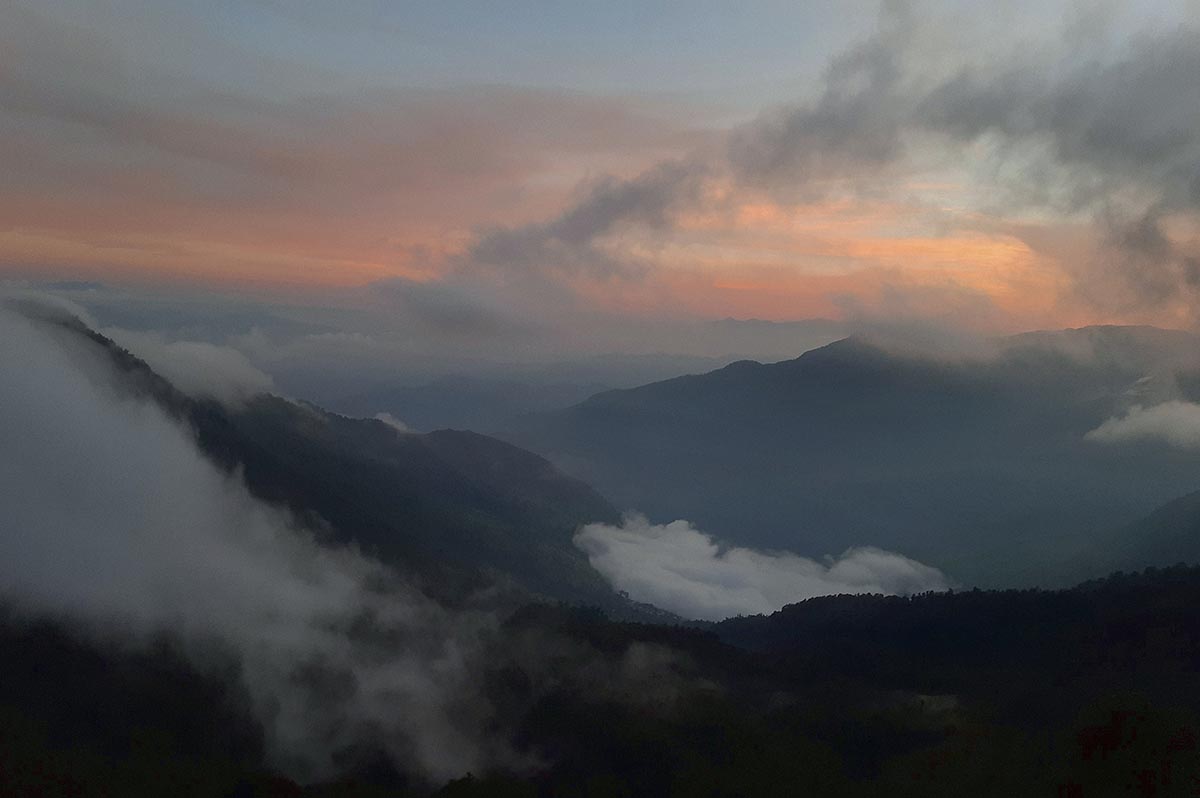


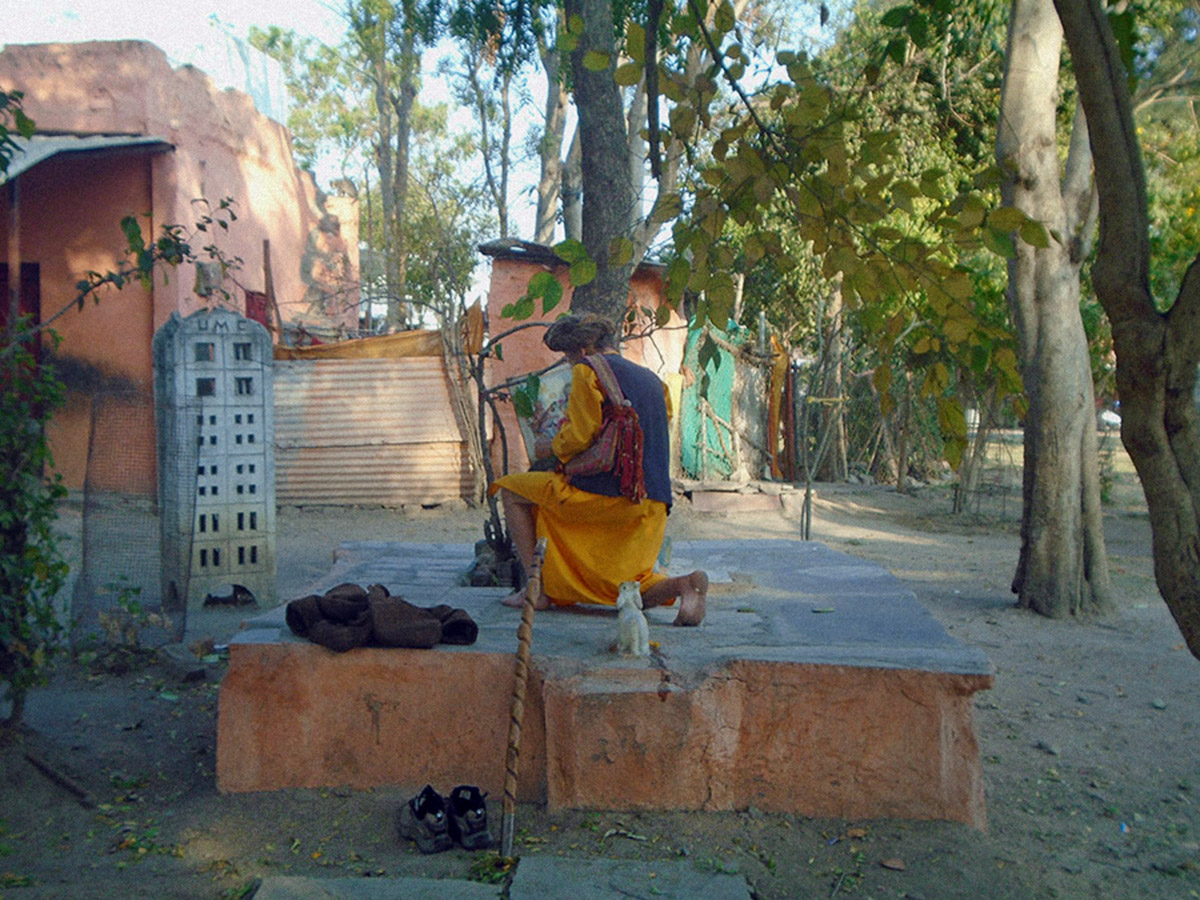
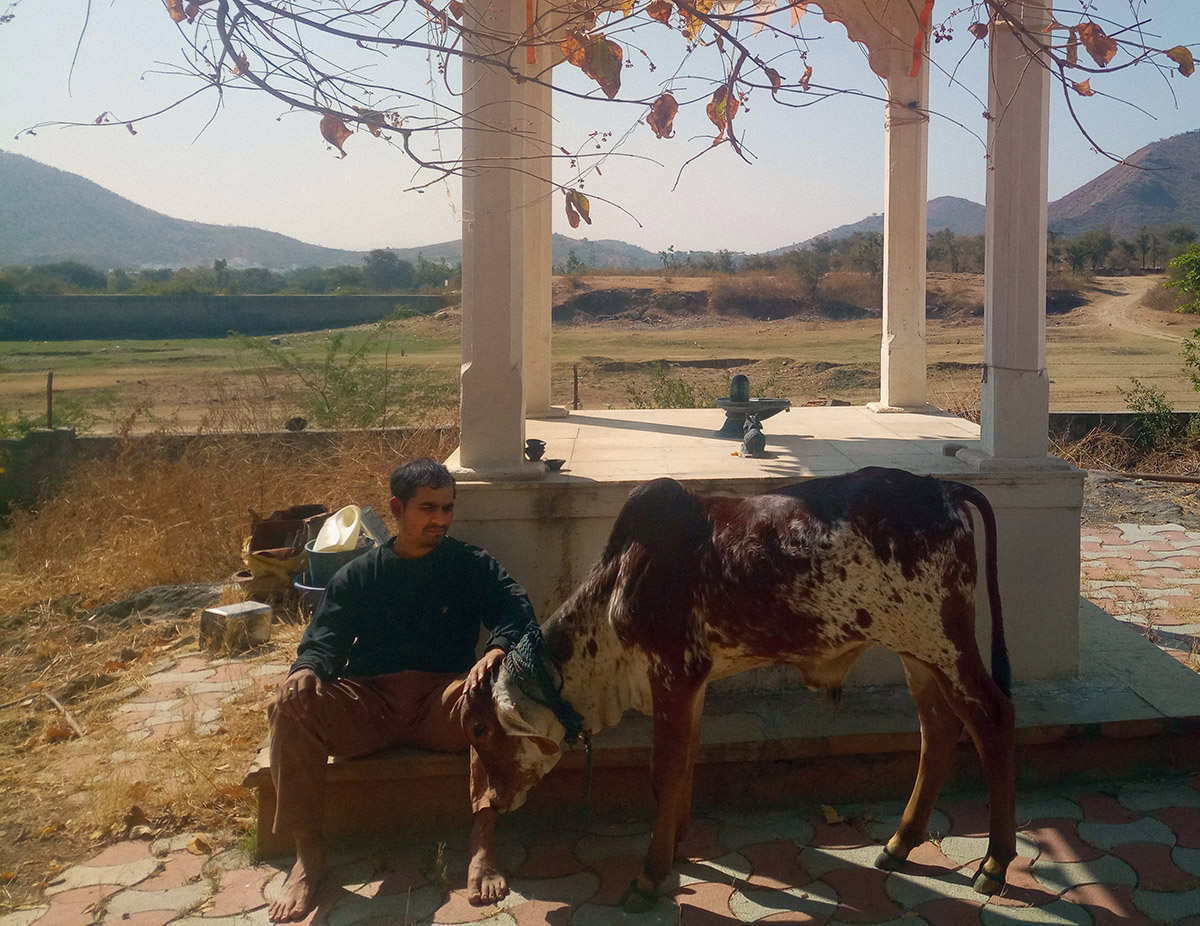
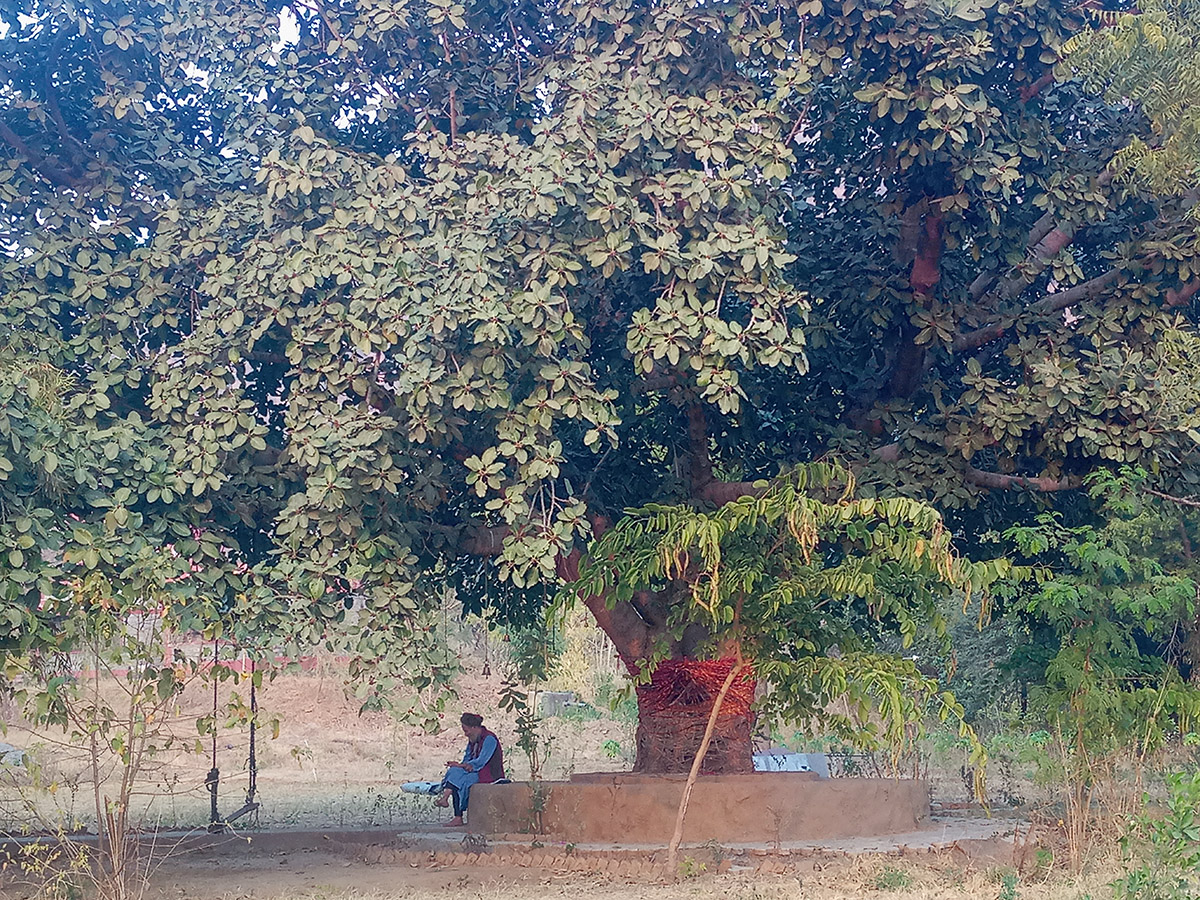
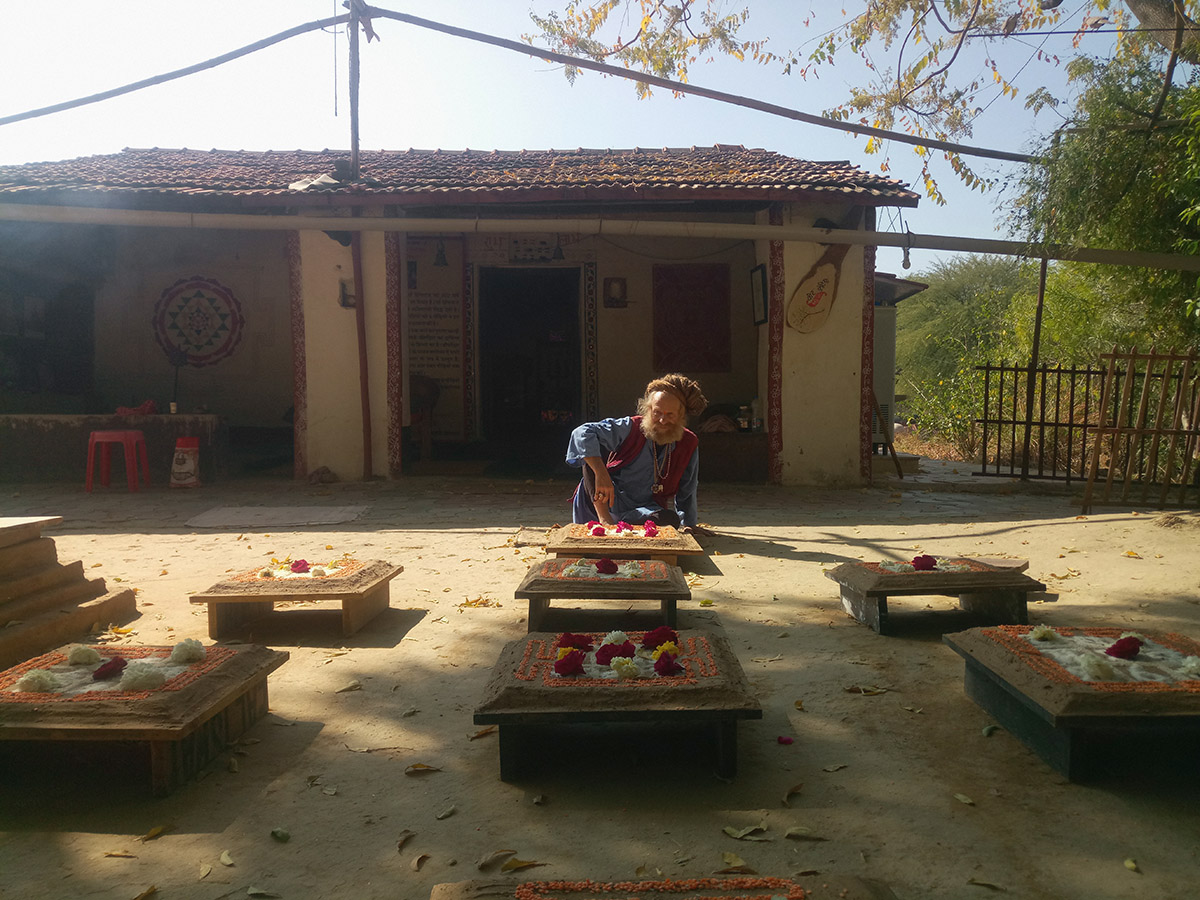
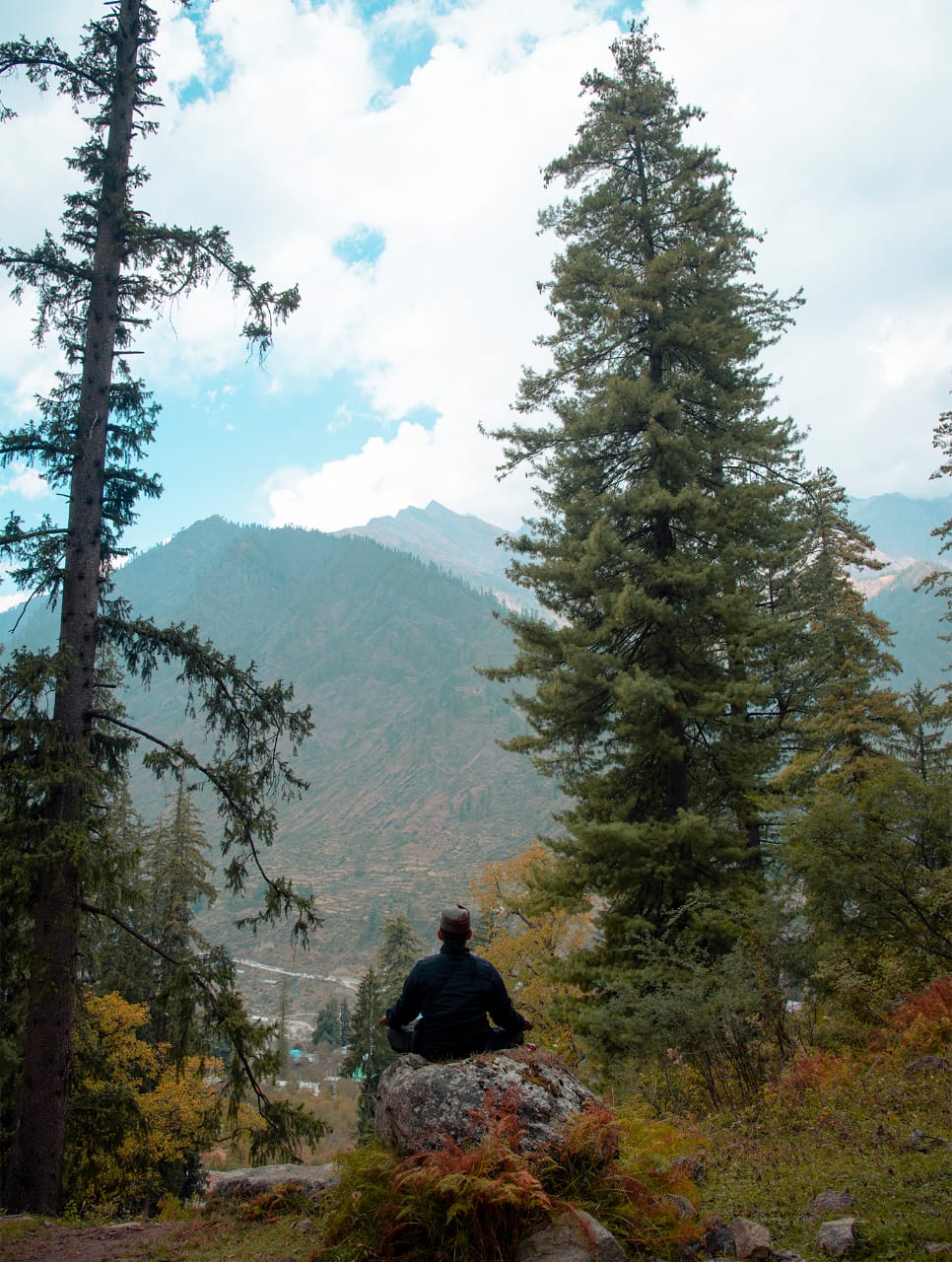


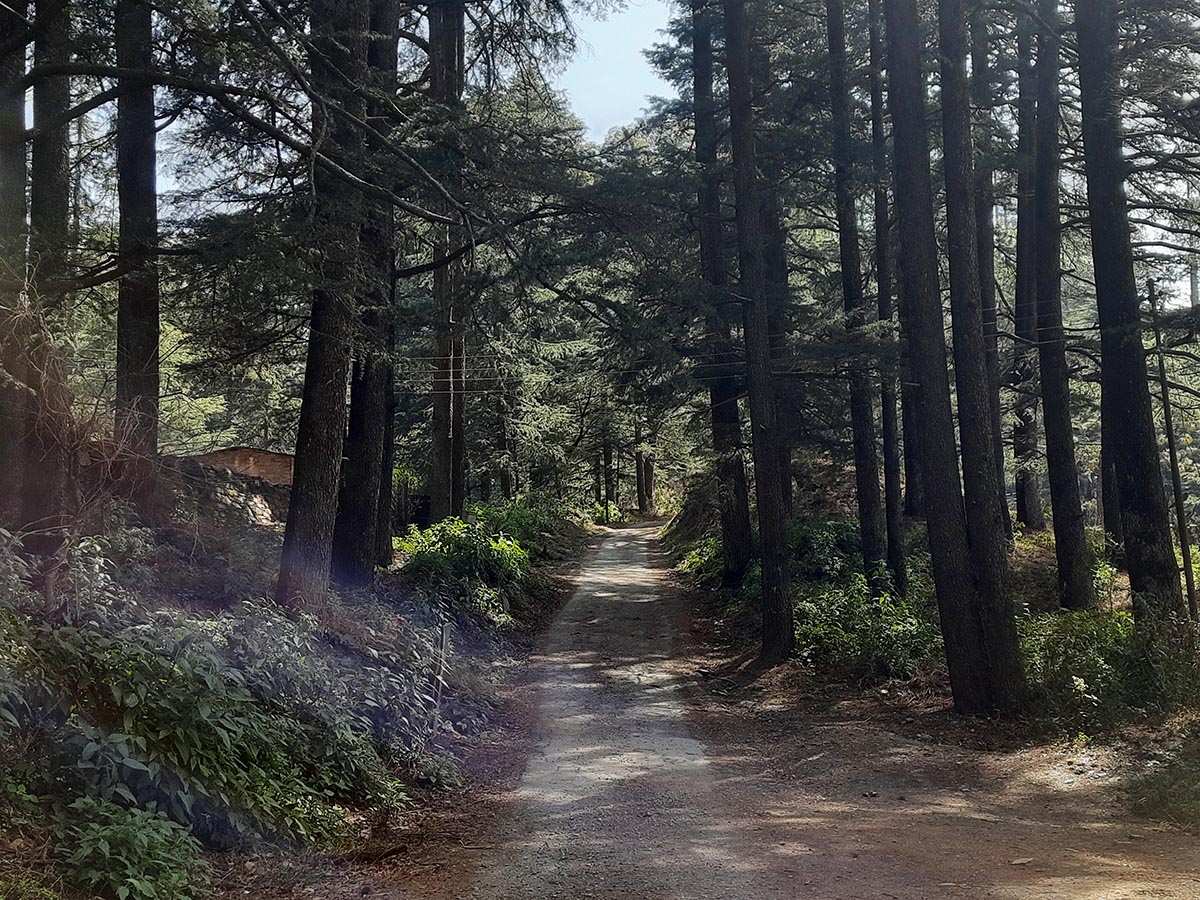
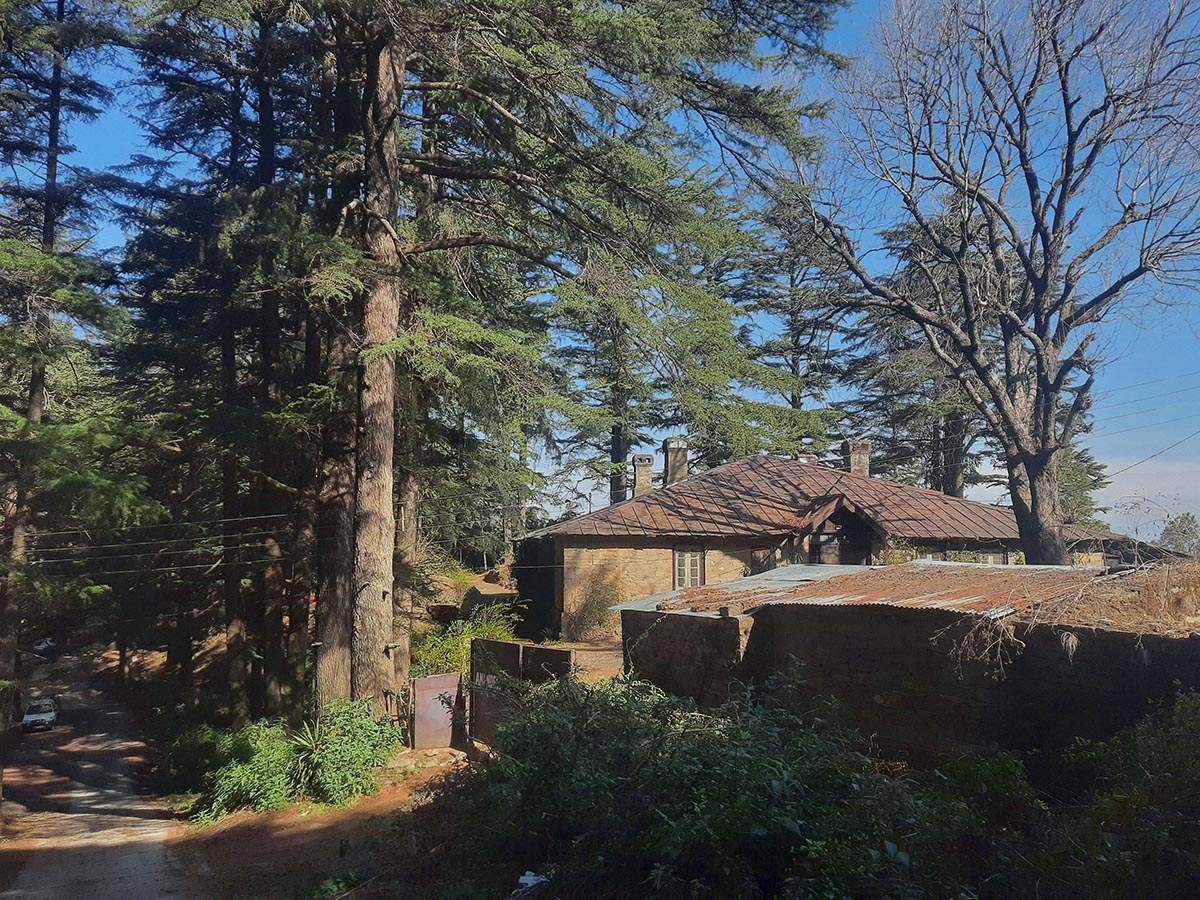

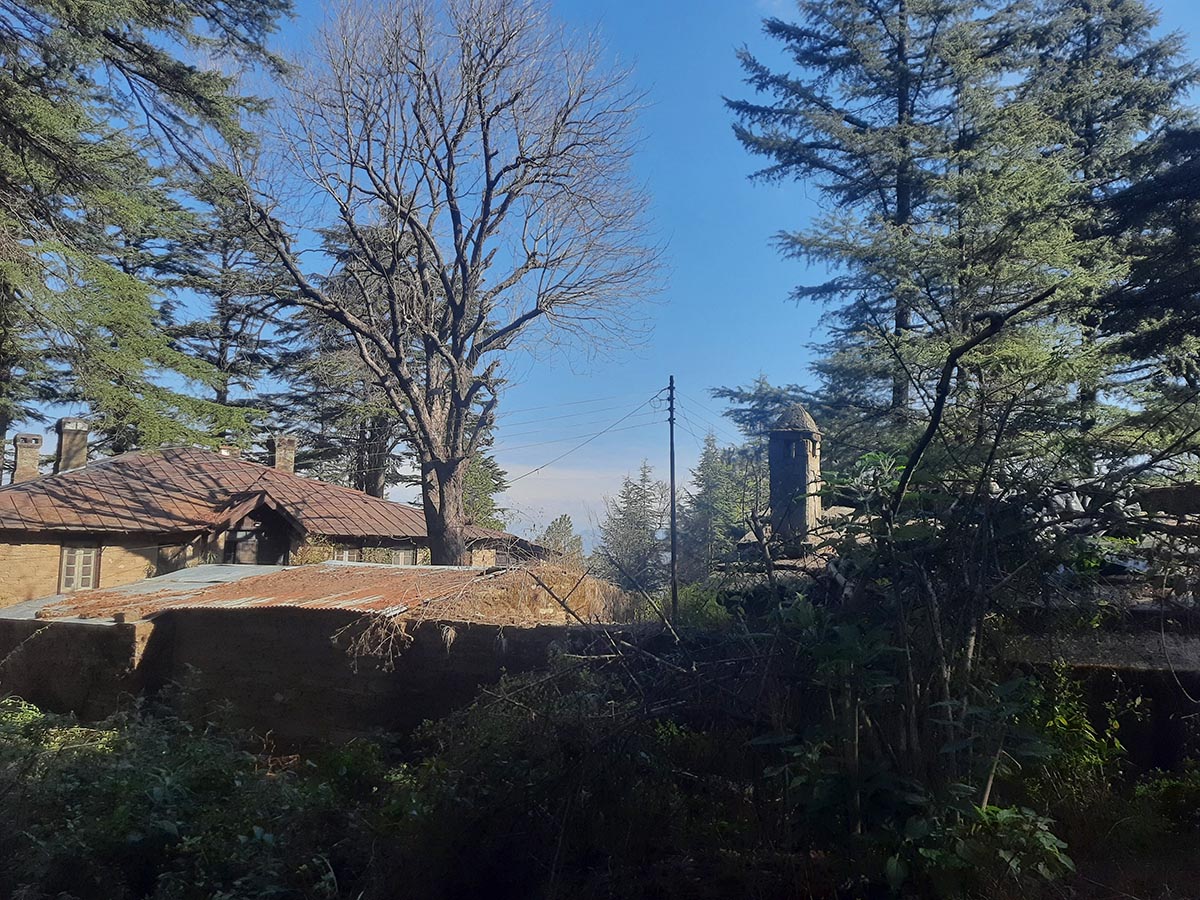

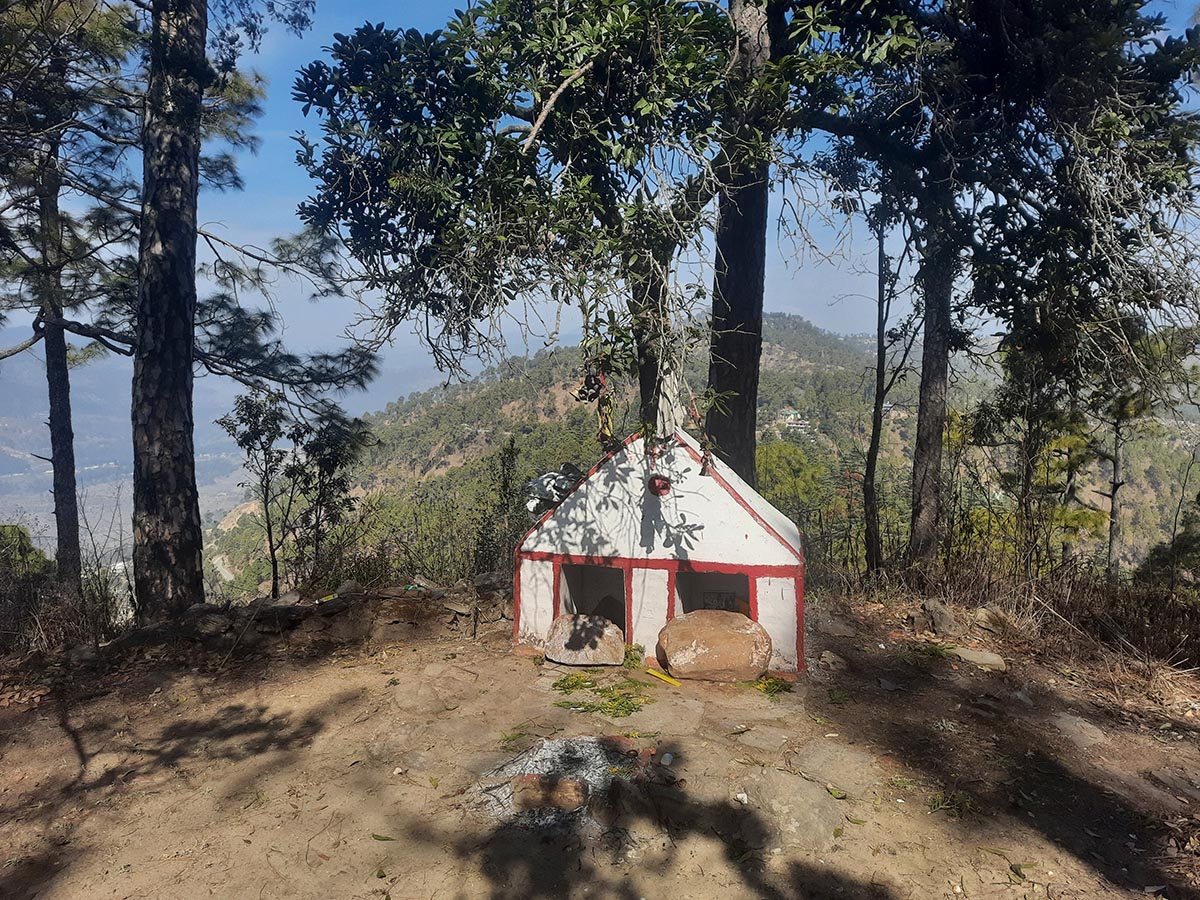


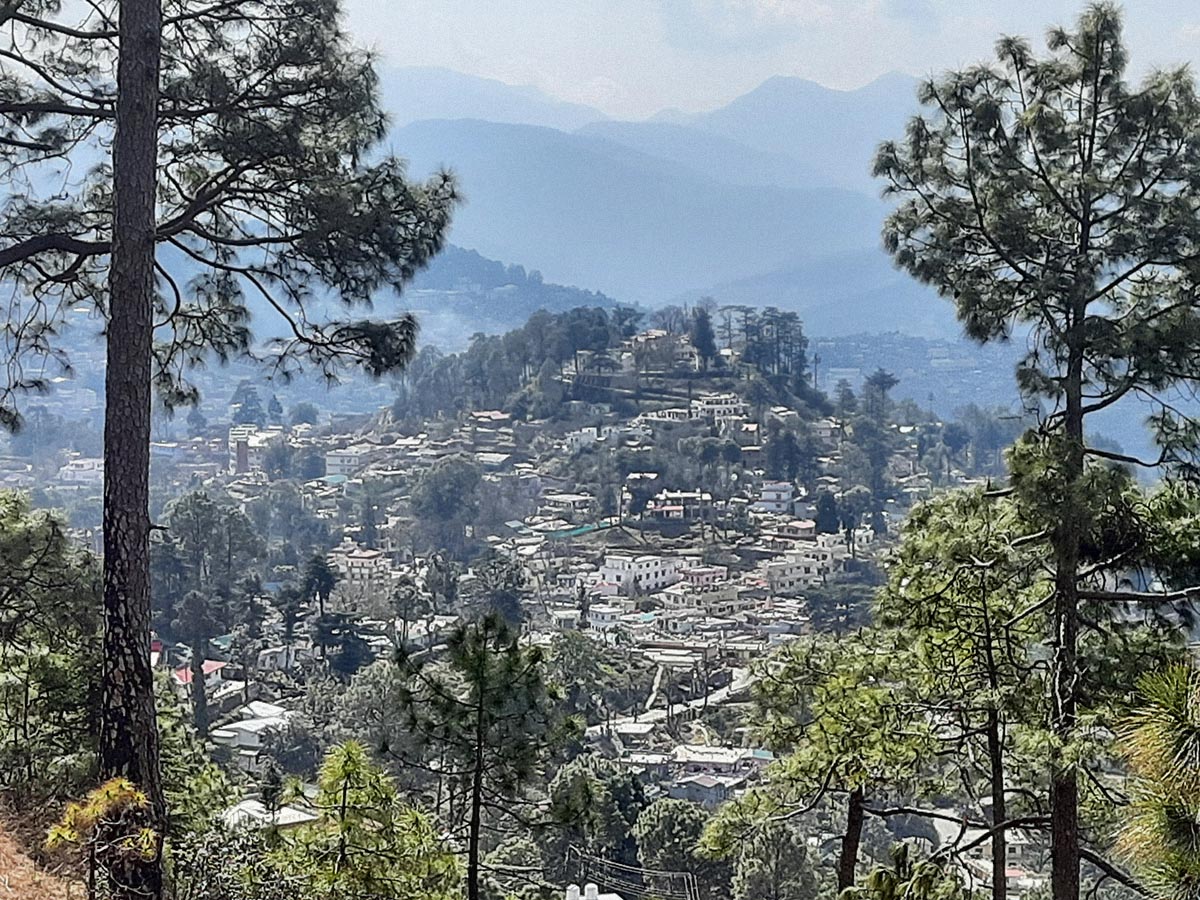

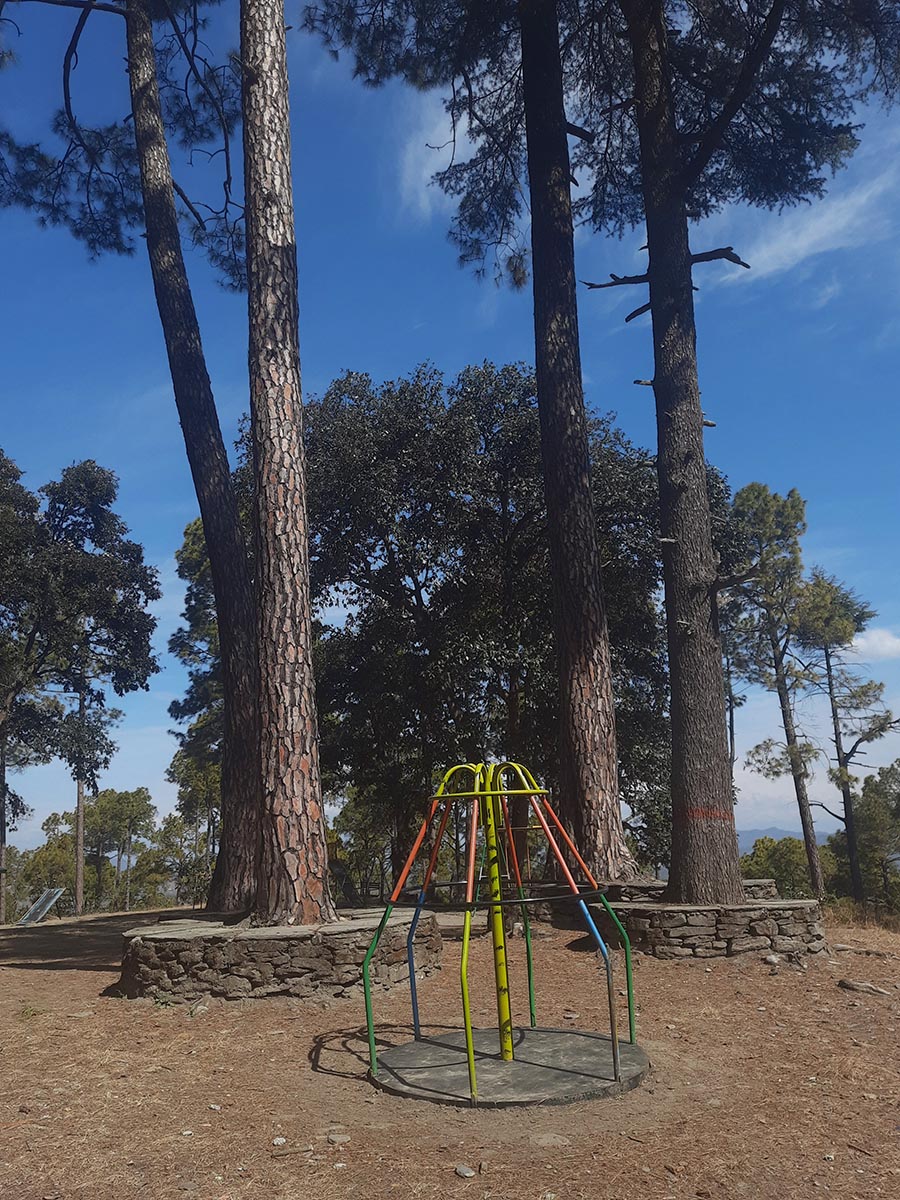
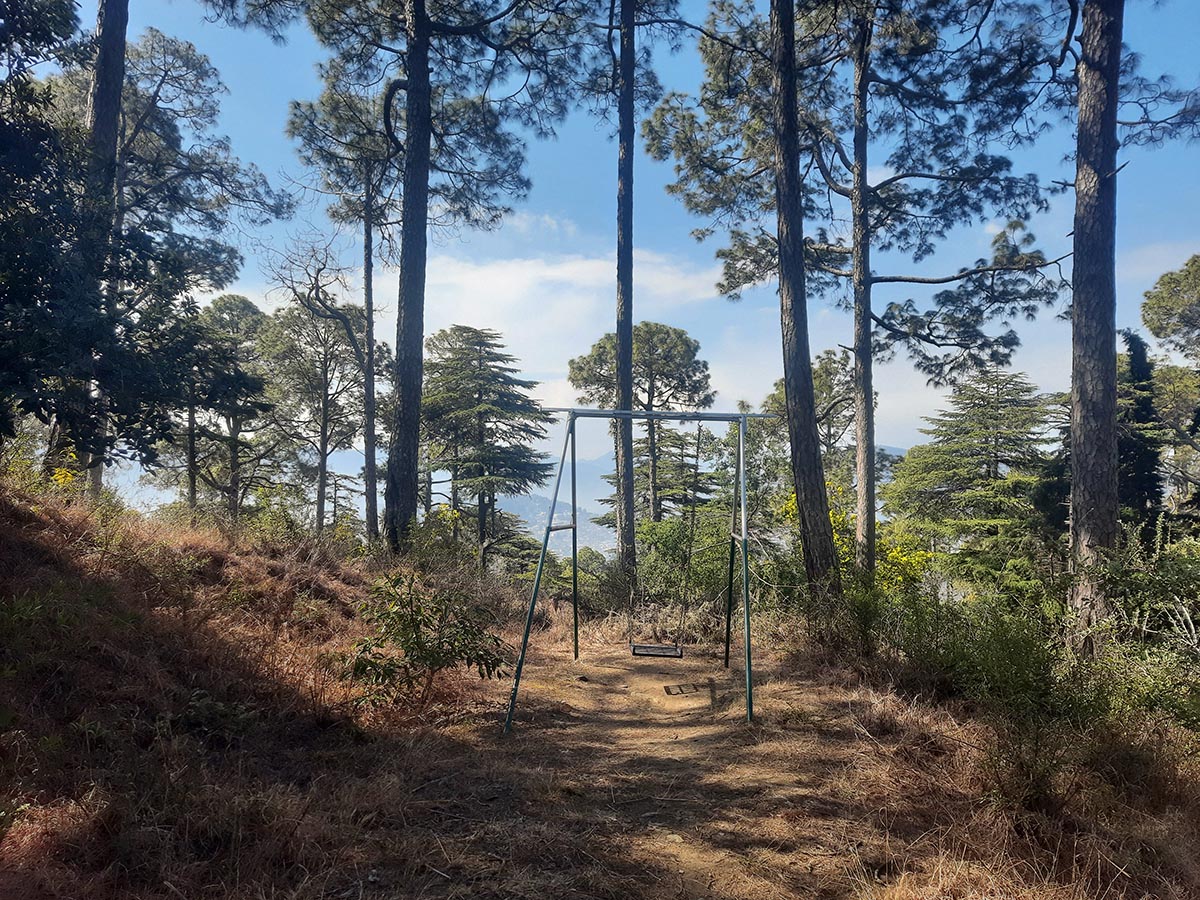

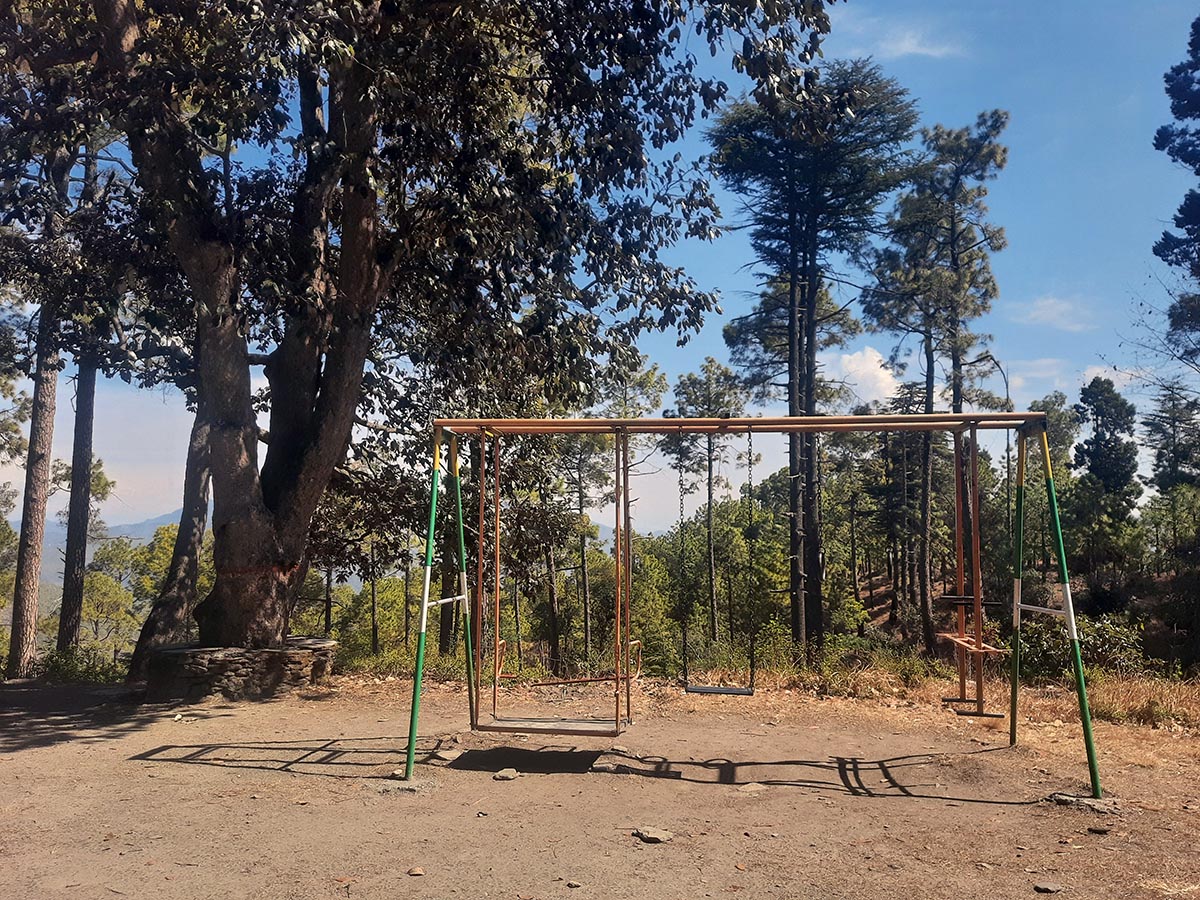

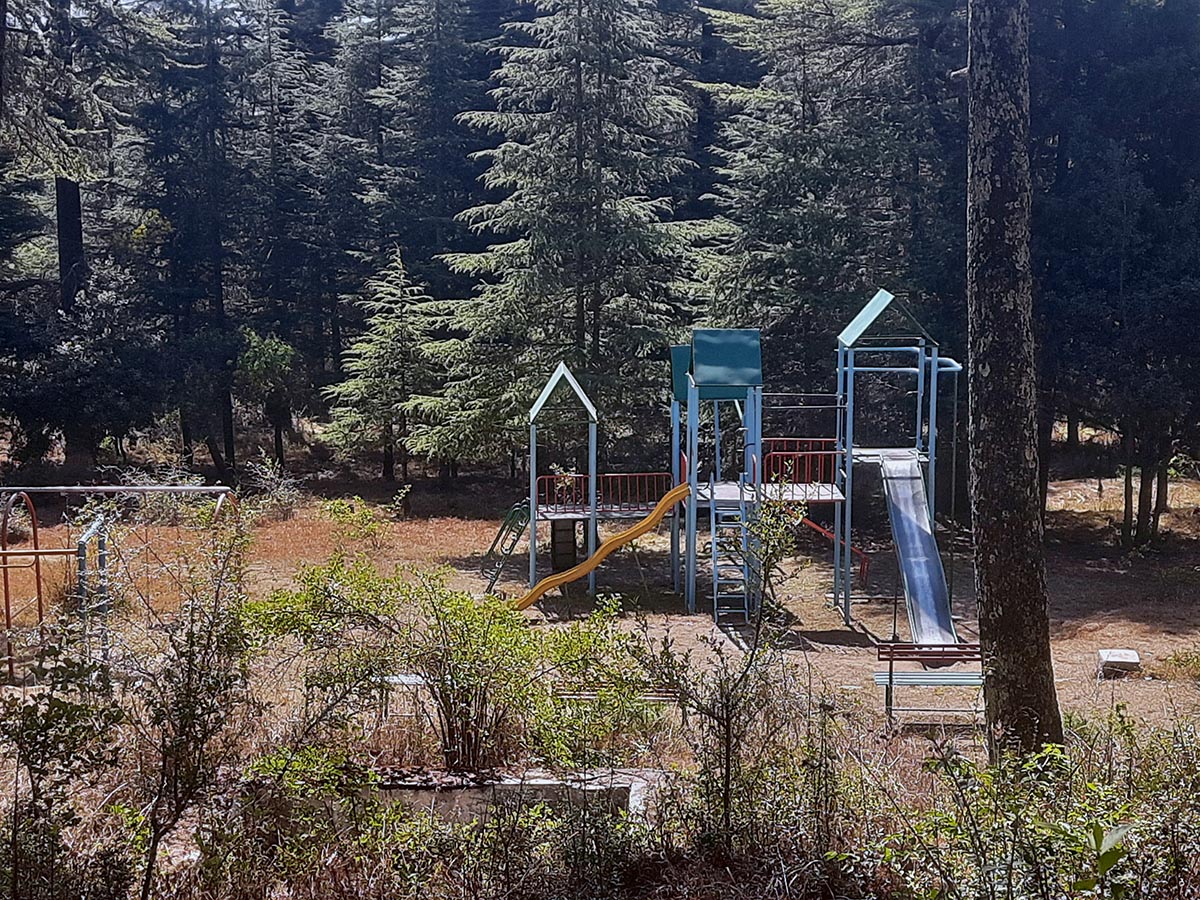


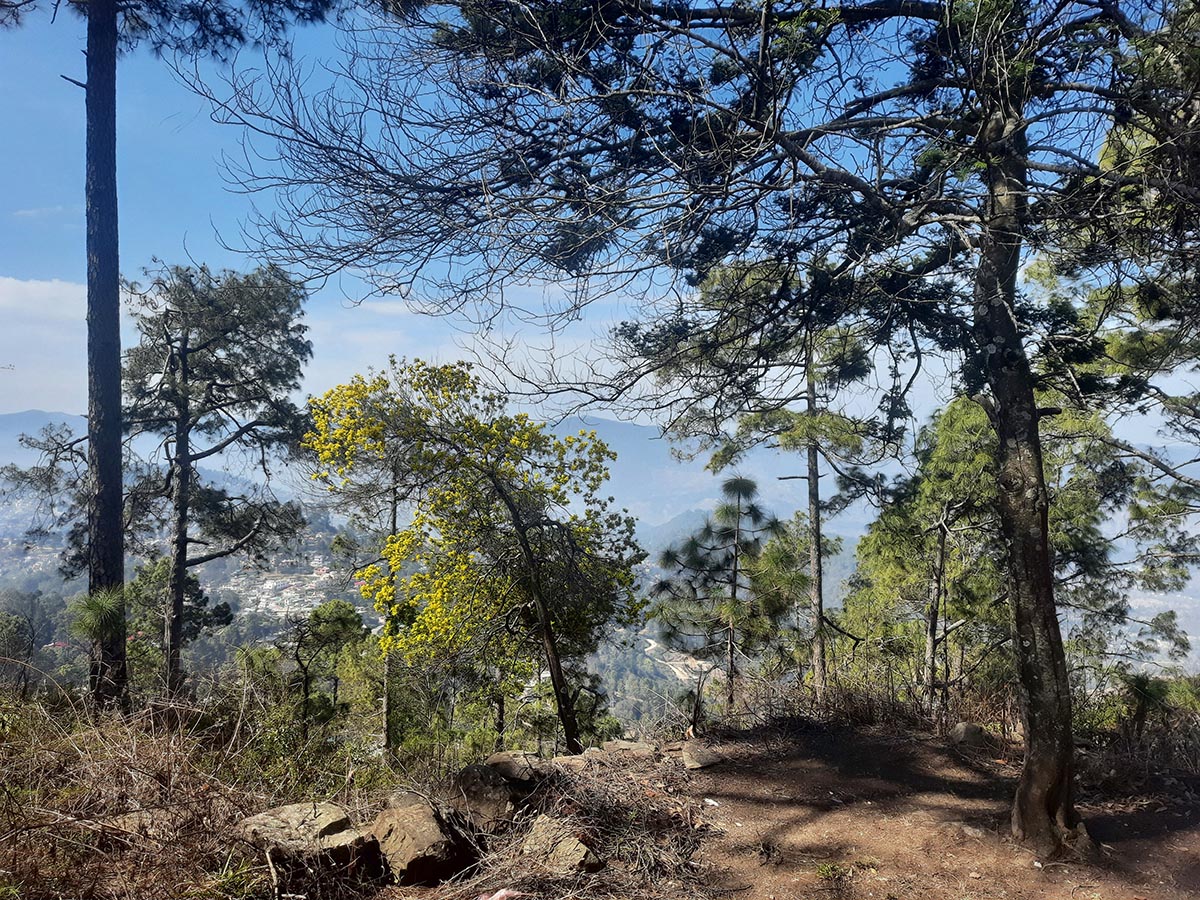
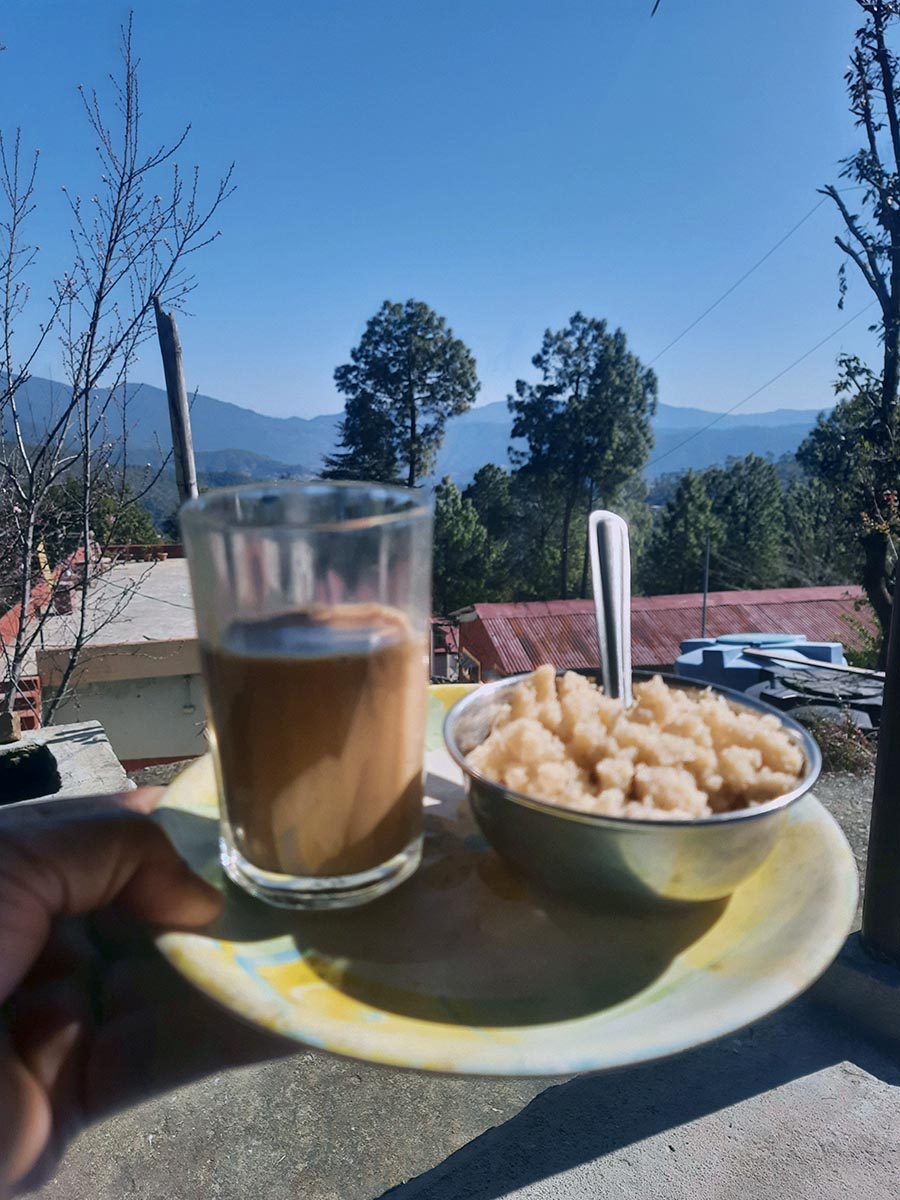


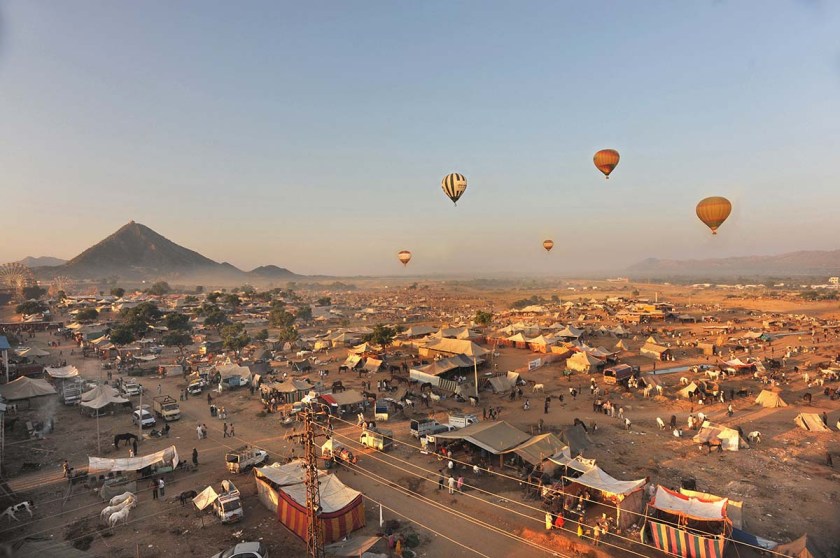


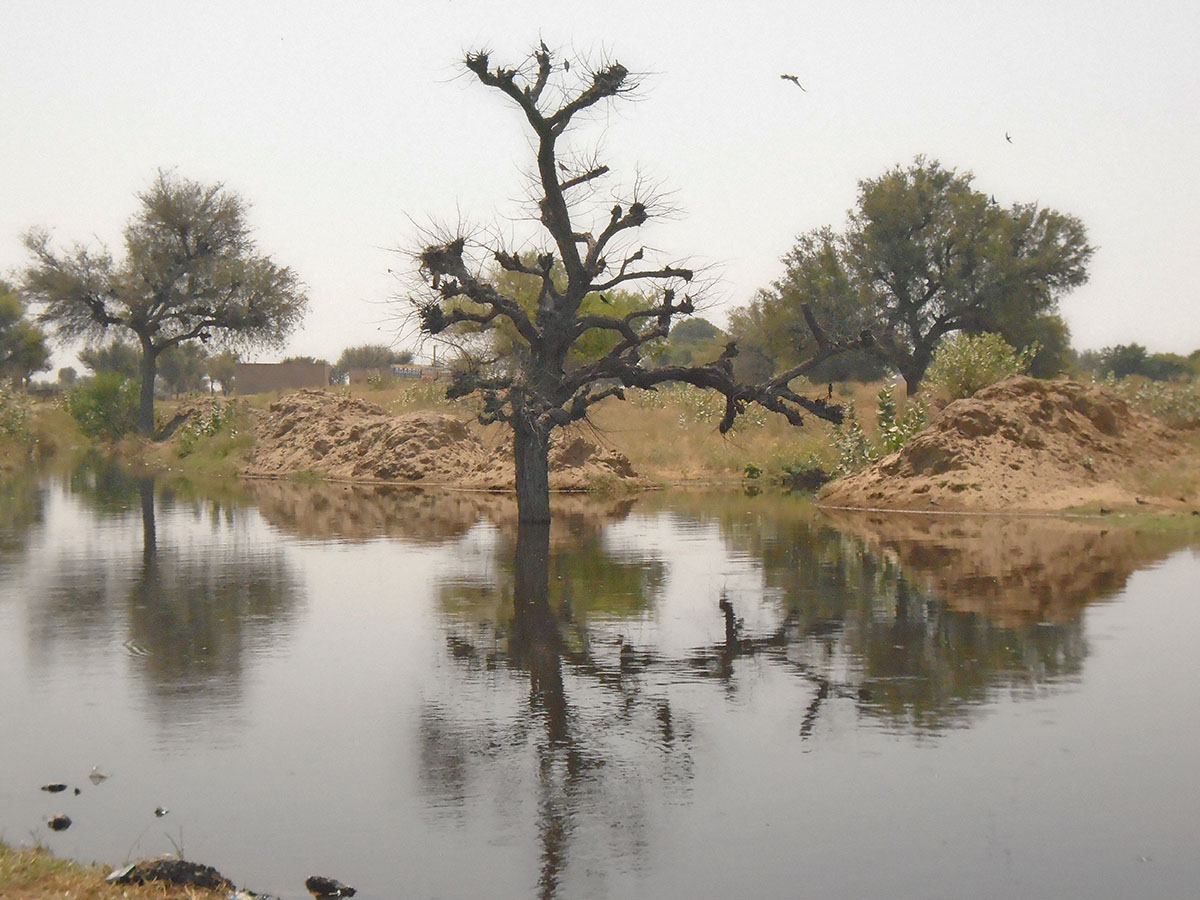

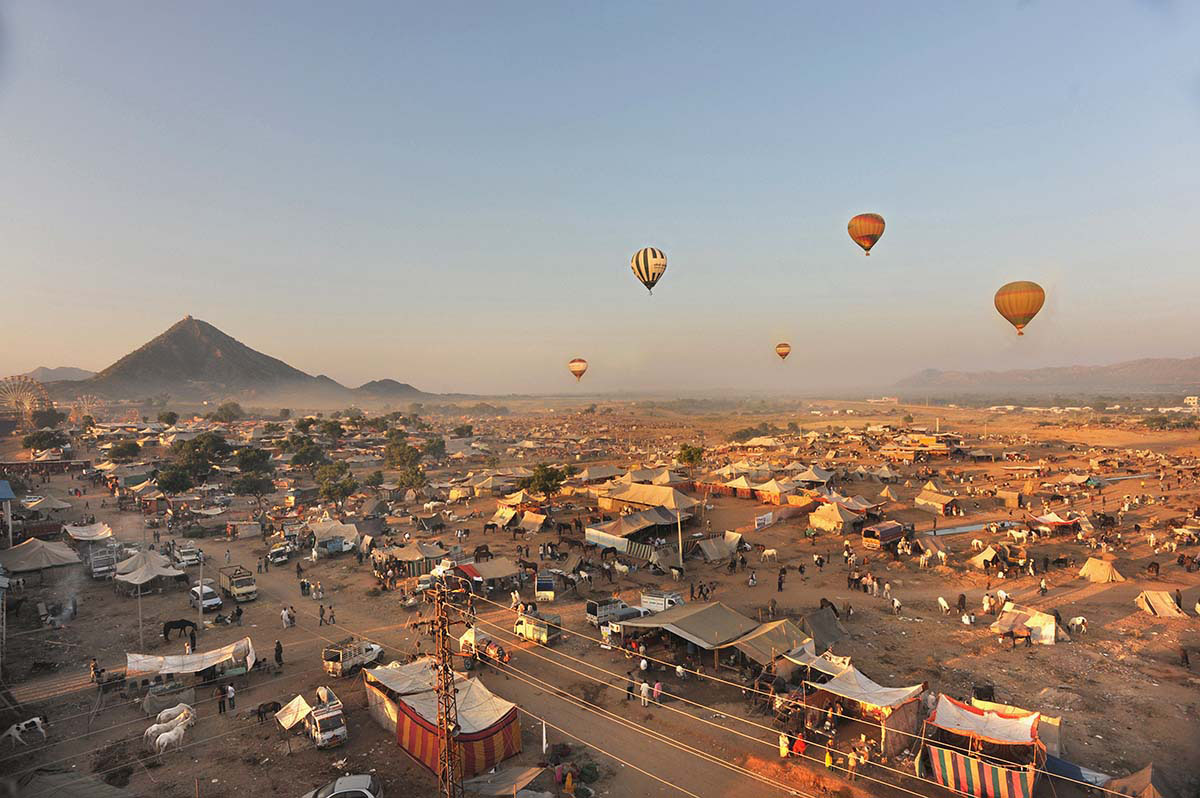


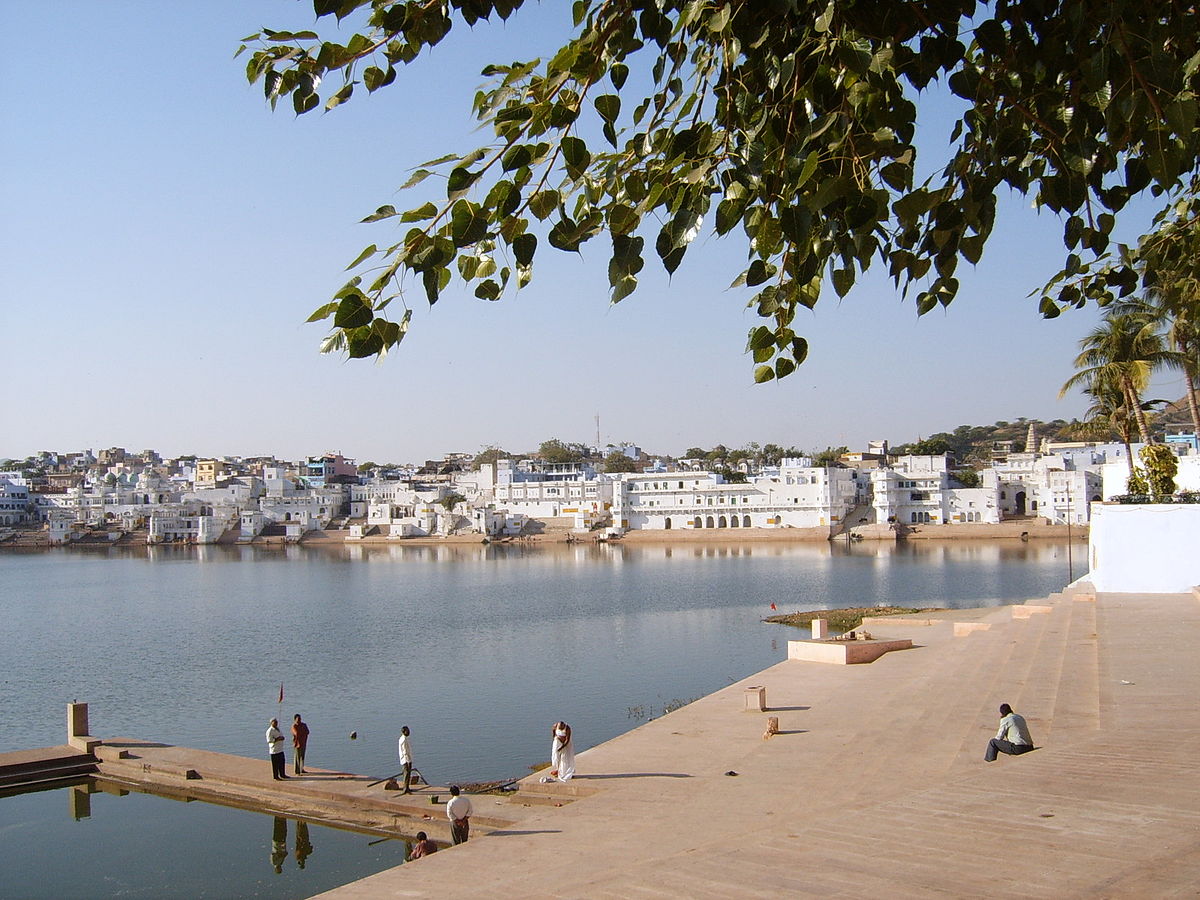

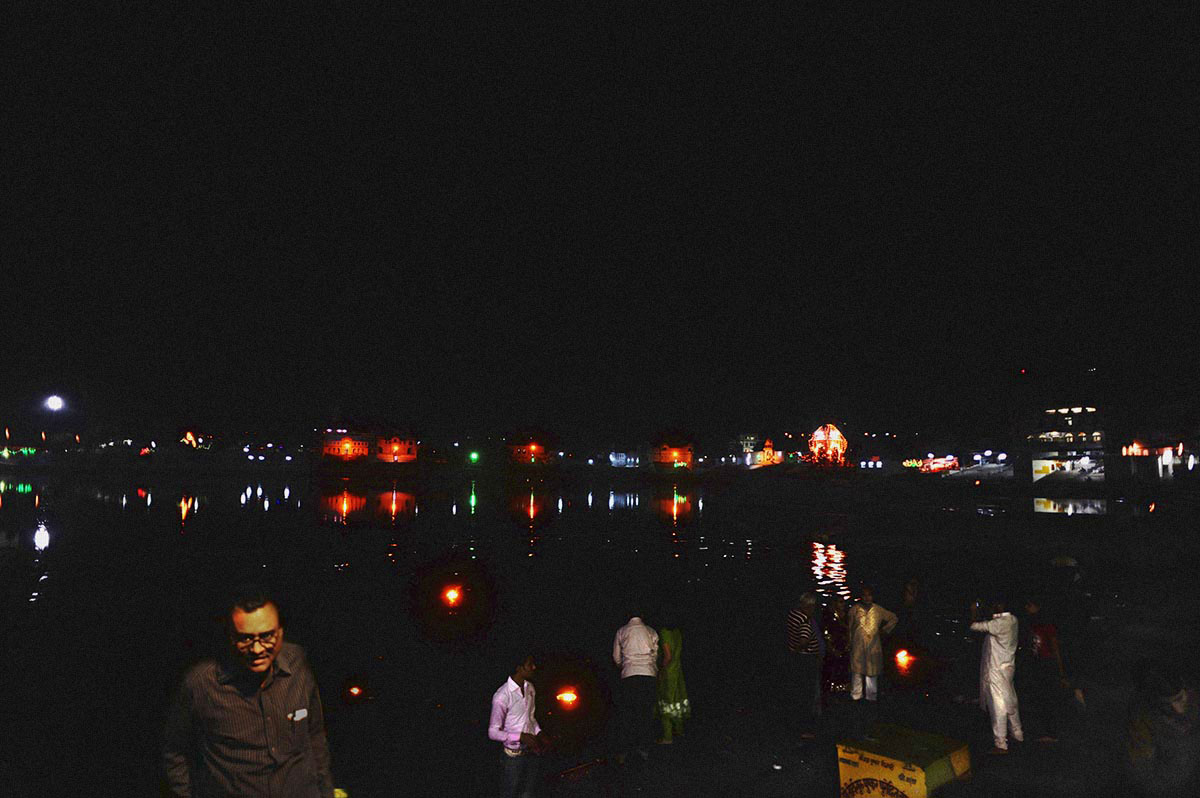
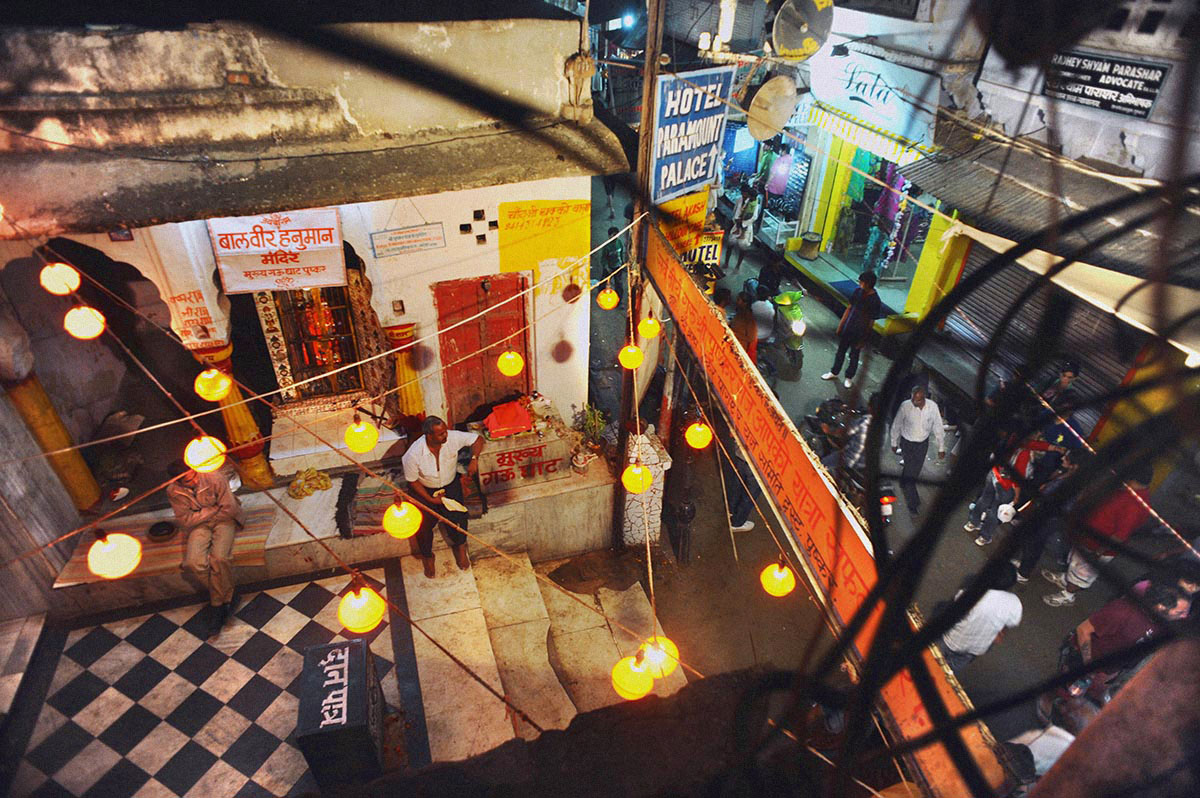

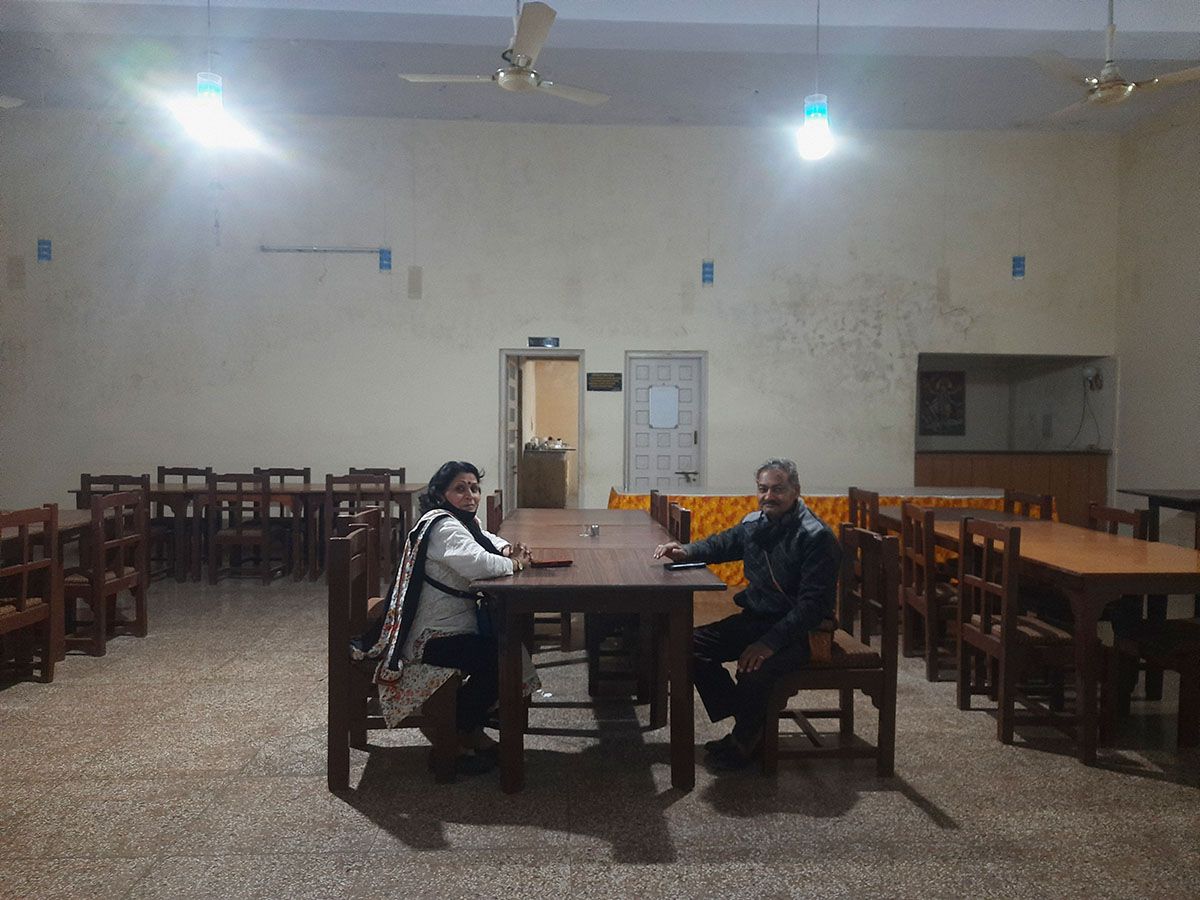

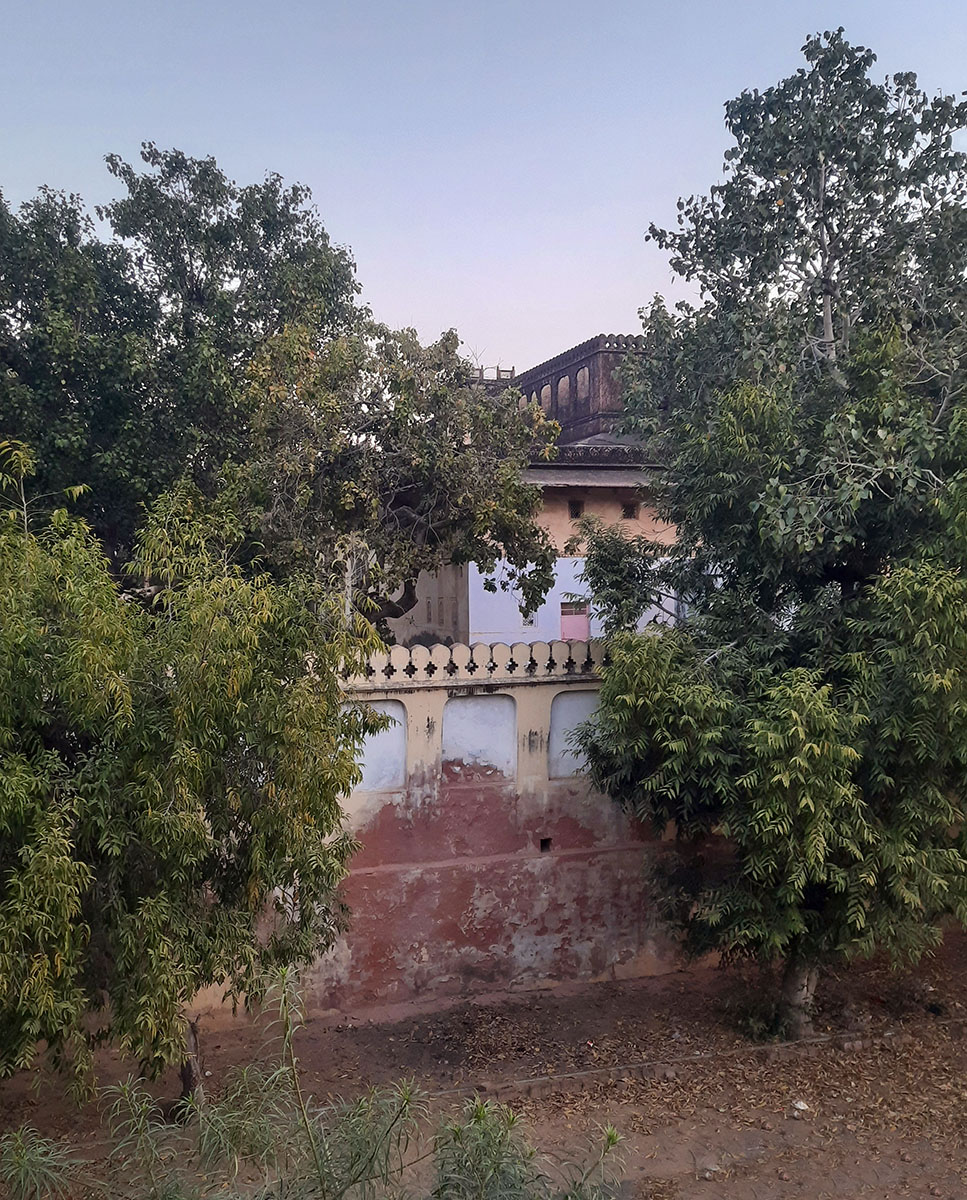
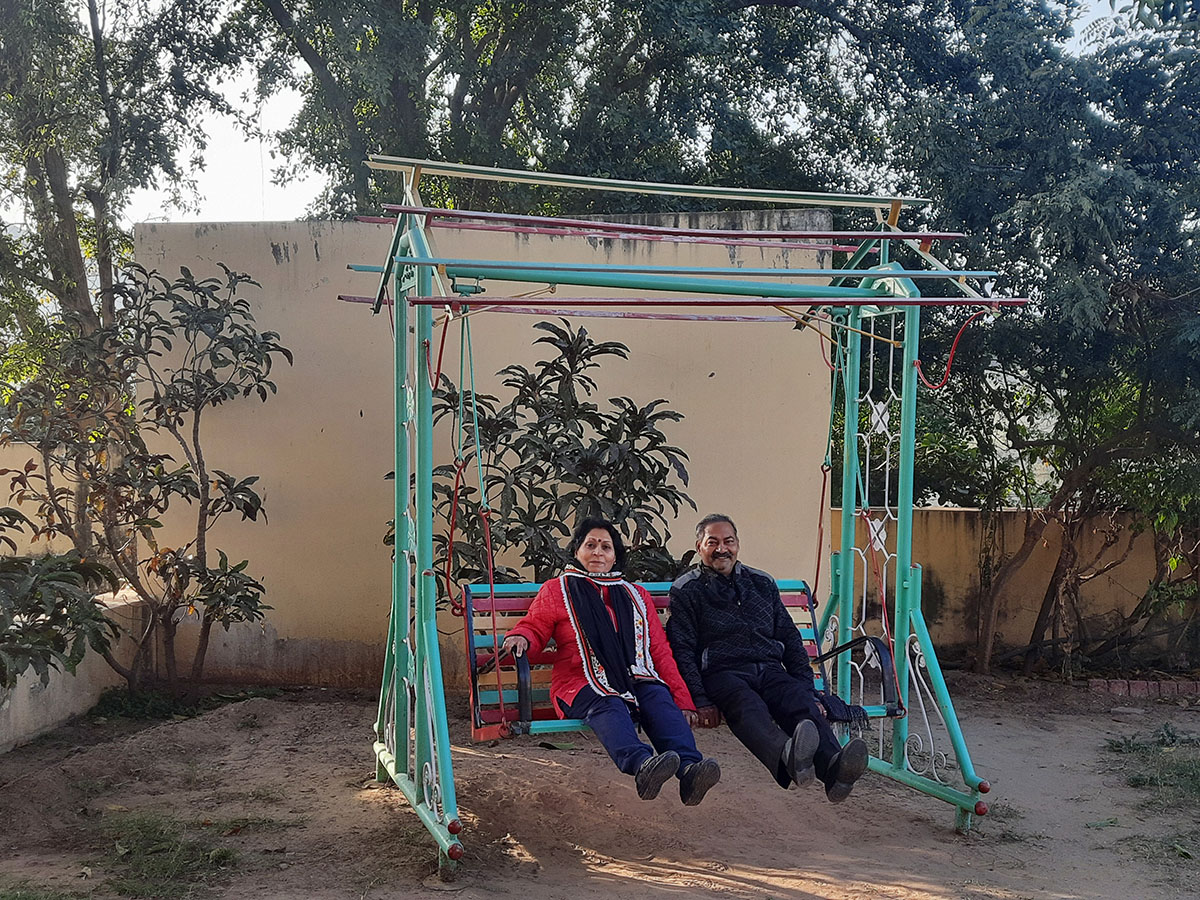

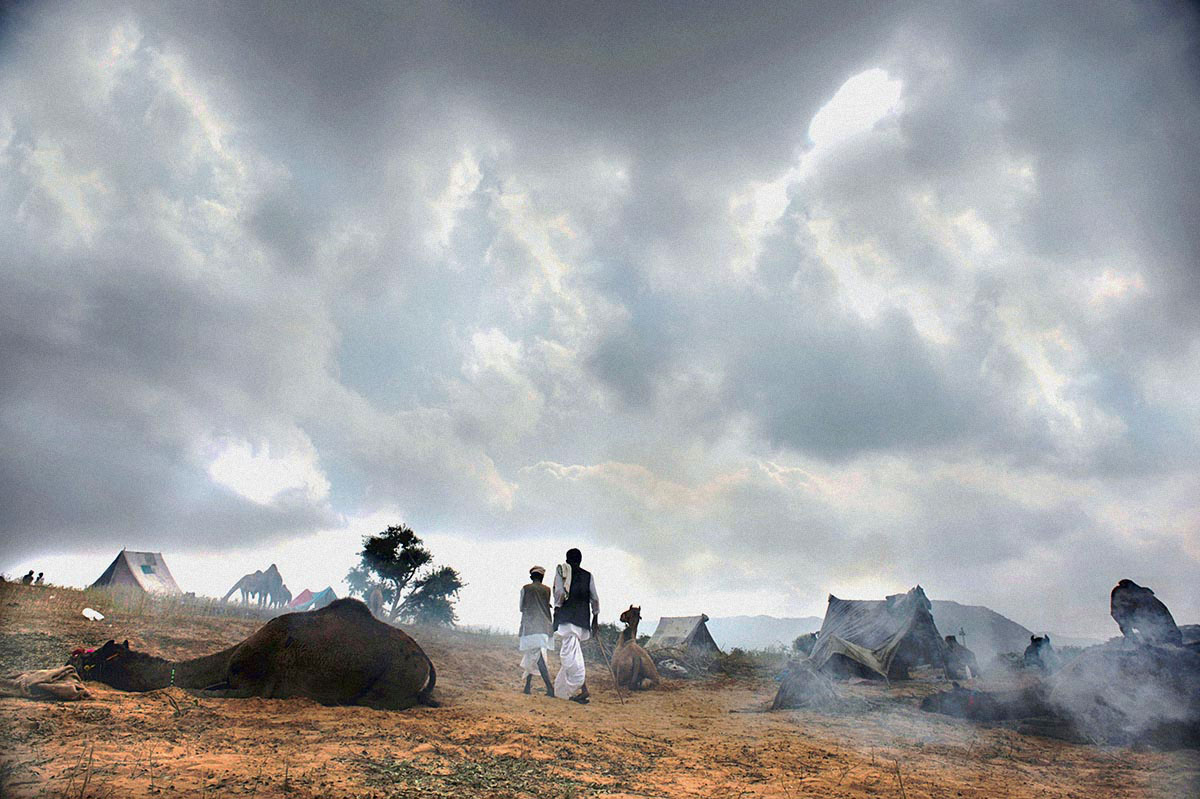



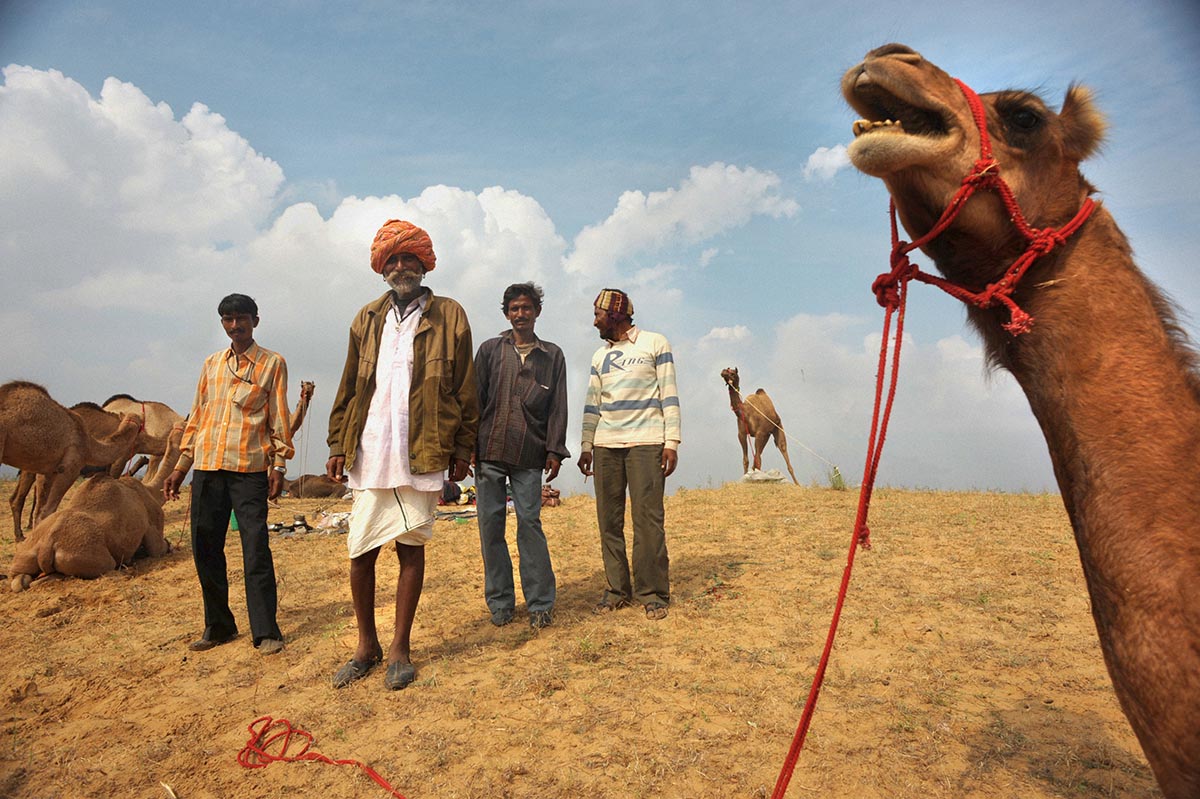


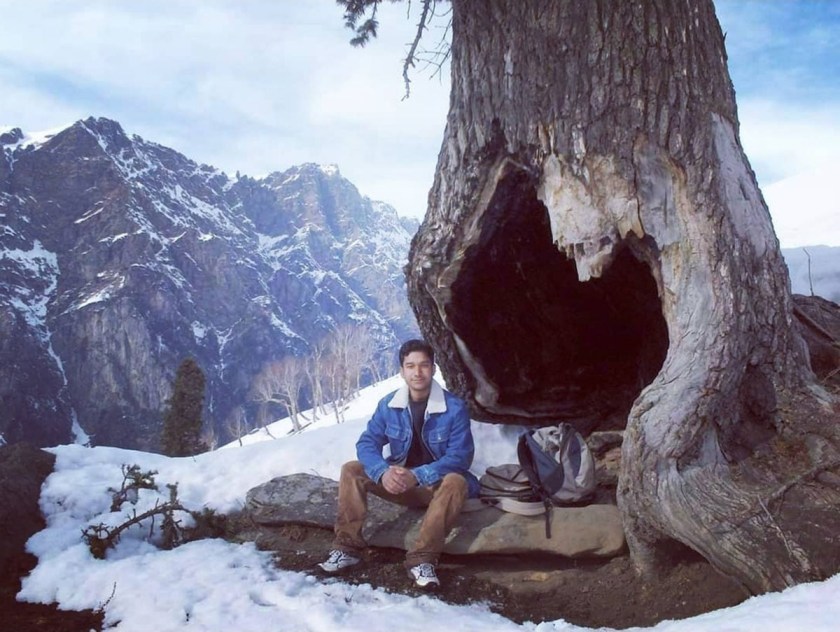


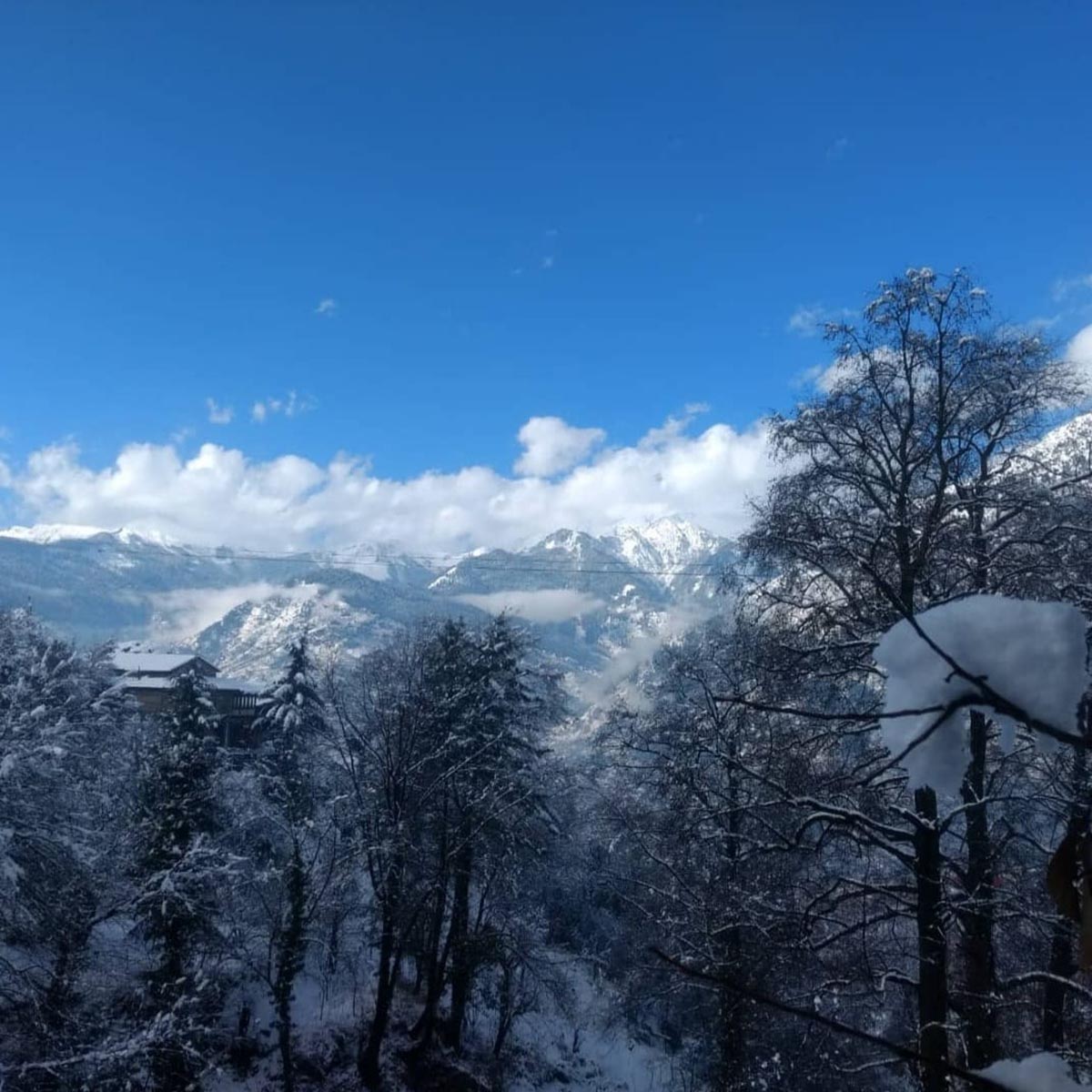


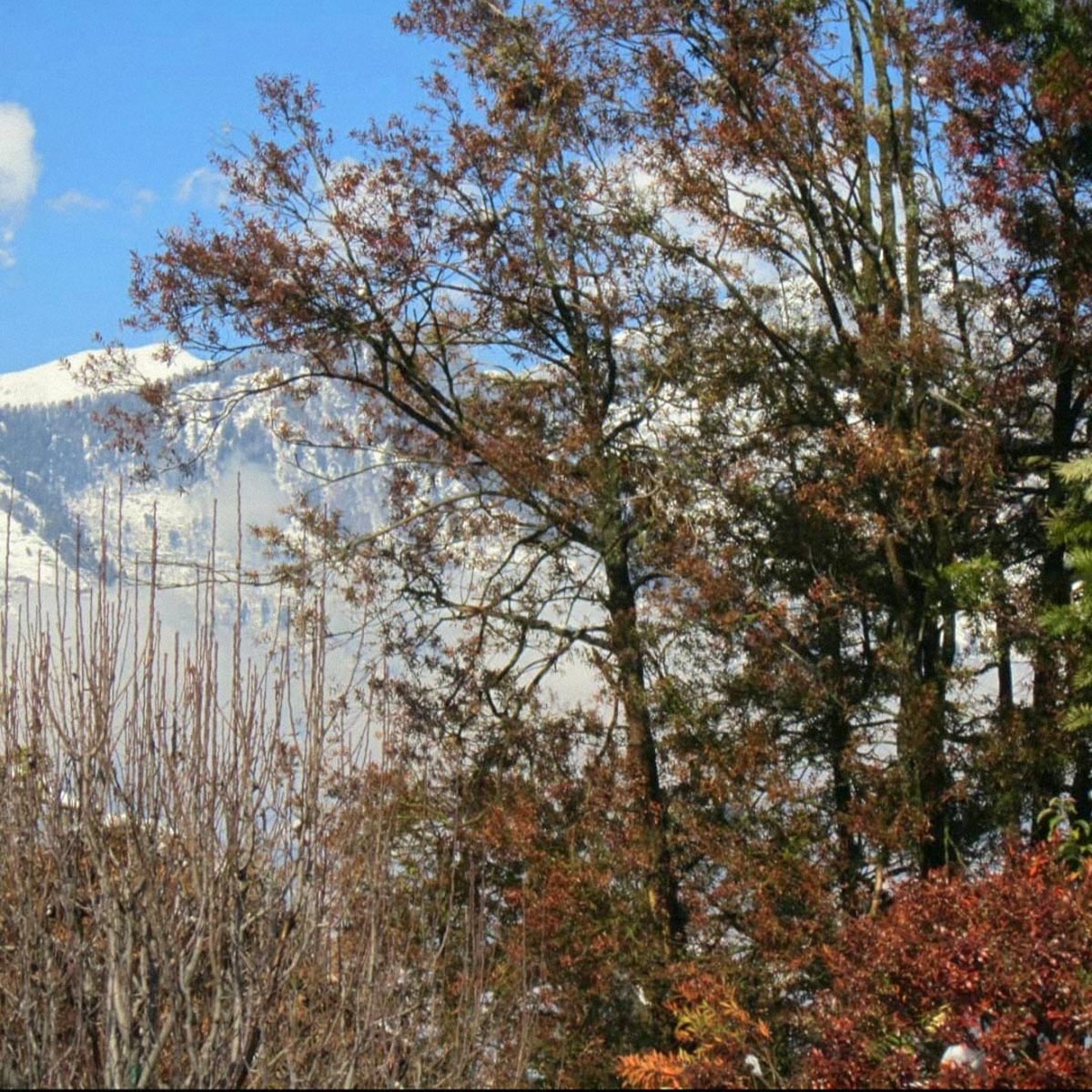
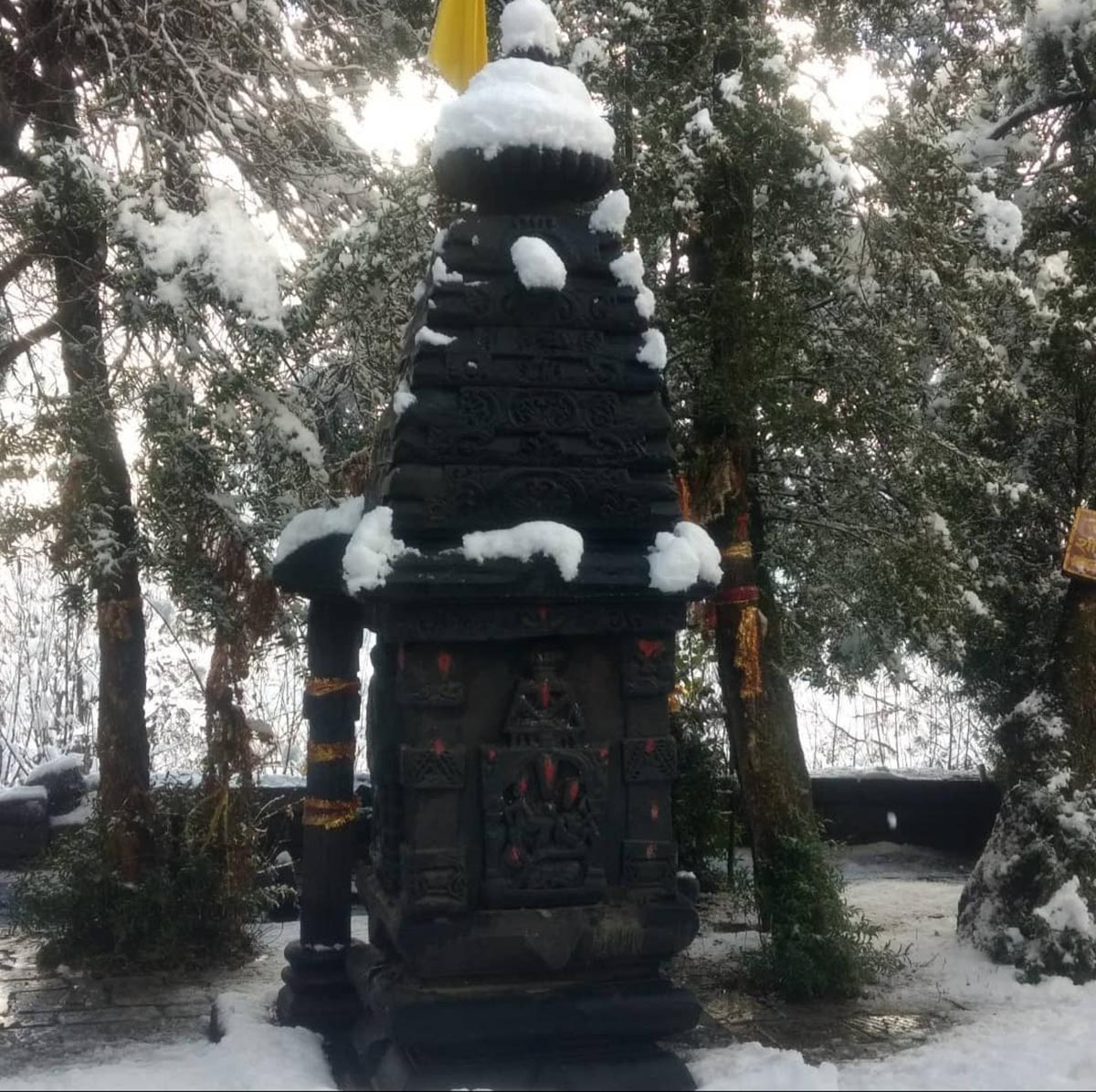


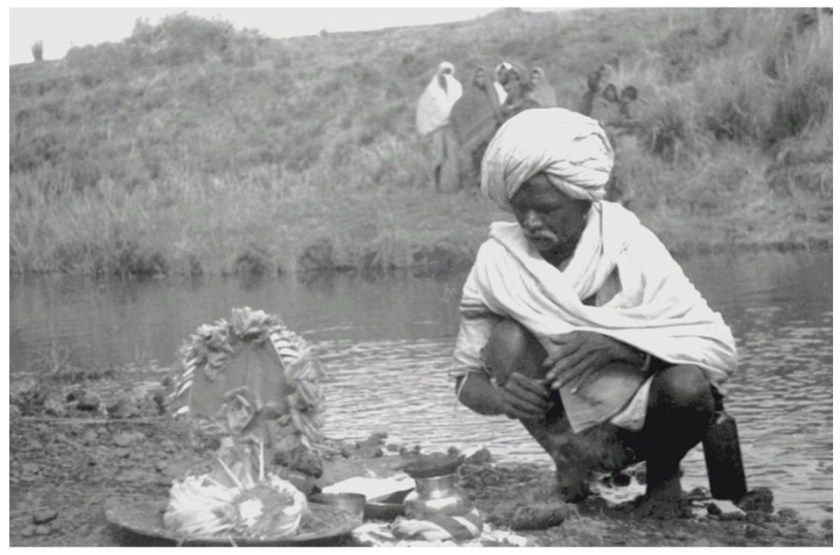


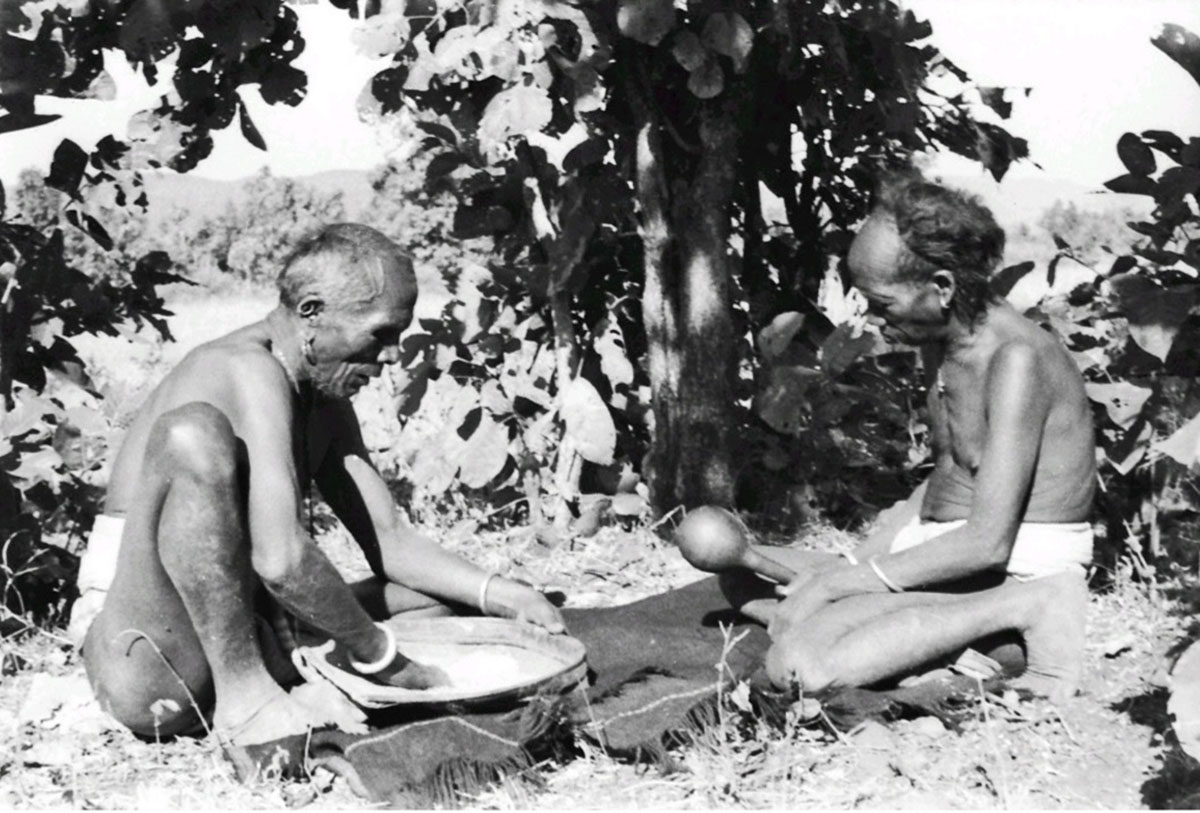


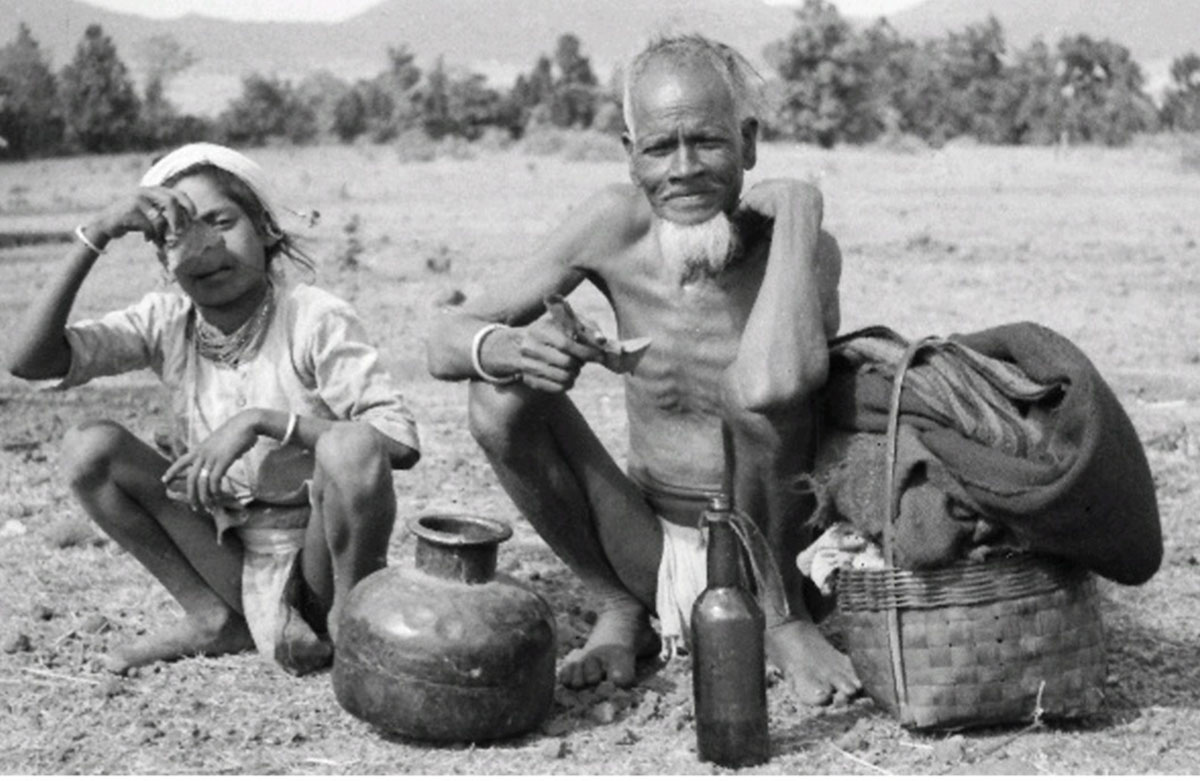
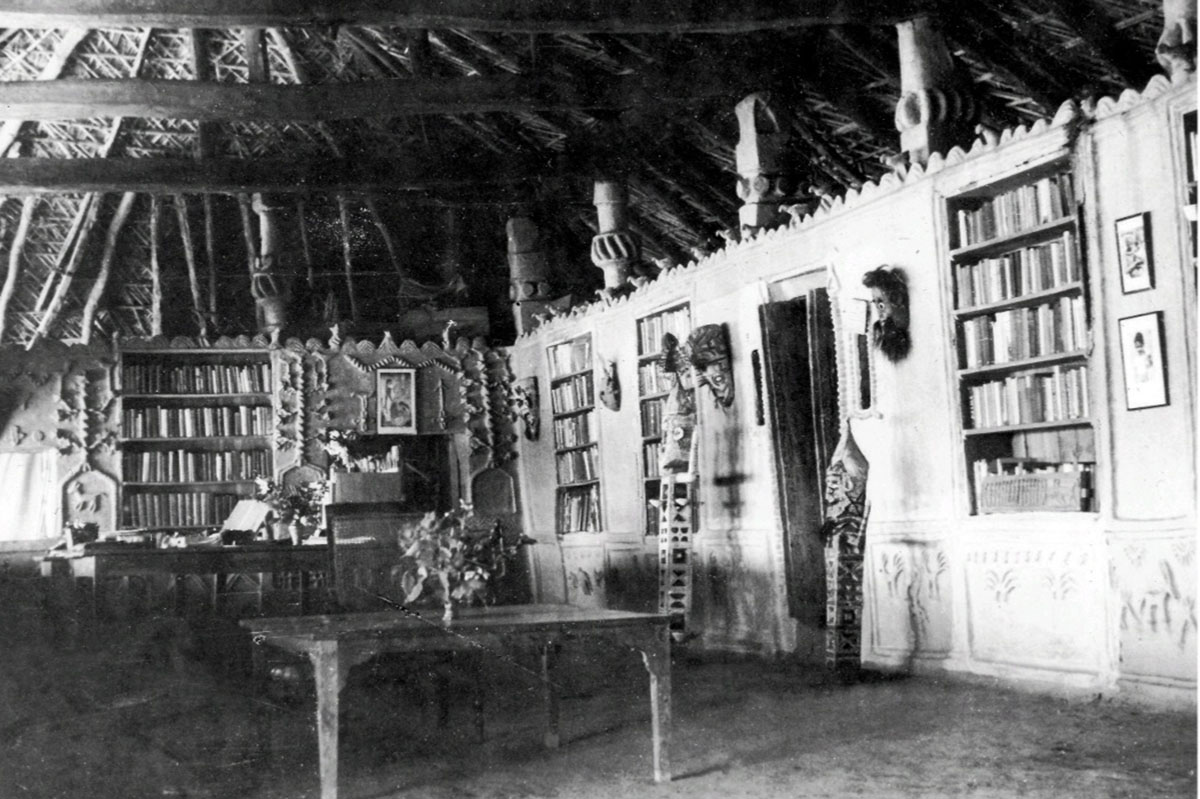


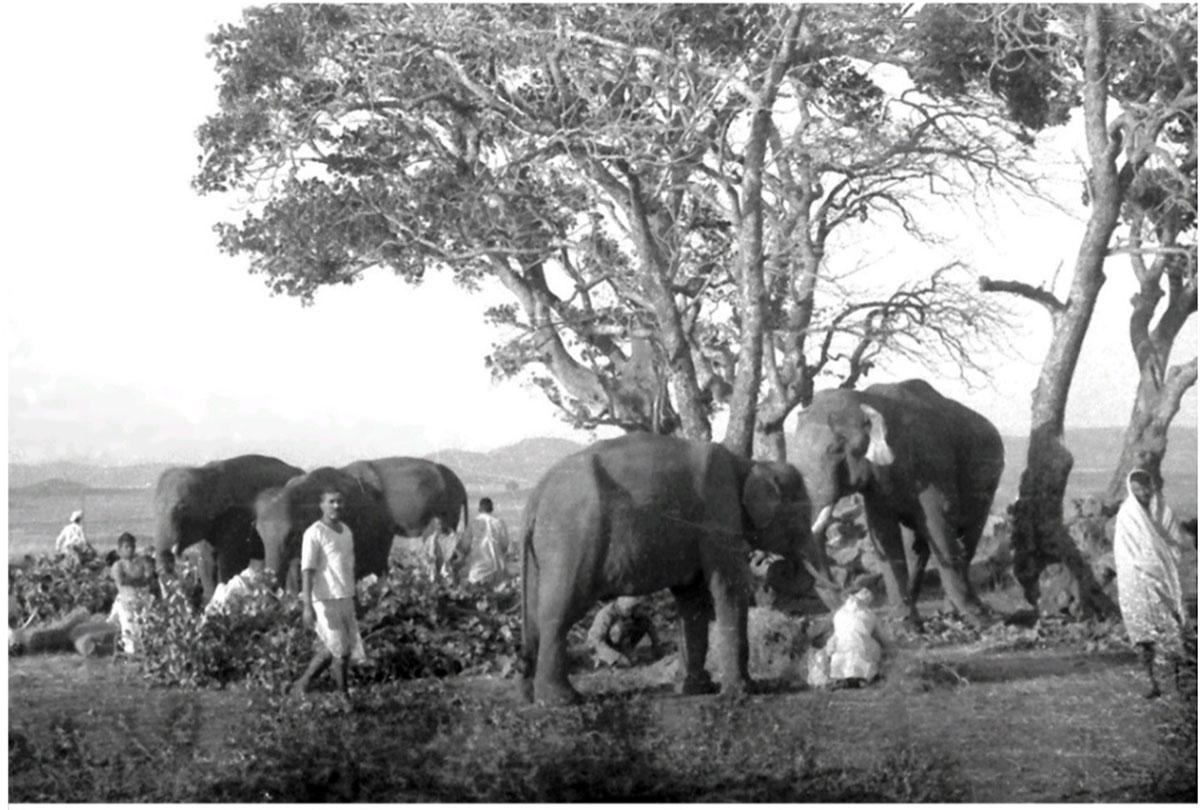


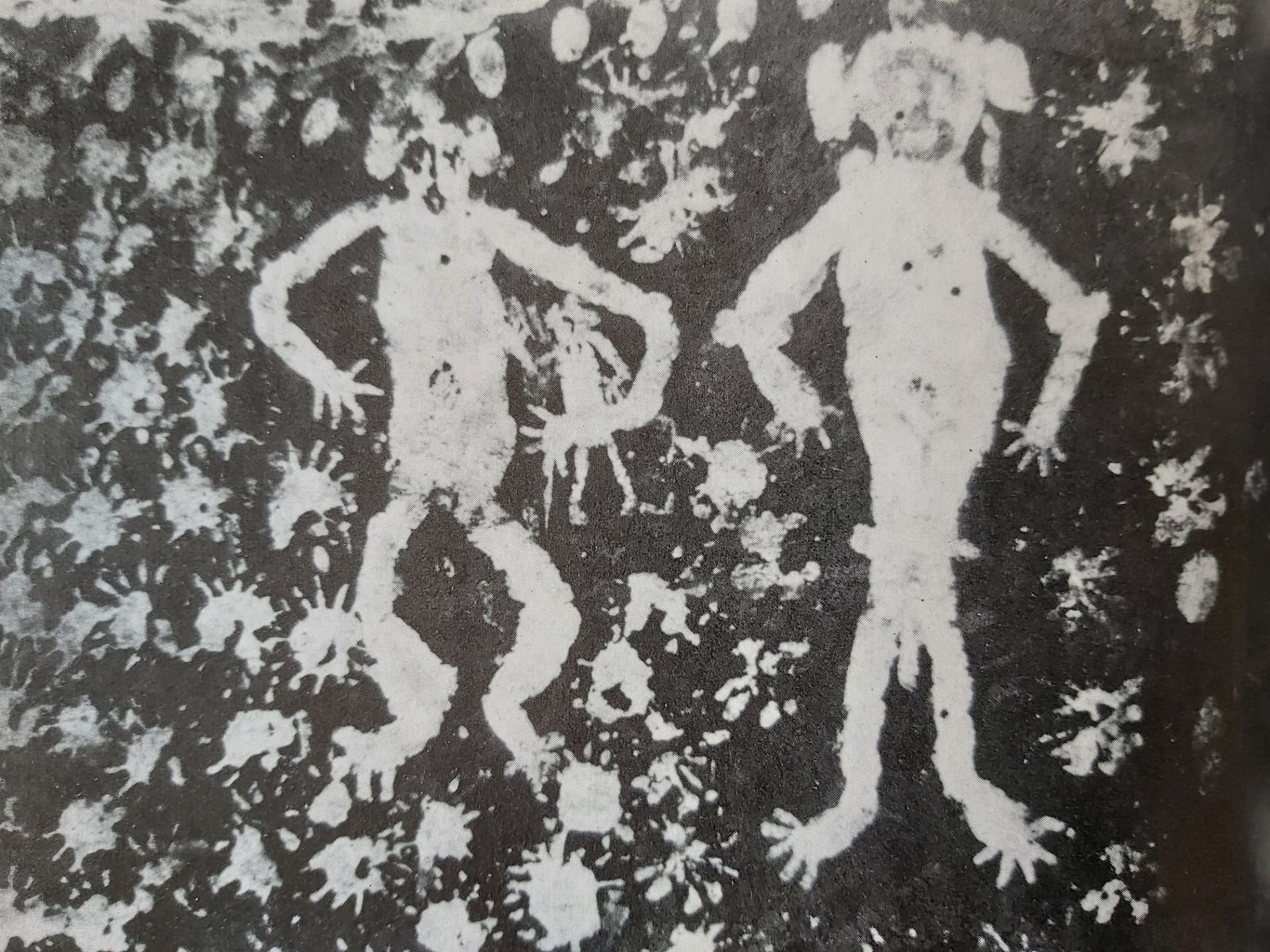

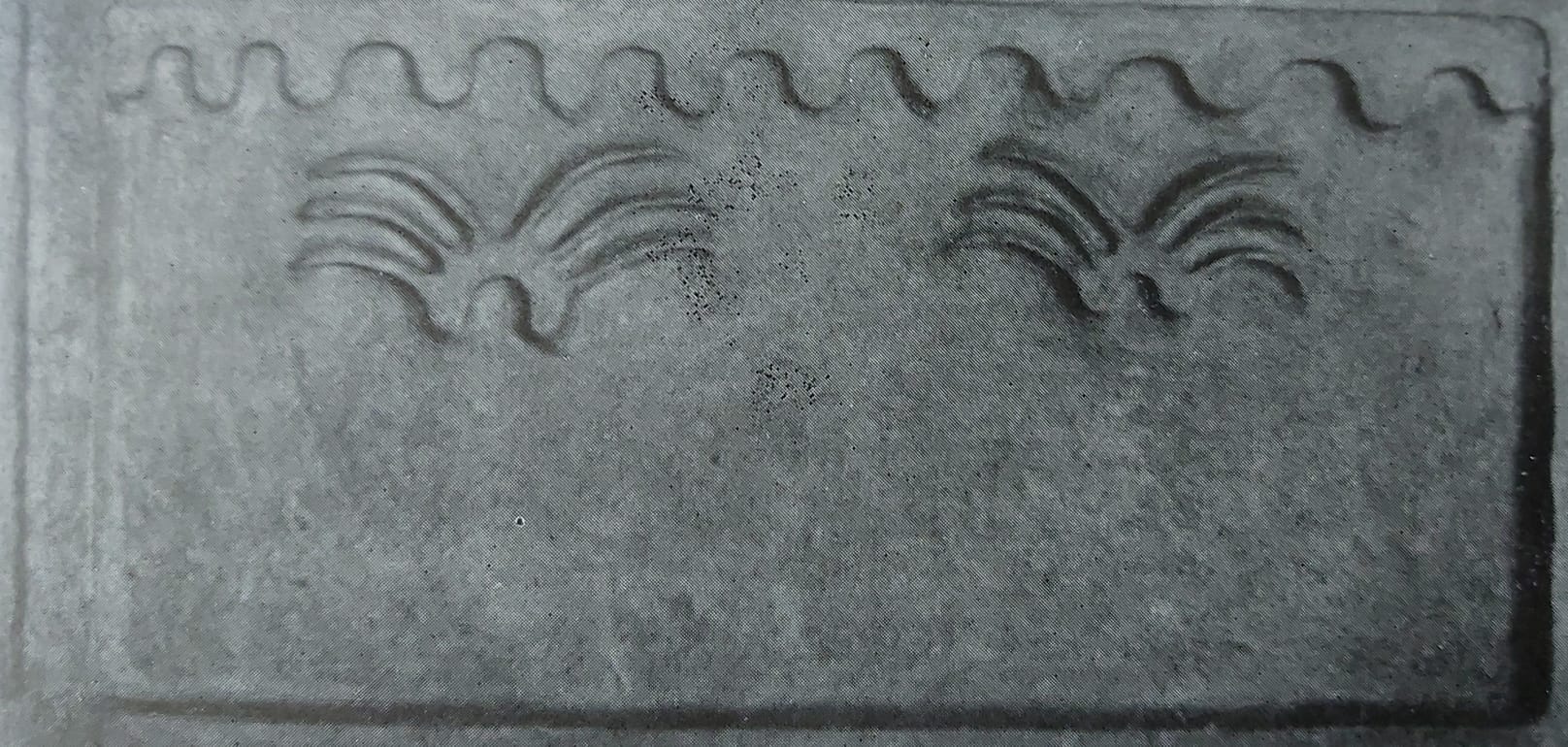
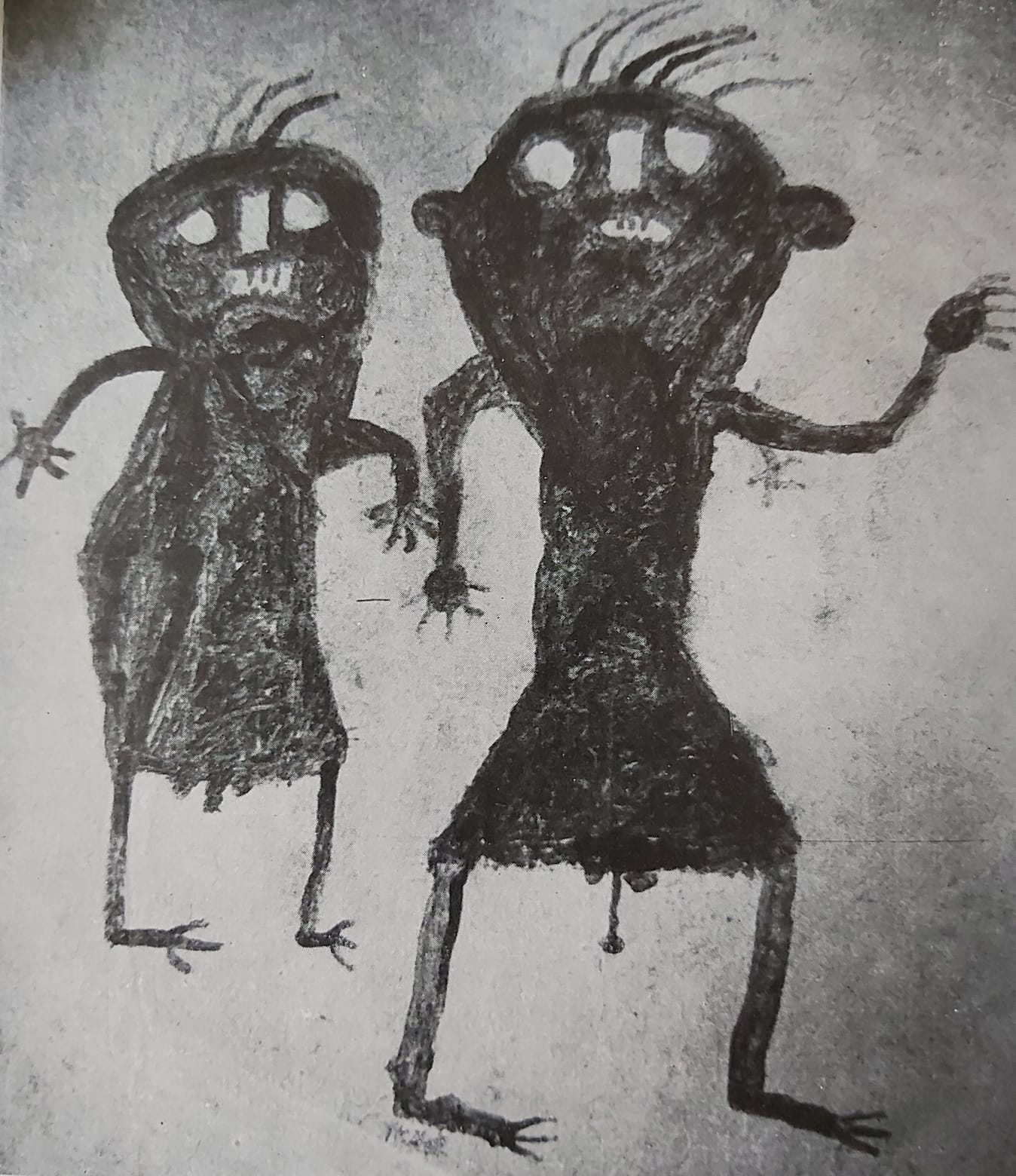



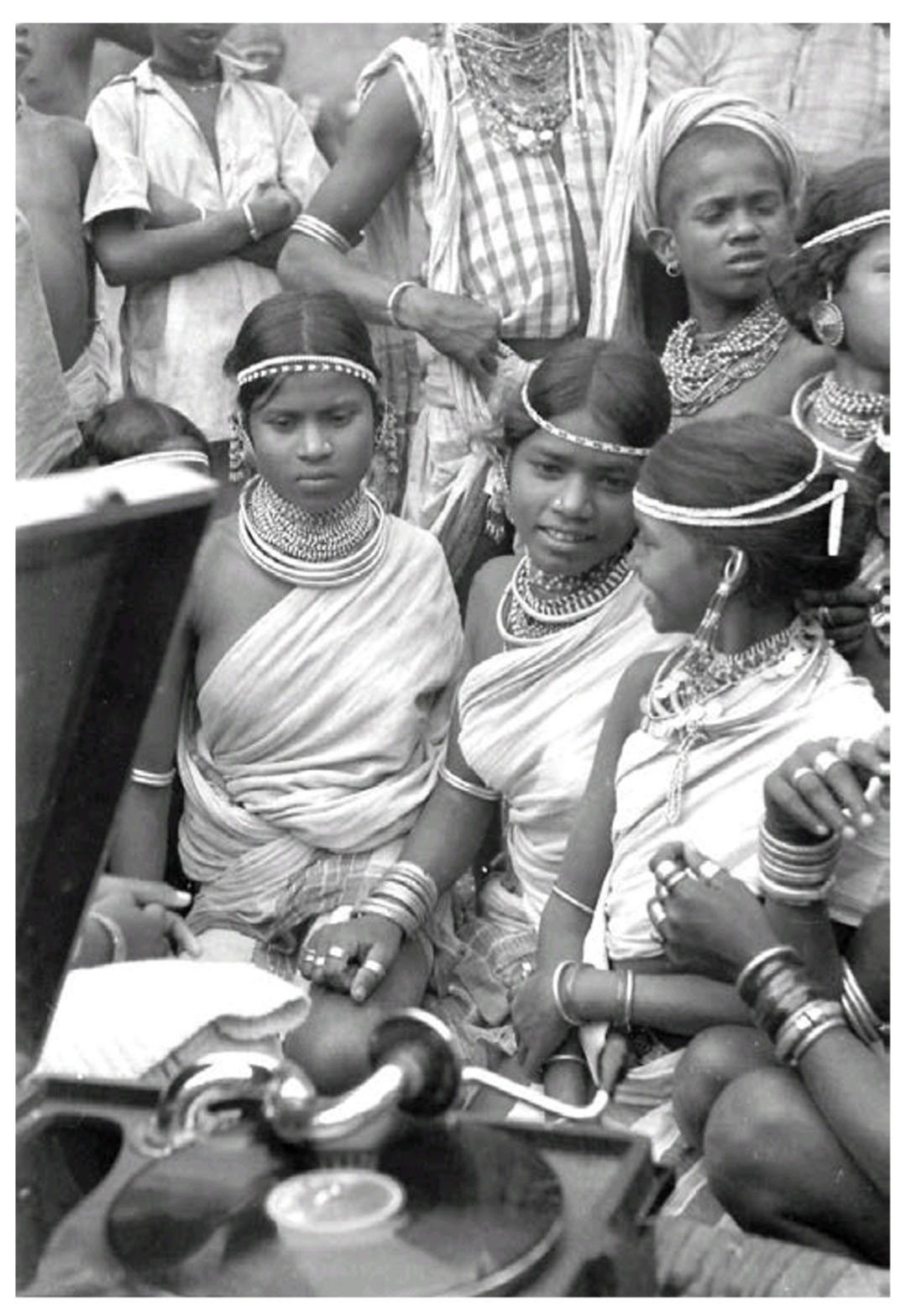





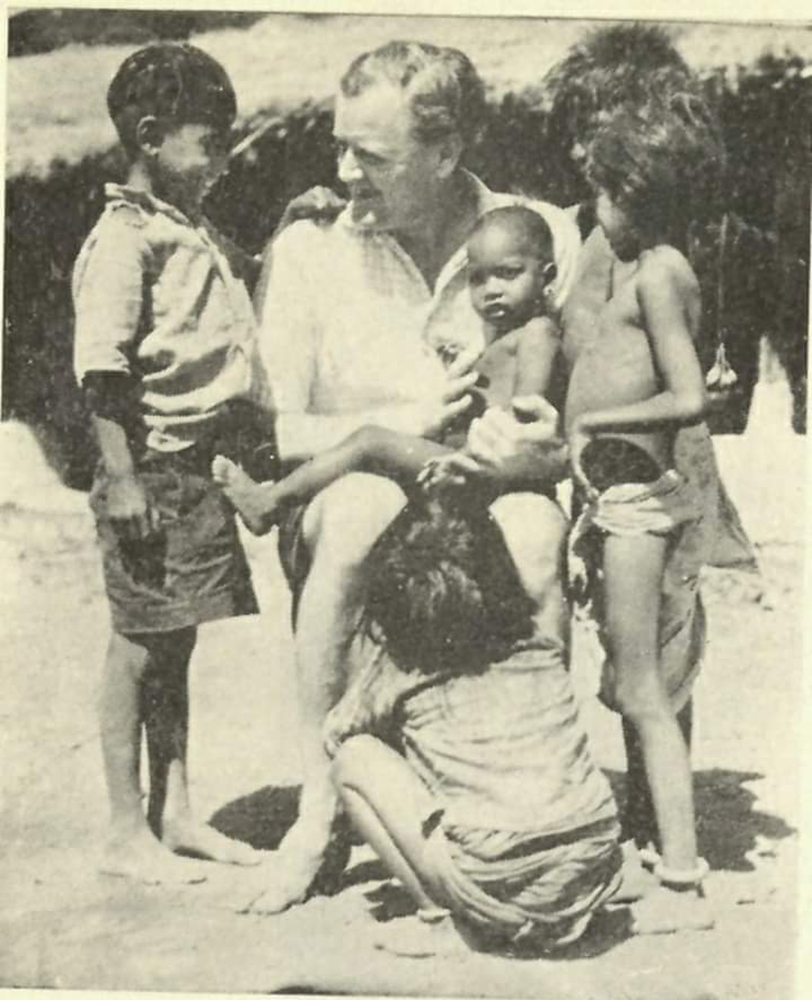




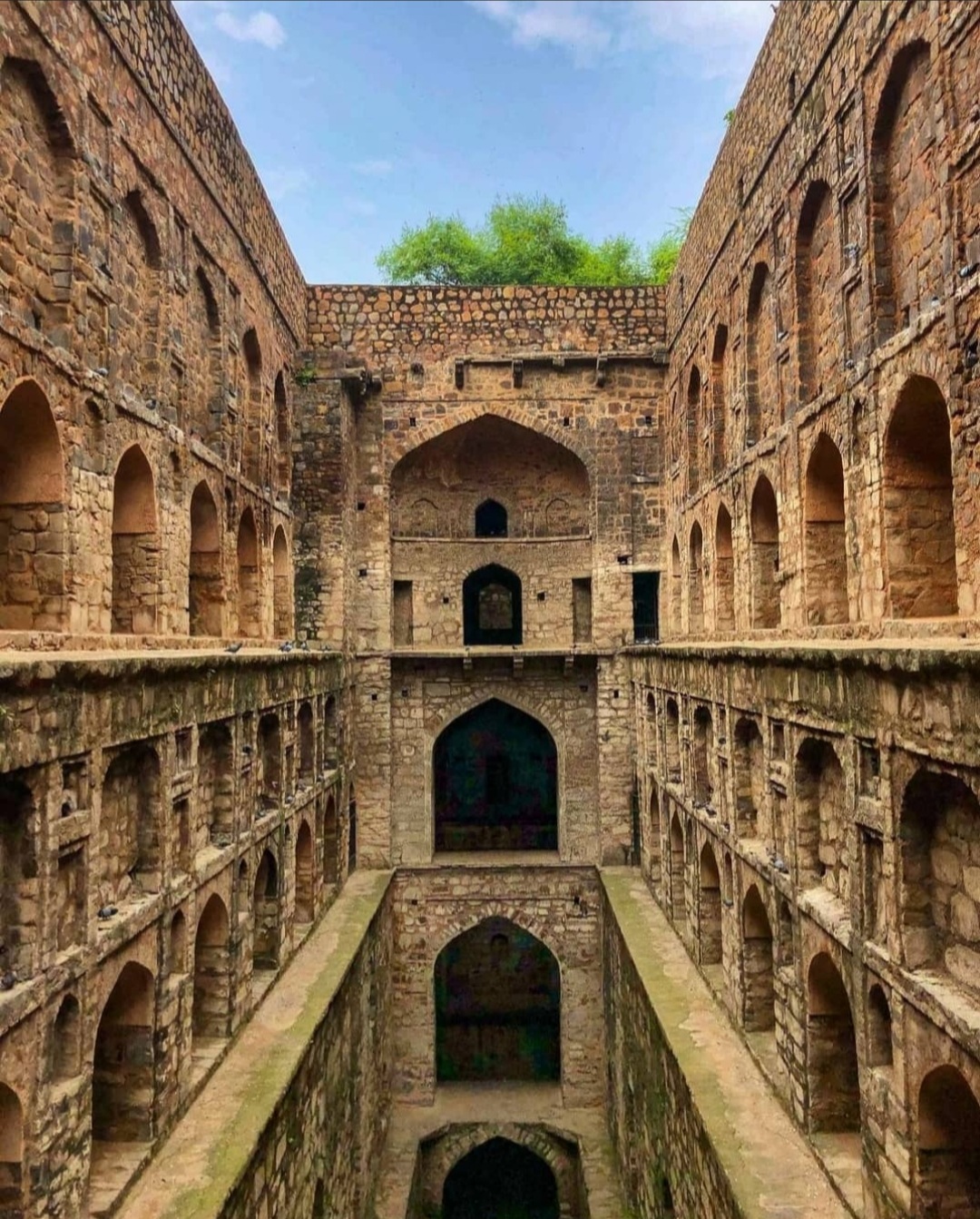
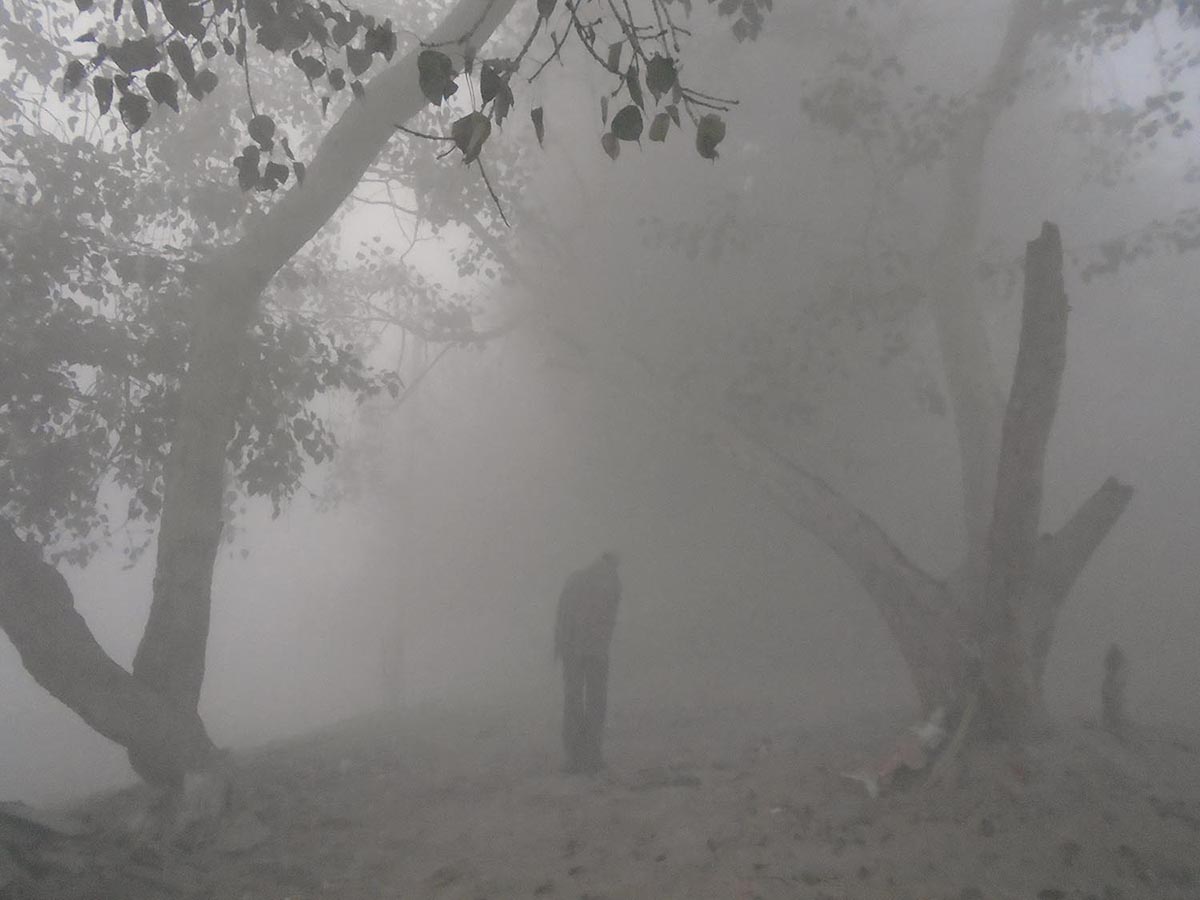
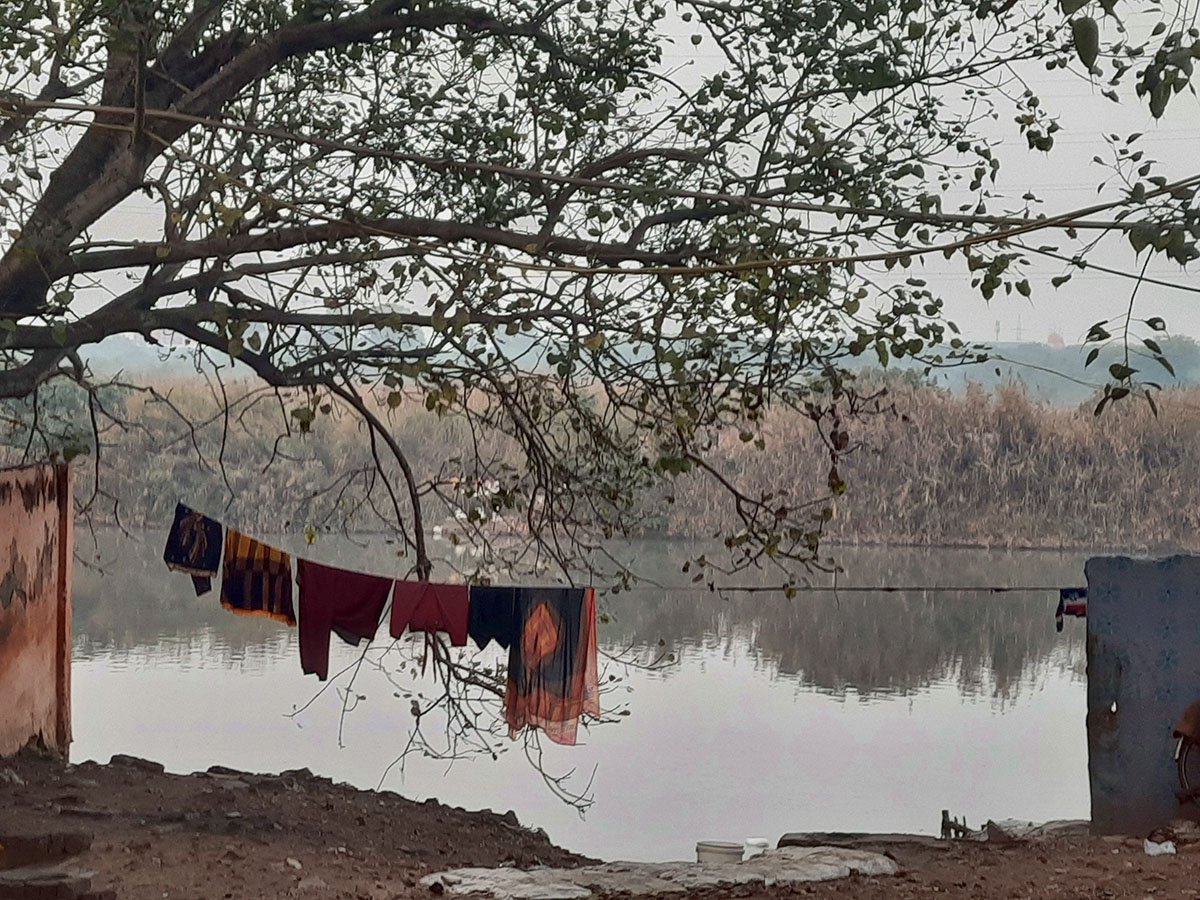

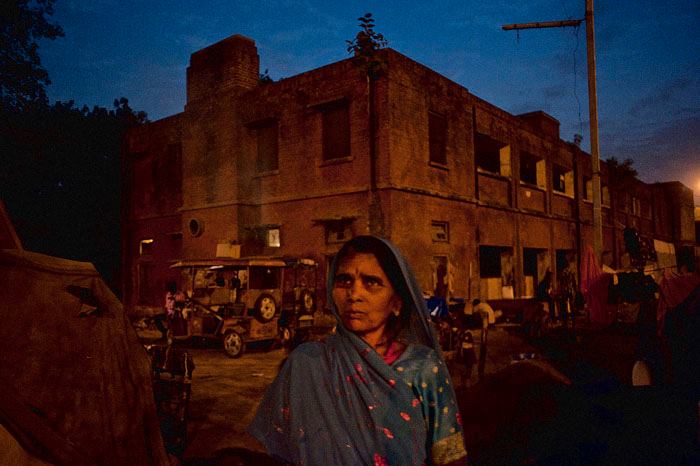


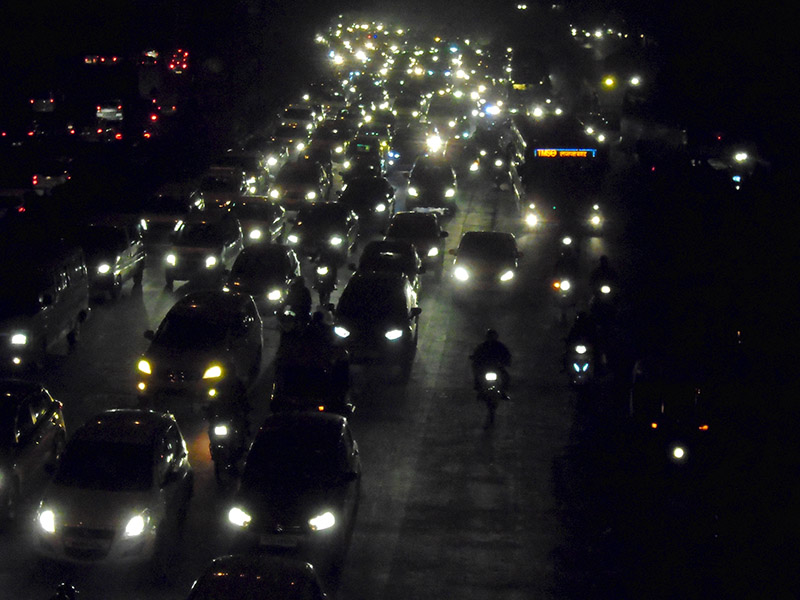
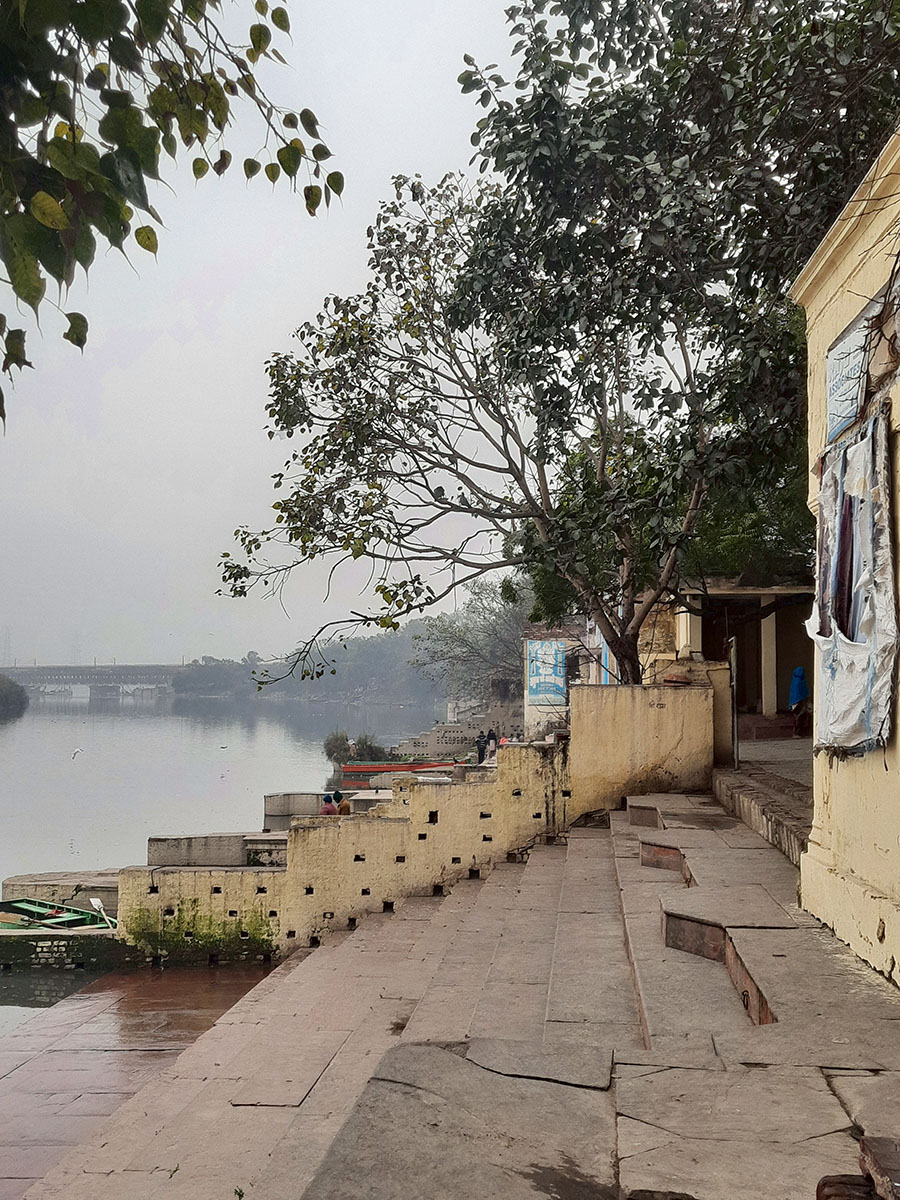

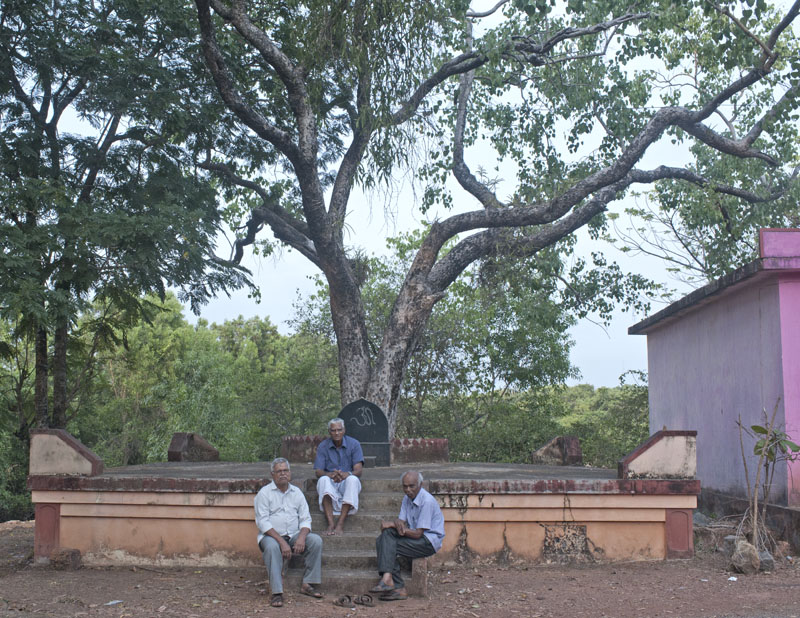

 ROAD TO NARA