Children have been busy since the turn of the year at School. There were unexpected holidays due to extreme cold in December and most of January which sidelined and pushed away various activities that children were waiting for and well likewise we, the teachers. One amongst which and everyone’s favourite was Picnic that could not happen either in December or in January.
Hence the first thing when Picnic dates di not match the weather, we decided to bring Parents in instead of taking children out for something that we called as ‘The Food Festival’, it was the first of its kind we organised at our small school. Here children got there own ingredients, spices and other things; prepared and cooked a few different snacks by themselves with the help of teachers of course, decorated their stalls, kept prices of them all and then sold various food items to the parents and other invitees. It was lovely and contagious to see their excitement enjoyed by one and all. It almost turned into a small lesson in business education.
The Food Festival at School
My favourite teacher is Hemlata mam, she is the eldest we have and mostly does the typing and printing work. In front of her, on the table are kept some beautiful Hand crafted small Pouch bags that were especially made by Kashmiri women(widows) whom I had met while I was working in Srinagar, Kashmir for sometime in 2019 (with the help of skill development organisation ‘Nari Jagran Shakti’ that mother runs, we were able to create 400 of them in collaboration with a local organisation called ‘Pamposh’ meaning a flower)
I will probably share these bags, those women with whom i was grateful two spend two evenings, filming and interviewing, and a few other products that they had created in another post. They can still be acquired at a reasonable price. So If anyone of you is interested, please contact me.
While at school, children cooked at ate no holds barred.
The Coming of PICNIC
Delhi is beautiful in Winter Times. It has many gorgeous parks, few lakes, Museums, historical monuments, Forts, Archaeological Marvels, beautiful temples and many more things for children to see and enjoy but over the years we have actually seen them all, and particularly me.
I have been the torch bearer of taking all the unlikely steps at school and so this year it was decided that we are not going to go to any museum or any place where we have been to already. Instead I wanted my children to experience some nature, ecology as it also was going to be our first outing since the forgettable Corona Days. So it was also a way for us to try making them aware of a world that lived beyond the busyness of Delhi.
The Deva Farms
On the Outskirts of Delhi, Deva Farm is an Eco Adventure Activity Park. They provide an all-in-one activities for children, teachers, be it rock climbing to swimming, Camel ride, to pottery, tunnel crossing to giving them a glimpse of yesteryears village life to eating all day long from various corner as its spread in a large area and small children keep something to nibble after every two hours or so.
So, it was a refreshing change for everyone, as we from the teacher’s side had not thought or experienced on any outing ever before that something so light will land on our fate, quite literally. And that was Freedom.
Their well trained volunteers took charge the moment we entered the camp, made separate teams and took equal number of children under them, and left. They left, Just like that. And we were told to go and eat. Those volunteers lead these teams of our children to all the activities there were in the park, including making them eat and taking them to toilet, whole day long. We actually did not see our children till the time they were all asked to come to the dance floor late in the evening.
So, It was not just the best Picnic, it was the most fun filled day that we and even the children experienced as they kept going gaga over how happy it made them to do all the activities, the freedom they enjoyed as they never heard from there teachers nagging them to not go there or come here or make a line, nothing. Above all to have enjoyed such activities that they had only seen on the Television.
Sharing some images of the day
: ँ :
Thank you.
If today is the first time you have arrived on The Road to Nara, you are heartily welcome ~ Namaste
If you like reading the posts from Road to Nara, do subscribe to the email list for the best writings on Interesting History bits, Ancient Yogic Practices, On Indic Rivers, Cultures and Borders at the Heart of Travel.
: ँ :
I will take this opportunity to introduce you to About me and importantly,
India, that is Bharat, is the birthplace of Spiritual Wisdom, of Imagination. Be it giving the zero, the decimal system or even the most sophisticated rituals of Body Science- Yoga, to the world. It is the birthplace of the Buddha, Mahavira, the 10 Sikh Gurus; to an extent Indian civilisation has also been the only culture where Women were given the status of Deities and have been prayed to as Goddesses.
Ancient Indian texts have mentioned that wherever a women is not respected, there Lakshmi- the goddess of wealth does not stay. There is also a Sanskrit shloka that talks about the value that girls bring in comparison to boys in a way no where else is seen in the world.
दशपुत्रसमा कन्या दशपुत्रान्प्रवर्द्धयन, यत्फलं लभते मर्त्यस्तल्लभ्यं कन्ययैकया
It says, that One daughter is like ten sons. And that the result of the bringing up ten sons is achieved only by nurturing one girl.
But of course life of a Women has never been easy at least in the Indian Subcontinent such as the pleasing quotes above.
To honour, recognise and celebrate the fortitude of some of these great women, I have compiled a list of first Indian women in several fields, as I start with the achievements of some lesser known path breaking Indian women musicians, as music for the longest time was a man’s domain.
But today, we live in a world where women take the reins, make their mark, and lead in many fields; however, the names included here in this list of first Indian women in various fields opened the gates, paved the path, and broke all the barriers that were placed in their way, allowing many more women to dream big and achieve their goals.
List Of First Indian Women inthefieldof MUSIC
Dilruba Saroja: The First Woman Dilruba Player
The instrument here is the Dilruba, played by the legendary artist Dilruba Saroja. Here to know does it sound, I am linking a beautiful Dilruba rendition played by Saroja Ji, of our Indian National Anthem.
Dilruba Saroja has been playing the Dilruba for almost 40 years and has recorded for the following music directors Ilayaraja, A.R. Rahman, Anu Malik, Harris Jayaraj, Hamsalekha, etc
Sumanthi Ramamohana Rao: The First women Mridanga Player
The percussion instrument of choice in Carnatic classical music is the Mridanga and Sumathi Ramamohana Rao is credited as one of the first women to play the Mridanga professionally.
Manomani: The First female Sarangi Player
Daughter of the legendary Dilruba player Saroja is South India’s first female sarangi player. The sarangi has featured in many hit songs by legends like
Jyoti Hegde: The First woman Player of Rudra Veena in the World
The Rudraveena is world heritage instrument and is dubbed as the King of all instruments. Jyoti Hegde from the small town of Sirsi in Karnataka is India’s only woman Rudraveena artist.
Jogmaya Shukla: The First Indian Woman to Play Tabla
Jogamaya Shukla is acknowledged as one of the first women to play the tabla. Trained in Bhatkhande Music University, Shukla was a tabla virtuoso. (The famous actor Saurabh Shukla is her son, and he credits his parents for his interest in the fine arts)
Bhagyalakshmi M. Krishna: The First Indian Woman to play the Jew’s Harp
Morsing or Jew’s Harp is a common accompaniment in Carnatic music and Bengaluru-based Bhagyalakshmi M. Krishna is a legit expert! Often thought of as a very painful instrument to play, Bhagyalakshmi says “It’s an art you get used to. There is a knack in making music by holding this instrument made of mild steel between your tongue & lips.”
Dr Varsha Agarwal: The First woman Santoor Player
Dr Varsha Agarwal often considered as the first Indian female classical solo santoor player. The winner of First Lady of Santoor’ award from the President of India & Ministry of Women and Child Development, Dr. Agarwal’s PhD was on “Hadoti Ki Lok Gathavo Ki Gayan Parampara’.’
Sharan Rani: The First woman Sarod Player in India
The “Queen of Sarod” Sharan Rani is considered as the first women Sarod player in India. Sharan Rani was trained by the great Allauddin Khan. It is said that Pr. Nehru called her a “Cultural Ambassador of India”!
Sukanya Ramgopal: The First Woman Ghatam Player
Ghatam Sukanya Ramgopal is considered as India’s first woman Ghatam player. She also performs the “Ghata Tarang” where the artist plays seven-eight ghatams!
List of First Indian Woman in Literature
Amrita Pritam: First woman to win Sahitya Akademi award
She was the first female recipient of the Sahitya Akademi Award in 1956 for Sunehadey (poetic diminutive of the Punjabi word “ਸੁਨੇਹੇ” (Sunehe), Messages), Amrita Pritam received the Bhartiya Jnanpith Award, India’s highest literary award, in 1982 for Kagaj te Canvas (Paper and Canvas)
Arundhati Roy: First Indian woman to win Booker Prize award
Arundhati Roy is the author of The God of Small Things, which won the Booker Prize in 1997 and has been translated into more than 40 languages. The award carried a prize of approximately US$30,000 and a citation that noted, “The book keeps all the promises that it makes”. Roy donated the prize money she received, as well as royalties from her book, to human rights causes.
Geetanjali Sree: First Indian Woman to Win International Booker Prize for a novel in Hindi
Geetanjali Shree, also known as Geetanjali Pandey, is an Indian Hindi-language novelist and short-story writer. She is the author of several short stories and five novels. Shree is the recipient of the Indu Sharma Katha Samman award and has been a fellow of the Ministry of Culture, India, and Japan Foundation. In 2022, Tomb of Sand became the first Hindi-language novel shortlisted for the International Booker Prize and subsequently won the prize.
List of First Indian Woman in Sports
Bachendri Pal: The first Indian woman to climb Mount Everest
Bachendri Pal is an Indian mountaineer. In 1984, she became the first Indian woman to climb the summit of the world’s highest mountain, Mount Everest. She was awarded the third highest civilian award in India, Padma Bhushan by the Government of India in 2019.
Karnam Malleswari: The first Indian woman to win an Olympic medal
Karnam Malleshwari became the first Indian woman to win a medal at the Olympics. At the 2000 Sydney Olympics, Malleswari lifted 110 kg in the “snatch” and 130 kg in the “clean and jerk” categories for a total of 240 kg. She won the bronze medal and became the first Indian woman to win an Olympic medal. She is also the first Indian weightlifter, male or female, to win an Olympic medal. In 1994, she received the Arjuna Award and in 1999, she received the Rajiv Gandhi Khel Ratna award, India’s highest sporting honour, and the civilian Padma Shri award.
Saina Nehwal: The first Indian woman Badminton Player to win an Olympic medal.
Saina Nehwal is an Indian badminton player and the country’s first Olympic medalist. She is the only Indian woman to hold the world’s number one position. Saina has won 24 international championships to date. Ten of the 24 are superseries titles
Mary Kom: The first Indian female boxer to win a Gold medal in Asian Games
She became the first female Indian boxer to win an Olympic medal. Mary Kom is the first and only Indian woman boxer to have won a medal in each of the Seven World Championships. The date 8th August 2012 became a memorable day for Indian sports because of the achievement of the Manipuri native. Mary herself has described that day as “unforgettable”
Kamaljit Sandhu: The first Indian woman Athlete to win a Gold Medal at Asian Games
Kamaljit Sandhu, first Indian woman athlete to win gold medal in Asian Games, Jakarta In 1970. She participated in the 400 m race and ran the distance in 57.3 seconds. She received Padma Shri award in 1971.
Sania Mirza: First Indian woman to win the Women’s Tennis Association title
Sania Mirza is the finest women’s tennis player India has produced. A six-time Grand Slam champion, a former world No. 1 in doubles and a four-time Olympian, Sania Mirza scaled new heights for Indian tennis in her illustrious career spanning from 2003 to 2023.
Mithali Raj: First Indian woman Cricketer to score a Double Century
One of the greatest female cricketers of all time, and a legend of the sport, Mithali has been a torchbearer of women’s cricket in India over the years, The highest run-scorer in women’s international cricket Mithali Raj has played all three cricket formats for India; Test, One Day and T20. Raj is the first woman to complete 20 years in the International cricket format.
Arunima Sinha: The First Female Amputee to Climb Mount Everest
Arunima Sinha is an Indian mountaineer and sportswoman. She was pushed from a running train by robbers in 2011 while she was resisting them, causing in rods pushed into her left leg and multiple fractures of the spinal cord.
Yet nothing deterred her in what she wanted out of her life. She is the world’s first female amputee to scale Mount Everest, Mount Kilimanjaro, Mount Elbrus, Mount Kosciuszko, Aconcagua, Denali and Vinson Massif. She is also a seven time Indian volleyball player.
Vrinda Rathi: First woman umpire in cricket
Vrinda Ghanshyam Rathi is an Indian cricket umpire. She is currently a member of Development Panel of ICC Umpires. She was one of the female umpires named by the ICC to stand in matches in the 2023 ICC Women’s T20 World Cup.
Hima Das: First woman to get First Place in 400m race at IAAF World Under-20 Athletics Championships
Nicknamed ‘Dhing Express’, Hima Das is an Indian sprinter from the state of Assam. She holds the current Indian national record in 400 meters with a timing of 50.79 s that she clocked at the 2018 Asian Games in Jakarta, Indonesia. She became the first Indian woman — indeed the first ever Indian athlete — to win a gold medal in any format of a global track event at IAAF World U20 Championships when she clocked a speed of 51.46 seconds.
Arati Saha: The first Indian woman to swim across the English Channel
Arati Saha was an Indian long-distance swimmer. She was best known for becoming the first Asian woman to swim across the English Channel on 29 September 1959 at nineteen years old. In 1960, she became the first Indian sportswoman to be awarded the Padma Shri, the fourth-highest civilian honour in India.
Aditi Ashok: First Indian woman golfer to win Ladies European Tour
Aditi Ashok won her first professional tournament at the age of 18 in front of a joyful home audience at the Hero Women’s Indian Open at Gurgoan, becoming the first Indian woman to win on the Ladies’ European Tour. She recently made history as the first Indian woman to win golf medal at Asian Games, with hopes for success in Paris 2024 Olympics.
List of First Indian Woman in Media and Films
Vidya Munshi: First female journalist in India
Vidya Munshi is arguably India’s first female journalist, having worked for a number of publications including Russy Karanjia’s Blitz for ten years.
Homai Vyarawalla: India’s first woman photojournalist
Homai Vyarawalla (1913-2012), India’s first female photojournalist, reshaped history through her lens. Born in Gujarat, she studied photography in Bombay, capturing striking images. Moving to Delhi in the late 1930s, her presence as a sari-clad photographer granted her unprecedented access to key figures.
Pratima Puri: First female television news reader of India
Pratima Puri was India’s first Newsreader. Pratima Puri was India’s first ever news presenter, who presented a five minute news bulletin on Doordarshan in the year 1965. Pratima started her media career at the All India Radio (AIR) station in her hometown.
Durgabai Kamat: First actress of India
Durgabai Kamat, born around 1879, was a Marathi stage actress who later became India’s first female film actress. She appeared in Dadasaheb Phalke’s second film, Mohini Bhasmasur; and left an incredible mark on the history of Indian cinema as the first female actress in India to grace the silver screen
Fatima Begum: First female director of India
Fatima Begum – Indian cinema’s first female film director. She worked with directors such as Ardeshir Irani and Nanubhai Desai before she established her own production firm, Fatma Films in 1926. She was the first woman director in Indian cinema when she wrote and directed Bulbul-e-Paristan in 1926.
Reita Faria: The first Indian woman to win the title of Miss World
Reita Faria had asthma as a child. She was inspired by the doctors and people from the medical fraternity who visited her home and treated her. She decided that she would be a doctor. But a Life such as hers need a whole page and not just a few sentences.
To cut the story short, Reita Faria became a doctor, who went on to win all the beauty contests, In 1966, she became the first ever Indian to win anything at the global stage, she created history by becoming the first Indian woman to win the Miss World crown.
Sushmita Sen: First Indian woman to win Miss Universe
Sushmita Sen (born 19 November 1975) is an Indian actress, model and beauty queen. She won the Miss Universe 1994 pageant, after previously winning Femina Miss India at age 18. She is the first Indian woman to win the Miss Universe pageant. Since her pageant wins, she has worked as an actress.
Zeenat Aman: First Indian woman to win Miss Asia-Pacific title
In addition to being one of the most charming and loved actresses of her time, Zeenat Aman won Miss Asia Pacific title in 1970. She became the first Indian and South Asian woman to win the title.
List of First Indian Woman in Medicine
Dr. Anandibai Gopalrao Joshi: First Indian female physician
Anandibai Gopalrao Joshi, known as India’s First Female Doctor, has inspired and motivated women of all ages to continue their education regardless of their circumstances. Anandi Gopal Joshi and Anandibai Joshi were other names for her. She was born on March 31, 1865, and raised in a Brahmin Marathi family.
Dr. Kadambini Ganguly: First woman Graduate in Medicine
Kadambini Ganguly, was one of the first female doctors of India. She was the first woman from the erstwhile Bombay presidency of India to study and graduate with a two-year degree in western medicine in the United States.
List of First Indian Woman in the field of Science
Kalpana Chawla: First Indian Woman to go to Space
Photograph Courtesy: NASA
On February 1, 2003, the world watched in horror as the space shuttle Columbia crashed while returning to Earth after completing its mission in space. Kalpana Chawla, India’s first female astronaut, was aboard that shuttle. The first Indian woman to enter space was Kalpana Chawla. She travelled into space in 1997 as a mission expert and primary robotic arm operator.
A Lalitha: First Indian woman engineer
A Lalitha’s father was a professor at the generally all-male College of Engineering, Guindy (CEG), where Lalitha was the sole female student. She earned her bachelor’s degree in electrical engineering in 1943, Lalitha became the first female to graduate as an engineer in India. She earned her degree in Civil Engineering from the prestigious College of Engineering, Guindy (now part of Anna University) in Chennai.
Tessy Thoms: Missile Woman of India is the first woman scientist to head a missile project in India
Photo Courtesy: Fortune India
She is known as India’s Missile Woman. Tessy Thoms was the Associate Project Director for the Agni-III missile project, which had a range of 3,000 kilometres. Mission Agni IV, which was successfully test-fired in 2011, had her as the Project Director. Tessy was selected as the Project Director for the 5,000 kilometre range Agni-V in 2009. On April 19, 2012, the missile was successfully test-fired.
Surekha Yadav: First woman Train Driver
Surekha Shankar Yadav née Surekha Ramchandra Bhosale (born 2 September 1965) Surekha became the first female passenger train driver not only in India but also in Asia, in 1988, at a period when the Indian Railways was a historically male-dominated profession. The hiring of Surekha Yadav opened possibilities for numerous women.
Kamala Sohoni: First Indian woman to earn a PhD
Kamala Sohonie was a biochemist from India. She was the first Indian woman to receive a PhD in a scientific area in 1936. From her work on potatoes, she discovered the enzyme ‘Cytochrome C’ which plays an essential role in the electron transport chain (the process by which energy is created for organisms), found in plants, human and animal cells.
Her thesis was only 40 pages long and took her only 14 months to finish! As a result, she became the first Indian woman to earn a PhD in a science field, and from the prestigious Cambridge University.
List of First Indian Woman in Business Field
Kiran Mazumdar-Shaw: First Indian woman business person
Photo courtesy : PTI
Kiran Mazumdar-Shaw is a first-generation entrepreneur and global business leader with over 4 decades of experience in biotechnology. Fueled by her passion, she started her biotech journey in 1978 from her garage in India. Today, that journey is changing lives for the better across the globe.
Indra Nooyi: First Indian woman CEO of Pepsico
Indira Nooyi was named CEO of PepsiCo in 2006, making her the company’s fifth CEO and the first woman CEO in the company’s 44-year history. In 2007, India’s government bestowed the Padma Bhushan upon her, the country’s third-highest civilian honour. The ICC Board also named Indra Nooyi as the organization’s first independent female director.
List of First Indian Woman in the field of LAW
Anna Chandy: First female Judge of India
Known as a first-generation feminist, Justice Anna Chandy was India’s first female judge and the country’s first woman to be appointed to the Supreme Court. She was sworn in as a judge of the Kerala High Court on February 9, 1959, and served for over eight years, till April 5, 1967.
In her retirement, Chandy served on the Law Commission of India and also wrote an autobiography titled Atmakatha i.e. My Story (1973).
Justice M. Fathima Beevi: First female judge who was appointed to the Supreme Court of India
Fathima Beevi served in the Kerala High Court as a permanent judge till April 1989. She was appointed to the Supreme Court as a judge only a few months later, in October 1989, making her Supreme Court’s first female judge. This was definitely a breakthrough moment in the history of the Indian judiciary
Cornelia Sorabjee: The first woman advocate of India
Cornelia Sorabji was the first woman admitted to read Law at Oxford University and became the first woman to practise law in India. She was a prolific writer, a barrister, and a social reformer She worked for many years as a legal advisor to women and children.
Justice Leila Seth: The first Indian woman to be appointed Chief Justice of a state High Court
On August 5, 1991, Justice Leila Seth became the first woman judge on the Delhi High Court and the first woman Chief Justice of a state High Court. She was also a member of the Justice Verma committee’s three-person panel, which was formed in the aftermath of the infamous Nirbhaya rape case in Delhi in 2012.
She is the mother of Novelist and Travel Writer Vikram Seth known for his verse novel The Golden Gate (1986) and his epic novel A Suitable Boy (1993)
List of First Indian Woman in POLICE Field
Kiran Bedi: First female IPS officer
Kiran Bedi, who joined the Indian Police Service (IPS) in 1972, was the country’s first female police officer. In addition, Kiran Bedi was the first woman to be appointed as a United Nations Civil Police adviser in 2003.
Kanchan Chaudhary Bhattacharya: First Director General of Police
Kanchan Chaudhary Bhattacharya, an Indian Police Service (IPS) officer from the 1973 batch, was the country’s second woman police officer. When she was appointed as the DGP of Uttarakhand in 2004, she made history by becoming the first woman to hold the position of Director General of Police.
List of First Indian Woman in Defence
Sarla Thukral: The first Indian woman to fly an aircraft
As Sarla Thukral climbed up to the cockpit of the plane, clad in a sari, she had no idea that she was making history by becoming the first Indian woman in India to fly an aircraft. Sarla Thukral got her pilot’s license when she was just 21 years old when her father-in-law enrolled her in a local flying school. She became the first woman pilot to receive an ‘A’ license after completing 1,000 hours of flight time. She was also the first Indian woman to obtain an airmail pilot’s certificate.
Durga Banerjee: The first Indian female pilot
Durga had been offered a position as a flight attendant instead of a commercial pilot when she first applied with the then Central Aviation Ministry. Standing firm on her goals of becoming a pilot, she was successful in earning the job of the pilot and went on to become the first Indian female pilot and captain of Indian Airlines in the year 1956. She was also the first woman to fly the Tornado A-200 aircraft.
Prem Mathur: First Indian woman to become a commercial pilot
Prem Mathur was turned down by eight airlines when she tried to be a pilot before landing a job with Deccan Airways in Hyderabad in 1947. At the age of 38, she was offered the job and became the first Indian woman to fly a commercial plane.
Harita Kaur Deol: First Indian woman pilot to fly solo
The IAF did not allow its female pilots to fly solo until 1992. Harita Deol, a young female officer, flew alone in an Avro HS-748 on September 2, 1994. She was just 22 years old at the time. She expertly piloted her plane, becoming the Indian Air Force’s first female solo pilot.
Priya Jhingan: The first lady cadet to join the Indian Army
Major Priya Jhingan Photo Gallery
The Indian Army changed for the better in 1992, when it enrolled its first female batch of soldiers. Priya Jhingan, a law graduate, was enlisted as Cadet 001, the first female cadet in the Indian army, alongside a group of 25 other strong women who became trailblazers for women in the armed forces.
Shanti Tigga: The first Indian woman to join the Territorial Army as a jawan
Shanti Tigga was the Indian Army’s first female jawan. During her exams, she ran the 50-metre dash in 12 seconds. She outran all of her male counterparts in the 1.5 km run, finishing with 5 seconds to spare until they caught up, earning her the title of Best Trainee in the Recruitment Training Camp. She did it when she was 35 years old and had two children.
Bhavna Kanth: First Indian Woman Fighter Pilot
She became the first woman to be inducted into the history of the Indian Air Force on October 9, 2016 after the Republic Day parade. 2016 marked the year when the defence ministry allowed women pilots to join the Air Force as fighter pilots. Bhawana Kanth registered her name in history by becoming the first woman fighter pilot of India in 2019. Kanth is the first woman fighter pilot in the history of the Indian Air Force
Padma Bandopadhyay: India’s First Woman Air Marshal
Padma Bandopadhyay joined the Indian Air Force in 1968. A renowned former Indian Air Force flight surgeon, Padma Bandopadhyay was the first woman in the IAF to be promoted to Air Marshal.
List of First Indian Woman in Politics
Sarojini Naidu: First Indian Woman Governor
Following India’s independence from British rule in 1947, Sarojni Naidu, also known as the nightingale of India, became the first woman governor of the United Provinces (now Uttar Pradesh), a position she held until her death in March 1949.
Indira Gandhi: First woman Prime Minister of India
Indra Gandhi referred to as the first woman in a man’s world, became India’s first female prime minister in 1966, serving for three terms (1966–77) and a fourth term from 1980 till her assassination in 1984. She is not just the first female prime minister of India, but also the only one to date.
Pratibha Patil: First Woman President Of India
Pratibha Devisingh Patil created history as she took oath as India’s first woman president on July 25 2007. Prior to her election as president, She received nearly two-thirds of the vote in India’s presidential election. She was also the first woman to serve as governor of Rajasthan, holding the position from 2004 until 2007.
C.B Muthamma: First woman IFS officer Ambassador in India
Chonira Belliappa Muthamma was a courageous woman who stood her ground in the face of gender bigotry. She joined the Indian Foreign Service in 1949. She was also the first woman to pass the Indian Civil Services tests, making her the country’s first female IFS Officer and Ambassador.
Rajkumari Amrit Kaur: First woman Health Minister of India
Rajkumari Amrit Kaur, a Gandhian and freedom fighter, was India’s first health minister and the first Indian woman to hold a government position after 1947. She was a princess in her country’s service, according to the New York Times.
Rajkumari Amrit Kaur (1889–1964) is famously recognized as the first Health Minister of Independent India. She was born as a princess into the royal family of Kapurthala district, formerly a princely state in British Punjab.
Sucheta Kriplani: First woman Chief Minister of a state, UP.
Sucheta Kripalani was the first Woman Chief Minister of India. She was elected the fourth chief minister of Uttar Pradesh from the Kanpur constituency and served a term of four years from 1963-1967.
Vijaylakshmi Pandit: First Indian woman to hold a cabinet position
In 1937, Vijay Lakshmi Pandit became the first Indian woman to occupy a cabinet position in pre-independence India, as Minister for Local Self-Government and Public Health. She is also the first woman to be elected President of the United Nations General Assembly.
Meira Kumar: First woman speaker of the Lok Sabha
Meira Kumar. (File Photo: IANS)
Meira Kumar, a diplomat-turned-politician and the Dalit face of the Congress, has come a long way since she first entered electoral politics in the mid-1980s. She rose from a foreign service officer to a five-term MP and then a Cabinet minister before being chosen unopposed as the first-ever female speaker of the Lok Sabha in 2009, a position she held until 2014.
V.S Ramadevi: First woman Chief Election Commissioner of India
In 1990, Smt. V.S. Ramadevi was appointed as India’s 9th Chief Election Commissioner. She was the first and till now the only woman Chief Election Commissioner of India. She was also the first (and only) woman to serve as Secretary-General of the Rajya Sabha serving from 1993 to 1997. As well as the first female governor of Karnataka.
Mamata Banerjee: First female Chief Minister and First Minister of Indian Railways
Mamata Banerjee, referred to in Bengal as Didi (elder sister), was the first female minister to present the Railways Budget in 2002. In 2000, she became the first woman to be appointed to the position of Railways Minister. In 2011, she became West Bengal’s first female chief minister, a position she still retains today.
Sushma Swaraj: First female Foreign Minister
Sushma Swaraj, a minister with a human touch, created headlines in 2014 when she became the first woman minister for External Affairs in Indian politics. She was also the first woman Chief Minister of Delhi and the first woman spokesperson for any political party in the country.
First Indian Women with Notable honours and Awards
Savitribai Phule: The First Woman Teacher in India
She became the first female teacher of India. This caused waves of fury in society. In 1853, Savitribai and Jyotirao established an education society that opened more schools for girls and women from all classes, in surrounding villages. Her journey was not an easy one.
Mother Teresa: The first Indian woman to win the Nobel Peace Prize
Photo Courtesy: Raghu Rai
Mother Teresa said, “By blood, I am Albanian. By citizenship, an Indian. She became the first Indian woman to receive the Nobel Peace Prize, which she received in 1979. Mother Teresa, formed several Missionaries of Charity and dedicated her life to social work.
: ँ :
It is because of these women and their struggles and hardships that they overcame and paved the way for future generations to have the fortitude to pursue their passions and realise their aspirations regardless of the obstacles that they faced.
Women can never be stopped today or in the future. I hope you liked the post.
There will undoubtedly be many more women added to this list in the future!
Please like, comment and share this post.
A Very Happy International Womae’s Day to You
: ँ :
Thank you.
If today is the first time you have arrived on The Road to Nara, you are heartily welcome ~ Namaste
If you like reading the posts from Road to Nara, do subscribe to the email list for the best writings on Interesting History bits, Ancient Yogic Practices, On Indic Rivers, Cultures and Borders at the Heart of Travel.
: ँ :
I will take this opportunity to introduce you to About me and importantly,
Once in many years comes a project that brings your life’s reality to a halt. Probably bringing a comma or a complete stop for sometime.
Even though it isn’t a big deal to be trained in the visual medium today as everyone’s eyes roll over social media like clouds moving above us, most of the times everything passes as our heads are always elsewhere but that one moment when the thunder strikes, we come back to life.
Our World is at war. Still not at its peak as the real WAR is still around a few years away, but as we read this article in 2024, the world is already on a boil and soon rather anytime it is expected to burn. Only if things, governments, war companies do not mend their ways but even for that the time has already gone.
Ever since the US moved out of Afghanistan; West Asia and the Middle East has become ever so vulnerable. The ever going war in Africa, Syria, Yemen, ever since in Afghanistan, Russia-Ukraine. And now ever since Hamas militant’s condemnable attacks on Israeli Civilians on 7th October 2023, the counter Israeli attack has been brutal to inhuman. But for how long will you keep looking at those images of war that just look war images of any war ever fought and thats about it. We have been moving on, as if documenting yet another day.
Yesterday when I came across Ugur’s work on war, it not only stopped me from doing anything else but brought me close to tears, and I must tell you, it is not easy for me to become numb. It brought not just another universe to life for me but many ones into one parallel universal truth that actually makes us look at humanity and inhumanity in single frames. His magnificent work started shouting at me and only it forced me to share this very important work with you, my co-travellers and family here. We could be living in any part of the world and might have our opinions about right and wrongs but here is one work that is standing out shouting on our face without any sound.
Here, I am taking your important time as I share Ugur Gallankus’s 50 images dedicated to misplaced children of War :
1
2
3
4
5
6
7
8
9
10
11
12
13
14
15
16
17
18
19
20
21
22
23
24
25
26
27
28
29
30
31
32
33
34
35
36
37
38
39
40
41
42
43
44
45
46
47
48
49
50
Fifty. But these are absolutely, heart achingly, heart wrenchingly agitating, confusing and unnerving images that provoking one to get up and do something; it is pushing us to confront some of those strange emotions that we are running from. Some and actually most all, unsettle the settled, make thinking, doing anything else impossible. And thus ever since I laid my eyes on this work of the Turkish Photographer Ugur Gallenkus I could not do anything just marvel at this work of his. I don’t want to but tell him in my own small way, how important this work is, for all those ones that like not seeing something far and more real happenings of our Earth.
Some of them are literally out of this world. How can there be such destruction and symphony at the same time and I especially thank him for creating Image number 2, 5, 7, 13 and 25, even though I want to name them all. Hence, I would really like if you can share your views about this project and if any Image spoke to you?
I will soon be writing to him and will love to hear from my co-travellers here, If any image spoke with you and which one and what do you think of a work such as this? Please share and Comment below.
: ँ :
Thank you.
If today is the first time you have arrived on The Road to Nara, you are heartily welcome ~ Namaste
If you like reading the posts from Road to Nara, do subscribe to the email list for the best writings on Interesting History bits, Ancient Yogic Practices, On Indic Rivers, Cultures and Borders at the Heart of Travel.
: ँ :
I will take this opportunity to introduce you to About me and importantly,
There is a story that is commonly told in Britain that the colonisation of India – as horrible as it may have been – was not of any major economic benefit to Britain itself. If anything, the administration of India was a cost to Britain. So the fact that the empire was sustained for so long – the story goes – was a gesture of Britain’s benevolence.
New research by the renowned economist Utsa Patnaik –just published by Columbia University Press – deals a crushing blow to this narrative. Drawing on nearly two centuries of detailed data on tax and trade, Patnaik calculated that Britain drained a total of nearly $45 trillion from India during the period 1765 to 1938.
It’s a staggering sum. For perspective, $45 trillion is approximately 17 times more than the total annual gross domestic product of the United Kingdom today.
Yet Interestingly, When the Britishers were plundering India, they took away not only the Money, the artefacts, archaeological marvels, and not only the Costliest Diamond of the world “The Koh-i-Noor” but also the Timur Ruby.
A lesser known gem. A stone that weighs 361 carats!!!
A 361 carat Stone! It is believed that when Timur ransacked Delhi, he found the stone and returned to Samarkand with it. The ruby took his name, though Timur’s ownership of the stone has been contested by many historians.
Sometime in the 17th century, the stone fell into the hands of Shah Abbas I of Persia. Shah Abbas was chuddy-buddies with Jahangir aka Prince Salim. They liked to exchange gifts, so much so that the Paparazzi of the time caught the two in a nice embrace, once.
In 1612, Shah Abbas gifted the ruby to Jahangir. And to mark the ownership, Jahangir engraved his name onto the stone along with the name of Akbar. As it passed down generations, other Mughals engraved their names.
Then in 1739, the Mughal empire reached its Nadir when Nader Shah plundered Delhi. He took with him the Peacock Throne, the Koh-i-noor diamond and also this ruby.
Nader Shah engraved that this ruby belonged to the king of the kings – Sultan Sahib Qiran, which is how the Persians called Timur. It is because of this inscription, we get the name of the gem as Timur Ruby.
The last inscription was made by Ahmad Shah, who was the commander of Nader Shah’s army when Nader Shah was assassinated in 1747. He tried to become a king, but managed to get hold of a lot of the loot and founded the kingdom of Afghanistan.
So, by the time the stone returned back to India, it was etched with the names of five of the men who owned it: Jahangir (1569-1627), the 4th Mughal Emperor; Shah Jahan (1592-1666), the 5th Mughal Emperor; Farrukhsiyar (1685-1719), the 10th Mughal Emperor; Nader Shah (1688-1747), Shah of Iran; and Ahmad Shah Durrani (1722-1772). And even Ahmad Shah’s surname Durrani had a small history that hundreds of years later contributed to the Indian Cricket.
When Ahmad Shah became king of Afghanistan he took the title Shāh Durr-i-Durrān, or the King of Pearls. He changed the name of his tribe to Durrani. Former Indian test cricketer Salim Durrani traces his lineage to Ahmad Shah.
Salim Aziz Durani was an Afghan-born Indian cricketer who played in 29 Test matches from 1960 to 1973. An all-rounder, Durani was a slow left-arm orthodox bowler and a left-handed batsman famous for his six-hitting prowess. He was the only Indian Test cricketer to have been born in Afghanistan.
Ahmad Shah’s grandson Shah Shuja was deposed from the throne and he fled to India. He took refuge with Ranjit Singh, who ruled over the Sikh empire in the northern part of the Indian subcontinent. The gem was inherited by his son, Maharaja Sher Singh, in the 1840s. After Sher Singh was assassinated, his younger brother, Duleep Singh, became the new maharaja (and the new owner of the Timur Ruby). Duleep was then only five years old.
Duleep Singh’s youth made him extremely vulnerable. Indeed, in 1848-49, the British East India Company waged war on the Sikh Empire. Following the conflict, the Company annexed the Punjab region and compelled the ten-year-old maharaja to sign over his kingdom. Duleep Singh was placed in the care of a Scottish guardian and isolated from almost all contact with his fellow countrymen. Two famous gemstones that had been in his possession, the Timur Ruby and the Koh-i-Noor Diamond, were also ceded to the British. This transaction remains incredibly controversial to this day, with some depicting it as a gift exchange, others interpreting it as a part of a military treaty negotiation, and even others arguing that it was outright theft.
The two gemstones were taken to London and presented to Queen Victoria. And since then have remained in London, just like Duleep Singh, who was also brought to England. Though he would make several attempts to relocate permanently to his native land, Singh was compelled by the British government to remain in Europe for the rest of his life, dying in Paris in 1893. He’d only been allowed to make two brief visits to India in the 1860s.
The diamond on display at the 1851 Great Exhibition (Photo: Wikimedia Commons)
It is said that Queen Victoria was more impressed with the ruby than the Koh-i-Noor diamond. However In 1851, closer examination of the gemstone revealed that it was not a ruby but a spinel. (The technology to differentiate the two types of gems had only been around since the 1780s.) A new gold and diamond necklace setting for the spinel was made for Queen Victoria in 1853 by the crown jeweller, Garrard. It was designed so that the Timur Ruby could be removed from the necklace and replaced by the Koh-i-Noor Diamond, further reinforcing the idea of the two stones as sister gems.
Though several queens wore the Koh-i-Noor Diamond often in the second half of the nineteenth century and the first half of the twentieth, the Timur Ruby Necklace was worn much more rarely. In the BBC’s 1969 documentary, Royal Family, the Queen was filmed handling the necklace and discussing it with her dresser. She calls the piece a “fascinating necklace,” and she suggests that they should have a dress made so that she could wear the jewel. She then notes that she has actually worn the necklace before, something confirmed by her dresser. It’s an interesting moment, as no photos appear to exist showing the Queen wearing the necklace. And certainly now both the Koh-i-Noor Diamond and Timur Ruby are considered too politically controversial to wear, so it seems unlikely that we’ll see any member of the royal family wearing the spinel again.
: ँ :
Thank you.
If today is the first time you have arrived on The Road to Nara, you are heartily welcome ~ Namaste
If you like reading the posts from Road to Nara, do subscribe to the email list for the best writings on Interesting History bits, Ancient Yogic Practices, On Indic Rivers, Cultures and Borders at the Heart of Travel.
: ँ :
I will take this opportunity to introduce you to About me and importantly,
Its nearing four months of my grandfather’s death. He lived for 104 years and barely narrated any story in his later years but a few on insistence. And there was this one story, probably the most beautiful, the most essential one that can make any child into an attentive adult, that he had narrated when we used share a chemistry. This story had that power and possibly that is why I still remember it. As I have to choose a story a week for the Saturday Story Session at my school, I was reminded of one remarkable lore that I came across in my lifetime and I feel everyone can take something out of it.
Once a king in South India had to send his son to a mystic, to a master, to learn awareness. The king was old. And he said to his son, “Put your total energy into it because unless you are aware, you are not going to succeed me. I will not give this kingdom to a man who is asleep and unconscious. It is not a question of father and son. My father gave it to me only when I attained awareness. I was not the right person, because I was not his eldest son, I was his youngest son. But my other two brothers, who were older than me, could not attain.
“The same is going to happen to you. And the problem is even more complicated because I have only one son, you: And if you do not attain to awareness, the kingdom will go to somebody else’s hands. You will be a beggar on the streets. So it is a question of life and death for you. The King then asked him to go to this one man; he was once my master, said the King. Now he is very old, but I know that if anybody can teach you, he is the man. Tell him, `My father is sick, old, can die any day. And time is short. I must become fully aware before he dies; otherwise I lose the kingdom.’”
A very symbolic story too, I remember my grandfather old hands moving and widening as showed me the walk and the talk of the king. So many moons away, he spoke in the dark with only one oil lamp flickering at a faraway corner: If you are not aware, you lose the kingdom. And silence gauged my eyes till he spoke again.
The king’s son went to the old master in the Himalayas. He said to the master, “I have been sent by your disciple, the king.”
The master was very old, older than his father. He said, “I remember that man. He was really an authentic seeker. I hope you will prove to be of the same quality, of the same genius, of the same totality, of the same intensity.”
The young prince said, “I will do everything.”
The master said, “Then start cleaning in the commune. And remember one thing — that I will be hitting you at any time. You may be cleaning the floor and I may come from the back and hit you with my stick, so be alert.”
He said, “But I have come to learn about awareness….”
The master said, “This is how you will learn.”
One year passed. In the beginning he was getting so many hits every day, but slowly slowly he started becoming aware. Even the footsteps of the old man… he might be doing anything — howsoever absorbed in the work, he would become immediately aware that the master was around. The prince would be ready. After one year the master hit him from the back while he was deeply involved in talking with another inmate of the ashram. But the prince continued to talk, and still he caught hold of the stick before the stick could reach his body.
The master said, “That’s right. Now this is the end of the first lesson. The second lesson begins tonight.”
The prince said, “I used to think that this was all. This is only the first lesson? How many lessons are there?”
It depends on you, said the old man.
The second lesson is that now I will be hitting you while you are asleep, and you have to be alert in your sleep.”
He said, “My God. How can one be alert in sleep?”
The old man said, “Don’t be worried. Thousands of my disciples have passed through the test. Your father has passed through the test. It is not impossible. It is difficult, but it is a challenge.”
And from that night he was getting hit six times, eight times, twelve times in the night. Sleep was difficult. But within six months he started feeling inside himself a certain awareness. And one day when the master was just going to hit him, with closed eyes he said — “Don’t bother. You are too old. It hurts me; you are taking so much trouble. I am young, I can survive these hits.”
The master said, “You are blessed. You have passed the second lesson. But up to now I have been hitting with my wooden staff. The third lesson is that now I will start hitting, from tomorrow morning, with a real sword. Be alert! Just a moment of unconsciousness and you are finished.”
Early in the morning the master used to sit in the garden, just listening to the birds singing… the flowers opening, the sun rising. The prince thought, “Now it is becoming dangerous! A wooden stick was hard, difficult, but it was not going to kill me. A real sword….” He was a swordsman but he was not given any chance to protect himself; only awareness was going to be his protection.
An idea came to his mind: “This old man is really dangerous. Before he starts his third lesson, I would like to check whether he himself can pass the third test or not. If he is putting my life at risk, I cannot allow him to do it without checking whether he is worthy of it or not.” And these were only thoughts that he was thinking lying down in his bed; it was a cold morning.
And the master said, “Come out of your blanket, you idiot! Do you want to hit your own master with a sword? Feel ashamed! I can hear the footsteps of your thoughts… drop the idea.” He had heard. Nothing was said to him, nothing was done to him.
Thoughts are also things. Thoughts also, while moving, make sounds, and those who are fully alert can read your thoughts. Even before you have become aware of them, they can become aware of them.
The prince was really ashamed. He fell at the feet of the master and he said, “Just forgive me. I am really stupid.”
But because it was a question of a sword, a real sword, he became aware of everything around him, even his own breathing, his heartbeat. Just a small breeze passing through the leaves, a dead leaf moving in the wind, and he was aware. And the master tried a few times but found him always ready. He could not hit him with the sword because he could not find him unconscious, unalert. He was just alertness. It was a question of death — you cannot afford to be anything but alert.
In three days’ time the master could not find a single moment, a single loophole. And after the third day he called him and told him, “Now you can go and tell your father — and this is the letter from me — that the kingdom is yours.”
At that time I was mesmerised not with the story per say but with having such a master, someone who can correct you, lead you to righteousness, to strength, to truth, to light. But this is also true that you may not need a bait, but only will to be still, to be mindful, each moment of your life.
As he said, Awareness is a process, its a journey of being more and more awake.
: ँ :
Thank you.
If today is the first time you have arrived on The Road to Nara, you are heartily welcome ~ Namaste
: ँ :
I will take this opportunity to introduce you to About me and importantly,
February is a special month in Life. Ever since my arrival on Earth, nature has given me people in Feb I feel I belong to. Now two, but the one who gave me birth, who showed me to serve first. She, who I realised became my inner voice, who gifted me the eyes to decipher the right from wrong and the mind to believe in myself that I can create, I can do and that I can become whatever in life I wanted to, I am. That I am because of her. And all what i can go on writing, as various people have on earth for their mothers. How much ever I may write but these words weigh nothing and will never amount to anything for how mothers are to us. Just like all the mothers of the world, they are nothing but rivers, that from wherever they pass, they nourish.
And if I dig deeply and i did, I found that all along throughout my childhood it was she who has been a Hero for me, still is. And what other blessing in life can there be to work alongside her on something we both believe, to work under her leadership- Our little school that we take care of apart from hers and mine work. She also runs a Women Empowerment Organisation and past month around 100 government school girls came to attend a workshop on a skill development programme. Its nothing but nature working through her. I feel happy to be sharing this day and dedicating this small tribute to her like repeating an old birthday song that goes on inside me for her.
Ma, Happy Birthday.
Some moments of her beautiful her presence in my life. Or mine in hers as she counters.
I think one of her first image before marriage, circa 1985
Happy, i think it was my younger sister’s birthday, 1990
The coolest one even amongst the three of us. Father got a Kodak KB10 Camera, and next day it was Picnic. Also the start of my romance with Photography. That evening in New Delhi, RajGhat.
One of my all time favourite of hers, on the way to Nainital, stopping for chai. Can’t think of a better image to promote Coke over Tea or the other way.
Happy with Children
Talking to her tribe, I think it was a meeting on skill development and moral education of Girl child.
She is quiet a confident singer, here she must be singing some bhajan.
On a recent Picnic with School Children i still have to write about, to Deva Farms.
Working together on our favourite part of the School, the roof garden.
A little sneak peek into her sometimes scrolling world
And what did i gift her if you may ask?
The most beautiful Bonsai little tree i could scout. Gardener told me that it could be at least 10-12 years old. Will prune it in some weeks time and make a better image.
And the first month of 2024 is done, just like last taken breath, as if there was none. Doesn’t it feel like how almost no time we have? How fast the last day became today, and the last year, decade? How fast have we grown to be who we are today.
For me January wasn’t a pleasant month technically as my computer has constantly given me problems and I do not know if any one of my co-travellers on Road To Nara realised for how long i haven’t been publishing photographic essays; and it is all thanks to my computer and its editing software. But i hope to get around it soon.
I saw growth in some areas of writing, my routine and school schedule but January hasn’t been too kind to start with if we talk about Delhi weather. Here and ongoing, and my people who are living in this part of the world will shout out loud and will take a note that Delhi hasn’t seen this weather in last 74 years. Imagine, we just celebrated 75th Republic Day. So, going around with couple of commissioned work, walking under pile of layers of clothes, finding warmth while sipping innumerable cups of tea and school in early morning hours of smog filled air has been a task. Moreover, as I already knew, January was going to be dedicated to editing a very complex musical documentary (of which I had also written about during my Travels in the Indian South last year) that I am working on with my dearest Sis Ayur Sattvic on a prehistoric temple in Kerala. She has been more than my support in this Journey and has stood alongside like a meadow with sun shining at an altitude where chilly winds keep slapping your cheeks. But we are almost done, and once it gets a nod from the concerned people, i will be more than happy to share it.
As for reading, It wasn’t as good a month for reading but i did complete whatever time I got in the last hour of the night, two books- ‘Walking the Walk’ by Swami Tyagananda and ‘The Collected Works of Ramana Maharishi’ which I am consciously slowing down to finish.
I hope to continue this summing up month around month’s end as i have seen it helps straightening out those curves we take in life for granted and many a times forget to learn from.
Also hoping to hear your share of stories if January was kind, Cold, Cozy with Coffees for you too this year ?
: ँ :
Thank you.
If today is the first time you have arrived on The Road to Nara, you are heartily welcome ~ Namaste
: ँ :
I will take this opportunity to introduce you to About me and importantly,
Ramayana became the 1st serial of the TeleVision world, which earned a place in the Limca Book of Records as the world’s most watched Television series.
For millions of Indians, life came to a standstill for 45 minutes every Sunday morning.
At 9.30 am, people settled down to watch this epic serial, the greatest hit in Indian TV history.
The budget for Ramayan was Rs.9 lakh per episode, making it the most expensive show produced at that time!
The shooting for Ramayan went on for over 550 days!
Arun Govil received such intense love and adoration for his portrayal of Ram that he had to give up smoking in public!
Ramanand Sagar’s serial Ramayana comes in the 1st category in the history of television. It was telecasted on Doordarshan, on 25 Jan 1987. When it first came on TV, no one imagined that it would get so much fame.
Ramayan, which was actually the second show that Ramanand Sagar created for TV (after Vikram Betaal), remains one of the most iconic shows to have been made on Indian Television.
The show became so popular that it was extended thrice, to a total of 78 episodes, instead of the original 52 episodes.
During that sacred three-quarters of an hour it is said that the Chief Minister of Uttar Pradesh, the largest Indian state, refused to take telephone calls.
When Ramayan was first telecasted, Doordarshan reportedly earned Rs.40 lakh per episode!
In Jammu and Kashmir, angry viewers attacked a power station when electricity cuts disrupted the telecast.
Shops throughout the nation kept their shutters down until the serial was over.
Officials of the Doordarshan estimated that out of 100 million of Indian’s 750 million people watch the show.
Special arguments for viewing the serial were made at street corners, community centers, shop fronts. Subsequently, with repeat telecast on 20 different times, it has been aired for over 2000 hours. As per BBC figures, the serial has been viewed by over 650 mn people worldwide.
Ramayana is an Indian historical-drama epic television series, which aired during 1987-1988, created, written, and directed by Ramanand Sagar. The series had a viewership of 82 percent, a record high for any Indian television serial till now.
Ramayana was not just a TV serial but a feeling that bound the whole family, village and society and our nation. It was a sentiment and created a silent uproar inside each Indian’s heart of that and every generation that came after that.
One of the most memorable moments of our childhood are associated with Ramayana.
I remember in the whole street of our colony, only we had got a television called Jolly TV which had a shutter, on sunday’s when Ramayana used to come, whole colony used to come to a stand still. Fortunately our TV was placed such that even anyone walking on the street could see it. That one sunny afternoon when i was running inside to outside, i saw a curd seller from a village come into our lawn, putting down his big earthen pot of sweet curd and offering to us at home and other people who sat with each other focused on watching, and unaware of the world around them.
That was a golden period, before any stock market, various channels or innumerable advertisements ate our time or that melancholia that came with that curd which everybody ate happily after Ramayana was over.
Today, i am bound to write, is probably the grandest day that has arrived in India in last 500 plus years. Today is when Lord Rama is getting his home back.
I, or we Indians cannot really express how deep or how big deal this has been. The sacrifices of the people, citizens of this nation for five centuries is coming to fruition and this can be truly felt in the celebrations that has united one and all of us here.
Lord Rama was, is and will always be the soul of India.
Thank You DoorDarshan for those memories, thank you Ramanand Sagar ji for doing it what you did, and how?
As I finish writing it, a 1000 kilometres from my home, in Ayodhya, on the banks of the legendary river Sarayu, today- the ritual of establishing the vital breath i.e. bringing life to it will happen. And with it the wait of half a thousand years, to give him home, will end.
Jai Shri Ram
: ँ :
Thank you.
If today is the first time you have arrived on The Road to Nara, you are heartily welcome ~ Namaste
: ँ :
I will take this opportunity to introduce you to About me and importantly,
I was surfing through the net reading out loud some classic poems by English writers when I came across a poem named ‘Brahma’- being Indian, which naturally fuelled my curiosity. Emerson wrote this poem in 1857.
Furthermore, as I started reading about Emerson, essays on him gave me sweet surprises, in that era and time, Emerson was challenging the traditional thought.
In 1835, he married his second wife, Lydia Jackson, and settled in Concord, Massachusetts. Known in the local literary circle as “The Sage of Concord,” Emerson became the chief spokesman for Transcendentalism, the American philosophic and literary movement. Centered in New England during the nineteenth century, Transcendentalism was a reaction against scientific rationalism.
Emerson’s first book, Nature (1836), is perhaps the best expression of his Transcendentalism, the belief that everything in our world—even a drop of dew—is a microcosm of the universe. His concept of the Over-Soul—a Supreme Mind that every man and woman share—allowed Transcendentalists to disregard external authority and to rely instead on direct experience. “Trust thyself,” Emerson’s motto, became the code of Margaret Fuller, Bronson Alcott, Henry David Thoreau, and W. E. Channing.
In his poem the ‘Brahma’ appears to be the only speaker, sustaining the continuity of the work. That the spirit is the only speaker signifies not only its absolute nature but also its sustaining power, upon which the existence of entire universe metaphorically, the poem is based.
BRAHMA by Ralph Waldo Emerson
If the red slayer think he slays,
Or if the slain think he is slain,
They know not well the subtle ways
I keep, and pass, and turn again.
Far or forgot to me is near;
Shadow and sunlight are the same;
The vanished gods to me appear;
And one to me are shame and fame.
They reckon ill who leave me out;
When me they fly, I am the wings;
I am the doubter and the doubt,
I am the hymn the Brahmin sings.
The strong gods pine for my abode,
And pine in vain the sacred Seven;
But thou, meek lover of the good!
Find me, and turn thy back on heaven.
The poem is composed in the form of an utterance- a form which comprises sublime or metaphysical content.
It is known that the first group of American thinkers who observed the non-western philosophy were the transcendentalists.
It is also noteworthy for my readers here, how close he already was to know what leading a great life meant, when he spoke on What is Success?
To laugh often and much; to win the respect of intelligent people and the affection of children; to earn the appreciation of honest critics and endure the betrayal of false friends; to appreciate the beauty; to find the best in others; to leave the world a bit better, whether by a healthy child, a garden patch or a redeemed social condition; to know even one life has breathed easier because you have lived. This is to me, one has succeeded in life ! ~Ralph Waldo Emerson
: ँ :
Thank you.
If today is the first time you have arrived on The Road to Nara, you are heartily welcome ~ Namaste
: ँ :
I will take this opportunity to introduce you to About me and importantly,
My dearest co-travellers, from Nara family to yours, Happy Happy Happy 2024.
2023 was a strange year for me that even carried some most memorable gifts too. And as I press on this note to myself, these lessons that are not goals, neither resolutions but something that shall lead to a better day, better moments.
As I reflect on the year that is history, I feel the need to share some lessons I learned or that have been reinforced over thIe pasttwelve months, that I must focus on before I think of any achievements or that light.
Here you go:
1. God first. God always. God alone!
2. That value is in to serve, to solve, to uplift the ones in need.
3. Pray. Reflect. Act.
4. That reading for at least an hour each evening is 1000x better than scrolling.
5. Owning my mornings.
6. That the quality of my habits will determines the caliber of my future.
7. That a good night’s sleep prevents bad decisions.
8. Read a little. Write more. Think most. Meditate all the time!
9. That country music is balm for my soul.
10. That fasting breeds focus, energy and longevity.
11. Know that the world is in the most dangerous place it’s been in for 100 years yet there’s also much beauty to celebrate.
12. That victims curse change while leaders rise within it. /
13. That self-discipline is not a natural gift but a daily practice.
14. That what you do daily is so much more important than what you do annually.
15. That each time you settle for what others say, very possibly degrades your vision. And reduces your heroism.
16. That energy is a more valuable commodity than time.
17. That social media is a splendid tool to distribute value and a terrible waste of time if misused.
18. That allowing even one toxic person into your life can dramatically reduce the quality of your life.
19. That your work environment is a major factor in the production of your mastery.
20. That peace of mind (and heart) is more priceless than gold.
21. That if your parents are healthy and happy into their old age you’re a fantastically blessed person.
22. That generosity is a gift you give yourself.
23. That life’s just too short to worry about rejection.
24. That today, the most important vitamin is Vitamin N. Learning to say ‘NO’ will help you to bide time.
25. That in the end, Stillness will be the Key.
As they say,
If you really know where your mind goes when it wanders?
What would have to change for you to actually follow the wandering and make it real?
Or for your mind to choose to wander somewhere else? Somewhere you’re already going.
Please know how grateful I am to be doing what I love and all the more, sharing my life and my little works with you all, here.
Thank you all, my dear co-travellers.
And Happy 2024. I hope this list will help you to straighten out a few lines. Stand strong. Believe in your gifts. Be brave!
Love and Respect,
Narayan
: ँ :
Thank you
If today is the first time you have arrived on The Road to Nara, you are heartily welcome ~ Namaste
ROAD TO NARA : Stories of Culture, History, Passion, Art, Folk, Mystic Travel, Mountains and River Valleys of India and around the World to your mailbox.
Follow NATURE
: ँ :
I will take this opportunity to introduce you to About me and importantly
My grandfather who saw through most of the 20th century, someone who was highly expressive yet quiet; one who taught us to be firm, to stand and lead in the times of crisis, one who moved mountains during the Indian Independence movement as my grandma used to narrate his stories; my grandfather was a formidable figure in his younger years, one who was known to attract problems only to solve them like a pro, one who knew how to remain content. He was probably the first one who enticed me into smoking a hookah, an old Indian way to smoke a water-pipe. He loved nature and above all his teak tree under which he sat and slept for over five decades.
Here with my Road to Nara family, I wanted to share that my grandfather died last month on the auspicious day of Diwali in the early hours of dawn. Partially, it was the reason for my absence from the site. Even though it was strange how people and even in the family were waiting for a news such as this for as a long a time since my Grandma’s death. Anyhow, as per documents, he relished his 104th monsoon this year. He was born on 21st August 1919.
He had started getting popular as he had become by far the only living centenarian in the village. People and even strangers used to come to see him, sit and talk with him in general about life and the world at large. His age in itself could be one achievement as he saw through one of the worst pandemics that we saw in our lifetime, unscathed. And another feat could be that he lead a life of good health. Under no medication or disease. He lived quietly in his one room hut, outside the village under a Teak tree that he himself had planted decades ago.
And with him died and era, a part of me and my father, as we both loved my grandmother. I still have so much to write about her mysterious life. She had an uncanny way of talking in the air(to someone of course) and predicted many things that my father kept repeating(still does) in astonishment while remembering her many a times. And one such prediction that we kept talking out loud amongst family was she predicting grandfather’s death; on her last day on earth, when she held his hand and asserted that she is dying 10 years prior to him. And it nearly came true, as my grandmother left her body on 17th November 2013, and my grandfather on 12th November 2023.
Yet I would like to say that I wasn’t close to my grandfather, apart from asking him if grandmother came in his dreams, there was nothing else we talked about. He never rose to be a storyteller that I wished or thought grand people are supposed to become. Even though i tried knowing about his younger days, and about his travels but he spoke of it dryly, without enthusiasm or details. and it would soon dry out the listener, or the story-collector in me. To an extent that I don’t remember taking a walk with him ever, anywhere, even if I had done, I don’t. But I do remember him for one thing, that he often took the names of four grandfathers before him in the lineage, and a line that I am supposed to carry forward.
Rest in Power, Grandfather.
Aum
Some images of him that I made over the years, curiously yet mostly unenthusiastically, of him visiting home that he rarely did, or me going to see him in the village.
Outside village home, where once there was a well.
Over a decade old image of grandfather’s room, his cot and the leafless tree, in the winter of 2009.
Grandfather in his room, praying.
Grandfather at home in 2007
Grandfather at home in 2007, smoking a betel leaf filled with tobacco.
Our potato field in the village
Grandma looking at me for a portrait, after peeling the potatoes taken from the field.
Grandfather at home in 2007
Grandfather with his two out of 3 sons, my father and his elder brother in 2018
I think it was in 2007
The last walk with him, that i even walked was also the longest as he had to stop and sit several times before we reached home from the fields. One winter morning in 2017.
: ँ :
Thank you
If today is the first time you have arrived on The Road to Nara, you are heartily welcome ~ Namaste
ROAD TO NARA : Stories of Culture, History, Passion, Art, Folk, Mystic Travel, Mountains and River Valleys of India and around the World to your mailbox.
Follow NATURE
: ँ :
I will take this opportunity to introduce you to About me and importantly
Being a Photographer myself, I have always been fascinated by the old world charm that Rural life provided to my spirit. And Its not just about India but whole of South and South-East Asia had an unexplainable charm to it, still has. There is so much in common. Culture going centuries back.
And today in 2023, when the world has started sprinting at a breakneck speed; when people, younger generations have almost, already left things behind; I feel an urge and need to conserve things, documents, stories, creations and life of the past. As much as I can in my limited means.
And what better there is to learn and study from someone who himself has been a conservationist in the real sense. Jyoti Bhatt’s work is a proof in itself, that had there been no him, we wouldn’t have ever known what Rural India of the past looked like.
Here sharing excerpts from his travels, some never seen images and stories that only his closed ones must have known.
The diary of Jyoti Bhatt that he kept during his travels to the villages of Rajasthan and Madhya Pradesh from 1981-1983.
It is said that a picture is worth 1000 words. However, this may be true for some pictures, according to John Szarkowski who was a director of the photography section at the mueseum of modern art in the US. “Photography has never been very successful at telling stories. This is not surprising if one considers that isolating single fragments out of the continuity of time- what photographs do- is very close to the opposite of what a narrative does”, thereby refuting the assumption made earlier.
The Advent of a Culture Space in India
The central government of India had come up with a plan that every state should have a large cultural centre. When Shri Arjun Singh was the chief minister of Madhya Pradesh, Mr. Ashok Vajpeyi was the secretary for culture. He convinced Arjun Singh to have a cultural centre made. Thus Bharat Bhavan came up and was inaugurated by the then Prime minister Smt. Indira Gandhi on 13 February 1982
At that time she had said, Delhi is the Political capital of India and Bhopal is the cultural capital. Charles Correa, one of the well known architects of that time designed Bharat Bhavan.
Ever since the construction of the museum had begun, the collection of rural tribal art forms had started. In 1983, we made one such trip to the North Eastern hilly region of central India. The tribal inhabitants of that region are known as Hil Korba. The town we had reached was the site for holding the traditional Haat(weekly market). Incidentally, it being the day of the haat there were many people from the Hil Korba tribe.
We asked a few of them whether they would do some drawings if we provided them with paper. They agreed so we took them to the place where we were put up and gave them sketch pens and paper. The Korba tribals don’t have a tradition of making motif or other images on the walls or floors of their houses as decorations. But the ones to whom we had given paper had seen shopkeepers writing accounts or policemen writing crime reports on paper. So, they started making marks, (which may have been ‘writing’ according to them, on the paper that we gave them. Like little children who scribble believing that their writings are legible scripts, these adults tribal-folk scribbled all over. They didn’t even have the idea that most scripts follow the system of writing from one side to the other and so they filled the paper surface with scribbles horizontally, vertically, zigzag and all over the paper. They were all paid Rupees 100/- as token remuneration. The news of of this happening spread across villages far and near. The next day around 700-800 people arrived outside where we were staying. It was impossible to explain to them our point of purpose and therefore the only way out for us was to pack our bags and sneak out from the back door like thieves.
Sometime in 1984, B. V Kamath and the theatre group were to go to Bastar in Madhya Pradesh and he made it possible for me to go with them.
It was a time when Naxalism had not spread into bastar and so going into the interior parts of the forest was possible.
Once we reached the place on a day where a large number of people were gathered, celebrating their ritual fair. They sang and danced through the night. The circumstances were such that i could not take a single photograph during night hours. But fortunately the dancing went on till next morning also. So, I got a chance to take photographs in broad daylight. At one point, as i was standing at a spot to take photographs, someone brushed past me so hard that almost knocking me down. I collected my lenshood and spectacles that had been knocked down, and after checking the damages, continued taking pictures.
It was only on after my return that evening to the place where we were staying, that I met an actor of Rang Mandal and we talked about the incident of the morning. He told me that a young man had got very angry and had charged towards me with an axe to attack me. It was because he was intoxicated with too much Toddy or some such local brew that he had lost his balance, missed his target and I was spared.
It was my good fortune that I was safe, said Mr. Bhatt and completely oblivious to what was going on around me, I was unfazed and kept taking pictures as innocently.
On another instance, Jyoti Bhatt narrated a beautiful tale about his mentor and one of India’s eminient painter K.G Subramanyan. He had once said to me, ‘I don’t like it at all if someone calls me the bread earner of the family.’ However, at that time, I had no clear understanding of why he said so.
Whenever Raghav(a friend) and I travelled to various places for photography, we made sure to carry thepla with us. In. a way, thepla became a complete meal for us. Once when we had gone to Rajasthan it rained unexpectedly and the atmosphere turned humid. Due to the humidity, our thepla caught mould and we had no option left but to throw then away. However, we could buy bread from a small market near our Dharamshala (often a free or inexpensive lodge type of accommodation). We also bought carrots, radish, onions and tomatoes and set forth for our work.
Late that afternoon, we sat under the shade of a tree and began to have our lunch. On seeing us, a couple of children who were playing came close to us. They were perhaps curious to know what we were eating, so we handed them two slices of bread each. But they didn’t like it after tasting it, threw it away; some dogs were attracted by this and came running. As they sniffed the bread slices on the ground I thought they would start fighting for it. To my surprise, they just sniffed the slices and went away. Though we couldn’t follow their example and had to make do with the remaining bread and raw vegetables.
Those children and dogs made it clear to us why Mani Saheb(Prof. K.G Subramanyan) had such a dislike for bread.
In the year 1996, I had to go to Orissa. On the onward journey, I had thepla (a spicy roti which lasts for quite some time), but on the train journey back, I did not carry anything to eat. In the afternoon, on the berth opposite me, two children were served food by their mother on paper plates. I kept looking at their plates. The mother thought that I was staring because I was hungry, and so she asked, “would you like something to eat”. I thanked her and refused but asked her to give me those plates when the children finish eating.
The reason for my interest, he told was that the plates on which the two children were eating from, were made from those pages of Tata diary that had my photographs printed on them. Later, I shared this incident with my mumbai-based friend. He not only got me six or seven copies of that diary. But also told me that if i wanted more they were available in abundance on the footpaths of Fort area in Mumbai.
Jyotindra Manshankar Bhatt(12 March 1934), better known as Jyoti Bhatt, is an Indian artist best known for his modernist work in painting and printmaking and also his photographic documentation of Rural Indian Culture.
Bhatt has gained both national and international renown throughout his career. He curated the two-part exhibition titled Painters with a Camera at the Jehangir Art Gallery, Mumbai (1968), which featured the work of artists with an interest in photography. He has also shown his work at Anant Art Gallery, New Delhi (2005); Gallery Espace, New Delhi (2001); and the Delhi Art Gallery (2007). In addition to this, he has painted multiple public murals, including two at the Parliament House in New Delhi. He received the President’s Gold Plaque in 1956 and the Padma Shri in 2019. His work is part of the permanent collections of the Smithsonian Institute, Washington DC; the Museum of Modern Art, New York; and the Museum of Art & Photography (MAP), Bengaluru.
As of writing, Bhatt lives and works out of Baroda.
: ँ :
Thank you
If today is the first time you have arrived on The Road to Nara, you are heartily welcome ~ Namaste
“If you enjoyed the post please let me know. Do share your experience in the comment section below and Do subscribe for many such hidden stories that are especially curated for my mail subscribers that you won’t find anywhere on the blog.
ROAD TO NARA : Stories of Culture, History, Passion, Art, Folk, Mystic Travel, Mountains and River Valleys of India and around the World to your mailbox.
Follow NATURE
: ँ :
I will take this opportunity to introduce you to About me and importantly
Somehow, its not surprising that even after writing for last three years on this site, I never shared any kind of Bucket List with you. Rather strangely It never even occurred to me. Even when I keep a daily, weekly, monthly to-do list. But this time it felt that I must share what all is meaningful and going to move me for some years to come. To observe and record my own directions, to raise expectations even though I have worked hard to get all feelings of “expectations” out of my system in last some years; But to travel more, to be able to express from a point of stillness more, to vibe more with you, with whom i have shared my most valuable memories in these years in thought, and that you should know some deeper directions that my spirit is wishing to take.
Last week, I completed an important and likely decisive life cycle on our planet Earth. Touching the other side of 35. And I felt responsible to open up with you my family, my co-travellers here like I open myself with my physical family. And share things about my life and what it must look like, be filled with, that which will give me happiness to see them off in next half a decade or so to come.
World has been a wonder to me, and I a Yogi; believing in magic happening at every moment. I have always travelled like a stream that finds its way through landscapes. Living, staying for days, weeks and even months in places that needed my presence. Researching, Writing, Teaching, Serving, and even Working in cultures other than mine has always been my way of travelling and before any other events could happen I saw myself surrendering to my Guru who found me or I found him dancing deep in the Himalayas, to the mountain drums, on one cold night, in a Himalayan village.
Well, may be where it all started. First proper portrait.
My days, this life, my practices have been quite experiential in a way I somehow knew right from my teens of what not to do- Drugs, Liquor, smoking, partying for that matter are some traits that come in any adult’s life. But these and topping it all, quite fortunately for my body and spirit- I somehow managed to never eat meat, even after living in some culture’s where it became next to impossible to an extent becoming a mocking stock. But I sailed through. And this probably can be one interesting story on my days of food- my eating stories, cravings and many a nights going hungry while travelling in majorly non-vegetarian societies where I almost made it eating whatever green or on ground was available. Yet at other times I sailed with the tide, tried some things on the road with friends, people, tribesmen that spoke to me to try out in those times. But one thing that I am proud of other than remaining a vegetarian and going against the wishes of my family has been riding a motorbike as a passion. I love riding, and even after one deadly accident and few other minor ones that happened right in the second year of my owning one. I am ecstatic to share this feeling even today that I have ridden in almost every state of ‘India that is Bharat’ and which has taught me more about silence and wind and windows that any man or experience hasn’t. I love it but sadly I do not own any motorbike any longer.
Since last few years, I have observed a change in the way I travel. I am travelling far less and only moving to experience not the travels but the slowness of a society, a culture more. Earlier it was beauty, mountains, scapes and people. But now it has come around to inquiring the self. I like to visit places where I can interact with the elements more; to find myself in an awakened route, lively trees untouched by electromagnetic signals still, mapping the rivers, the Himalayas, finding an ancient being who has lived around doing fire rituals, someone who believes in the power of nature, the science of herbs and springs. Things have changed that way; though it is still travel but of an inner, deeply personal kind.
And to tell you the truth, nature has really been kind.
Starting to look upwards. A young me.AtDevprayag, Uttarakhand
Today, I write to you seven evenings after completing another life cycle on this mud ball called Earth, sailing in the middle of nowhere but around Sun. And for the first time I felt that I should share something that I would really like to direct myself to at least some of these things in next few years or may be a decade to come. And perhaps to find out what my thought family here, my co-travellers think of it, or if there is anything more to it that you can suggest, before I turn 40 in next four years to come. It hopefully is going to be a great learning experience.
Quite honestly, I don’t expect that all what I mention here will happen in a given timeframe but who knows time, even if it takes a lifetime, its mere mention is proof that I am on right way.
Times of questioning, inquiring, learning, asserting and deciphering, Dal Lake, Kashmir.
1. To wake up each day of this life before Sun.
2. To see this blog doing well and serving one in any way it can.
3. Starting a business. Online/Offline; something that lasts.
4. I expect myself to publish a book in 3 years.
5. I also expect to make a documentary in this period.
6. Be able to publish a Photo-book on the 7000 km long Border of India meeting 6 countries(its already an ongoing project).
7. Own a Motorcycle.
8. To be able to do most 15,000 ft. and above trek in the Himalayas including the Annapurna Circuit/Everest Basecamp in Nepal.
At a friend’s place in Cherrapunji, Meghalaya.
9. Living, walking barefoot for 60 days and then more.
10. Expanding my school to become a center of learning and Sports for Children and Adults.
11. Taking cooking seriously.
12. Taking playing flute, seriously.
13. Learning some jokes to crack. My father is great at it.
14. Conquer the oldest language, Sanskrit.
15. Starting a family/Owning or having a pet.
16. Learning to fly a copter/plane.
17. Get better with Speaking, Communicating, Marketing and selling skills.
18. Walking along one river from Source to Sea.
Days after completing a month walk along river Tungabhadra, here at the Arabian Sea, Karnataka.
19. Learning Pottery.
20. Leaving milk products and Indian Sweets for good.
21. To be able to visit USA and spend a night in the Redwood Forest/Visit Grand Canyon/New York City/The White House.
22. To be able to travel around South America while completing it at Machu Picchu.
23. Living with the Masai Mara Tribe(Africa)
24. And if ever I am in Africa, I must take a dip in the river Nile.
25. Taking Swimming seriously.
26. Living in Japan.
27. Visiting the Amazon and spending a night around fire with the shamans.
28. Riding across Australia with a company.
29. Visiting West Indies and working on a Project around Cricket in the Island nation.
30. Visiting Kailash Mansarovar aka. Tibet.
Somewhere in the Himalayas, close to my first Guru’s village, Uttarakhand.
31. Climbing mount Kilimanjaro.
32. Walking on the second greatest wall on planet i.e. Kumbhalgarh Fort in Udaipur and then (may be) walking on the great wall of China(though I am not too excited about it).
33. Getting in the best shape ever.
34. Working hard on earning some great friends for life.
35. Moving to the Himalayas/Countryside some day.
36. Growing my own food.
37. Be able to do a back Kick-up.
38. Be able to hear my mind less, heart more, love more, practicing Silence more.
39. Be able to concentrate better, focus better.
40. Taking my loved ones, parents on once in a lifetime journey; could be wherever they wish without thinking of money.
When you have shed all your stress to the Sun, Sand, to sweat and Sea, Gokarna, Karnataka.
And something that is the key to becoming immortal like the histories of the winning world.
41. Archiving mine, and world’s life better.
Of course, I went overboard and included most things I could think of, and some that may even take a lifetime to get to. But these are certainly those few that i think about and which will keep me at the edge of my life.
If you have anything that you felt while reading we have in common, please let me know. Rather I will be even happy to know yours, of how you might want something that should happen to you in next 5 years to come. Do share!
: ँ :
Thank you
If today is the first time you have arrived on The Road to Nara, you are heartily welcome ~ Namaste
“And If you enjoyed the post please let me know; share your experience in the comment section below and Do subscribe for unusual Tales of Nature, Culture, Ancient Learning and Travels.
ROAD TO NARA : Stories of Passion, Valour, Myth, Travel, Culture from India and around the World to your mailbox.
: ँ :
I will take this opportunity to introduce you to About me and importantly
Madhu and Kaitabha both originated from the earwax within the deity Vishnu‘s ears, while he was in a meditative state of yoganidra. From his navel, a lotus sprouted, upon which Brahma, the creator, sat contemplating the creation of the cosmos. Two dewdrops of water upon the lotus were created by Vishnu. One drop was as sweet as honey, and from that drop emerged Madhu, imbued with the attribute of tamas (darkness). The other drop was hard, and from it was born Kaiṭabha, imbued with the attribute of rajas (activity). For many years both fed on the Ocean water when one day they started hearing incantations day and night. Not knowing where to go and where the sounds came from, they surrendered and started chanting themselves.
They began meditating on the glorious force while not eating or drinking but constantly chanting the mantra they had heard before. Their penance lasted a thousand years when the mother Shakti finally appeared before them and said, I am very pleased with your devotion. Ask me whatever you wish for and it will be granted.
Awestruck, they said, “Allow us to die only at a time of our choosing, let us not die otherwise.”
Devi smiled, ‘So be it.’ You will practically be immortal and your strength will increase thousand fold. The suras or the asuras shall not be able to defeat you, and till you decide of your own free will, you shall live.
Like all other power hungry demons, the two brothers soon became evil and insufferable. They seized whatever they wanted and killed whoever tried to stop them. One day they went to meet Brahma. The god was sitting high atop his lotus and was busy sculpting his creations.
The two brothers were irked to see him so high up. ‘Come down, old man!’ They said to Brahma. ‘Only people with strength and mental fortitude such as ourselves should sit so high. If you want to stay up there, fight and defeat us first. Come down now! We are ready whenever you are!’
Brahma knew he could not fight these warriors, who had been strengthened by a boon from the primeval Devi. He thought of Lord Vishnu, that only he can save me from this calamity. But he is in deep sleep and should be awakened immediately.
He fled to the abode of the lord. The two brothers seeing him run were overjoyed to have humiliated the eternal creator. Brahma in the meantime, kept running without looking back even once, until he reached Vishnu and related everything that had happened. ‘Lord, if these demons could make me run from my abode, imagine how they must be looting and killing other beings. You must do something and kill them!’
As Vishnu pondered over the situation, Madhu and Kaitabha reached Vaikuntha in search of Brahma. Beholding him there, they said, “why have you run away to this place? Are you trying to save your life seeking asylum from this person? Fight us. But Lord Vishnu interrupted them and said, forget him, If you have faith in your own strength, then fight me. They smirked and said, ‘O great Vishnu, how can you protect another when you yourself are so weak compared to us?’
Without waiting for an answer, the demons looked around Vaikuntha and liked what they saw. ‘Why don’t you give your abode to us?’ They demanded. ‘We are more suitable inhabitants. But come, we will allow you to try to defeat us first.’
‘Then let us fight, agreed Vishnu placidly.
The fight began. It was a wrestling match to behold. When Madhu got tired, Kaitabha would engage. It is said that this great battle went on for five thousand years. The lord was surprised at his inability to destroy these demons. Vishnu reached out to Primeval Devi telepathically through his mind. ‘You gave these two asuras such power, so you must be accountable for their actions. I need your help.’ The goddess responded, “O Vishnu, please continue your battle, I have heard your prayer. These Asuras must be overcome by trickery. An illusion is a right weapon to use against these warriors. I shall cast my evil eye on them, depriving them of reason. I will enter the asuras minds and enable you to trick them. It will be easy for you to kill them then.”
The fight went on for sometime, the two asura warriors wanted to rest. They asked Vishnu, ‘would you like to take a break and rest before we continue?’
Of course we must rest. We must respect each other as warriors.
While they were resting, Vishnu observed that the concentration of his foes was wavering, he addressed them in a loud voice and said, “I have been very much pleased by the skill you two have displayed. Till date, I have not come across a single person who could stand up to me in concept. In recognition of your bravery, I shall grant you a boon. Ask, and it shall be yours.”
Befuddled by the Devi’s gaze, the demons laughed at the proposal. In a tone of derision, they said, we are winning this battle. It is for victors to grant a boon to the vanquished. We are more powerful than you. What boon can you grant us? Instead, we shall grant you a boon. Ask, and it shall be yours.
The Demons were quite sure that Vishnu’s would ask for a truce. But Vishnu realised that this must be Devi’s doing. He said, ‘You both are honourable warriors and I am thankful for the boon that you have offered. I desire that both of you perish by my hand.’
The deed was done and the goddess vanished from the minds of the asuras. Madhu and Kaitabha realised their folly, but it was too late. A word of honour must be kept and, reluctantly, they agreed to die.
Despite his victory, Vishnu regretted the result of his trickery. So he said to them, ‘You may ask me for anything except your lives, and I will do my best to fulfil it.’
They said, ‘O lord! After our death, we wish for a temple each to be built in our names. Since we are devotees of goddess Parvati, we would like an Eshwaralinga in each temple too.’
Vishnu nodded, and then executed them with his Sudarshan Chakra.
Later, Madhukeshwara temple was built on the very spot where the asuras had perished, on the banks of River Varada, and Kaitabheshwara Temple was erected nearby, with a linga in each.
The temple you see today is a result of a number of modifications that have happened during the times of Chalukyas and Hoysalas, ruled after Kadambas.
The Kaitabheshvara temple (also spelt Kaitabhesvara or Kaitabheshwara, known also as Kotisvara) is located in the town of Kubatur (also spelt Kubattur or Kuppattur, and called Kuntalanagara or Kotipura in ancient inscriptions), near Anavatti in the Shimoga district of Karnataka state, India. The temple was constructed during the reign of Hoysala King Vinayaditya around 1100 AD. The Hoysala ruling family was during this time a powerful feudatory of the imperial Western Chalukya Empire ruled by King Vikramaditya VI. According to the Archaeological Survey of India, the architectural signature of the temple is mainly “Chalukyan”. Art historian Adam Hardy classifies the style involved in the construction of the temple as “Later Chalukya, non mainstream, far end of spectrum”. The building material used is soapstone.
The temple is protected as a monument of national importance by the Archaeological Survey of India.
Today the two temples are in Karnataka and approximately twenty kilometres apart- one is in Banavasi and the other is in Kotepura.
: ँ :
Thank you.
Do Share what you thought of the story?
If today is the first time you have arrived on The Road To Nara, you are heartily welcome ~ Namaste
: ँ :
ROAD TO NARA is an Ethnographic Blog of History, Stories of Culture, Passion, Art, People, Rivers, Folk, Mysticism, Meditation, Mountains, Trees and Tantra Yoga Science of Ancient India and the Indigenous World to your mailbox.
Do subscribe to Nature: ROAD TO NARA
Subscribe to Nature
Type your email…
SUBSCRIBE
: ँ :
I will take this opportunity to introduce you to About me and importantly,
August tinkers like its the doorway to change. May be the first knock towards the last half of the year. The month brings Rain and rains bring movement. An upsurge of energy. Life happening everywhere while bringing us that twilight period of Clouds and glitter, of filtering light, running rivers, thundering skies and speaking earth.
I have been away from writing on the internet but I have been writing. A Project of importance or so i must feel; the law of cause and effect leads you to interesting crossroads. At home, a rally of unfortunate events one after other in the family and neighbourhood brought me to reason ‘The Origin of Disease’. About our understanding of food and ancient crops. And most importantly about self-healing. Is today’s society capable enough tackle stress, depression, anxiety, internet addiction, or even life and time management on its own?
For each one who thinks of food as nourishment and life as energy. For anyone who would like to delve deeper in the realms of understanding one’s mind, body and how it is connected to everything that happens around us; past 50 days have revolved around writing while understanding, finding, probing, consulting, exploring the works of all kinds of people, writers, artists, scientists who have spent their lives to study and examine issues about Life, Health and Longevity. The findings are there but everything is scattered. And it needs to be put in order to bring it to the masses directly, concisely, plainly. Thus I felt I could bring to people some answers who are looking for any kind of solution in alternative medicine in a series of long form essays and eventually at least in the form an e-book
Writing something like this, at least till now brought me close to an understanding of how age-old thinkers, writers must have gone through a period of deep churning quietly, all by themselves and not having any person, leave phone or internet aside in order to express something that is so intensely relevant as soulful eating is. Though I am still at a crossroads and faraway from finalising anything. I felt a need to share with my people with whom I shared so much in last few years. You have been around and along in this journey and vice-versa. So whoever my co-traveller happens to read this, I would like if you have anything to comment on, any instruction, and suggestion, idea or thought on how they think on the terms of reading a book about Life, Health, Disease, Self-Healing and Longevity? I will be more than delighted.
Looking back this year brought a bundle of joys. Me becoming uncle(mama) as my sister gave birth to a baby girl. It was the happiest news. Also, Parents completing forty years of their life past week, out of sixty, each. Celebrating Independence Day at school and then the biggest of news coming from our Space organisation ISRO which became the fourth nation to put a rover on moon and first on the dark side of it. It really brought happiness and excitement in the nation. And filled the people with confidence and hope for a better future for not just us but for the humanity. Its a win for everyone like every big invention has been.
As I write this, I see a beautiful big super-moon up there from my balcony. It was an auspicious and love filled Rakshabandandhan Day today and I wish it to everyone in love with their siblings. Its only a miracle how festivals developed in India that took care of relationships for lifetime. Even if one doesn’t get to meet with each other throughout the year, Rakshabandhan– this day makes sure that you think well, exchange festivities, sweets, some laughs and memories with each other, where you are, you would want to meet, see, talk with your sibling.
As August leaves on a high, I wish everyone with a beautiful September. May flowers bloom in each home.
Sharing some shades from August
The Memorable Sunset over River Ganga
Interviewing Locals in Shuktaal, Uttar Pradesh
This Ashvattha tree is said to be the oldest Tree in India, at least.With a documented history of more than 5000 years.
Little Princess with the elder Bro, first day at home.
The Impossible made Possible. The Successful Landing in the third attempt of Chandrayaan3 made the whole nation proud and spirited.
The story of some (Indian) Siblings (Rakshabandhan)
The beautiful sunrise on the River Soni in Uttar Pradesh
: ँ :
Thank you
If today is the first time you have arrived on The Road to Nara, you are heartily welcome ~ Namaste
“If you enjoyed the post please let me know. Do share your experience in the comment section below and Do subscribe for many such hidden stories that are especially curated for my mail subscribers that you won’t find anywhere on the blog.
ROAD TO NARA : Stories of Passion, Valour, Myth, Travel and Culture from India and around the World to your mailbox.
: ँ :
I will take this opportunity to introduce you to About me and importantly
The sage Kashyapa is considered to one of the seven holy rishis saptrishis. In ancient Indianastronomy, the asterism of the Big Dipper (part of the constellation of Ursa Major) is called saptarishi, with the seven stars representing seven ancient Indian sages, namely “Vashistha“, “Marichi“, “Pulastya“, “Pulaha“, “Atri“, “Angiras” and “Kratu“. There is another star slightly visible within it, known as “Arundhati“. Arundhati and Vashishtha are married, and together form the Mizardouble.There used to be a ritual in India(it could even be now in some parts or communities) that a newly married couple was asked to look at the direction of the stars known as Arundhati and Vashishtha only these two stars revolve around the other making an infinity. One day, sage Kashyapa said to his wives Kadru and Vinata, ‘You two have been so good to me, I would like to give you each a boon. Tell me, what do you want the most?’
Kadru smiled and said, ‘Bless me with a thousand sons.’ The sage nodded and turned to Vinata. ‘Dear husband, I want two sons who will be stronger than all the sons of Kadru, ‘said Vinata.
‘So be it, ‘said Kashyapa, blessing both the women.
In time, Kadru and Vinata both laid eggs. Kadru’s children hatched first, and that is how the first nagas, or the serpant tribe, came to be. The oldest of them was Adishesha, who forms the bed that Lord Vishnu lies on, and he was followed by Vasuki, the snake who coils around the neck of Lord Shiva, who later became the king of snakes.
Vinata waited and waited, but her eggs showed no signs of waiting. One day when the two women were out for a stroll on the seashore, Vinata spotted Uchaishravas, the seven headed horse that had emerged from the churning of the Ocean, flying in the sky. Vinata exclaimed, ‘Kadru, look at that horse! It is absolutely snow-white. How beautiful it is! Kadru looked at the horse galloping away from them in the darkening skies. ‘No Vinata,’ she said. ‘Can’t you see? His tail is black.” By the time they both glanced at the sky again, Uchaishravas had vanished.
Vinata was certain that the horse was white and said so to Kadru. Kadru now was confused and wasn’t sure if the tail was really black, but she was too proud to admit and still went with how she remembered seeing Uchaishravas. They both argued and when none could convince the other, they decided to bet on it and agreed to return to the same place they saw him the next day, hoping to see Uchaishravas again.
The bet was simple. If the horse’s tail was black, Vinata would become Kadru’s slave and if it wasn’t then Kadru would become Vinata’s slave.
Late that night, Kadru called her children and told them about the wager. Some of her children remarked, ‘Mother, you are wrong. Uchaishravas does not have a black tail. It is all white. You are going to lose. ‘ Kadru got worried- She did not want to lose at any cost. And asked all her 100 sons, ‘Will you not help your mother?’ She even gave them an idea to cover Uchaishravas tail, as you are serpents, you will appear black from a distance. You only have to be there as long as Vinata and I look at the horse. After that you can leave quietly. You would not want to see your mother becoming a slave to anyone, right?
Mother, you cannot cheat like that. You have always been the one who told us to be right and truthful,’ Kadru’s son protested.
Kadru cried out in anger, ‘I will become a slave because of all of you! Well, since you don’t want to protect your own mother, I curse you with the most horrendous death. All of you will burn in fire. This curse would come true much later in India’s history, at the cusp of transition from one yuga to the other, during the reign of Janmejaya- the only living grandson of the legendary Pandava Arjuna. It happened in the kingdom of Hastinapur(which is not very far from where I live today) where the Serpents were sacrificed as revenge for his father’s death.
Depiction of the Sarpa Yagna(Snake Fire Sacrifice)
But her one son, serpent Karkotaka, agreed to help his mother.
The next day, Vinata and Kadru met at the same place to see Uchaishravas; and he arrived, happily flying around in the sky. And this both of them could see that horse was all white but his tail was black. Upon seeing, Vinita admitted that she had lost and agreed from then on to become Kadru’s slave.
Kadru told Vinata, who had become quiet and sad that your slavery will come to an end only when your future son brings nectar from the heavens and revives my children, who will all perish one day. Until then you must remain my slave.
Vinata had no choice but to agree.
Years passed by, Vinata kept waiting but her eggs did not hatch. Tired of being a slave and frustrated she decided there is not point in waiting any longer, she used her hands to gently break one of the eggs. To her surprise and distress, she found a beautiful boy inside the egg with undeveloped legs. Mother, ‘ he said saidly, ‘I am glad to see you but why did you not wait for me to come out from this egg? Good things take time and your impatience has cost me my legs. Now I will never be able to retrieve the nectar to free you.’
Vinata cried out. ‘forgive me my child, you have suffered because of my impatience. Where will you? How am i going to help you? I just wish you would stay here with me.’
‘No, mother, I must leave. I will become the charioteer of the sun god. I will manage his seven horses and ride them from dawn to dusk. There will not be a better job for me than this, for I will never need to walk.
When will I see you, my child? pleaded Vinata, still crying out of love and losing her son too soon. Every morning, mother. I will be known as Aruna, and I will accompany the Sun god every day. I only request you to never be impatient again. Only if you can wait a little longer, you will be blessed with another son, who will bring you your freedom.’
Aruna then left his mother to fulfil his destiny as Surya’s charioteer, since then sunrise was also called arunodaya, or the coming of Aruna’.
After this incident, Vinata took care of her second egg as best as she could and the guilt from her past mistake restrained her from forcing it to hatch. Many years passed by. And then finally one day, the egg broke open and a strong-winged, huge, healthy bird-faced man emerged from it. Even at birth, he was able to fly faster and higher than any bird.
Garuda flew and remembered. It was only a few days since he had hatched from his egg and already so much had happened. Flying was the best way of thinking, of thinking things over. Who was the first person he’d seen? His mother, Vinata. Beautiful in her tininess, she sat on a rock, watching his egg hatch, determinedly passive. Hers was the first eye Garuda held in his own
Vinata went on : “My child, I have kept watch over your egg for five hundred years.”
But soon the snakes started tasking Garuda with chores, and Vinata would ask her son to duly oblige. Garuda wondered why he had to bide by the orders of the snakes. He soon learnt that his mother was spending her life in servitude due to a lost wager.
Wanting to set her free, Garuda went to the snakes and put forth his request. The snakes agreed to free his mother, provided Garuda fetched them a pot of divine nectar (Amrita) in return.
Garuda then embarked on an adventurous quest. As per the advise of his mother, he first reached an island and fed on Nishadas (a tribe of fishermen) living in that place (Garuda did not have any food sanctioned at that time by the Creator). He then preyed upon a vengeful and monstrous pair of an elephant and a tortoise. In the process, he also saved a group of Valakhilya rishis falling upside down from the branches of a huge banyan tree. During this time, he met his father Kashyapa who was then meditating in the woods and received his blessings .
Later, he proceeded to claim the nectar of immortality from the celestials. A fierce battle ensued, where Garuda defeated Indra, Sadhyas, Gandharvas, Vasus, Rudras, Aswin twins and Yakshas. Garuda then doused a huge column of fire on his path, before entering the place where the Amrita was guarded.
The nectar was guarded by a spinning wheel-like device intended to cut any intruder to pieces. Garuda assumed a miniature form and entered the device. He then came across two fiery snakes, whom he cut into pieces and successfully claimed the pot of elixir.
Lord Vishnu and Mother Laxmi on the legendary bird, Garuda.
Garuda, without consuming even a drop of nectar, rushed back to the abode of the Nagas. Observing his selfless act, Vishnu became appeased. He appeared before the bird and offered him a boon of his choice. Garuda asked for immortality and also an eternal position above the Lord (in his flag). Vishnu agreed. Garuda too offered Vishnu a boon in return, and the Lord hence called for Garuda to become his vehicle. Garuda acquiesced, and subsequently took to the skies.
Indra, observing Garuda flying with great speed, hurled his Vajra weapon towards the bird. Garuda, despite being struck with the weapon, smiled and told Indra in polite words, “O King of the Devas. I respect the Rishi (Dadichi) from whose backbone this Vajra weapon was made; I respect you too. To honour this, I will shed a single feather. But know that I have not felt any pain due to this weapon”. Saying this Garuda dropped a single feather. Beholding this act and seeing the beautiful feather, all the creatures became excited, and said, “Let this bird of beautiful feather be called ‘Suparna’ (one of fair feathers)”.
Indra, realizing the bird’s greatness, sought Garuda’s friendship and asked him not to share the nectar with anyone. Garuda replied, “O King, I am taking this to my destination for a reason. Once I deliver this, you can swiftly come and take this away.”
Indra agreed, and offered Garuda a boon. Remembering the deceitful acts of the snakes that led to his mother’s slavery, Garuda said, “Let the snakes become my food”. Indra said “So be it”.
Upon reaching the destination, Garuda placed the nectar on kusa (darbha) grass. He told the snakes to take their purifying bath & auspicious rites before consuming the nectar. He also asked them to liberate his mother. The snakes agreed. When they stepped away for their bath, Indra swiftly took back the pot of nectar.
The snakes came back and saw the pot missing. Thinking that drops of nectar may have come into contact with the kusa grass, they started licking the grass. The sharpness of the blades of grass cut their tongues due to which the organ acquired a forked shape. In addition, due to the contact with Amrita, the kusa grass became sacred from that time.
His mother was now free. Without another word, he soared high up in the sky, while his mother watched him from below with pride.
Ever since, Garuda has preyed relentlessly on the serpents and in some countries today, has even became a symbol against the illnesses caused by snake venom.
: ँ :
Thank you
If today is the first time you have arrived on The Road to Nara, you are heartily welcome ~ Namaste
“If you enjoyed the post please let me know. Do share your experience in the comment section below and Do subscribe for many such hidden stories that are especially curated for my mail subscribers that you won’t find anywhere on the blog.
ROAD TO NARA : Stories of Passion, Valour, Myth, Travel and Culture from India and around the World to your mailbox.
: ँ :
I will take this opportunity to introduce you to About me and importantly
I am not at all sure how did the British came up with the name ‘”the Ganges” for the Ganga. But I do know where the Ganga comes from!
The river Ganga is formed at a place called Devprayag at the juncture of the Bhagirathi river and the Alaknanda river. The Bhagirathi is named after king Bhagiratha who brought down the celestial Ganga from the heavens.
And the word Alaknanda literally means a young girl- the curls or the locks of hair of a young girl between 8 to 10 years which may also mean a young girl herself. The curls and locks of her hair are the waves of the river or the way of the Alaknanda in the Himalayas. When they meet at Devprayag- She is called the Ganga.
And The Ganga means ‘She who moves Swiftly’. It is ironical because after Devprayag, the valley slowly starts opening up. The water still remains chilled but here coming to Rishikesh from Haridwar that is merely 50 kms, Ganga enters the vast Indian plains.
As it entered the vast plains of my family all those years ago, i remember us fondly, happily living these moments like there will be no tomorrow.
Sharing with you all a journey from perhaps the bottom of my drive and heart:
A rare or say fondest nostalgia if i can say so. Us with the river Ganga.
May the Ganga bless and purify us all.
Har Har Gange.
: ँ :
Thank you
If today is the first time you have arrived on The Road to Nara, you are heartily welcome ~ Namaste
“If you enjoyed the post please let us know, share your experience in the comments section and Do subscribe for many such hidden stories of passion and valour from India and around the World.”
ROAD TO NARA
I will take this opportunity to introduce you to About me and importantly
I have already and passionately talked about it at many a places and have narrated my experiences to what living amongst the oldest temple community did to me. For the time being it made me feel like I was levitating on most days when I used to come back to my room in the night; this whole time there, the festival uplifted my sense of being. And Most of it I attribute to the music that I experienced and the culture of this beautiful Indian state of Kerala.
Traditional Storytellers retelling ancient tales in forms that have come down to them from their forefathers.
The “God’s own Country” has a long and rich music history. It is not the same as Malayalam poetry, although most of it is poetry driven said Mr. Menon. Kerala has a rich tradition in Carnatic music. Songs form a major part of the early Malayalam literature, which traces its origin to the 9th century CE. The significance of music in the culture of Kerala can be established just by the fact that in Malayalam language, musical poetry was developed long before Prose. With the development of music in the region, different branches were formed out of it, “and of course I had no idea about any of it until I met Advocate-Musician Harish Menon.
It all happened on one hot afternoon. The day when heat had pressed the masses to their home vaults and none could be seen outside. Suddenly, out of nowhere the sounds of Mridanga and Guitar started alluring me out of dormancy. From one, then a couple and soon a whole line of instruments joined in, warming up like players do before a big match. Is it really coming from downstairs? Perplexed! While In no time our ancient Kerala home started emitting ragas out of its old walls. That weary, indolent noon had suddenly transformed into hope of a delightful evening. I left my work, took my camera and came down to see a whole band of 10 or more people spread out, involved in practicing, enjoying, laughing, moving in and around this traditional Kerala house. It felt like a spectacle from behind the scene of a film. It also woke along with me all the workers and even the patients of “Asokalayam ” (where I stayed), peeking from their windows, and soon a few more arrived to bathe in the sounds of music this band ‘Raganeethi’ had started playing.
Upon enquiring, a Pandora’s box opened. It literally swooped me for what I learnt of their passion and service to the Music. I briefly spoke to Harish, who sat outside but seemed preoccupied as their performance was going to begin in couple of hours. He told me that the band has been performing all around India for over two decades and it is with pride that I can say, Harish said, “We probably are the only music band in India where each member of it is a practicing Lawyer.” The music we do is out of our love and service to what we owe to life. Like me, everybody here is passionate about music and it is music that has blessed us to continue what we love and along with what we can do to serve the society.
It struck me somewhere when I learnt that their real profession isn’t making music but an intense work like fighting legal cases for the masses; I was dumbstruck and my respect swelled like a balloon for the people who were playing in front of me. And it was then I realised the meaning behind their band’s name Raganeethi.
I decided that one interview is the least I can do to promote the band here on the ‘Road To Nara’. As time didn’t allow me then to speak with Harish that day, we decided to take this conversation further. I wanted to know about their journey of how they see themselves as; Musicians who are Lawyers or Lawyers who are musicians? And an interview-cum-conversation with him or all other core members of the group together was decided on zoom call.
Here, sharing the interview of their journey, of one of its kind Music band that over last two decades has made its mark on the world stage and mind you, comprising of only lawyers.
Please welcome, Raganeethi
1. What is the story behind the name and meaning of the band?
As you know, the band members being lawyers by profession wanted the name of the band to have a legal connotation. Raga means the ‘scale of music’ in sanskrit and Neeti means justice. So the name means doing justice to music.
2. How did it all start? How many members make this band? Has there been a band style of playing music?
A group of lawyers, practicing at the Kerala High Court, wanted to fill their lives with music and harmony. Thus, in 2004, they formed a music band, ‘Raganeethi’, headed by K.T. Shyam Kumar, who plays the keyboard.
The band consists of artists who play varied musical instruments. Singers join depending on the genre of the program being performed.
The band consists of members who have learned classical music as well as members who have learned contemporary music. So depending on the genre, we perform shows that have fusion based music or contemporary film music.
The main members of the band are Adv. K.T.Shyam Kumar and Adv. Danik Antony who play the keyboards, Adv. George Johnson and Adv. Sunil Dutt on the guitars, Adv. Harish Menon on ethnic percussion and Adv. Manoj Chandran on electronic rhythm composer.
The main singers are Adv. Satheesh P.M., Adv. Vipindas T.K., Adv. Jai Geroge, Adv. Karol Alenchery, Adv. Sreenath V., Adv. Sabitha, Adv. Neethumol, Adv. Simi Renjith.
3. Not everyday one hear Advocates coming together for something as universal as music. What is the story ? How long have you been performing?
The founding members were performing professional artists during their college years. After joining the legal profession they had stopped performing in shows due to their official commitments. Chance meetings among them created the idea of having a band of their own within the fraternity. The idea was taken forward by the Kerala High Court Advocates’ Association, which hosted the inaugural show of the band in the year 2004. The band has been performing for the past 19 years now. New members were added thereafter during the passing years.
4. How did you meet and decide to play music together?
During the annual day celebrations of the Kerala High Court Advocates’ Association some of the artists noted that the new members to the profession were adept in playing musical instruments. Many efforts were made by Adv. Renjith T.R. one of the executive committee members of the then Association to bring together those artists. And that paved the way to the creation of the band.
5. Please tell us about your life before you started playing together?
Prior to becoming lawyers, many of the members of the band have performed in other bands while they were in colleges. After entering the legal profession they stopped playing music as their professional commitments would not permit them to find time for it. In fact, many had decided to stop playing music owing to paucity of time and for other reasons. They had given up their wish to muster their musical talent once and for all, as the legal profession does not permit them to perform for remuneration.
The forming of the band rekindled their dormant wish to play music again without affecting their professional commitments as all were from the same fraternity. Unlike today, there were no social media platforms to showcase talents during the period when the band was formed. The band gave them a new opportunity to showcase their talents.
6. What do you think makes your band unique than the ones in India or anywhere?
To our knowledge no other association of lawyer community in India or abroad have a band consisting of only lawyers. There may be singers and instrumentalists in many other professions who can perform live with professional finesse along with other established musicians. But a musical band consisting of members, also practicing the same profession, is unique. That makes the band unique.
7. How would you like to call yourself? Lawyers who are musicians or Musicians who are lawyers?
Lawyers who are musicians as the legal profession is our vocation and music is our avocation. However, we are aware that music is a gifted art which everyone cannot assimilate.
8. How does being lawyer help you in your music or how is being a musician helps you in being a lawyer?
Being a lawyer may not help us in our music as these are totally different vocations. However, being a musician has helped us being a lawyer. Years of experience in performing on stages have inculcated in us a confidence to face the audience. The performance of a litigating lawyer in a court of law is also watched by a group of people including the judge. Here the experience of performing on stage has helped us to perform in court halls.
9. Is it hard to become lawyers again the next day after a performance?
Certainly yes, the band undertakes performances usually during the weekends or during court vacations to avoid any professional hiccups.
10. How have you balanced your work as a lawyer and your passion as a musician?
Regular listening to music has kept us in tune with the changing trends in music. Over the past 19 years, electronic instruments and computer programming of music has become prevalent. It is only on account of passion to music that despite being lawyers, the band members could keep up with the changing trends in music. The members have always found time to be abreast with the changes despite their busy schedules. For this family of the band members have sacrificed much to make us devote our free time to pursue our passion.
11. Any life mantra from your Law life that you apply in music or vice versa?
Music is all about timing. The correct note or beat at the correct place is what makes music. The sense of timing, which a musician inculcates, has helped us in the legal profession. Nothing vice versa for sure.
12. Is there any memorable show, tour or venue? Can you share any memorable instance?
The band has performed in many stages within the fraternity and outside. All leading playback singers of the Malayalam music industry including Vijay Yesudas, Devanand, Ragesh Brahmanandan, Sithara, Jyothsna etc. have performed with the band in shows. The band had performed for the Golden Jubilee and Diamond Jubilee Celebrations of the High Court of Kerala. The Band has been regularly performing for the annual day celebrations of the Kerala High Court Advocates’ Association. The members of Band have performed independently with the stalwarts in the music industry like Yesudas and Jayachandran.
13. Is there any album out of the band? The band has not published any album. However, the individual members have published albums of their own.
14. What was the most difficult obstacle your band has ever faced and how did you overcome it?
Not having adequate gears for performance was a major issue during the initial years. The band later purchased synthesizers and electronic rhythm machines with the financial help of senior lawyers in the profession who were very fond of the band. The band could overcome these obstacles in a phased manner.
15. How do you see yourself when compared to other bands?
Compared to other bands, Raganeethi is unique as none of its members are professional musicians. The members of the band are actively practicing lawyers who have found time to join together.
16. What is the best advice you got from another musician?
Never lose your passion for music.
Some members of Raganeethi band had not performed music for over a decade before the band was formed. However, the formation of the band has helped them to rekindle their talents and that has helped them become abreast to the changing trends in music.
17. Today bands are out of style or even almost extinct. What makes you stick together?
Sheer passion for music has helped the band members to stick together. The happiness a musician derives from a performance is immense and this makes them crave for more.
18. For you which qualities make a great music band? What do you think about the current state of the music industry?
The ability to play all genres of music is one quality, which makes a music band unique. Adapting to different styles of music is very important for a music band to stay relevant during the passing years. Raganeethi has adapted to the changing trends of music over the past 19 years and that is one facet that kept the band relevant.
Independent music is emerging as a force to reckon. Film music, which ruled for decades, is now becoming irrelevant owing to changing times.
19. What advice would you give to new bands starting?
There should be something unique in every band to stay relevant.
20. Are there still anything that you desire as musicians or as a band?
Raganeethi would wish to bring out independent music albums. The only obstacle is that it requires substantial amount of time and resources, as all the members are litigating lawyers.
21. How do you see yourself as a band in next 10 years?
The band is looking forward for a generation change. The major players have been performing for the past 19 years. Hopefully, a new crop of lawyers who can play good music can take the band forward.
22. According to you how have the audiences change over the years who used to come to hear the music today?
The present crop of audience is more interested in fast music. Earlier, vintage film songs were much appreciated.
23. Please feel free to send a message to anyone who is out there reading you today.
Whatever be your profession, if you have a passion for music, follow it.
: ँ :
Thank you
As told to Manuela Böhme and Narayan Kaudinya Photos and Text : Narayan Kaudinya and Raganeethi Music Archive
If today is the first time you have arrived on The Road to Nara, you are heartily welcome ~ Namaste
“If you enjoyed the post please let us know, share your experience in the comments section and Do subscribe for many such hidden stories of passion and valour from India and around the World.”
Dhapodi ji became a shepherd once she learnt that she would not be able to give Ambaram any children. Limping, I saw her whole life in that moment as she slowly walked away from us, with his cattle family. She took the responsibility of walking seventy goats and four cows to greener pastures. She used to take them all together for grazing, in rain, in dusty, deadly heat of Rajasthan daily, finding newer fields and branches to eat from all day to come back as the sun sat and help his husband’s second wife in cooking.
Yes, second wife!
Ambaram married again, in search for a boy to continue his lineage. Instead the new couple got five beautiful talkative girls, each a year apart. They went to every temple and sage to pray and ask for their blessing- leaving the older wife- Dhapodi and children back home. It became an irony that on the day Ambaram and Dhapodi got married- twenty years later, a boy arrived from the younger wife.
As i Sit on the ledge of this only White House in the middle of this barren field, writing details to bide my time here, I watch all children chirping on their way to school except the youngest girl- who has found one close buddy in a baby goat.
I remember Dhapodi ji because we never spoke. Over all It must have been over four days as she brought me tea each day and food in the night before leaving back to her part of the hut. Falling sick around her was like i became her new goat. She gave me home medicines like any parent would give.
One night when the family had gone out, i found her working in the candle light in the kitchen. She was cooking but what spirited me up was the light in that room that was falling on her face. I went back, brought my camera and reluctantly asked her if i can make an image of her. I thought she understood but may be not the words. She stood slowly on her one leg, went inside almost making me feel ashamed for even asking! I heard some sounds as if she was finding something- for a moment a ‘stick’ went through my mind but i waited. She came back, and as she walked towards light again- i could see a piece of jewellery placed on her forehead. That must have been from her wedding don’t know how long ago.
I think she looked beautiful. What do you think ?
I photographed her in February 2016 while working on a film.
I do not know how to put this time to paper because it was such a solitary period in my life that regardless of the work and purpose with which I moved, nothing ever came out of it.
It was also the time when I was losing trust in myself and relationships in general yet the strangers i met on the road were making me a part of their family. I had to stretch to feel well but I was being looked after somehow wherever I travelled.
Travelling in Rajasthan has been the most uncomfortable and devastating period of my life so to say and it wasn’t short. But as you know and see most wells if dug deep enough, give the sweetest water.
If you have been a follower of this blog you must be knowing about my personal project around The Rural Weddings in Indiathat i have been documenting for the longest period as a part of Ancient Life and Research– here, you may remember one Groom who found me sleeping in an abandoned village at night, Veeru. It was here, not exactly right after the wedding, but Veeru travelled with me and took me to his sister’s place, this home that you see in the images.
Just imitating Rajasthani Men here
The rawest and the most popular meal of Rajasthan, ‘Dal Baati choorma’ was specially prepared by Ambaram himself, here his second wife looks over
Dhapodi Ji with the youngest son
Veeru and her elder sister
The daughter was too young and innocent to understand either her adolescence or her destiny. Having been brought up as a son for years, she now considered herself a man. She believed that she would grow a moustache when she got married…
Tales from Rajasthan, Annao Village
: ँ :
Thank you
If today is the first time you have arrived on The Road to Nara, you are heartily welcome ~ Namaste
“I will be really happy to offer my photographs for a minimal price. Just so it will help me in keeping these stories, this space and journey alive.”
On 15th June 2020, right in the middle of the biggest lockdown India saw; that morning I was walking on an empty street finding a fruit vendor instead ended up meeting an old man sitting alone in a park. It was a time of not doing anything. May be living was the best doing we were doing. As I heard him intently talking about all the people he met in life, I thought to myself- share now Nara. I had always been writing but in diaries or for money. Three years ago on this day something changed. Some minute thing when I decided to start ‘Road to Nara’- this blog and strangely this period of my life has been the best of Mango times- ethereally sweet yet with just a hint of tanginess.
With years behind me as a Teacher, a Travel Journalist and a practicing Yogi; Road to Nara came at a time when I still remembered my past- thanks to the Image memory in me while times were forcing me to look towards the future.
Road to Nara has slowly become my bank where I am kind of putting more effort than I am in my actual bank. It has been a station that has given me joy, it has given me you all; hope and a sense of creating Ideas that has only taught me about my own subtle nature, my decision making abilities.
You, my esteemed co-travellers, my readers, friends might have enjoyed this station while you carry on with your tough journeys with me. I hope to have made a little difference, just a little detours to the most beautiful parts of yourselves. Here, I certainly have earned some soul-filling mates, and a few caring and sharing friends that I have most part of my life lacked being a Quite Quiet person that I am.
Road to Nara has proved to me that I can manage to put words together. And I have found myself digging, enjoying, meditating on words, even more than I did with as a Photo and a Cinematographer. Writing here for last three years, also for the first time allowed me to explore that Yoga void i had and how, I have gone deeper and even desire to take up teaching it.
This station of my current work life, this blog has been a mirror just like you all have been to me and certainly I have been to some. I am grateful, not yet teary-eyed but just so very happy that a mere decision, some at least have the power to literally change the permanent mood of your heart.
But Three years is a strong time. To learn, experiment, assess, move, change, look back or I will rather look up. Just like we do to friendships- mirrors to your soul. And hence I will appreciate if you my co-travellers, readers has any advice for me? Any suggestion? Reaction? Question or a remark that you might have ever felt while coming here, reading this blog, any memory because it is only your words now that will help me grow this blog where you think it should reach, where I feel it should- to make it a better platform for sharing ideas.
ANOUNCEMENT
Today as Road to Nara turns 3; I wanted to take this opportunity to share that ‘Road to Nara’ blog would soon have a YouTube channel of its own.
WHY?
For me at least, it was a long time coming. My co-travellers here who have been following my work, know how integral images have been to this blog. Having spent majority of my living years now with making images for Social organisations, agencies, national dailies and later as a cinematographer- I have loved being on the field observing and making a meaning out of life that keeps unfolding in front or within me. And perhaps it’s high time to have a YouTube presence for connecting with you all more closely and with a wide spectrum of people out there in a multi-dimensional way.
There is so much more to an audio-visual presentation than there is to anything other if one talks about art and media. And it feels inevitable to me to not put in extra hours to share my love for history, culture, river conservation and communities in a manner that is best suited to ongoing times as these also are transitioning times.
People who are consuming visual media are insanely outnumbering the people who are reading today. Be it children, adults or even the elderly around me, around us are glued to their mobile phones like a phenomena- their personal cinema-news-information set; It’s an ever-increasing possibility out there. And Even though I believe writing is by far and will always be a superior and intimate medium of expression to human anatomy that even I am most comfortable with but in my experience as a writer of ‘Road to Nara’- it needs to reach the readership that it deserves through in more open way out of wordpress. Looking forward, It is important for me now that If I have to sustain myself and people around me doing what I love most- ‘Road to Nara’ needs a platform which is wildly open and gives me more tools to play around and express with.
I am looking forward to how this phase will unfold. I will clear out my backlog and see if I can launch the channel anywhere around Indian Independence Day in mid-August.
There are some other thoughts brewing in relation to Delhi/NCR and India based bloggers but I will keep it for some other time to talk about.
I hope you keep enjoying Road to Nara; and I would like to request if anyone of you want to suggest, advice, share your opinion, critic or review, have any question or even want to see anything on the blog or the upcoming channel, please share in the comments. It will be of immense value to me.
I had a quick two-day tour to Haridwar with parents. A meeting with a Guru was arranged and they were excited about it. I, as was the deal had only one plan; to walk as far and as close to the mother river Ganga, as much she allows.
4 a.m.
When we reached Parents took to the ashram and I to the mother river. But this time without impressions. Past months have seen a difference in the way I am doing things and one thing that I am particularly peaceful about is leaving the camera first and then leaving this want, to make the most beautiful, meaningful looking photographs. I am not. I am not doing it. I am letting the days pass by without making any digital memory out of it. I feel no desire anymore to keep making memories. As of now I imagine I have done my quota of “always looking like a crow” to do something all the time. I am walking without me institutionally looking to make images or even document per say, instead I seek the unity of all my organs to concentrate, to only attend to my inner nature. I want to now feel the pull from within, away from the gadgets, away from the tech that has made man a slave of leisure and comfort to only distract him further from the meaning that life provides.
Whole moon in the sky feeds the brain like nothing does. Its azure affect intensifies the inner nature to feel more of whatever you are carrying within you. This day of the month brings people in numbers from villages far and near to the Ganges. Many ascetics, sages, monks appear from their otherwise slumber, only for this day. To come out and let the rays that come reflected from the full moon’s surface touch their matted hair and hard skin. It was still early, dark in the morning when I started walking on the still empty ancient ghats of Haridwar, without my phone, even without a wallet, wandering consciously looking at the revered river with night lights reflecting feelings on it, reflecting dreams. And as I roved, little ahead sat an old, frail figure, sitting in the dark, his spine straight as an arrow against the river, perhaps facing the direction of soon to be rising sun. His eyes were closed and was breathing intently. Seeing him breathing made me conscious of my breath. It was such an important sight, above all a beautiful one that I otherwise would have certainly made a portrait or two but this time I let myself to sit and observe this being. He was filling his stomach full and with similar steadiness emptied it. Looking at him felt like he was drinking breath. Again and again. His aura soon got rubbed on me and I started following his resolve. I sat behind him, looked around. It was quiet but for the mother river, i took the deepest breath in and closed my eyes while looking for the light around my frontal cortex.
I do not not know how much time had passed when I heard a movement nearby. I opened my eyes to look at the old man and he was looking right back at me, while getting ready to take the cold dip. I bowed and said Namaskaram, he accepted it with an uncanny laughter, his hands flying all over the place. He spoke in the local mountain dialect, “Bhakti hi prem hai that devotion only is love. I stood up with him as he continued, giving and eating is no Devotion. That is delusion of the mind. Drink and eat the subtle thought. Drink the waters of deliberation. Ganga is peace. Peace is water. And to settle on the Waters of Peace is the Delight of Yoga.
Give up the Gross Joy, and attain the subtler. Give up the Gross sleep, resort to the subtler.
Find out who you are. Find it out. Other is not the truth; cultivate the ‘Sama’ i.e. equality. Reach to your core. Sense of distinction is not the truth. In your words shall be sameness. Burn up the physical sight and look.
I kept hearing as I collected my belongings and together we started walking towards the banks as the old man continued spreading the seeds of wisdom- Knowledge is in the Nadi*; in this Nadi is sleep, in this Nadi is the Sushupti*. There is no wakefulness in sushupti. Get to this sushupti. Uniting the inward and outward breath, and resort carefully to the subtle sleep. See true delight in the inward and outward breaths; in harmony, attain to it. The seat of breath is the truth. Within is the expanse of the sky. Inside of it is the tower of eternal delight. The tower of eternal bliss is the seat of peace. Sleep consciously in the gross sleep; not the sleep of the beast, but have the sleep of man-sleep which is the aim of life, sleep of consecration; talking or sitting, sleep without ideas, without thoughts. Sleep placing the breath in sleep, without any other objective. Do the japa of the inward and the outward breath. Cultivate bhakti in the mind. Attain liberation. Saying this he again rejoiced in his laughter with his hands towards the sky.
Have boundless Bhakti my child, he continued looking at me enlarging his eyes as his brows appeared to me whiter than they looked. Confine the breath and draw it upward and downward. Drawing up the breath is Rechaka; suspending it is Kumbhaka. Kumbhaka is your station. Letting the breath down is pooraka. While breathing in, draw up as water from a well. Draw up the breath to bhramhandhra. By this inbreathing and out-breathing kindle the agni– the fire. Purify all the nadis. Burn up the wind, bile and phlegm in that fire. Deliberation is the fire, the yoga fire, the fire digestive in the stomach. The fire of deliberation is the lustre of the sun. There is nothing superior to fire in the universe. All is agni– fire within and without. In the middle is the earth. Below is the earth, above is the vayu- Air. The vayu is in the universe; the universe is in the vayu. First is vayu, second agni. First is thought, second is sound. Soundlessness is in the form of vayu. Soundlessness eternal bliss. It is Sat Chitt Ananda. In soundlessness shall be merged yourself. That merging is manhood, that is the knowledge of the self, knowledge of Yoga, knowledge of time. And that is the knowledge of triple time, in the heart. In the heart lies liberation, and this liberation is the eternal delight.
By now most of what he spoke bounced off my head as I waited half naked for him to stop for a moment to leave in a way not to disrespect him. It was bright morning by now and sun had shown just at that moment when the Old wise man had stopped his sermon. He laughed and went ahead to take the dip. And I thought to my self, was it pre-planned? Did he know the moment when he will complete his discourse because it was just perfect timing. As I went in the coldest river carrying my thoughts, I was happy that I stopped and that I had no camera because had I had, I would have only made an image and walked away from what then felt like a divine intervention.
Har Har Gange
Sharing some images of the Haridwar Ghats from a previous Journey.
A Portrait of my Sources- Parents
Love, Ma
: ँ :
Ghats – Stairs or passage leading down to a river. Nadi – Nadi is a Sanskrit word that can be translated as “tube,” “channel” or “flow.” It refers to the network of channels through which energy travels through the body. According to ancient texts, there are 72,000 nadis in the human body. Sushupti – Hibernation Rechaka Kumbhaka Pooraka – Names of Breathing ways in Sanskrit. Bhramandhra –A suture or aperture in the crown of the head.
If you liked this, I am certain you will love to be a part of the choicest journeys that I only share here and nowhere else. i’ll be glad to have you along on this Road to Nara. Do subscribe.
Thank you
If today is the first time you have arrived on The Road to Nara, you are heartily welcome ~ Namaste
: ँ :
I will take this opportunity to introduce you to About meand importantly;
There is one advice I must give. Travel; at least once in your lifetime get yourself a one way ticket to any place that has ever called you. Solo is better, just like Fear of the unknown is good. I would say, rather pounce on it and do it all the way. And even do it, as you doubt your self; setting aside gloom, prepare yourself to become aware of every breath that is going to come to you. Travel.
Ever since February and March graced me to undertake an odyssey to the Indian South, it opened grand doors to a time and space that weren’t only old but preserved for centuries the fragrance of its tradition, from corruption that we have become accustomed to. Ceremonies, rituals, chants and most importantly the discipline of the two magic hours; to become conscious of the rise and the setting of the sun, and it being celebrated like a reserved festival for the soul with utmost attention, precision while guiding oneself to flow in following the cycle of the Sun. And it’s a shame that we couldn’t save it in Northern India with similar ardor and affection.
At the Valenchery Bus Stand, waiting for my bus to thiruvegappura. Kerala surprises you, while I found many bus drivers and conductors speaking in english, i found people with whom i couldn’t communicate but were most helpful in directing me.
First meal at Asokalayam, enamoured by the hospitality. Again in Kerala I found people in general more cautious and aware about how they prefer drinking water. It was herbal and at most places it lukewarm, and if ever it was not they did it if i asked them to.
During my 15 days stay at the Asokalayam, the food was as it should always be; simple, colourful and filled with life giving prana and vitality. I cannot stress it more than to have someone around us to show first how is it prepared and how much life changing can it be to eat right. To an extent it might change your destiny.
Meeting Manu di after the longest time, at the Asokalayam premises.
The village way to the Thiruvegappura Ambala Kshetram
4 a.m. flight half way over India to Kerala found me dozing when i can’t say what could have pulled me out of that slumber; showing me a sight i couldn’t take my comatosed eyes away. Perhaps it called out to the transition happening within me as i saw the divine light from to morning that was going to take place in the days that were arriving.
It was the second time I was crossing the Vindhyas coming to the Southern Plateau to work. And interestingly to a place that is mentioned in the Puranas dating back to Treta Yuga. It could only be some grace working through mysterious entities that I was directed to document the life around and subtleties of a 9th century temple in Thiruvegappura whose sanctum sanctorum was founded by the Aadi Shankara himself.
While on the road from the airport, the state seemed to be going through a stirring transition economically looking out of the window as much politically as I was gradually discovering in general conversations. Widening of the roads throughout, construction everywhere, people seemed to be rushing more than moving. But to someone coming from the nauseating capital of India, everything else is pretty green. I was going to stay in the ambala complex for two weeks to come; observing, interviewing and especially documenting the utsava: the festival that has a history going back several centuries when the idols of the great temple complex were brought here by the great Shankara.
Because last night, “Mother Nature decided to align the Moon, Jupiter, and Venus in a straight line just for us.” From the Thiruvegappura Temple, this was pure bliss.
A time of deep revelations and a stark contrast from the outside world, the moment I entered the temple village; drums started playing like a reverie. It was dramatic; it excited me for first few hours but when it continued like forever, my body could do nothing but move to a point where the music drummed me out from being a listener to becoming a performer. I was moving in my hundred year old wooden room, in an old forest by the river Kunthi, hosted by Asokalayam, an Ayurvedic Research Center and Hospital. I was staying at this old traditional Kerala home amongst a variety of Owls, kilometres away from where the percussionists were playing in a drunken state of trance till late night. The next day I reached the Amabala complex the moment I learnt the musicians are going to start before the sundown. It was a beautiful temple, architecturally superior with a large framed image of an elephant just at the entrance. I enquired and found it was temple’s favorite elephant that lived for a hundred years. The most surprising thing was the man whom I asked was already in his seventies and spoke of his grandfather who told him about this elephant, Maharaja i.e. we were talking of a memory of an elephant which lived and was a part of this community approximately 200 years ago.
Many people from the surrounding villages started arriving in numbers. Women with traditional Saris and flowers in their hair, and men were only allowed in mundo and bare chest. One of the most striking aspect that I found in the South was the discipline and more than that the decorum with which they had preserved this system. Every single child is given three choices; and not mandatory at all, he/she can choose to take vocals/sangeet, Instrument/vadya or dance/Nritya. And that will be taught by the temple society all their lives. Anup, a chenda player I met had left his high paying job in Saudi Arabia, took up Chenda again. He was one of the Drum players chosen to represent India for the annual Percussion meet in Brazil and the US, a tour that was 76 days long, he told me with a millionare’s smile that I felt can only come out of joy. The reverberating power of several men beating the ancient drum chenda with power and rhythm took me by my mind as its electric force started entering through various centers of my soul. The sounds that echoed between my ears vibrated within me such that it had to pull out, shake, tear away all memory, even attachments after weeks of being there, hearing it every single day for two weeks throughout the cycle of the sun and the moon. I became nothing but thoughtless. And how? First, it took away my hunger, my worries. It took away questions and all what I had been carrying for long while living in forsaken cities. Be it dirt, toxicity, things that infiltrate ones consciousness. The whole period was a journey of emptying and filling of pots. And ever since then it has been most difficult for me to sit in front of a screen to write and pour all the melody or ecstasy, happiness or solitude, magic or madness that warmed and moulded me to a point of formlessness, for I could not fathom where to begin or even If I must?
While observing the south Indian life approaching long summers around, there were also quite a few things I discovered about myself, one was my awe for the god-equal animal; the elephant. We don’t see elephants in Delhi anymore. The last time I photographed an Elephant on a Delhi road was on one winter night of 2014, he was walking from Akbar Road towards India Gate and to the Banks of Yamuna at ITO. I remember following him making a short video, may be because I could not control not looking at him. It was nothing short of spell binding trick. But here thousands of kilometres down south on the banks of river Kunthi, I started seeing one everyday, bathing on the other side. All the time eating one thing or the other; long grass, bamboo shoots, Sugarcane while moving his trunk, tail and body as if perpetually drunk on life. And well, he could be, he owes one to life for what he is given while bathing other times. But here in kerala, I had thought I would see one on every street but not really so much. Elephants are an important part of every temple ritual here, locals are used to their presence but still Wherever the elephant walks by here from; people, children, passersby have to leave what they are doing to watch this magnificent being in complete awe. Their presence is hypnotic.
The calming mother river Kunthi and the drunken elephant from an old Bridge in Palakkad.
Quoting from the Diary
For last 15 days, this little village in Kerala has given me the beat, the rhythm, the music I never knew, and now when I am living it, I could no longer write about it. May be it is the drunkenness, or the hangover, or an illusion like floating on water; having taken away all the city septics that I had carried all this while on earth, the first two weeks in Kerala were like a grand welcome planned by the god’s men themselves. Music lives here in people, or for some it chooses them.
Imagine the state of people when Tandav is being performed for 12 non-stop days and most nights. For me it did not remain god’s own country instead god’s came alive, more in the form of music; a never ending percussion that just goes on and on day in and night out- staying put for only five hours of the noon. It is nothing than Shiva himself dancing fearlessly like everybody’s watching. It has intoxicated me. May be it was this the ancients called Soma- The nectar of the moon. I am forced to attend to my moving head more than asking my eyes to focus on phone or screen as they disobeyed from opening more than half. Past last month was an experience that my being was never exposed to. May be because it had to do with discipline. With the routine putting me to the most sattvic short period of my life. It not just changed my language but it literally stopped me from speaking. This period banned the clothes that I had brought and gave me just one piece to tie under navel like the locals. It changed my entire food habit and taught me to wait for the best gifts that time can value. It gave me an ancient river to bathe twice a day. This period gave me silence, colors, sweet nothings that only strangers can feel amongst welcoming cultures. It allowed me to dive deep, and fly at the same time with offerings of only my time and awareness and sacrifices that people have made to elevate centuries old traditions of expressing delight and perhaps their spirit.
In Ayurveda, any treatment is divided into three parts, and the last part is known as recovery. I had never taken this much time to recover from a point of no return to write and in coming out of any journey but this time around the Indian South asked nothing but total surrender from me. And when I did, it took nothing less than my might to sit and gather the days of music and the nights filled with the variety of calls from owls that felt like jungles breathing their lungs out.
Images from the fragrant and most beautiful Thiruvegappura Temple in concluding days, as i move on in this journey to yet another encounter …
: ँ :
Thank you
And just taking your time to suggest the best Ayurvedic Research and Medical Centre that can be a new life giving experience if one is looking for any. I cannot recommend anything but Asokalayam as one place to find your vitality back.
For more details you may write to me at narayankaudinya@gmail.com
: ँ :
If today is the first time you have arrived on The Road to Nara, you are heartily welcome ~ Namaste
: ँ :
I will take this opportunity to introduce you to About meand importantly;
I haven’t been walking enough since I came from South India. It was bereft of Spring and felt winter jumped to summer overnight but the northern part has been very kind in reaching out, in showing the colors.
These images found me calling on two different days I decided to leave my desk, looking out from my window when clouds seemed to be carrying rivers.
Sharing here just that bit of my April with you.
: ँ :
Thank you
If today is the first time you have arrived on The Road to Nara, you are heartily welcome ~ Namaste
: ँ :
I will take this opportunity to introduce you to About meand importantly;
Since the dawn of history, various extraordinary phenomena have ben recorded as happening amongst human beings. Witnesses are not wanting in modern times to attest to the fact of such events, even in societies living under the full blaze of modern science. The vast mass of such evidence is unreliable, as coming from ignorant, superstitious, or fraudulent persons. In many instances the so-called miracles are imitations. But what do they imitate?
It is not the sign of a candid and scientific mind to throw overboard anything without proper investigation. Surface scientists, unable to explain the various extraordinary mental phenomena, strive to ignore their very existence. They are, therefore, more culpable than those who think that their prayers are answered by a being, or beings, above the clouds, or than those who believe that their petitions will make such being change the course of the universe. The latter have the excuse of ignorance, or at least a defective system of education, which has taught them dependence upon such beings, a dependence which has become a part of their degenerate nature, the former has no such excuse.
For thousands of years such phenomena have been studied, investigated and generalised, the whole ground of religious faculties of man has been analysed, and the practical result is the science of Raja Yoga, Raja Yoga does not, after the unpardonable manner of some modern scientists, deny the existence of facts which are difficult to explain; in fact Raja Yoga declares that each man is only a conduit for infinite ocean of knowledge and power that lies behind mankind. It teaches that the desires and wants are in man, that the power of supply is also in man; and that wherever and whenever a desire, a want, a prayer has been fulfilled, it was out of this infinite magazine that the supply came, and not from any supernatural being. The idea of supernatural beings may rouse to a certain extent the power of action in man, but it also brings spiritual decay. It brings dependence; it brings fear; it brings superstition. It degenerates into a horrible belief in the natural weakness of man. There is no supernatural, says the Yogi, but there are in nature gross manifestations and subtle manifestations. The subtle are the causes, the gross the effects. The gross can be easily perceived by the senses; not so the subtle. The practice of Raja yoga will lead to the acquisition of the more subtle perceptions.
All the orthodox systems of Indian philosophy have one goal in view, the liberation of the soul through perfection. The method is by yoga. The word yoga covers an immense ground, but both the Sankhya and the Vedanta schools point to Yoga in some form or other.
The aphorisms of Patanjali are the highest authority on Raja Yoga. The other philosophers though occasionally differing from Patanjali on some philosophical points, have as a rule, acceded to his method of practice a decided consent.
The system of Patanjali is based upon the system of Sankhyas, the points of difference being very few. The two most important differences are, first that Patanjali admits a personal God in the form of a first teacher, while the only god the Sankhyas admit is a nearly perfected being, temporarily in charge of a cycle of creation. Second, the Yogis hold the mind to be equally all-pervading with the soul, or purusha, and the Sankhyas do not.
All Images have been photographed during a recent visit and walk along the Mother Ganges in Uttar Pradesh.
: ँ :
Thank you
If today is the first time you have arrived on The Road to Nara, you are heartily welcome ~ Namaste
: ँ :
I will take this opportunity to introduce you to About meand importantly;
When the photographer Arthur Sasse asked physicist and scientist Albert Einstein to smile for the camera on his 72nd birthday on 14 March 1951 – this is the image that was taken. Einstein was tired of smiling at all the photographers and instead decided to stick out his tongue. Einstein himself later used the image on greetings cards that he sent to friends.
And became one of the most famous and iconic images ever taken of laureate Albert Einstein, who was awarded the Nobel Prize in Physics 30 years before the photograph was taken.
You may appreciate this memorable portrait as much as the next fellow, but it’s still fair to wonder: “Did it really change history?” Rest assured, we think it did. While Einstein certainly changed history with his contributions to nuclear physics and quantum mechanics, this photo changed the way history looked at Einstein. By humanising a man known chiefly for his brilliance, this image is the reason Einstein’s name has become synonymous not only with “genius,” but also with “wacky genius.”
So why the history-making tongue? It seems Professor Einstein, hoping to enjoy his 72nd birthday in peace, was stuck on the Princeton campus enduring incessant hounding by the press. Upon being prodded to smile for the camera for what seemed like the millionth time, he gave photographer Arthur Sasse a good look at his uvula instead. This being no ordinary tongue, the resulting photo became an instant classic, thus ensuring that the distinguished Novel Prize-winner would be remembered as much for his personality as for his brain.
Likewise, in 2017 physics laureate Kip Thorne collected his Nobel Prize medal, he was overcome with emotion while looking at an image of fellow Nobel Prize laureate, Albert Einstein.
A century ago, Einstein predicted the existence of gravitational waves. On 14 September 2015, Thorne and a collaboration of more than 1,000 physicists finally observed gravitational waves for the very first time.
This teamwork led to Rainer Weiss, Barry Barish and Kip Thorne receiving the Nobel Prize in Physics in 2017.
–
Photographer Arthur Sasse
Arthur Sasse was an American UPI(United Press International) photographer. He was born on July 30, 1908 and died in October 1973.
Arthur wasn’t known as a stylish or even much in photography circuit until this image happened to him. This image was taken on March 14, 1951 after Einstien’s 72nd birthday celebrations at The Princeton Club. Hounded by camerapersons from all sides, he made the iconic shot, but other photographers surrounding the car missed it. The appropriateness of the photo was heavily debated by Sasse’s editors before being published on International News Photos Network. But became one of the most popular photos ever taken of Einstein, who himself requested nine prints for his personal use.
This image also became the talk of the town because until then Einstein was only known to be of course and intelligent, but serious. But this photograph showed people that he can also be silly and wacky too.
The picture became so popular that it was widely reproduced on posters and stickers. The original picture was auctioned off for $72,300, making it the most expensive Einstein photograph ever sold.
This photo was shot minutes before the famous Arthur Sasse photo of Einstein sticking his tongue out was taken.
Arthur found much work later, making portraits of several artists including Salvador Dali and the likes but it was his this image that brought him what Photographers often look for.
: ँ :
Thank you
If today is the first time you have arrived on The Road to Nara, you are heartily welcome ~ Namaste
: ँ :
I will take this opportunity to introduce you to About meand importantly;


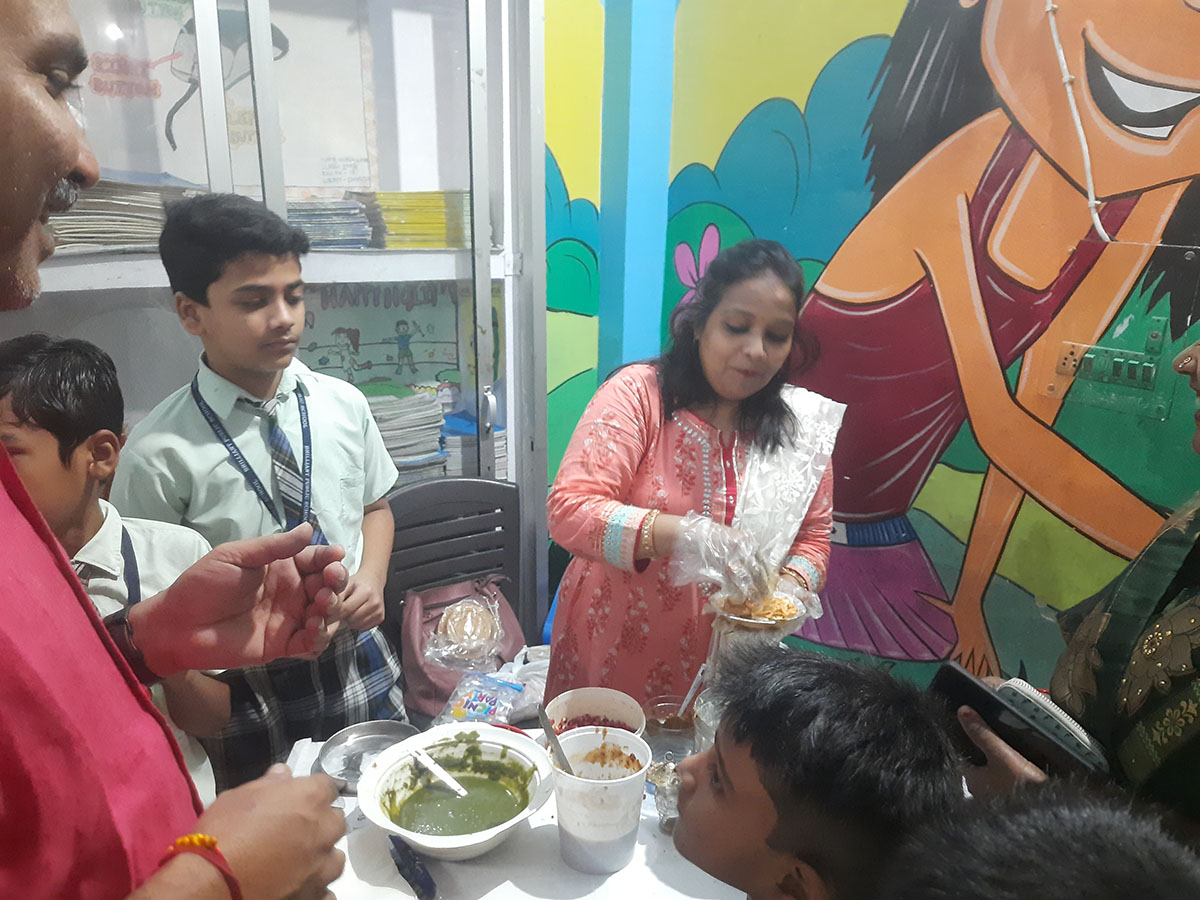


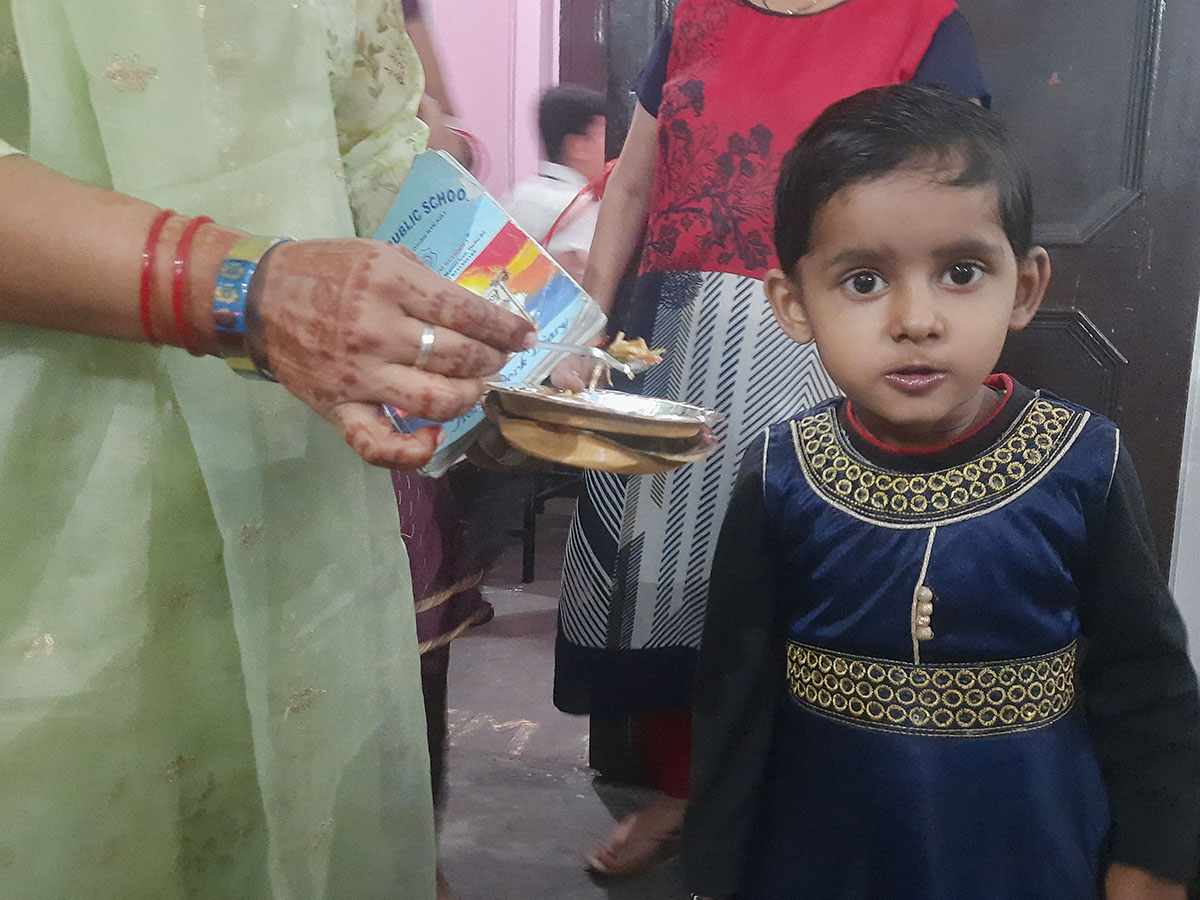


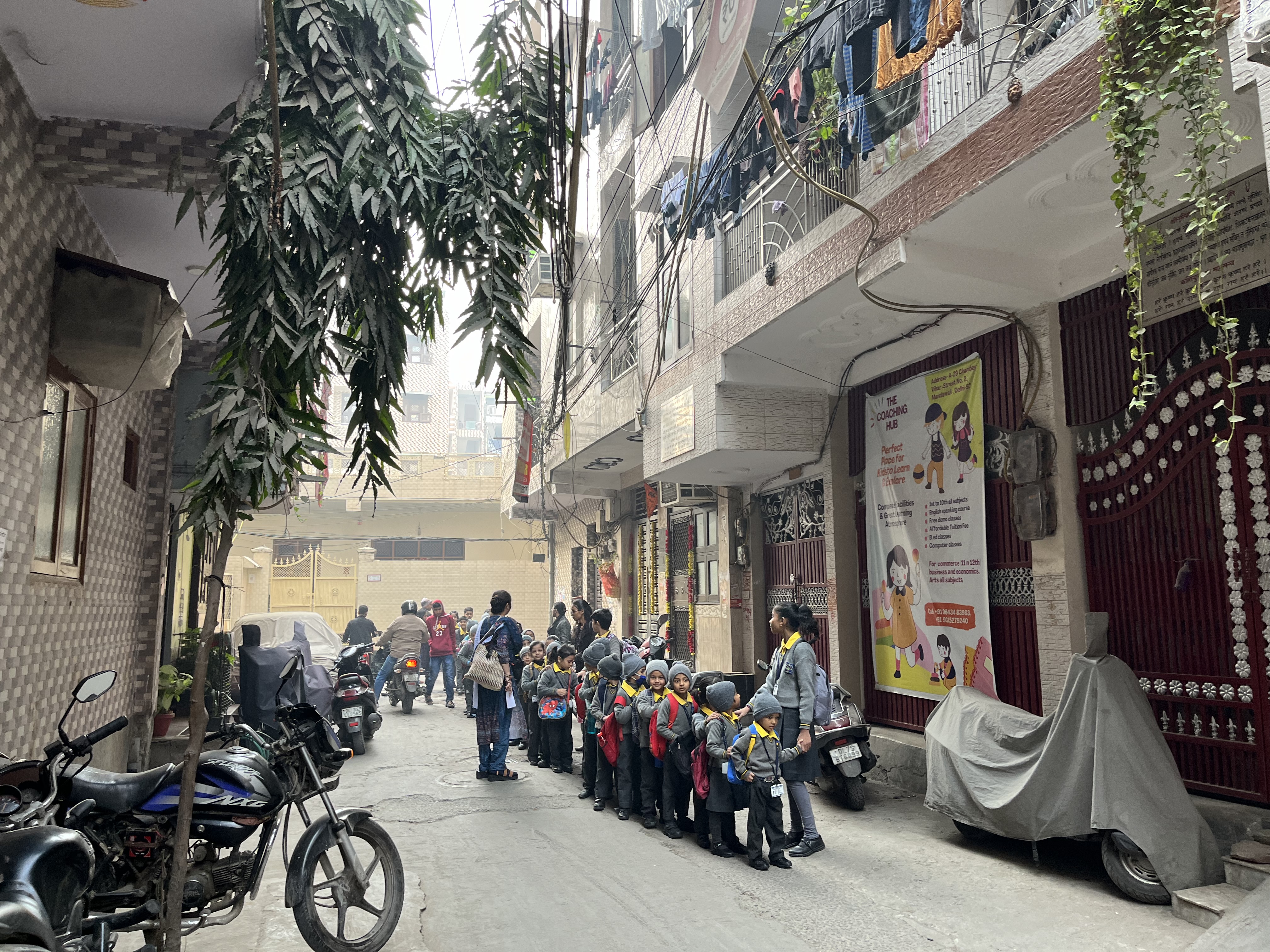
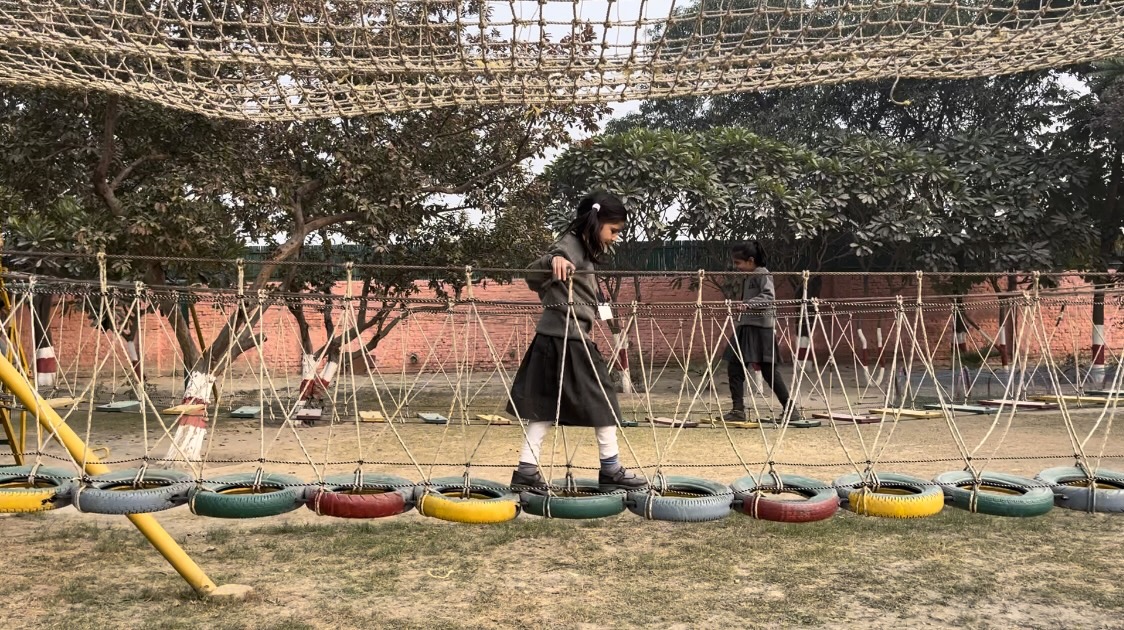
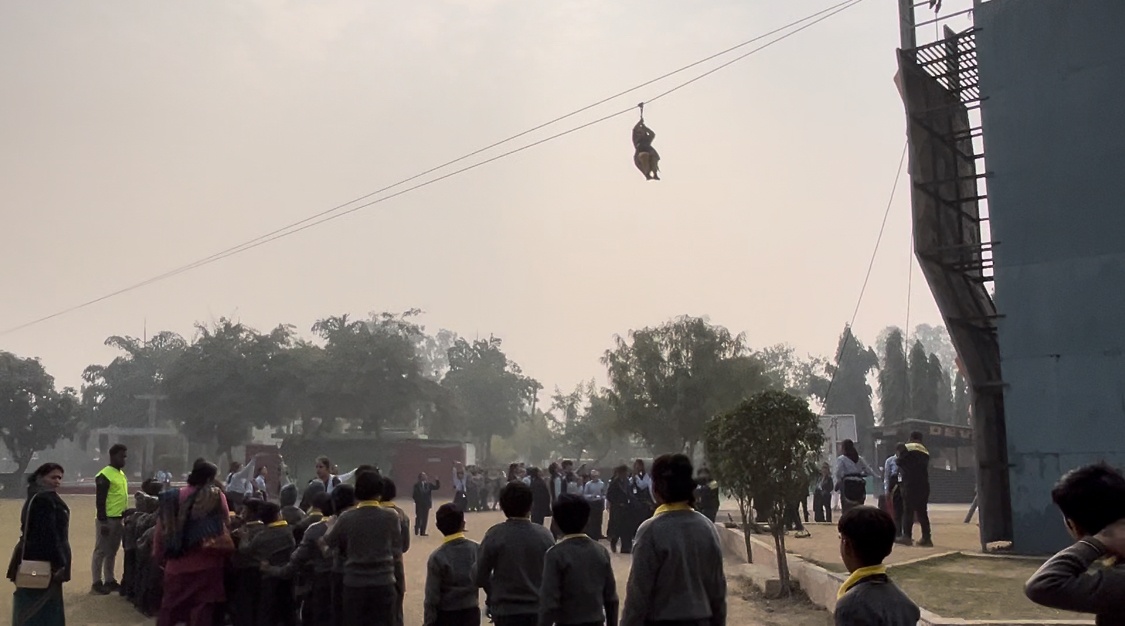
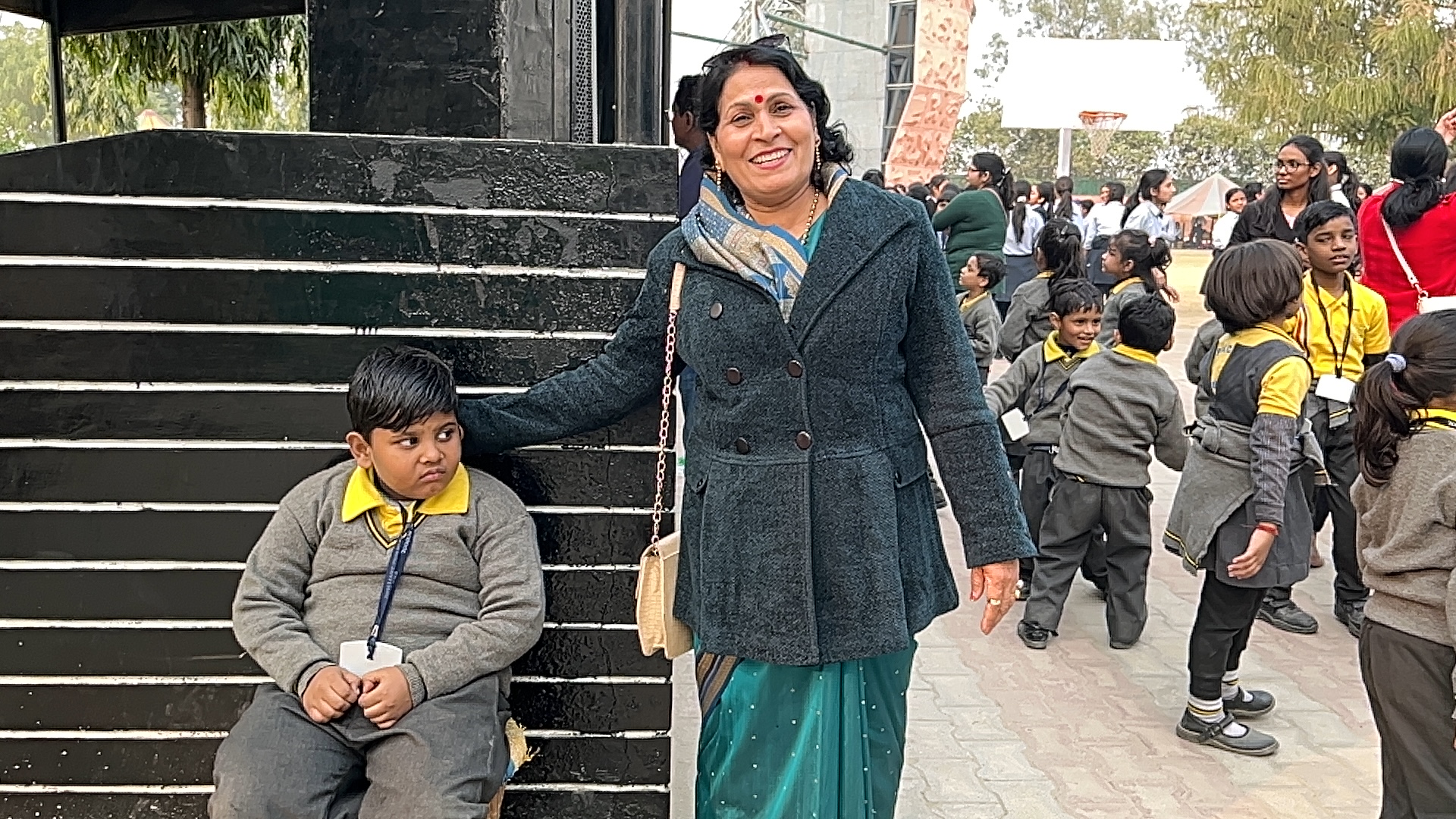


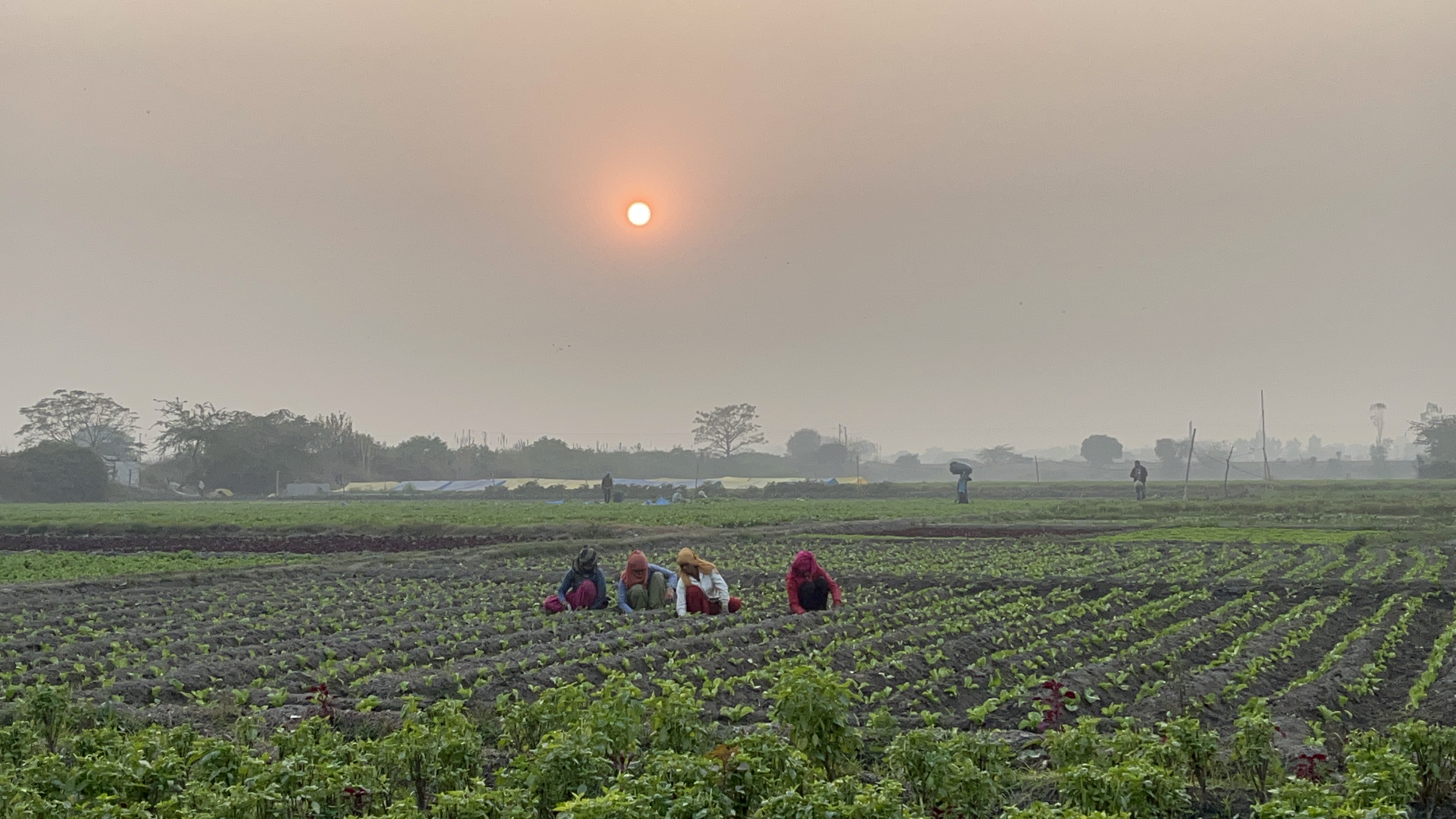
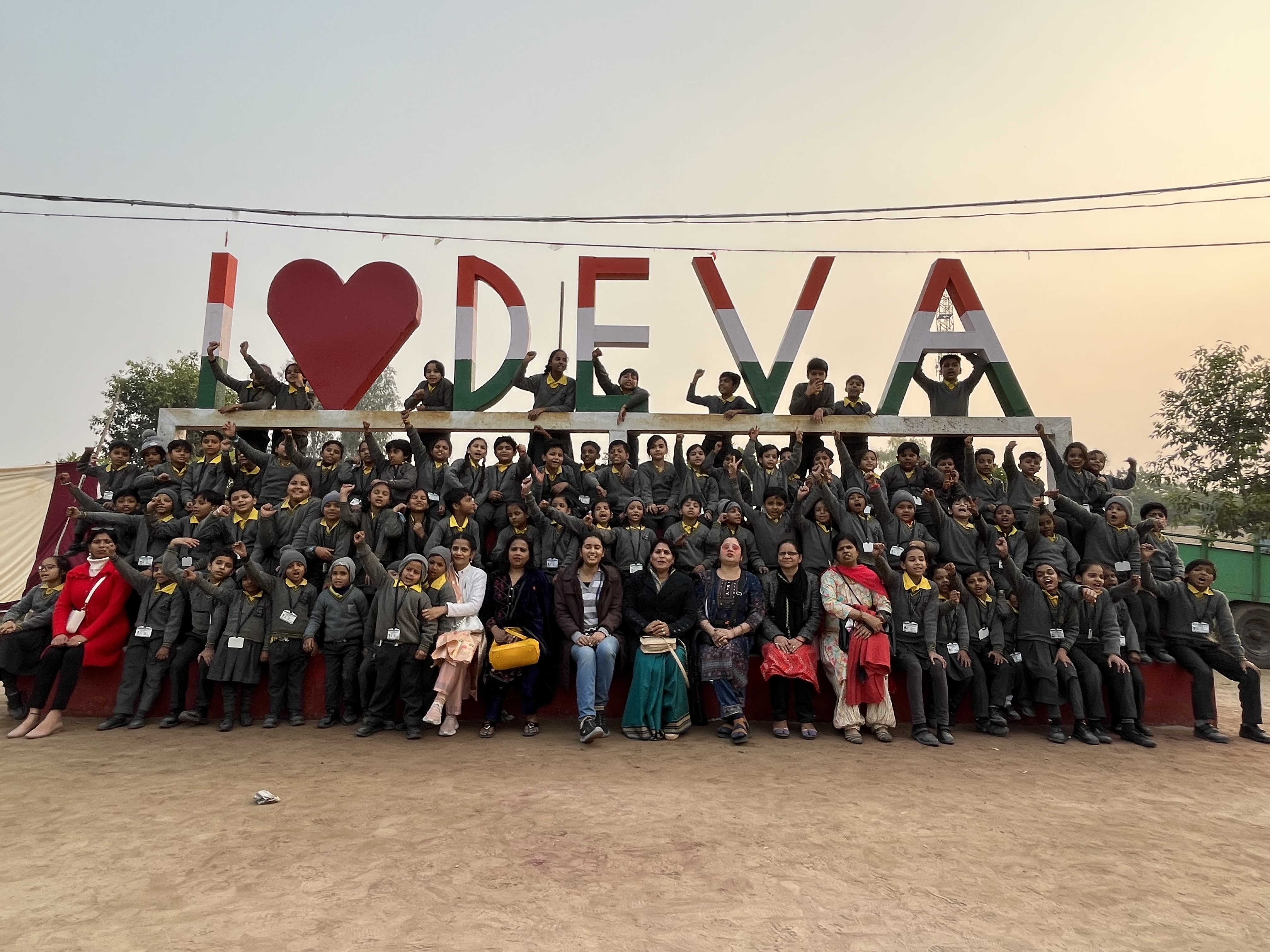


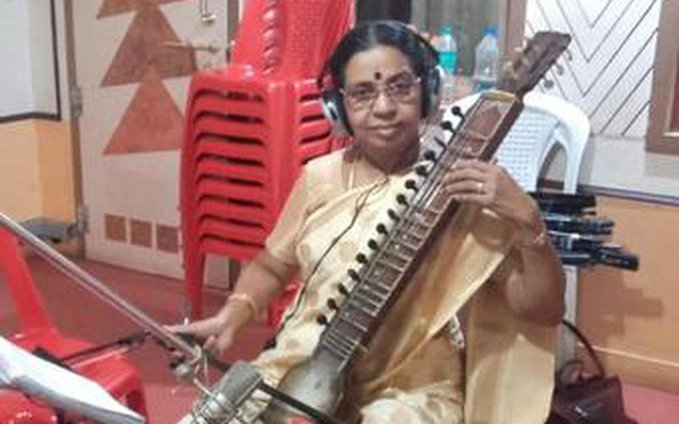

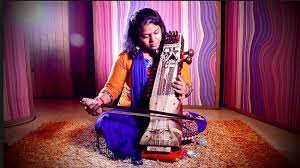

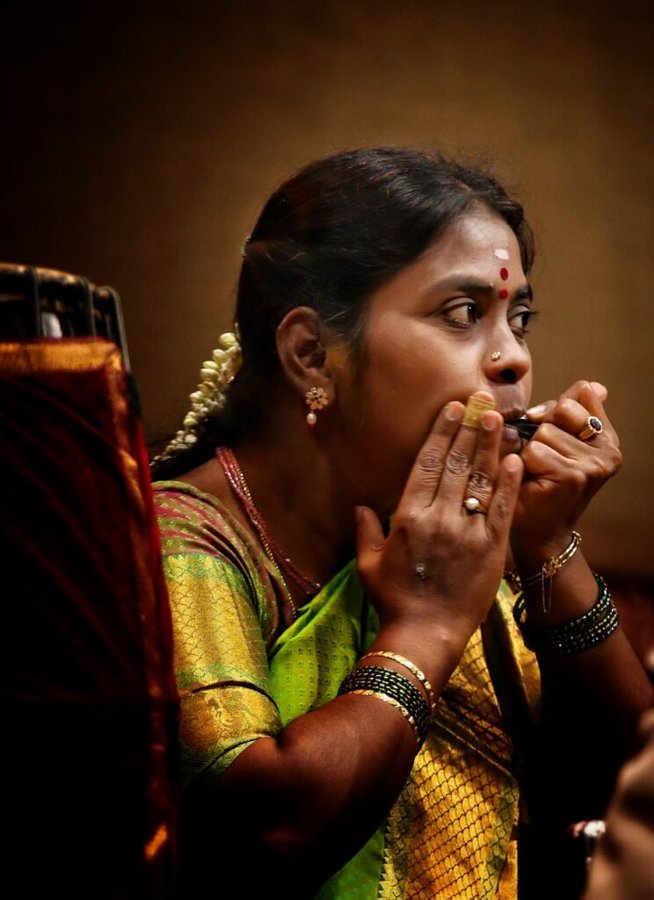


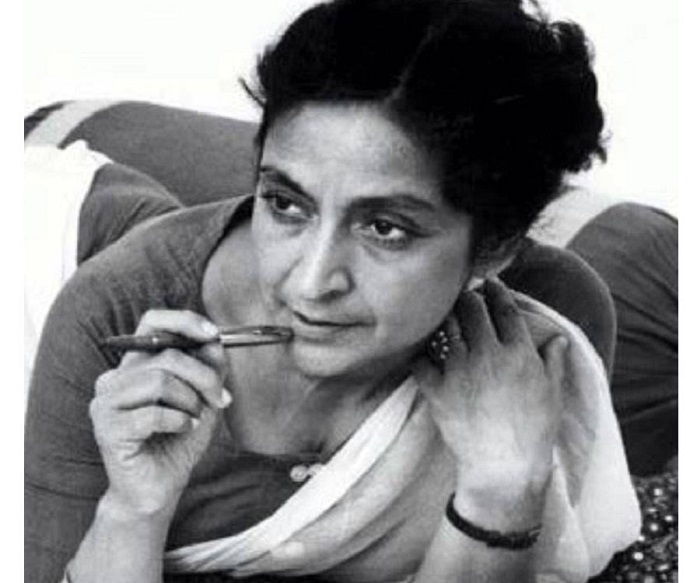
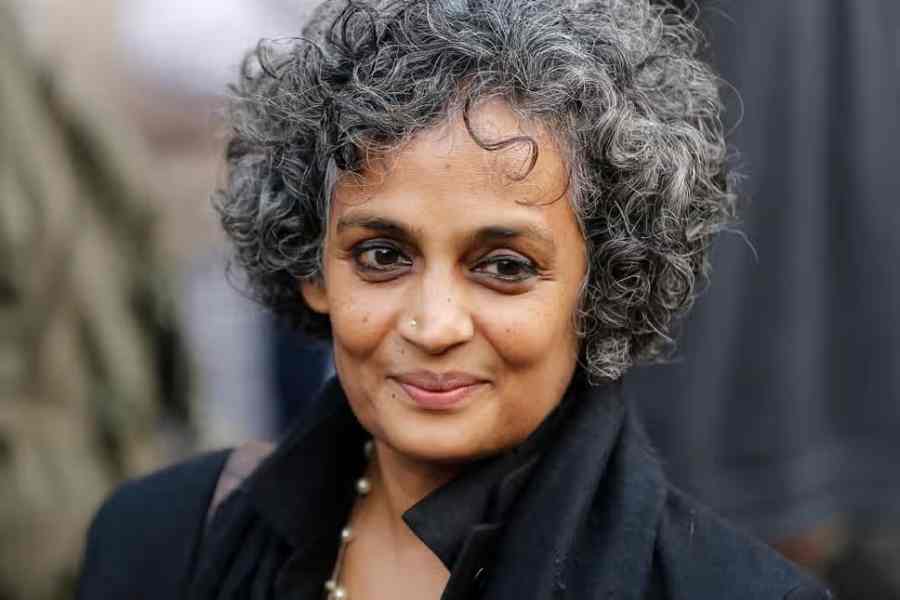

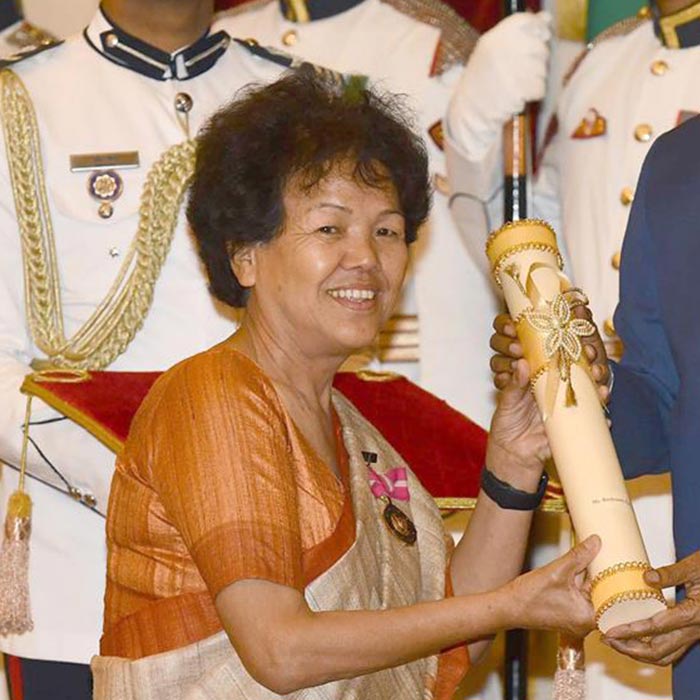

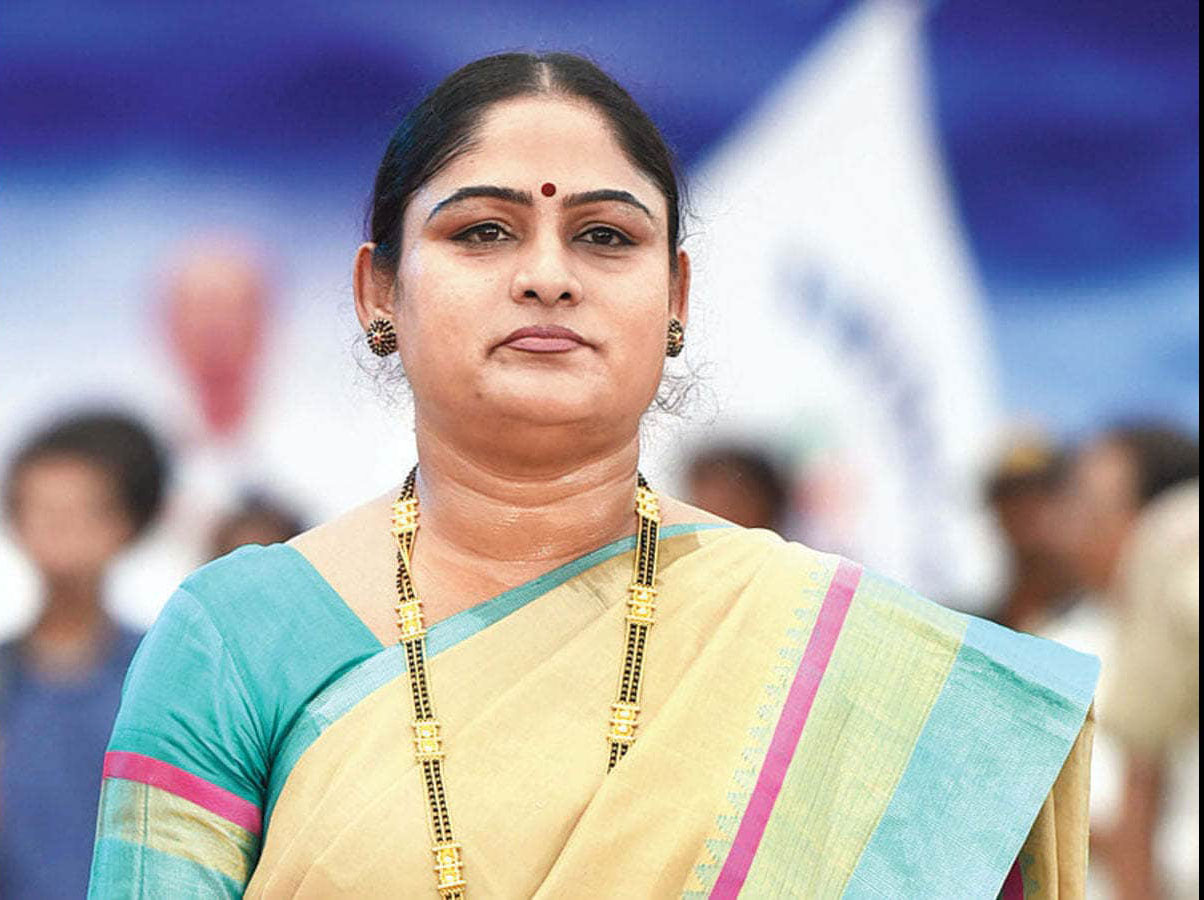


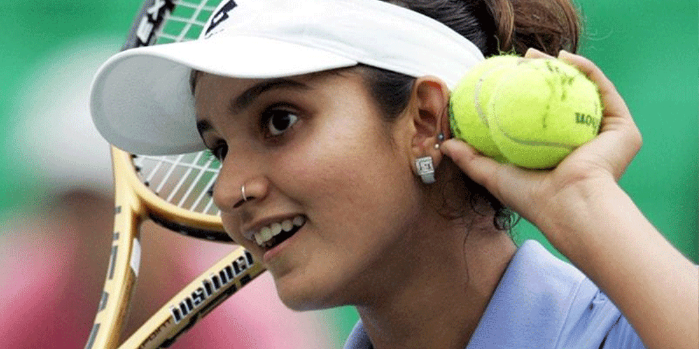

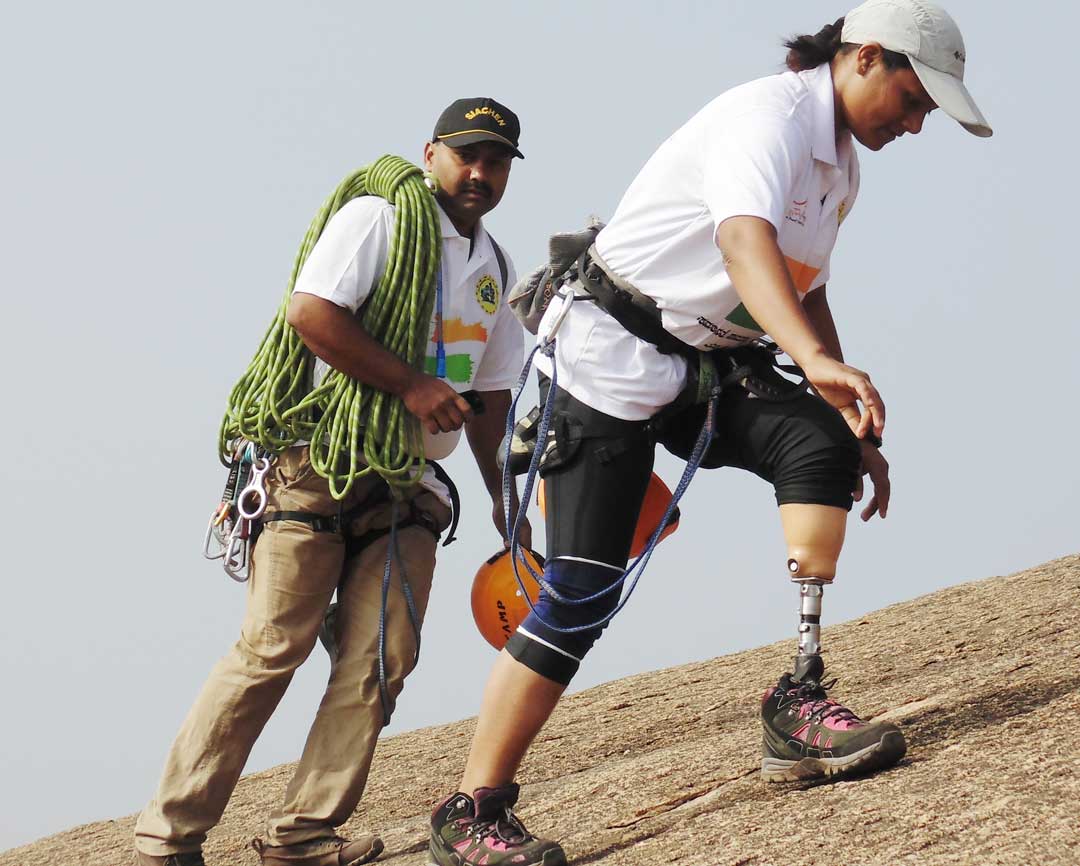


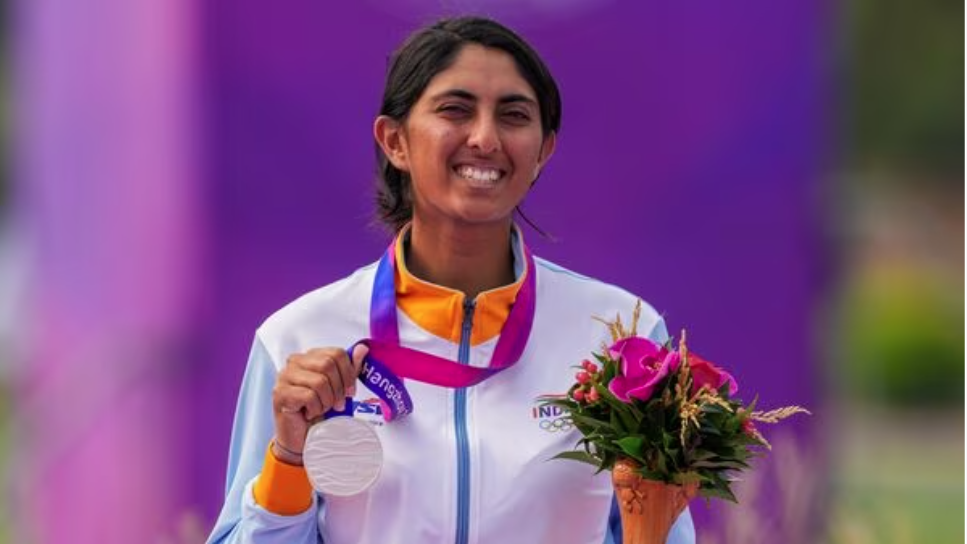
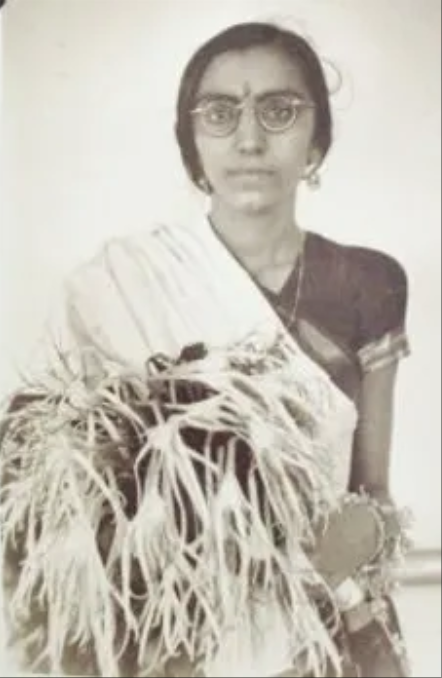
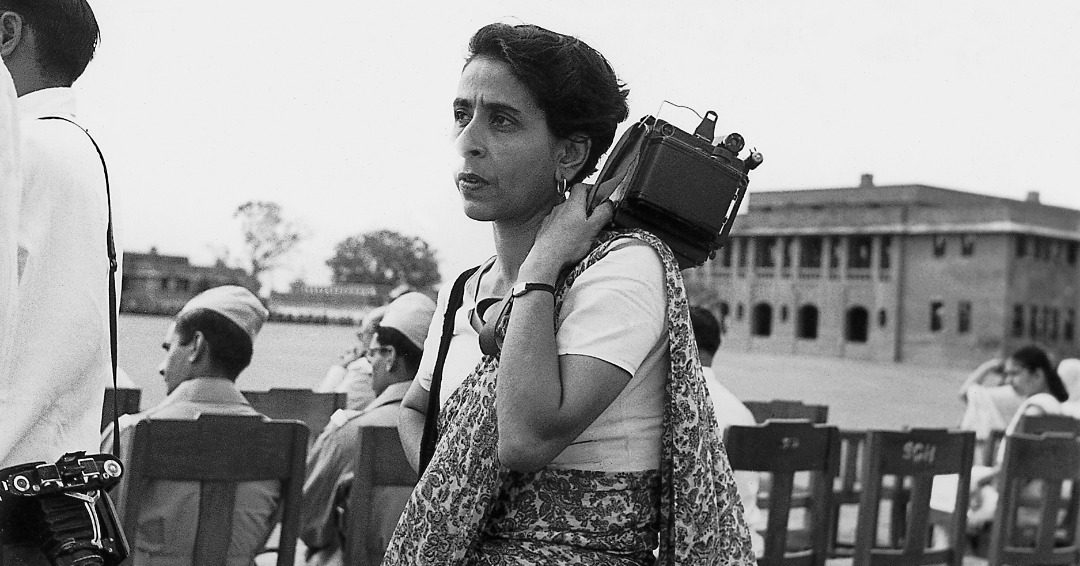
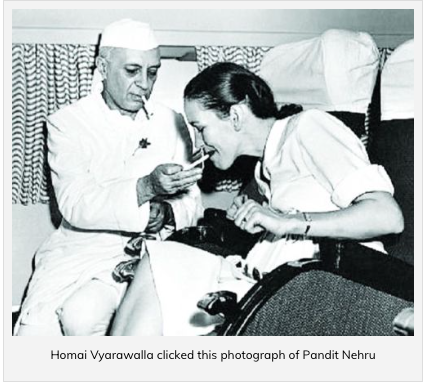

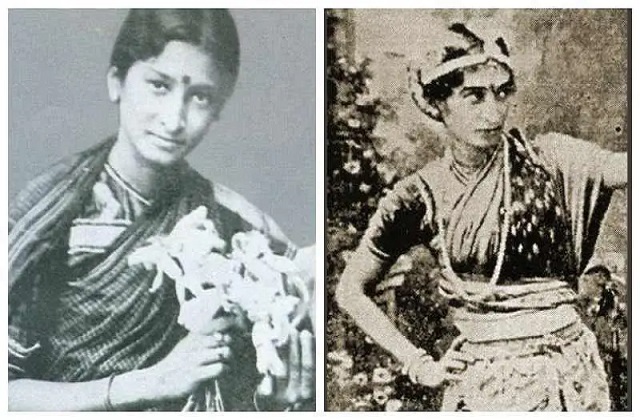
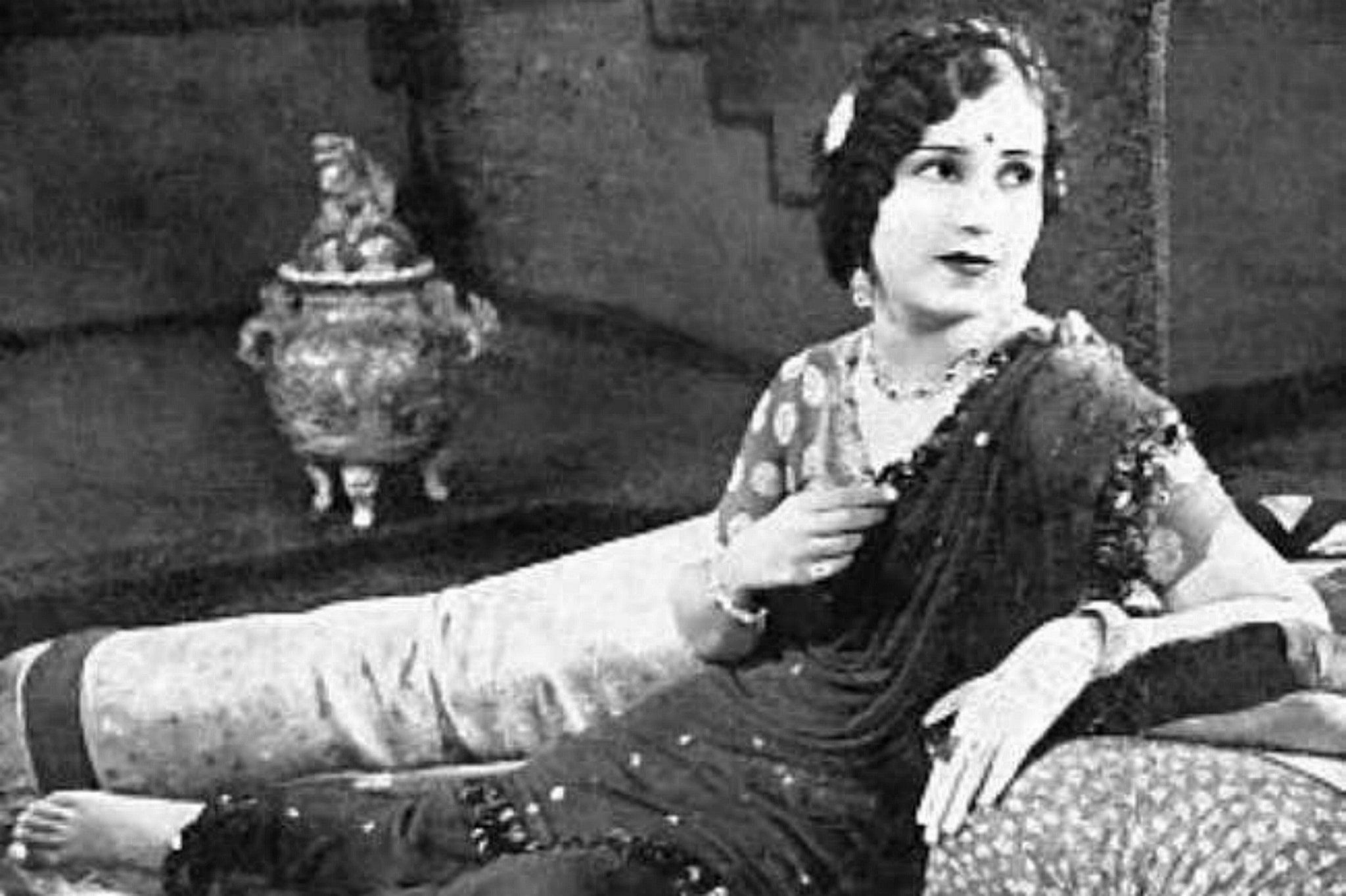
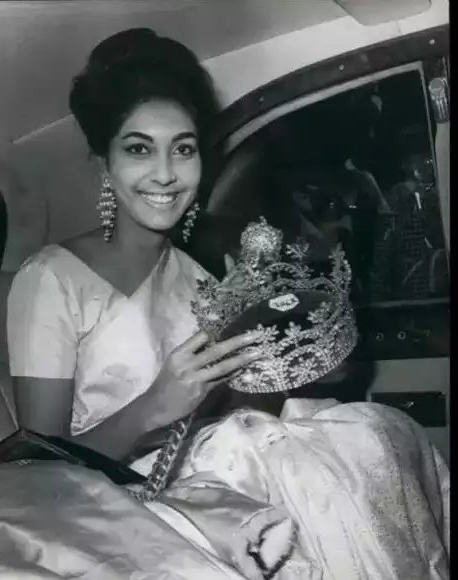


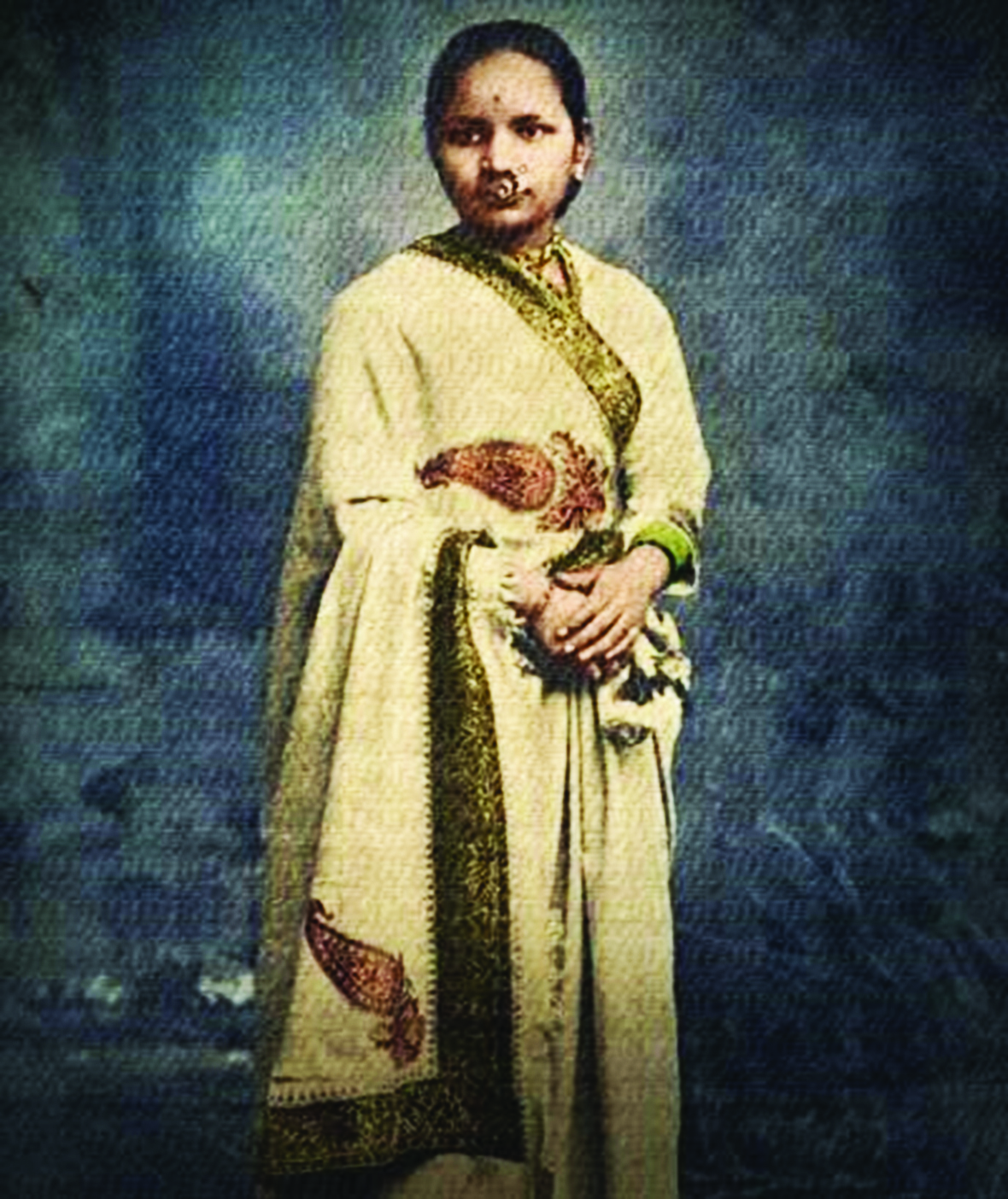
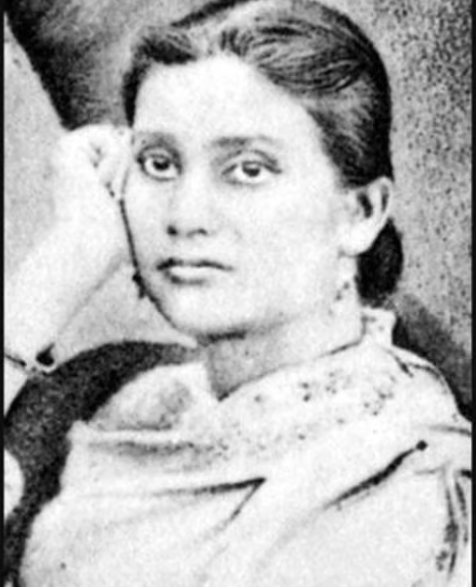


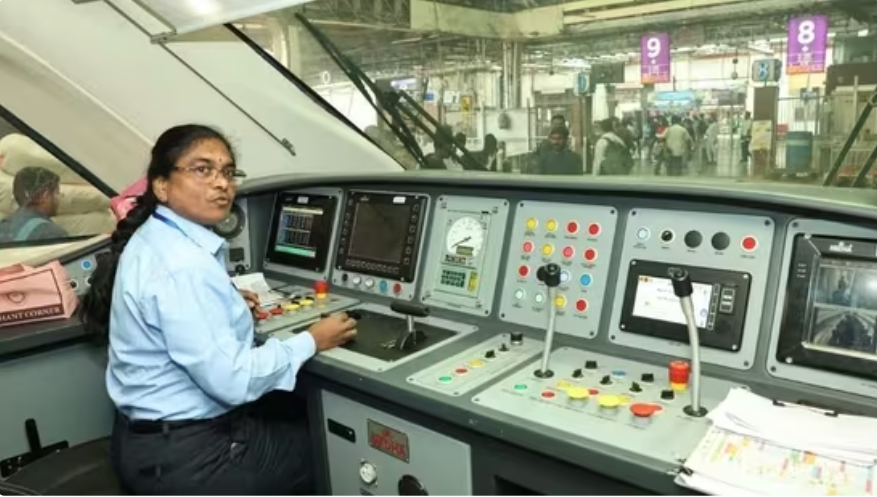
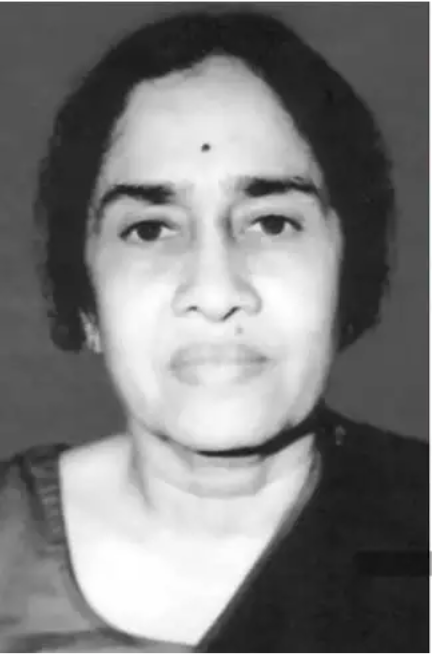


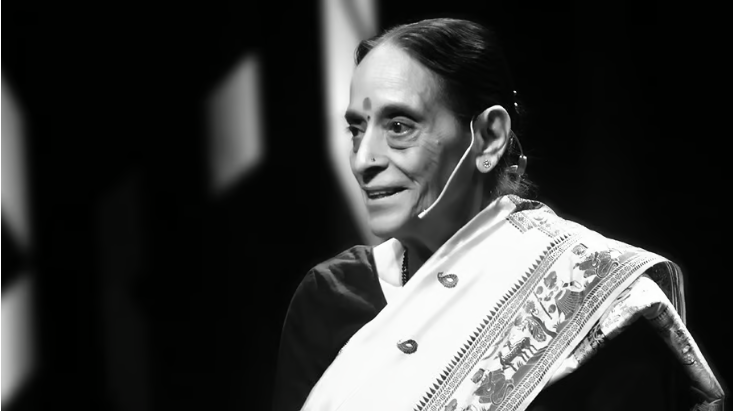
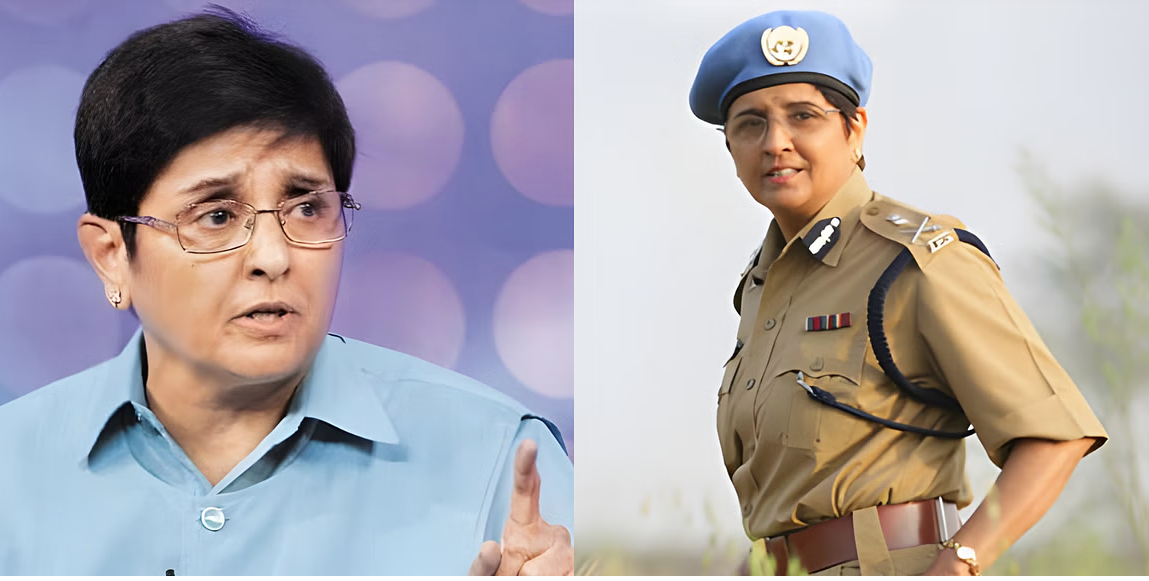
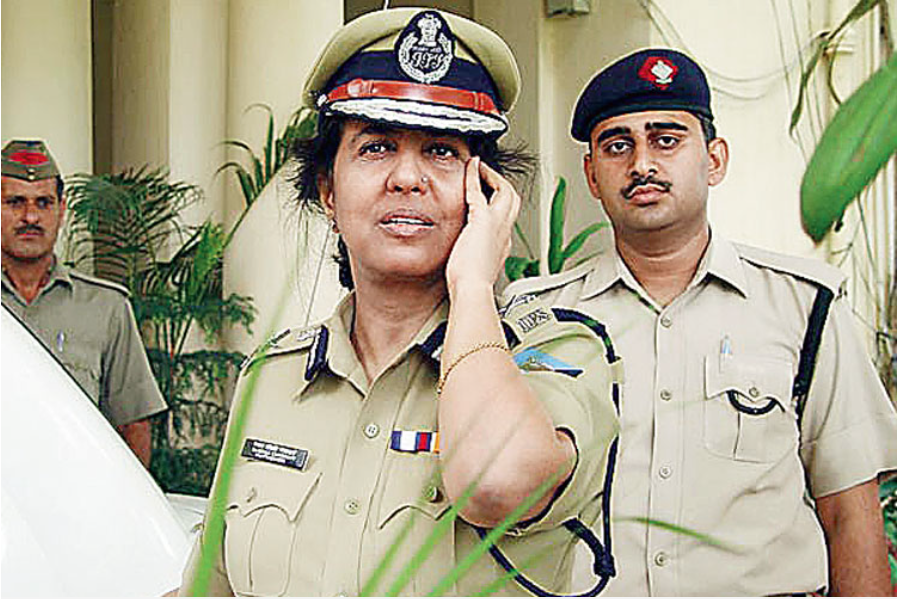
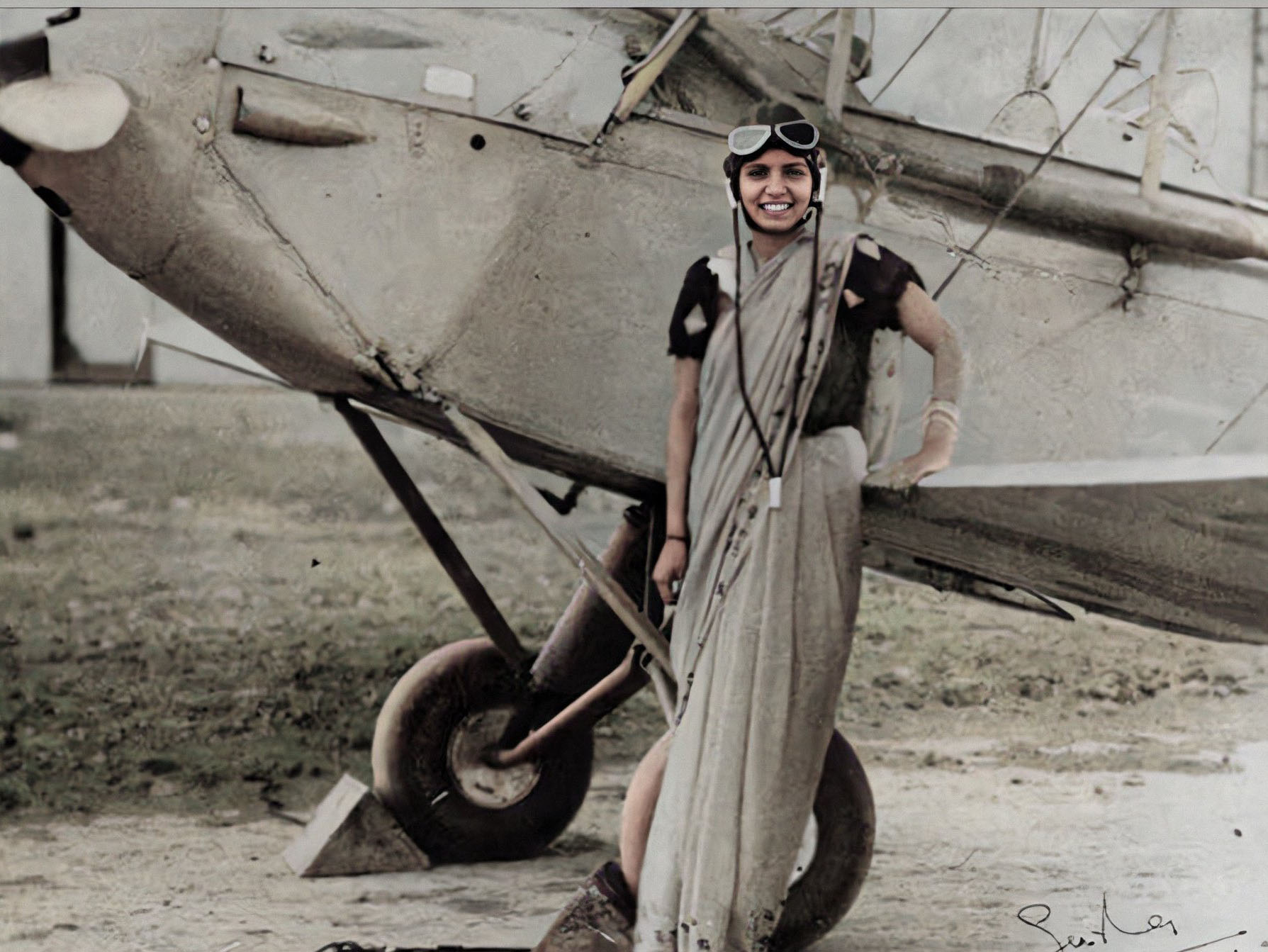
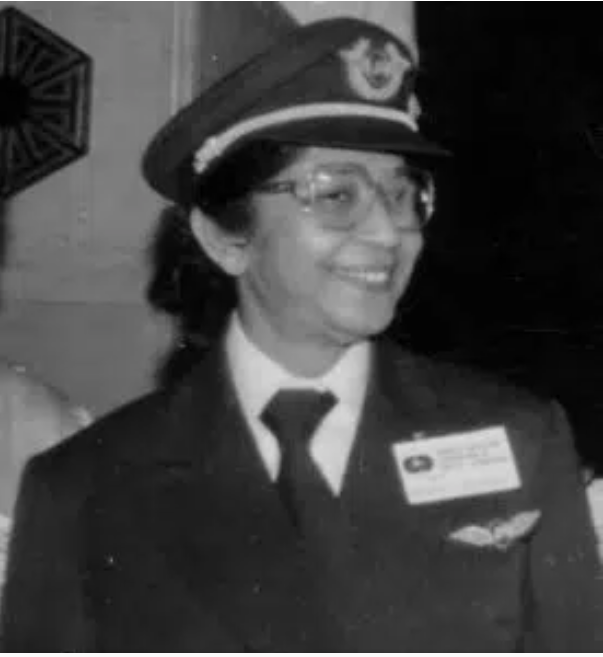

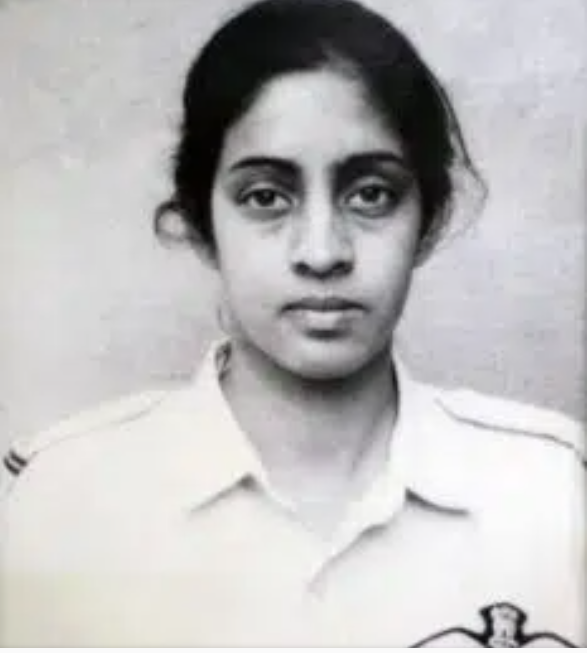

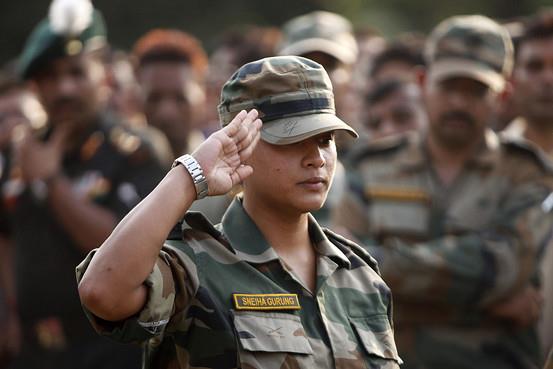
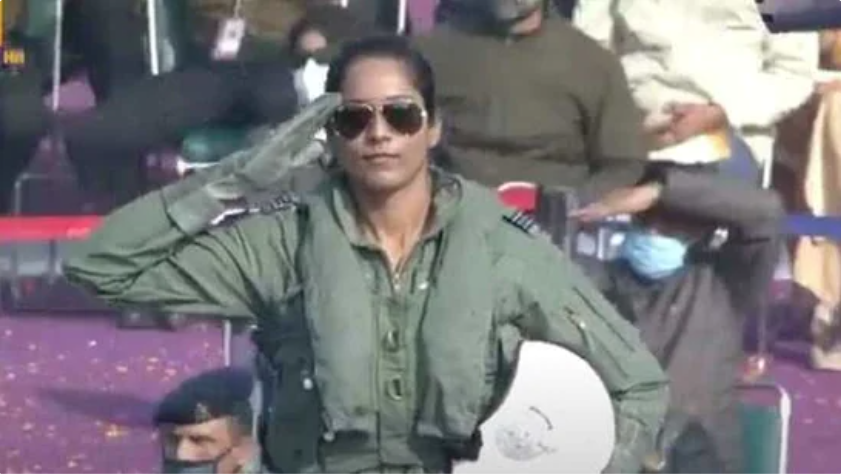

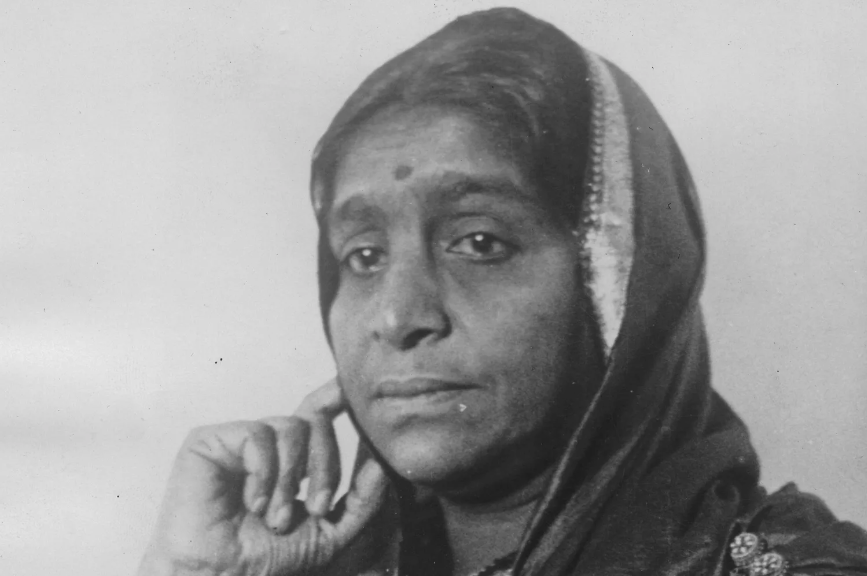


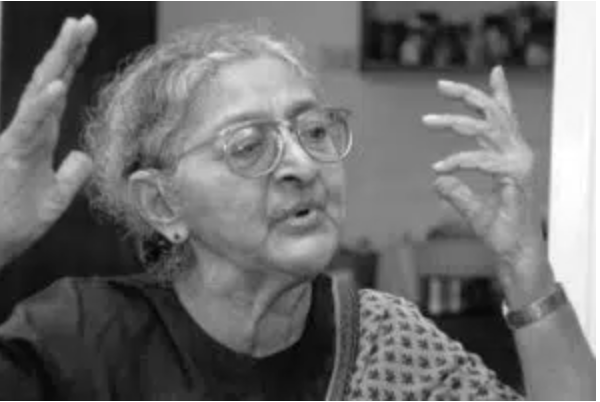
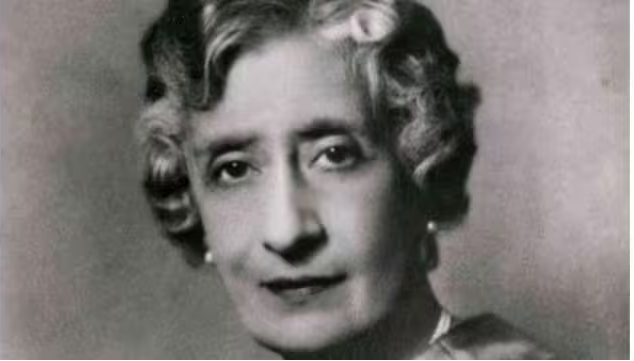
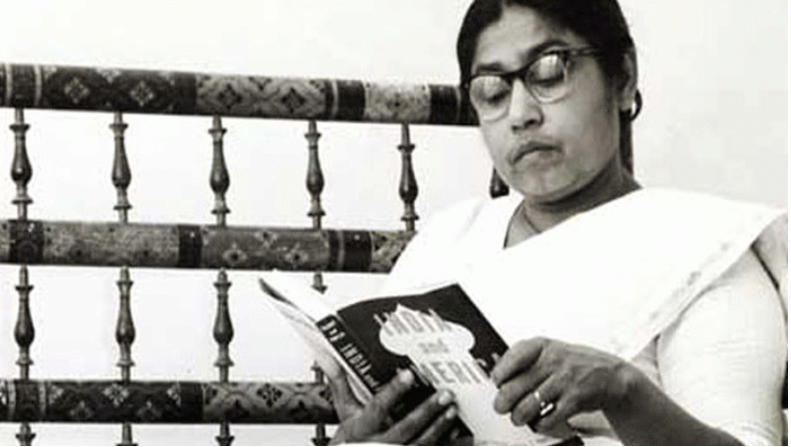
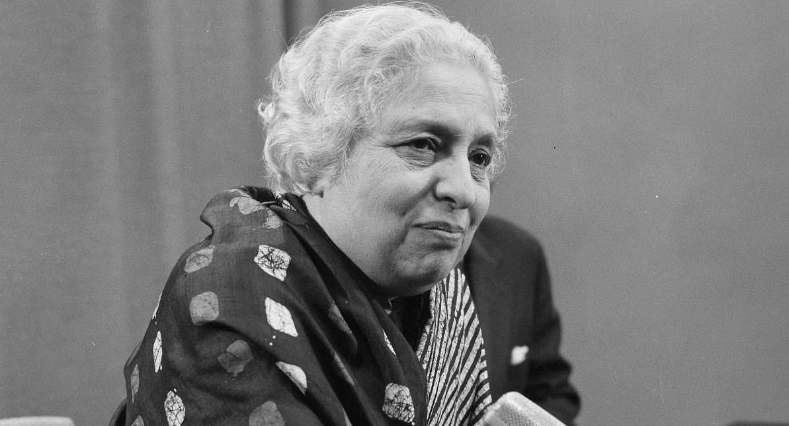
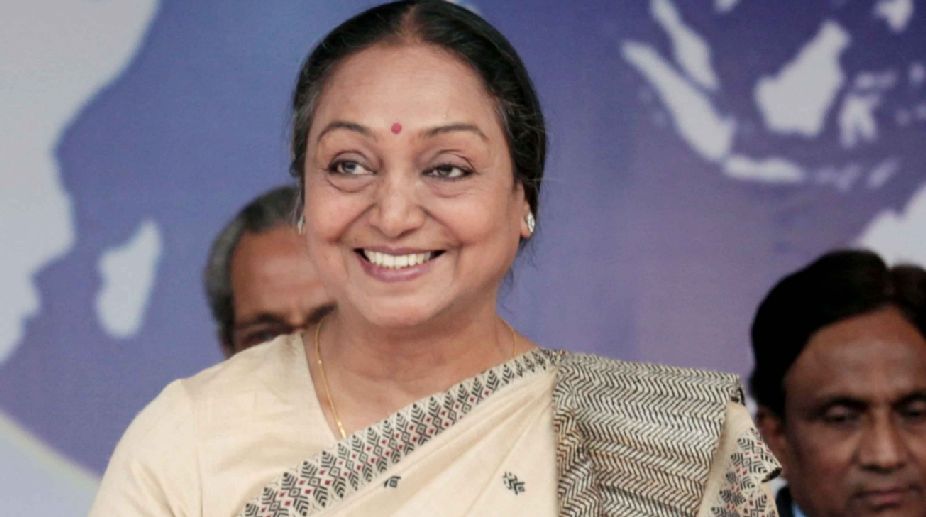
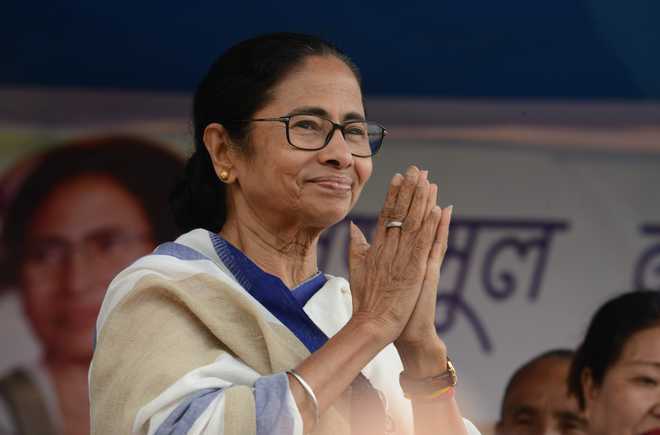
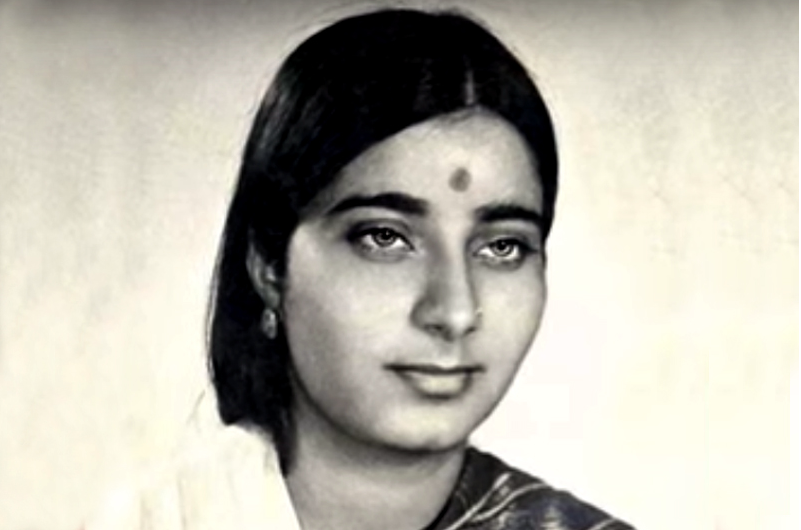
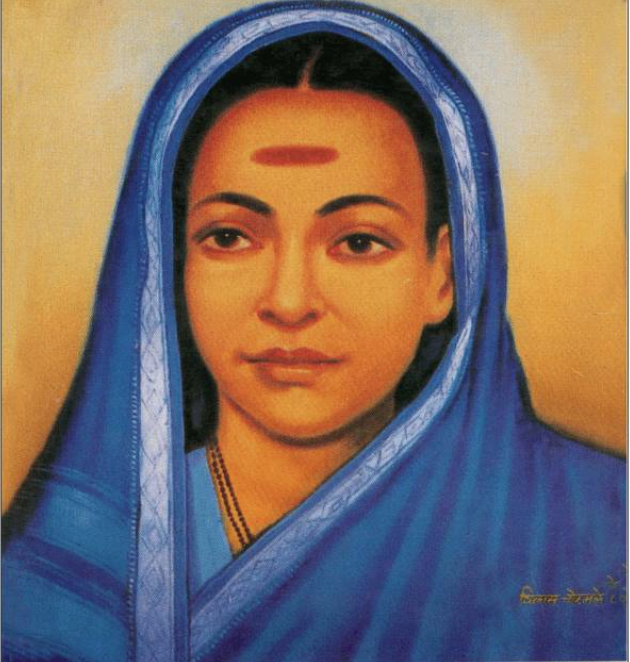
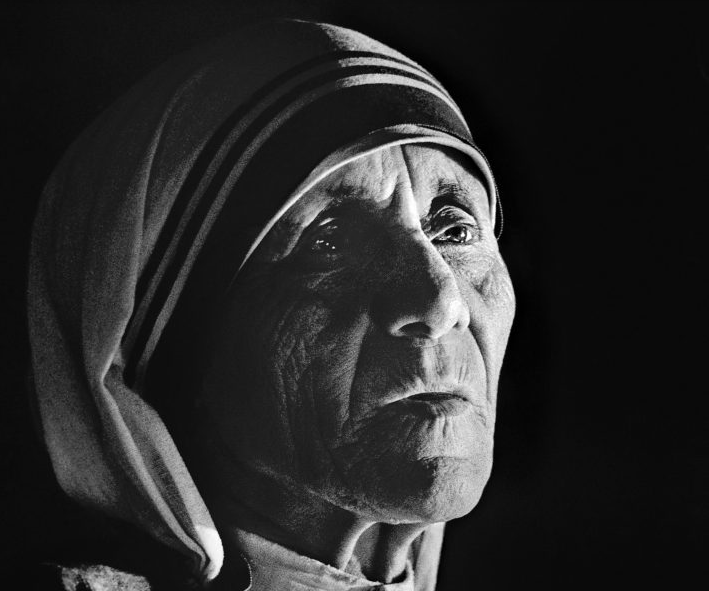


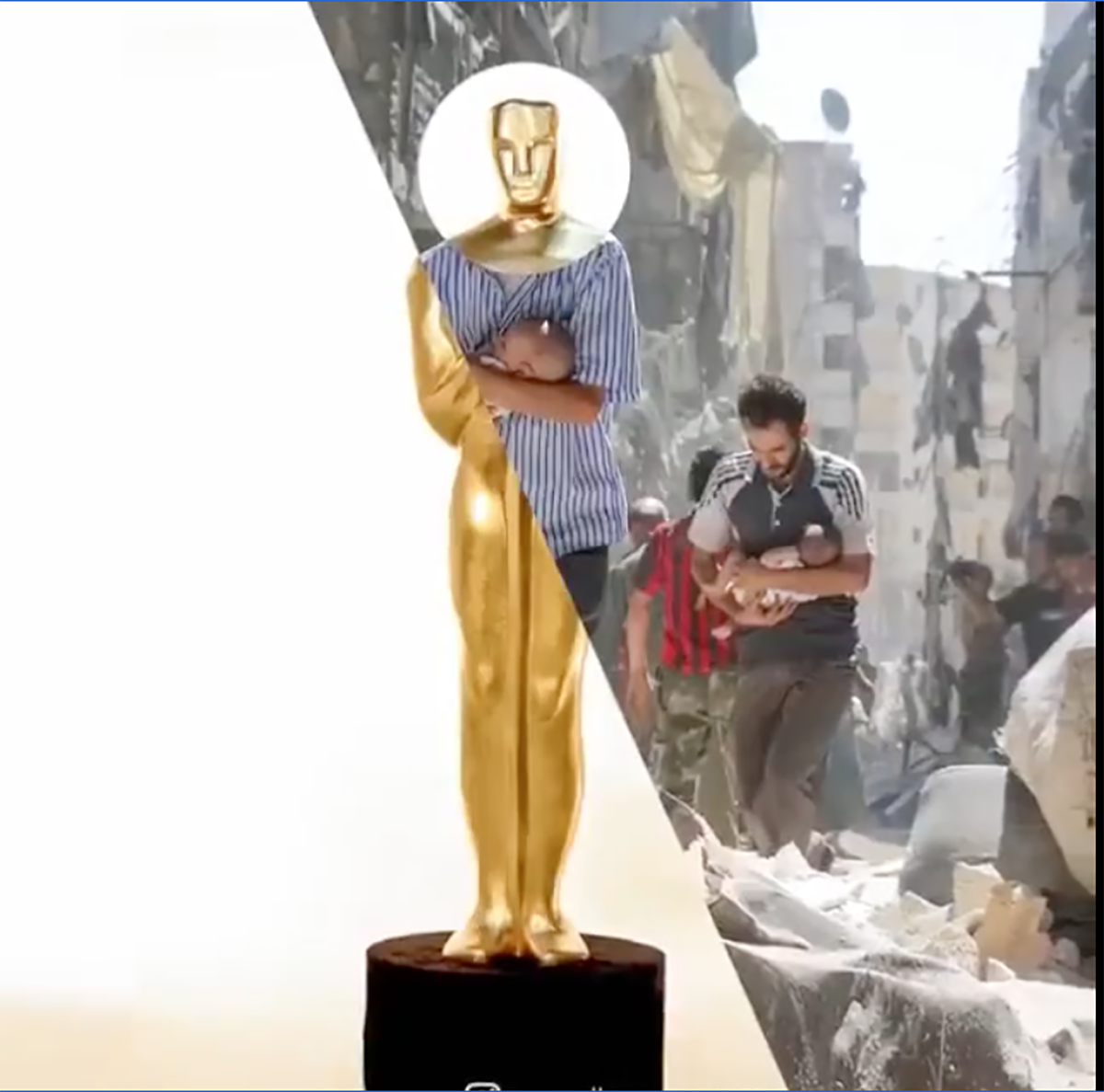



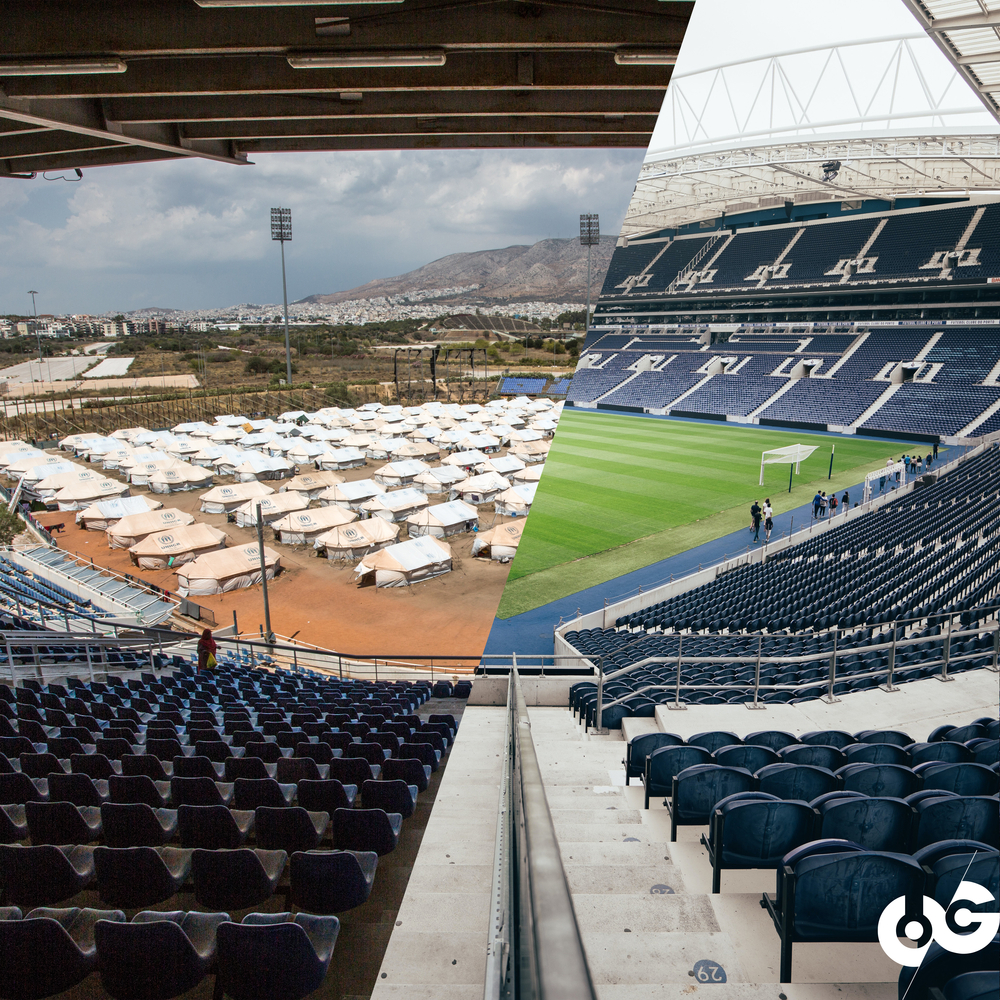


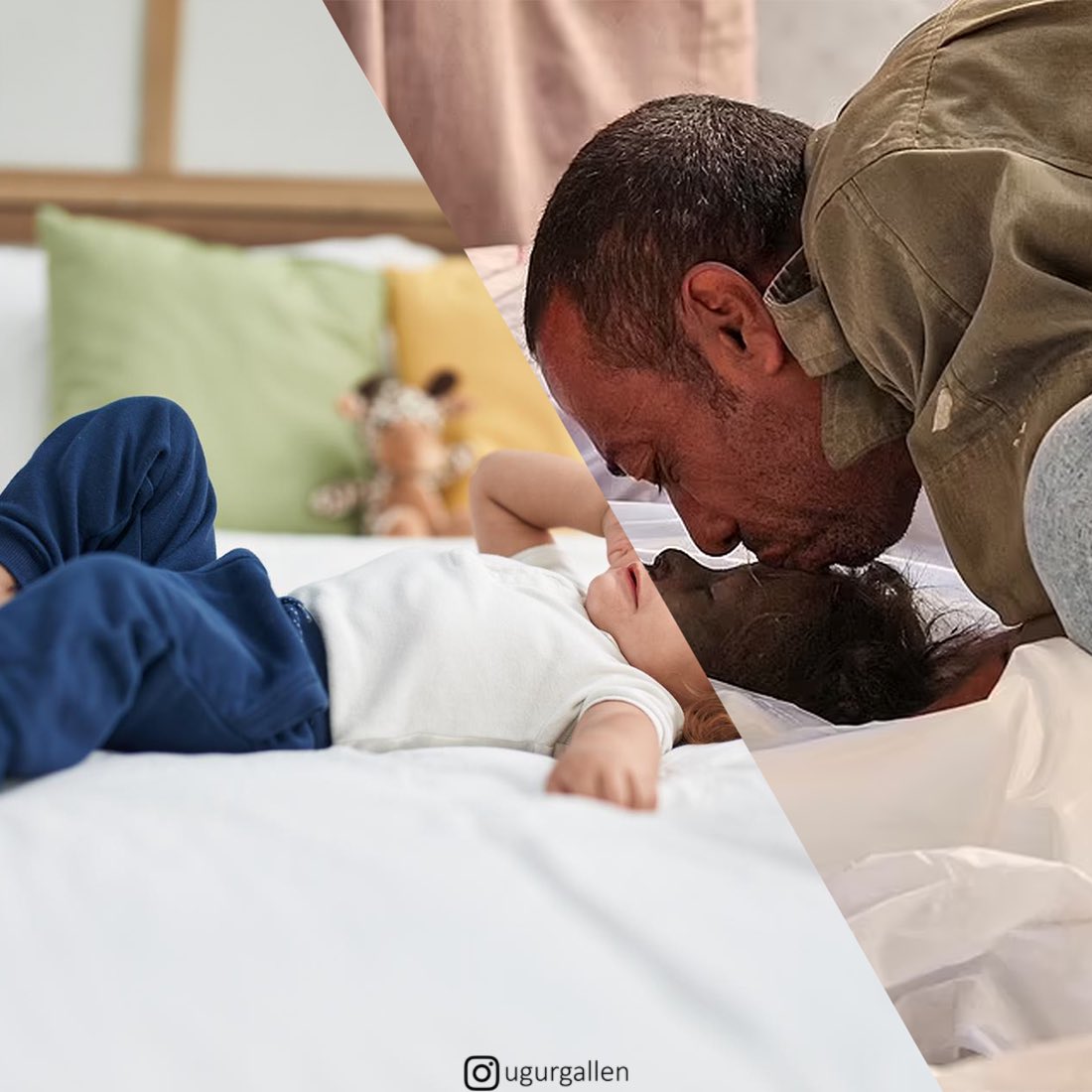
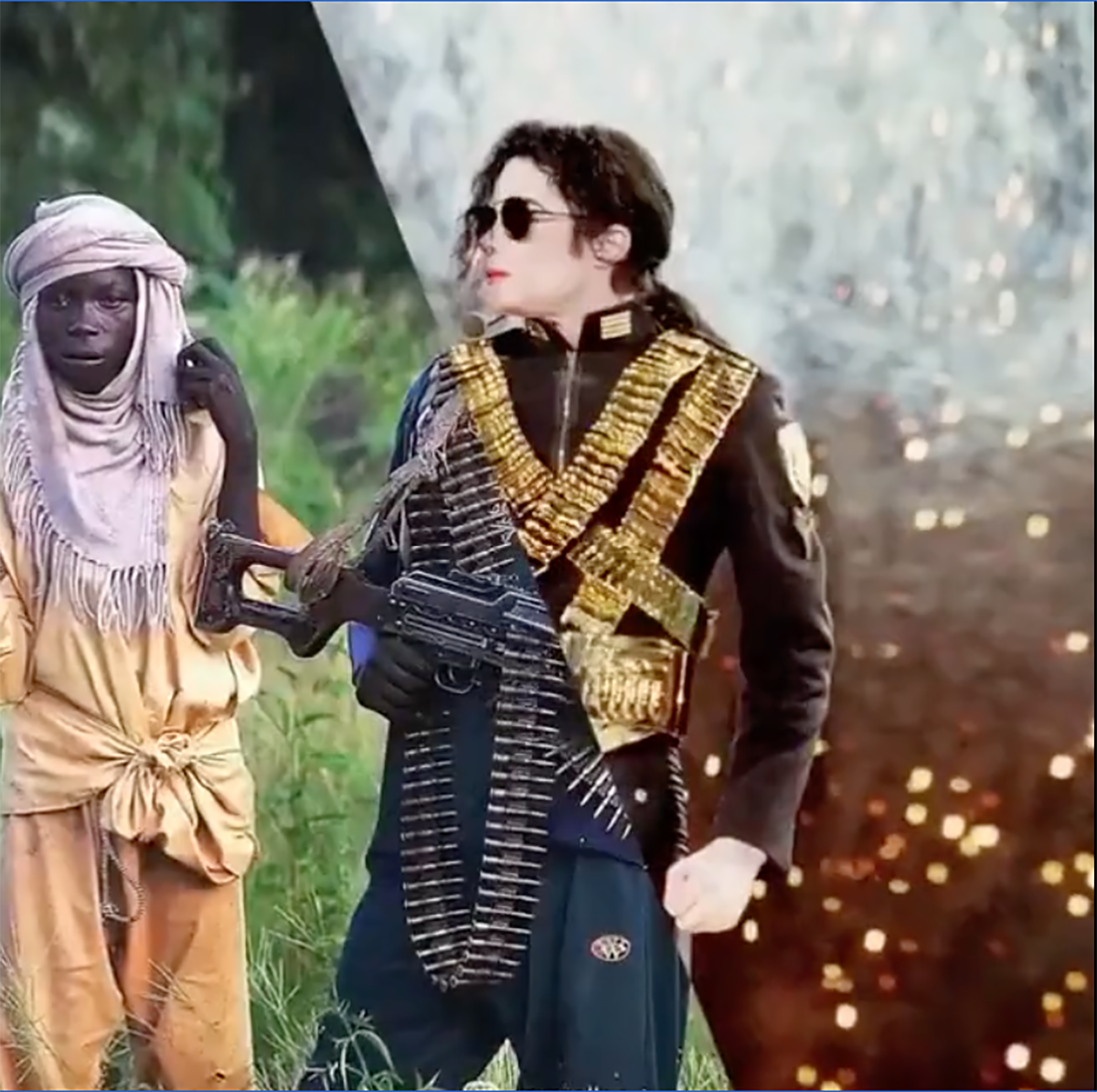
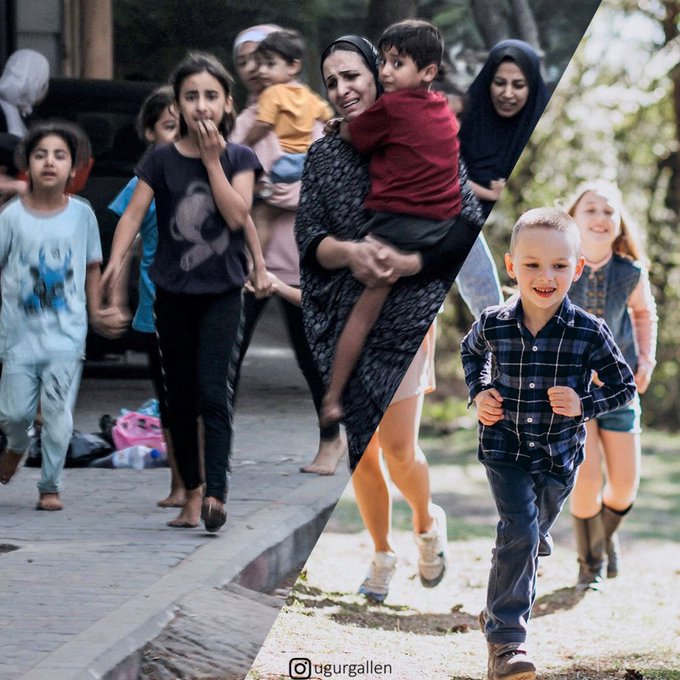


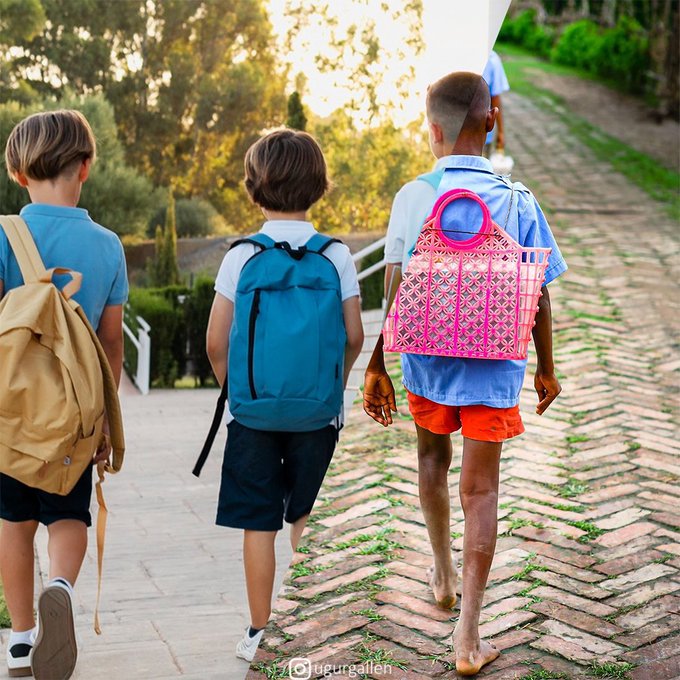


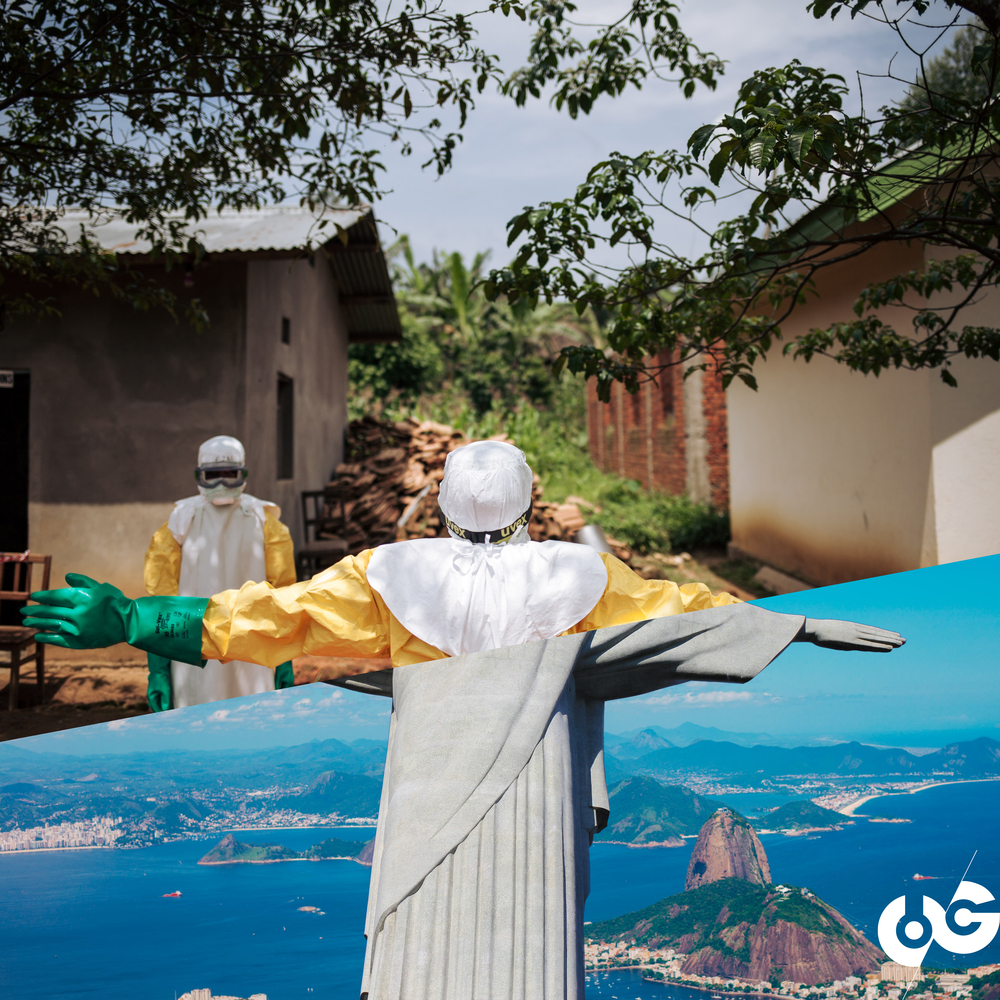

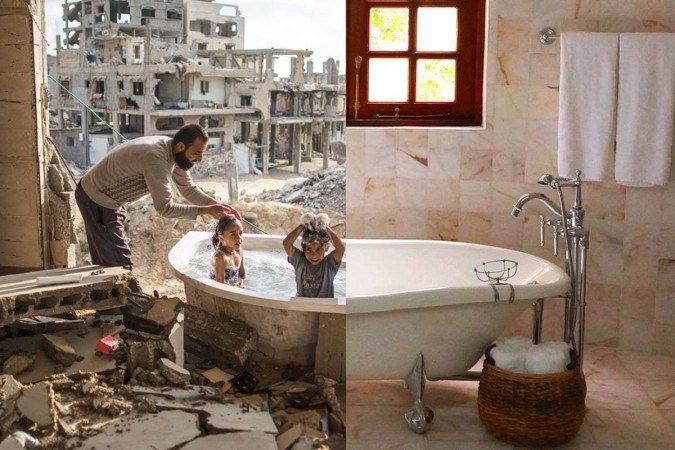


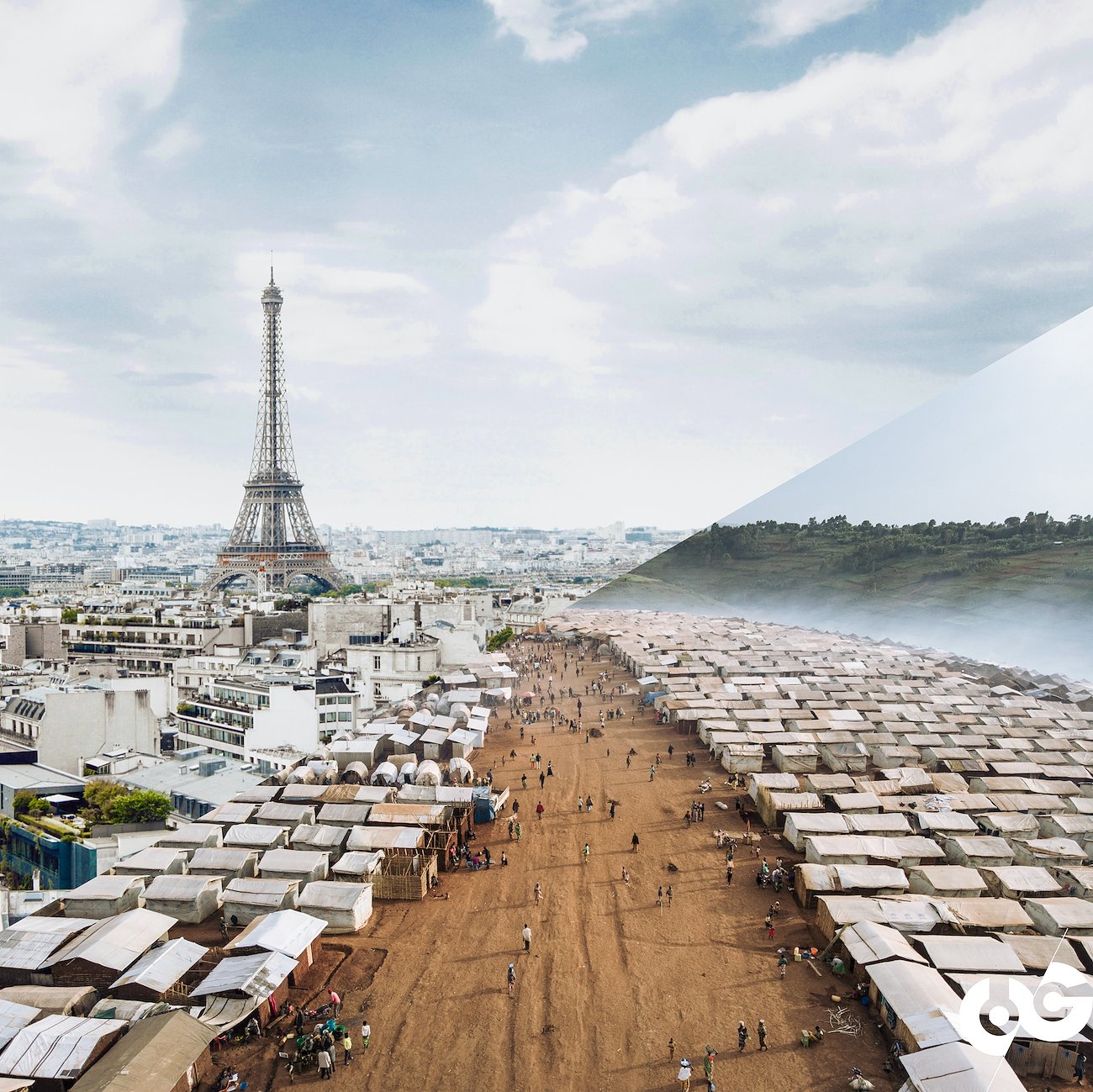








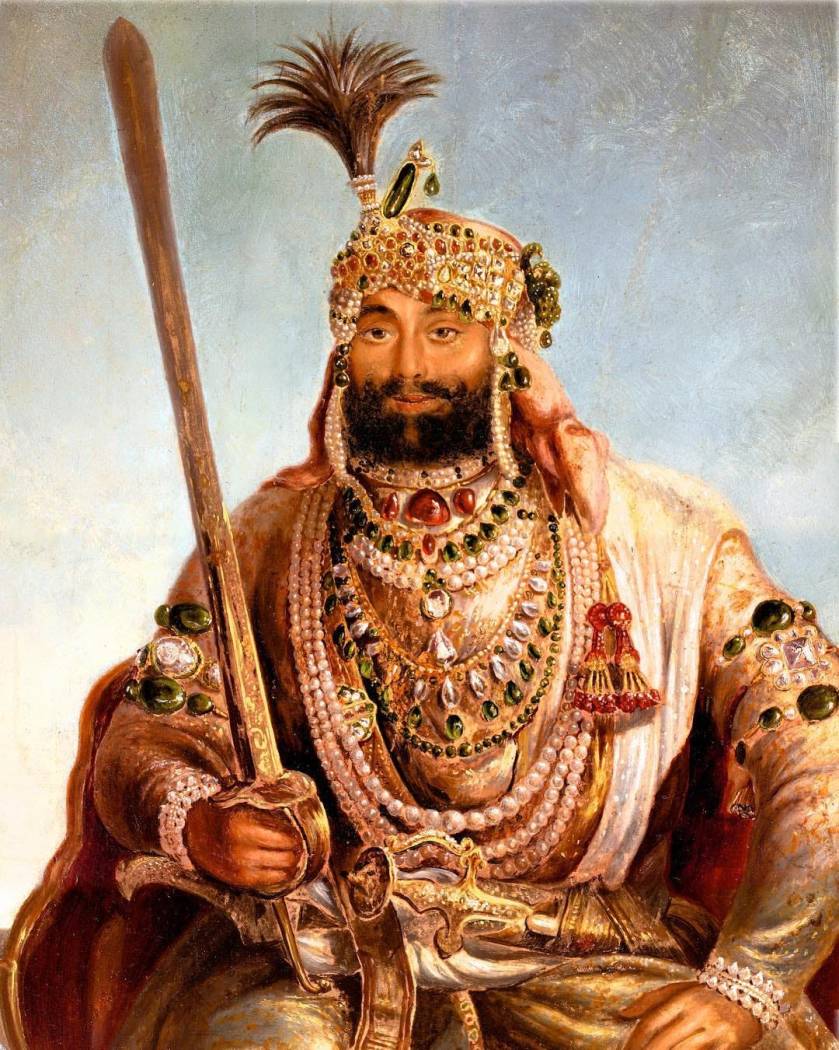
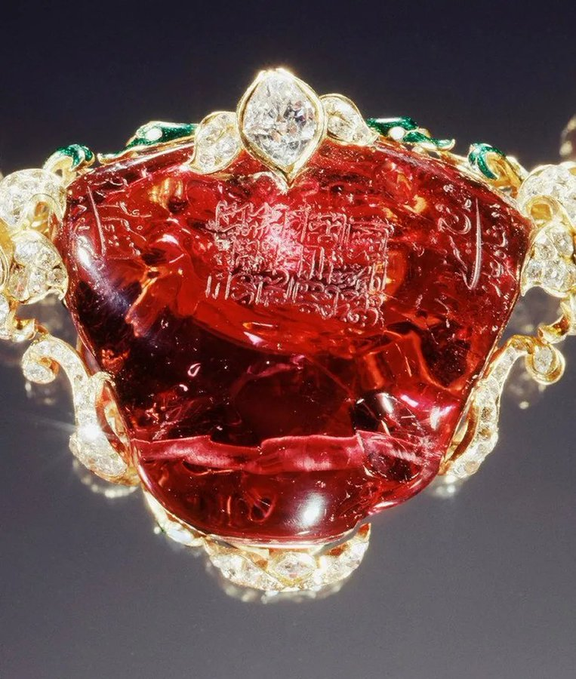

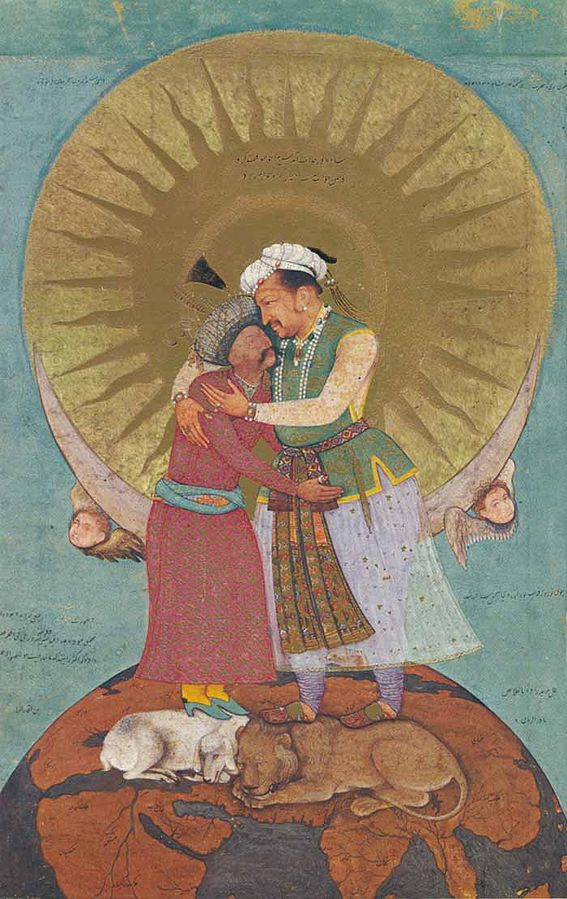

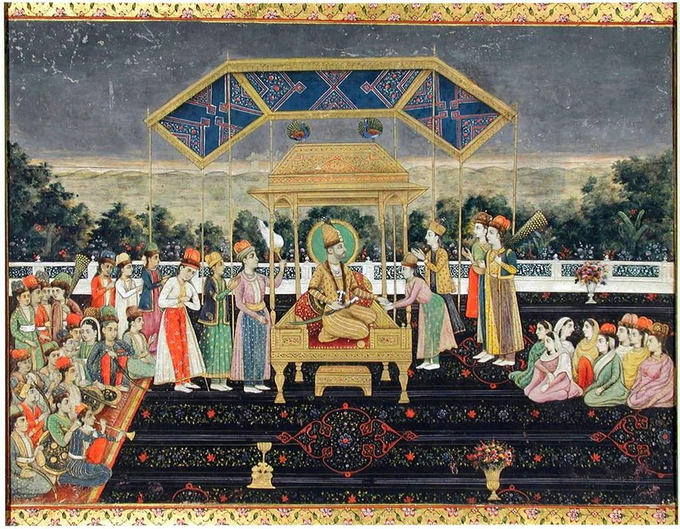

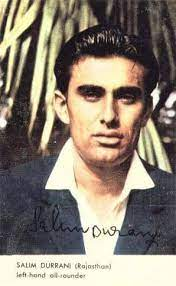
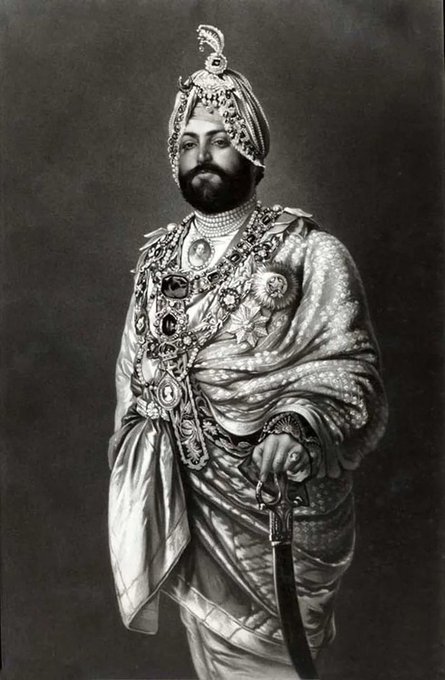


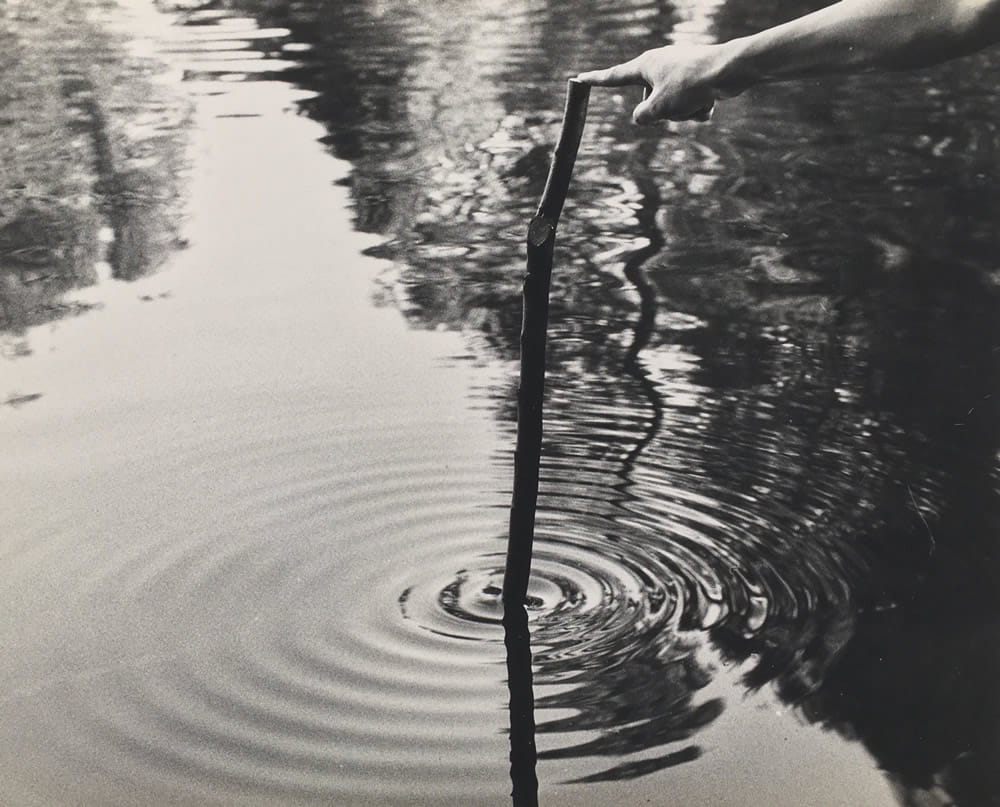


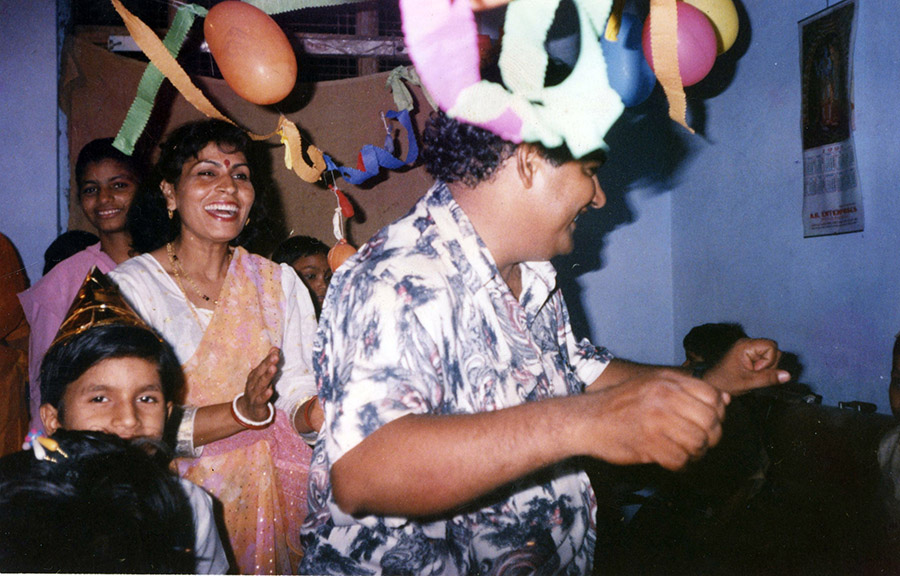
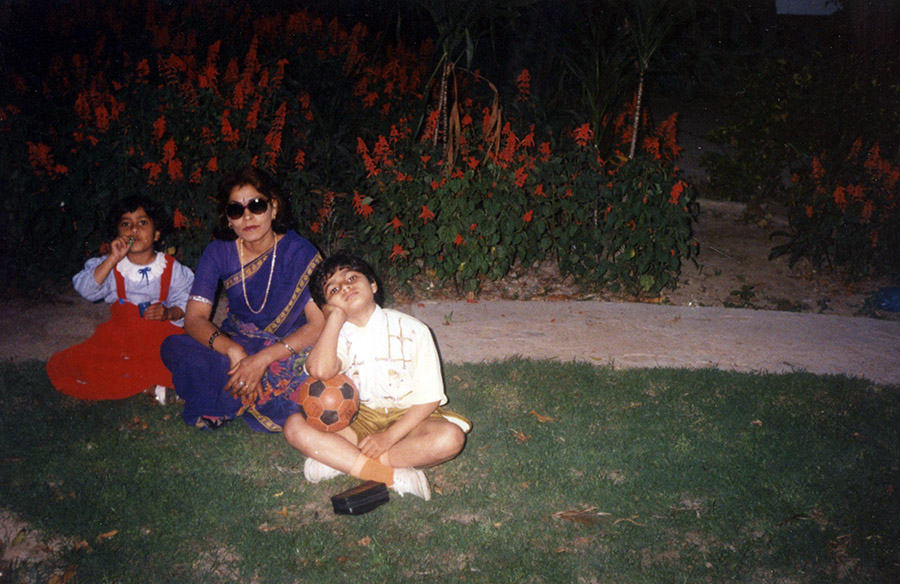

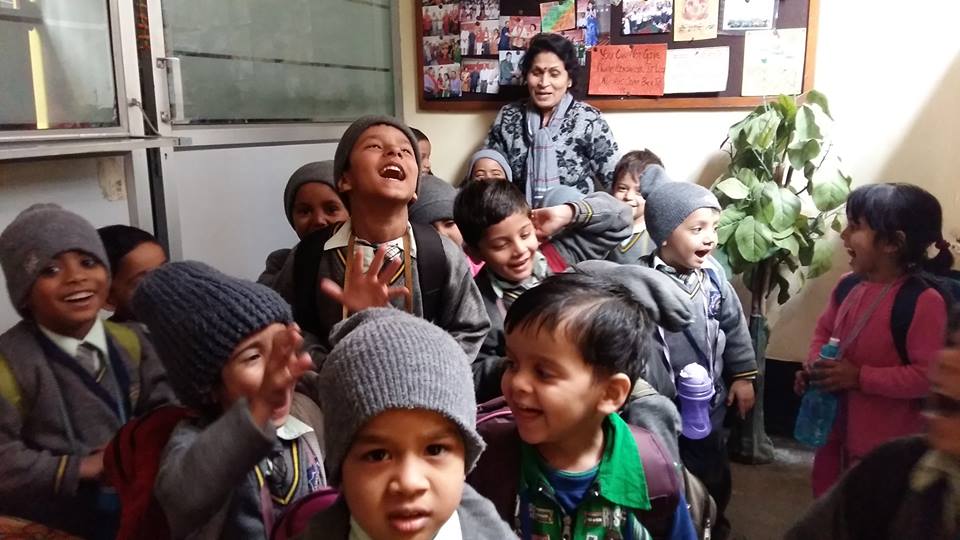

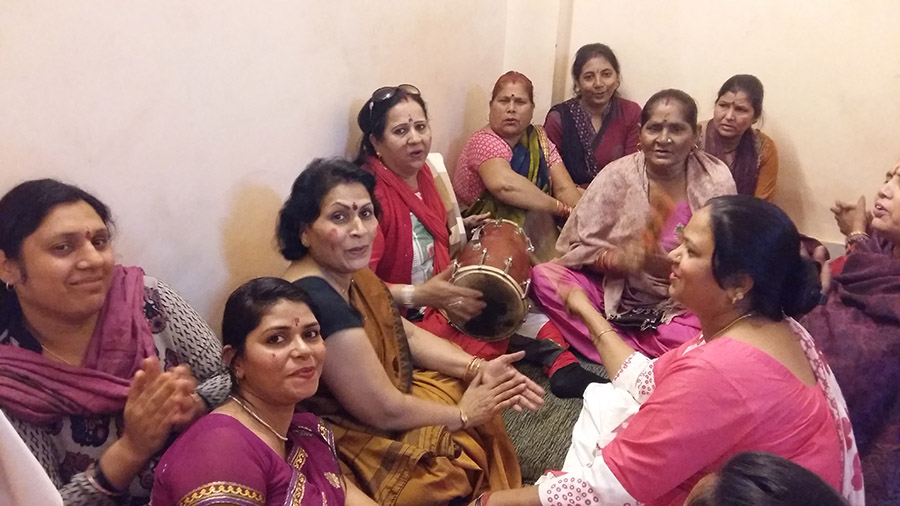


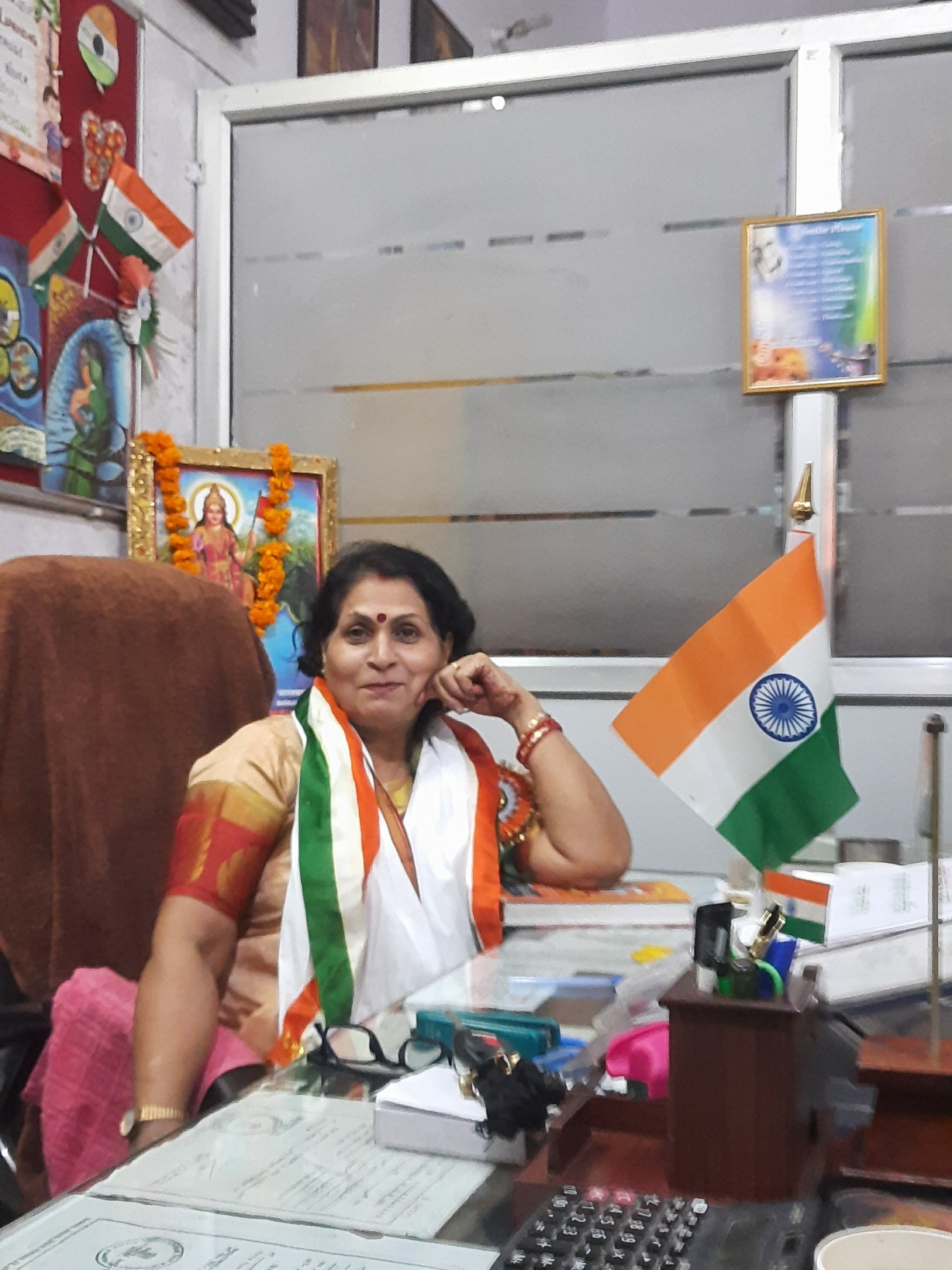

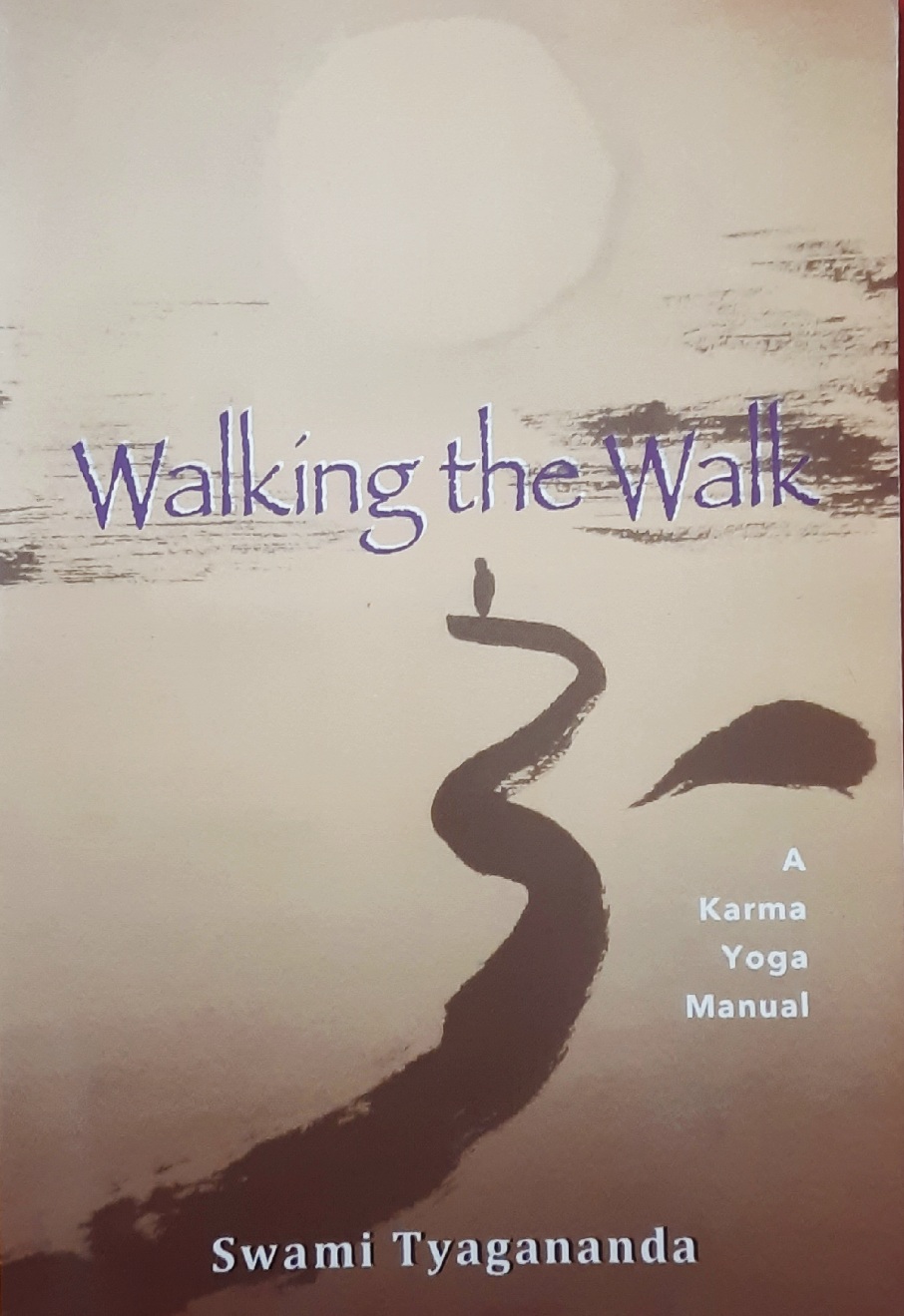


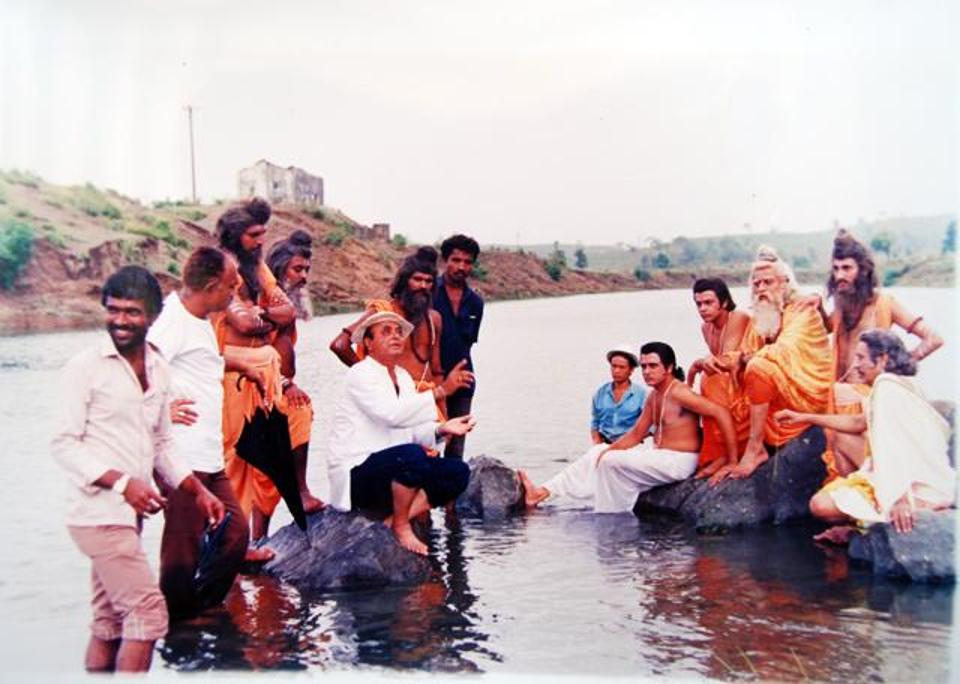

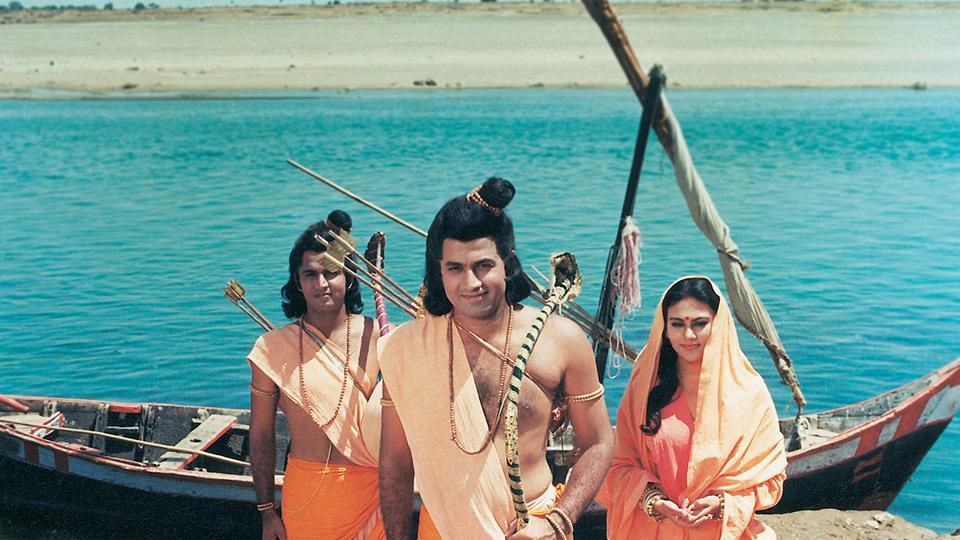
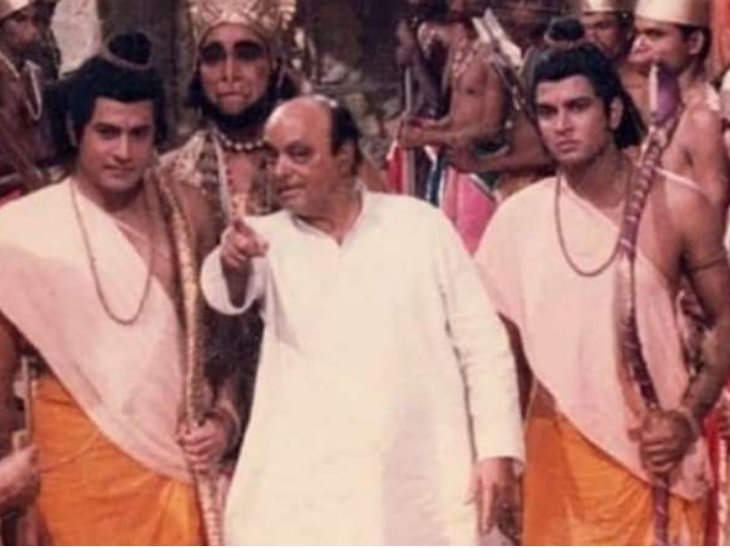


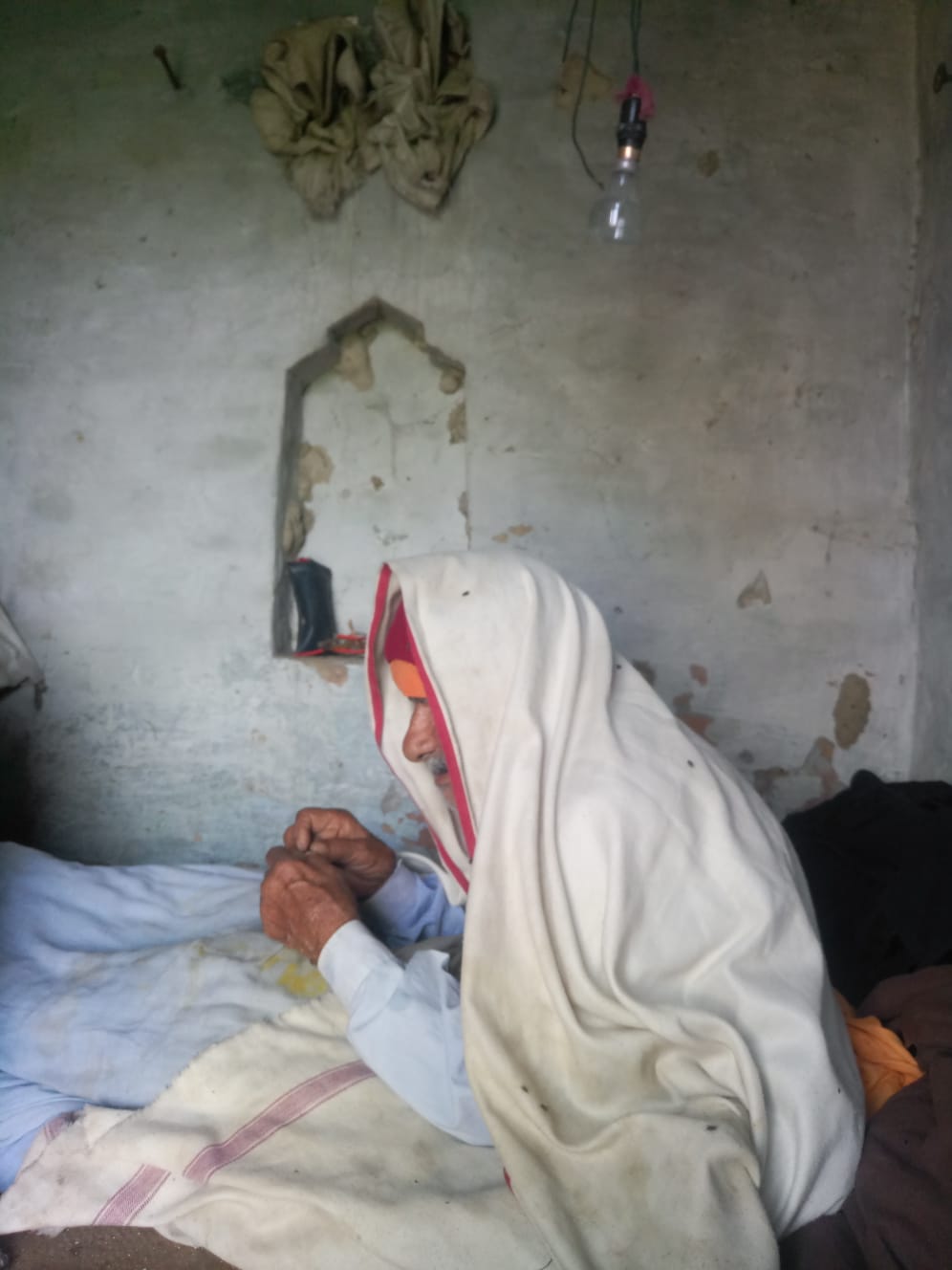
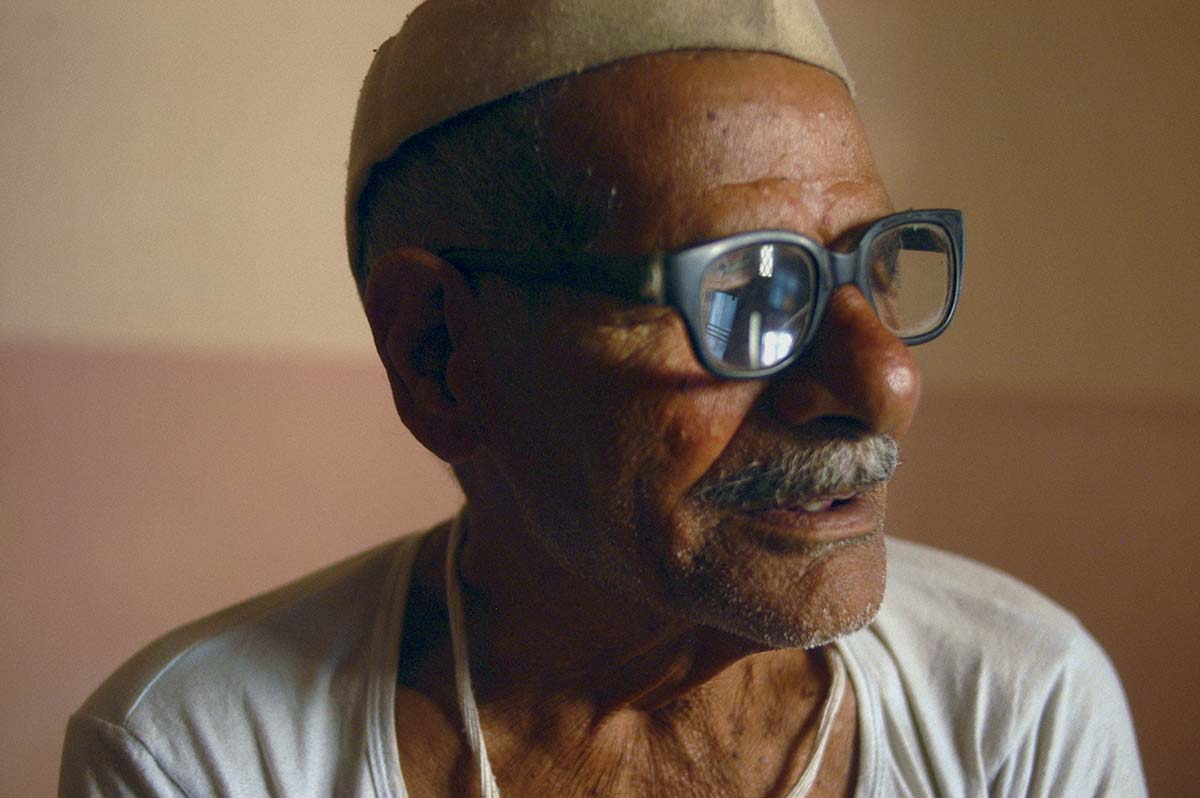
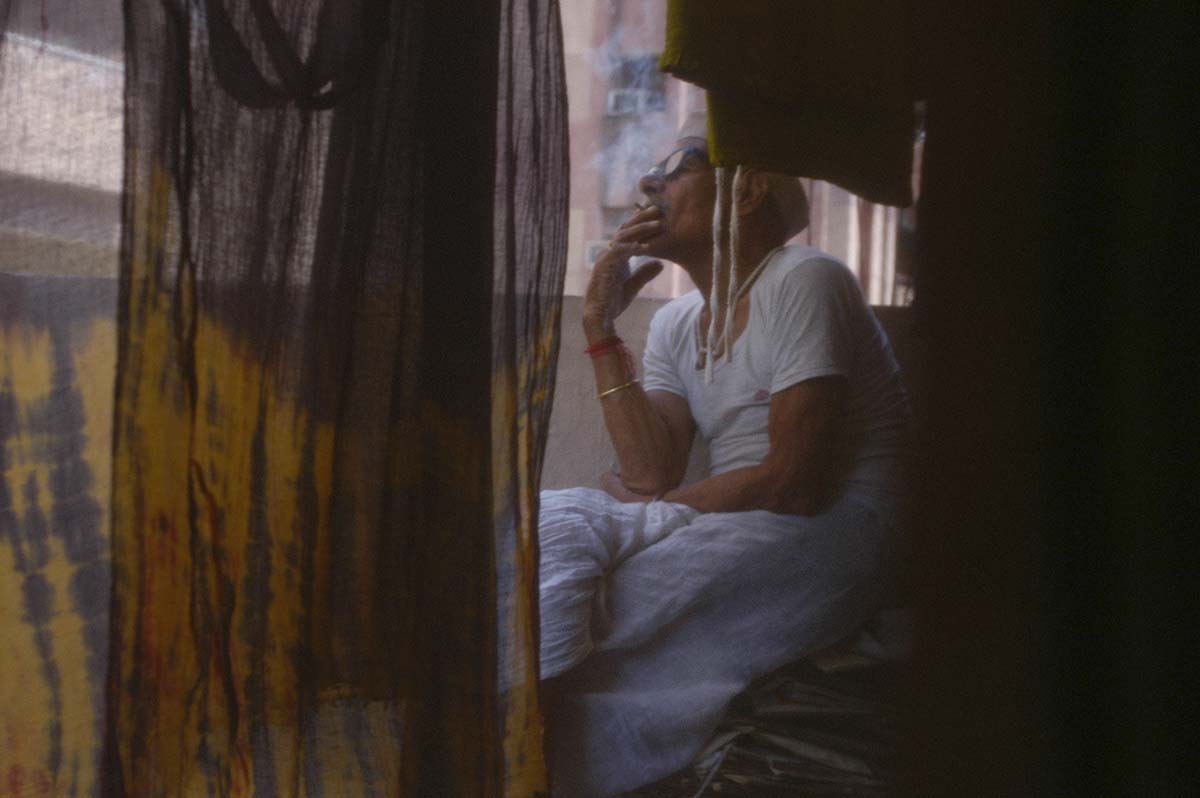


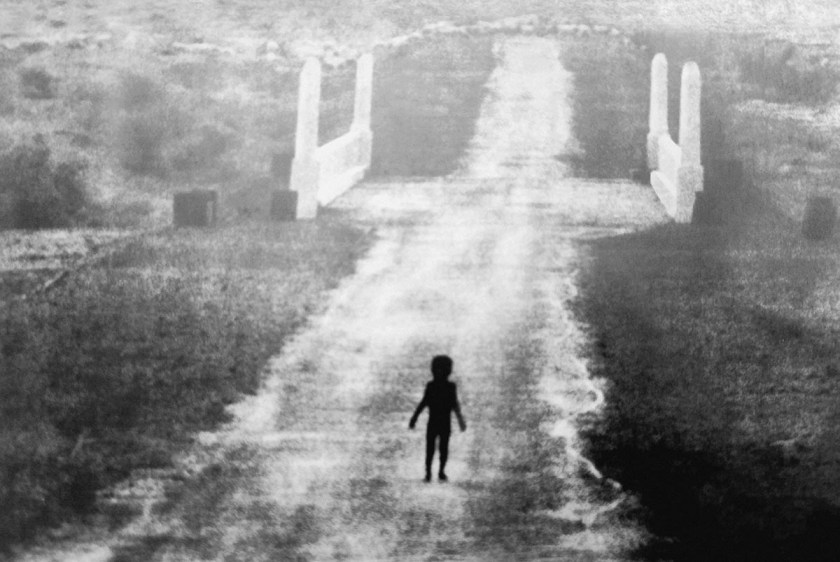

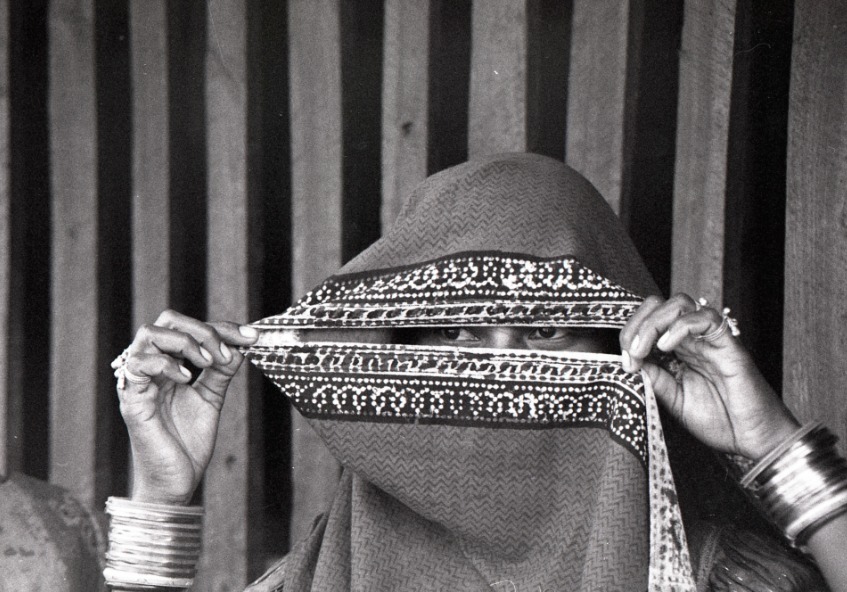
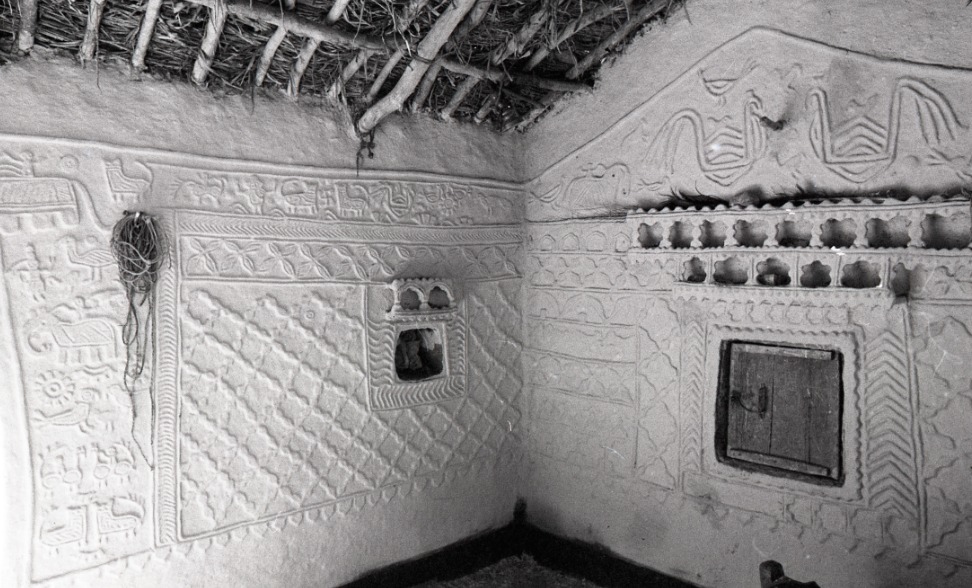


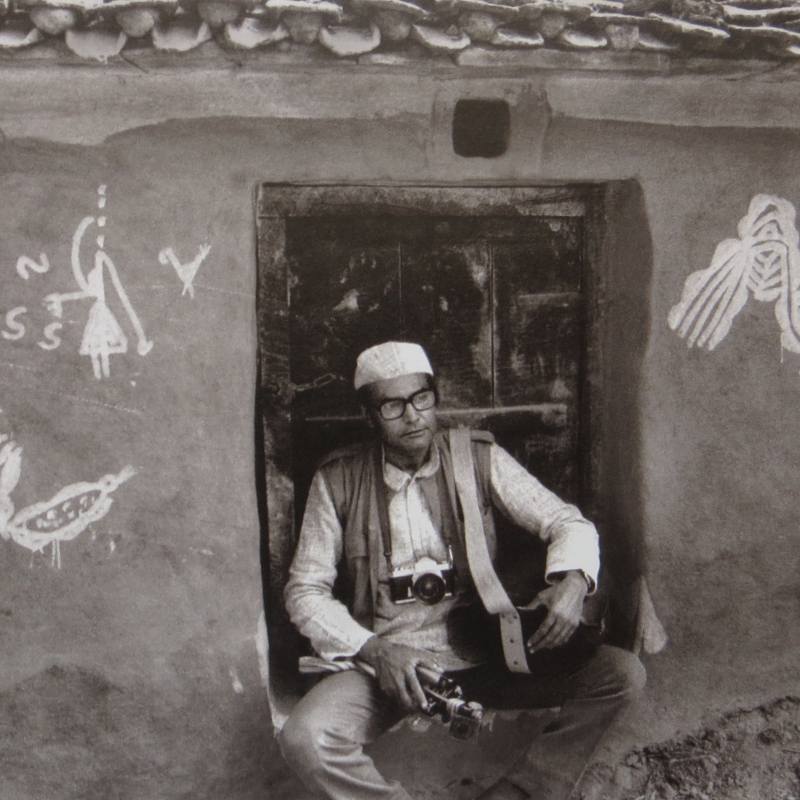


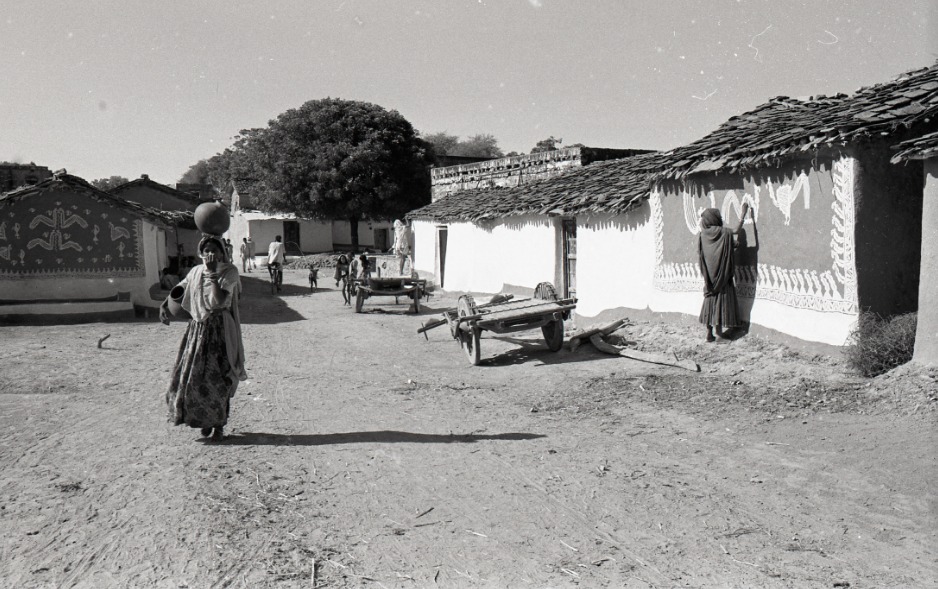

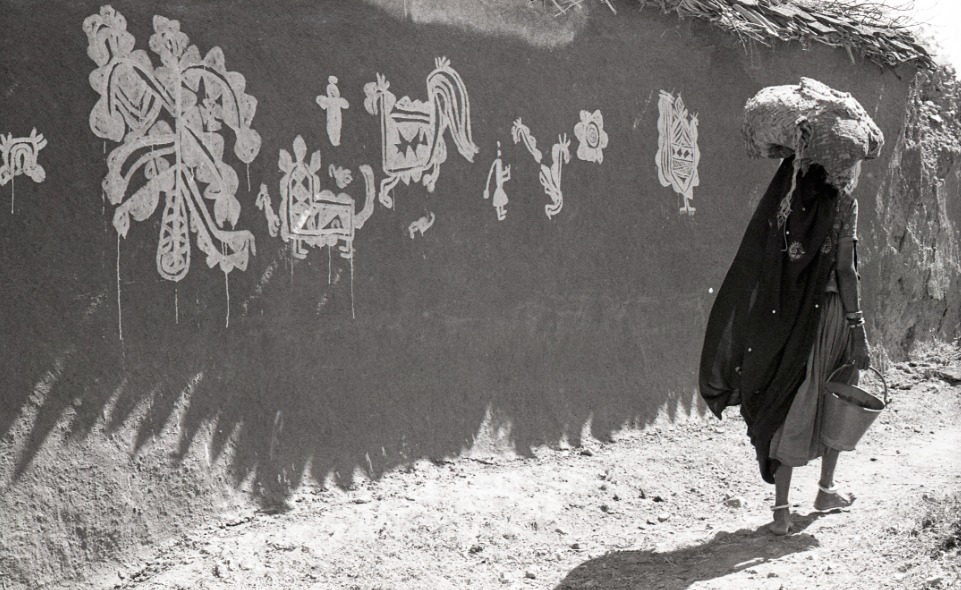

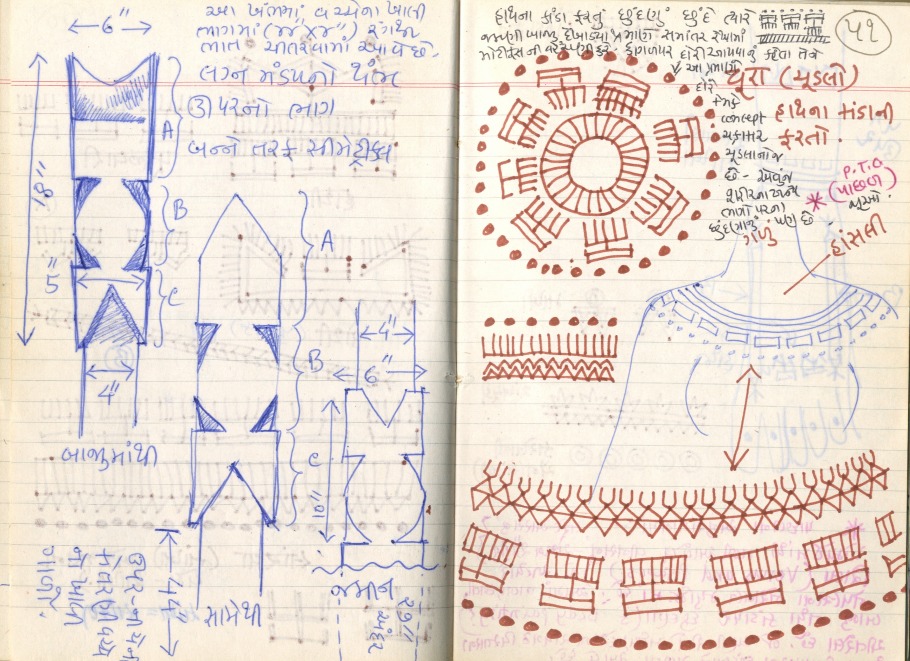


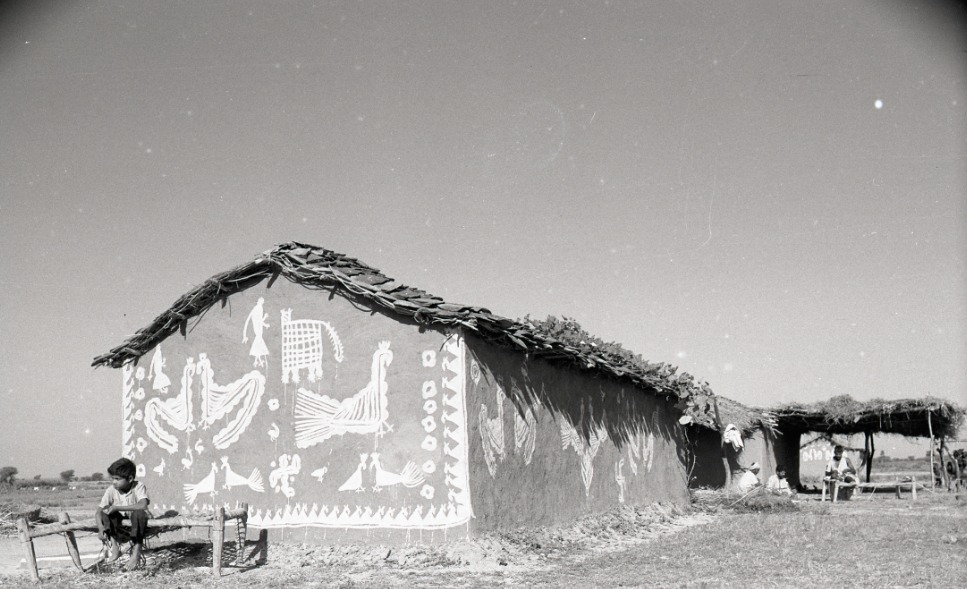


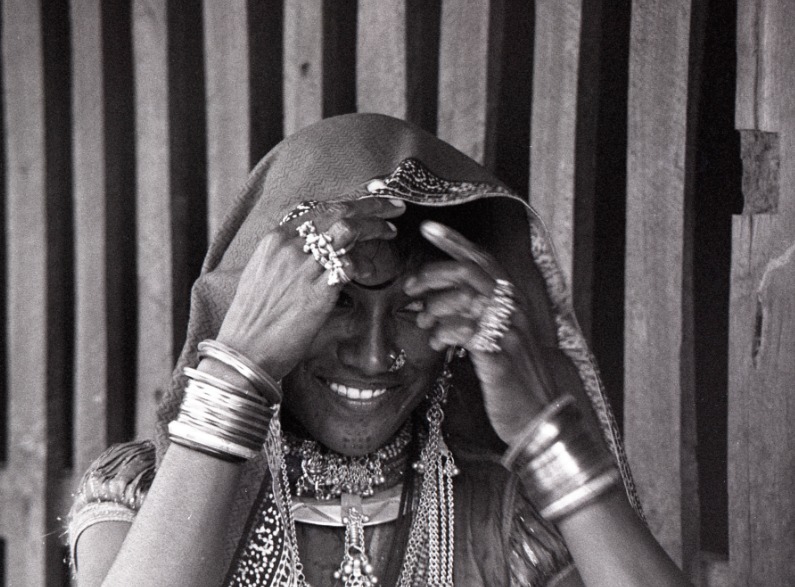

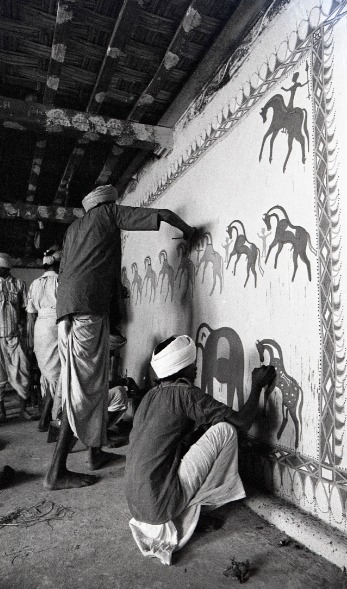


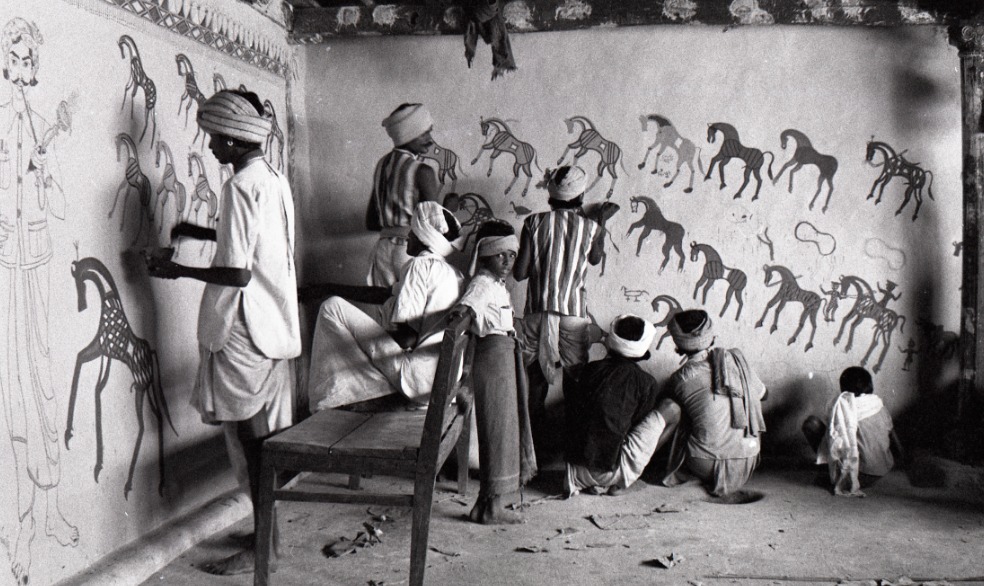
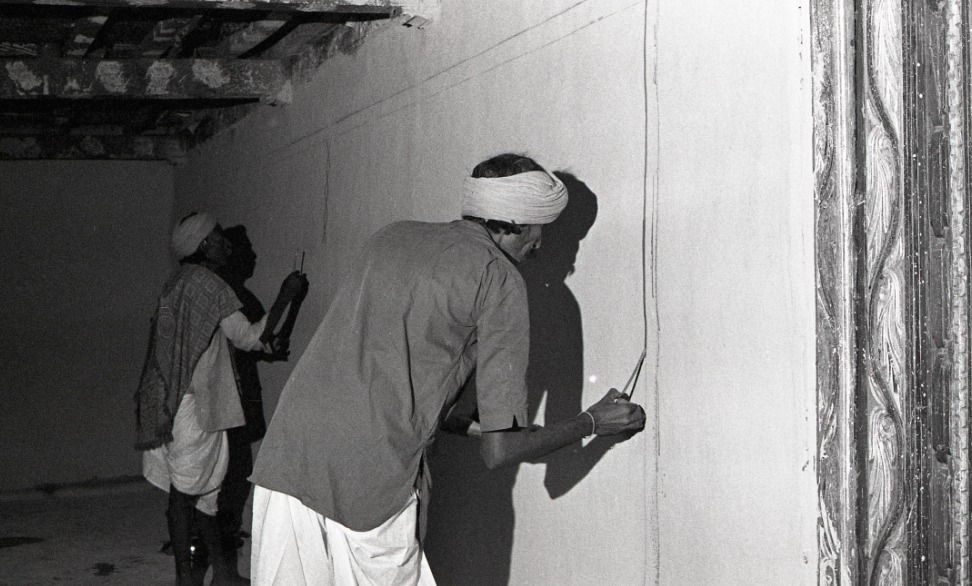
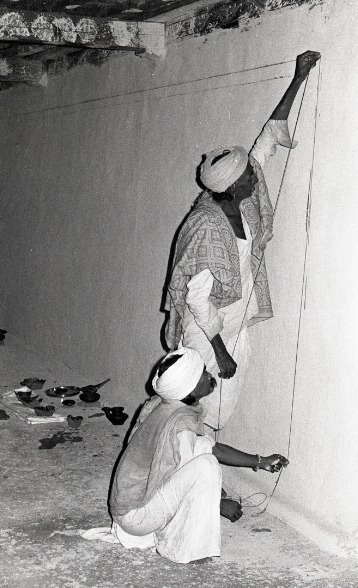


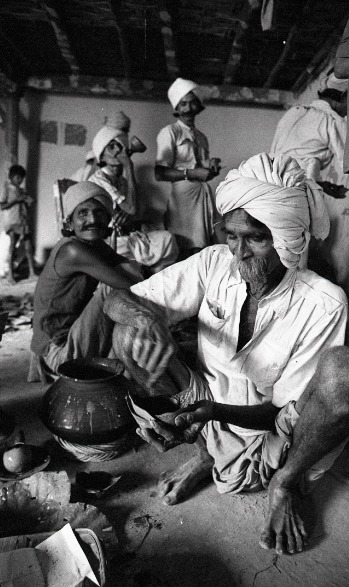


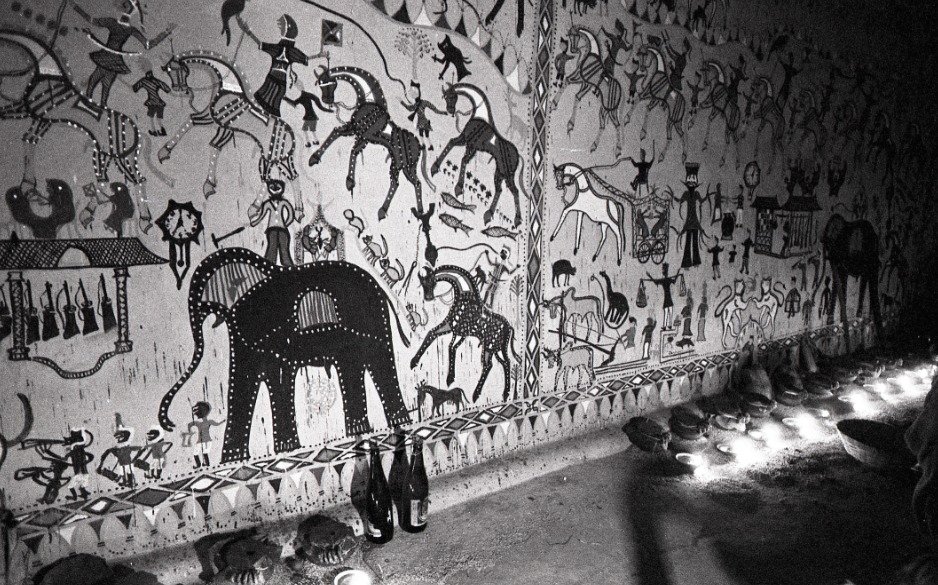


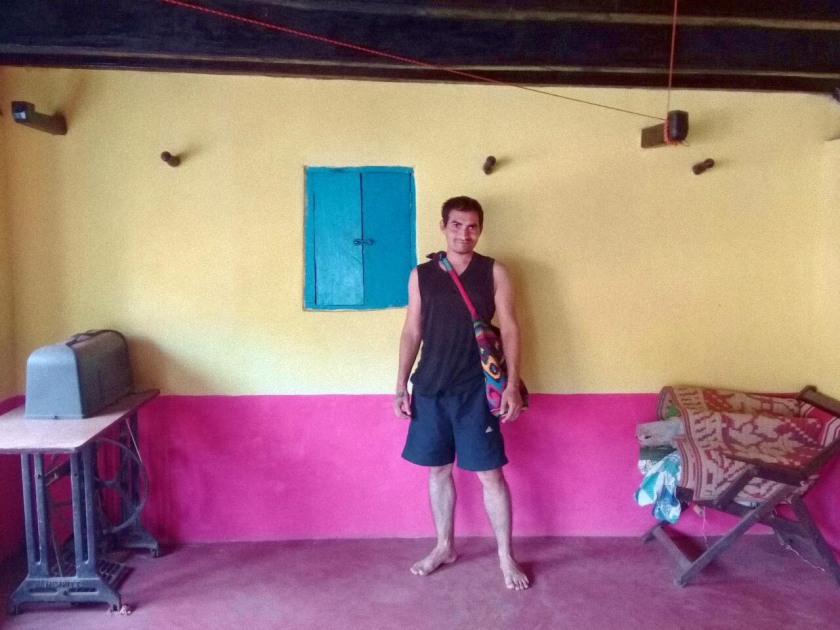


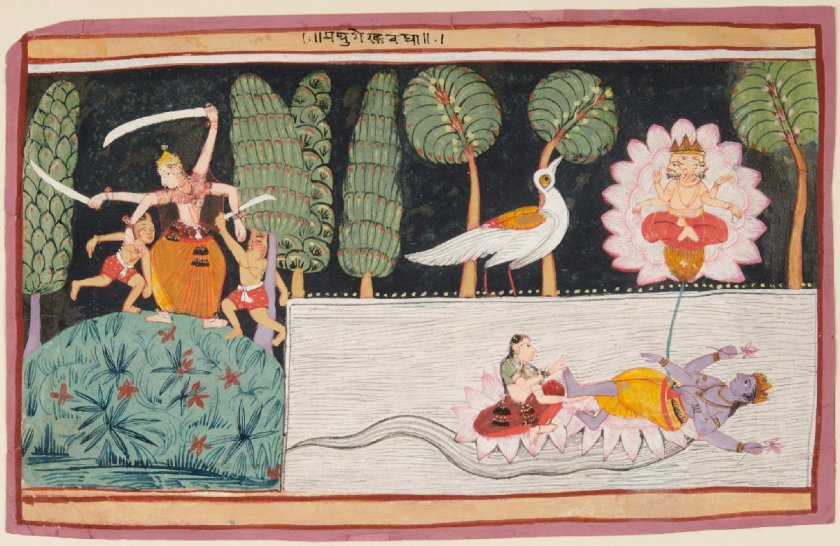

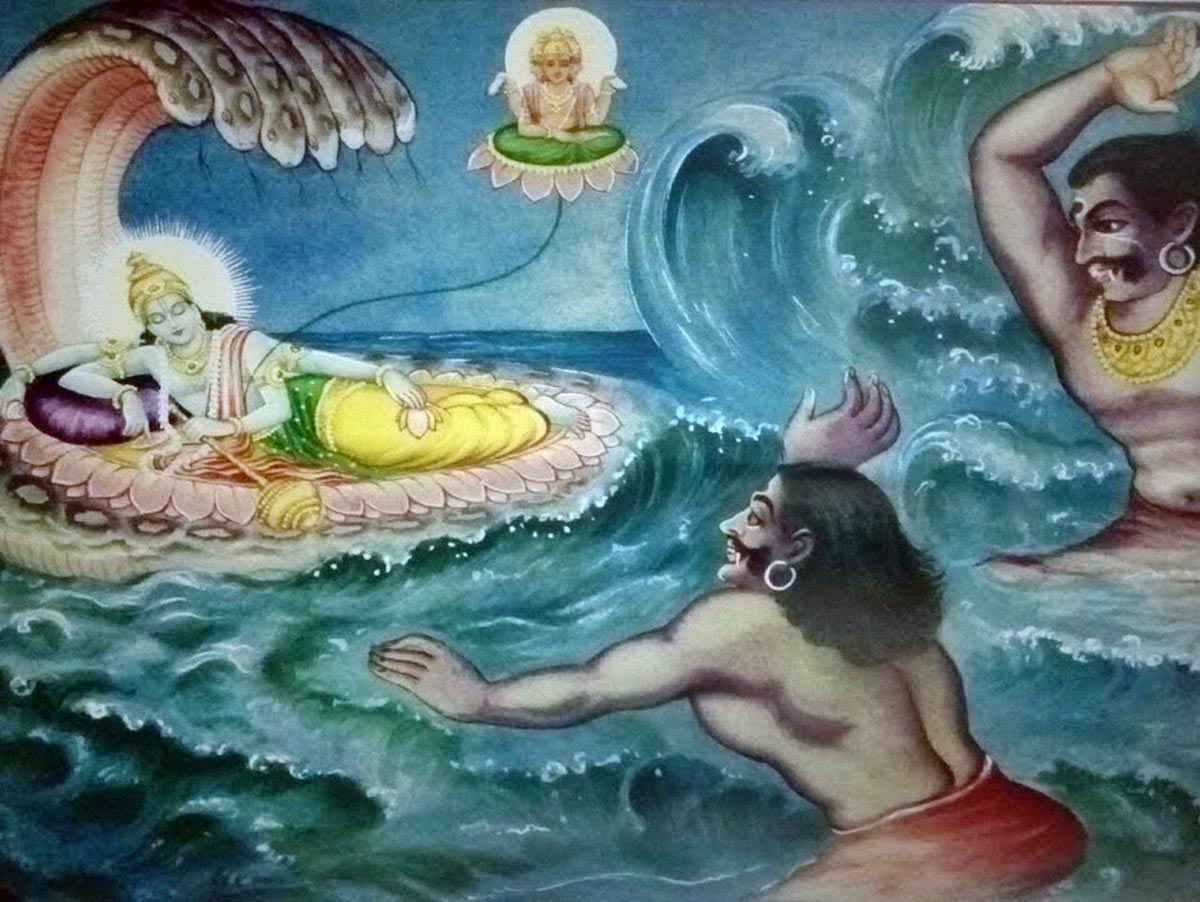


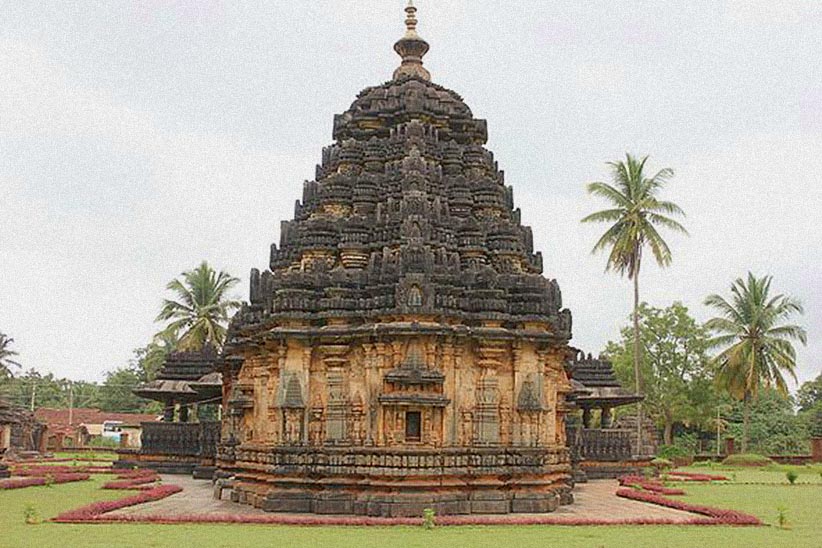

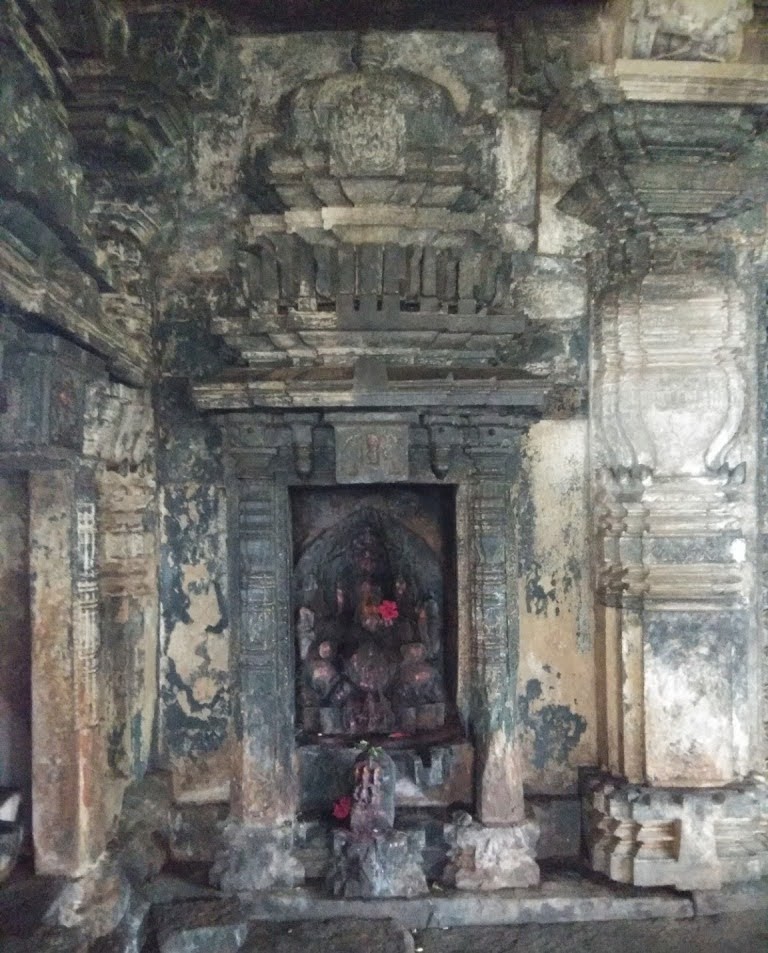
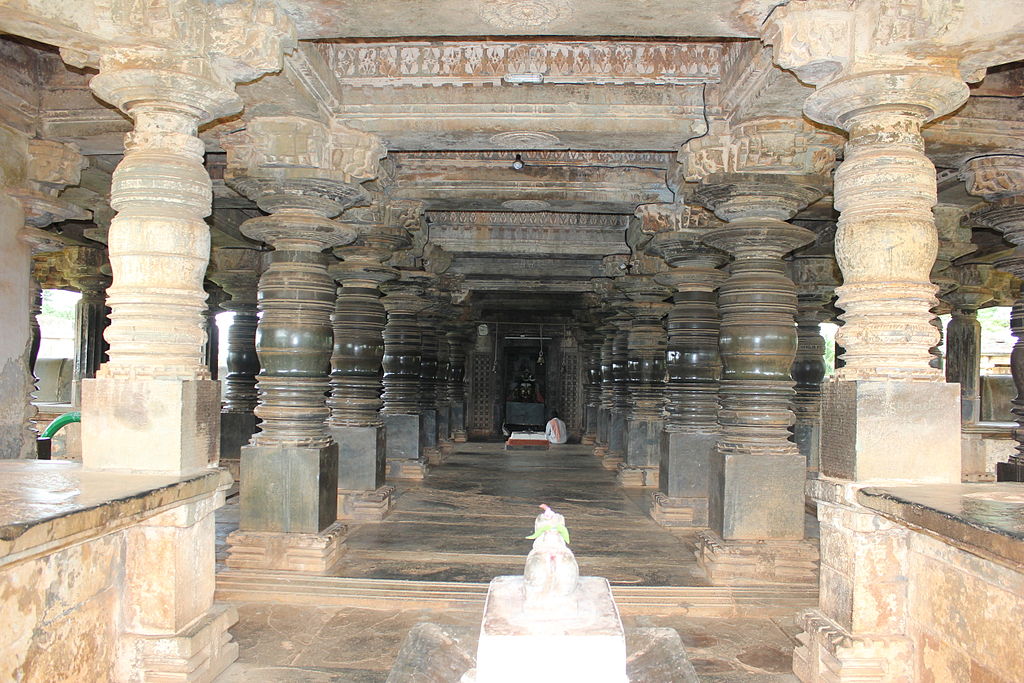


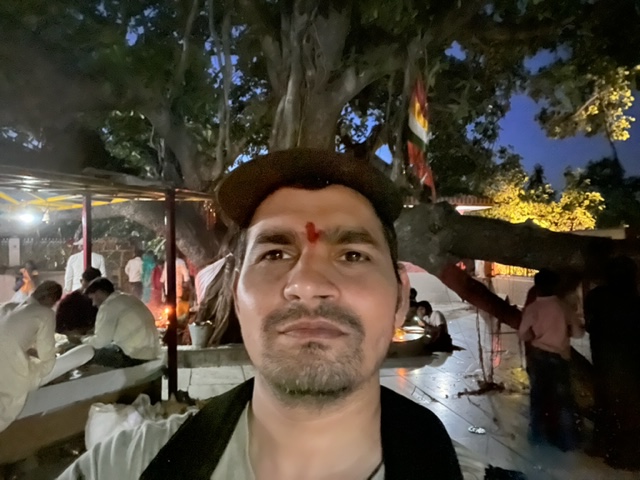
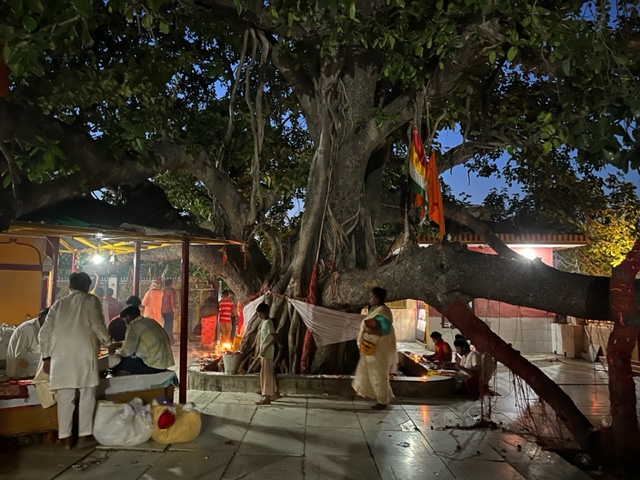
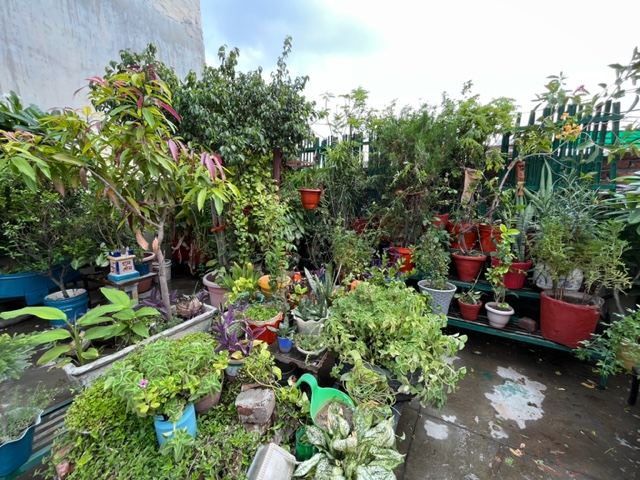
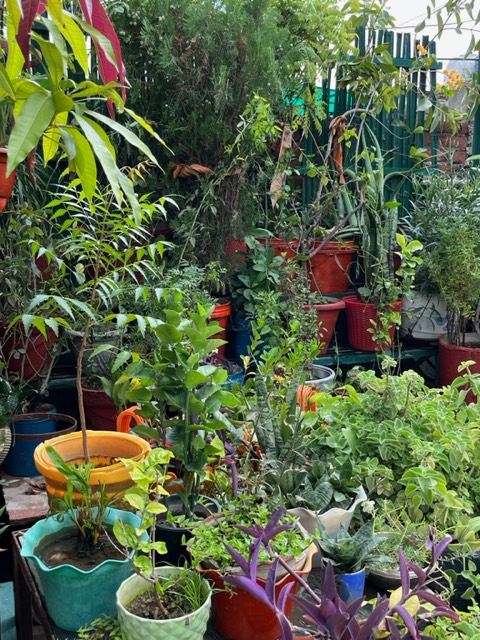

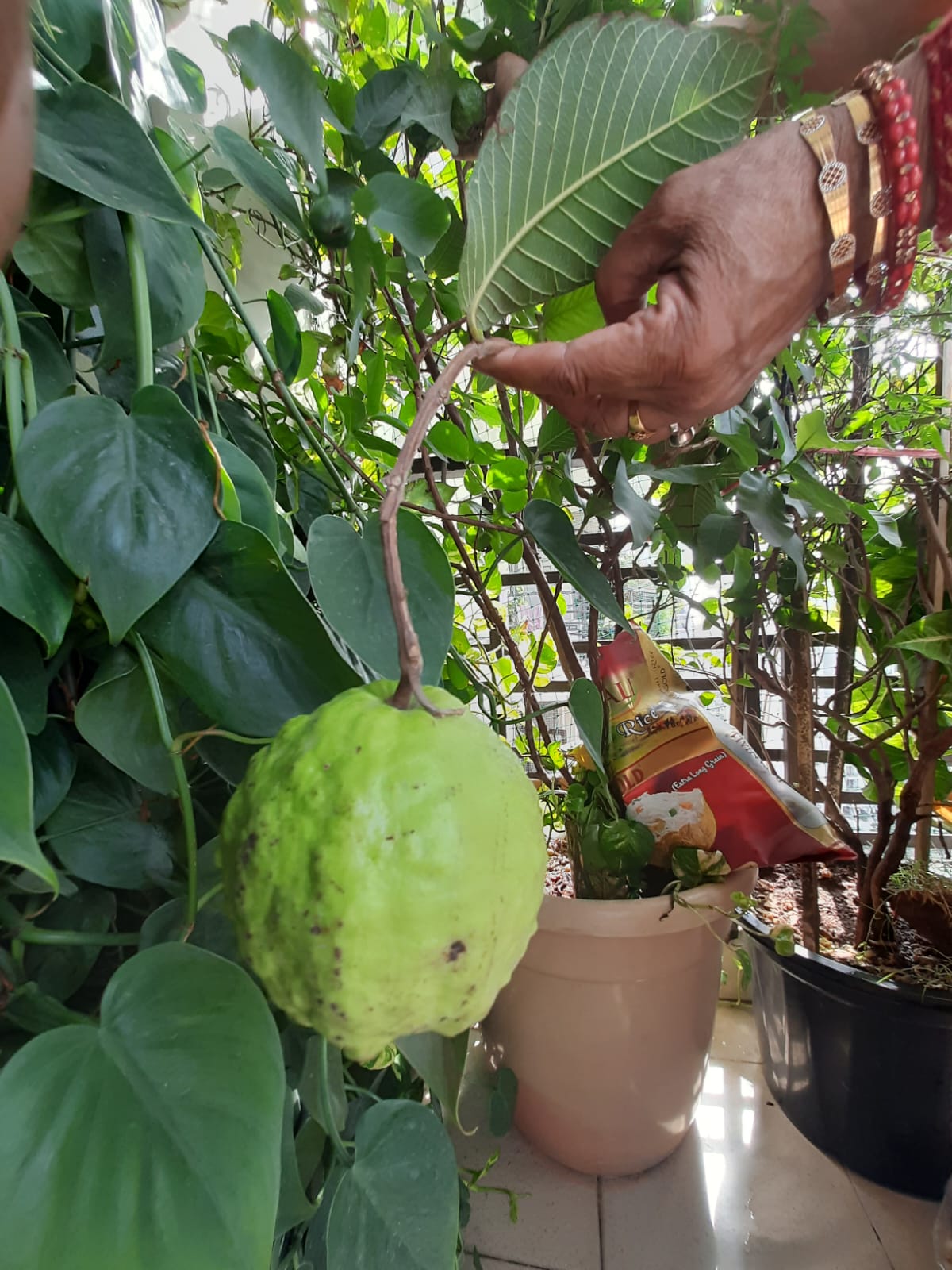

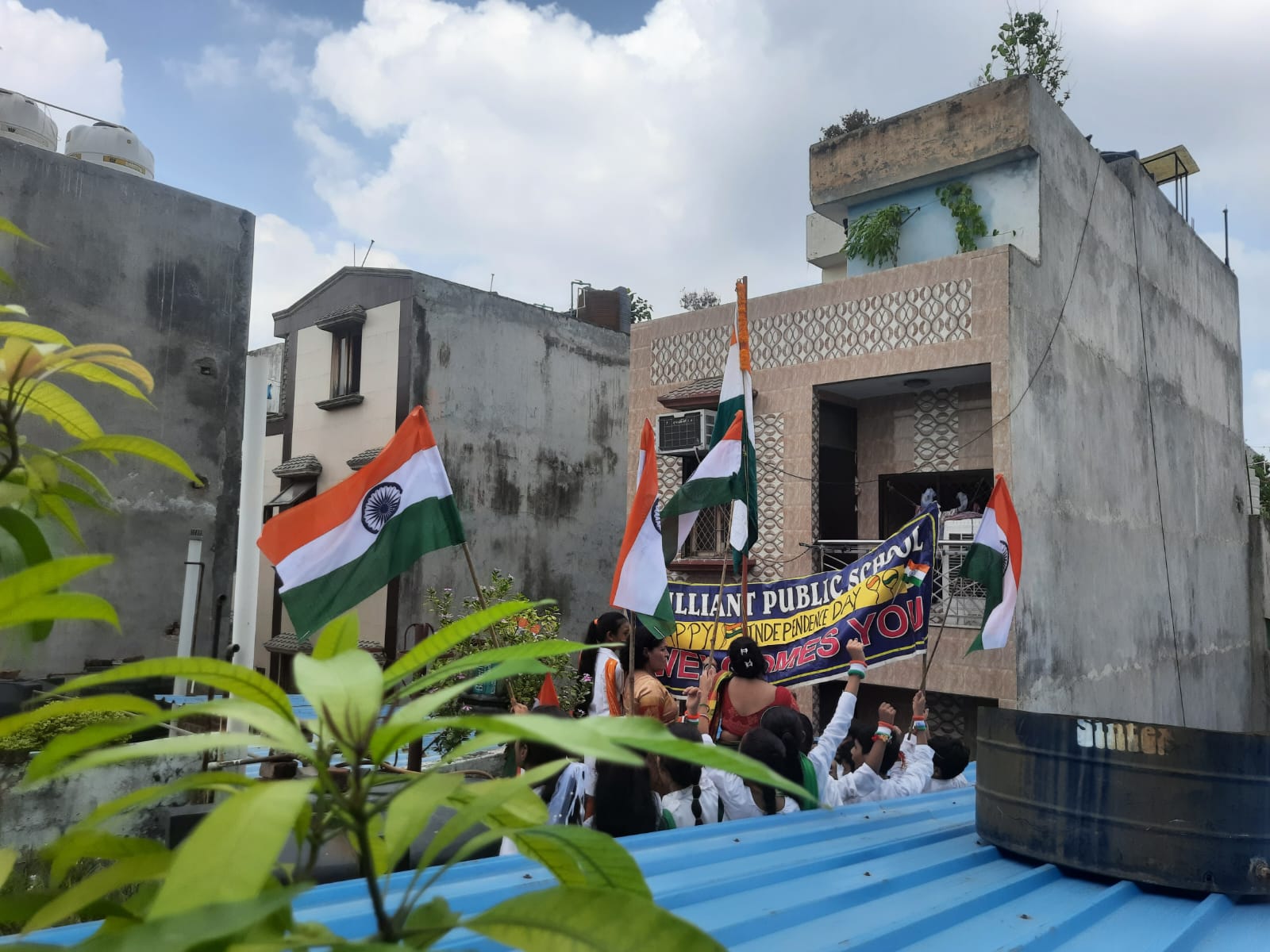
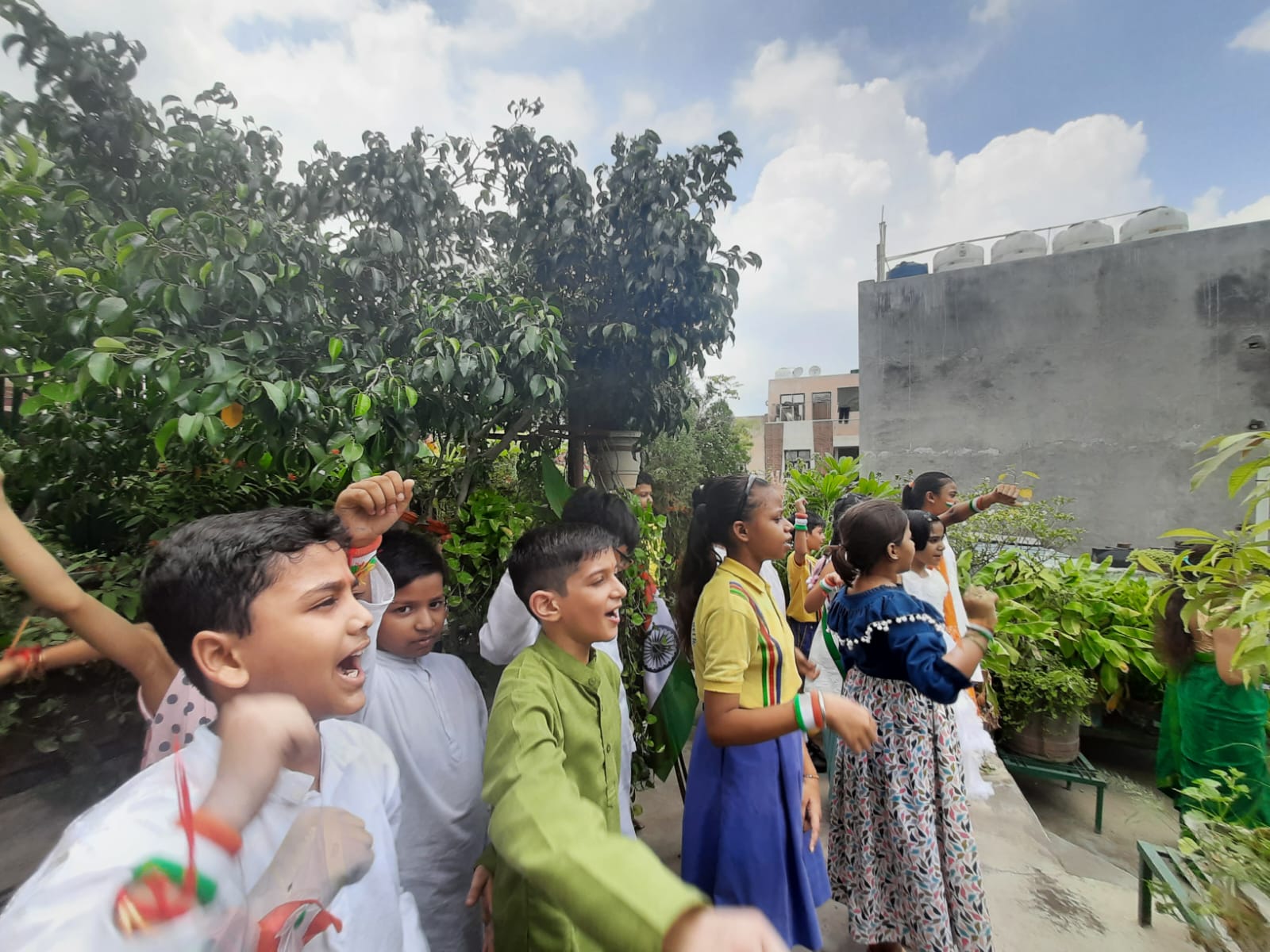
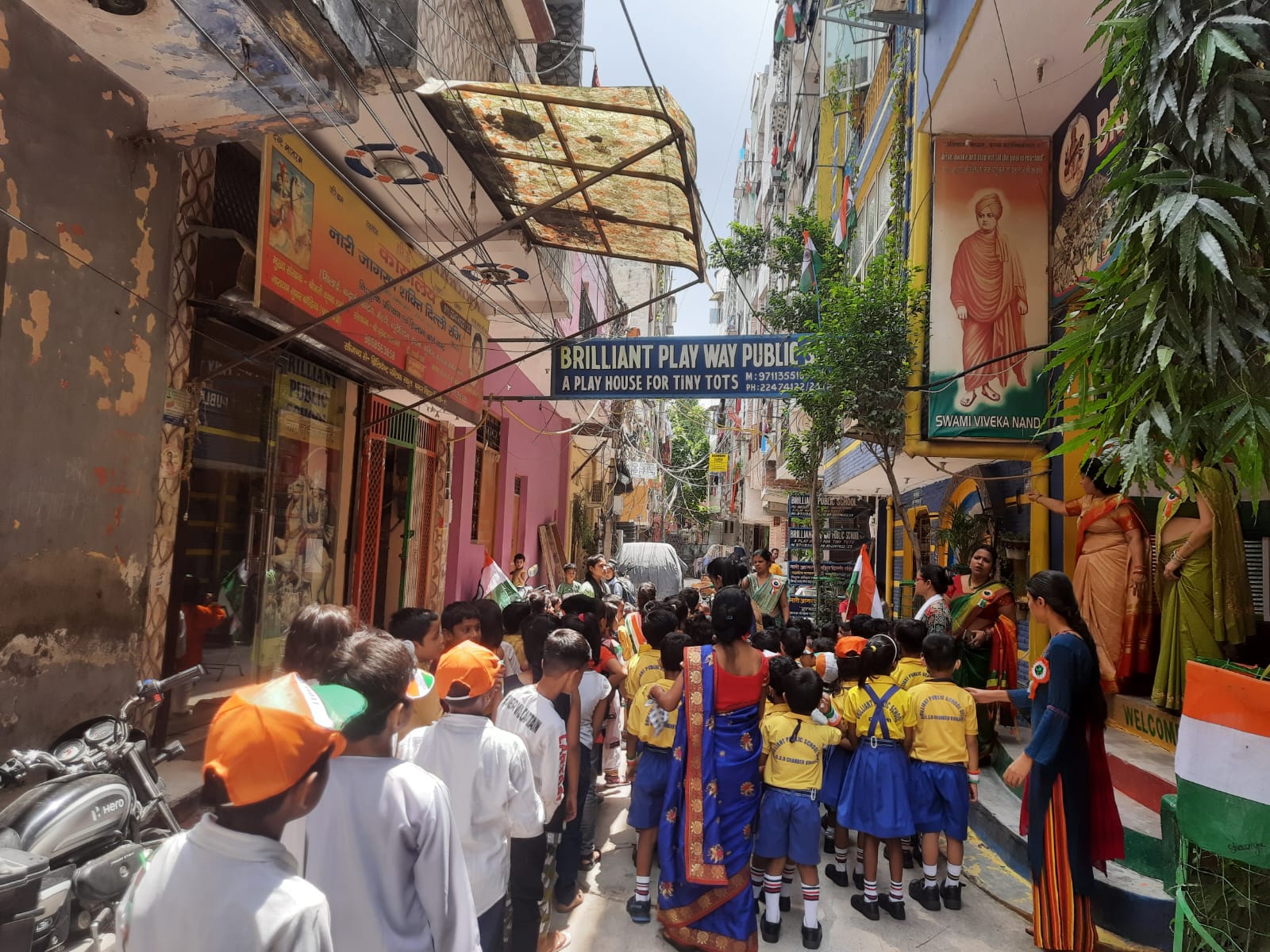

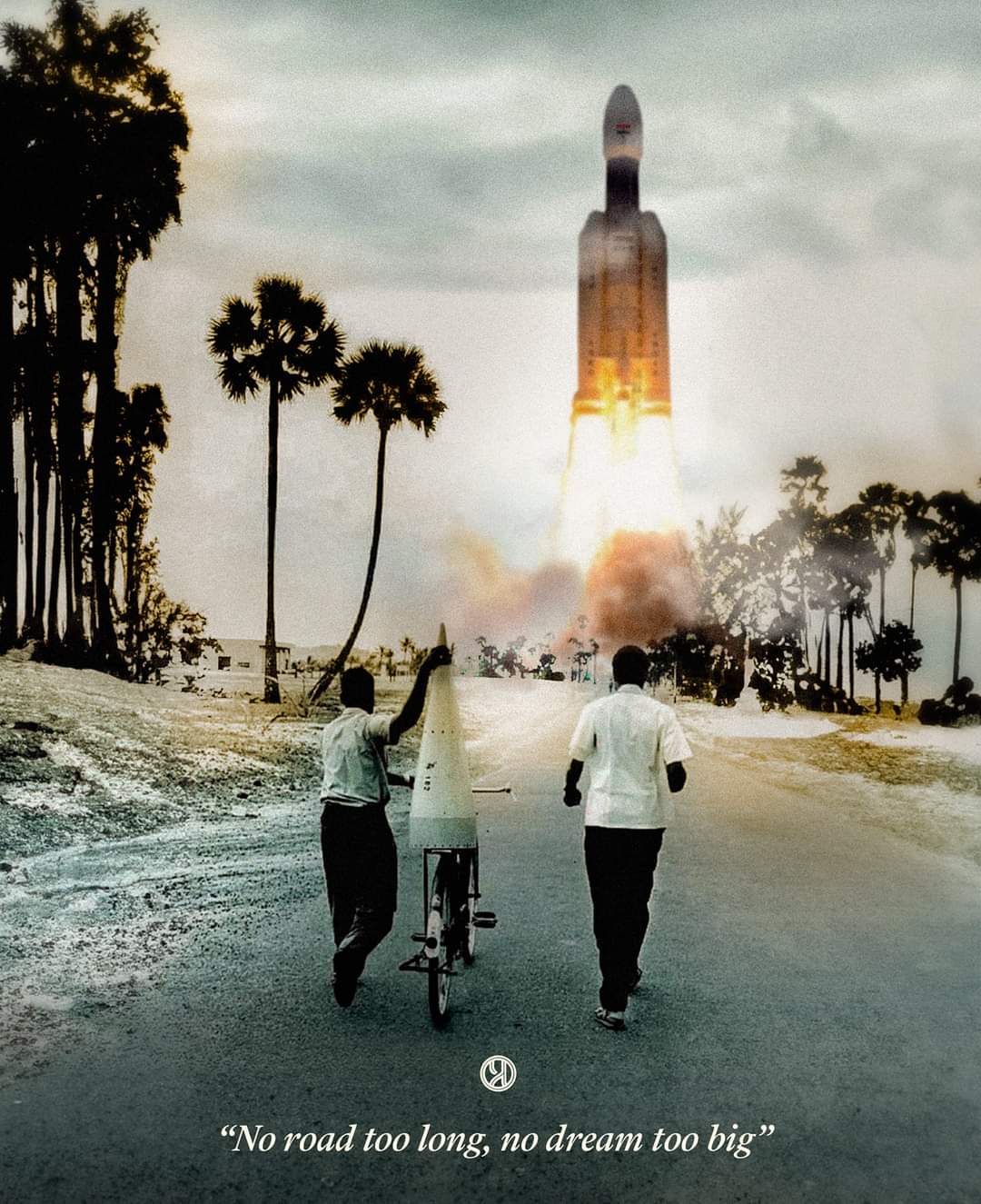
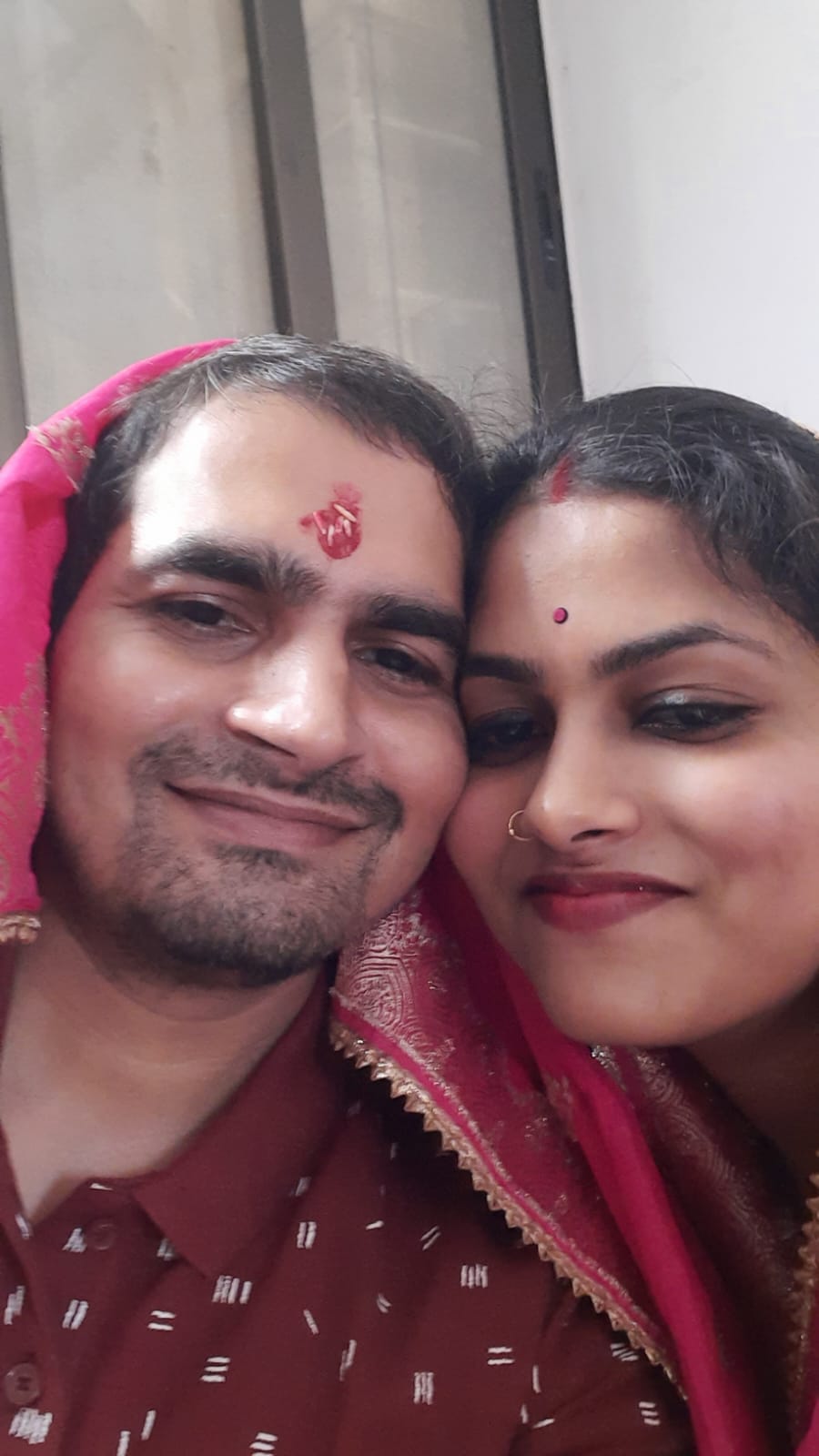


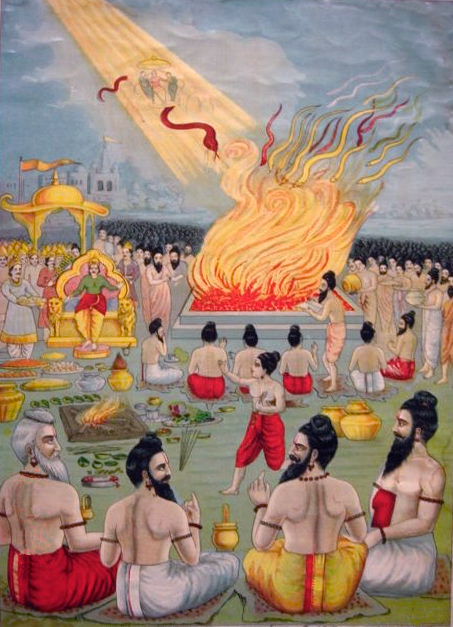
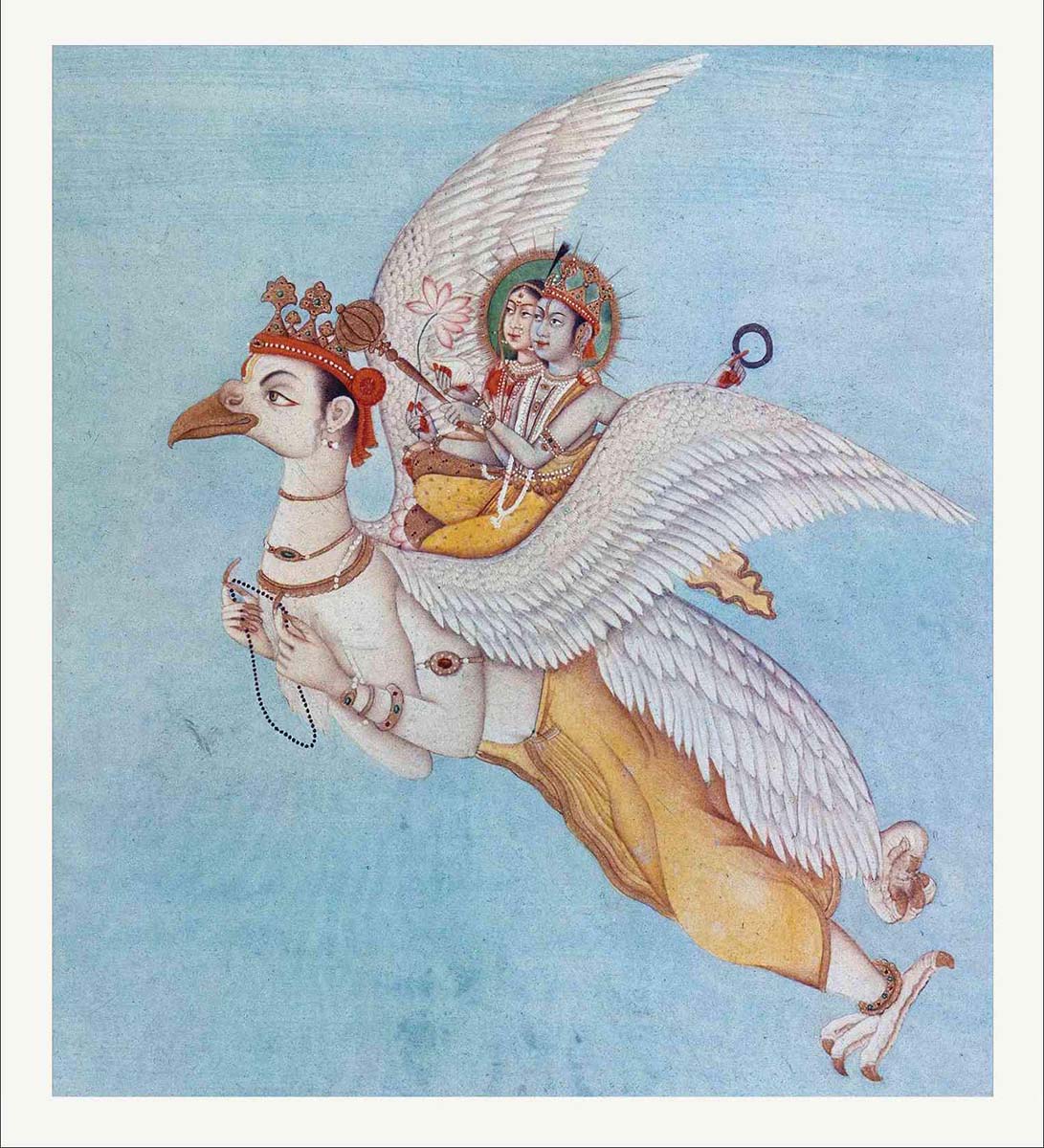


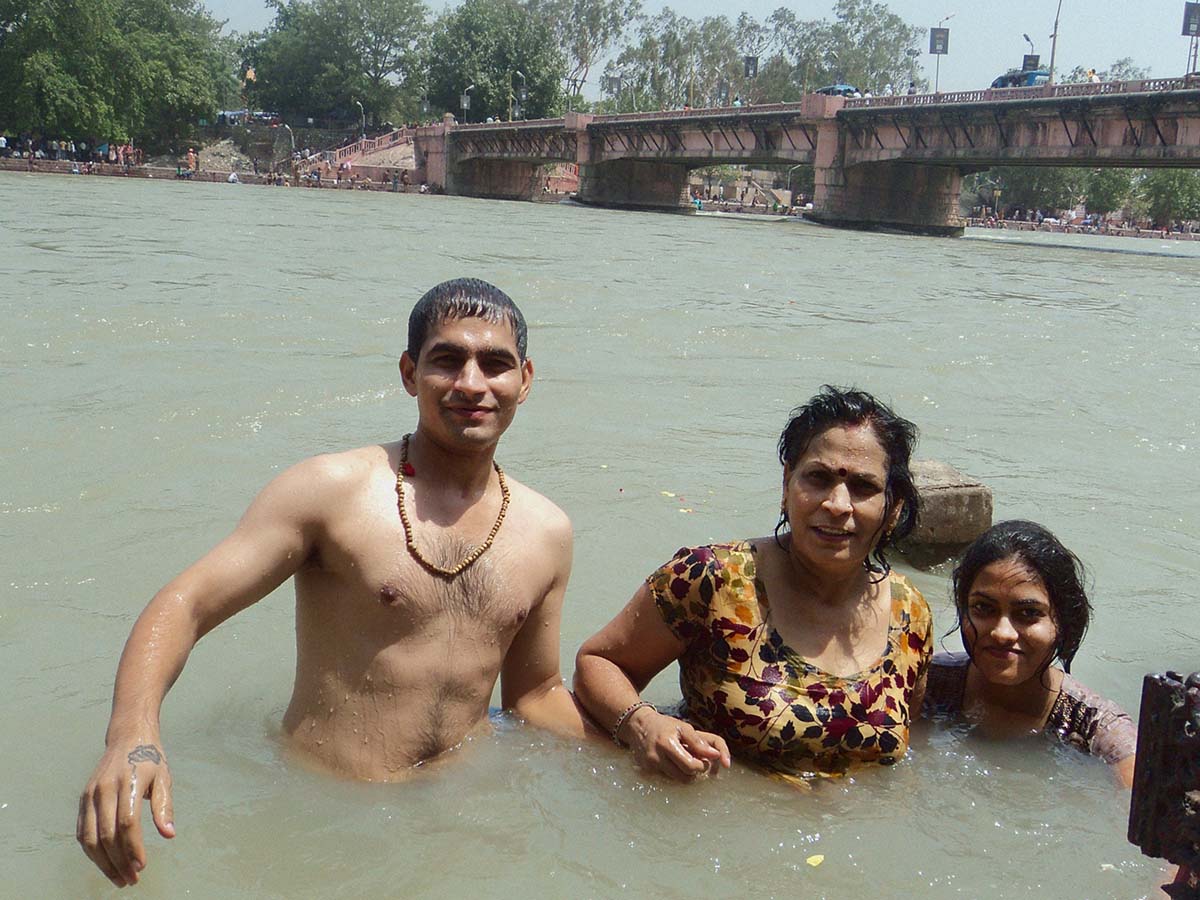


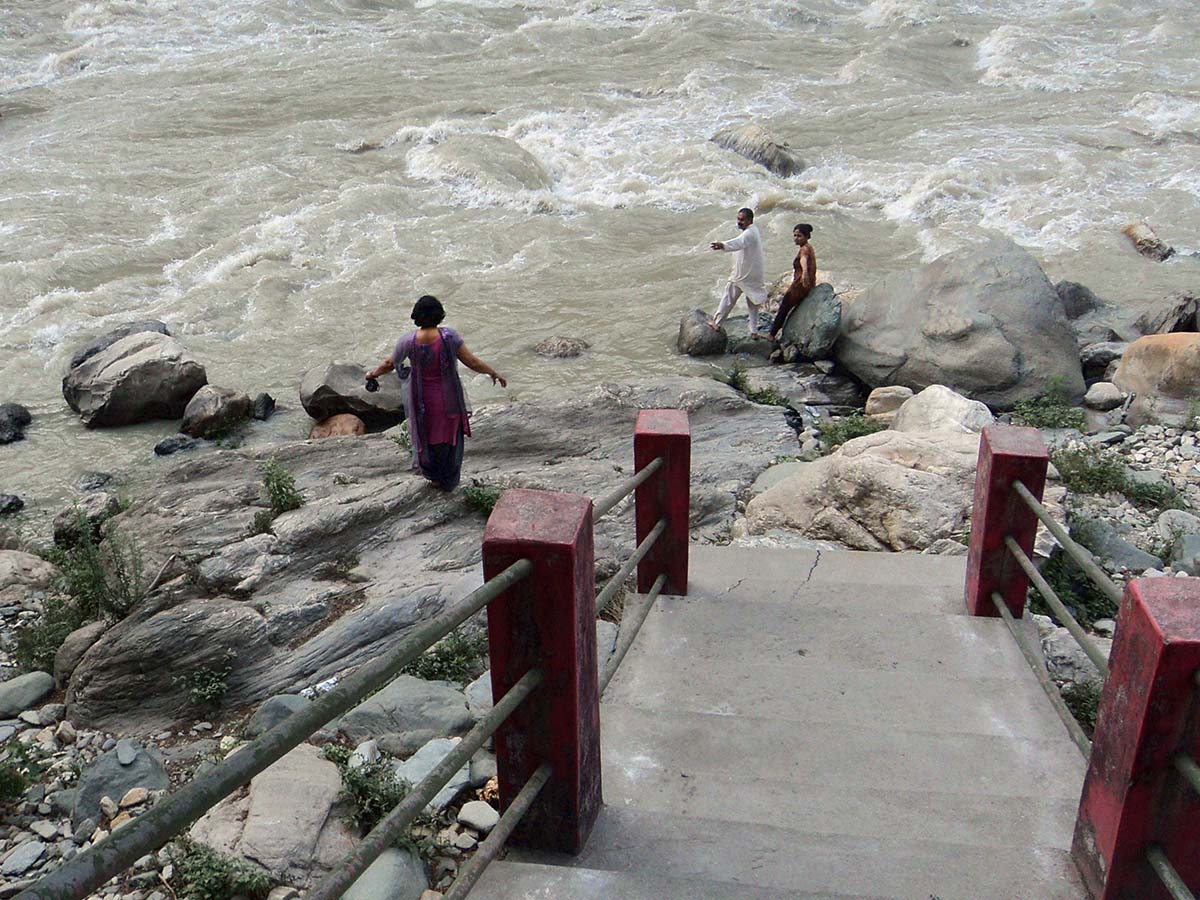


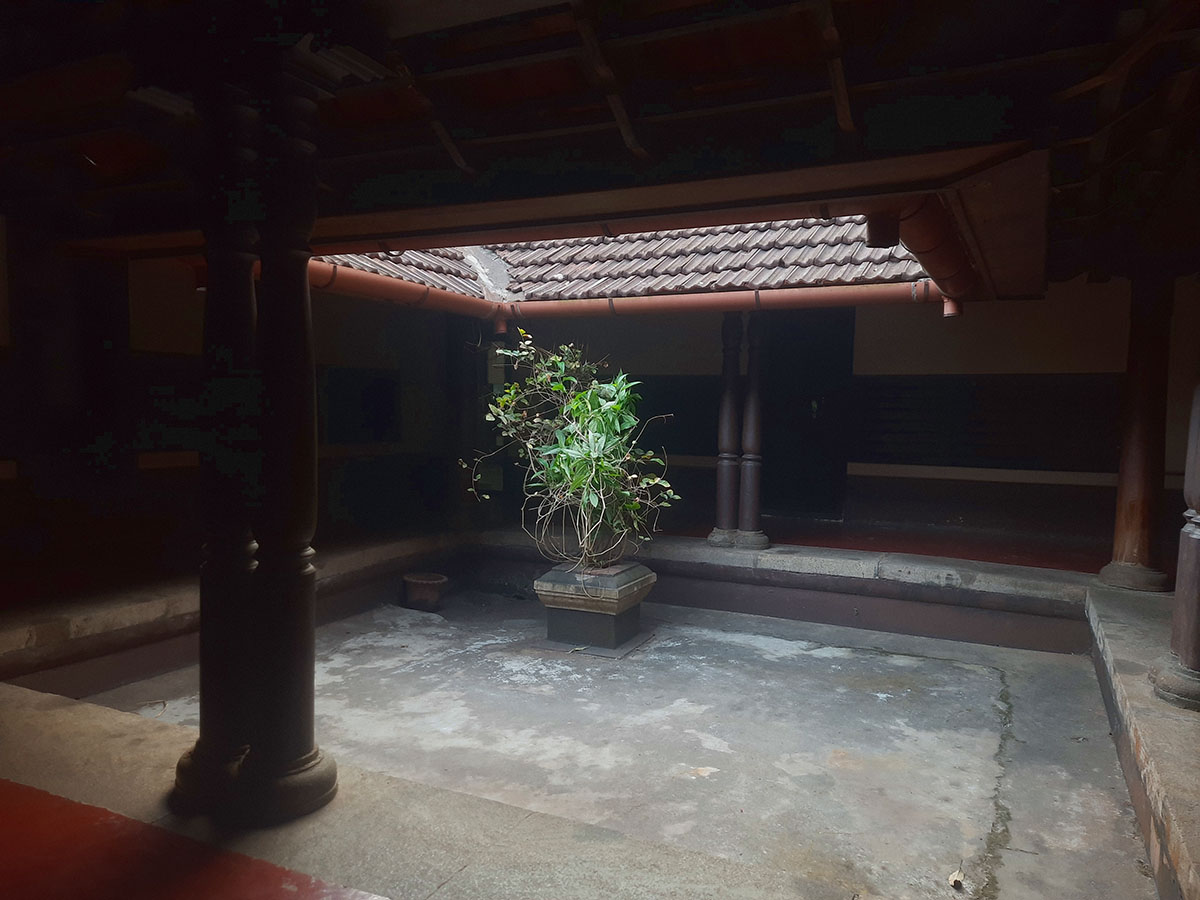
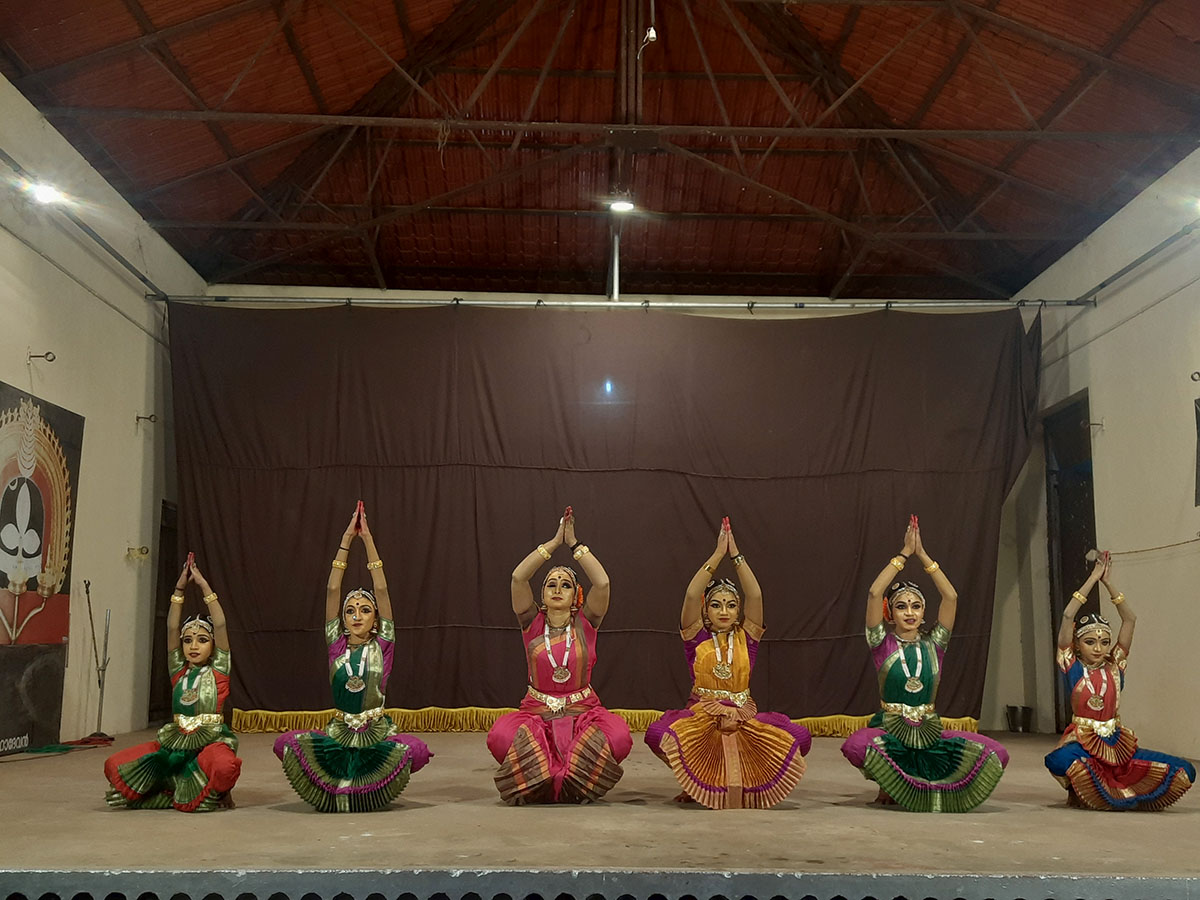
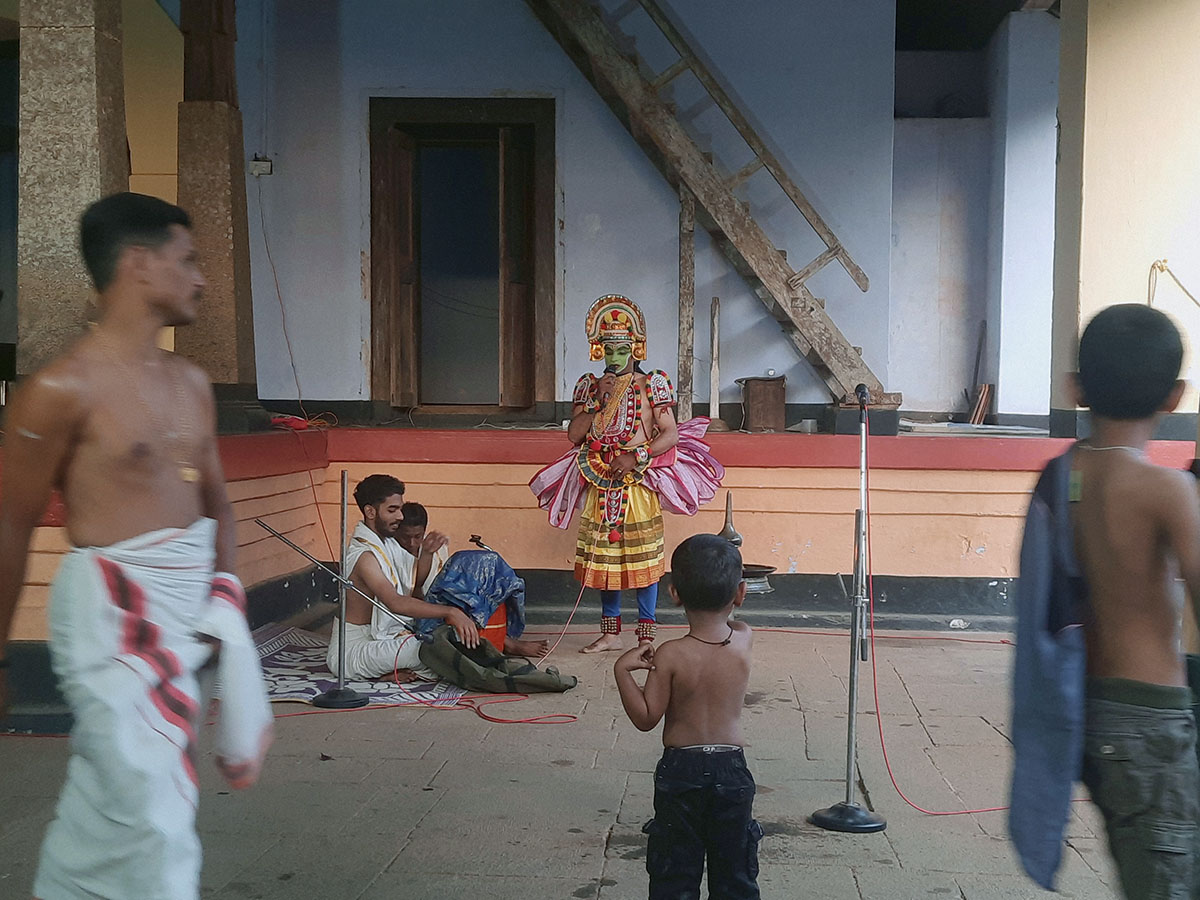
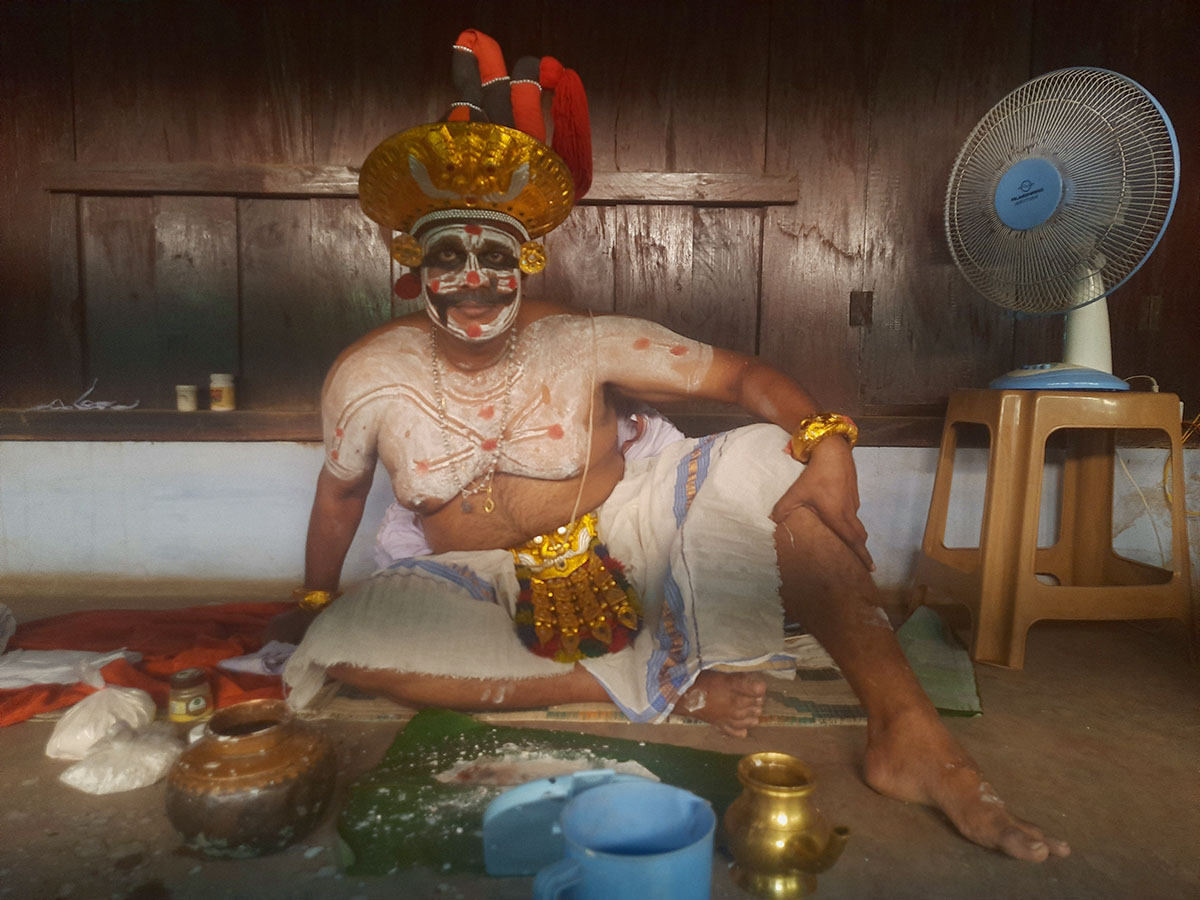


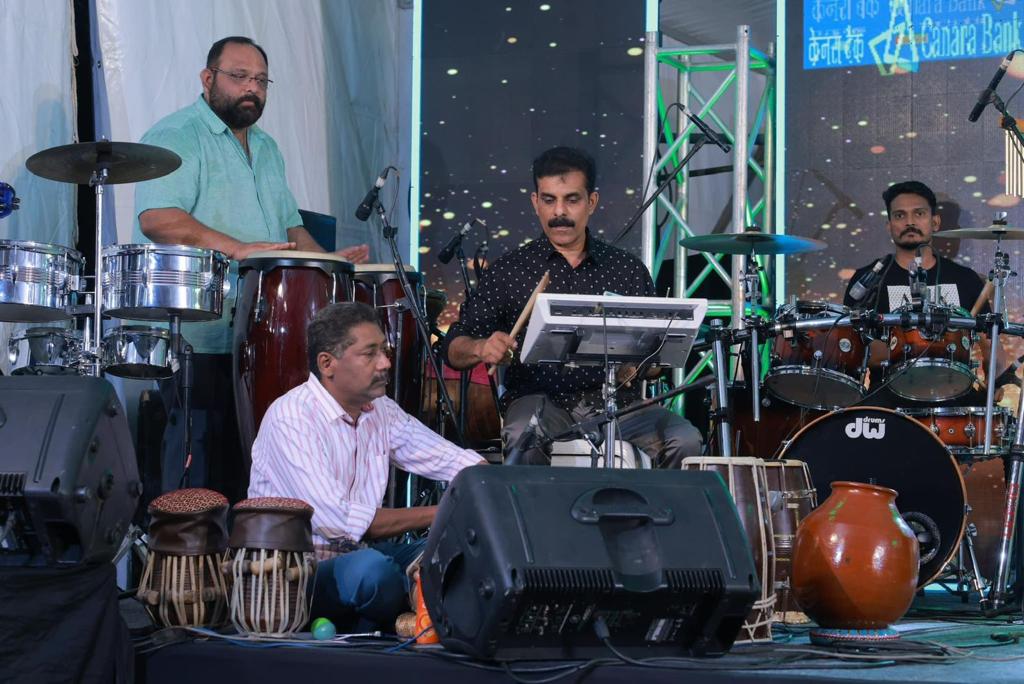


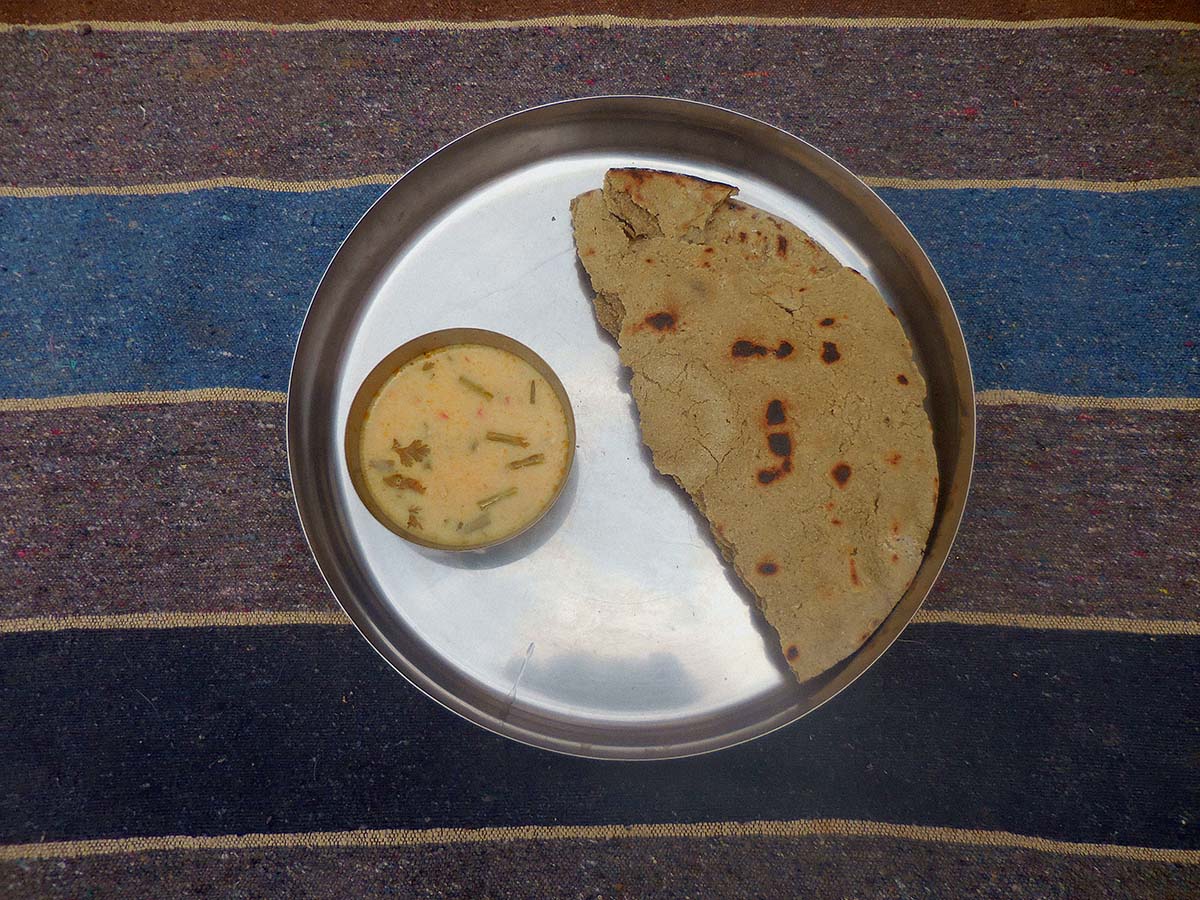
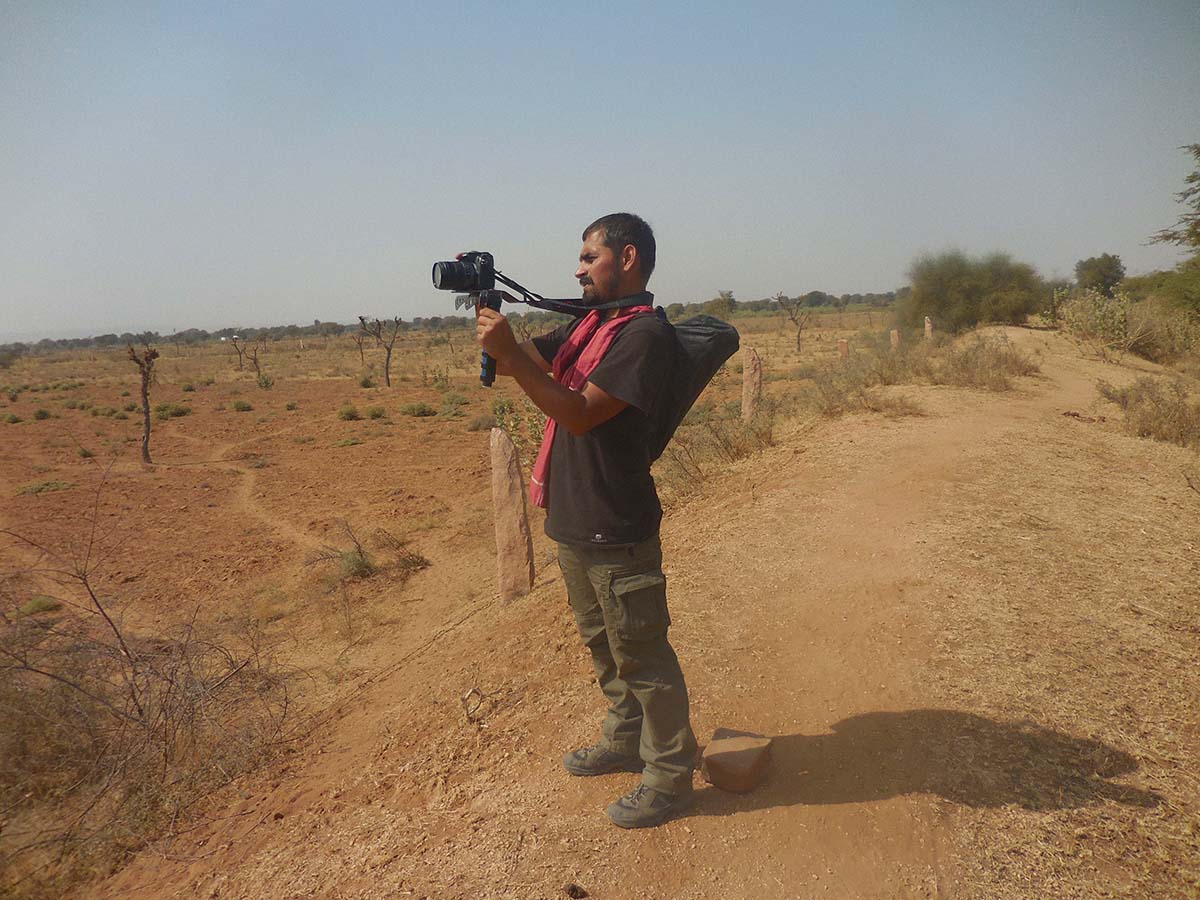


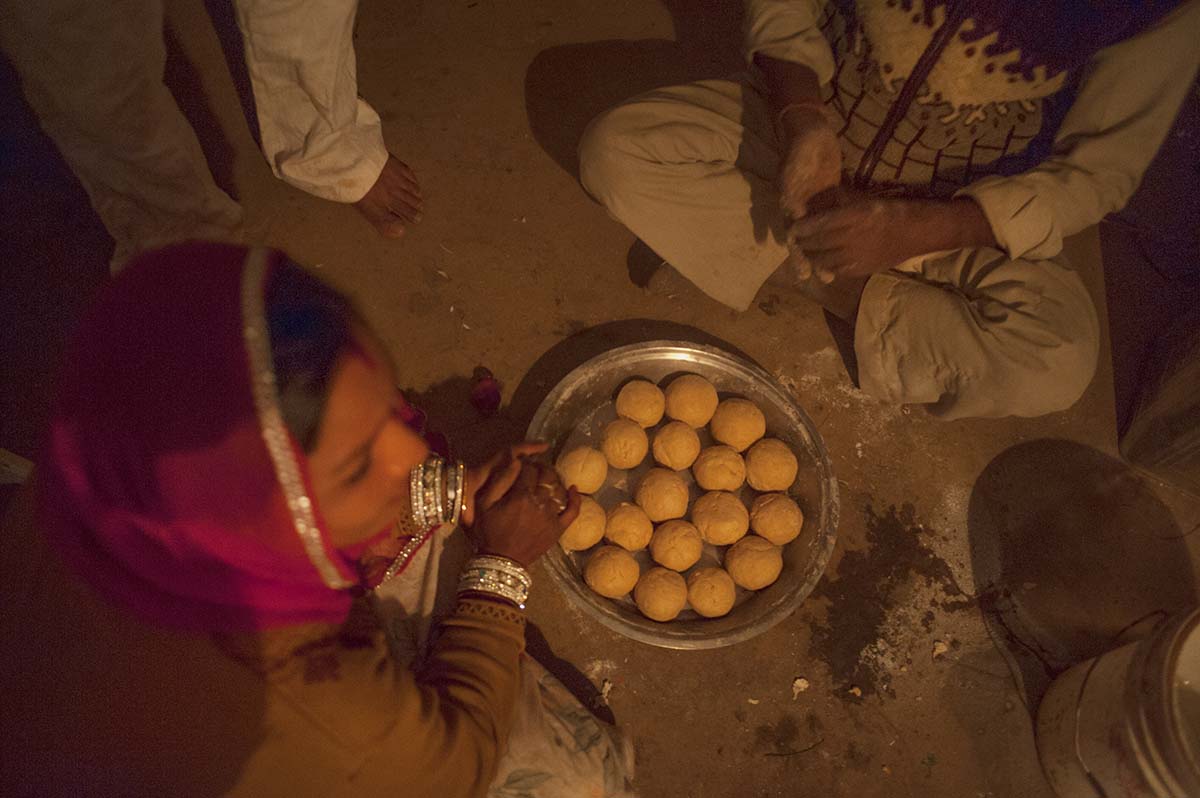

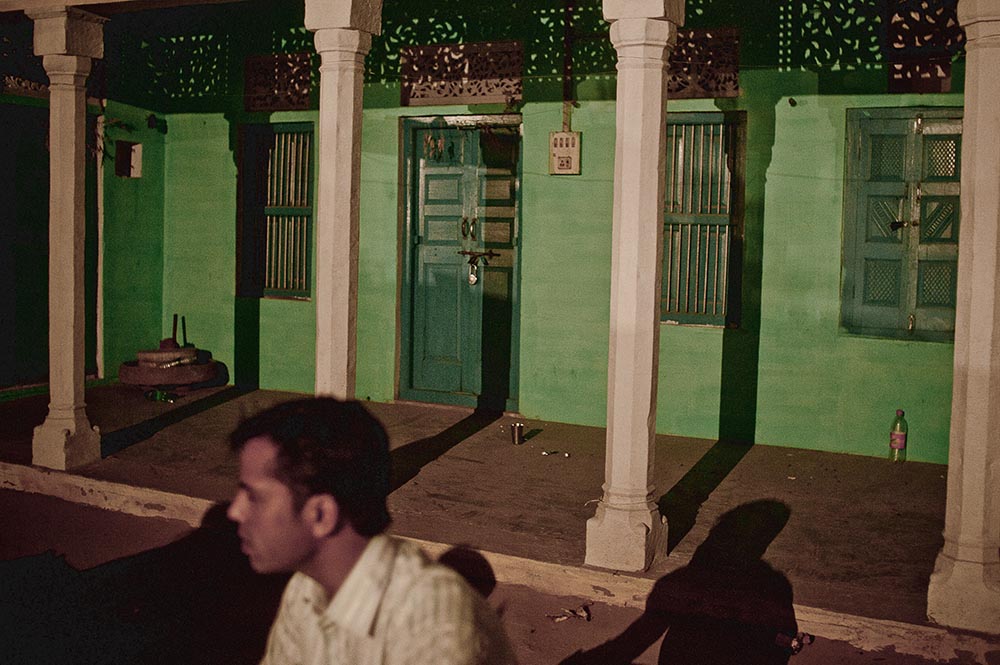

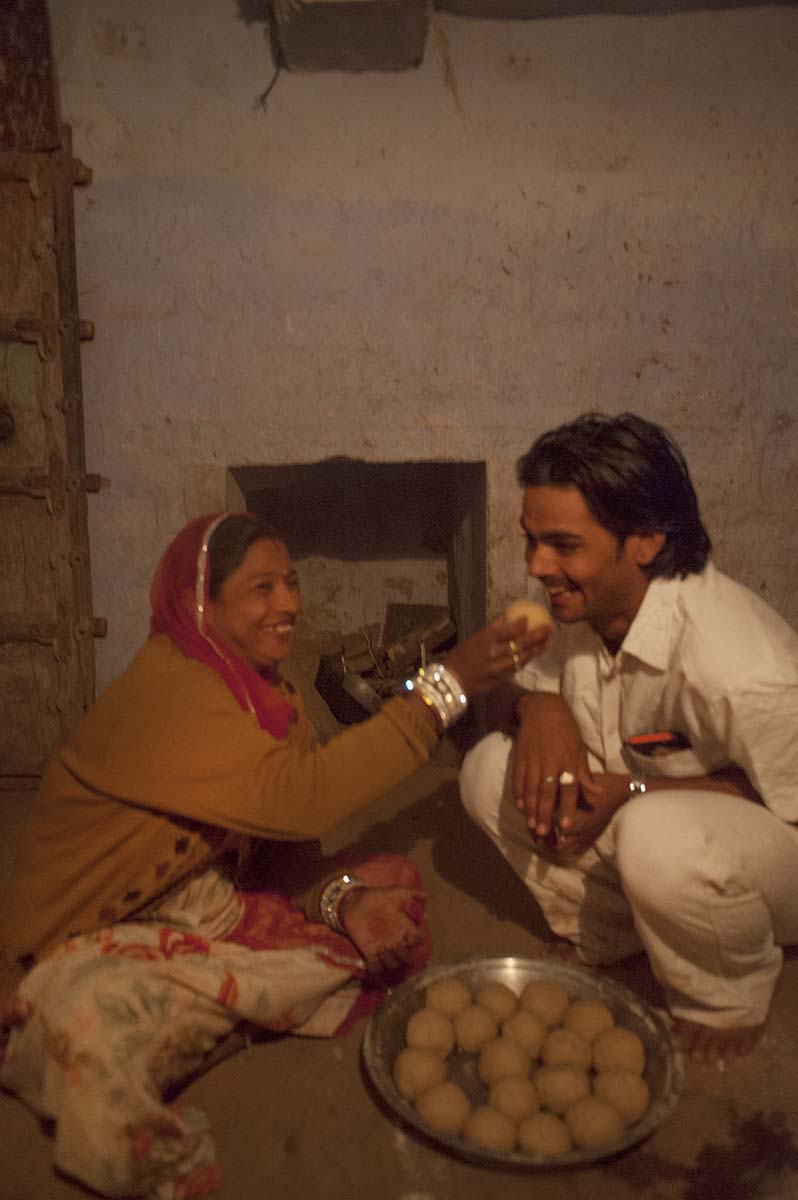


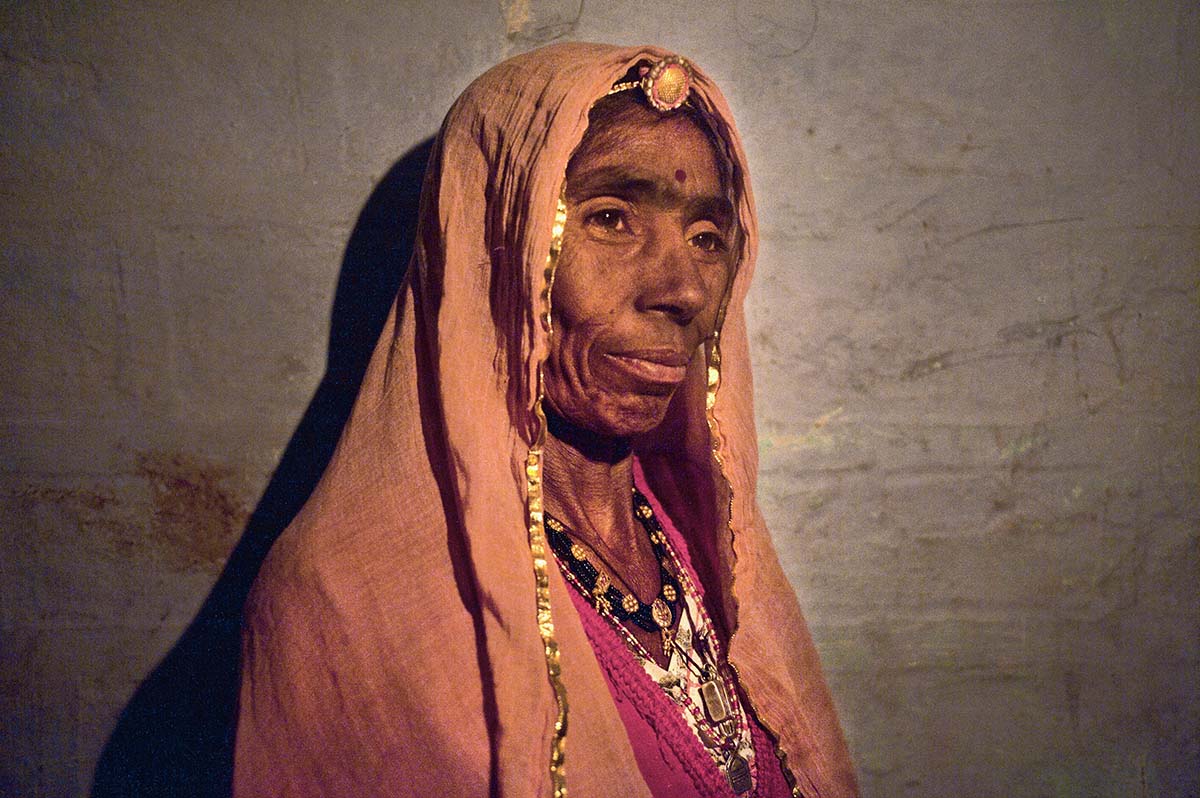

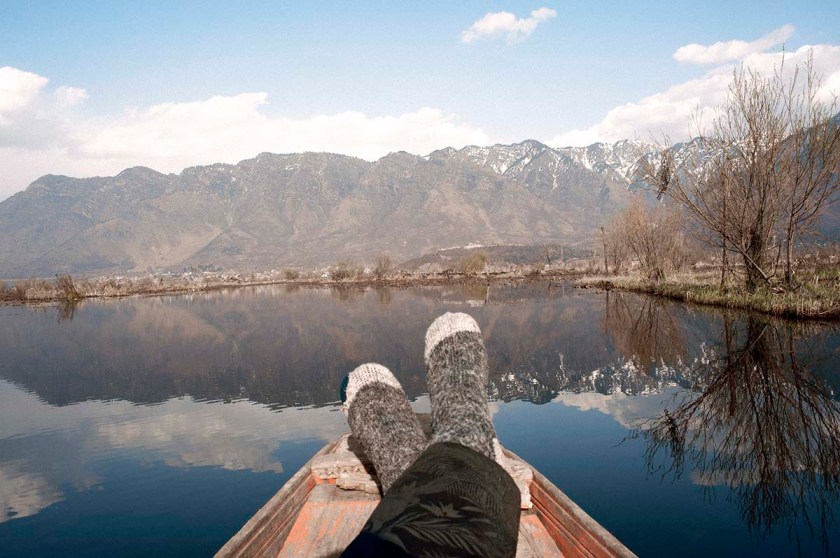


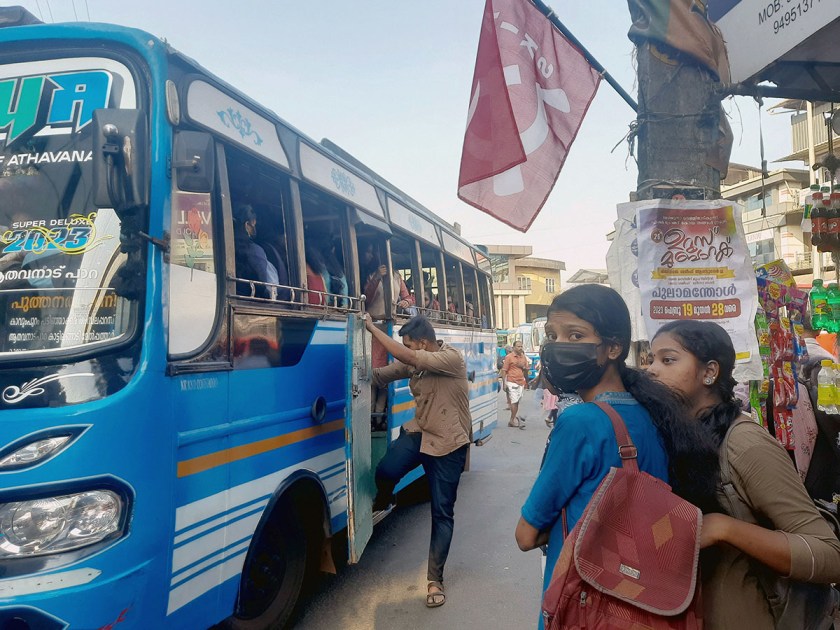

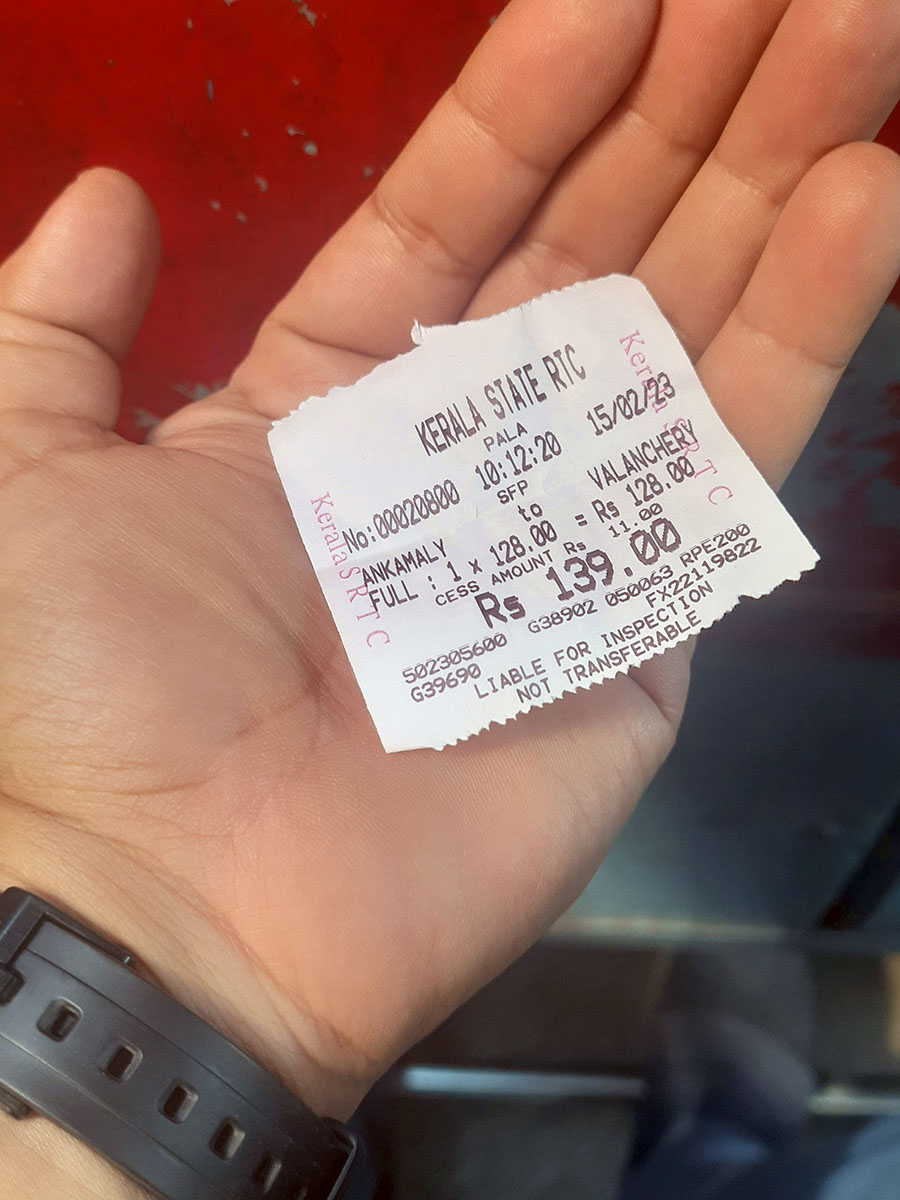





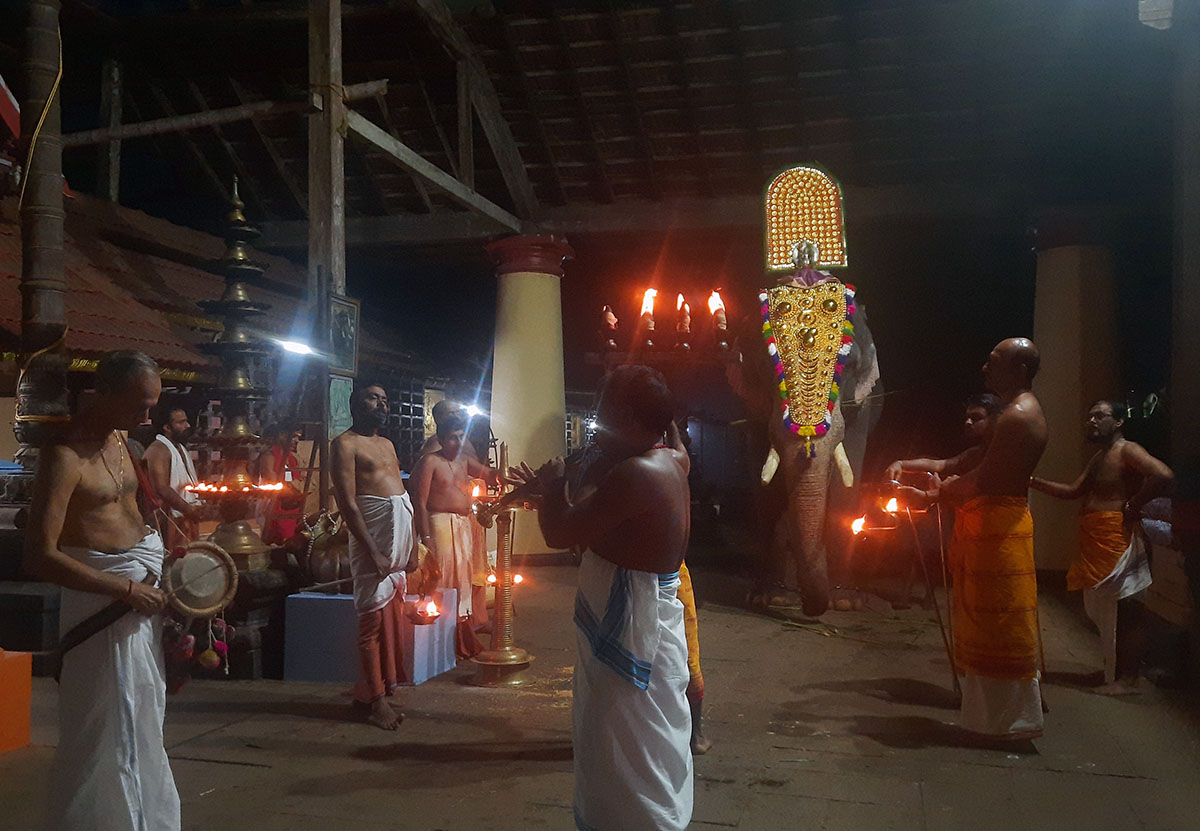

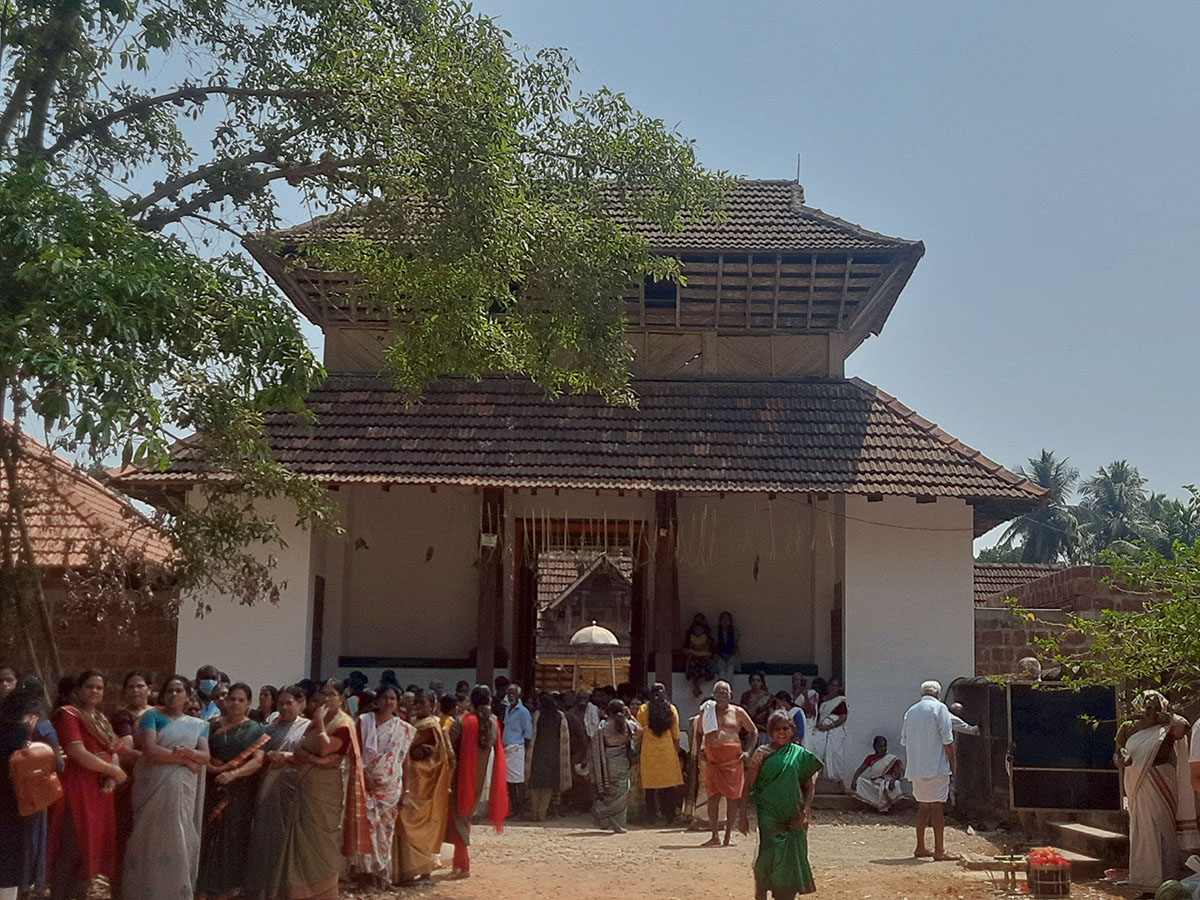


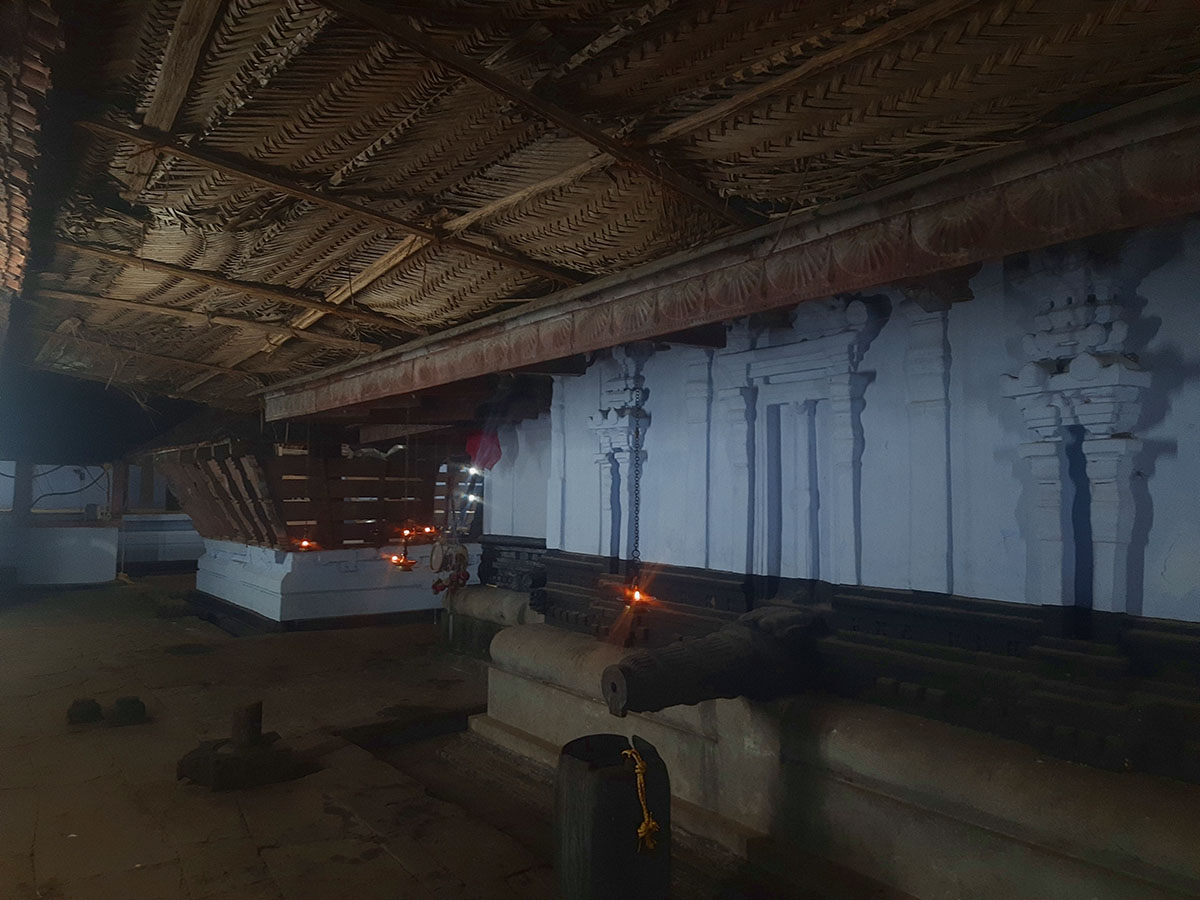

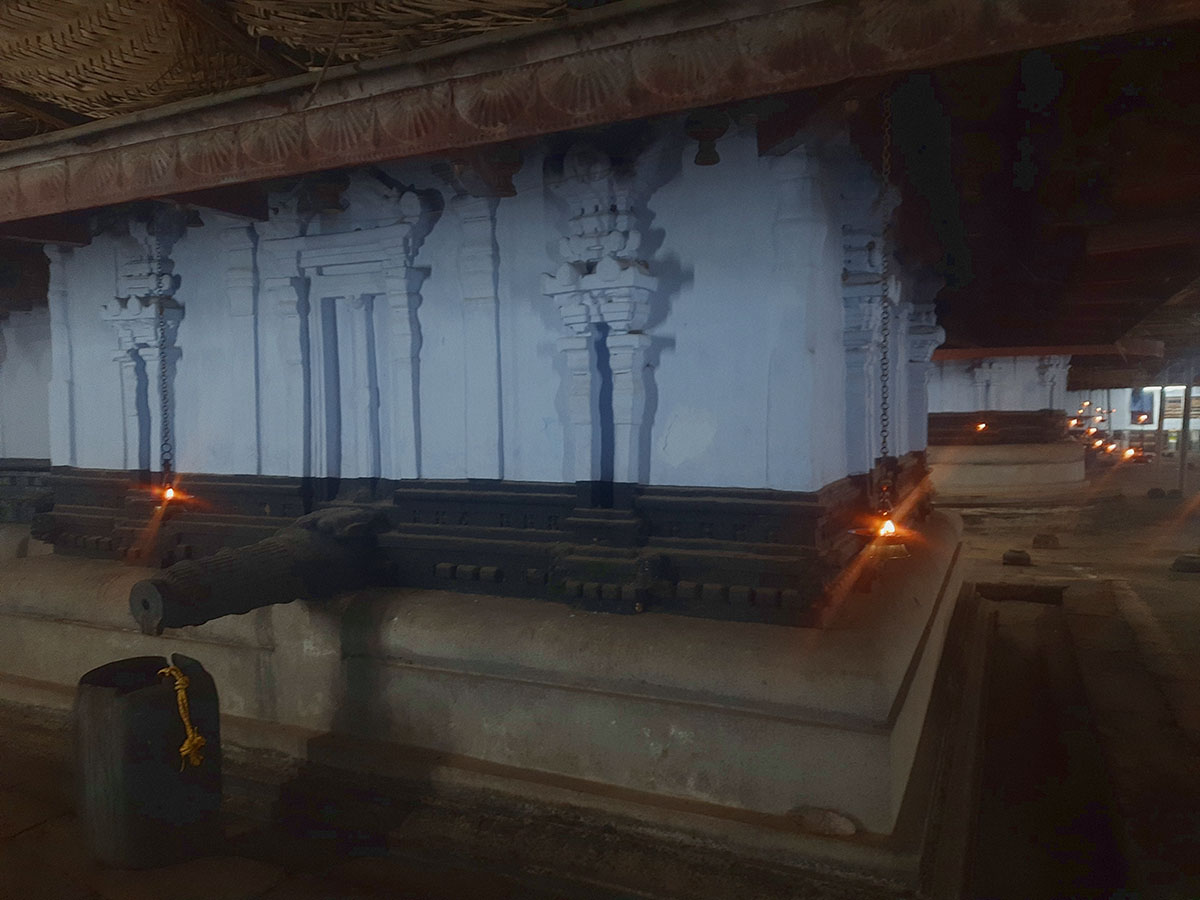








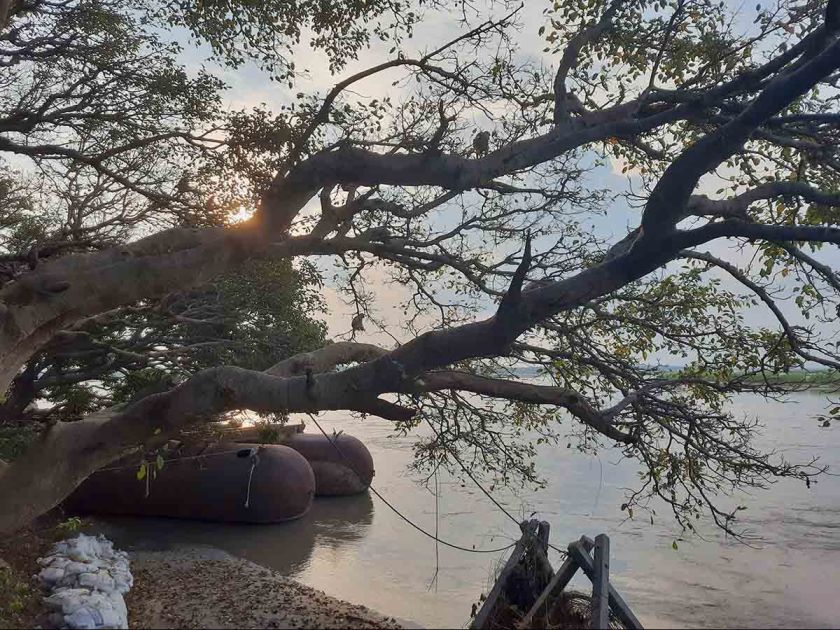


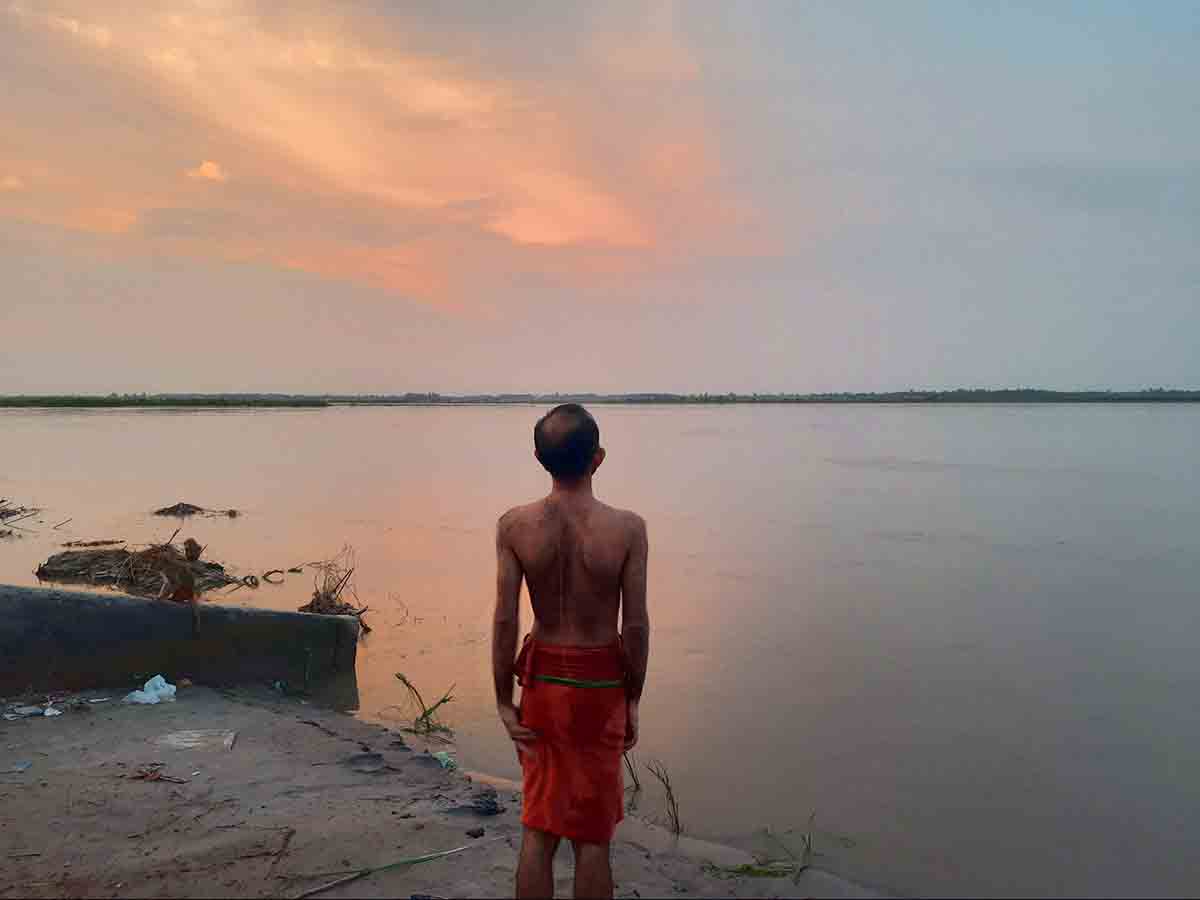
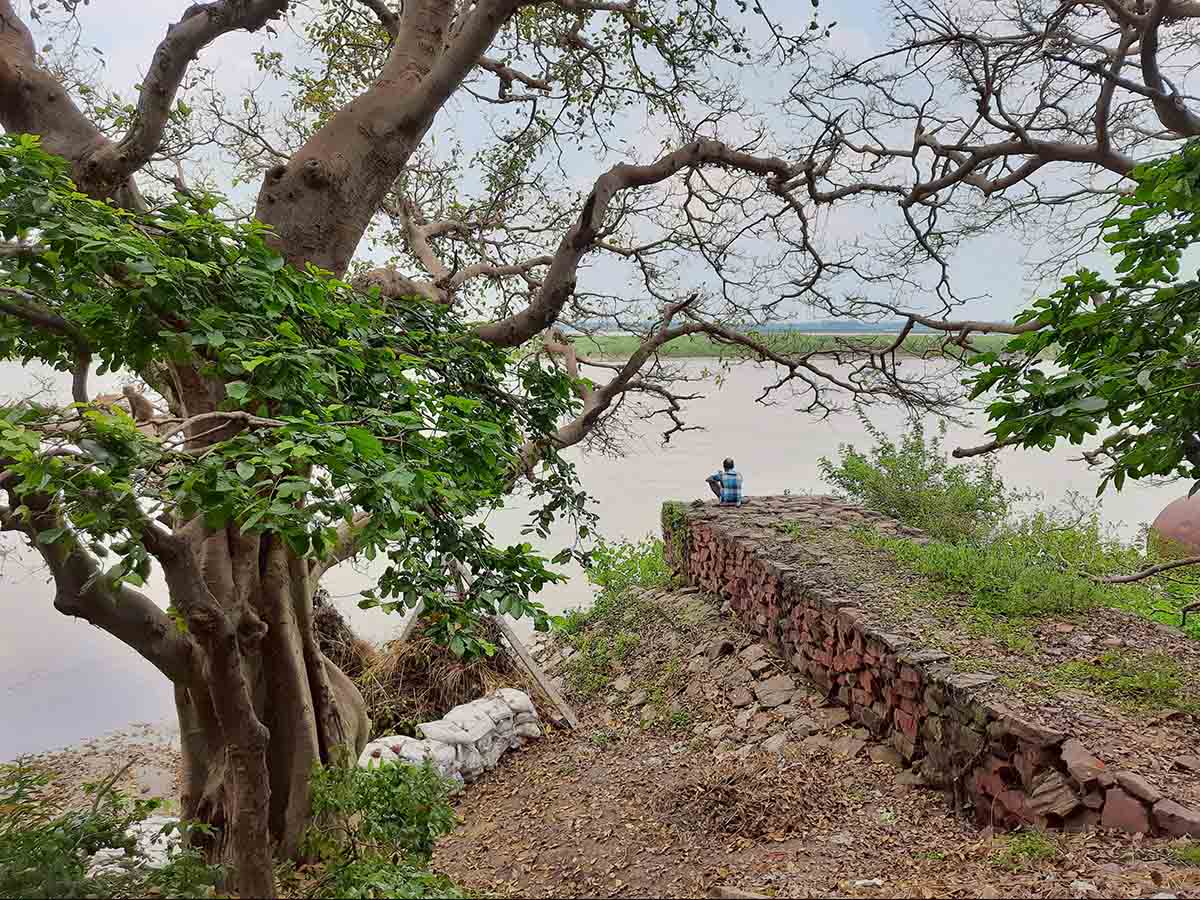



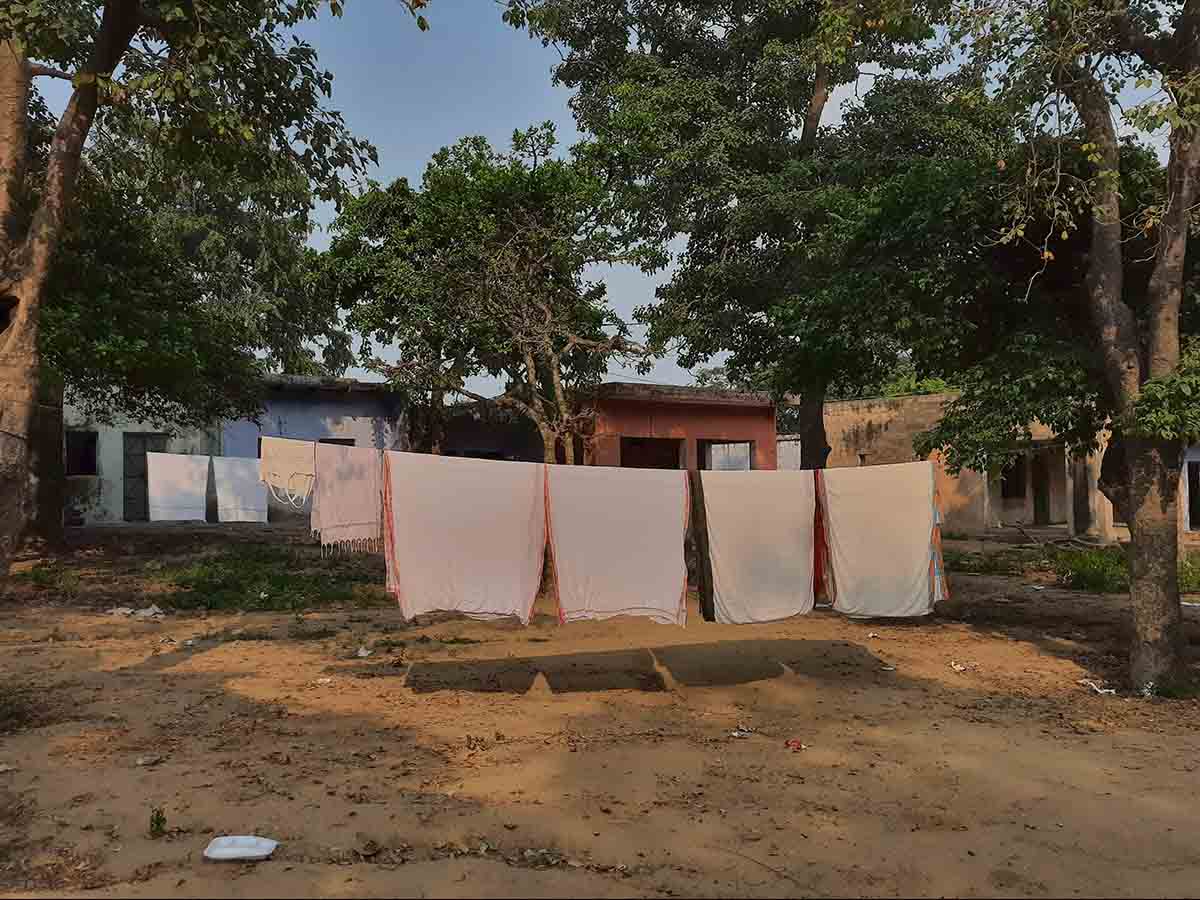


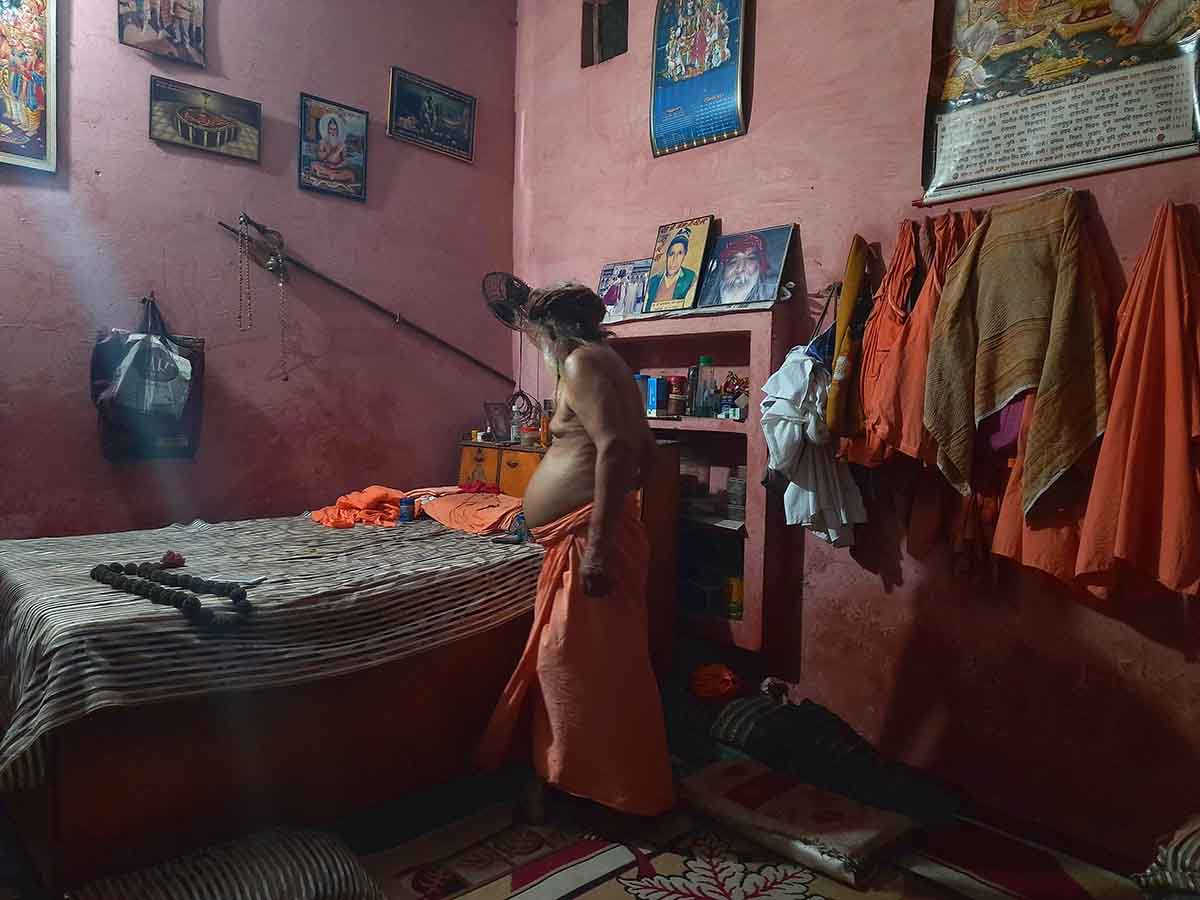




 ROAD TO NARA