Even after thinking about doing something daily, one ends up doing it, achieving it, finishing it only in the head. In the head is good, as it creates enough compound interest in head but it is not good enough.
I have had ups and downs, and have been away from home for some time. I was in Kashmir when article 370 was taken off. I was one of the last person to have trekked the majestic Amarnath ji this year. Without any plan or any inclination to have wanted to do it but surrendering to flow of life is such it takes you along on the paths, and you would enjoy. I fell in love with the harmony of the few people who walked along, some saints barefoot, and two without a leg who finished approximately sixty kilometres in as many days as I did. Food, sweets, tea, love and the name of shiva.
But the feeling was erratic even then. Tents, people were leaving a month before. And many had already left. The way was completely empty of any pilgrim coming from the other side. Probably that also made it count. It was quiet and you walked with your own self, slowly, quietly.
Phone lines and internet was called off a day after I arrived back home in Srinagar. I couldn’t get time to make any arrangements of leaving as it had become intense to stay over. It was a very vulnerable time in the valley and who knows what is going on even now. It took me nine more days to come out of the valley. I found a punjabi driver from Jammu early in the morning almost ready to leave. It was a beautiful morning over Dal. You could see clouds gathering over the ancient waters and over the Mahadev hill. The way back was as tense. We were stopped numerous times even before Banihal came, because on the other side, you would not imagine how many trucks, cadres, were filling in the valley. Testing time for a government who had just arrived three weeks ago and even before anyone could have blinked on something as mammoth an article as 370, which had probably made Kashmiri’s, laddakhis, Pandits, Punjabis as special and as vulnerable of their identity for all these decades after independence.
I had worked myself as a researcher and teacher in the border villages, in the most gruesome winters and thus have an idea of how the minds of local authorities work in contention and sometimes not in harmony with the army. How people can never almost challenge the claims and information that these authorities gather.
Things are bound to change.
I am sitting in a mud room in the outskirts of Laddakh. Writing after so long on my blog even though I wrote it daily in my head. I hope I present myself daily. Because this blog is not for me. This is for you. And if you are reading this right now, you may let me know.
Two weeks have passed. Two weeks are to come. The nights have become colder. Laddakh has been very kind. It’s the land of awakening. I came here in 2007 on my bike when rivers still went through roads. And somebody then had told me the full form of Leh that I took seriously then but I have never forgotten it. Life Ends Here. Or it starts again.
I am working on my first photo book here. On the work that I did in Cambodia. I will share more news soon but before all that comes out, I will be hitting the road again. May be to Zanskar, or may be to meet my children again to the village I taught 8 years ago.
Starless night
winter
Old Donkey
barking
at the new comer
To zojila, to Leh, to Hanle, to tso moreri, to i don’t know what pass that came after hundred’s of horses ran to take left, we took towards sky- a concrete river bed on top of a conical mountain which went all afternoon. Many called it a road. Through a broken bridge, through the ditches connecting another ditch on the Yoga day. While laughing at others. While laughing atourselves. While stopping before every loop to the mountain up. The dancing carrier. The nostalgia of the petrol fumes over six days. As every bicycle left us behind. Our omni made it across the Rohtang. But always carry two people to push it through. We needed many only once.
Not publishing for nearly six months was not planned. It wasn’t supposed to be like this. Also not supposed to be was my dear elder brother’s untimely, unfortunate death on 14th September last year. Four days before my birthday, and four weeks earlier, his. But who knew even from here things were only going to get worse.
The Grand Chariot of Gokarna
Two weeks later another cousin brother died after prolonged illness that shook the family’s environment and a sense of safety. That we have time. That matter of fact talks on getting together to build something someday. That we can rely and rest leisurely to wait for the time to come. Seeing Deaths closely, of the ones you played your favorite sports with certainly retunes your sense of reality, your environment and meaning. It redirects you to the present moment. That some day we will do it, is such a farce.
My father keeps repeating one sentence and it often comes whenever he has seen me struggling that, ‘Hard Work never goes unrewarded. Ever since childhood, I felt an innate need to learn to swim. Not that anybody in my family could. Still can’t. They cannot enter water without knowing its depth. But it’s never about others. Swimming came to me like there was no other option. Learning just arrived. And I learnt it early. Even though I was never passionate about it, neither did I take it seriously. It was just that I would not drown. Rather, knowing it made me enjoy water better. That I found freedom in not becoming stone-like in deep waters. And in years to come it led me to swim in innumerable rivers and above all my favourite, not the Ganges but Dal that goes to Jhelum- the Vitasta, in Kashmir where I lived one season of my life.
Last year was a strange mix of stillness and flow with mounting vulnerability in the last part of the year. But the most striking thing that arrived was college. Going back to the university and finding myself in the midst of Special Educators was kind and quietly motivating. I wasn’t an Anthropologist or a Photographer anymore. Like seeking students I sat in classes filled with laughter and elsewhere-looking. Exams felt like a hard grind, like staring at a snake being cooked for over two months and its preparation was another trauma of smelling it on dim sim. Even though reading to memorize and sitting/writing for 3 straight hours wasn’t that bad. I enjoyed the challenge; acquiring new vocabulary, getting to know special children is special in a different way. I was writing and writing more, learning a bit of sign language, connecting with a lot of brave hearts in parents and their special Souls. But this period, though, helped me focus on only certain things. It kept me away from writing in general or even thinking of exploring any other space than my own self.
Yet early last year, couple of months before the exams on the sacred night of Shiva, I was called to Gokarna, again after 8 years. Gokarna, also known as Dakshin Kashi i.e. Varanasi of the South. Ancients have written about Gokarna as a place that is kind of a faster route to liberation than Varanasi is. Not only because there is the mighty Mahabaleshwara Temple that contains the atmalinga but also because it was a Tapo bhoomi where rituals were happening already. Ravana and lord Ram, had both stood here in different timelines. Kotiteerth i.e the highest place that houses the holy waters of all the teerthas around. And then there is the most beautiful and violent Rudrapada Sea also known as the Arabian Sea.
The Rudrapada-Arabian Sea at Gokarna
Gokarna has been my secret sacred space for over a decade now. It’s hard to reach and harder to leave. To say the least, I owe a lot of gratitude towards my spiritual practices that I could become available to, here. The people I met here and the time I got to hone and build some deep routines, happened in Gokarna. But like Varanasi, Gokarna is not easy on people who like to Gravitate elements. As we know, going fast has its own risks. Every visit of mine has had an experience that threatened my self-respect, even identity but this time after all these years and more so after being married, it almost took my life. And I still cannot decipher that event. On the darkest day of the Panchang, I found myself drowning in the sea. It happened so casually that I could not believe that I was swimming for my life. All these years later I was starting to believe that it was this day nature had prepared me for. As I swam for over an hour trying to push my way back towards the shore, the more I tried, the more I kept moving away from the coast, moving my legs, fighting for survival, looking at people moving away, busy playing their mud games, unaware of me desperately trying to be active and instinctive but submerging, sinking every passing second. And I do not know how, something was granted, as the sea deity bought time from me, or so I believe.
The above paragraphs were ready to be published on the blog in October but the home was jolted again, my eldest sister too left her body on the last day of that month. Partially from a sudden health cause and wholly from the grief that she could not contain since the death of our brother in September. It was the lowest I saw a family could get, at a loss for words, reason or hope. There was nothing to be done. And I left doing anything altogether until it would come back on its own.
Updating the Blog
To tell you, writing here for the last 6 years has given me immense pleasure and insight. Even love. There is no denying and no doubt in my mind that it has been the most fulfilling thing I have invested my time to, this decade. Not because I wrote more here than I did anywhere else but all along I have felt one with it, with this community which could be the best thing that can happen to a writer.
Another strange but elevating thing that occurred apart from me not present here was an enormous hike in readership. Each year since 2020, Road to Nara could never amass more than 30k-35k annually but in the last 6-7 months it blossomed into one of the most read blogs as it skyrocketed to nearly a million views and over a hundred thousand in the first two months already this. Of course, it’s motivating but then motivation doesn’t last too long. But it also gives me a window to peek inside my own archive, and ask what worked?
Sharing with you the 7 Most Read Stories that each went on to have a readership of over 20k-30k views.
Today, as I look back to move forward, I seriously do not know how this space is going to shape or lead me as I am still too human to not be shaken by happenings that kind of turned the tide last year. May be you, my readers have something to suggest but One thing that I know is that I still want to write. I want to run and I still love my land and her people; the Himalayas.
The Gudi Padwa at Rudrapada Village, Gokarna
In the coming time, Road To Nara- the blog name will be updated to ‘Road To Narayan’, as this vagabond travelling avatar that you have loved and read has entered another phase of his life. That Nara was only the waters but ‘Narayan’ is the way of the water. There is a meaning, and there is a direction to these Travels, to this life. I am blessed with a baby who is like hanuman at its very core. I am a father now. Wow, I never knew I would be writing this but so are the ways of nature, and it is she-the divine mother who is leading, not me. I am merely at her service.
Yet I feel once I am done with my college this year, Yog and writing will take all my time that they must. In the meantime I have slowly started posting short videos/films on the video channel of this blog and since it’s still very early I will be giving more time to expand it.
Happy to have published this finally, finally.
And a Very Happy and Auspicious, Colourful Holi to you.
: ँ :
Thank you
If today is the first time you arrived on The Road To Nara, you are heartily welcome ~ Namaste
You can buy the prints, choosing from the site. They made decorate your Office, your homes and here they can help Children at My Little School
: ँ :
ROAD TO NARA is an Ethnographic Blog of History, Stories of Culture, Art, People, Rivers, Folk, Mysticism, Meditation, Mountains, Trees and Tantra Yoga- Science of Ancient India and the Indigenous World that brings World’s Most Important Stories to your mailbox.
Do subscribe to Nature: ROAD TO NARA
Type your email-Subscribe to Nature
SUBSCRIBE
Join 9,070 other subscribers
: ँ :
I will take this opportunity to introduce you to About me and importantly
Folktales are Oral stories that are passed down by the elders to the younger generation. For centuries, folktales have been a crucial medium for preserving cultural traditions and teaching the youth to understand the world around them.
A Folktale from Uttar Pradesh
A poor Brahman grew sick of being poor and set out on a pilgrimage to Kashi, the holy city. After walking many miles in the sun, he stopped in a shady grove to rest and eat the stale rice he had packed himself for the journey. As he squatted under a tree to answer the call of nature, he was startled by a deep unearthly voice that said, ‘Don’t.’ He quickly got up and looked about him for the source of the voice. He could see no one around. He then walked to a nearby pond to rinse his mouth when again he heard the voice say, ‘Don’t!.’ This time he went ahead and rinsed his mouth, not heeding the warning but when he unpacked his little packet of rice and sat down to eat, he heard it again ‘Don’t!’ He ignored it and ate his meal, but when he got ready to leave the grove, the voice said, ‘Don’t go!’ The Brahman stopped and looked around. He saw no one. So he called out, ‘who are you? Why are you making all these noises and stopping me to do anything?’
‘Look above your head and you will see me, ‘the voice said from somewhere above. When he looked up, he saw perched on a tree a brahmarakshasa, a demon who was once a Brahman.
Then the demon told him his sad story: in my previous life I was born into a Brahman family and was a great expert in the art of music. I spent my whole life hoarding my knowledge and never shared it or taught it to anyone. That’s why I have become a demon. That’s god’s punishment. If you turn around you will see a little temple. In that temple, a piper plays all day in the most atrocious manner, always out of tune. It’s torture to me; it’s like pouring hot Molten lead in my ears. I cannot bear it. Every wrong note goes through me like an arrow. My whole body is sore; it feels like a sieve full of holes drilled by that dreadful noise. If this goes on any longer, I will go Stark mad and do terrible things. Being a Demon, I can’t even kill myself. I am bound to this tree. Oh good Brahman, I beg of you, please transport me somehow to the next Grove where I can enjoy some peace. You will also release some of my own powers. You will earn great merit if you help a poor Demon, who was once a Brahman like you.
The poor Brahman’s heart went out to the Demon. But poverty had made him cunning. He replied, alright, I am prepared to move you to the next grove, as you wish. But what’s in it for me? Will you do something for me in return?
The Demon said, of course, I will do you a good turn. Do this for me now. The Brahman carried the Demon on his back to another Grove, far away from the temple, and let him purge on a big tree there. The demon was relieved and happy; he had also recovered some of his old powers through this move. He blessed the Brahman and said, I know you are poor and feeling wretched. Do as I tell you and you will never be poor again. I will go now and possess the princess of Mysore. Her father, the king will summon all sorts of magicians to rid her of me, but I won’t budge. I will leave only when you arrive. The king will be pleased that you chased away the Demon that afflicted his daughter and he will give you enough wealth to last you a lifetime. But I will do this on one condition: if I go and possess anyone else, you must not interfere. If you come anywhere near me, then I will kill you.
The Brahman travelled on to Kashi, bathed in the Holy River, visited the temple, and as he was returning home, he remembered what the Demon had said. So, with great difficulty, he reached Mysore and went to stay with an old woman who took in paying guests. When he asked her casually what was new in town, she told him: a Demon has possessed our king’s daughter, and no magician has been able to drive it out. The king has announced that he will give lots of money to anyone who drives out the demon possesses his daughter.
When the Brahman heard this, he knew at once that his good times had begun. He went to the palace and Sent word to the king that he had the power to drive the Demon away and cure the princess of the affliction. No one believed that this little Brahman could do anything of the sort. Half heartedly, the king agreed to try the Brahman‘s method.
As soon as he was taken to the Princess’s Quarters, he asked everyone to leave him alone with the patient. Once they left the room, the Demon began to speak through the princess: I have been waiting for you all these days. I will leave now, as I promised. But don’t forget what I told you the last time we met. If you come anywhere near where I am going now, I will kill you.
Then, with a great big noise, the Demon, who was once a Brahman left the body of the princess and disappeared. Everyone in the palace was overjoyed to see that the princess was herself again. The king gave the Brahman lots of money and several villages as part of the reward. Then the Brahman found suitable bride in town, got married and lived happily with a growing family.
The Demon who left the Mysore Princess flew straight to Kerala and possessed the princess of Travancore. The king of Travancore tried every method, magical, and otherwise, to rid his daughter of the Demon that possessed her. It was all in vain. One day, someone told him about the clever Brahman who lived in Mysore and how he had been able to rid the Mysore Princess of a similar Demon who had possessed her. So he sent a letter to the king of Mysore and said that he would suitably reward the Brahman if he would help rid his daughter of the obstinate Demon.
The king of Mysore invited the Brahman to his Palace and ordered him to go visit his friend, the king of Travancore and see what he could do for the princess there. The Brahman was terrified at the prospect of meeting them again. Yet he could not disobey Royal orders. Neither could he face the prospect of the Demon’s murderous wrath by interfering with his present possession. After thinking, long and hard, he made the necessary arrangements to take care of his wife and children. In case something should happen to him, and journeyed to Travancore. Once he got there, out of sheer terror, he Malingered and pretended to be sick, and never left his quarters for two whole months. But he couldn’t Malinger forever. He had to face the task of driving out the Demon, who was afflicting the princess.
Once he decided to face his mission, he took his courage in both hands, prayed to God to protect him from danger, presented himself at the palace, and asked to be lead to the princess’s chamber. As soon as the Demon saw him, he screamed, I will kill you, I will tear you to pieces! You had no business coming here! And rushed towards the Brahman with an iron bar in his hand.
The Brahman had, after all, come there after giving up all hope of surviving this encounter. With a courage born of desperation, he used his wits and said quietly, look here, you ugly Demon, will you do as I say now and leave at once, or would you like me to bring that piper from the temple? He will gladly play his atrocious music night and day here in this Palace.
As soon as he heard the mention of the dreaded piper, the Demon, who was once a Brahman, that music-loving monster, cried aloud in pain, no, no! Don’t bring him anywhere near me! Here I go!
And, with a huge noise, he left the princess and disappeared. The princess of Travancore recovered quickly from the ill-effects of that horrible possession. The king was enormously pleased with the Brahman’s work and gave him so much money that he must still be counting it.
: ँ :
Thank you
If today is the first time you arrived on The Road To Nara, you are heartily welcome ~ Namaste
You can buy the prints, choosing from the site. They made decorate your Office, your homes and here they can help Children at My Little School
: ँ :
ROAD TO NARA is an Ethnographic Blog of History, Stories of Culture, Art, People, Rivers, Folk, Mysticism, Meditation, Mountains, Trees and Tantra Yoga- Science of Ancient India and the Indigenous World that brings World’s Most Important Stories to your mailbox.
Do subscribe to Nature: ROAD TO NARA
Type your email-Subscribe to Nature
SUBSCRIBE
Join 6,070 other subscribers
: ँ :
I will take this opportunity to introduce you to About me and importantly
Featured Image : By no means my dear friend Sumanto in the mirror is any demon, justthat i have been missing him lately. Just that this image was taken at a Homestay which is closer to Travancore, Trivandrum of today, earlier this year.
Folktales are Oral stories that are passed down by the elders to the younger generation. For centuries, folktales have been a crucial medium for preserving cultural traditions and teaching the youth to understand the world around them.
A Folktale from Andhra Pradesh
One day, a guru foresaw in a flash of vision what he would be in his next life. So he called his favourite disciple and asked him what he would do for his guru un return for all he had received. The disciple said he would do whatever his guru asked him to do.
Having received this promise, the guru said, ‘Then this is what I would like you to do for me. I have just learned that when I die, which will be very soon, i am going to be reborn as a pig. Do you see that sow eating garbage there in the yard? I am going to be reborn as the fourth piglet of its next litter. You will recognise me by a mark on my brow. When that sow has littered, find the fourth piglet with a mark on its brow and with one stroke of your knife, slaughter it. I will then ne released from a pig’s life. Will you do this for me?’
The disciple was sad to hear all this, but he agreed to do as he promised.
Soon after this conversation, the guru did die. And the sow did have a litter of four little pigs. One day, the disciple sharpened his knife and picked out the fourth little pigs, which did indeed have a mark on its brow. Just as he was about to bring down his knife to slit its throat, the little pip suddenly spoke. ‘Stop! Don’t kill me!’ It screamed.
Before the disciple could recover from the shock of hearing the little pig speak in a human voice, it said, ‘Don’t kill me. I want to live on as a pig. Week ago, when I asked you to dispatch me, I didn’t know what a pig’s life would be like. It’s great. Just let me go.’
: ँ :
Thank you
If today is the first time you arrived on The Road To Nara, you are heartily welcome ~ Namaste
You can buy the prints, choosing from the site. They made decorate your Office, your homes and here they can help Children at My Little School
: ँ :
ROAD TO NARA is an Ethnographic Blog of History, Stories of Culture, Art, People, Rivers, Folk, Mysticism, Meditation, Mountains, Trees and Tantra Yoga- Science of Ancient India and the Indigenous World that brings World’s Most Important Stories to your mailbox.
Do subscribe to Nature: ROAD TO NARA
Type your email-Subscribe to Nature
SUBSCRIBE
Join 6,061 other subscribers
: ँ :
I will take this opportunity to introduce you to About me and importantly
To come to Almora earlier this year even surprised me. It wasn’t planned neither i was travelling in its direction yet all kept happening wherever Maharaj Ji moved.
Maharaj ji had come to India after 6 Years, for Mahakumbh in Prayagraj. And after a short sojourn across the country, he was staying at a Gurukul in Udaipur. The place I got initiated into Yantra Sadhna all those years ago. Apart from innumerable things, Rajasthan is known for its baking Summers and coolest nights, ones that come after touching 50 degrees Celsius the same day. Maharaj ji arrived here thinking he would only be here for a week but time kept him here, stretching days like a chewing gum turning into two months when on a whim he decided to leave Rajasthan for the Himalayas, before he could go back to his Ashram in France.
We left Udaipur after paying our respects to Mataji, students, teachers and all the caretakers. Vishwa Ji had arrived from Karnataka in time and we all started for a long journey to Kasar Devi. It took two road days and around 1000 kilometres. The air kept changing from muggy to hot to polluted in Delhi to cold by the time we reached Vishwa’s home in Almora. But coming back to Almora is not like it must have been during the times when Vivekananda and so many other masters were visiting. It is too fast and now too big for finding peace. Yet there are hamlets of joy, here and there. Hence for me, the feeling was similar. Just how I had left it few years ago.
After spending a day walking in the jungles with Maharaj Ji, It was at this time when I decided to visit some of the places that I had heard about but could never visit even in my previous visits to Almora.
This time even though I wasn’t very excited somehow because of Work and also the pressure of going back to college and studies, I did take out a day to visit Jageshwar. Yet as I moved, I was stopped by the remarkable Lakhudiyar Caves and later my intuition took me towards a temple I did not know even existed yet it became the highlight of my travels. Sharing the YouTube video of my time at the legendary Vridh Jageshwar Temple.
Vridh Jageshwar, Vridh(Old) and Jageshwar(the awakened one) is a temple founded by Shankaracharya in 7th Century AD. Yet it is said that Lord Shiv is being worshipped a lot before Shankara arrived there. It’s a beautifully kept Stone built Old temple where Shiva sat meditating for Vishnu, hence both the Lingams and Shaligram are kept side by side.
I was fortunate to film some of my expressions as of the locals during these travels and I had posted a new video on your ROAD To NARA’s YouTube Channel.
Do visit and share how you like the video and be kind to your co-traveller : Subscribe it.
Vridh Jageshwar
: ँ :
Thank you
If today is the first time you arrived on The Road To Nara, you are heartily welcome ~ Namaste
You can buy the prints, choosing from the site. They made decorate your Office, your homes and here they can help Children at My Little School
: ँ :
ROAD TO NARA is an Ethnographic Blog of History, Stories of Culture, Art, People, Rivers, Folk, Mysticism, Meditation, Mountains, Trees and Tantra Yoga- Science of Ancient India and the Indigenous World that brings World’s Most Important Stories to your mailbox.
Do subscribe to Nature: ROAD TO NARA
Type your email-Subscribe to Nature
SUBSCRIBE
Join 6,060 other subscribers
: ँ :
I will take this opportunity to introduce you to About me and importantly
An old widow has an only son and he is night-blind. She somehow gets married to a nice girl from a good family. They manage to keep his night-blindness a secret from his in-laws. But how long can you keep such a secret?
He is invited to visit his in-laws for the first time to celebrate Dipavali, the festival of lights. His mother is nervous about the visit and warns him, ‘Be careful. You can’t see a thing after dark. So don’t move around too much after nightfall. Travel only during the day and stay there only one night.’
He wants to reach his in-laws’ place before it gets dark, so he walks as fast as his legs will take him. But by the time he reaches the outskirts of the village, it is already evening, and his vision is getting quite dim. He remembers what his mother said and finds a place to sit down. Unfortunately, the place he chooses happens to be a garbage dump for his in-laws’ household. Just then, his mother-in-law comes there with the day’s garbage and dumps it-right on his head, as she doesn’t see him at first, when he is startled, she recognises him. She is shocked. It is none other than her own esteemed son-in-law! New sons-in-law should be treated like gods, and what has she gone and done? She is terribly embarrased by what she has done, covers her face with her Sari, and runs back home. On the way she meets her ten-year-old son driving a buffalo home and says to him urgently, ‘Son, look here. Your brother-in-law has arrived, but for some reason he is sitting in our garbage dump. May be he had to relieve himself. I didn’t see him sitting there and i emptied my garbage on his head. He must be angry. Run now and bring him home, gently. He likes you.’
The boy also likes his new brother-in-law. He runs all the way, calling, ‘Brother-in-law, where are you?’ He finds him still sitting in the garbage.
‘Why are you sitting there? Come, let’s go home,’ he says, taking him by the hand. The son-in-law, though night blind, is quite smart. He says, I wasn’t just sitting there, kid. I was wondering how many cartloads of manure your garbage would make. You have enough there for an acre or two. ‘Then he affectionately puts his hand on the boy’s shoulder and goes with him. When he sees the buffaloes looming darkly towards him, he jumps and says, ‘Woy! What’s that?’
The boy says, these are our buffaloes. I had taken them out to graze.
Oh, they look big and healthy, says the son-in-law, holding onto the tail of one of the animals and letting himself to be led by it. As they are going along, the buffalo comes close to a hagevu, an open grain-pit. The son-in-law tumbles right into it. The boys says, what’s the matter? Can’t you see very well or what?
‘Oh no, i can see very well. I just wanted to see how deep your grain-pt is. I am getting one made at my place. Now give me a hand. There, that’s a good boy,’ says the son-in-law, clambering back to firm hand. For the rest of the way, he keeps close to the wall, groping along its length. The boy asks him, ‘Brother-in-law, why are you walking along the wall, holding onto it? Are your eyes no good?’
Che, che!what are you saying? I am just measuring how long your outer wall is. I am just curious.
Just when he reaches the outer door, he stumbles against the ram that is standing there and the ram butts him quite savagely. As he falls down, the boy gives the ram a blow, gives his brother-in-law a hand, and asks, ‘Didn’t you see the ram standing there?’
‘Oh i saw him alright. I liked his looks and thought of giving him a rubdown, but look what the beast did! Why have you taught him to butt strangers like that?’
It is night already and they all sit down to the night meal on the floor, with burnished plates set on little wooden platforms. The mother-in-law herself comes to serve them the various dishes, as this is a special occasion. As she is a well to do woman, she has all sorts of silver rings on her toes and anklets on her legs, and bangles and bracelets on her hands. All these ornaments make noise and her footsteps can be heard. The son-in-law is scared that the ram has come into the room somehow and will butt him again. Before he knows it, he has gotten hold of the wooden piece under his plate and swings it at what he thinks is the ram in front of him. It hits his mother-in-law, and she flees to the kitchen in panic. She thinks her son-in-law is furious at her for unloading all that garbage on his head earlier that evening. Others think he is angry because he really wants to have his own wife serve him, not his mother-in-law. Then his wife herself comes and serves the rest of the dishes.
Somehow they finish the meal, and everyone goes to bed. He and his wife are sleeping in a little room. His younger in-laws sleep in the verendah. In the middle of the night,, he feels like getting up to go and pee. He gets up somehow, and remembering what he can of the layout of the place, he cautiously gropes along, goes to the urinal, and tries to retrace his steps. But he loses his way back to the little room and instead strays into the room where his mother-in-law and father-in-law were sleeping. He puts his hand out and gropes for his wife’s form. His hands touch his mother-in-law’s feet. She is startled awake and cries out, who’s that?’
He says, it’s me, it’s me.’
She says, ‘why did you come here, at this hour?’
By now he has realized his mistake and saus, ‘oh, really nothing. I am sorry i hit you with that wooden piece when you were serving me food. I wanted to come and touch your feet and ask your forgiveness, that’s all. I did wrong. Please forgive me.
She feels acutely embarrased by her son-in-law’s words and says, ‘it’s all right/ please go back to your room and go to sleep.’
He doesn’t let go of her feet. He keeps saying, just forgive me, forgive me.
By this time, his wife is awake and listening to the goings-on. She thinks, ‘he went out to pee and now he’s gone to my mother’s bedroom and is asking for forgiveness. What will the neighbours think?
She gets up and comes to her motherly bed ad says to him, ‘Come back, lets talk about it in the morning, let’s go to sleep.’ She drags him out by the hand and leads him back to her bed.
The night soon comes to an end, and it dawns. He gets up early and says he is in a hurry. He has to go back to his village, as he has lots of work waiting for him. He bids good-bye to his wife and to his in-laws and begins his homeward journey, happy and proud that he got through it all with not one of them suspecting he is blind as a mole.
They say that this year it’ll not only rain but the skies are going to weep. Clouds arrived four weeks early. And they have mostly stayed. Even the universe knows, that the monsoon times most children are angry or show their displeasure. They are told to not go out as it will rain, yet many go and whirl even at the expense of catching cold. Because only they know that cold does not exist, what does breathe in them is the joy of dancing with nature’s music.
Few years ago, I travelled through Rural Bengal during the majestic Indian Monsoons. Being there it felt like my soul grew while only seeing the earth showing her abundance, her happiness. So many emotions churned within me then that I had to write a letter to a friend who sat far. Not to tell her as such, but to learn myself what was actually happening, to me.
Many years later as I read this letter, I am taken back again to that day, to those weeks of pure grace, of absolute beauty and abundance anywhere and everywhere I saw.
Clouds have arrived, I knew it ended right there with this photograph. I realised home is calling. Silda Football Ground Rain was never far behind. This happened to be that moment of my journey. Somehow this tree felt home away from home.
Dear M
Travels have not been too comfortable but it’s liberating to learn that i could come to West bengal at this time. Clouds don’t seem to be moving ahead but we are moving, and moving in circles. Fields are just too green everywhere, and roads connecting villages too red. Pond’s are over filled, and women, girls in them makes me feel at times, its worthless to get educated and get conscious of your knowledge. The only thing one has to learn is the language of the world that has no place for words in it. And yes the cows, goats, buffalos, swans, geese, ducks, hen and chickens are in plenty lazing around, sleeping, staring, fearing, grazing, walking, running on the road and off it. This part of the countryside has filled me with pride of some unknown sense or probably i am feeling just too free on this stretched journey after Bihar. Everything has been like an ongoing painting for me.
For the first time looking out at the landscape made me think of poems that i have not written. No painting or a photograph will fill the feeling of how i felt at that particular moment when i saw many a long haired santhali woman together bathing in the country side pond behind the palm trees. As I rode my bicycle i kept trying to look back at her, but i couldn’t as that one tree kept coming between us. As it stood with its mammoth bark, the world moved inside me. I cycled. Soon came another pond where i saw another two women, walking in tandem carrying filled earthen pots on their heads to home. Daily routine. Yet I realised in that moment, them taking water from the source to their home is so important for the whole universe to keep moving, form changing with each forward step like life moving, slowly becoming many things from one big entity. So important for those earthen pots to be used. For the water to go in various houses, different blood streams, yet becoming one. Everything is present and its not, everything is true yet it is not. That moment I just wanted to stand and see nature, to drink everything that wanted to work through me.
Dear M, I should talk about it and not just write and i wont even write about all the people i met all this while like mama and her two little daughters in Bankura, it will take too long and this Airtel connection has not been too reliable off-late.
But you know M, every single body has been so gentle that it is melting me to even think of leaving my own land and settle here. Bangla has not been in anyway a hindrance not that i know it all, i don’t know it at all apart from a few sentences but my guide for past 26 days has become one of my best ever co-traveller. I feel i owe him a lot and nothing too. What i owe him is just the love i can give back to him.
But past two weeks we have been wandering in Naxalite area and I have felt a little change in how i am perceived. I even got in an argument one after other thrice, all because of this camera i carry. The third happened in the morning today when I wanted to photograph a snake crossing the street, and it irked one man out of many. Only because I might have looked different but acted like a local. But all ended in peace as Kaushal and others came forward in my defence considering my harmlessness after a point.
Well, now when you have told me about your job down there very far, I wonder when and how i can come and spend time with you. And well, i didn’t laugh at your dream.
Love from a little hut with many children running clothe-less, its raining.
Nara
: ँ :
Thank you
If today is the first time you have arrived on The Road To Nara, you are heartily welcome ~ Namaste
: ँ :
ROAD TO NARA is an Ethnographic Blog of History, Stories of Culture, Art, People, Rivers, Folk, Mysticism, Meditation, Mountains, Trees and Tantra Yoga- Science of Ancient India and the Indigenous World that brings World’s Most Important Stories to your mailbox.
Do subscribe to Nature: ROAD TO NARA
Subscribe to Nature
Type your email…
SUBSCRIBE
: ँ :
I will take this opportunity to introduce you to About me and importantly
On my way to Jageshwar Temple, at a curve I came across a board and behind it a big Rocky Mountain that pulled me to inspect it. Upon reading I was surprised to learn they were a Prehistoric Rock Shelter that had paintings and shapes of men and animals drawn by men of different period.
It was an amazing and compelling short visit that took me by surprise. I filmed and posted it on Road To Nara YouTube channel this week. It’s my second video and slowly I shall find my rhythm to post more frequently there. Also there is a ‘caption option’ as I am creating these videos in Hindi(majorly) + English = ‘Hinglish’ as we call it, for anyone who is living anywhere outside Indian Subcontinent.
If you haven’t yet come over to the channel, please find it as an invite and be kind to subscribe it. I will make sure you have as good a journey there as you have had on this blog.
Sharing some images of that day and a link to the video.
Me inspecting with my special device, in front of the legendary Lakhudiyar Caves. Some paintings and shapes that took me to another worldEntrance to the Lakhudiyar CavesSome Cows, Nilgai that I could decipher on that day
: ँ :
Thank you
If today is the first time you arrived on The Road To Nara, you are heartily welcome ~ Namaste
You can buy the prints, choosing from the site. They made decorate your Office, your homes and here they can help Children at My Little School
: ँ :
ROAD TO NARA is an Ethnographic Blog of History, Stories of Culture, Art, People, Rivers, Folk, Mysticism, Meditation, Mountains, Trees and Tantra Yoga- Science of Ancient India and the Indigenous World that brings World’s Most Important Stories to your mailbox.
Do subscribe to Nature: ROAD TO NARA
Type your email-Subscribe to Nature
SUBSCRIBE
Join 6,060 other subscribers
: ँ :
I will take this opportunity to introduce you to About me and importantly
Folktales are Oral stories that are passed down by the elders to the younger generation. For centuries, folktales have been a crucial medium for preserving cultural traditions and teaching the youth to understand the world around them.
Tenali Rama or Tenali Ramakrishna (born Garlapati Ramakrishna; also known as Tenali Ramalinga was born as ; 22 September 1480 – 5 August 1528) was a Telugu poet, scholar, and advisor in the court of Sri Krishnadevaraya of the Vijayanagara Empire. Hailing from Tenali, he earned acclaim as one of the Ashtadiggajas, a group of eight celebrated Telugu poets in Sri Krishnadevaraya’s court, and is best known for his sharp wit and humour.
A Folktale From Rural Andhra Pradesh
The queen mother lay dying and she said, I have one last wish. I would love to taste a sweet mango before I die. But alas, it was not the mango season. The King sent messengers far and wide, and it was weeks before they could bring back one measly little mango. It was too late. The king’s mother had died meanwhile. The king was heart-stricken that he could not satisfy a simple wish of his dying mother. Furthermore, he was afraid that she would haunt the palace as a discontented ghost. So he summoned the wisest of Brahmans in his court and asked them what he should do to appease his mother’s spirit.
The Brahmans had a solution: the king should make a gift of a gold mango each to one hundred Brahmans, and then the queen mother’s soul would find peace. So the king ordered the palace goldsmiths to fashion a hundred mangoes of gold, picked a good day for the gift giving ceremony, and arranged a royal feast.
On their way to the feast, the Brahmans had to pass Tenali Rama’s house. He was standing at the door with iron rods and a stove full of red hot embers next to him. He said to them, ‘Our king said to me yesterday: any Brahman who lets himself be branded with these iron rods will get two golden mangoes instead of one. The Brahmans were greedy and got themselves branded, and some even more than once. Then they went groaning with pain to the king’s palace, but each of them got only one golden mangoes from him. They showed him their welts from branding and asked for more mangoes. When the king got angry with them, they told him, what his favourite, the jester Tenali Rama, had done. He was furious, summoned Tenali Rama, and asked for an explanation. The jester said, ‘your highness, when my mother died, she was racked by arthritis. The local doctors advised me that the real cure was to brand her joints with hot irons. But my mother, poor thing, she died before I could do it. When I heard that your highness was giving golden mangoes to these Brahmans to appease your dead mother’s spirit, I thought I should do the same, I am glad both our mothers are now at peace, thanks to these holy Brahmans.
: ँ :
Thank you
If today is the first time you arrived on The Road To Nara, you are heartily welcome ~ Namaste
You can buy the prints, choosing from the site. They made decorate your Office, your homes and here they can help Children at My Little School
: ँ :
ROAD TO NARA is an Ethnographic Blog of History, Stories of Culture, Art, People, Rivers, Folk, Mysticism, Meditation, Mountains, Trees and Tantra Yoga- Science of Ancient India and the Indigenous World that brings World’s Most Important Stories to your mailbox.
Do subscribe to Nature: ROAD TO NARA
Join 3,091 other subscribers
: ँ :
I will take this opportunity to introduce you to About me and importantly
Folktales are Oral stories that are passed down by the elders to the younger generation. For centuries, folktales have been a crucial medium for preserving cultural traditions and teaching the youth to understand the world around them.
A Folktale From Rural Karnataka
Once a lamb was drinking water in a mountain stream. A tiger came to drink the water a few yards above him, saw the lamb, and said, ‘why are you muddying my stream?’
The lamb said, How can I muddy your water? I am down here and you are up there.’
‘But you did it yesterday,’ said the tiger.
‘I wasn’t even here yesterday!’
‘Then it must have been your mother.’
My mother died a long time ago. They took her away.’
‘Then it must have been your father.’
‘My father? I don’t even know who he is,’ said the desperate lamb, getting ready to run.
‘I don’t care. It must be your grandfather or great-grandfather who has been muddying my stream. I am going to eat you,’ said the tiger. And he pounced on the lamb, tore him to pieces, and made a meal of him.
: ँ :
Thank you
If today is the first time you arrived on The Road To Nara, you are heartily welcome ~ Namaste
You can buy the prints, choosing from the site. They made decorate your Office, your homes and here they can help Children at My Little School
: ँ :
ROAD TO NARA is an Ethnographic Blog of History, Stories of Culture, Art, People, Rivers, Folk, Mysticism, Meditation, Mountains, Trees and Tantra Yoga- Science of Ancient India and the Indigenous World that brings World’s Most Important Stories to your mailbox.
Do subscribe to Nature: ROAD TO NARA
Join 3,091 other subscribers
: ँ :
I will take this opportunity to introduce you to About me and importantly
I have been a Photographer in this lifetime. And I feel I have been a photographer first than being anything else later. And one thing that a photographer does for a lot many hours is only seeing. And if seeing gets him closer to nature, he then starts studying seeing, observing, reading and doing everything else when not taking photographs.
Photography carries a rich history and we can imagine that now when we have got all the equipments and technology by our side where we can just delete an image right after taking it. This could not be even imagined 30 years ago. And through that period came courageous, motivated people who took up camera to pen their observations.
If this post is being read by anyone who is born after 2000, you may feel at home and open yourself up to take some time out to study some of the most brilliant minds who took up image making, who made images when no one was watching. Their documentation changed the ways of seeing. Their truth became world’s truth and their eyes became a collective consciousness of anyone who saw those images and could never erase from their memory.
There are quite a few Image makers who made me who I am today and may be some other day I must write about them, point them out and thank them for everything or may be just thank them for being themselves truly.
But It is important to share something about one of them, today. It is the World Photography day. A day dedicated to the World of Silent Static Cinema.
I felt like writing a short tribute for someone I can describe as the photographer who photographed the world of Gabriel Garcia Marquez’s words. A photographer who not only photographed the unseen, unknown world of mystical entertainment. But the raw, dramatic world of Indian circuses quite like the legendary Mary Ellen Mark. Her photos are haunting, powerful, and deeply human.
Mart Allen Mark(1940-2015)’s photography was driven by a deep sense of empathy and a desire to understand the lives of her subjects. She often spent extended periods with individuals and communities, building trust and capturing their stories with sensitivity.
One project that i have adored for the longest time was also documented in my country, India. In one of the interviews given to LA Times in 1991, she remarks, “I feel very at home there,” Mark said. “In a strange way, it’s where I belong. This country “puts you through everything, both visually and emotionally,” Mark said. It is here where all your senses are activated.”
Mark, then 51, had discovered a kind of an innocence during her first trip to India in 1969, as she watched an Indian circus. In front of her lumbered a huge trained hippopotamus whose entire act was to walk around in a tutu and eat cotton candy. That image stayed with Mark, finally leading her back to India in 1989 and ’90 to a long-simmering personal project to document the Indian circuses.
Sharing that remarkable work of hers, a collection from one of her longest Photo Novel, called as “Indian Circus.“
Bent but unbroken. A young contortionist of Great Raj Kamal Circus twists her body into an impossible shape. Beside her, little Sweety the I puppy sits still, a silent witness to a life of spectacle, and quiet loneliness. The circus is her stage, but where is her home? (1989)
Dangling mid-air, their bodies defy gravity, but look closer—it’s not just balance they’re mastering, it’s survival. In the dim glow of the Great Golden Circus tent, dreams hang by a thread, rehearsed a thousand times yet never certain. (1989)
Ram Prakash Singh sits beside Shyama, his elephant, their bond deeper than words. The circus lights may fade, the crowds may move on, but in this quiet moment, it’s just a man and his lifelong companion. (1989)
Arjun of Great Royal Circus sits in quiet companionship with Mira, his chimpanzee, their bond unspoken yet deeply felt. His painted face, weary yet tender, contrasts with Mira’s gentle gaze—two performers in a world that sees them only as spectacle (1989)
Curled up on a thin mat inside the tents of Great Famous Circus, Calcutta, still in her sequinned costume, she sleeps—perhaps dreaming of the tightrope, the applause, or just a childhood she never truly had. The weight of the circus rests on her tiny shoulders. (1989)
A mother’s strength, both physical and emotional, captured in a single moment—Shavanaas Begum lifting weights, with her three-year-old daughter Parveen watching in awe. In the heart of Goa, 1989, this photograph speaks to the quiet resilience of unbound feminine power.
Twin dwarf brothers Tulsi and Basant, dressed in guerilla costumes, at the Great Famous Circus in Calcutta. The way Basant gently cradles the puppy in his hands speaks volumes about tenderness amidst the spectacle—a moment of pure, unspoken connection.
A young John Paul, in his joker makeup, sits quietly before an image of Mother Mary, his innocence contrasting the weight of the world around him – speaks volumes about the fragility of childhood dreams and the quiet strength that holds them together.
In this moment at Amar Circus, Delhi, 1989, little Jyotsana, her small frame dwarfed by Vahini the elephant, rides through a world of wonder and uncertainty, her eyes filled with both awe and quiet strength.
A lone performer stands beside a massive hippopotamus, their worlds colliding under the tattered tent of the Great Raymon Circus, Madras, 1989. The weight of the beast is matched only by the quiet resignation in the performer’s eyes
Mary Ellen Mark (1940–2015) was a visionary documentary photographer whose powerful storytelling left an indelible mark on the world. Her work, spanning decades, has been showcased in renowned exhibitions, books, and photo essays, capturing raw human emotions like no other.
All images belong to Mary Ellen Mark. Grateful for the legacy she left behind.
: ँ :
An Evocative World Photography Day to you.
Thank you
If today is the first time you arrived on The Road To Nara, you are heartily welcome ~ Namaste
You can buy the prints, choosing from the site. They made decorate your Office, your homes and here they can help Children at My Little School
: ँ :
ROAD TO NARA is an Ethnographic Blog of History, Stories of Culture, Art, People, Rivers, Folk, Mysticism, Meditation, Mountains, Trees and Tantra Yoga- Science of Ancient India and the Indigenous World that brings World’s Most Important Stories to your mailbox.
Do subscribe to Nature: ROAD TO NARA
Join 3,091 other subscribers
: ँ :
I will take this opportunity to introduce you to About me and importantly
After I experienced the most dramatic Orchestra by the Frogs and Company, drunk Kaushik later that night told me to rethink leaving for home instead consider this as a mystical invitation for a tribal wedding that he will be attending later that week.
I was already on an extended journey here in Bengal, but incessant downpour set me up for long at Kaushik’s home in Jhargram.
During one of those rainy nights Kaushik received a phone call, where his friend invited him a day prior to his sister’s wedding . I got excited and we decided to leave, with a condition. His friend asked us to reach by the daylight.
We started from his home on time, but rain and bad roads took whole day to reach that place from where we had to take the last jeep for the wedding home to his friend’s village. It was a strange place. There were many people but I felt there was no one talking. Like at any crossroad in the world, people were walking, buying things, standing, staring, smoking their tobacco but still the whole aura had an abnormally quietness to it.
Across the road In front of me, stood three elderlies, they looked like a copy of the other, exactly same and must have been sisters. All sitting outside their big, arched door home; they should be over sixty, and their seemingly never cut long hair reached their ankles, where their skirts ended. Meanwhile one amongst them stood and started writing something on the outer wall. That whole front was filled with Bengali letters. They didn’t look like normal elderly’s for sure. And I just couldn’t look anywhere else but them. I should have gathered courage to walk up to them but it was the time and Kaushik’s panic that held me to mere observing them from far.
Kaushik cried out loud, asking me to get our bags as he had found probably the very last jeep after the last one had gone before we had arrived. It was late. I had forgotten what kaushik’s friend had advised until inside the car, the driver’s help sitting beside cautioned hiding anything expensive in our bags including our watch. There was a particular place in the journey, they talked among themselves, where the so called dacoits used to stop the cars, buses and loot people. In some cases if you come as offensive they might even shoot you. Kaushik took my camera and hid it, and we all in our bodies started waiting for it to come.
The jeep moved through the dark jungle alone, inside we were anxious, silent. Throughout the journey, the road had no lights, there were no junctions, stopping points, not even homes or huts; rather the only thing that the locals sitting in the car were most concerned about was that there was not a single vehicle that had come from the opposite direction, there must be something horribly wrong! Anxiously under our fainting breath, we all waited. And suddenly one cried out loud in exasperation, it is about to come! see that curve; the others asked the driver to not stop, driver held his pace, faster than average, the big trunks of the trees where the car’s light fell, on either side, were covered by impenetrable bushes, the curve arrived sharply. as the road turned left and someone yelled out loud that there is no fallen tree on the road, means no probable blockage, and we might just pass. In utter anxiousness all hell broke loose inside the car when nothing happened and we passed that place. Personally it was a tense time carrying low stomach pangs as I had never imagined such a thing still happens.
At last we reached Kaushik’s friends place. It was late in the night and I preferred to sleep. Kaushik and his friend decided to go upstairs, with McDowell, that he really wanted to gulp all down after today’s experience.
Morning arrived within no time. Even before I could sit up and stretch my arms on my bed sat two pretty ladies with breakfast. It included white rice dipped in mustard oil, four Rasgulla’s and a full-formed fish. I couldn’t even stare at my breakfast long enough; probably I was still in sleep. I think they felt bad when I told them I cannot eat it, likewise they were astonished to learn that I don’t eat fish; How is it possible? It’s just a fish! It is a water fruit! It’s not even a non-vegetarian dish! That morning I couldn’t be more thankful to Kaushik when he came to my rescue.
Evening arrived, and we left for the wedding. It was further deep in the village. Kaushik took his friend’s bike. I sat behind looking and praising the beauty all over, I was so intrigued that my eyes kept going back only to the red earth. Soil like this, as far as you can see was red, it was unreal. Laal Maat(red clay) as they called it.
We had reached early. The sun was setting, and people have only started to arrive now. The bulbs were set up and soon came into being. As night slowly crawled over the light, night creatures of all sizes and forms in tens, hundreds and thousands started hovering around the yellow bulbs. Some were very creepy, some big and few even could be seen carrying eyes. They were all over, so much so that they seemed to outnumber any other moving being. May be because it was humid as it hadn’t rained for past few days.
Not far, women had started gathering, forming a circle. It was that time when there was no DJ, neither there was any music. Instead women in numbers kept joining the circle, singing, making sounds from their mouth as they do in Bengali weddings. They were performing their local dance and with each beat they moved two steps ahead, one step back. And it went on, in between women kept coming and leaving.
Away from the dance, few men carried extra large utensils. Five big round steel containers were placed under five isolated bulbs. They were half filled with water. Soon two men brought a big piece of cloth, a little bigger than an average towel, positioned themselves and started hitting the flapping, fluttering, flying insects around the yellow filament bulb in such a way that insects started falling into the tub. Taking turns, men and children went on bringing them down for about an hour till the container was brimming with all kind of fruit flies, moths, grasshoppers, ladybugs and the likes; many died on their way, some drowning under the weight of others or with mere water touch, and many broken from the uncalled torture; still many were moving with a wing or two ripped apart, trying to evade what they cannot.
I stood far and quiet, looking at this metaphorical dream, cold-blooded mutilation of sorts; of course it was kind of overwhelming to see this happening. Soon two people started swirling the water, creating a whirlpool, squishing-mashing the insects, mixing them well with the liquid. They kept revolving and reversing the water till it changed its colour to something close to dark brown. By now, the liquid had also become thick. It was time to filter the water away from whatever remained of insects.
The remaining brown water had been boiling for over an hour. Later Some potatoes and lot of garlic was added. While the separated parts of insects were put up for drying in front of table fans before they were taken for grinding. With lots of spices added to the grinder, standing there, astonished I could not imagine its source. It then put on a big frying pan to roast. The whole process was so smooth that it felt its an old practice or a meal for the guests of the once flying uninvited guests. And looking at the transformation of once small happy beings into tiny, grain like talc mixed with spicy particles, it strangely started to appear very healthy.
With blood water almost ready, numerous people were seen getting into a line to taste this delicacy, some went back to catch more and I, well I don’t think I ate anything at all in that wedding. My hunger had died many deaths.
Post wedding, I left for Howrah Railway Station. At last it was time to bid my dearest friend bye. Kaushik came all the way to drop me at the Howrah Junction. And I at last escaped the remaining rains.
: ँ :
Thank you
If today is the first time you arrived on The Road To Nara, you are heartily welcome ~ Namaste
You can buy the prints, choosing from the site. They made decorate your Office, your homes and here they can help Children at My Little School
: ँ :
ROAD TO NARA is an Ethnographic Blog of History, Stories of Culture, Art, People, Rivers, Folk, Mysticism, Meditation, Mountains, Trees and Tantra Yoga- Science of Ancient India and the Indigenous World that brings World’s Most Important Stories to your mailbox.
Do subscribe to Nature: ROAD TO NARA
Join 3,091 other subscribers
: ँ :
I will take this opportunity to introduce you to About me and importantly
As Writers our responsibility has evolved multifold in last one decade and all the more after Covid. World seems to be on the move even as we speak and Read. We are more busier than Ants and somehow it always feels today that ‘Life is Elsewhere’, at least for a major some.
But if you ask me, Life is within and we are the creators of it. It might be hard and grinding but a lot of Grit and little discipline can see us engrossed in the most beautiful ways where time feels like an illusion.
Writing comes to me as water to Well, in ancient times at least but today, less people seems to be happy with just water. Reading is giving way to watching. And watching is the new eating. We are eating with our eyes and we want even more.
But I do not wish and never desired to start something which felt like a commission either a necessity. Like writing here on the ‘Road To Nara’ Blog has become nature and so have been my Travels even before I knew I could write. Whenever I am On the Road I feel I am more truthful to my untamed self, to my intrinsic nature. I see me when I feel wild and free. Climbing, Interviewing or Hitchhiking. It has been a life filled with deep seeking experiences. But it lacked an Audio-visual medium of sharing until today, having a conversation and hence I feel that I can serve better with having a Channel of this Blog, that I know will certainly bring me and you closer. And helping us and me even more to start having longer conversations, here.
There is no doubt that I want to keep travelling, Writing and now with the technology, make videos that will certainly be no less harder than a directed meditation. But this is something I want to pursue for sometime to come. There is something which has pulled me into it and I would like to give my oblation to this inner fire. But of course, like most things in this life cannot bring joy or any meaningful fruit without your coming along, your smiles, support and suggestions.
Hence as I begin this journey, I invite you to please come along, pay a visit and dabble with some buttons to show your support.
The First Video became first only because of this lovely, short interaction with a Himalayan School kid that comes at the end of the Video after making me eat the flower I never knew in all these years could be eaten.
This short video is a conversation between me and two school kids in the local language.
Eating Rhododendron- the national flower of Nepal and State Flower of Uttarakhand with two School children I met on my way to Jageshwar
: ँ :
Thank you
If today is the first time you have arrived on The Road To Nara, you are heartily welcome ~ Namaste
You can buy the prints, choosing from the site. They made decorate your Office, your homes and here they can help Children at My Little School
: ँ :
ROAD TO NARA is an Ethnographic Blog of History, Stories of Culture, Art, People, Rivers, Folk, Mysticism, Meditation, Mountains, Trees and Tantra Yoga- Science of Ancient India and the Indigenous World that brings World’s Most Important Stories to your mailbox.
Do subscribe to Nature: ROAD TO NARA
Subscribe to Nature
Type your email…
SUBSCRIBE
: ँ :
I will take this opportunity to introduce you to About me and importantly
It had already been a week since I had that unforgettable face of a boy under the tree when the thought of home had arrived for the first time in three months. May be rains do that to you. We start seeking warmth of the known, like waiting for that tea at home.
For all the weeks in this love land, Kaushik’s Bengal filled me like the rain fills old wells and trees and grasses the earth. I was living, moving in the rural country around his village as we wished. We rode throughout the day spent nights at his relatives. I remember Jhargram and Bankura in particular for I had attended one of the most mystical wedding there.
And after all these travels When we reached his home thinking after some rest i will take the evening bus to Calcutta but the moment we arrived at his place it started drizzling. Soon that drizzle became a Mizzling and by the night it was lashing sheets that it did not stop pouring for next four days.
Something I found written in my diary from that night : Here I am writing from Kaushik’s room, home, village just outside Jhargram. Its midnight. Light has come after nine hours. We have cooked six packets of maggie for ourselves with peas and potato. I think We both will eat it all tonight. I can still hear the rhythm of the fine drops drumming the earth, their cooler, someone’s antenna just outside. Kaushik has gone to get McDowell’s for himself. Its my last night or so I hope. We are partying.
Four Days Later
I am fortunate to have spent a memorable time during west Bengal monsoons. The orange sky behind the clouds woke up as rain took a break from falling after days. Caged in the rooms I found sometime and went out for a small walk. The air was muggy. Balconies were empty. Drops were still falling from the sides of the roofs. Yellow bulbs have taken a stand and sounds were coming out of walls from televisions. A little further a sole cooker spoke. I took the right turn.
Once a football field where i had played on the first day of my arrival five days ago had nature-d, transformed into a full filled country pond. It was unrecognisable. Dark was taking over the orange and the blues. But down here in front of me something seemed awry. Something revealing in the way the frogs were gathering. They were so many, so many in front of me that i could have kept running the entire day from them and they would have reached my home in Delhi only by standing one after the other. I stood in awe; it was already almost dark. A bulb behind me was giving way to many a half lit circular and semi-circular water rings, few reflecting old algae-d huts behind the palm trees waving in the reflection of the moving water.
But how can I tell you that Somehow i did not feel creepy but felt invited. For that little moment i thought whatever was going to happen, became complete after my arrival. They were waiting for me. The band of frogs had started warming up. And they were everywhere. For you could not tell who were performers from who were watching. May be they were getting ready for the last of the magic blue broad line turn dark. But you could feel that the frogs have started to hit the tempo, that raise in the collective sound of the music had started to take you by your soul, filling my already filled molecules, may be expanding them, stretching and moulding them like wet clay. The world seemed amplified. Soon crocklings coming out from millions of loose necks started mixing with other millions. It was night. And I was the audience.
Frogs seemed happy; so happy that all were gossiping, like excited old friends meeting after many years. It overpowered any sound. It was strangely unsettling for me yet likewise pleasing. They were so many that had i not heard and seen them i could have never imagined how broad, how huge some can become. Alert, Poised, mating, sleeping, playing, sitting with an attitude like they have earned it. Many rested at one place for uncounted minutes. Noising around the wet red village road. Hopping and jumping the farthest, practising like kids at rest or on their beds. Some reversed, dead lying on the road, hundreds floating in the pond. Many tumbling, rippling, whirling, lapping, purling in and out. The plop and thump and even a few exceptional ones crawling.
I wanted to at least have voice recorded it but that village offered no tripple A batteries.
: ँ :
Thank you
If today is the first time you have arrived on The Road To Nara, you are heartily welcome ~ Namaste
You can buy the prints, choosing from the site. They made decorate your Office, your homes and here they can help Children at My Little School
: ँ :
ROAD TO NARA is an Ethnographic Blog of History, Stories of Culture, Art, People, Rivers, Folk, Mysticism, Meditation, Mountains, Trees and Tantra Yoga- Science of Ancient India and the Indigenous World that brings World’s Most Important Stories to your mailbox.
Do subscribe to Nature: ROAD TO NARA
Subscribe to Nature
Type your email…
SUBSCRIBE
: ँ :
I will take this opportunity to introduce you to About me and importantly
Folktales are Oral stories that are passed down by the elders to the younger generation. For centuries, folktales have been a crucial medium for preserving cultural traditions and teaching the youth to understand the world around them.
This Folktale from Assam was told to me by a Man in Guwahati, whose house was in front of the great river Brahmaputra. I was staying at his home for not known number of days for a very strange reason but that is another mysterious story. I remember that man because of the many flutes he played each night after drinking Black Dog, his favourite Whiskey and later in the night spoke of the times gone by.
A rich land owner- a zamindar was known for his short temper. He also had a weak heart. Therefore his household had a strict criteria for interviewing servants and once selected for work, his servants were under orders that they should be very careful about how they speak to him.
Once, the landowner was visiting the city when a servant was dispatched immediately towards him with the news.
The master asked him, ‘You come from my house? How is everybody?’
‘Very well sir, said the Servant. ‘Only the black dog died.’
‘Poor thing, why did it die? It seemed quite well when I left.’
‘It died of indigestion, sir. How could it help dying when it eats so much horse meat?’
Horse meat? Where did it get horse meat?
Where else but our stables, sir.
What, did our horses die?
How could they live when there was no grooms to feed them?
Why, what happened to the grooms?
‘Only what happens to people when they starve, sir, when there is no one to pay them.’
‘What are you saying? Why were they not paid? What happened to the steward, what happened to my wife?’
‘How could they live when there is no cook to give them food?
Why what happened to the cook?
What will happen to the cook sir, he will die when the kitchen caught fire and the fire spread to the whole house and killed everyone?’
: ँ :
Thank you
If today is the first time you have arrived on The Road To Nara, you are heartily welcome ~ Namaste
: ँ :
ROAD TO NARA is an Ethnographic Blog of History, Stories of Culture, Art, People, Rivers, Folk, Mysticism, Meditation, Mountains, Trees and Tantra Yoga- Science of Ancient India and the Indigenous World that brings World’s Most Important Stories to your mailbox.
Do subscribe to Nature: ROAD TO NARA
Subscribe to Nature
Type your email…
SUBSCRIBE
: ँ :
I will take this opportunity to introduce you to About me and importantly
Half is one of two equal or approximately equal parts of a divisible whole. Half can be of an object, unit of measure or Time; half (½).
Half is as valuable as whole, or may be more, how? Well, in the first place at least you started, and then arrived at the half way mark, giving you a reason to look back or around and assess the direction. In sports, half time provides a break for athletes to regroup and assess their performance and make adjustments for the remaining half. In work spaces, Half-time is the time to strategise, either to change the way a project is going or continue it all the way. Additionally, the concept of half time can be applied to personal reflection and planning. Its also the best time to whip and wake yourself up if needed be, out of slumber.
The now gone June marked my 5 Years of Blogging. 5 years of writing Stories, Essays, Travel Journals and particularly my understandings of Yoga, Politics and Art. Some research work across cultures and regions. I have been archiving folklores, works of some of my favourite artists and even documenting Weddings in far away regions of India and Nepal. ROAD To NARA also gave me the opportunity to share about my School and my way of Education as whole. But above all Writing here brought me some kind of fulfilment. It allowed me to write and write without thinking of expecting. It has made me a better decision maker and gradually a better editor.
I started this blog from the depth of wholeness that Corona had brought five years ago. Till then I was more of a Teacher, an observing photographer who was archiving more. It was a time of reflection and revelation as it was for most. And Five years isn’t a long time when you know writing is not an option but it is more like breathing. It is happening. I don’t have to think about good or bad writing or writer’s block, nothing, it doesn’t exist for me. Either you are writing or not. And also It is not actually about blogging as much it is about sharing, just creating from thoughts, experiences and passing ideas on. I learnt it early and ever since I made peace with Subscribers or views, that of course they do matter when your daily bread depends upon it but I do not think WordPress is kind enough to give us any BREAD options in 2025 like ‘SUBWAY’ does. Yet these five years saw me writing close to 250 posts, over 4.3 Lac Words, just under 3k Subscribers, around hundred and Twenty million views. And some relationships that have kept me grounded and many who transcended beyond here. It has been an inclusive journey and continuing it only makes me feel excited as I try to make each week more relevant in terms of words I publish here for all of us.
End of JUNE also marked the end of six month period for 2025. 180 days gone and 180 or so days left.
As I look back to this year to make sense of what went, and what is there to come. And like life is, half of this year went in one blink. And seems like by the time we blink again we might be knocking onto 2026. But before we do, this year has been busy for me. Decision making has been better. And Life has unfolded in ways I wasn’t expecting it but well to be true that is how I like it. The places I visited and the journeys I had the courage to take have always been a blessing. Mahadeva has been kind.
So a quick Recap of 2025
Kumbh of Kumbhs– the Mahakumbh was taking place starting from January after 144 Years in Prayagraj, Uttar Pradesh and not only I but whole of the Spiritual world was quite upbeat and excited about it. It was going to be a huge event, the largest congregation of humans on Earth as they say. But the only difference was that It was not I who was travelling but my parents who decided to spend more than a month soaking in the festivities at Kumbh. And that meant taking over the highest responsibility at School without Mother being there. January was spent in taking the charge of an administrator. Not that I am new to it but this time was different.
Mid February was the time when I got to travel to Mahakumbh. But unlike 2013 or 2019 going to Kumbh this time felt like a task, an uncomfortable and steep challenge. The crowd, its unwavering energy, The news, the noise and all the hullabaloo was too rambunctious, too boisterous to ignore. Everyone had this question, are you going? Or have you taken the dip? Mahakumbh must have been the most uttered word earlier this year. Getting a train Ticket was another dare. It was crazy how whole of India had decided to pay any amount. Everything seemed hyped, overloaded, overcrowded, highways jammed, roads blocked, moving from one place to another was no straight matter. Staying or moving was alike. And when the once empty ghats gave way to an event like Mahakumbh; when even in the dead of the night, a million people are arriving and exiting, dust and dry sand particles are permanently above and around you at any given time. The administration had to take the insecticidal route to keep the river and the environment clean. Thousands of Litres of toxicants were released in the environment that you could not go uninfected. My mother, Maharaj Ji, one of my Guru and whosoever I knew had the hardest time recovering. The infection hit their throat and body hard. One couldn’t speak with swollen throats as they coughed all day. And then I arrived to have it. I had it. And moved through the wildest event exhausted but still documenting the beautiful, once in a lifetime colours of chaos.
Looking back at it today, the magnanimity of the occasion and your presence was all worth it.
Sharing images from the Mahakumbh Times
Late Feb to Mid March, was a sacred time I had already kept out for Mahashivratri. And even though my throat was oppressing my whole body from receiving and expressing; coughing, I met Sumanto at a secret place inside Nizamuddin Railway Station that only he could have discovered. We met in the dead of the night, six hours earlier from the departure of our train and walked the station to ends. Railway stations are a world of their own. The rhythm of Iron, the never ending sounds of the biggest machines running and stopping. The wandering, suspecting, cautious, cagey, keen, some distracted, many absent, backpackers, attendants, vendors, stokers, porters, playful dreamy people waiting, arriving, leaving the station in the hues of the night, the sights and life of Railway stations are mischievously alluring.
Don’t know what beautiful monument was this but we were be under its magnificient presence for the rest of the night at Nizamuddin Railway Station
We were going to Dakshin Kashi, Gokarna in Karnataka. We had decided to be there for Mahashivratri. But my weak body and gone throat had me so bad that the moment I stood in front of the Rudrapada(feet of the violent god) Sea, i asked him to please take my illnesses away and I will do anything! And you know what, four days into it. He actually did, on 26th February, the day of Mahashivratri this year. But only after teaching a lesson of my life. It was nearly breath taking. I understood to never ask anything but wait.
The Rudrapada Sea/Gokarna, Karnataka aka Arabian Sea
I was coming back to Gokarna after 7 years and Sumanto after over a decade. We both have such strong memories of Gokarna that had given us pleasure and the hardest time in the same duration. But somewhere down the line it also felt like an important and inevitable purification process. I have spent some of the most beautiful days of my life in Gokarna, around four months when I was writing my Kashmir Stories. That time here helped me delve deeper into my own being. It was more like structuring the expansion that had happened after the Kashmir phase. Also because this place apart from the Himalayas has strangely played the most important role in my Spiritual Growth over the years. And more than caressing me, it has frightened me, it has shaken and woken me up from unknown layers of slumbers. And this time was no different. Something happened that felt more like a punishment than a test. Even after all these years now when I am married and thought Mother Nature is protecting me but no, the test had to come. And who knows it could be a pattern which I somehow resisted. You know there is a saying in Kashi i.e. Varanasi that one has to leave something, anything that is dearest to us in order to detach ourselves from what we wanted most, that is if one is visiting Kashi, the Shiva Bhoomi. And for me if not Varanasi, it has been true for Gokarna. Because had it only been me I would be suspecting it but something hitting also happened with Sumanto, in front of me. It spiralled back as a pattern and could only be manoeuvred once I arrived and intervened.
In Essence, It was a beautiful, auspicious and vibrant time to pay a visit to Mahadeva during Mahashivratri. The house we got at Krishna Da’s place was again a blessing. Sumanto heartily took care of it. For two weeks we slept on the floor, on Jute mats. Ate Sattvik food that we both anyhow do, Swam the Sea, walked mostly barefoot, wandered through the town, Scooted when needed and meditated throughout our stay. It was just something what we went there for.
In coming weeks I will work on a short films from the Gokarna days and post it on the ROAD To NARA YouTube Channel.
Sharing some images of the sacred times with Sumanto, from Gokarna, Karnataka.
The Chariot of Lord Shiva at the Mahabaleshwara Temple, GokarnaThe Chariot of Lord Shiva at the Mahabaleshwara Temple, GokarnaGokarna Town’s bustling MarketPeople make Rangolis in front of their homes on auspicious occasionsKoti teerth, GokarnaMahashivratri Night Meditations, GokarnaMahashivratri Prayers, GokarnaOur abodeA memorable last photo before leaving Krishna’s home, Gokarna
April came with lots of work on the writing and the School part again. I was assisting a Professor in her thesis on Nilmata Puran on Kashmir History and alongside came the time when School Inspection and its legal recognition was due. And it was due for over 15 Years, no less. There are many things that authorities look into and for recognising a school. And it doesn’t mean any funding or assistance. Recognition is just that the school is maintaining basic education standards and is complying with what is required. Ours is based on Ancient Indian Educational Structure and slowly we are developing ways to inculcate children’s ability to understand Life’s elements better while providing the education that most parents require. Hence, Many visits, meetings and paperwork’s later, a big obstacle was cleared. The Dream school that I call it got its due recognition by the time my Second Wedding Anniversary arrived. Yes, second. Who would have thought!
A Moment during our ride to Zanskar Valley,
Out of nowhere one morning, Maharaj Ji called and asked about my whereabouts. It was early May. He had been in India for over 4 months since Mahakumbh. And time for his departure was coming near. Guru’s never ask you to visit them unless it’s absolutely necessary. I decided to pay him a quick visit in Udaipur Ashram.
I left Delhi again. And you know, every time I leave Delhi for a town or even a city, I am surprised with how pleasant the life is outside. First thing that you always notice moving out of Delhi is how vast and wide-ranging the sky becomes. There are no more glimpses of Moons and Suns between buildings rather you become an observer of a painting happening. The colours change every second hour, the air feels welcoming and the houses, other structures, the trees, cattle all seem to be a part of one ongoing mystery. And when you are visiting a city like Udaipur, it pulls you in to see; colours first of all.
Maharaj Ji was sitting at his desk outside his hut when I arrived. This was the same place where he initiated me into homa- the fire practices for the nine planets, 6 years ago. Then I had stayed here for 18 days. And the vibe of those times was still lingering somewhere or at least within me. We spent two isolated days walking and talking about anything and everything about the world outside and within. When we got news of Vishwa coming to meet Maharaj Ji. He was driving from Karnataka on his way to Almora, Uttarakhand. And on a whim It was decided that It will be great to give a send off to Maharaj Ji from the Himalayas before he leaves India. And so we did.
We left Udaipur early morning.
Maharaj Ji at his desk outside his hutA Painted pot like wall at Udaipur AshramMaharaj Ji taking time, contemplating looking at his YantraFound an amazing property for a night stay near Jaipur, on the way to UttarakhandWay to Jageshwar, UttarakhandA Selfie The Magic of Kasar Devi, Almora, Uttarakhand
2025 also brought a change in the way I see education now. And its seeds were sown Last year when I decided to go back to studies. It happened due to some experiences in the neighbourhood and then the alarming rise of children who are coming to school with learning disabilities. There is a strong need for Inclusive education now. With increase in technological comfort, and for the lack of awareness amongst parents, it is required that Schools prepare themselves to create inclusive spaces.
Hence I decided to enrol myself in a two-year masters course for teaching and understanding the Psychology of Children with Special Needs. It is a brilliant course that has given me immense insight into the world of education and how as educators we can create inclusive classrooms, Schools, Societies, Institutions and help not just the students but counsel and educate the parents in understanding various needs of their children.
Inclusive education is the need of the hour. It should be mandatory and Special Educators are the best equipped persons to identify and intervene early if needed be to uncover and promote a child’s skill or ability according to his or her behaviour.
So yes, the course started late last year and exams were announced in May. So whatever assignment and travelling plans were there, were put on hold and I started studying. It was a marathon of papers one after other throughout June. Imagine giving thirteen(13), 100 mark papers in 28 days. It was an absolute energy sucking period of a month. Never before I felt drained out yet it was an exciting challenge with the amount of Knowledge, studies and writing for 3 straight hours. travelling to another state and coming back and sit right after and repeat the process again. But it all ended well, or so I hope. Results are awaited.
As June ends and I the results, i look forward to the rains. And wish for some fresh creation’s in the months to come.
Of course nothing will be hidden from my digital family that you all are. Will be sharing however and whatever shape the time will let me take.
I wish for a profound last six months for you all. If there is anything that you need to revive or complete, this is the best time to start.
: ँ :
Thank you
If today is the first time you have arrived on The Road To Nara, you are heartily welcome ~ Namaste
: ँ :
ROAD TO NARA is an Ethnographic Blog of History, Stories of Culture, Art, People, Rivers, Folk, Mysticism, Meditation, Mountains, Trees and Tantra Yoga- Science of Ancient India and the Indigenous World that brings World’s Most Important Stories to your mailbox.
Do subscribe to Nature: ROAD TO NARA
Subscribe to Nature
Type your email…
SUBSCRIBE
: ँ :
I will take this opportunity to introduce you to About me and importantly
Folktales are Oral stories that are passed down by the elders to the younger generation. For centuries, folktales have been a crucial medium for preserving cultural traditions and teaching the youth to understand the world around them.
A Rare FOLKTALE From the Jungles of Chhattisgarh
Few years ago, i found an opportunity to travel again through Central India. Through the oldest jungles. It was a time of limited communications. Freedom of another kind. Not a baggage of expectations, of calls and answers after every turn of the day. One could breathe without attending to the urgency of each passing thought. And even now, whenever I imagine about that phase, that land, those forests, streams i bathed in, those trees i touched as i passed and the people, their humbling nature, their beliefs rooted in the earthen-ness of sharing and giving, their customs, rituals and most importantly their stories that are ages old. One could feel the Ancientness brimming out-seeping in as if they want you to become still and hear what they are carrying.
Sharing a few images from that that period of my life:
I was travelling from Pune, Maharashtra to Satpura Tiger Reserve to attend this Camp. That was going to be my last, 2011The Campsite, was in the middle of nowhere, 2011Route to Jatashankar Mahadev Temple, Pachmarhi, 2011
In these years of travelling and Staying in the forests of Madhya Pradesh and Chattisgarh, i made several friends, Locals and a few Tribals who became like family. I was revisiting a few of them who had become a part of this journey during my school Scouting days to the Satpura Tiger Reserve or the Panchgani Jungles. We had camped for two weeks and learnt Basic Survival Techniques.
Strangely I look very much unlike me, but this is what it is. And happened to be the only photograph with the uniform, Pachmarhi, Bharat Scouts and Guides, 2011Drinking from the river, bathing and playing had become a part. I remember this moment very much. Pachmarhi River, 2011It was a big camp where several scouts had arrived from all parts of the country, The Bharat Scouts and Guides, 2011One of my favourite activities after practising Archery was Horse Riding, i was fairly good at it, Pachmarhi, 2011National Adventure Institute, The Bharat Scouts and Guides, Pachmarhi, Madhya Pradesh
I remember this story from those times. It’s something I only heard once and remembered ever since. If any local of that land ever reads this, please correct me if this floating folklore is true?
A Gond peasant kept a farmhand who worked for him in the fields. One day they went together to a distant village to visit the Gond’s son and his wife. On the way they stopped at a little hut by the roadside. After they had eaten their supper, the farmhand said, ‘Tell me a story.’ But the Gond was tired and went to sleep. His servant lay awake. He knew that his master had four stories, which he was too lazy to tell.
When the Gond was fast asleep, the stories came out of his belly, sat on his body, and began to talk to each other. They were angry. ‘This Gond, ‘they said, knows us very well from childhood, but he will never tell anybody about us. Why should we go on living uselessly in his belly? Let’s kill him and go to live with someone else. ‘The farmhand pretended to be asleep, but he listened carefully to everything they said.
The first story said, ‘when the Gond reaches his son’s house and sits down to eat his supper, i will turn his first mouthful of food into sharp needles, and when he swallows them they will kill him.’
The second story said, ‘If he escapes that, I will become a great tree by the roadside. I will fall on him as he passes by and kill him that way.’
The third story said, ‘If that doesnt work, I will become a snake and run up his leg and bite him.’
The fourth story said, ‘ If that doesn’t work, I will bring a great wave of water as he is crossing the river and wash him away.’
The next morning the Gond and his servant reached his son’s house. His son and daughter-in-law welcomed him and prepared food and set it before him. But as the Gond raised his first mouthful to his lips, his servant knocked it out of his hand, saying, ‘There’s an insect in the food.’ When they looked, they saw all the rice had turned into needles.
The next day the Gond and his servant set out on their return journey. There was a great tree leaning across the road, and the servant said, ‘Let’s run past that tree.’ As they ran past it, the tree fell with a mighty crash, and they just escaped. A little later, they saw a snake by the road, and the servant quickly killed it with his stick. After that they came to the river and as they were crossing, a great wave came rushing down, but the servant dragged the Gond to safety.
They sat down on the bank to rest, and the Gond said, ‘You have saved my life four times. You know something I don’t. How did you know what was going to happen? The farmhand said, ‘If I tell you I will turn into a stone.’ The Gond said, ‘How can a man turn into a stone? Come on, tell me.’ So the servant said, ‘Very well, I will tell you. But when I turn into a stone, take your daughter-in-law’s child and throw it against me, and I will become a man again.’
So the servant told his story and was turned into a stone, but the Gond left him there and went home. After some time, his daughter-in-law heard about it, and she went all by herself and threw her child against the stone, and the servant came to life again.
But the Gond refused to have him in his house and dismissed him. That’s why few people in this region trust a Gond. They even have a saying: No one can rely on a Gond, a woman, or a dream.’
: ँ :
Thank you
If today is the first time you have arrived on The Road To Nara, you are heartily welcome ~ Namaste
: ँ :
ROAD TO NARA is an Ethnographic Blog of History, Stories of Culture, Art, People, Rivers, Folk, Mysticism, Meditation, Mountains, Trees and Tantra Yoga- Science of Ancient India and the Indigenous World that brings World’s Most Important Stories to your mailbox.
Do subscribe to Nature: ROAD TO NARA
Subscribe to Nature
Type your email…
SUBSCRIBE
: ँ :
I will take this opportunity to introduce you to About me and importantly
If you wish to come over for a visit someday, that you must, you will be heartily welcome here
: ँ :
If you have anything to share, or feel like saying a hello, please feel free to write to me at lotusofnara@gmail.com
To follow my walks through the rural Indian Subcontinent, find me at : Instagram | X | Facebook
: ँ :
The cover image has an Old Monk bottle kept behind me. It was around mid-night when i woke up from sleep from the ruckus that fellow drinkers were making. They had kept it there knowingly, as I was the only odd one non-drinker, thinking they will all be safe if ever the bottle gets caught.
Folktales are Oral stories that are passed down by the elders to the younger generation. For centuries, folktales have been a crucial medium for preserving cultural traditions and teaching the youth to understand the world around them.
A Folktale from Orissa
An old couple had no children and no land. They were very poor. They went out to the jungle everyday, dug roots and tubers, and ate them. They lived that way.
When they were already old, the woman got pregnant. After several months, she gave birth to a child in the tuber patch. She called out to the old man, Old man, the child is born. What should we do?
He said, we have nothing to eat. We have no clothes or anything else. How will we take care of a child?
She said, ‘well, old man, let’s leave him here in the tuber patch and go home. Then may be someone else will take care of him.’
They agreed and left him in the tuber patch and went home. The child began to cry. A tiger heard the child cry and went to the tuber patch. He picked up the child and took him home. There he fed him and brought him up as his own.
When he grew up, the tiger thought he would go and get a girl for him to marry. He asked the boy, ‘Do you want me to go and get you a girl?’
The boy said, as you wish, Father. If you want me to marry, go ahead and find a girl for me.’
The tiger went out, waited for a girl to come by near a river, and caught her. On the way back, he couldn’t help taking a bite out of her ear. He came home with her and said, ‘Son, I have brought a girl for you. Go out and take a look at her.’
The boy went out and looked. ‘She is missing a part of an ear, ‘he said. He went back to the tiger and said, ‘Father, I don’t want on with half a ear.’
The tiger went on bringing back girls in the same way- after biting off a hand, or a nose, or a finger. Finally the boy said, ‘Father, bring me a good one, a whole one, an undamaged one,’
So the tiger went out once more, this time to bring back a whole girl. He grabbed a girl in the middle of her wedding, scaring off the whole wedding party. He brought her back with great care and married her to the boy.
For some time, the boy and the girl lived happily as man and wife. Then one day, the wife was cutting vegetables and cut her hand with the knife. She wiped the blood off with some leaves and threw them away. The tiger smelled those leaves, picked them up, and licking the blood off them, thought, ‘If their blood is so delicious, how much tastier their meat must be! I am going to eat them.’
May be her was thinking all this aloud, or may be the look in his eyes gave it away, but somehow the boy and the girl realised that he intended to eat them. They ran away that same night. In the morning, the tiger looked, and saw that the children were not there. He searched for them, found their footprints, and went after them.
The boy and the girl, up in a tree, watched silently. As the tigher came after them, the boy slashed at him with a sword and killed him. Then they went to the girl’s village where her parents and brother lived. When his father-in-law and mother-in-law saw them, it made them very happy. They had thought the tiger had taken their daughter and eaten her. The boy and girl stayed and lived there from that day on.
: ँ :
Please, do share what you think about the Story?
Thank you
If today is the first time you have arrived on The Road to Nara, you are heartily welcome ~ Namaste
ROAD TO NARA is an Ethnographic Blog of History, Stories of Culture, Passion, Art, People, Rivers, Folk, Mysticism, Meditation, Mountains, Trees and Tantra Yoga Science of Ancient India and the Indigenous World to your mailbox.
Do subscribe to Nature: ROAD TO NARA
Subscribe to Nature
Type your email…
SUBSCRIBE
: ँ :
I will take this opportunity to introduce you to About me and importantly
Tenali Rama or Tenali Ramakrishna (born Garlapati Ramakrishna; also known as Tenali Ramalinga was born as ; 22 September 1480 – 5 August 1528) was a Telugu poet, scholar, and advisor in the court of Sri Krishnadevaraya of the Vijayanagara Empire. Hailing from Tenali, he earned acclaim as one of the Ashtadiggajas, a group of eight celebrated Telugu poets in Sri Krishnadevaraya’s court, and is best known for his sharp wit and humour. His literary contributions include the notable work Panduranga Mahatmyam, which is regarded as one of the five great Telugu Kāvyas. He is often referred to by the title “Vikatakavi,” meaning “jester poet,” reflecting his unique ability to blend humour with wisdom. Tenali Ramakrishna’s legacy continues to inspire various cultural adaptations in literature and media
A Folktale from Andhra Pradesh
One day the king announced that he had a dream. ‘You know, Tenali Rama, you and I were walking in a strange place, just the two of us. We came to a path between two pits. One of them was filled with honey, and the other was a cesspool, filled with shit, piss and garbage. The path was narrow, but we had to cross it. As you and I tiptoed on this path, we both slipped. I fell into the pit of honey, and you fell into the cesspool filled with shit.
All the courtiers laughed and clapped. They were delighted that this pest, Tenali Rama, had got his dew at least in a dream. The king said further, ‘I drank all the honey I could and somehow clambered back on the path. But you, poor fellow, were still struggling in all that shit. And just as you were about to climb onto the path, you slipped and fell back, head-first this time. Then I woke up.
The courtiers all laughed their heads off. Only Tenali Rama didn’t.
But the next morning he was back at the court, this time with a dream of his own. ‘Yesterday, your highness told us a dream. Last night I had a dream, and it continued where you left off. You climbed out of the honey pit, and I after trying many times, got back to the path. But you and I couldn’t really go back into that state, could we? So I licked all the honey off your body with my tongue, and you then cleared me off in the same way.
: ँ :
Thank you
If today is the first time you have arrived on The Road To Nara, you are heartily welcome ~ Namaste
: ँ :
ROAD TO NARA is an Ethnographic Blog of History, Stories of Culture, Art, People, Rivers, Folk, Mysticism, Meditation, Mountains, Trees and Tantra Yoga- Science of Ancient India and the Indigenous World that brings World’s Most Important Stories to your mailbox.
Do subscribe to Nature: ROAD TO NARA
Subscribe to Nature
Type your email…
SUBSCRIBE
: ँ :
I will take this opportunity to introduce you to About me and importantly
India is a Land of Storytellers. Here, since time immemorial, stories through various ways have been the real medium of remembering, praying and even worshipping their beings. Be it the legends from the Vedas, The Ramayana, the Mahabharata, Bhagvad Gita, the Puranas, folktales- they have been floating in various lores and forms throughout the length and breadth of this vast country.
Here, the greatest of kings, the demons, the Yogis and the Saints have all been still living only through the stories of valour, sacrifice, the fiercest of battles and the tapas of Yogis that have inspired and motivated the people of this land to not just dream and wait for magic to happen but get up and dedicate oneself to one’s duties and work towards goals with unwavering focus and without attachment. Here, in the land of India i.e. Bharat– One who tells the best stories rules the hearts of Indian People.
Since we are amongst the oldest Storytellers in the history of the Mankind, I thought to open this post as a conversation between us, You and me, where, Regardless of the best of the best that this country and the world has seen, I have tried to bring together some path breaking Cinematic stories from different times and era’s of India to light. These movies have been a way for the people to bring the undercurrent scenes to life. This is completely my own list and no one I repeat no one is promoting this. This comes from my own experiences of observing and watching Indian as much as World Cinema.
These are some films that come parallel to showcasing how India and her Life in cities and villages have been. The list of 10 is more difficult to exclude some than to include. But it also narrows down to some of the most important minutes on Indian Screen emoting Life and her ways. If any :
10 GREATEST INDIAN MOVIES OF ALL TIMES
1. Pather Panchali Trilogy (1955-59)
The Apu Trilogy is a celebrated series of three Indian Bengali-language drama films directed by Satyajit Ray: Pather Panchali(1955), Aparajito(1956) and The World of Apu(1959).
The trilogy’s evocative score was composed by Pt. Ravi Shankar
One of my personal favourite where Cinema meets Cricket. Set in 1893, during the late Victorian period of British colonial rule in India, the film follows the inhabitants of a village in Central India. During the British Raj, a farmer named Bhuvan accepts the challenge of Captain Andrew Russell to beat his team in a game of cricket and enable his village to not pay taxes for the next three years.
Lagaan Trailer :
3. Om Dar ba dar (1988)
During my Film Study years, I came across Kamal Swaroop. The director of this post modernist Film Om dar ba dar whom I met a few times in Mumbai and Delhi. And even after watching this Mahapuran of a movie, this film, its scenes, dialogues, music, landscapes have stayed with me ever since.
Om, an adolescent boy living in an Indian village, is good at only one thing: holding his breath for a long time. His father Babuji left his government job to dedicate his time to astrology. Fascinated with magic and religion, Om visits a fantasy city and takes a home close to a frog pond.
Many of my friends ask me about my most favourite Bollywood film before 2000s. It is a question most movie critics would evade as it is difficult to name one gem from amongst the many offered by Bollywood since its inception. But I tend to give ‘Guide’ as the answer as there is no other Bollywood film which has impressed or inspired me so much. Being a wanderer myself, I felt and have lived and seen Raju’s character myself, closely.
Like Mera Naam Joker (1970) is to Raj Kapoor, Guide is what defines Dev Anand. Playing the ever charming Raju guide who falls in love with the a married dancer Rosie (Waheeda Rehman), Dev Saahab has never looked or performed better. To an extent I would say, I have not seen a more beautiful actor than Dev Anand, also known as the Gregory Roberts of the East. ‘Guide’ -the name itself defines this film.
Guide was a rare Hindi film to have an abridged English version for the overseas market. In that version, Dev Saahab can be seen unzipping his pants implying sex with Waheeda after the ‘Aaj phir jeene ki tamanna hai’ song. Undoubtedly, Dev Saahab brought immortality to Guide. He loved and lived the character so much that he strongly objected to its proposed remake in mid 2000s. He was absolutely right. After all, masterpiece like this cannot be recreated!!!
Guide Full Movie :
5. Swades (2004)
Like the strings of sitar, this film strikes a chord that was never heard or felt before. This film was Earth and Love for the homeland like you have not experienced before. The love and scapes of the Land. The American and the Indian meeting somewhere, this is a masterpiece that you would love to watch again, hear those songs and conversations again and enjoy in the world of these characters that brought a world to life.
“Swades” is a cinematic masterpiece that stands as a testament to both the power of storytelling and Shah Rukh Khan’s exceptional talent.
He delivers his finest performance(along with chak de) as Mohan Bhargava, a successful NASA scientist who embarks on a transformative journey back to his homeland, India. His portrayal is nothing short of remarkable, capturing the essence of his character’s personal growth and awakening.
Director Ashutosh Gowariker weaves a touching narrative that explores the complex tapestry of Indian society, beautifully depicting the stark contrasts between rural and urban life. The film’s music, composed by A. R. Rahman, is nothing short of enchanting, with soul-stirring melodies that linger in your heart.
“Swades” is not just a movie; it’s a heartfelt exploration of one’s duty to their motherland and the enduring power of love, compassion, and change. It inspires us to reflect on our own roles in making the world a better place. For admirers of Shah Rukh Khan, this film is a shining gem in his illustrious career, showcasing his versatility as an actor. “Swades” is a cinematic gem that continues to touch the hearts and minds of audiences, and it remains a testament to the brilliance of Indian cinema. It’s a must-watch for anyone who appreciates powerful storytelling, stellar performances, and a deep sense of national pride.
A must watch again.
Swades Trailer :
6. Anand (1971)
“There are some films that don’t just entertain you—they stay with you. ‘Anand’ is one such soul-stirring journey.
It made me laugh with joy, cry like a child, and reflect deeply on what it means to truly live…” It’s such a masterpiece.
It tells you about the transient nature of life that is taken for granted. It encourages us to feel grateful about the tiniest of details and live life whole heartedly loving everyone around.
Like—how can a movie make you laugh, cry, and feel so full and empty at the same time? The moment he says “Babumoshai, Zindagi badi honi chahiye, lambi nahi”—I swear my heart just shatters. And the chemistry between Rajesh Khanna and Amitabh Bachchan is so natural. Their friendship felt like real life.
It was a golden Rajesh Khanna period. And Anand is probably within all of us. One of the most beautiful film Hindi Film Industry had ever introduced to the society.
Anand Full Movie :
7. Duvidha (1973)
I listed Om dar ba Dar in this list at number 3, directed by Kamal Swaroop. In this film ‘Duvidha’ he was an Assisting Director to ‘Mani Kaul.’
One of the most unconventional storytelling can be witnessed in this cinematic gem created by Mani Kaul.
He recreates a painting on the screen by the use of images and the viewer is made to feel the internal dilemma (Duvidha) and emotional turmoil of the various characters. This film was based on a short story by a Rajasthni Writer Vijaydan Detha. In 2005, another attempt was made to recreate the magic of this story by director Amol Palekar’s film Paheli. Yet Duvidha remains a masterpiece where you can witness the raw beauty of Indian Art and Landscape.
Duvidha Full Movie :
8. Garam Hawa (1974)
How could I miss out the great Balraj Sahni from making into this list, and for that matter, even Farooq Sheikh. But its just not them. I included this movie for a far important reason. Partition is the deepest scar that this country went through. Long before my generation and we are still bearing the brunt of that period for the wars that we are still fighting.
If there’s a film that portrays a new post partition India with historical accuracy and nuance, Garam Hava will always be remembered in that league. It’s hard to believe that MS Sathyu Ji achieved this level of mastery right in his debut film. He was a legendary theatre director.
The story doesn’t take sides, doesn’t talk in binaries. There are no purely black and purely white characters. It remembers the costs of independence and the costs of choosing one’s homeland.
Balraj Sahni Ji died right after the dubbing of the film was complete. It’s unfortunate that he couldn’t see himself delivering one of the best on screen performances in the history of Indian cinema. I can’t forget how he liberates his son ( played by Farooque Sheikh) towards the end. That one look in his eyes conveyed so much. Absolutely recommended to all people of the Indian Subcontinent. And the Ones who love Mother India.
Garam Hawa Trailer :
9. Ek Doctor Ki Maut (1990)
I remember it was around 2 A.M. when i had to decide to watch this film or to sleep. But here I am writing just about that here after almost a decade or may be less.
This film is a tribute to the geniuses in any field. The ones who are mad, ones who only know about one thing. Its also a personal tribute to the master that Pankaj Kapur has been to Indian Cinema.
This film is for all who dare to find answers to those questions which nature throws their way. Only few can remain awake contemplating higher purpose when world tells them to sleep.
Again, a film that is a must 2 A.M. watch.
Full Movie :
10. Dil Chahta Hai (2001)
A groundbreaking film. A film that became the face of new India in 2000s. A film that lead the way for the youngsters to dream, to love and even fight for friendship.
I had just come to college when this film came and it was relatable to each one of us. and above all the character of Akshay Khanna as Sid was compelling, l was unable to decipher the nuances during my first encounter with Sid’s character. Looking on the illustrations coloured by Sid, you could tell how perplexed his character is. “Darwaza Khula Nahi Hai, Andar Koi Aa Nahi Sakta.” None could infiltrate and sabotage the harmony he has inside because he never lets them to do so. He thinks he is vulnerable, concerns about the ramifications, if he disentangles the doorways “something unbearable might happen?”.
“Bakse ko Kaske Bandha hai, Koi Chori Nahi Kar Sakta.” Sid cherishes his dreams and looks forward to them being pursued by him. He is fragile, indeed. ‘Baksa’ is like his heart, and he has enclosed his dreams inside that box, fearing by any chance they might get shattered or torn apart. You can call me drunk or stupid enough to be, the way I have deconstructed Siddarth’s character in a way that likely to appear mediocre or mundane. Sid easily gets offended, he is self-absorbed, he doesn’t seem to be living his life to the fullest and lastly he doesn’t tend to hear anything terrible about his loved-one’s. Sid is you, me and every one of us. He is us. Do watch the film ‘Dil Chahta Hai’ and get enchanted by his and each character that made this film timeless. A true tribute to travel, love and friendship.
Trailer :
Having as many as 29 states and Union Territories, India produces over 800 films a year and.
Ofcourse I haven’t included films like Mother India, Sholay, Jane bhi do Yaaron, Pyasa, Golamaal, Do beegha Zameen, Gopi Gayan Bagha Bayan, Kabuliwala, Padosan, Kantara, Hazaar Chorasi Ki Maa, Baawarchi, Maqbool, Paar, Saaransh, Harishchandra Factory, Andaaz Apna Apna, Gangs of Wasseypur because these are some movies that you might find while searching for them here or there.
I hope that many of my Indian readers here have seen these films, if you have please tell me and If you haven’t I would still like to know.
And If I have not included something that you feel should make it to the list, or something that you want me to watch, please write it in the comment Box. Your comments will be joyfully appreciated.
: ँ :
Thank you
If today is the first time you have arrived on The Road To Nara, you are heartily welcome ~ Namaste
: ँ :
ROAD TO NARA is an Ethnographic Blog of History, Stories of Culture, Passion, Art, People, Rivers, Folk, Mysticism, Meditation, Mountains, Trees and Tantra Yoga Science of Ancient India and the Indigenous World to your mailbox.
Do subscribe to Nature: ROAD TO NARA
Subscribe to Nature
Type your email…
SUBSCRIBE
: ँ :
I will take this opportunity to introduce you to About me and importantly
Amongst the six major wars since Independence in 1947, India fought its deadliest battle with East Pakistan which resulted in the Birth of a country called ‘Bangladesh”, in 1971.
But, even though, the Indian Army was confronting the rogue Pakistani soldiers in erstwhile East Pakistan, Pakistan decided to engage Indian Army and opened the western front in the Thar Desert of Rajasthan where only 120 Indian soldiers were manning their territory against 2000-3000 Pak soldiers with 40 Tanks. It was a night attack in a vulnerable open desert landscape which back fired for Pakistani Army six hours later but by then they had bombed most installations with heavy causalities. It is known that amongst all of this the only structure that was left as it was, was a mother Temple called Tanot Mata Temple, with 120 men winning an unusually long fight.
My work was done by the noontime. After a whole morning of chasing a Manganiyar tribe, I finished my interview with the old tribal singer and requested Veeru’s great grandfather to sit under a neem tree looking up at a bird.
I left Veeru’s beautiful white wall-red lined home in a hurry. I was leaving for Tanot, barely even a town, 120 kilometres away from Jaisalmer towards Longewala- and visit Tanot temple situated right at the border of India and Pakistan. I rented a Suzuki bike for three days. and left for the wilderness.
In those days I was travelling through Rajasthan working on my Rural Indian Wedding Project, documenting Folktales, Singers, Fairs like the Pushkar Cattle Fair and other Tales in Rural Rajasthan when I felt a calling to pay a visit to the Mother Temple of Longewala, the last border post in Rajasthan.
The journey started and It was all fine till a point but after Ramgarh, the road transformed into something like riding a snake. A snake slithering across, passing through the dunes of the oldest Asian Desert, that has forgetton the horizon between the Sand and Sky. That day the wind blew hard and visibly carried sand on to the road. And at many places even gobbled it. I had a feeling that it may become dangerous after sun down but anyways i slowed down many a times and enjoyed the beautiful scape without making any photograph. There is no doubt and i will write it that looking at the sun sleeping in this part of Rajasthan is one of the most calming sceneries to grow with. I parked my bike, walked up to the dune to have a darshan of the visible god. It was quiet up there. The wind blew with a motive, may be telling me to hurry. But just about when the sun is going down, the magic that is embracing you in the middle of nowhere, alone; going to a place you know nothing of, a few emotions arrived filling me with doubt. More so in this enormous, remote, far reaching landscape; I felt tiny in the setting sun, standing in the middle of this limitless desert; not exactly because i have an empathetic heart but the dry wind carries the weight of so many stories, that if you are alone for too long it does start affecting your ways of perception.
Couldn’t take images of the way lead me to make an impression through the pen in my hand. The Road to Tanot
Earlier i had thought of reaching Tanot before evening but after it got dark, the sand made it harder to ride over it. I had to be extra cautious. Few curves were hidden under the sand like I had to stop the bike and literally light my torch to find the edges of the roadway after a few feet. For as far as i could see it was dark. It seemed i was the only light moving. For a good long hour, no one came from the opposite direction or in mine overtaking me. No body seemed to live there after ramgarh, or may be there was no electricity. Everyone and even cattle had gone into hiding.
Almost two hours riding through the dead dark. I reached Tanot, late by any village standards around 9. Definitely not the best place to arrive at this time of the night, and not so strange at the same time if you change your direction. Because there were goats the size of me, looking at me, at my red coloured helmet head. Only one car in the whole town was parked outside that dharmsala- kind of a place. It was an unlikely sight. Of the careless wind thumping each moving object and the only light source of electricity was coming from my bike headlight. And No body was there. The doors can be heard slamming from outside and sand could be seen flying through the rough empty complex. Goats were still processing my presence. I offered them ParleG biscuits and then may be things cooled down. We became friends. I could now touch their horns. I walked for fifteen minutes here and there trying to find one person to speak to. Breathing, straightening my legs, resting all in all waiting for something to happen. Nearby unbolted doors were beating heavily. The wind kept making an impression. I seemed to be the only one- once excited visitor to have come to this ghost-not-even-a-town.
Out of thin air, a big man in an army outfit was seen limping towards the empty hotel. I followed him. He was the man. After putting up some identity-whereabout questions he gave me a room. It should have been cheaper, i said. He ignored me, stood up silently and started limping towards the room. i followed. It seemed a long, slow, silent walk to the room on the first floor. He gave me the key and U-turned. With a historical screech- Iron gate opened and moment it happened hot air no less toxic than jailed gases of years greeted my face and entered my already blown away system from nostrils and an ill-fated open mouth.
The room had walls. Just that. Blue walls. There was no bed, no chair, no table, no windows. The floor hosted nothing. On left side in the middle of the wall there was a 5″ x 7″ image of goddess Smashan tara and exact opposite was a mirror- same size, half broken. There was an almirah embedded in the wall. I opened it, with continuous screeching sound i saw many aged quilts seemed to have been kept from bygone times, stuffed together. My tired eyes and drained shoulders put a fight to take the cleanest one out. One amongst them seemed to have achieved its maturity over time, with all the orgasmic art that had taken place on it. I put it away and decided on the second most reliable one with the color brown. And After a long time of struggle the moment i was waiting that my body required, arrived- i lied down, my eyes stopped at the roof. Once Sleepy eyes opened far wide again. Re-checking the reality. What was it? There was some shape, form i couldn’t figure out immediately what, was hanging from the roof right above my eyes. Investing some time in it- It was most probably a bat manually split into two, was glued like a chewing gum up there. Only a part of its wing and a part of the leg was untouched. I breathed deep. Outside a door thumped loudly. I left that room.
Outside i couldn’t find the man anywhere. I suddenly wasn’t sleepy. I discovered the way to the top and arrived at the terrace. There were many mats already stretched out. I chose one. And lied looking at the dark sky. The nights of Rajasthan are equal for everyone if your bed is outside under stars. And feels like becoming one with everything that is out there. Embracing something valuable that the winds carry here. I must have slept soon. After seeing some bats flying happily.
Found them hanging at a Haveli in Churu, Rajasthan
: ँ :
Thank you
If today is the first time you have arrived on The Road To Nara, you are heartily welcome ~ Namaste
: ँ :
ROAD TO NARA is an Ethnographic Blog of History, Stories of Culture, Passion, Art, People, Rivers, Folk, Mysticism, Meditation, Mountains, Trees and Tantra Yoga Science of Ancient India and the Indigenous World to your mailbox.
Do subscribe to Nature: ROAD TO NARA
I will take this opportunity to introduce you to About me and importantly
In India, the term Trimurti is used in reference to the three faces of god. They are Brahma, Vishnu and Shiva. They are collectively known as the Trinity. Together they represent the oneness of the universe while retaining their distinctive nature and are known for their ability to grant boons. Hymns are chanted every day all over India, in temples and homes, and countless stories abound in their praise.
Here is the tale of How a Musician Became the Mouse and the Vehicle of Lord Ganesha
Krauncha was a celestial musician in Indra’s court. One day, he was running late for a performance and was walking rather hurriedly. Unfortunately, in his haste, he stepped on an old sage’s foot. The sage, whose name was Vamadeva, cursed Krauncha in a fit of fury and pain. “May you turn into a rodent that frantically scampers everywhere!’
Poor Krauncha was immediately transformed into a huge mountain rat.
As a rat he troubled many people, often creeping into farmer’s homes and eating their carefully stored grains or entering ashrams and destroying their food. When the people had had enough of his troublemaking, they called upon Ganesha to help them.
Ganesha heard their plea and threw his pasha, a noose, at the rat. But Krauncha managed to scamper away somehow.
‘I know you are quick and can creep into any place you want to because of your size and agility, but I am going to tie you up with this pasha so that you can’t trouble anyone,’ said Ganesha, determined. Adjusting the rope, he carefully aimed it at the rt and, this time, caught him. The noose was tightened and Krauncha could not escape.
Krauncha pleaded with Ganesha, ‘Lord, I understand my mistake and I will never trouble anyone again. Please allow me to be your vehicle so that whenever you are worshipped, I will also be revered.’
‘But will you be able to bear my weight?’ asked the pot-bellied god in amusement.
‘That will not be a problem. I will adjust my size according to yours.’
And that is how Krauncha the rat became Ganesha’s primary vehicle, enabling him to move quickly and get rid of obstacles for his devotees.
The Paradox of Power: Why Ganesha Rides a Tiny Mouse?
Lord Ganesha, revered as the “Remover of Obstacles” (Vighnaharta), embodies divine wisdom and power.
In ancient agricultural societies, rodents were a major threat, ravaging crops and stored grains, leading to hardship. By choosing a mouse as his vahana (vehicle), Ganesha symbolises mastery over these destructive forces, reinforcing his role as a protector. Additionally, the mouse represents Ganesha’s ability to reach every corner of existence, navigating even the tightest spaces and darkest paths, ensuring no obstacle remains untouched by his grace.
Another interpretation highlights the contrast between Ganesha’s colossal elephant head and his tiny mouse companion. The elephant signifies immense strength and wisdom, while the mouse mirrors the restless, erratic human mind, easily distracted and often destructive. Taming the mouse signifies the need for disciplined focus and spiritual control. When we begin a Sankalpa (new endeavour), we seek Ganesha’s guidance to steady our wandering thoughts and stay committed to our path, much like an elephant gently directs a restless mouse.
: ँ :
Thank you.
Do write what you thought of the story.
If today is the first time you have arrived on The Road To Nara, you are heartily welcome ~ Namaste
: ँ :
ROAD TO NARA is an Ethnographic Blog of History, Stories of Culture, Passion, Art, People, Rivers, Folk, Mysticism, Meditation, Mountains, Trees and Tantra Yoga Science of Ancient India and the Indigenous World to your mailbox.
Do subscribe to Nature: ROAD TO NARA
Subscribe to Nature
Type your email…
SUBSCRIBE
: ँ :
I will take this opportunity to introduce you to About me and importantly,
Hidden in the mystical hills of Assam, Kamakhya Temple is not just a Shaktipeeth but also home to cryptic Yoginis, fierce feminine energies with untold Tantric powers.
The Yoginis are 64 powerful manifestations of Shakti, known as the Chausath Yoginis. They are considered semi-divine beings who embody esoteric Tantric wisdom and control cosmic energies.
Unlike other temples, Kamakhya Temple doesn’t house traditional murtis of Yoginis. Instead, Yogini Pithas (sacred spots) are scattered around the temple, symbolizing their invisible yet omnipresent power.
The temple is linked to Vama Marg Tantra, a left-hand path that involves secretive rituals, like Taamsik offerings symbolizing transcendence beyond duality.
The Yogini Tantra, an ancient scripture, describes Kamakhya as the epicenter of Yogini power, where devotees seek supernatural siddhis (powers) through intense sadhanas.
is believed that during Ambubachi Mela, when Maa Kamakhya undergoes her menstrual cycle, Yoginis are most active. Tantriks from across India perform rituals to invoke their hidden powers.
These Yoginis are also regarded as protectors of the temple, warding off negative energies. Local legends say those with impure intentions cannot enter the inner sanctum.
The Chausath Yogini Temple, a part of Kamakhya, has a circular design symbolizing the yoni (womb) of Shakti. It is believed that the Yoginis guard the portal between the material and astral worlds.
Tantric practitioners claim that the Yoginis reveal secret mantras and rituals in dreams to sincere sadhaks. The blessings of a Yogini can grant immense spiritual powers or destroy the unworthy.
Even today, Tantra practitioners whisper mantras invoking Yoginis for health, wealth, and protection from black magic. The Yoginis of Kamakhya Temple remain enigmatic forces, guarding the temple’s tantric legacy.
The Ambubachi Mela, a significant festival at the Kamakhya Temple in Guwahati, is expected to take place in June 2025, marking the annual period when the temple is believed to be closed for three days, symbolizing the goddess’s menstrual cycle.
The Kamakhya Mela 2025 will be held at the Kamakhya Temple in Guwahati, Assam, from June 22 to June 26, 2025. The temple will remain closed from June 22 to June 25, symbolizing the goddess Kamakhya’s annual menstruation cycle, a celebration of fertility and creation.
: ँ :
Thank you.
Do write what you thought of the story?
If today is the first time you have arrived on The Road To Nara, you are heartily welcome ~ Namaste
: ँ :
ROAD TO NARA is an Ethnographic Blog of History, Stories of Culture, Passion, Art, People, Rivers, Folk, Mysticism, Meditation, Mountains, Trees and Tantra Yoga Science of Ancient India and the Indigenous World to your mailbox.
Do subscribe to Nature: ROAD TO NARA
Subscribe to Nature
Type your email…
SUBSCRIBE
: ँ :
I will take this opportunity to introduce you to About me and importantly,
Most of you who have followed me for over four years might know how close my relationship with Kashmir has been. I have written, reported, extensively documented for various Organisations over the years. I have myself lived in Kashmir during curfews, the most vulnerable, volatile days. I have had the deepest time of my life as a teacher, as a Traveller and as a person who is dedicated to arts and expression.
Terrorist Attacks are not new for my country. We have been dealing this for the longest time to an extent we were even called too much tolerant at one point because we never knew who our Osama was. But somewhere we do know. We cannot look back to 26/11 and many other incidents But what happened yesterday has taken not only mine but nation’s heart out.
Terrorists before and mostly fought the Central Reserve Police Force(The CRPF), Local Police and some times clashed with the Army Personnel but attacking and murdering 26 tourists including 1 Local, 2 tourist from Nepal after identifying them if they were non-muslims i.e. Hindus has angered each one of us. It has left a feeling of helplessness because it has been too much.
I do not know how things are going to shape up but the message will come out Loud and Clear soon.
I am not going to post any Story in the wake of what has happened but wanted to share this with my family, with you here. You have all the right to know what’s happening in this part of the world and this was important to me, to us.
I won’t say anything more but it is deeply heartbreaking, disturbing- how it was done and how it is left for us to helplessly feel.
I feel Unless you go for their jugular, nothing else will matter. A rat hole smoked here and there will have a 1000 different rat holes spawning. When the top enablers of terror aren’t safe in their own bedroom is when we’ll see peace.
I will not post the photo for the newly wed girl sitting next to the lifeless body of her husband. It is heartbreaking beyond words. 26/11 was never avenged. I hope 22/4 will be.
Never forgive. Never forget.
: ँ :
Thank you.
If today is the first time you have arrived on The Road To Nara, you are heartily welcome ~ Namaste
: ँ :
ROAD TO NARA is an Ethnographic Blog of History, Stories of Culture, Passion, People, Rivers, Rituals, Folk, Art, Meditation, Mountains, Trees and Yoga Science of Ancient India and the Indigenous World that will come to your mailbox.
Do subscribe to Nature: ROAD TO NARA
Subscribe to Nature
Type your email…
SUBSCRIBE
: ँ :
I will take this opportunity to introduce you to About me and importantly,
Folktales are Oral stories that are passed down by the elders to the younger generation. For centuries, folktales have been a crucial medium for preserving cultural traditions and teaching the youth to understand the world around them.
Bopoluchi- The Bride’s Revenge: A Folktale from Rural Punjab
A number of young girls were drawing water at the village well and telling each other their fantasies of when and whom and how they would marry.
One of them said, My uncle will come loaded with wedding presents and dress me in a brocade, and I will get married in a palace.’
Another said, ‘My uncle is coming soon with a camel-load of sweets.’
The third said, ‘Oh, my uncle will be here in no time in a golden carriage filled with jewels.’
Bopoluchi was the prettiest of them all and she looked sad- she was an orphan and had no one in the world to arrange a marriage for her or give her a dowry. Still, not to be outdone by the others, she said, ‘And my uncle will bring me dresses, sweets, and jewels in golden plates.’
A robber, disguised as a peddler selling perfumes to the country women, happened to be sitting near the well. He heard what Bopoluchi said. He was so struck by her beauty and spirit that he decided to marry her himself. So the very next day, he disguised himself as a rich farmer and came to Bopoluchi’s hut with trays full of silken dresses, sweets, and rare jewels- things he had looted and put away.
Bopoluchi could hardly believe her eyes, for it was just as she had fantasised. The robber even said that he was her uncle, her father father’s long lost brother, and had come home to arrange his niece’s wedding with one of his sons.
Bopoluchi could hardly believe her eyes, but she believed him and was ecstatic. She packed up her few belongings and set off with the robber.
But as they went along the road, a crow in a tree croaked:
Bopoluchi, beware! Smell the danger in the air! It’s no uncle that relieves you But a robber who deceives you!
Uncle,’ said Bopoluchi, ‘that crow croaks in a funny way. What does it say? ‘Nothing,’ said the robber. ‘All the crows in this country croak like that.’
A little further on, they met a peacock which, as soon as it caught sight of the pretty girl, began to scream:
Bupoluchi, beware! Smell the danger in the air! It’s no uncle that relieves you But a robber that deceives you!
‘Uncle,’ said the girl, ‘that peacock screams in a funny way. What does it say?’
Oh nothing,’ said the robber. ‘All the peacock scream like that in this country.’
Then a jackal slunk across the road and began to howl:
Bopoluchi, beaware! Smell the danger in the air! Its no uncle that relieves you But a robber who deceives you!
‘Uncle,’ said Bopoluchi, ‘that jackal howls in such a funny way. What does it say?’
‘Oh nothing,’ said the robber. ‘All the jackals howl like that in this country.’
So Bopoluchi travelled with him many a miles till they reached robber’s house. Once they were inside, he locked the door and told her who he was and how he wanted to marry her himself. She wept and wailed, but the pitiless robber left her with his ancient crone of a mother and went out to make arrangements for the marriage feast.
Now Bopoluchi had long, beautiful hair that reached down to her ankle, but the mother of the robber was so old she didn’t have a hair on her head.
‘Daughter,’ said the old mother, as she was getting the bridal clothes ready, ‘how did you manage to get such beautiful hair?’
‘Well, ‘replied Bopoluchi, ‘my mother had a way of making it grow by pounding my head in the big mortar for husking rice. At every stroke of the pestle, my hair grew longer and longer. It’s a method that never fails.’
‘May be it will work for me too, and make my hair grow,’ said the old woman, who had always wanted long hair and never had very much. ‘May be it will. Why don’t we try it?’ Said Bopoluchi.
So the old mother put her head in the mortar, and Bopoluchi pounded away with such force that the old woman died.
Then Bopoluchi dressed the dead body in the scarlet bridal dress, seated it on the bridal chair, drew the veil over its face, and put the spinning-wheel in front of it, so that when the robber came home he might think it was his bride. Then she put on the old woman’s clothes, picked up her few belongings, and stepped out of the house as quickly as possible.
On her way home, the robber saw her hurrying by. He had stolen a millstone to grind the grain for the feast. She was scared he would recognise her, but he didn’t. He thought she was some old woman hobbling along. So Bopoluchi reached home safely.
When the robber came home and saw the figure in the bridal dress sitting in the bridal chair spinning, he thought it was Bopoluchi. He called her to help him with the millstone, but she didn’t answer. He called again, but she still didn’t answer. After calling a few more times, he flew into rage and threw the millstone at her head. The figure toppled over, and when he came close, it wasn’t Bopoluchi but his own old mother with her head bashed in. The robber wept and cried aloud and beat his chest because he thought he had killed his own mother. Soon it became clear to him that Bopoluchi was no longer around and had run away. He went wild with rage and ran out to bring her back, wherever she was.
When she reached home, Bopoluchi knew that the robber would certainly come after her. Every night she begged her neighbours to let her sleep in a different house, leaving her own little bed in her own little house empty. But she couldn’t do this forever, as she soon came to the end of friends who would let her sleep in their houses. So she decided to brave it out and sleep in her own bed, with a sharp billhook next to her. Sure enough, in the middle of the night four men crept in, and each seizing a leg of the bed, lifted it up and walked off. The robber himself held the leg close behind her head. Bopoluchi was wide awake, but she pretended to be fast asleep until they came to a deserted spot and the thieves were off their guard. Then she whipped out the billhook and in a flash cut off the heads of the two thieves at the foot of the bed. Turning around quickly, she cut off the head of the third thief, but the robber himself ran away in a fright and scrambled up a nearby tree like a wild cat before she could get at him.
Bopoluchi cried out to him, brandishing her billhook, ‘Come down, if you are a man, and fight it out!’
But the robber would not come down. So Bopoluchi gathered all the sticks she could find, piled them around the tree, and set fire to them. The tree caught fire in no time, and the robber, stifled by the smoke, tried to jump down and broke his neck.
After that, Bopoluchi went to the robber’s house and carried off all the gold and silver, jewels, and clothes that were hidden there. She had them brought home to her village in silver and gold platters, on camels and donkeys. She was now so rich she could marry anyone she pleased.
: ँ :
Thank you.
Do Share what you thought of the story?
If today is the first time you have arrived on The Road To Nara, you are heartily welcome ~ Namaste
: ँ :
ROAD TO NARA is an Ethnographic Blog of History, Stories of Culture, Passion, People, Rivers, Rituals, Folk, Art, Meditation, Mountains, Trees and Yoga Science of Ancient India and the Indigenous World that will come to your mailbox.
Do subscribe to Nature: ROAD TO NARA
Subscribe to Nature
: ँ :
I will take this opportunity to introduce you to About me and importantly,
Folktales are Oral stories that are passed down by the elders to the younger generation. For centuries, folktales have been a crucial medium for preserving cultural traditions and teaching the youth to understand the world around them.
A folktale in Malwi, a Rajasthani Hindi dialect of Madhya Pradesh: Sona and Rupa
One evening a prince was returning home on his black mare after a hunt, and took the mare to drink from a stream. As he watched it drink, he saw, along with his own and his mare’s reflection, several strands of gold and silver hair floating on the water. Obviously, lovely women with hair of gold and hair of silver had bathed somewhere nearby, upstream. He bent down and picked up the hair. The more he looked at it, the more he thought of the beauty of women with such hair and was infatuated with the images in his head. He tucked the hair into the folds of his turban, mounted his mare, and went home to his palace.
It was time for dinner, but the prince did not appear. Everyone looked for him, but he was nowhere to be found. The queen mother sent servants into every room and to every corner. One of the servant woman went into the storeroom to fetch some sugar. The prince was lying there, face down, on the floor. She was about to cry out when the prince said to her, ‘Don’t tell anyone or you’ll die.’ But as they say, a woman and the wind cannot hold a secret. She whispered it to the queen, and the queen came to the storeroom loudly scolding her servant: ‘Why haven’t you swept this place, you lazybones?’ Then, as if her eyes had just lighted on the prince on the floor, she cried out, ‘Look who’s here! O son, what’s the matter? Why are you lying in the dust? What has made you so miserable? If anyone has insulted you, I will have his tongue cut out. If anyone has raised his hand against you, I will have his hand chopped off. Tell me what’s troubling you. And get up, for god’s sake.’
The prince sat up, took out the gold and silver hair from his turban, and holding it up to the queen, said, ‘I want to marry the girls who have such gold and silver for hair.’
The queen said, That’s nothing. We will find those girls, wherever they are.’
‘But I must have just those girls whose hair matches this.’ ‘Surely, my son, you will have them, ‘said the queen. But she felt dizzy and stumbled as she walked out of the storeroom.
Messengers were dispatched all over the capital. The town crier called out in the streets that all the young women of the city should walk next morning in the palace yard with their heads uncovered.
Next morning, there was a long parade of women before the palace. The prince watched them for hours, but he couldn’t see any woman whose hair matched what he had in his hand.
Suddenly his eyes fell on two girls, with hair of gold and hair of silver, sitting in the courtyard of the women’s quarters of the palace. He called out to his mother the queen, and pointed them out to her. The queen was stunned but somehow found words to say, O God! They are your sisters, Sona and Rupa.’
The prince’s face fell. But he wouldn’t give up his wish. He said, ‘Marry them I must, whosoever they are. If I can’t, I will leave the country.’
The King came down and tried to talk him out of it. Relatives, elders, and ministers talked to him. The queen begged him with folded hands to change his mind. But the prince wanted what he wanted.
So they made arrangements for the wedding. A grand pavilion was raised on the green bamboo poles with a vast canopy of silk and canvas. The news travelled from ear to mouth and from mouth to ear till it reached Sona and Rupa. They were speechless with horror. Their faces went dark and their eyes filled with tears.
Now, on the bank of the river where they bathed grew a sandalwood tree that the two princesses had watered and tended since they were small. It had grown with them. It was now tall and full grown.
On the wedding day, Sona and Rupa climbed the sandalwood tree and hid in its branches. As the time for the rites grew near, the palace servants looked for them and found them sitting on a high branch. The servants begged them to get down, but they wouldn’t. The king himself came to the tree and said:
Come down, come down, My daughters, Sona and Rupa. The wedding hour has come.
Sona and Rupa said:
O Father, we called you father. How can we call you father-in-law? Higher, higher, O sandal wood tree!
And the tree grew taller and taller and took them higher. The whole family gathered there and called them, but they wouldn’t come down. With each call, the tree grew taller and took them higher still. Finally, the prince himself came there and called them out:
Come down, come down, My sisters, Sona and Rupa. Our wedding hour is near.
But they replied:
O Brother, we called you Brother. How can we call you Husband now? Higher, higher still, O Sandal tree!
All at once, clouds gathered. The skies thundered. The tree suddenly split open and took them inside. Before the family’s eyes, Sona and Rupa vanished deep within the tree.
: ँ :
Please, do share what you think about the Story?
Thank you
If today is the first time you have arrived on The Road to Nara, you are heartily welcome ~ Namaste
ROAD TO NARA is an Ethnographic Blog of History, Stories of Culture, Passion, Art, People, Rivers, Folk, Mysticism, Meditation, Mountains, Trees and Tantra Yoga Science of Ancient India and the Indigenous World to your mailbox.
Do subscribe to Nature: ROAD TO NARA
Subscribe to Nature
: ँ :
I will take this opportunity to introduce you to About me and importantly
If you wish to come over for a visit someday, that you must, you will be heartily welcome here
: ँ :
If you have anything to share, or feel like saying a hello, please feel free to write to me at lotusofnara@gmail.com
To follow my walks through the rural Indian Subcontinent, find me at : Instagram | X | Facebook
: ँ :
Image Credit: alaka-avali (Sanskrit): hair arrangement in spiral locks. dhammilla (Sanskrit): hair bun. The classical Gupta era style, with curls and hair bun. The curls gradually disappeared from Indian art after the Gupta era ended. At the large Vishnu temple, Janjgir, Chhattisgarh.


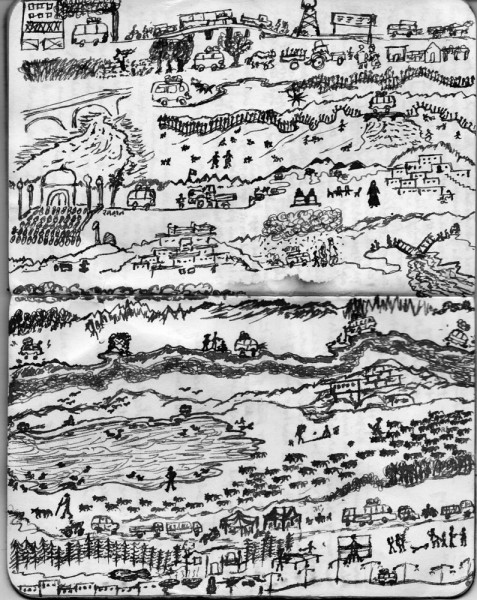

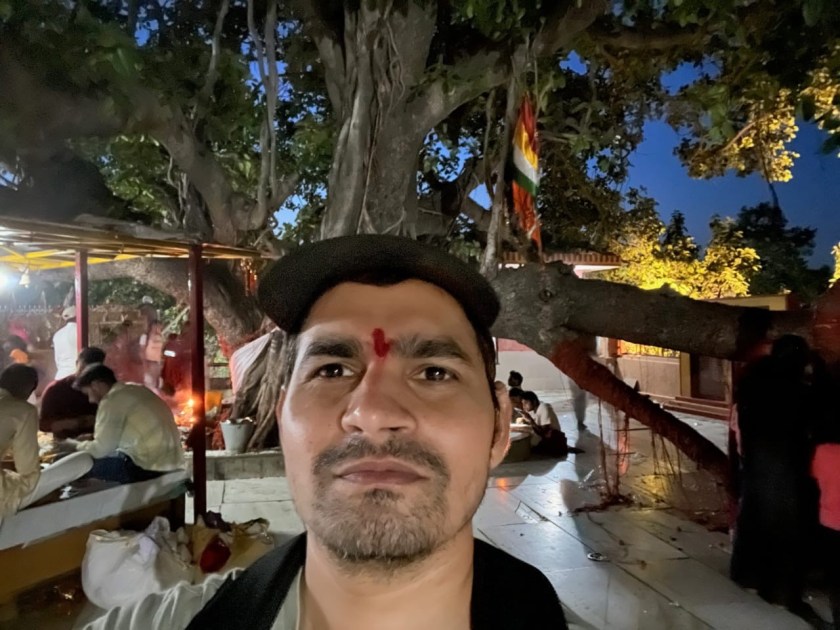
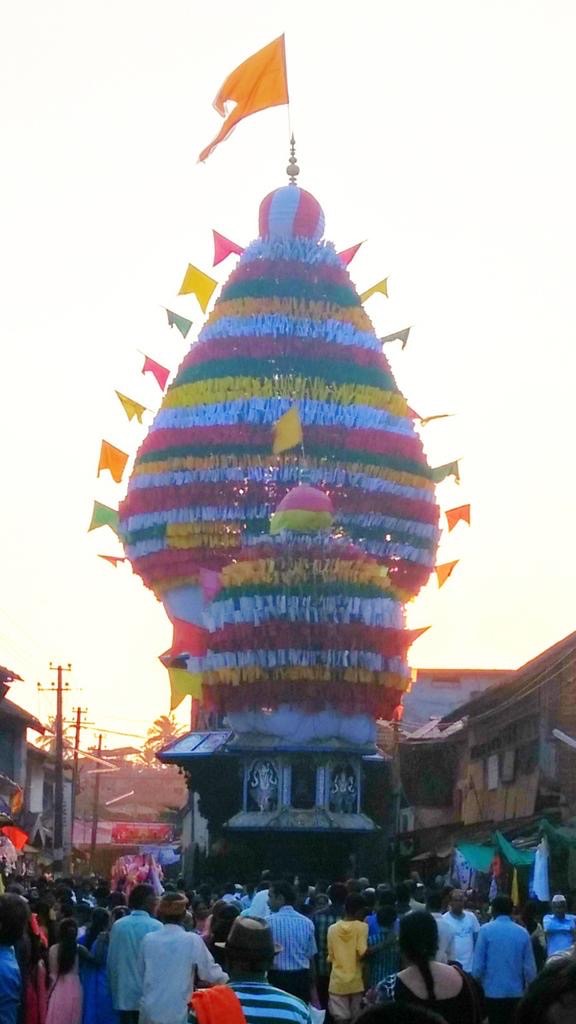


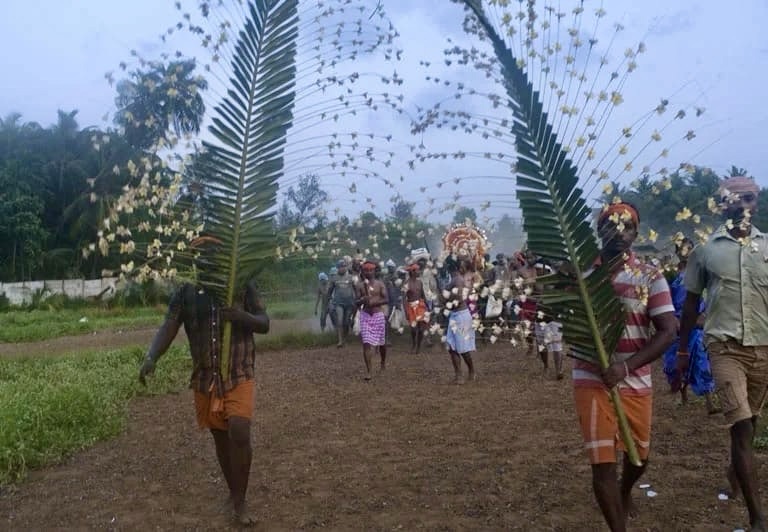


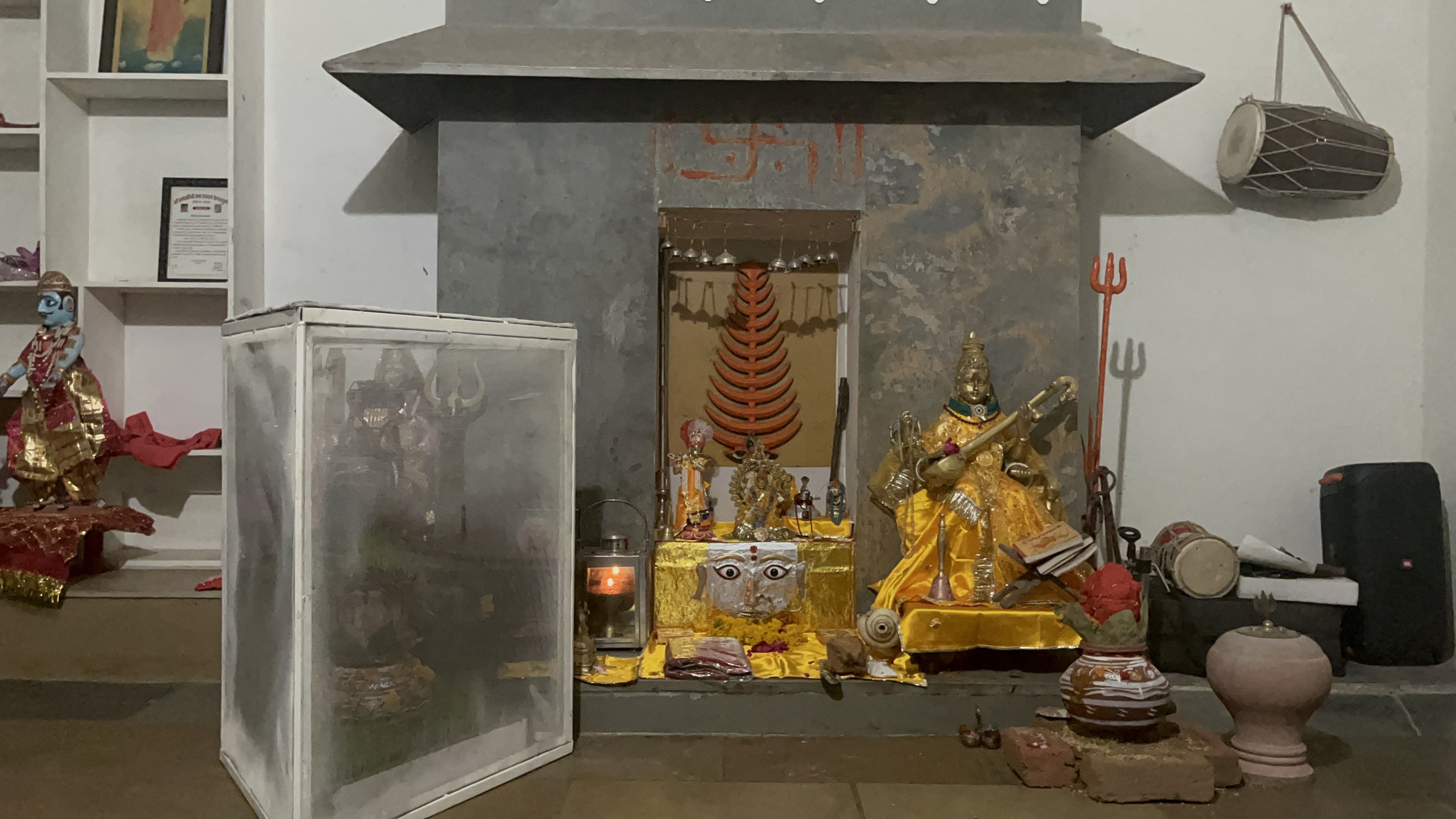

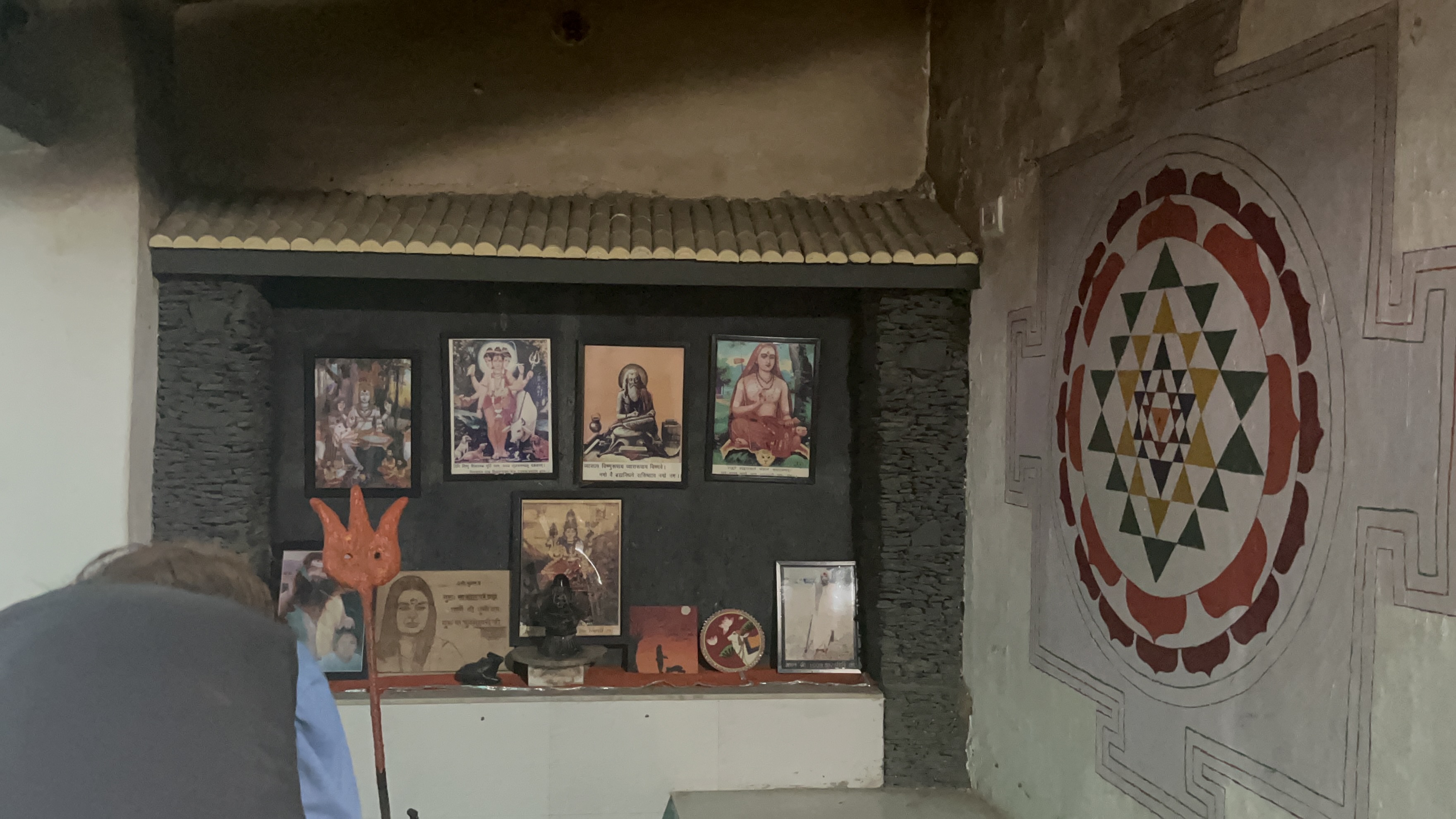
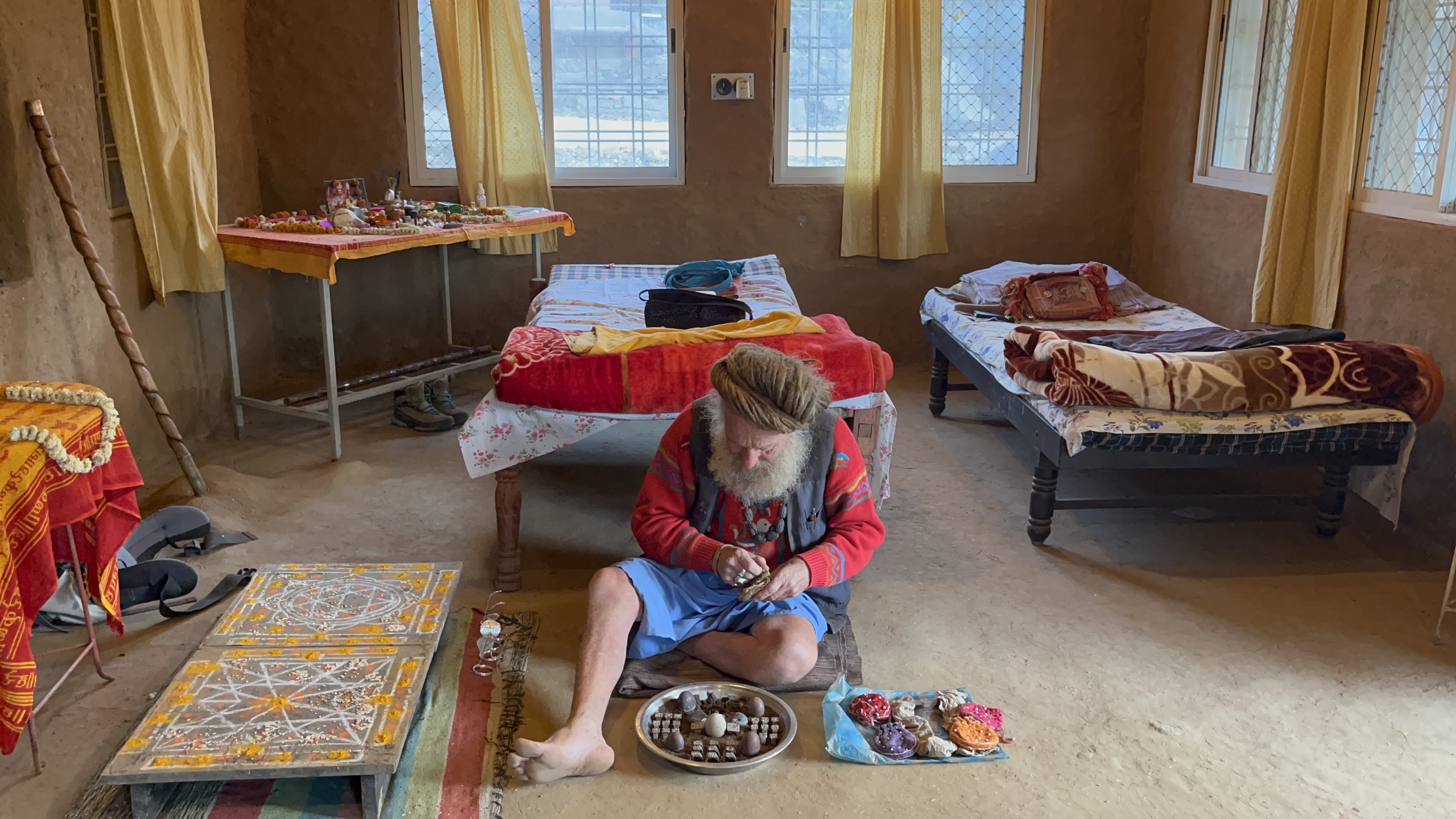


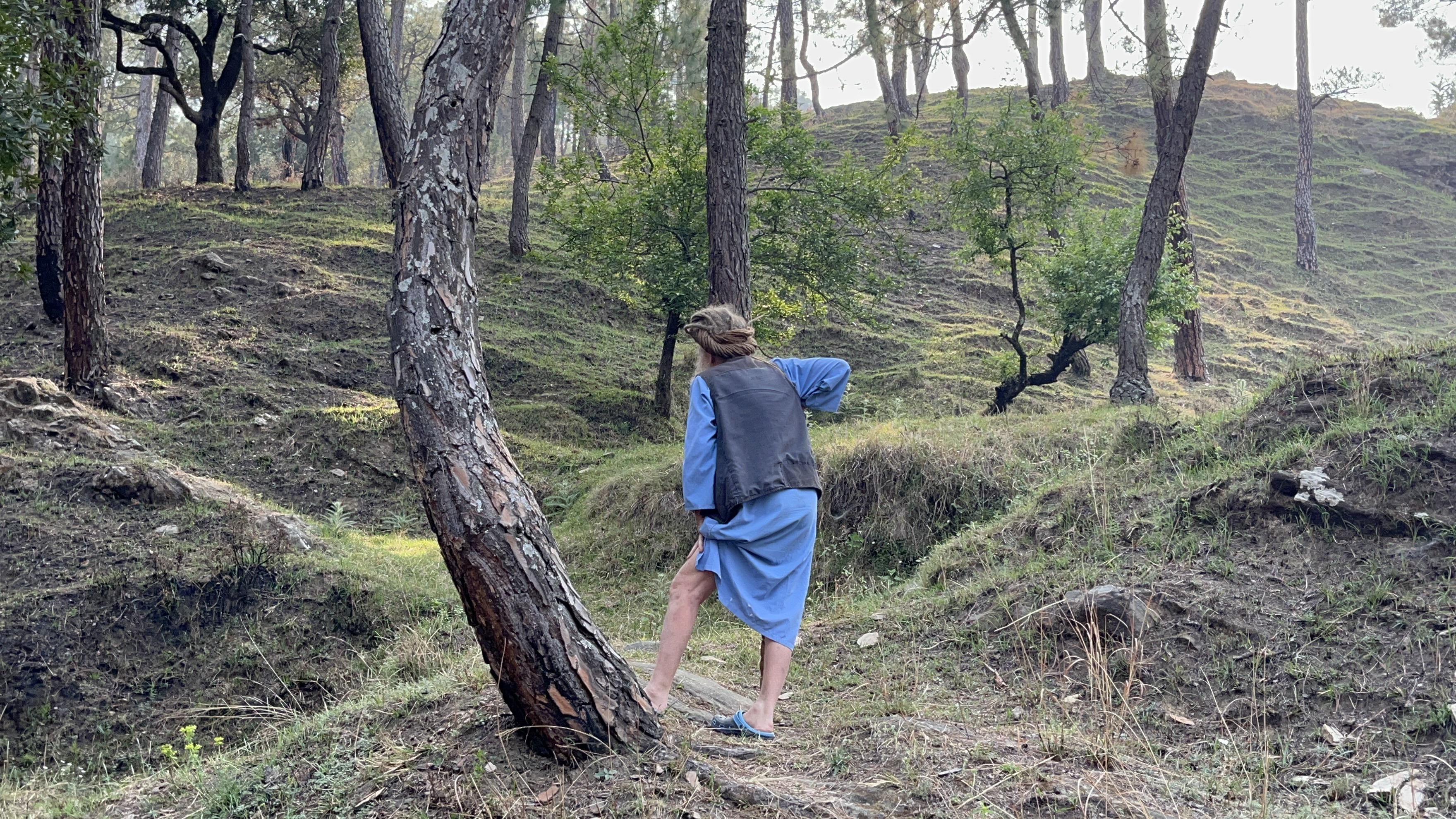
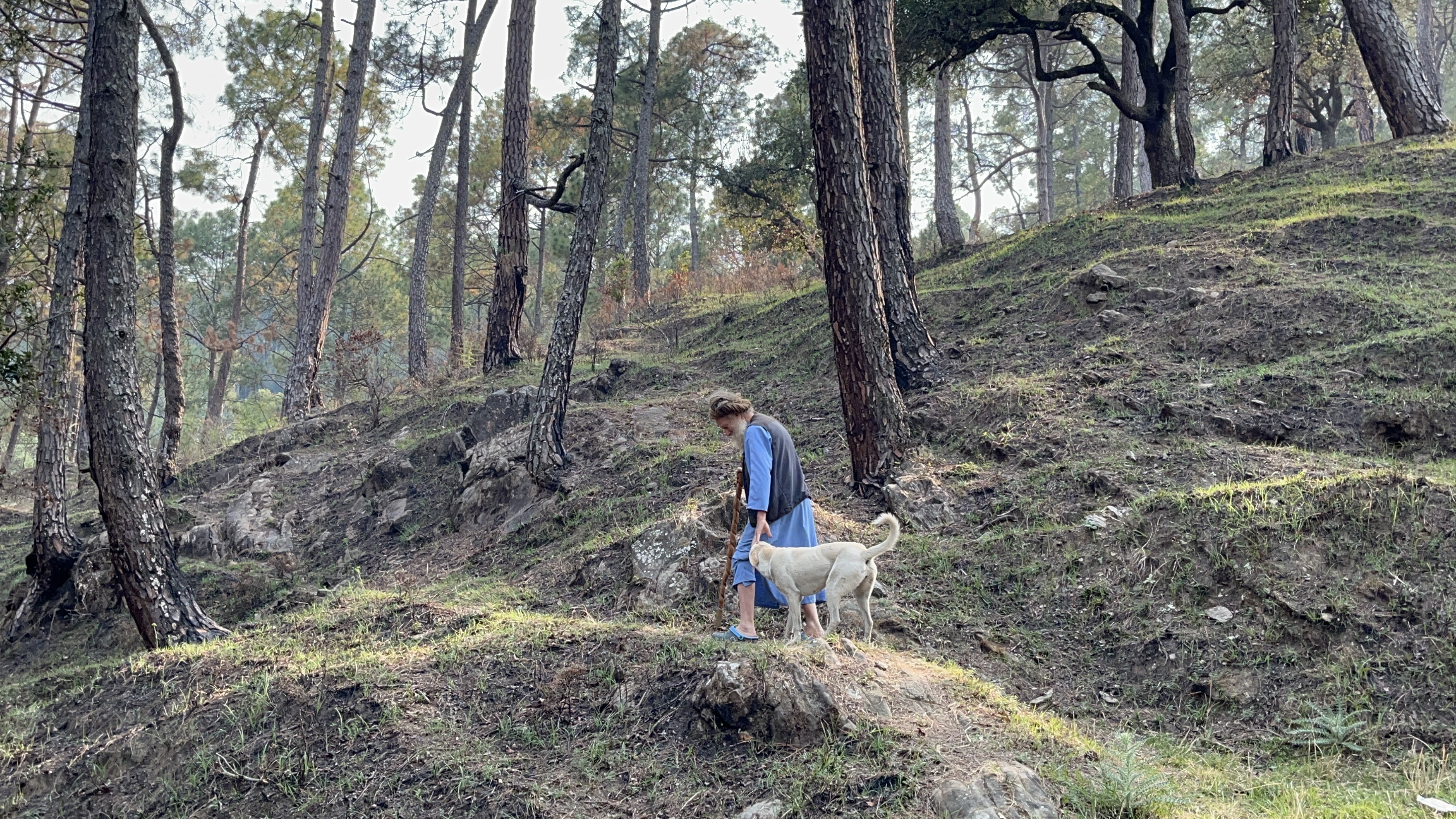


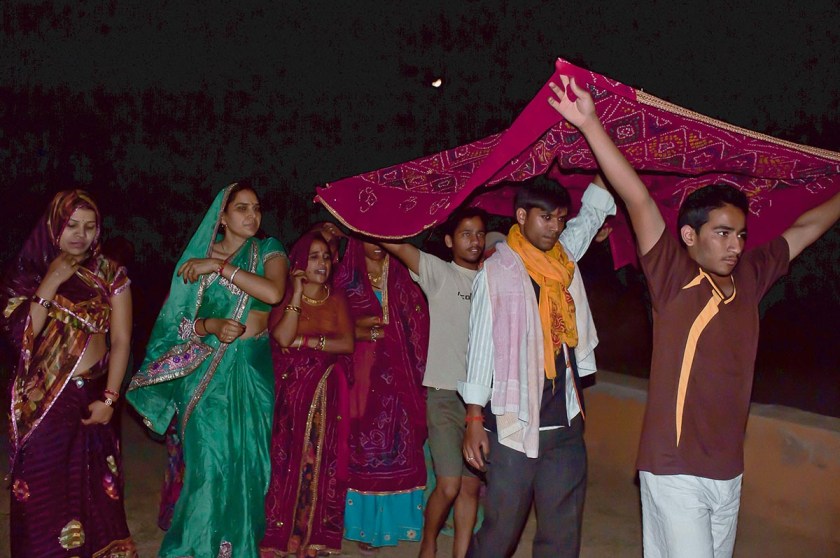

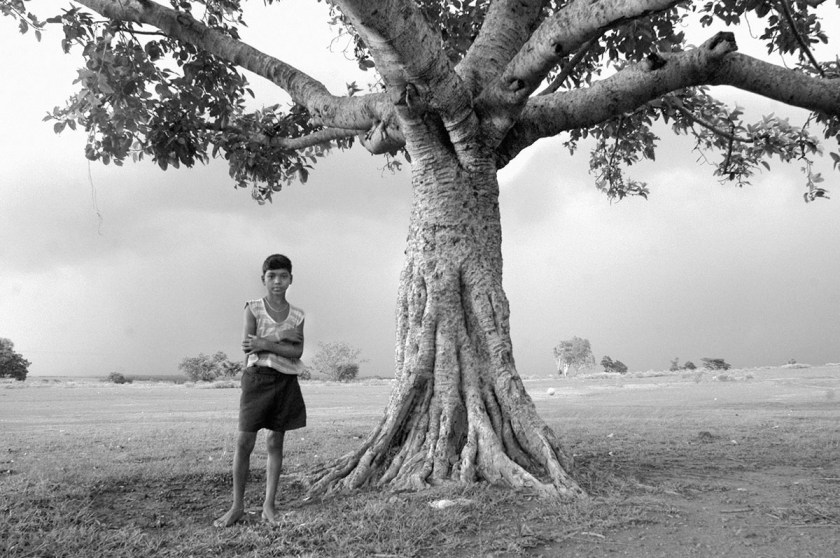
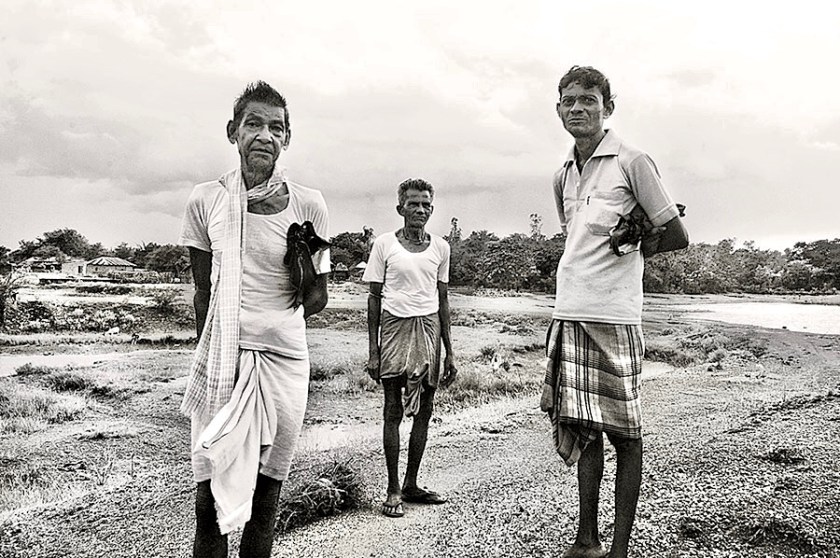

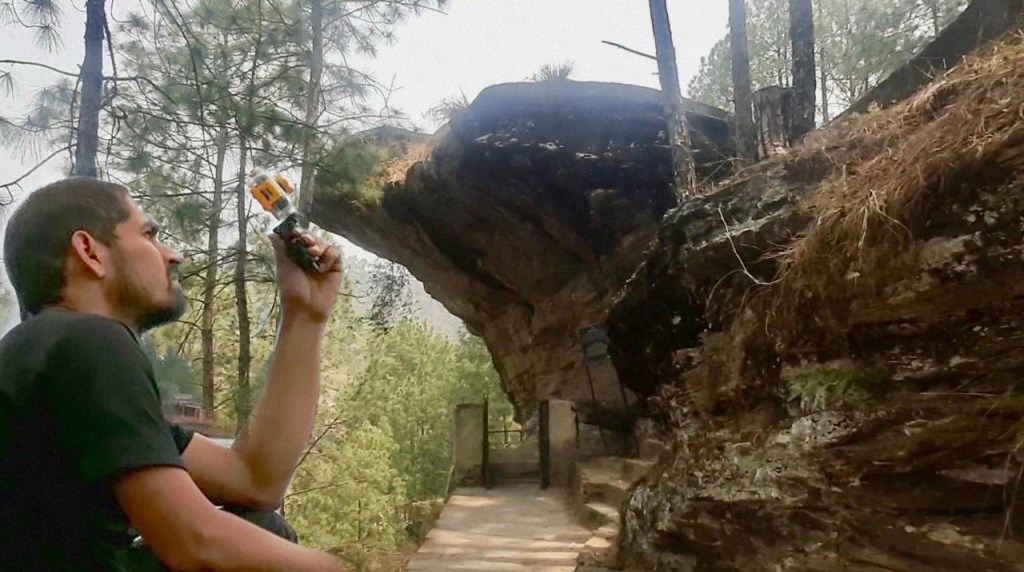


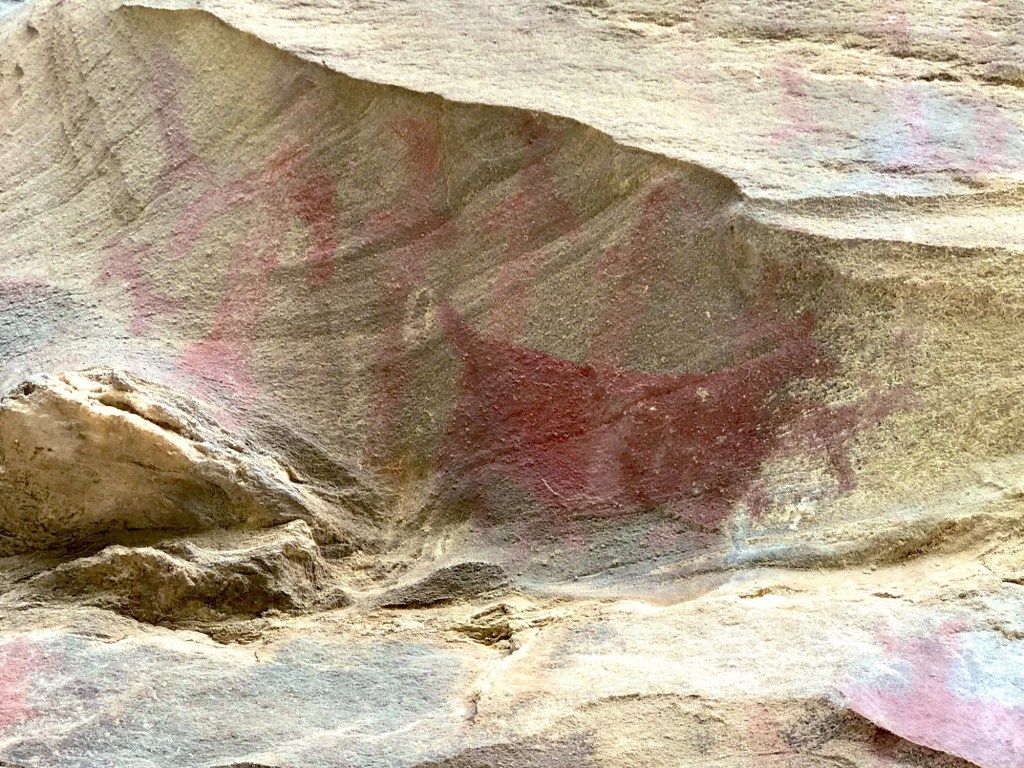

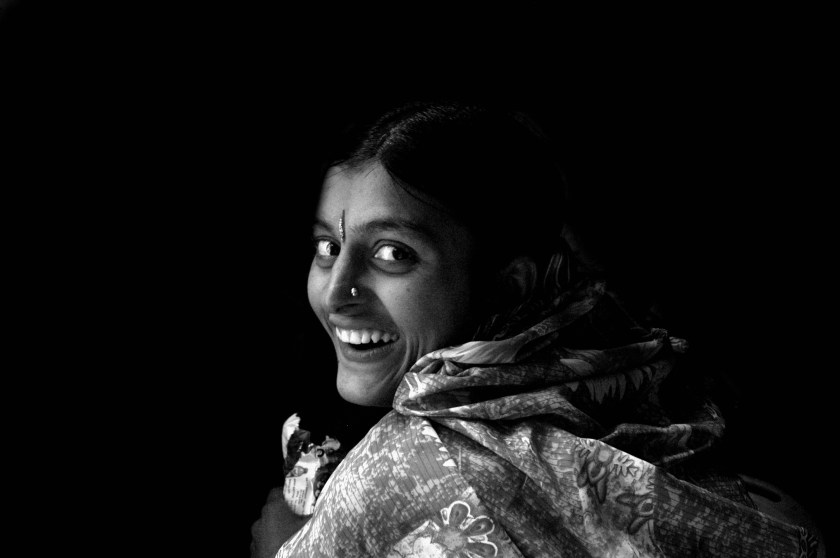


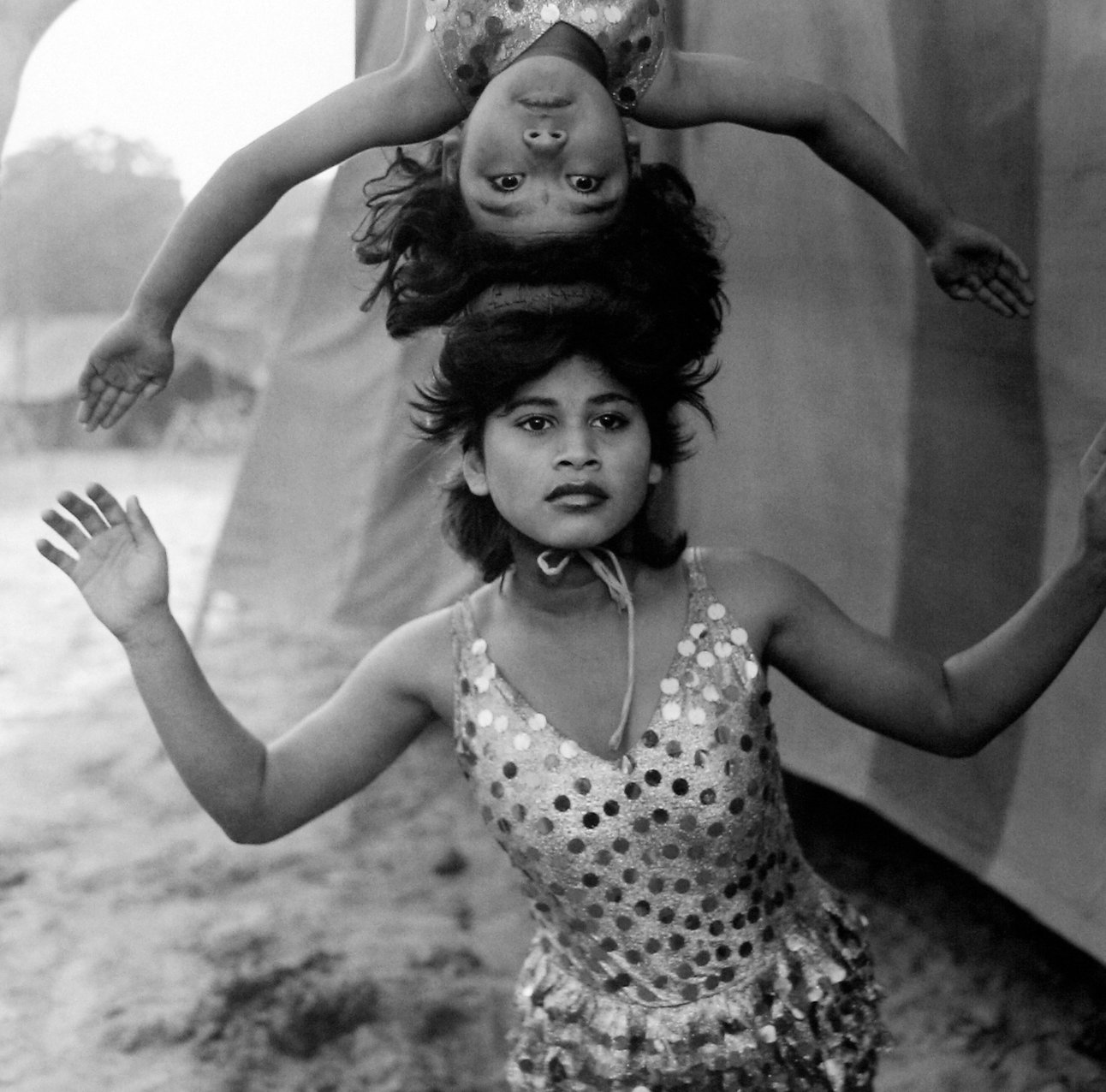


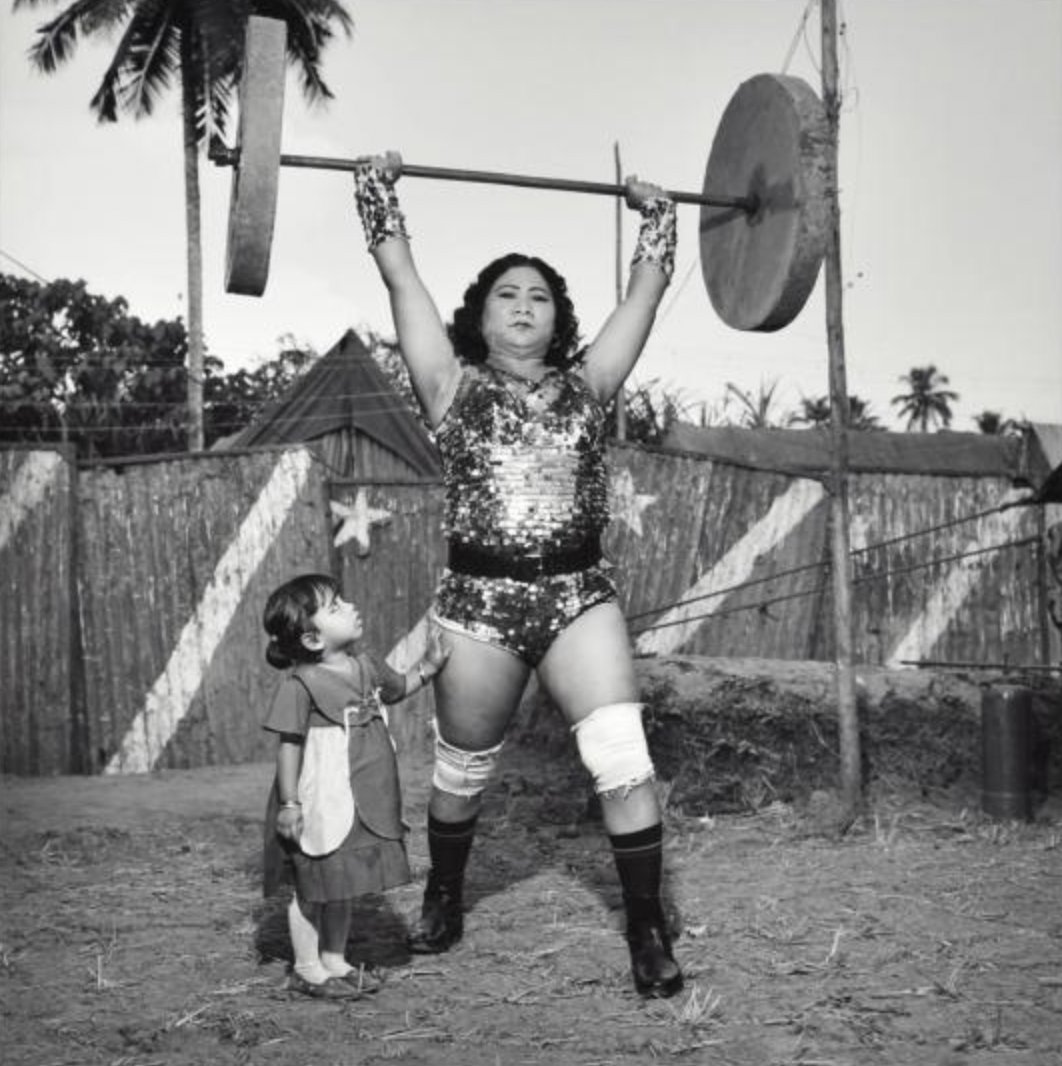


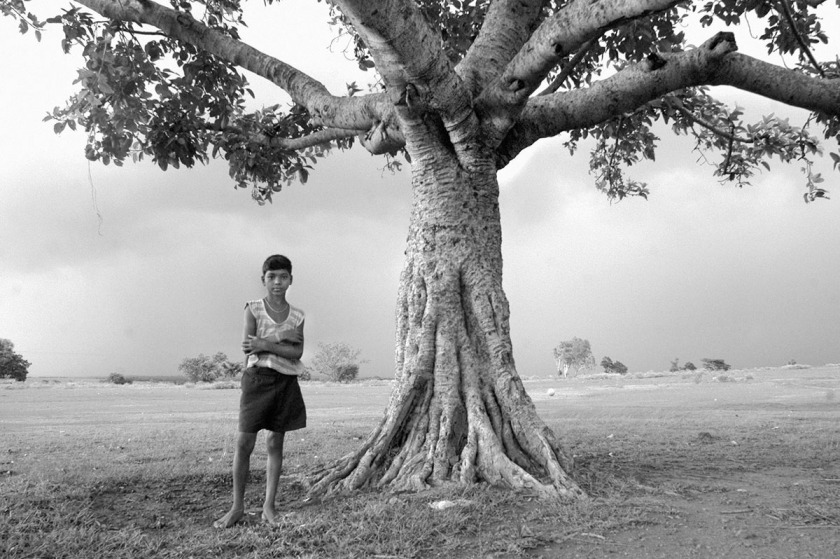
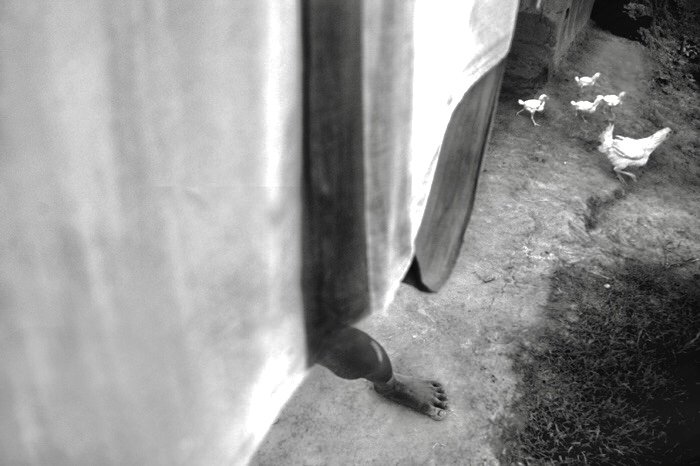


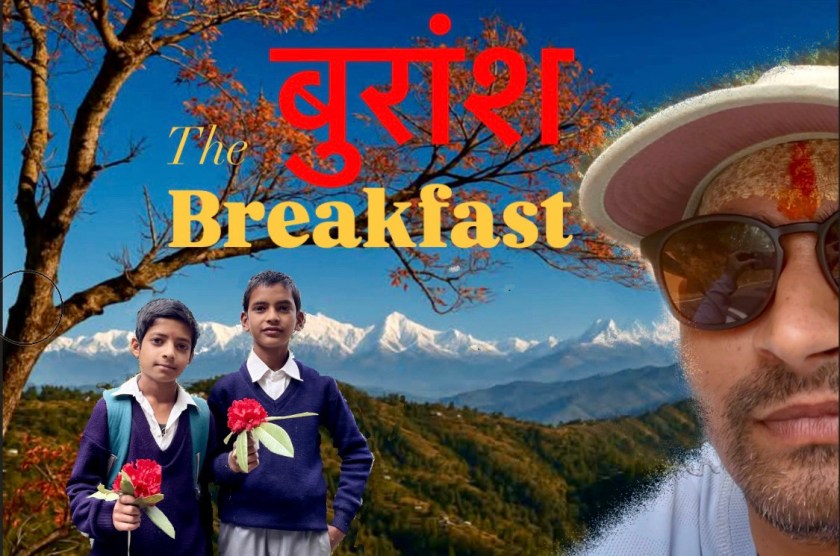


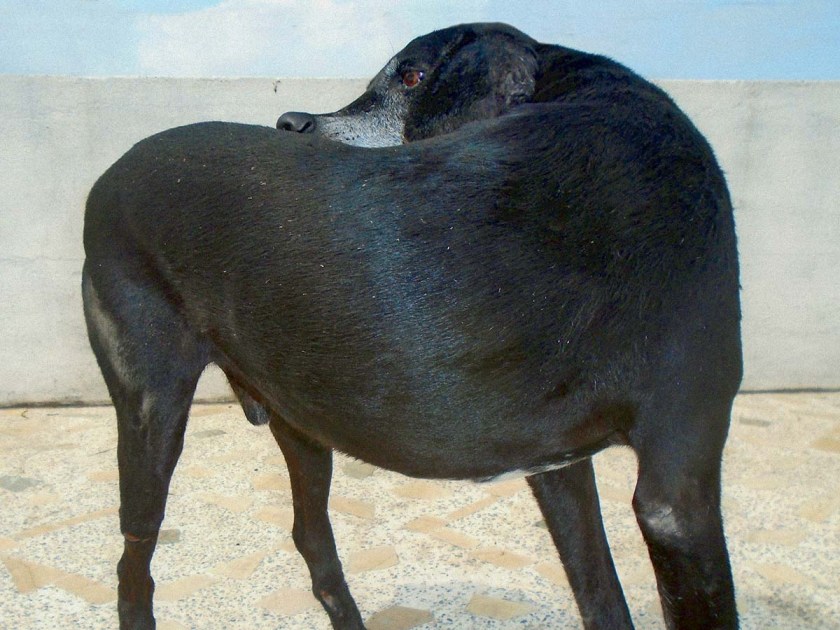


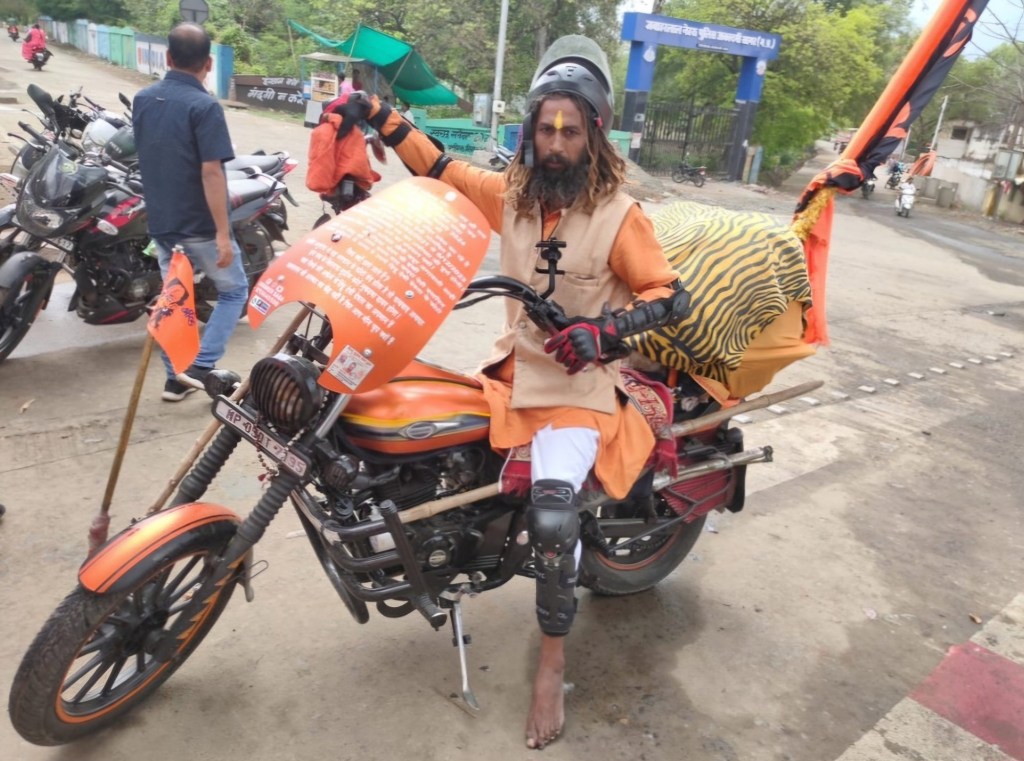
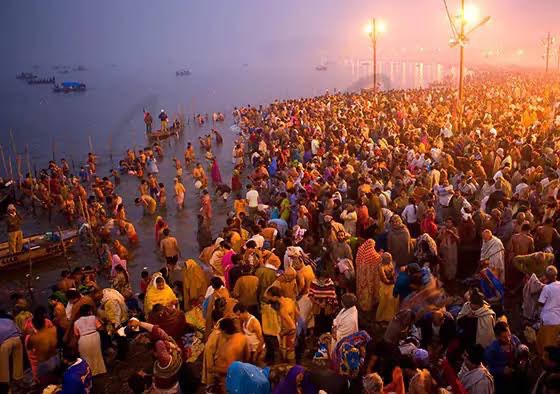
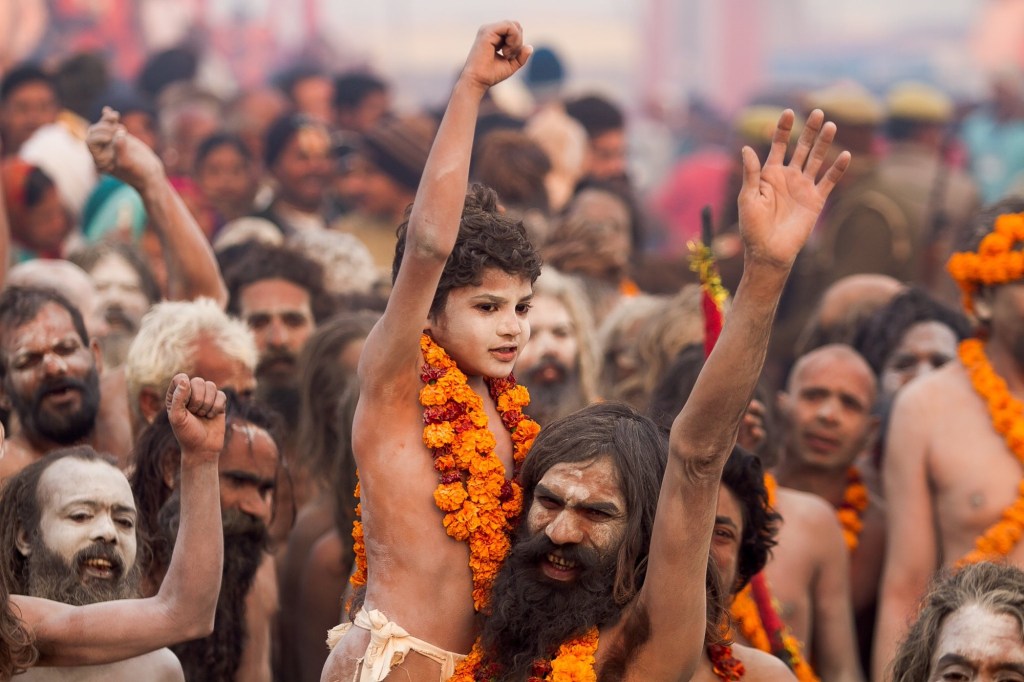
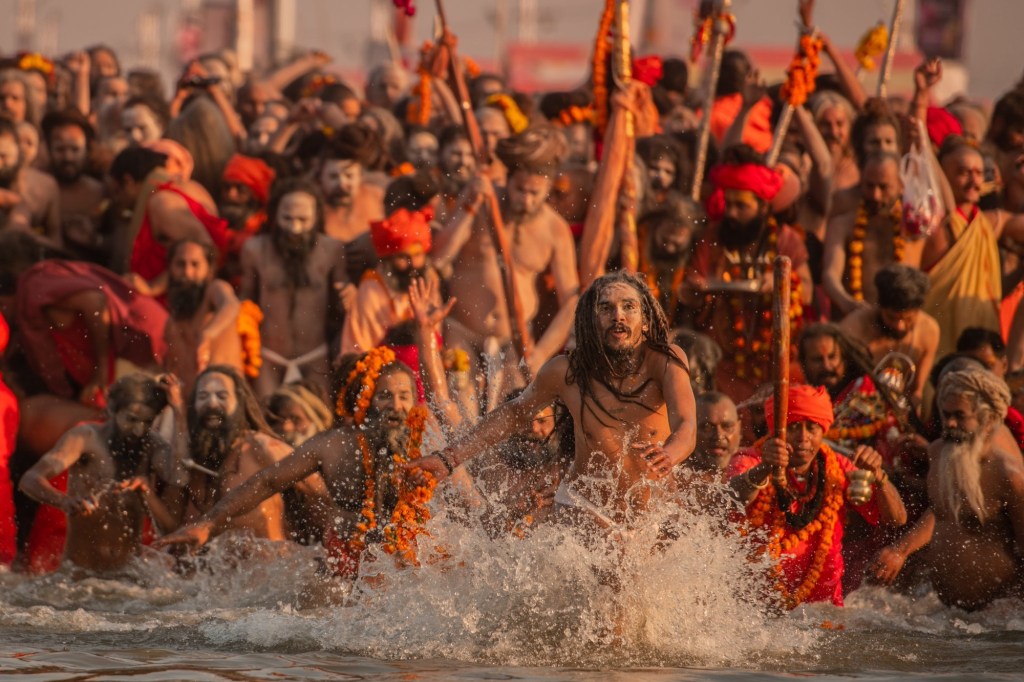
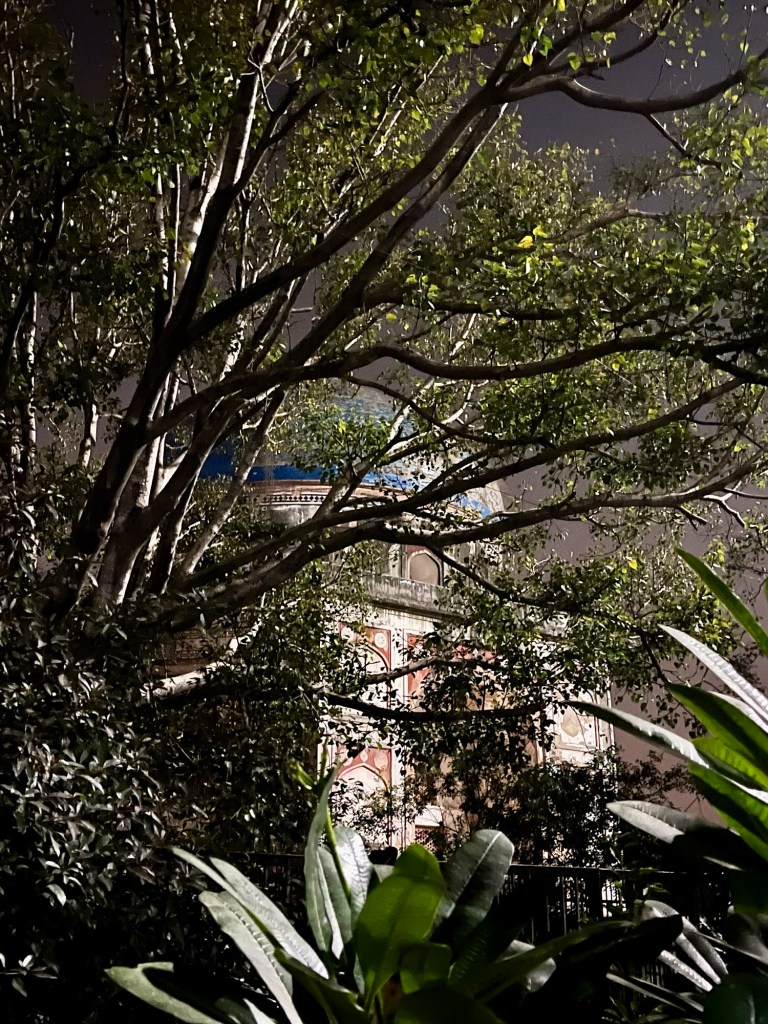
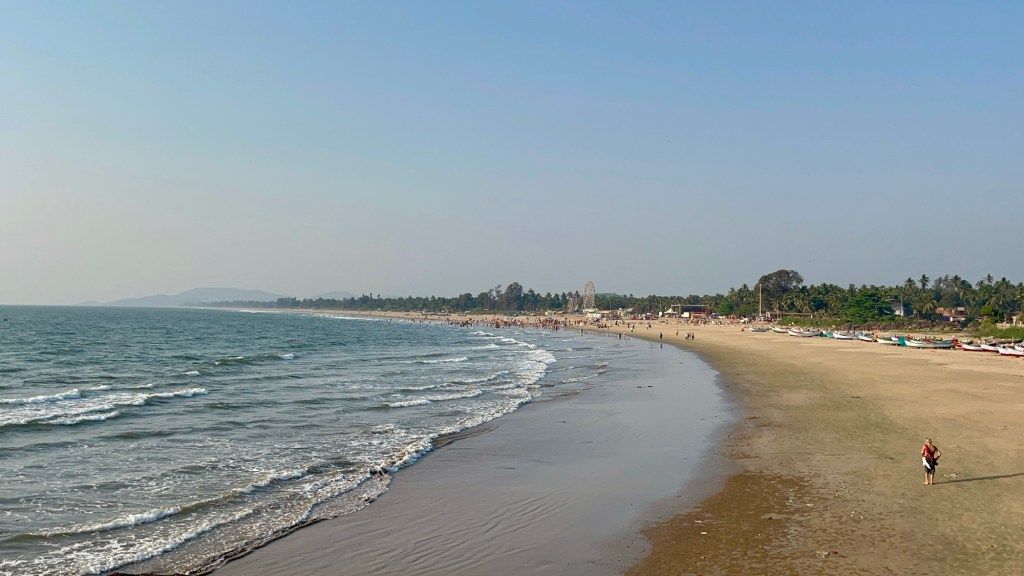


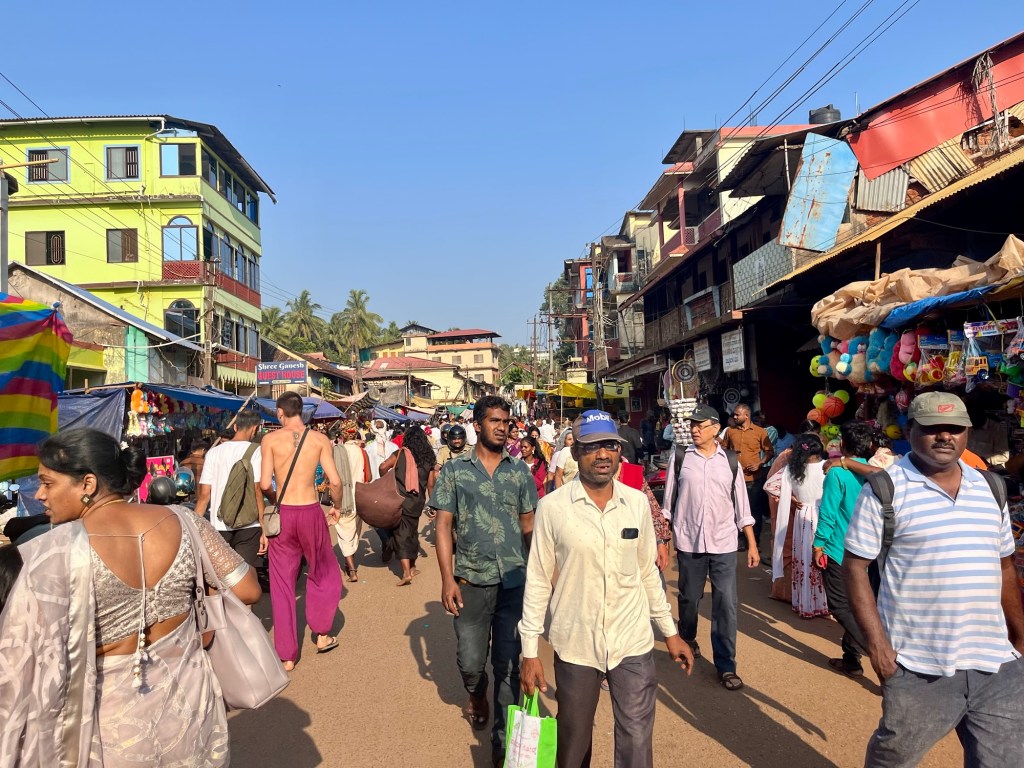


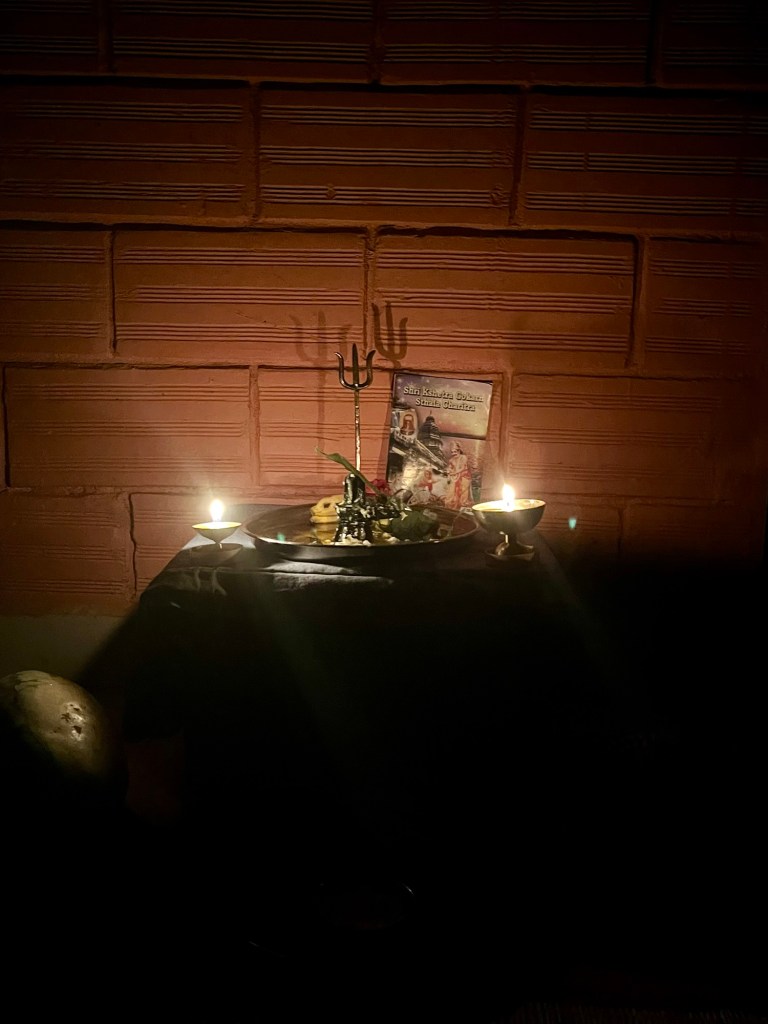

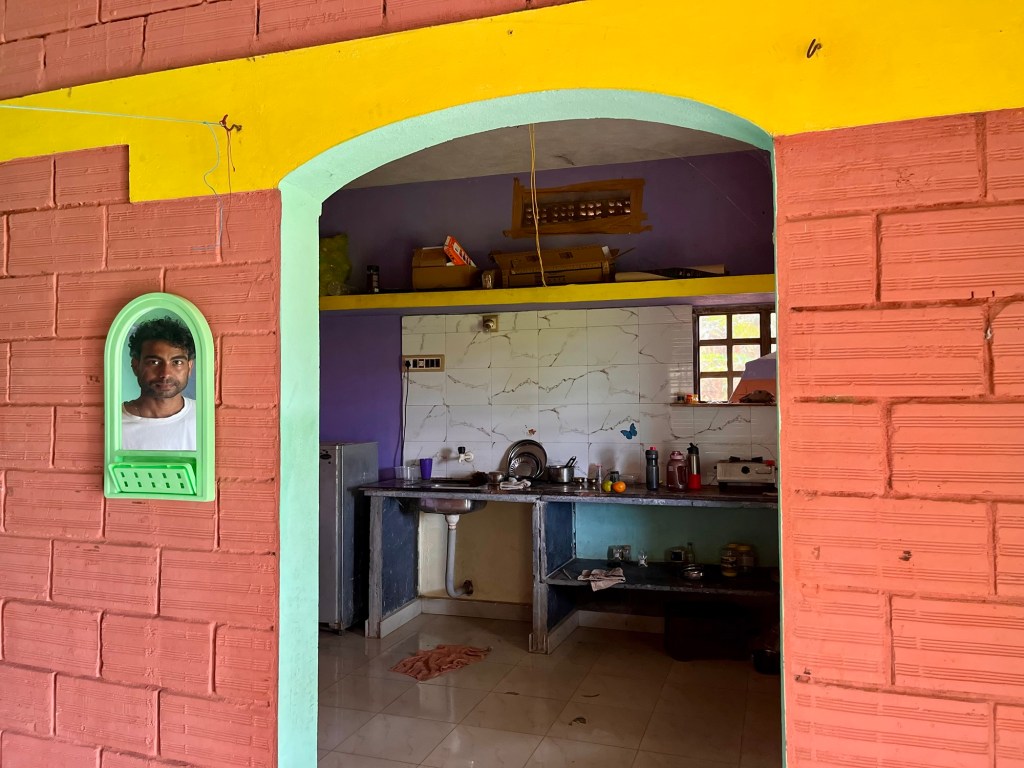
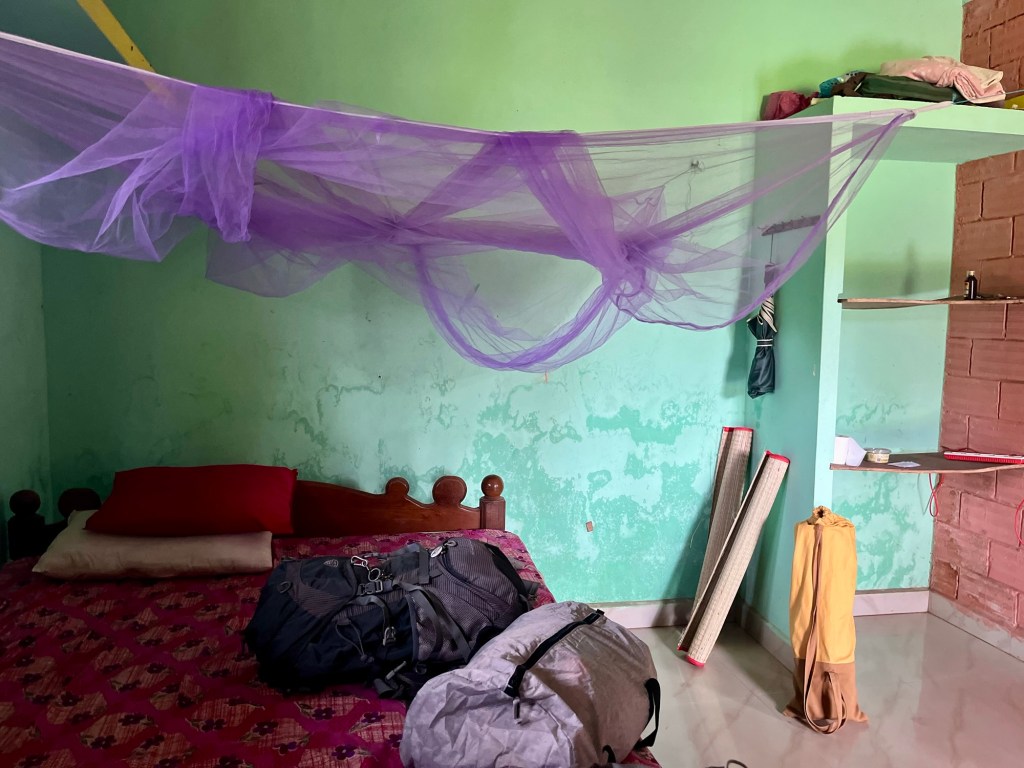


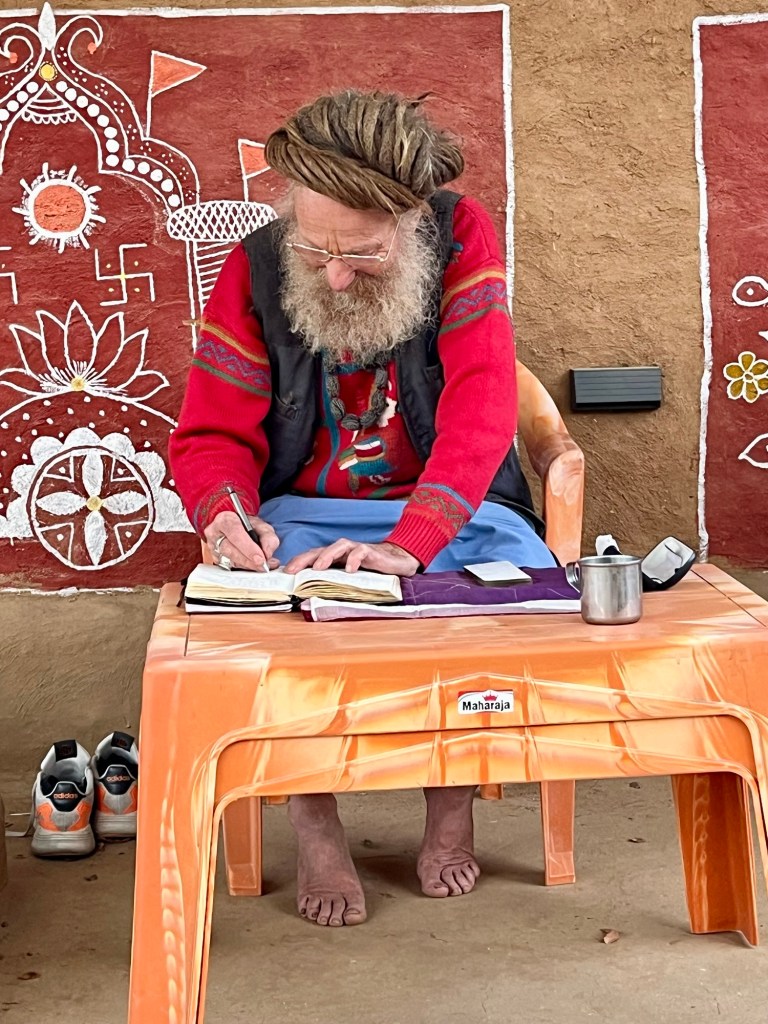
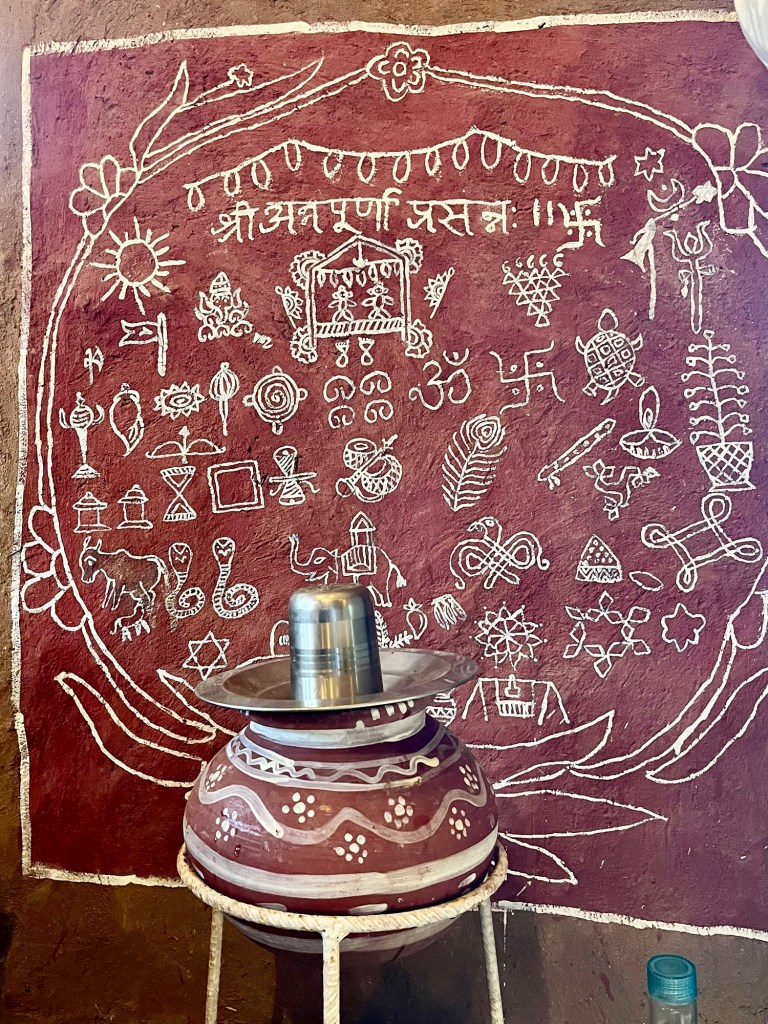
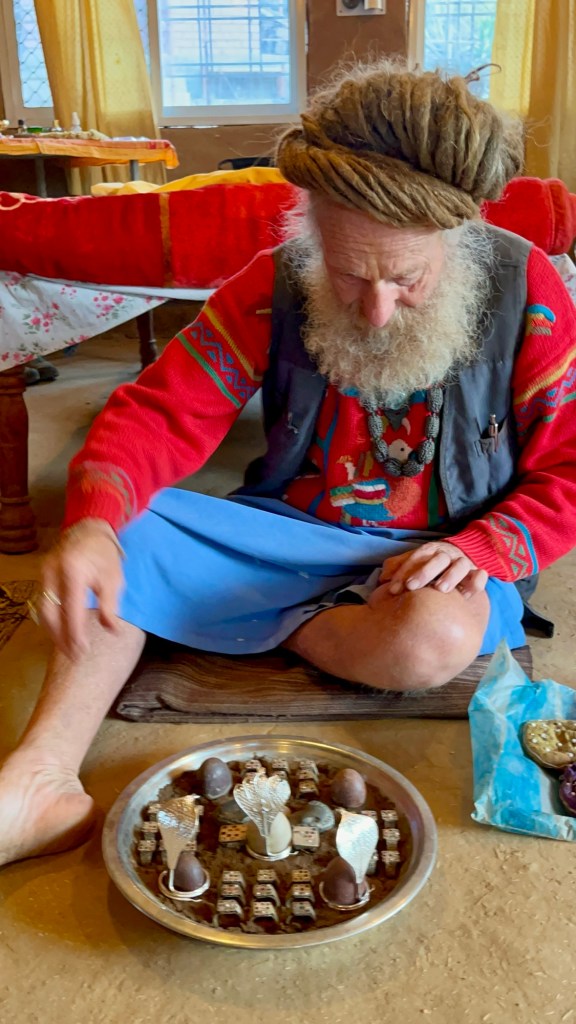


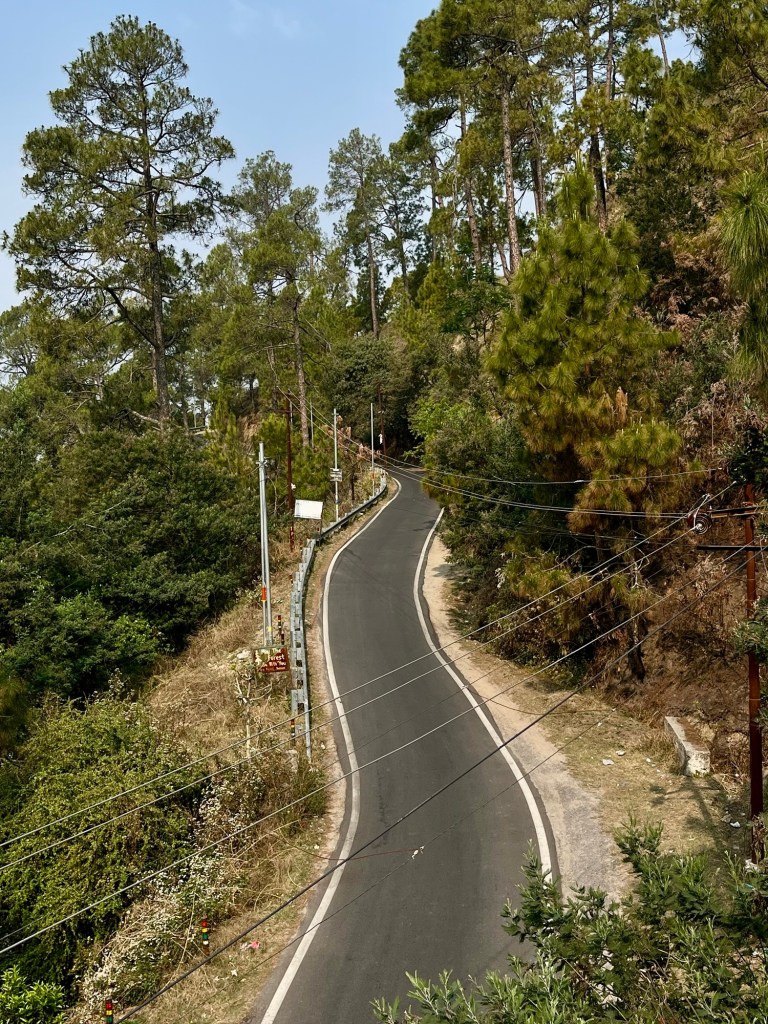




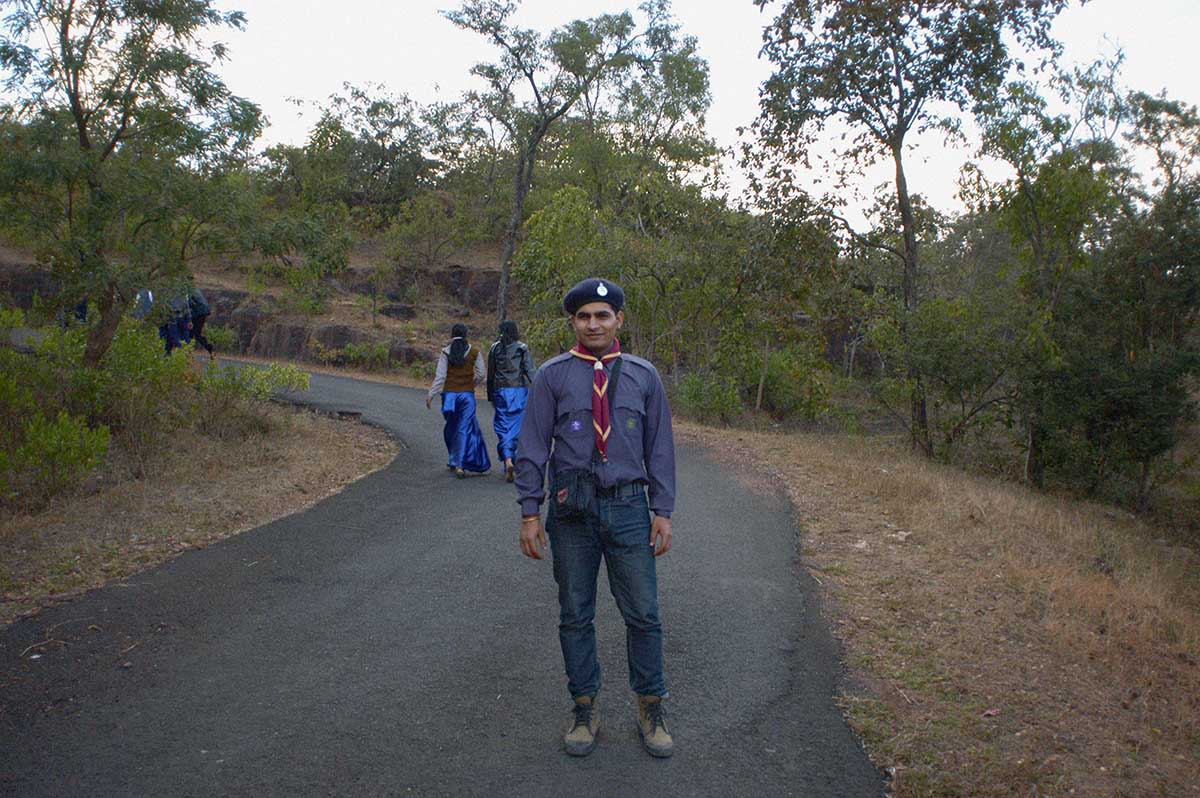


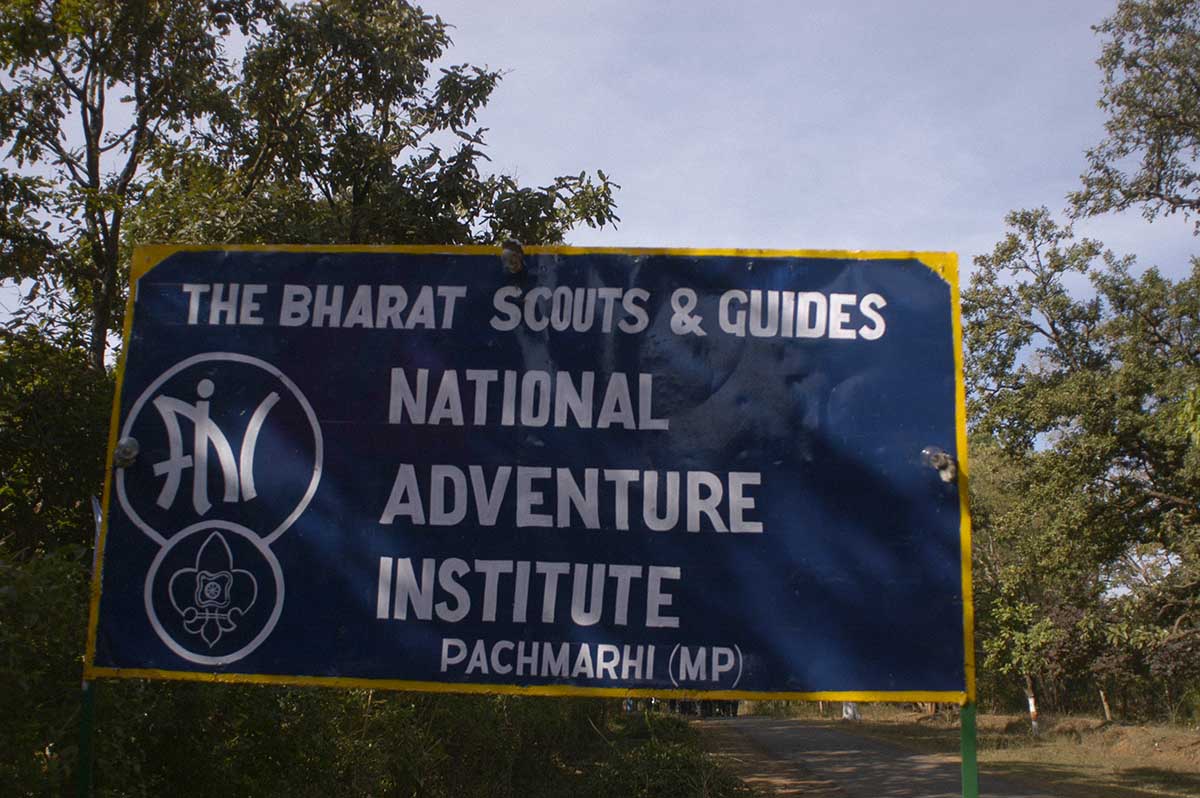

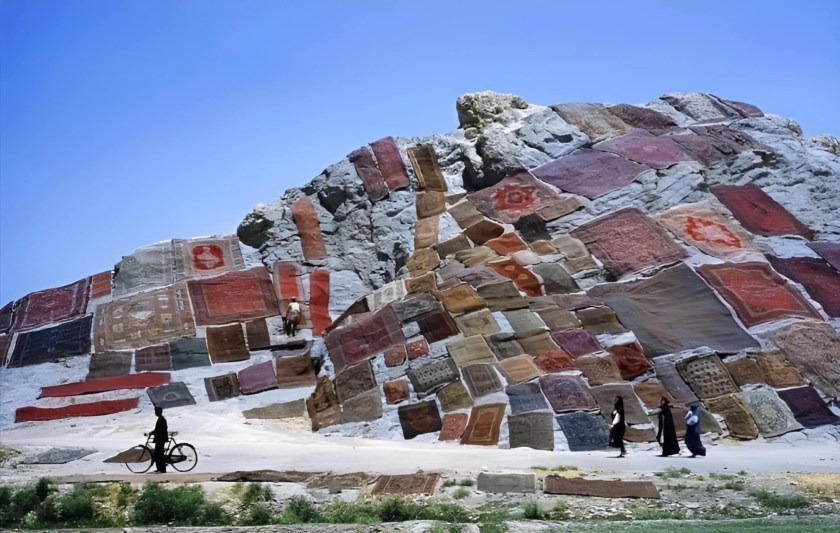


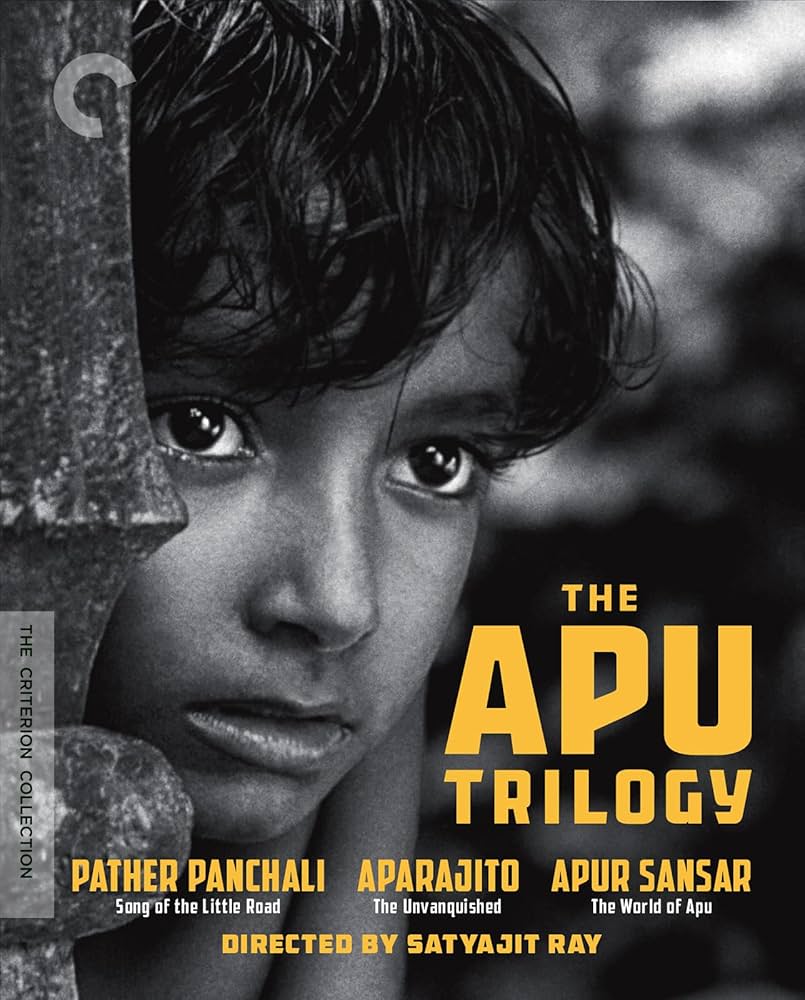






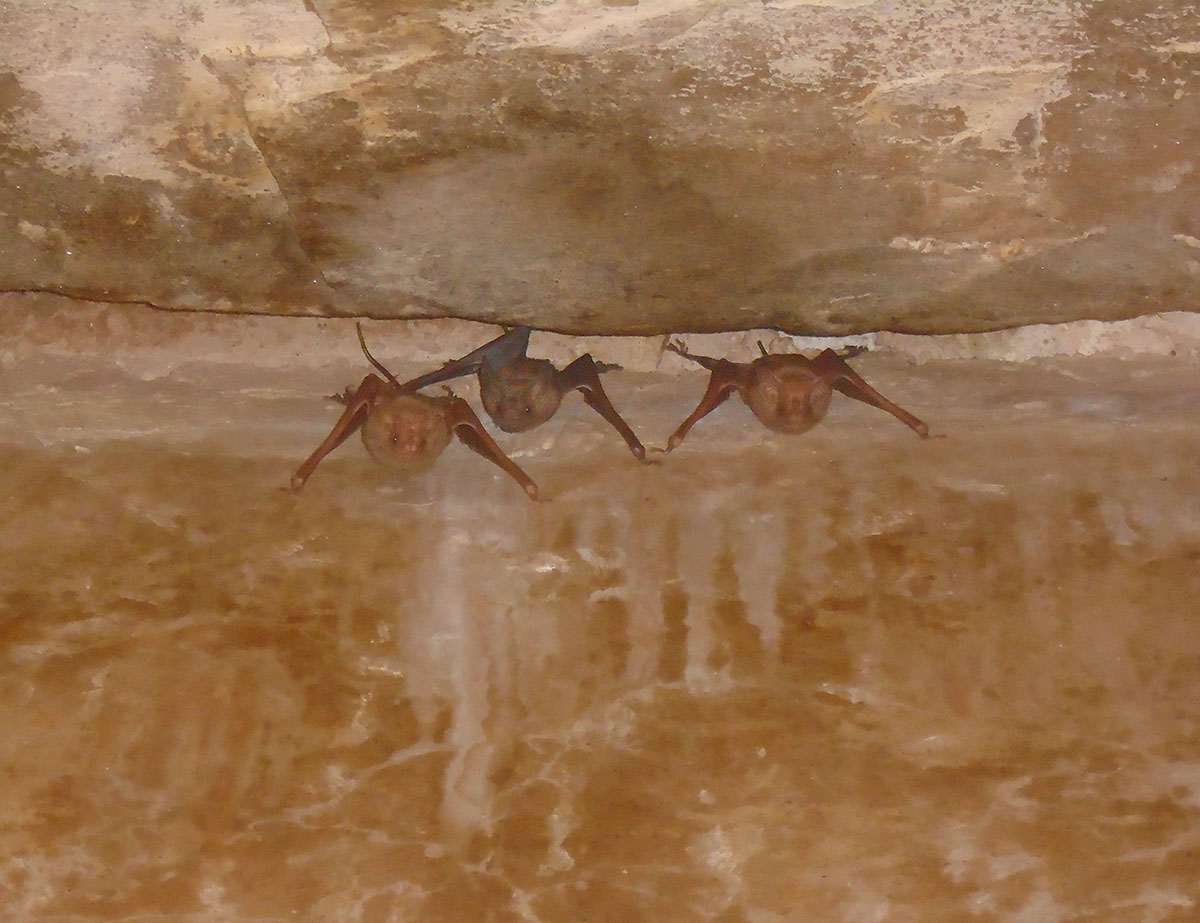


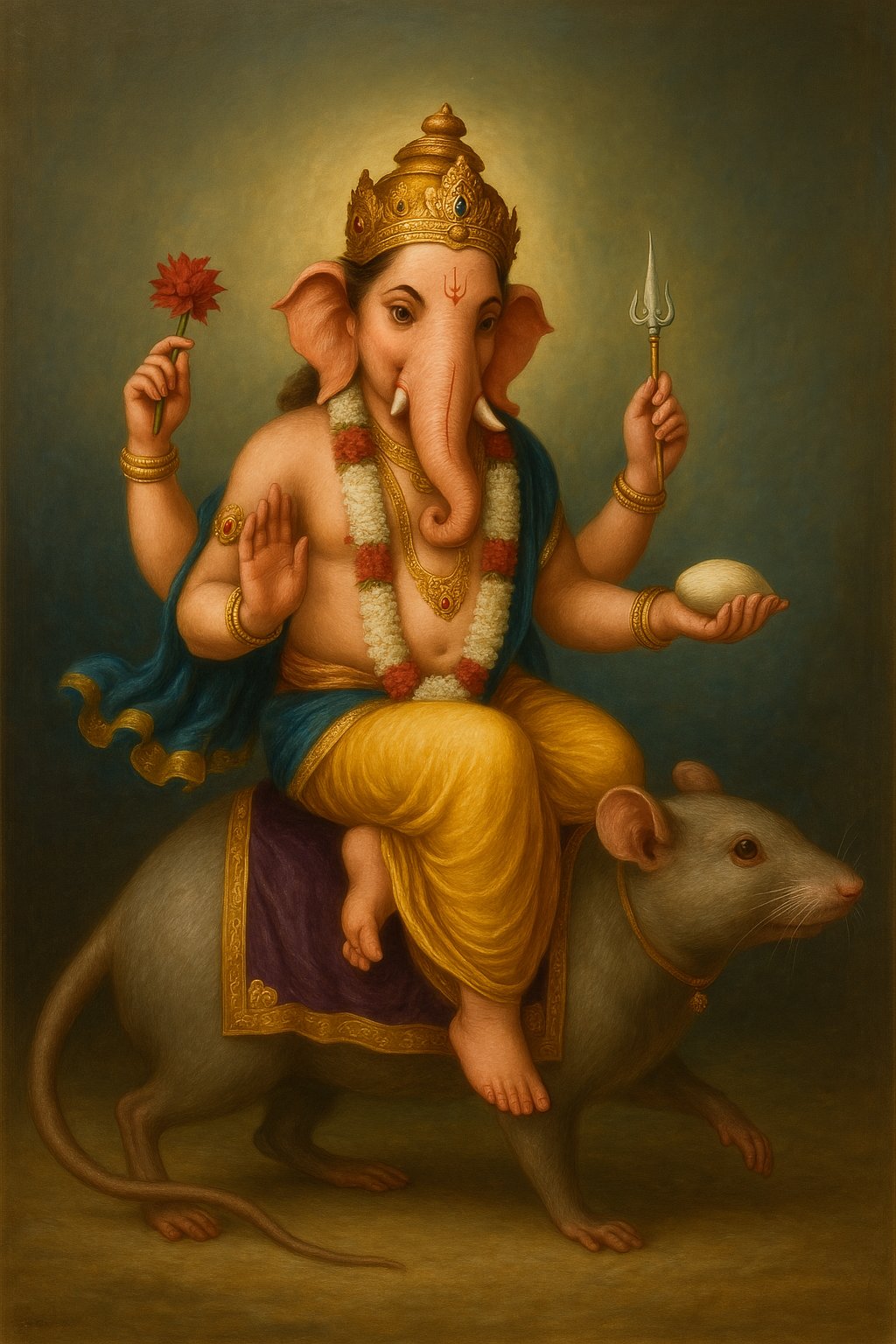

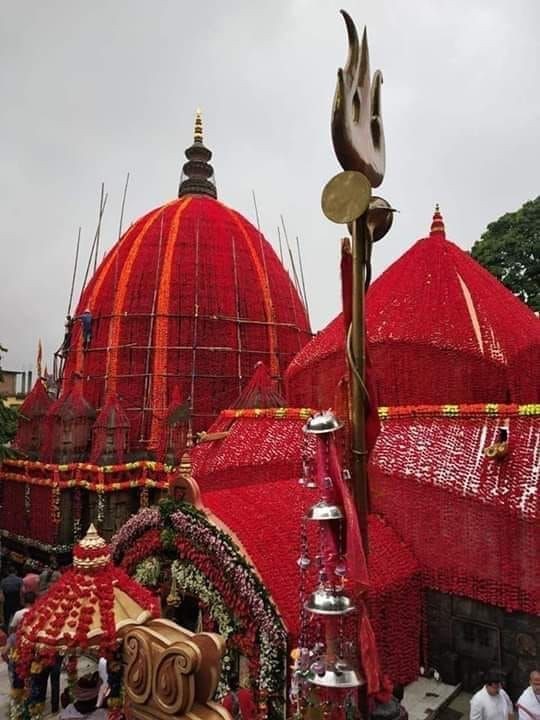
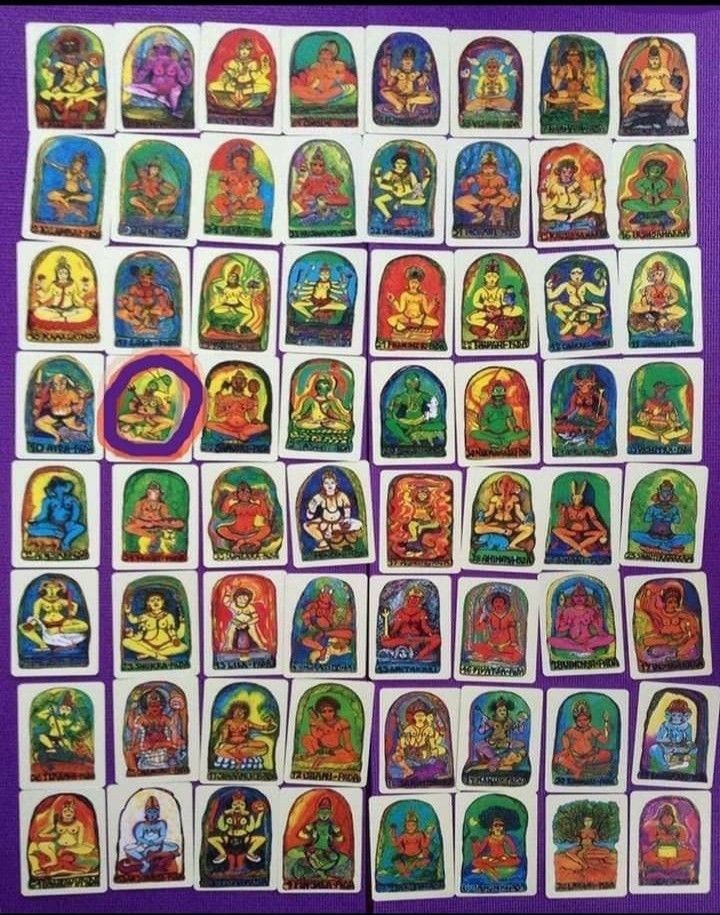
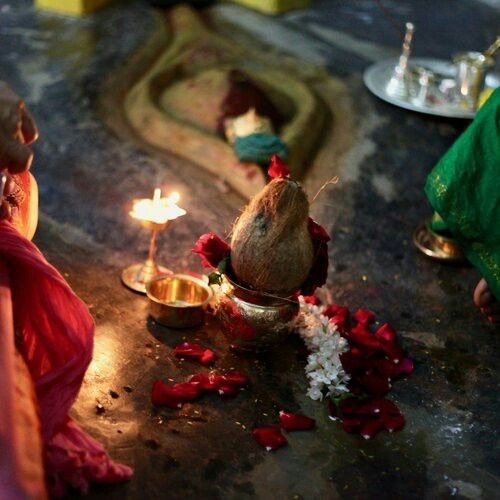
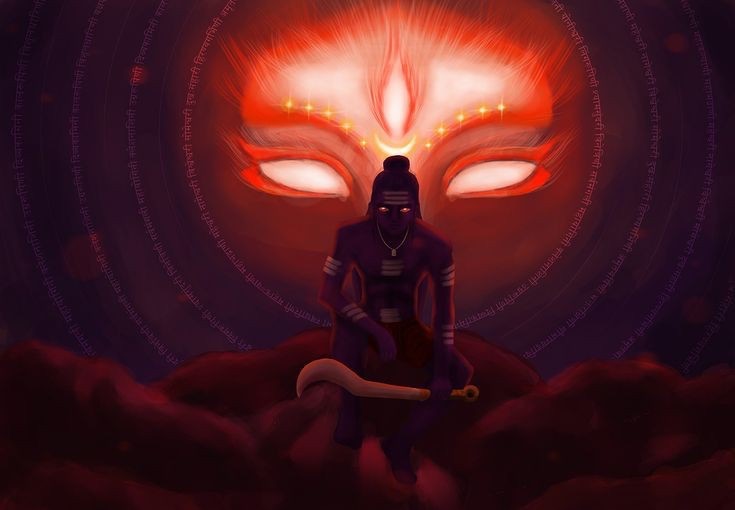


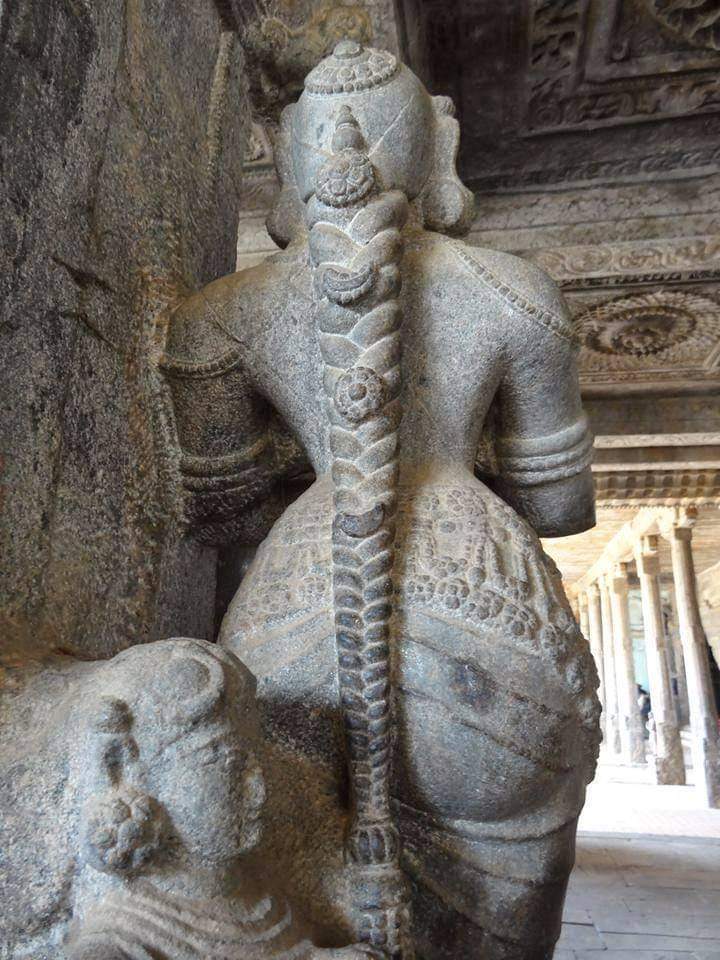

 ROAD TO NARA